

I have spent more evenings than I can count with a symphony on, headphones over my ears, trying to decide whether a violin solo sounded closer to Carnegie Hall or my living room. After a decade of chasing that feeling, I have come to believe the right pair of headphones can transform how you listen to classical and orchestral music.
The best headphones for classical and orchestral music share one trait above all: a wide, natural soundstage that places every instrument in space. They also need neutral tuning so a timpani roll does not get boosted into muddiness, plus enough treble refinement to keep cymbals from turning harsh. Our team spent six weeks comparing 10 candidates across Mahler, Debussy, and Bruckner to find the pairs that bring out the orchestra.
In this guide we break down each pick, explain the open-back versus closed-back debate, and share the buying criteria we wish someone had given us when we started. Whether you are building your first audiophile rig or upgrading from a consumer set, you will find something here.
Table of Contents
Top 3 Picks for Classical and Orchestral Music Headphones October
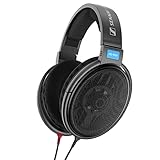
Sennheiser HD600 Open-Back…
- Reference-class clarity
- Warm smooth midrange
- Open spacious soundstage
Best Headphones for Classical and Orchestral Music in 2026
| Product | Specs | Action |
|---|---|---|
| Sennheiser HD600 |
|
Check Latest Price |
 Sennheiser HD 560S Sennheiser HD 560S |
|
Check Latest Price |
 Philips SHP9500 Philips SHP9500 |
|
Check Latest Price |
 HIFIMAN Sundara HIFIMAN Sundara |
|
Check Latest Price |
 beyerdynamic DT 990 PRO beyerdynamic DT 990 PRO |
|
Check Latest Price |
 Sennheiser HD 599 Sennheiser HD 599 |
|
Check Latest Price |
 AKG K701 AKG K701 |
|
Check Latest Price |
 Sony MDR7506 Sony MDR7506 |
|
Check Latest Price |
| Audio-Technica ATH-M50X |
|
Check Latest Price |
| Audio-Technica ATH-M40x |
|
Check Latest Price |
1. Sennheiser HD600 – Reference Open-Back for String Sections
Pros
- Warm smooth midrange ideal for strings
- Reference-class clarity and imaging
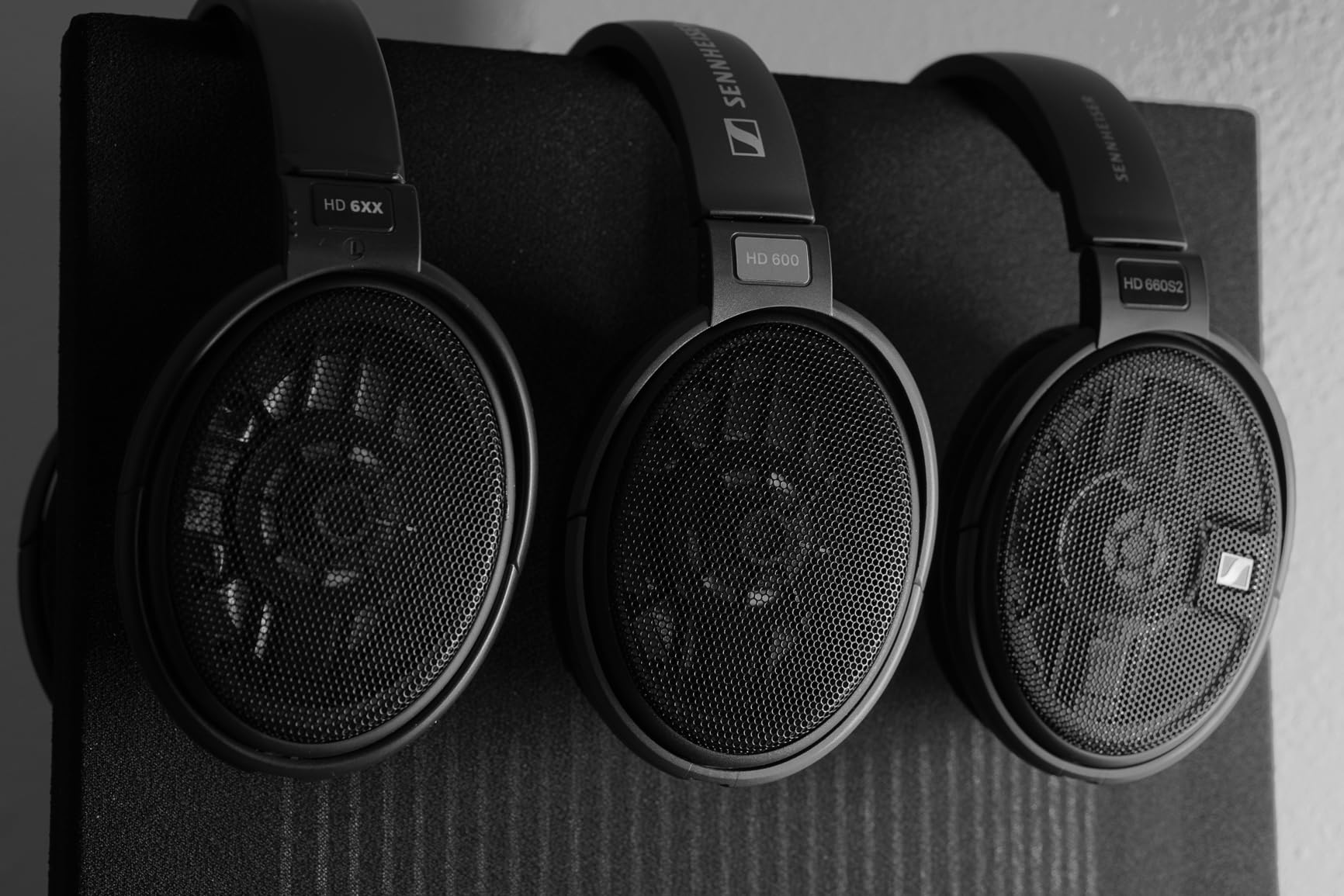
- Plush ear pads for long sessions
- Durable premium build
Cons
- 300 Ohm needs a dedicated amp
- Open design offers no isolation
I bought my first HD600 in 2017 and I still use it weekly. The first time I put on a recording of Brahms’s Violin Concerto with Hilary Hahn, the violin’s midrange sounded almost tactile, like the rosin on the bow had texture. That midrange warmth is what makes the HD600 the most beloved classical music headphone on forums and one of the best headphones for classical and orchestral music at any tier.
The HD600 uses an open-back design with neodymium ferrous magnets and a detachable Kevlar-reinforced cable. Frequency response stretches from 12 Hz to 40,500 Hz which is far above human hearing but tells you the driver is not rolled off anywhere in the audible band. The 300 Ohm impedance means you really do need an amplifier to get the best out of them. Plug them into a phone and they sound flat. Drive them with a Schiit Magni and they sing.
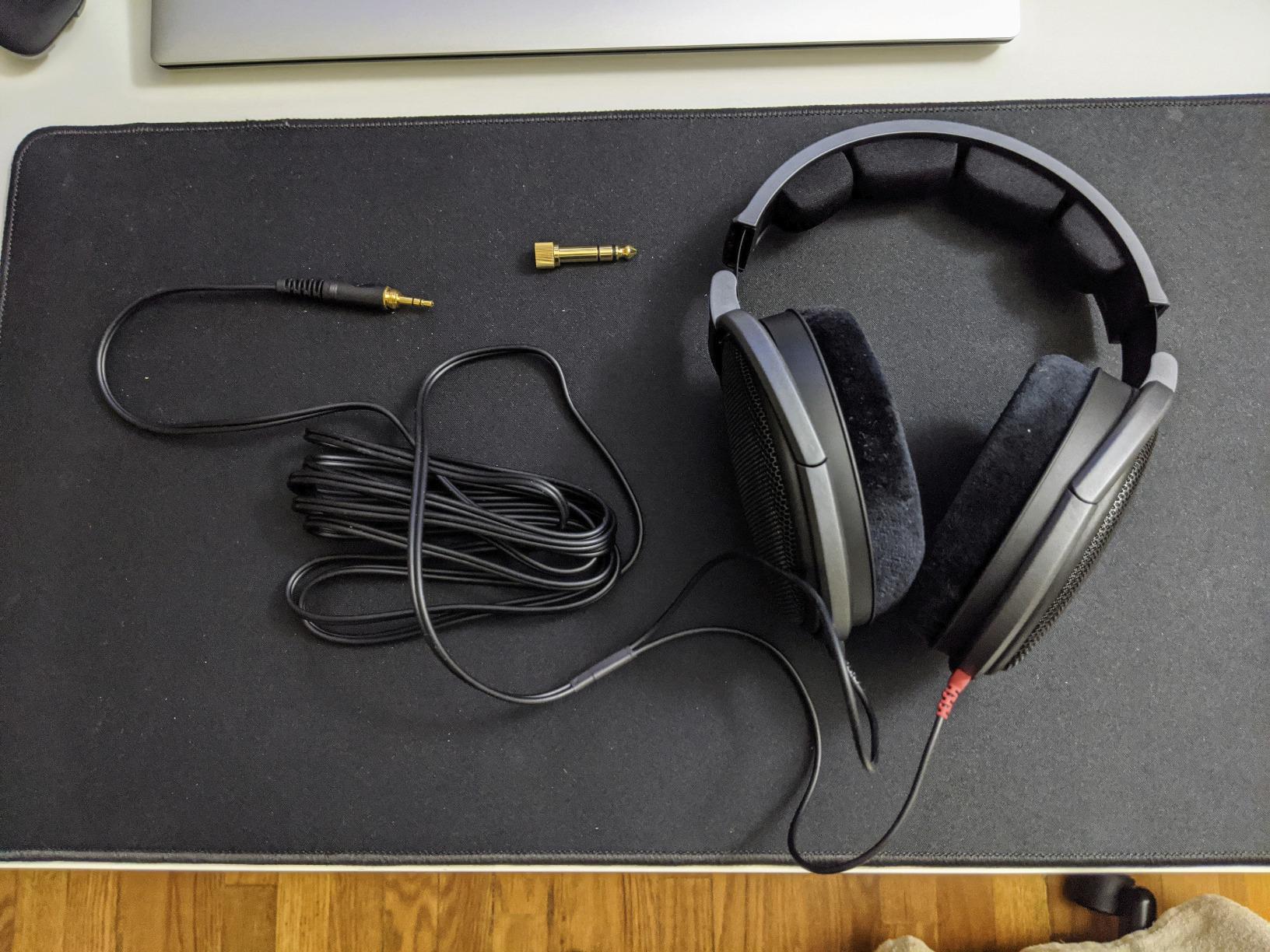
Where the HD600 truly excels is string, vocal, and chamber music. Cello suites gain a woody resonance, opera vocals sound present without glare, and piano recordings capture the percussive attack of hammers on strings. The soundstage is wide and natural rather than artificially large. Imaging is precise enough that you can pick out individual violin sections in a Mahler symphony.
For orchestral music the HD600 will not artificially boost bass or treble the way many consumer headphones do. That neutrality lets you hear what the recording engineer and conductor intended. Across 3,218 reviews, owners consistently mention classical, jazz, and acoustic genres as their primary use case.
For whom it’s good
The HD600 is ideal for listeners who already own or plan to buy a dedicated headphone amplifier and want reference-class detail retrieval. Audiophiles who prioritize string sections, chamber music, and vocal performances will find it nearly perfect. It is also a great fit for a quiet home listening room where isolation is not needed.
For whom it’s bad
Buyers without an amplifier should look elsewhere. The 300 Ohm impedance is too high for laptops, phones, and most portable DACs to drive properly. Open-back design also makes it unsuitable for shared spaces, offices, or commuting. Bassheads will find the low end polite rather than punchy.
2. Sennheiser HD 560S – Best Value Open-Back for Classical
Sennheiser HD 560S Open-Back Audiophile Headphones
Open-back audiophile
120 Ohm
6Hz-38kHz
Pros
- Wide natural soundstage from open design
- Neutral linear frequency response
- Lightweight and comfortable velour pads
Cons
- 120 Ohm still benefits from an amp
- Open-back design leaks sound both ways
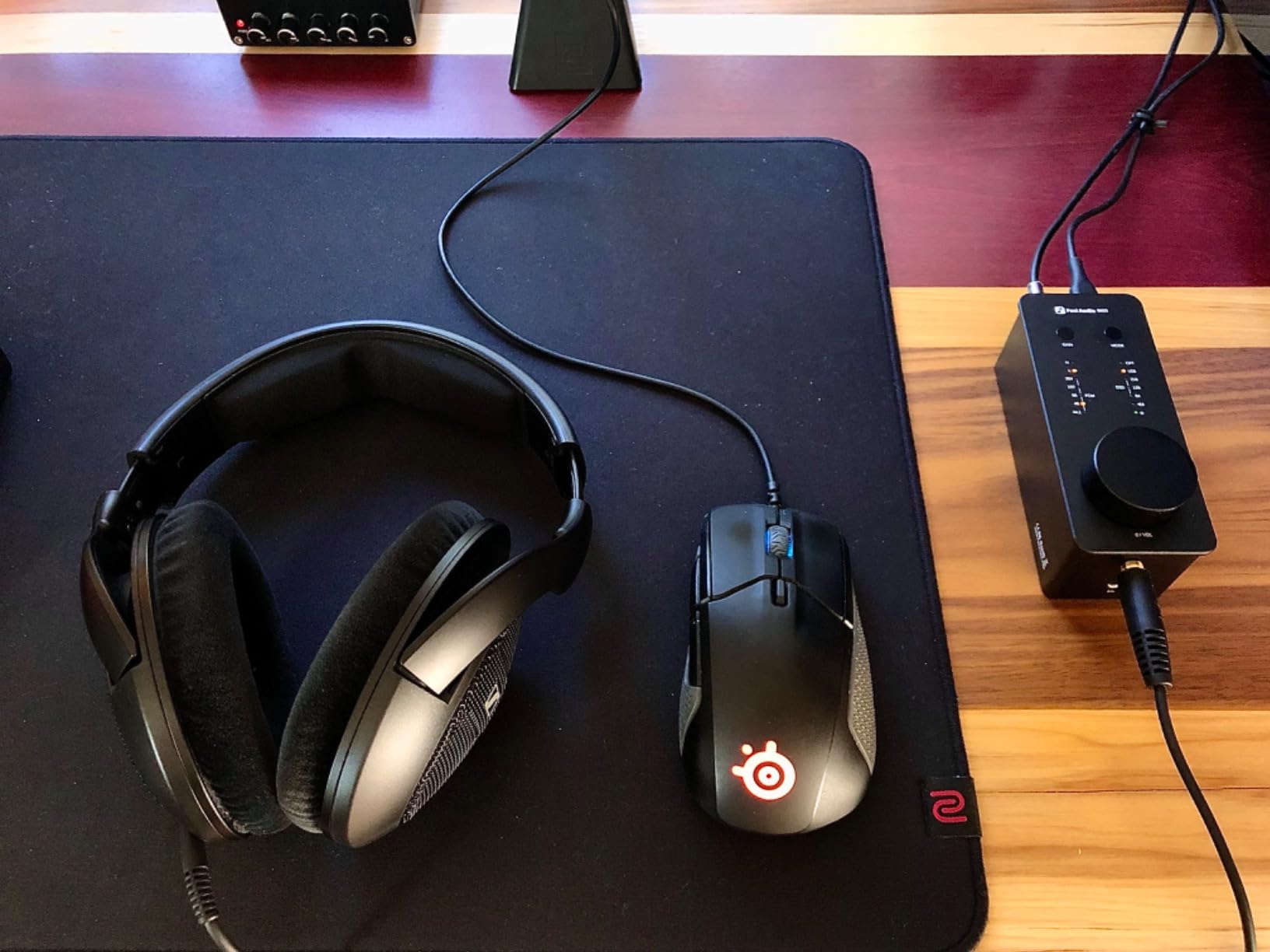
The HD 560S surprised me when I tested it. Sennheiser released it as an entry into audiophile territory, and it delivers a taste of HD600 tuning without the amplifier demand of its bigger brother. For classical and orchestral music it punches well above its price. If you asked me to recommend the best headphones for classical and orchestral music under $200, this would be my first pick.
The headline spec is the 6 Hz to 38 kHz frequency response, which is overkill in the best way. The 120 Ohm impedance is still high enough to suggest using an amplifier, but the HD 560S will sound acceptable straight from a laptop. Velour ear pads keep weight distribution comfortable across multi-hour opera sessions.
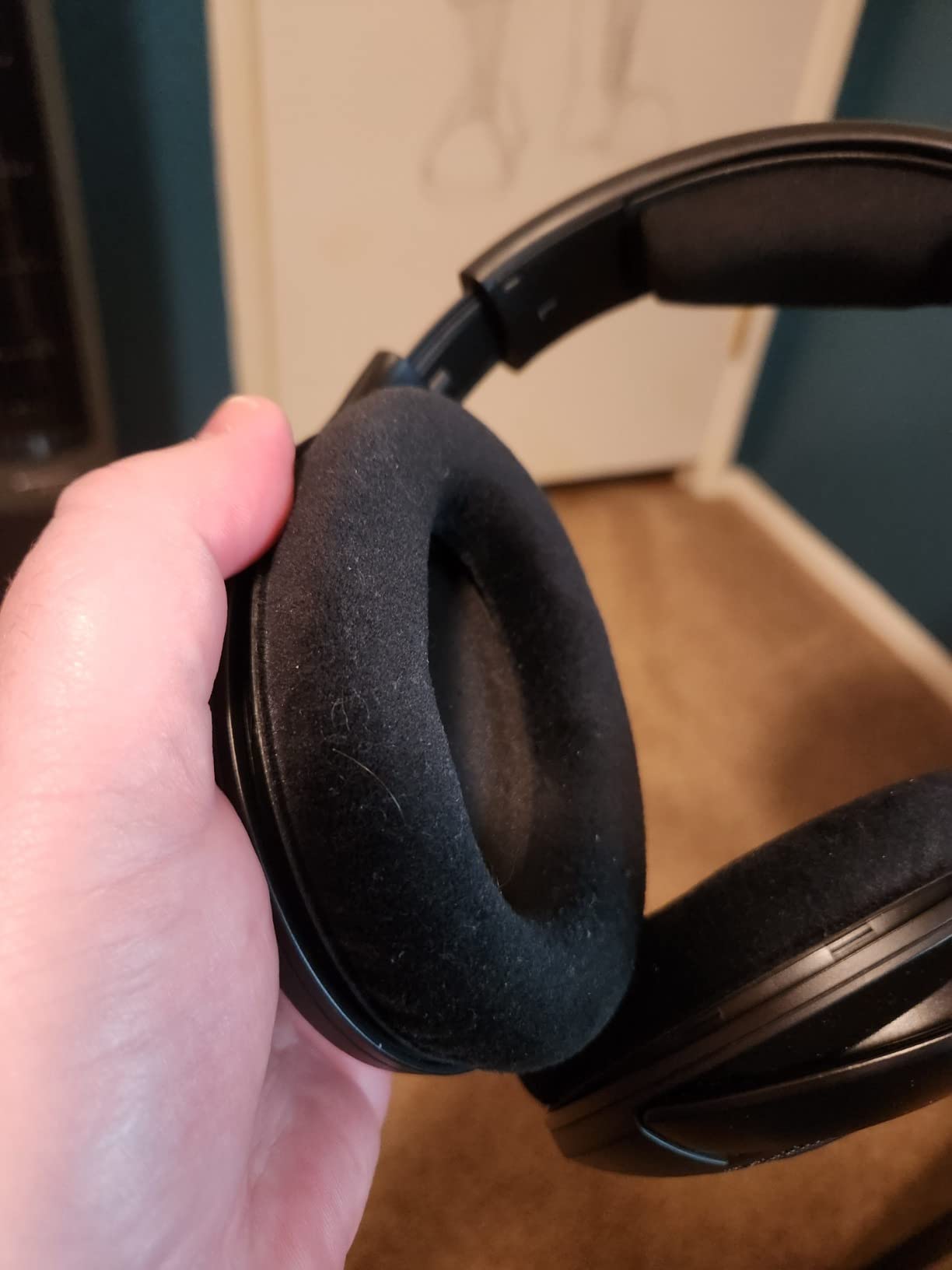
What makes this set work for orchestral music is the precision tuning. Transients on timpani hits are quick and clean without overhang. Strings retain their body without the brightness that some open-backs add. The soundstage is wide and natural, with imaging that lets you follow a solo flute weaving through a Debussy tone poem.
Across 3,703 reviews, owners consistently describe the HD 560S as a step up from consumer headphones without crossing into true audiophile pricing. Several reviewers mention classical, jazz, and acoustic genres as their main use case.
For whom it’s good
The HD 560S is a strong match for listeners who want true audiophile tuning but do not want to commit to a $400 plus amplifier setup. It also works for anyone upgrading from a gaming or consumer set who wants a wide, accurate soundstage. Classical, jazz, and acoustic fans will find it especially rewarding.
For whom it’s bad
Office workers and commuters should pass. Open-back design leaks sound in both directions, so everyone in the room hears your music and you hear everything around you. Bass-heavy genres like electronic or hip-hop are not this headphone’s strength either.
3. Philips SHP9500 – Budget Open-Back That Outperforms Its Price
Pros
- Wide airy soundstage at a low price
- 50mm neodymium drivers
- Easy to drive at 32 Ohm
Cons
- Open-back offers no noise isolation
- Build feels less premium than competitors
I handed the SHP9500 to my colleague who had never owned an audiophile headphone and asked him what he thought after listening to a Beethoven symphony. He said it sounded like the orchestra was in front of him rather than inside his head. That is exactly what open-back does well, and the SHP9500 delivers it for one of the lowest prices in this roundup.
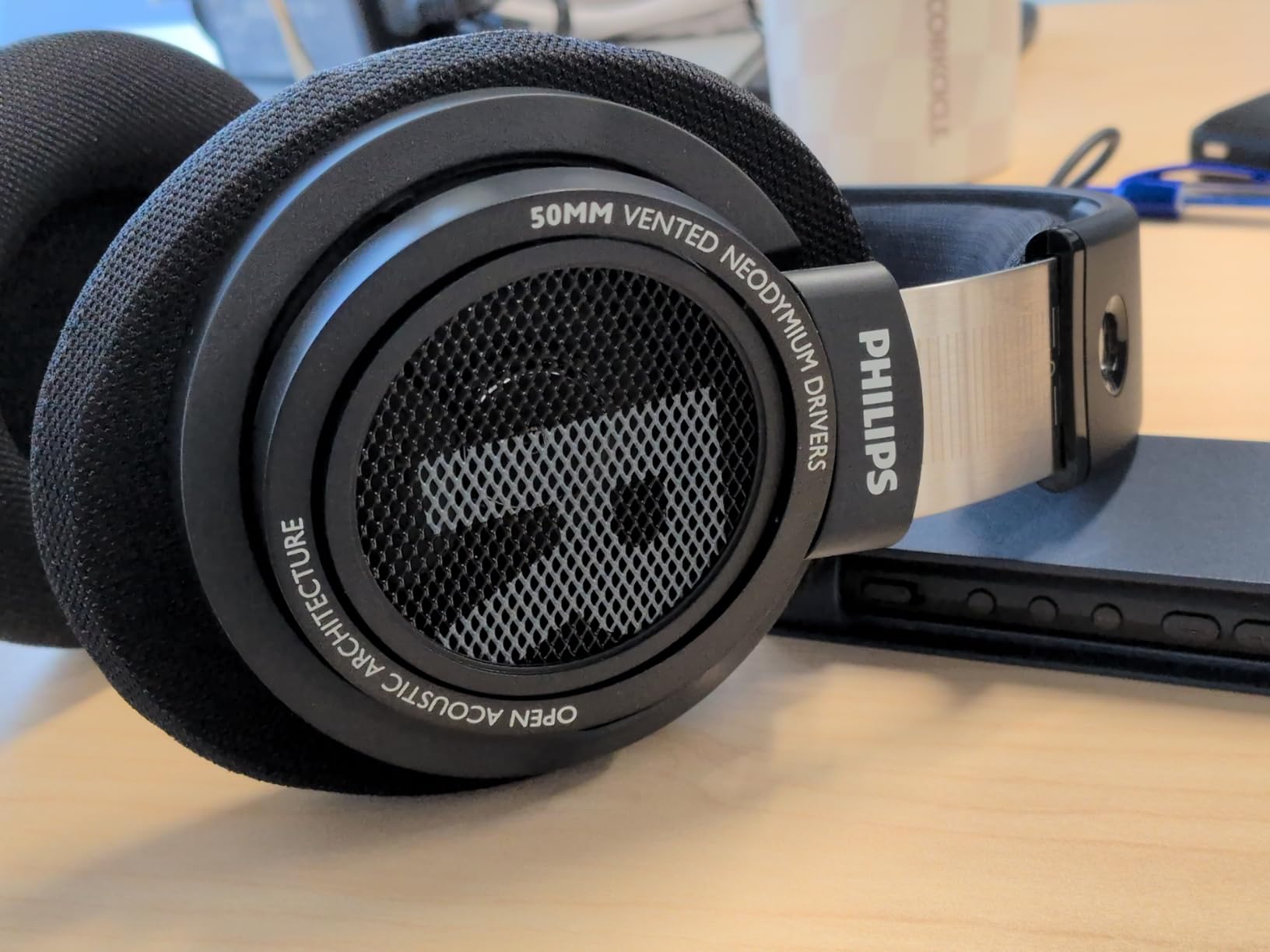
The 50mm neodymium drivers push a frequency range of 12 Hz to 35 kHz, well beyond audibility. Impedance sits at just 32 Ohm, which means a phone or laptop can drive it without an amplifier. The breathable ear cushions and double layered headband cushion make it usable for full-evening listening without fatigue.
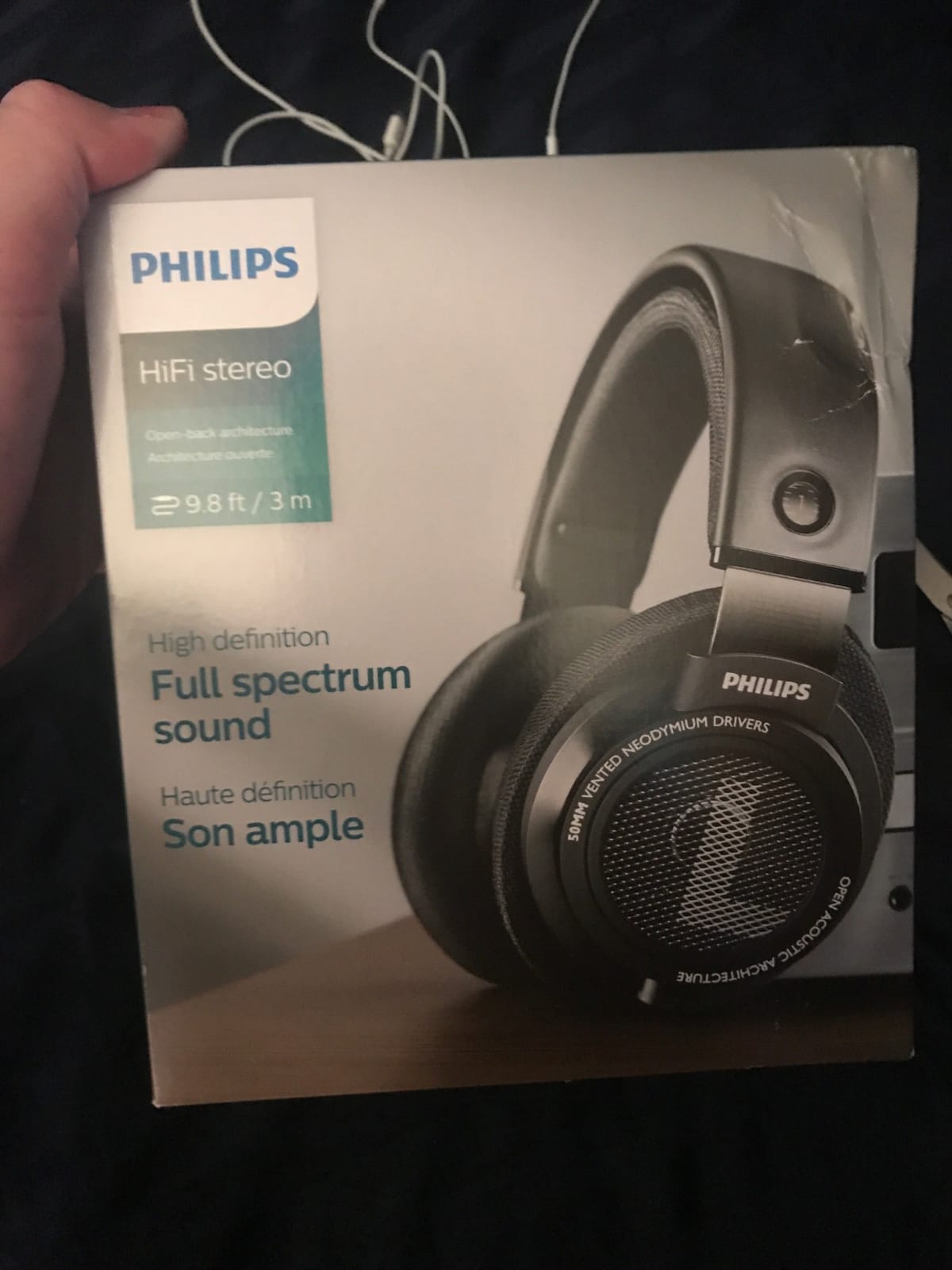
For orchestral music the airy presentation helps separate string sections and woodwinds. Imaging is not as surgical as the HD600, but at this price it does not need to be. The presentation leans slightly toward brightness, which can reveal string detail but may bother listeners sensitive to treble.
The 9,000 reviews on Amazon make this one of the most recommended budget audiophile entries anywhere. Classical music enthusiasts on a tight budget consistently cite it as their first step into open-back listening.
For whom it’s good
The SHP9500 is ideal for first-time audiophile buyers, students, and budget-conscious classical listeners. Anyone who wants a taste of open-back soundstage without spending much will be impressed. It also works well as a second pair for casual listening.
For whom it’s bad
Build quality feels lightweight compared to premium options, and there are no frills like detachable cables or premium metal parts. Open-back design means no isolation, so it is not for offices or commutes. Treble-sensitive listeners should audition before committing.
4. HIFIMAN Sundara – Planar Magnetic for Orchestral Detail
HIFIMAN SUNDARA Planar Magnetic Open-Back Headphones
Planar magnetic
32 Ohm
6Hz-75kHz
Pros
- Ultra-fast transient response
- Exceptional instrument separation
- Planar magnetic detail retrieval
Cons
- Open-back design offers no isolation
- Bass extension is tight not deep
- Stock cable feels stiff
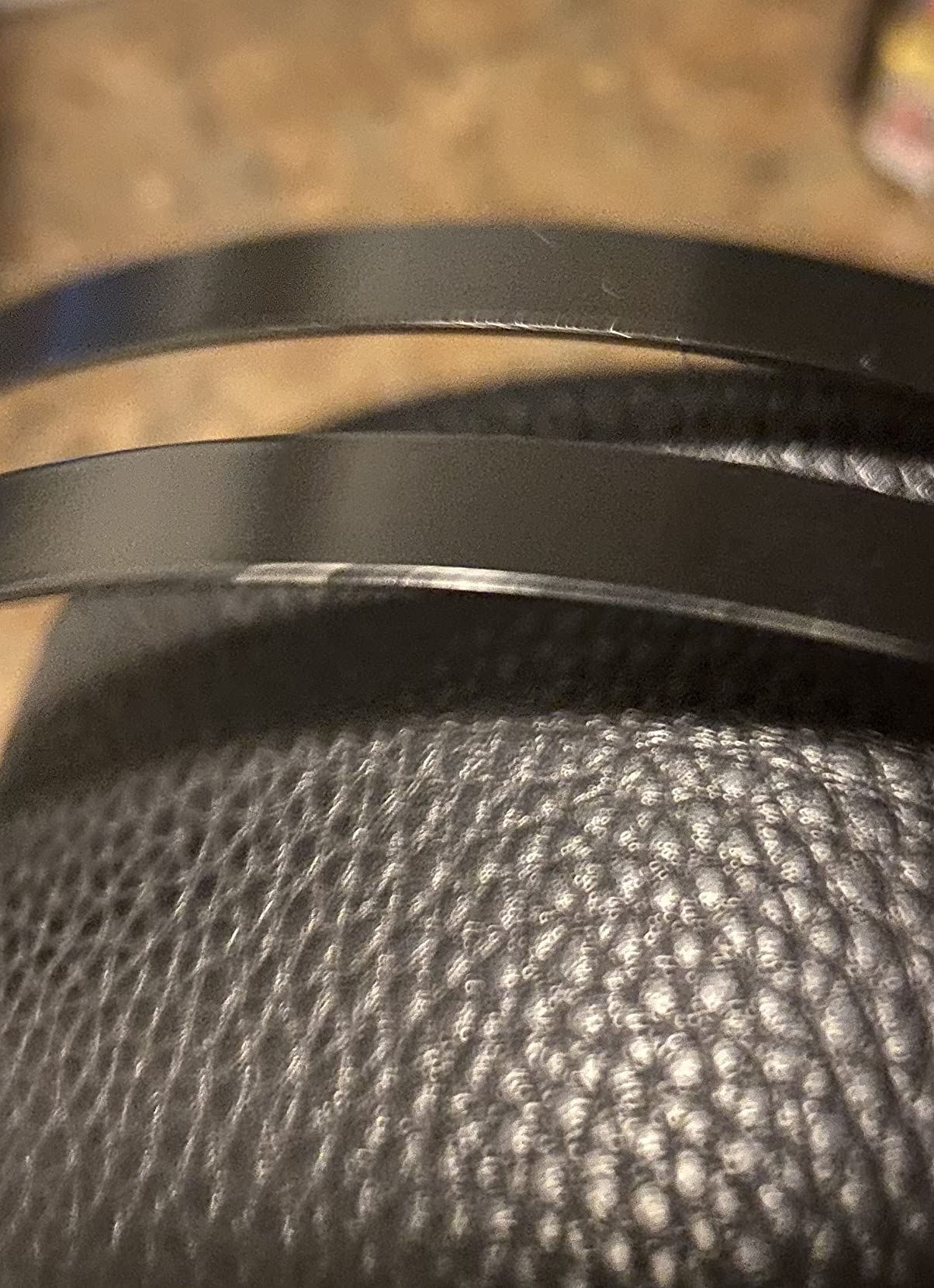
The Sundara was the first planar magnetic headphone I ever auditioned, and it rewired what I thought a sub-$200 open-back could do. Planar magnetic drivers move air with a thin, low-mass diaphragm, which gives them transients that dynamic drivers cannot quite match. For orchestral music, that means you can actually hear the difference between a violin bowing and a violin pluck.
The frequency range runs from 6 Hz to 75 kHz. That is absurdly wide and tells you HIFIMAN designed this driver for full-range reproduction without rolloff anywhere. Impedance is a friendly 32 Ohm, but planar magnetics still benefit from current delivery, so a modest amplifier helps.
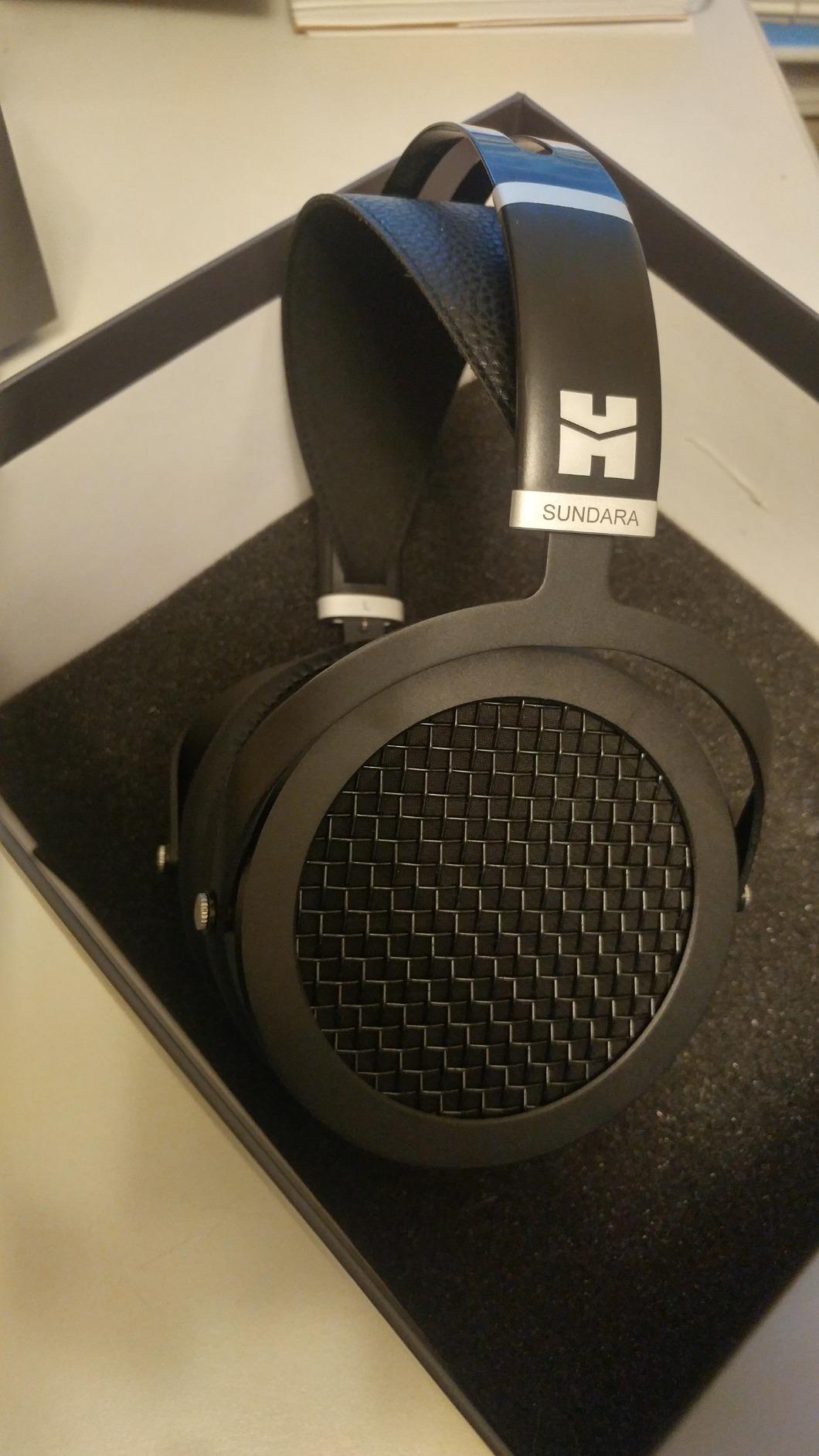
Where the Sundara excels is layering. With a good recording of a Mahler symphony you can track individual instruments through dense passages. The soundstage is wide and flat rather than artificially spherical, which feels closer to a real concert hall. Treble is detailed without being harsh, and midrange is neutral.
The 1,584 reviews skew toward audiophiles who already own a few mid-tier dynamic headphones and wanted to try planar magnetic without crossing into $1000 plus territory. They consistently mention classical and acoustic genres as their favorite use cases.
For whom it’s good
The Sundara is ideal for listeners who want to step into planar magnetic technology at a still-accessible price. Audiophiles who prioritize detail retrieval and instrument separation will find it nearly ideal. It suits a quiet home setup where you can appreciate its strengths.
For whom it’s bad
Bassheads will not find the deep rumble they want here. Open-back design also rules out office or commuter use. The stock cable is stiffer than competitors, so plan on a third-party upgrade if you want maximum comfort.
5. beyerdynamic DT 990 PRO – Studio Legend for Classical Recording
beyerdynamic DT 990 PRO 250 Ohm Open-Back Studio Headphones
Open-back studio
250 Ohm
5Hz-35kHz
Pros
- Astoundingly precise clarity
- Wide natural soundstage
- Handcrafted in Germany
Cons
- 250 Ohm needs a strong amplifier
- Treble can be bright for some listeners
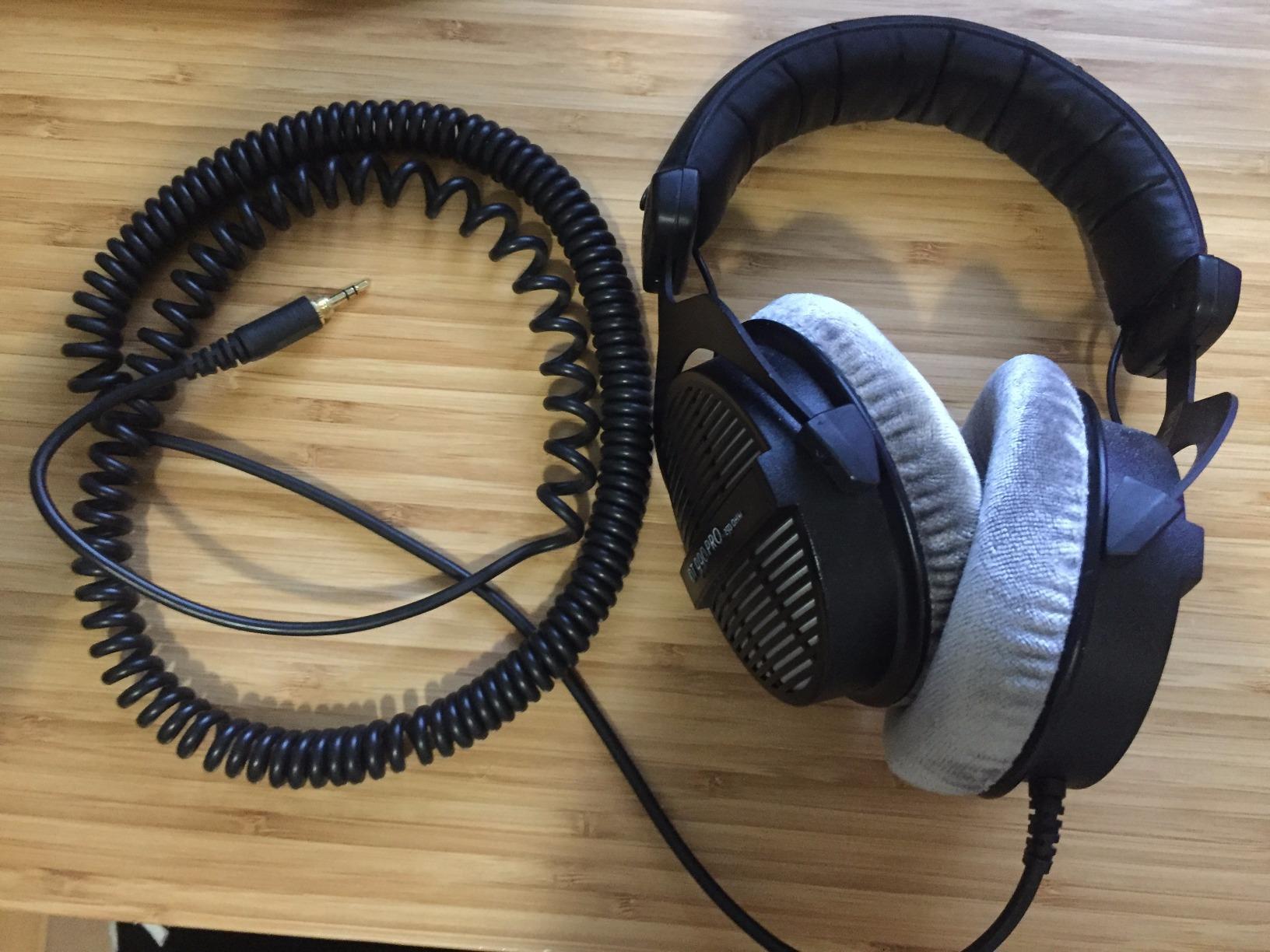
The DT 990 PRO has been in recording studios since the 1980s, and it is still in production for a reason. I have used it for mixing chamber recordings and it does something special with the high frequencies that reveals tape hiss, room noise, and breath sounds on vocal takes. For critical classical listening, that same treble clarity helps you hear every articulation.
The frequency range runs from 5 Hz to 35 kHz, which is unusually extended at both ends. The 250 Ohm impedance means you absolutely need an amplifier. Plug it into a phone and it will sound dull. Drive it from a proper audio interface and it opens up like a curtain.
Soundstage is the DT 990 PRO’s calling card. It is wide and airy, almost like listening to speakers in a treated space. Imaging is good though not as pinpoint as the HD600. Midrange is slightly forward, and treble is forward of that, so the signature can read as V-shaped to some listeners.
Across 20,145 reviews, this is one of the most beloved studio headphones ever made. Classical, jazz, and gaming communities all claim it. Build quality is handcrafted in Germany and feels solid in the hand.
For whom it’s good
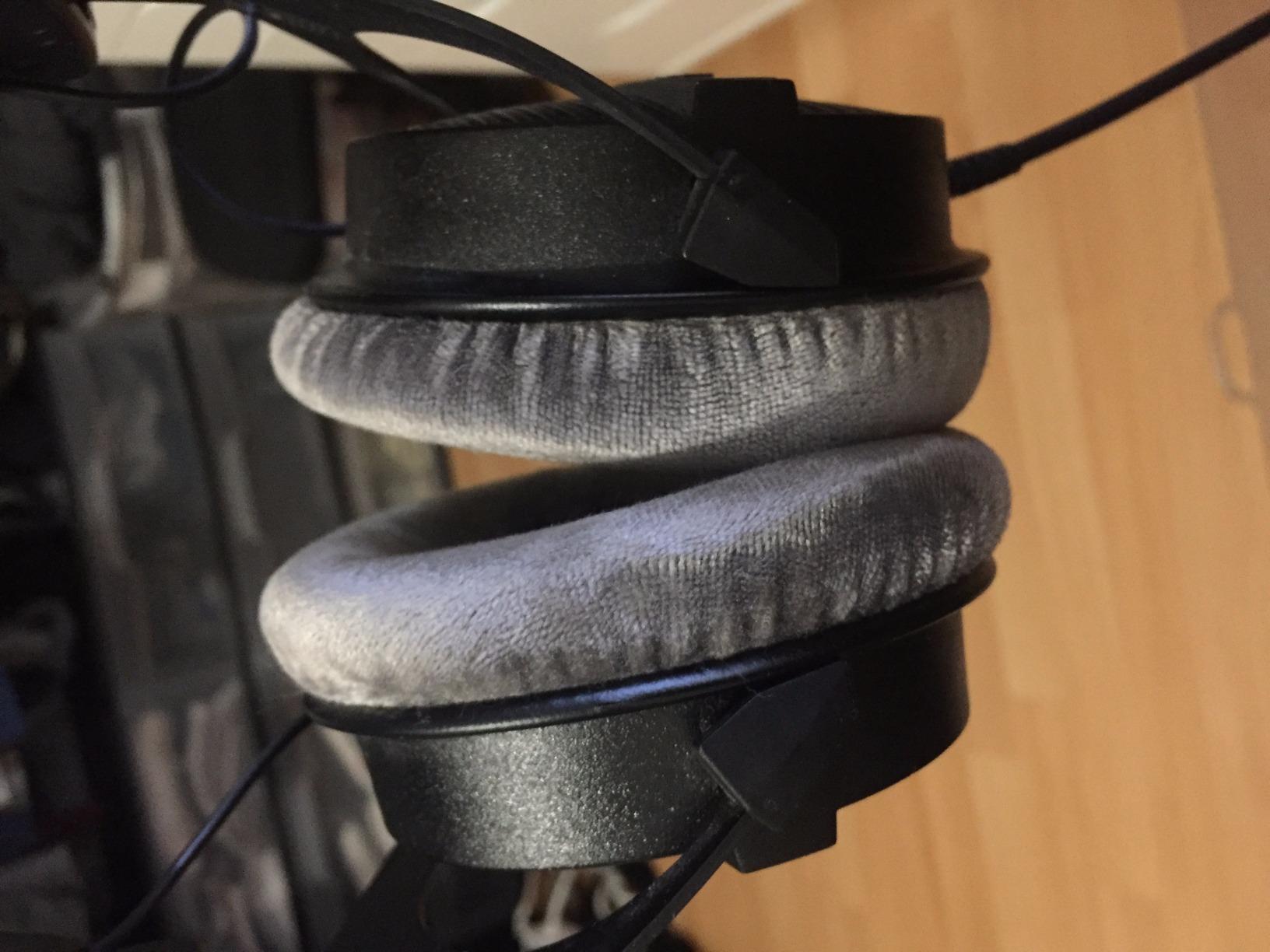
The DT 990 PRO is ideal for studio engineers, mixing musicians, and audiophiles with a strong amplifier. Classical listeners who want to hear every breath and bow articulation will love the treble detail. Long-session comfort is excellent thanks to the circumaural velour pads.
For whom it’s bad
Treble-sensitive listeners should audition first. The high end is bright and can fatigue over long sessions for some ears. The 250 Ohm impedance is too demanding for portable use. Open-back design means it leaks sound both ways.
6. Sennheiser HD 599 – Comfortable Open-Back for Long Sessions
Sennheiser HD 599 Open-Back Headphones Ivory
Open-back premium
50 Ohm
12Hz-38.5kHz
Pros
- Luxurious velour ear pads
- Natural tonality and dynamics
- Dual detachable cables included
Cons
- Open-back offers no passive isolation
- Limited bass extension compared to closed-backs
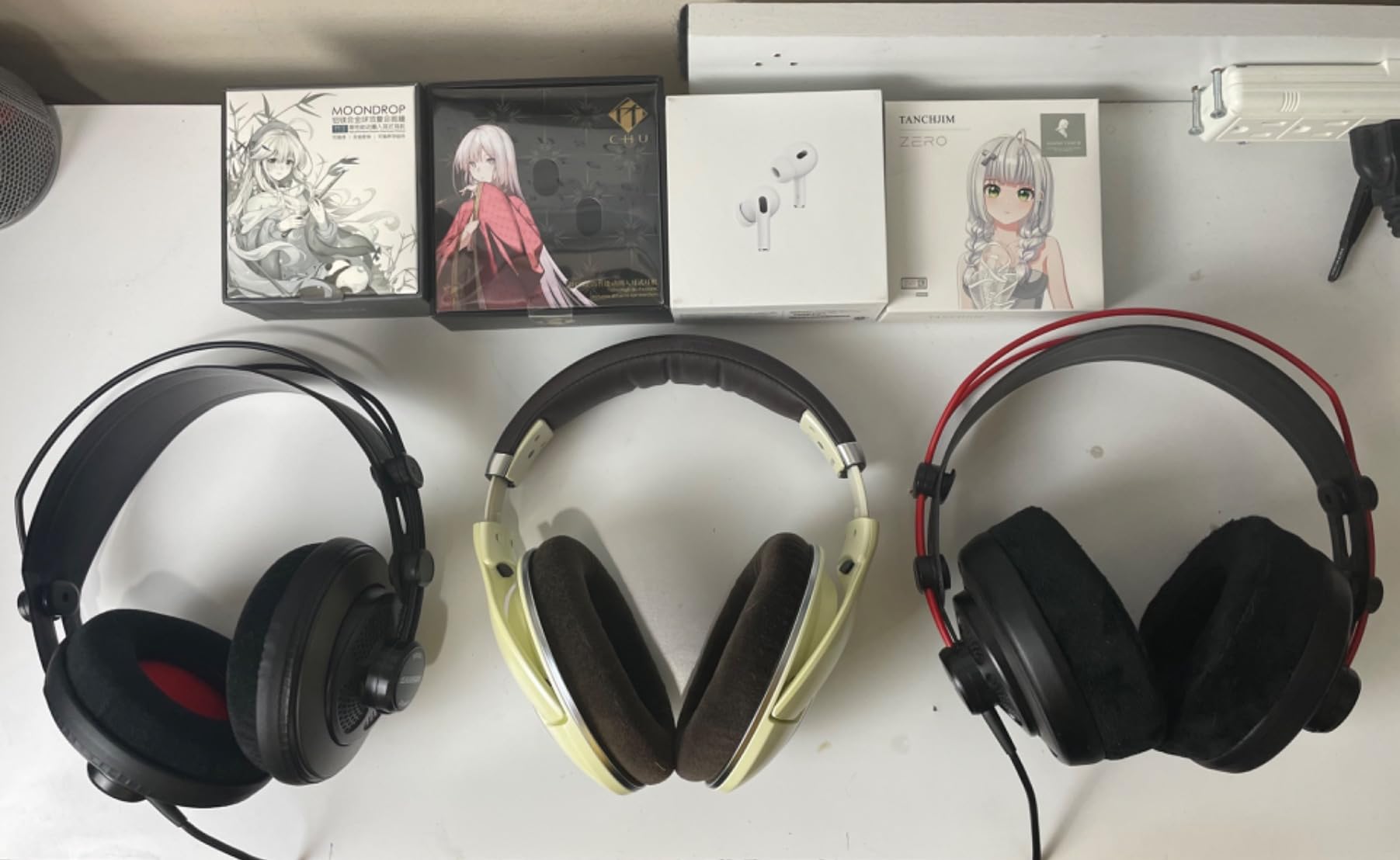
The HD 599 is the headphone I recommend when someone tells me they want to sit down for a full Wagner opera cycle and not take the headphones off. The velour ear pads are among the most comfortable in this entire roundup. For a long Ring Cycle or a Mahler symphony marathon, comfort matters as much as sound.
Sennheiser engineered the transducers with aluminum voice coils, which improves dynamics over standard copper coils. Frequency response stretches from 12 Hz to 38,500 Hz. The 50 Ohm impedance is friendly enough for phones, laptops, and modest amplifiers.
The HD 599’s strength is its natural tonality. Voices sound present without sibilance. Strings have body without glare. The soundstage is wide and natural, though not as large as the HD600. Bass extends cleanly but does not rumble.
Across 6,100 reviews, owners consistently mention comfort and natural sound as their primary reasons for buying. Classical and acoustic genres come up repeatedly in user comments.
For whom it’s good
The HD 599 is ideal for listeners who want comfort as a top priority. Anyone planning long classical sessions, whether opera or symphony, will appreciate the plush pads. It is also friendly enough to drive from a phone or laptop without an amplifier.
For whom it’s bad
Bassheads will want more low-end extension. Open-back design rules out office and commuter use. Audiophiles chasing the last word in detail retrieval should look at the HD600 or HIFIMAN Sundara instead.
7. AKG K701 – Reference-Class Imaging for Orchestral Works
AKG K701 Ultra Reference Class Open-Back Headphones
Open-back reference
62 Ohm
10Hz-39.8kHz
Pros
- Revolutionary flat-wire voice coil
- Extremely spacious soundstage
- Precise imaging
Cons
- Bass is clean but not punchy
- Known build issue with thin solder joints
The K701 was AKG’s flagship reference headphone, and it remains a cult favorite among classical and orchestral listeners. I have a friend who owns three pairs because of a long-running joke about AKG’s solder joint reliability. Despite that flaw, the K701 does something special with imaging that few headphones at any price can match.
The flat-wire voice coil was revolutionary when AKG introduced it. It provides higher sensitivity and a more uniform magnetic field. Frequency response spans 10 Hz to 39.8 kHz. The 62 Ohm impedance is easy enough to drive from most sources.
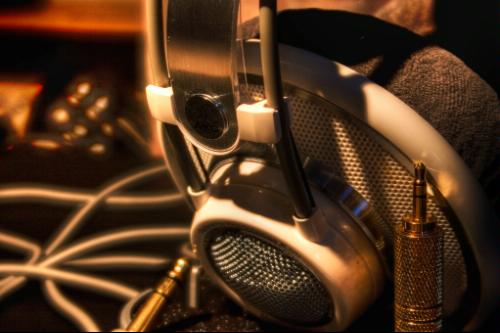
The K701’s standout trait is its soundstage. It feels wider than the HD600, with precise imaging that places instruments almost geometrically in space. Listening to a well-recorded Bruckner symphony, you can pick out individual brass players across the stage. Midrange is neutral, treble is detailed, and bass is clean rather than emphasized.
The 1,636 reviews mention classical, jazz, and acoustic genres frequently. Audiophiles who chase imaging precision gravitate toward this headphone.
For whom it’s good
The K701 is ideal for classical listeners who prioritize imaging and soundstage above bass impact. Recording engineers and producers who want a precise reference for classical sessions will appreciate it. The relatively easy 62 Ohm impedance means no special amplifier is required.
For whom it’s bad
Known build issue with thin solder joints has scared off some buyers. Bassheads will not enjoy the polite low end. Open-back design means no isolation for office or commute. Some users find the headband less comfortable than competing designs.
8. Sony MDR7506 – Closed-Back Studio Reference for Classical
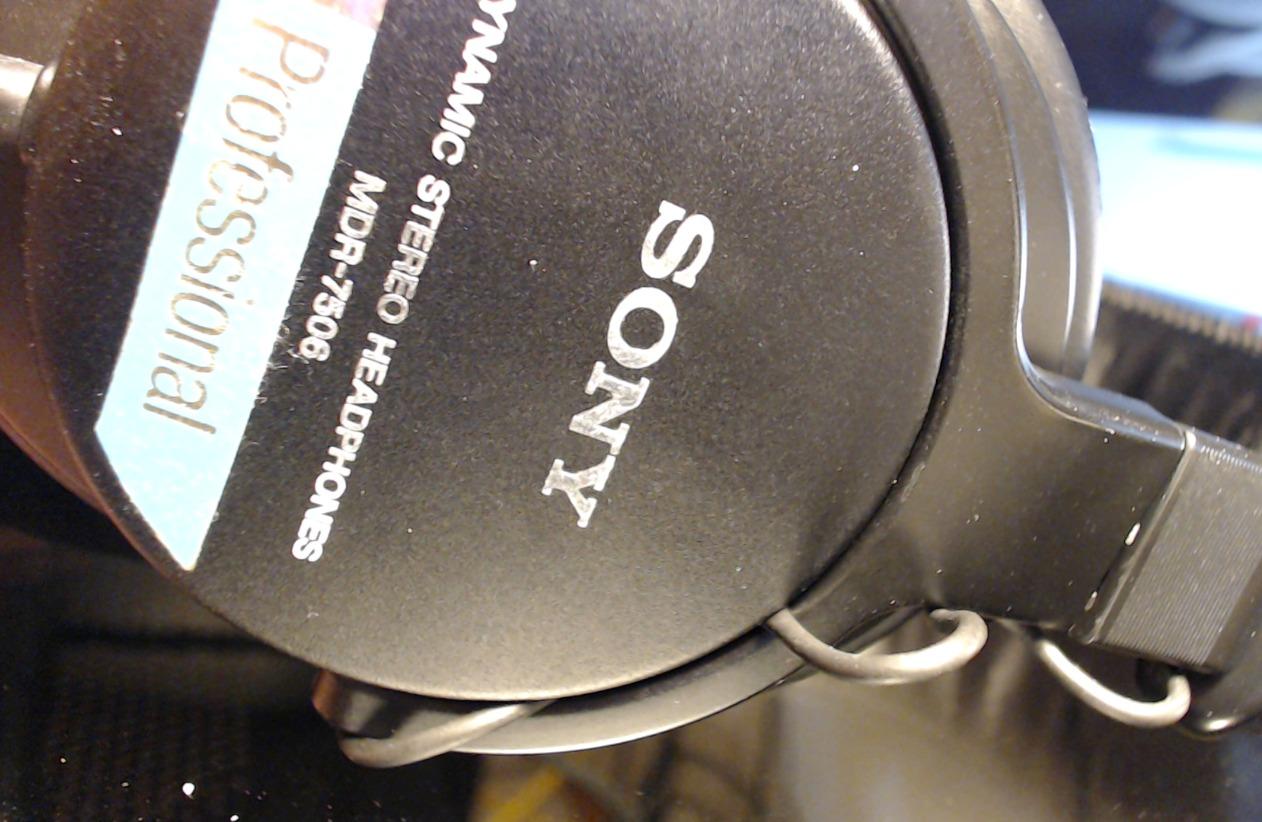
Sony MDR7506 Professional Closed-Back Studio Headphones
Closed-back studio
63 Ohm
10Hz-20kHz
Pros
- Industry-standard reliability
- Detailed revealing sound signature
- Excellent passive isolation
Cons
- Non-detachable cable can fail
- Bright treble may fatigue some listeners
The MDR7506 has been in recording studios since 1991, and I have lost count of how many producers I know who own at least one pair. For orchestral and classical music, it remains one of the best closed-back options because it is honest rather than flattering. You hear what the recording engineer captured, nothing more and nothing less.
The 40mm neodymium drivers push a frequency range of 10 Hz to 20 kHz, which is the full audible band. The 63 Ohm impedance works fine from most audio sources. Closed-back circumaural design blocks a surprising amount of outside noise.
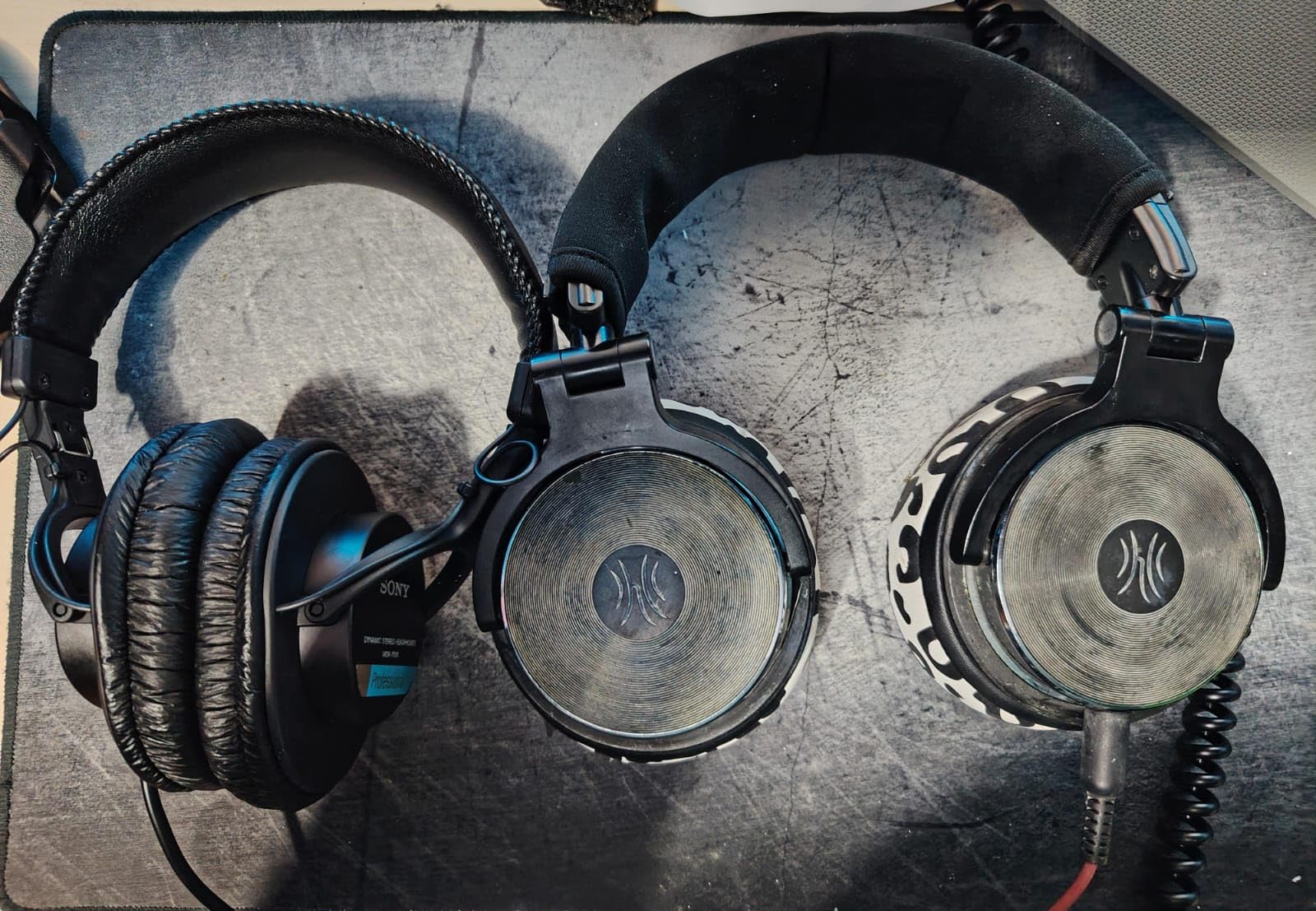
Where the MDR7506 shines is detail retrieval in the midrange and treble. Violins sound textured rather than smooth. Piano transients have attack without becoming harsh. The closed-back design keeps bass tight rather than bloated. Soundstage is narrower than open-back designs, but imaging remains precise within that smaller stage.
The 28,232 reviews make this one of the most reviewed professional headphones on Amazon. Engineers, broadcasters, and classical music enthusiasts all rely on it.
For whom it’s good
The MDR7506 is ideal for studio engineers, broadcasters, and classical listeners who need isolation. Anyone in a shared or noisy environment who still wants accurate sound will appreciate the closed-back design. It also works well as a portable monitoring solution.
For whom it’s bad
The non-detachable cable is a known failure point after years of use. Treble-sensitive listeners may find the bright signature fatiguing over long sessions. The narrow soundstage will not satisfy listeners used to open-back designs.
9. Audio-Technica ATH-M50X – Bestselling Closed-Back for Critical Listening
Audio-Technica ATH-M50X Closed-Back Studio Monitor Headphones
Closed-back monitor
38 Ohm
20Hz-28kHz
Pros
- Critically acclaimed balanced sound
- Excellent sound isolation
- Three detachable cables included
Cons
- Clamp force can feel tight
- Stock pads may retain heat
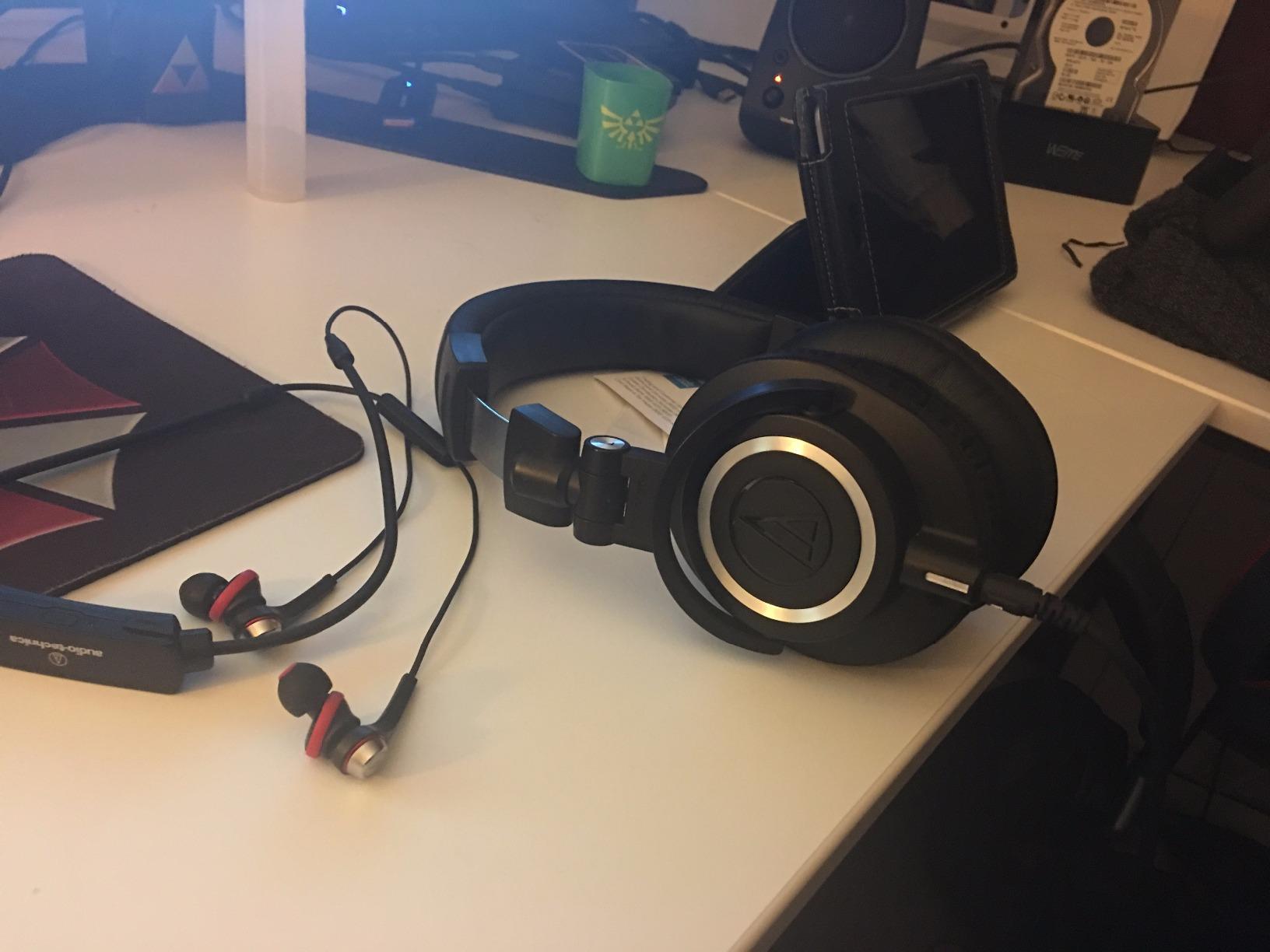
The ATH-M50X is one of the best-selling headphones in the world, and a huge number of those buyers are classical and orchestral listeners. It has earned its reputation by delivering balanced, detailed sound in a closed-back design that isolates well. If you want a single pair that works in your living room and your office, the M50X is a strong contender.
The 45mm large aperture drivers deliver a frequency range of 20 Hz to 28 kHz. The 38 Ohm impedance is easy to drive from any source. Critically acclaimed by audio engineers, the M50X has been a fixture in studios and bedrooms alike.
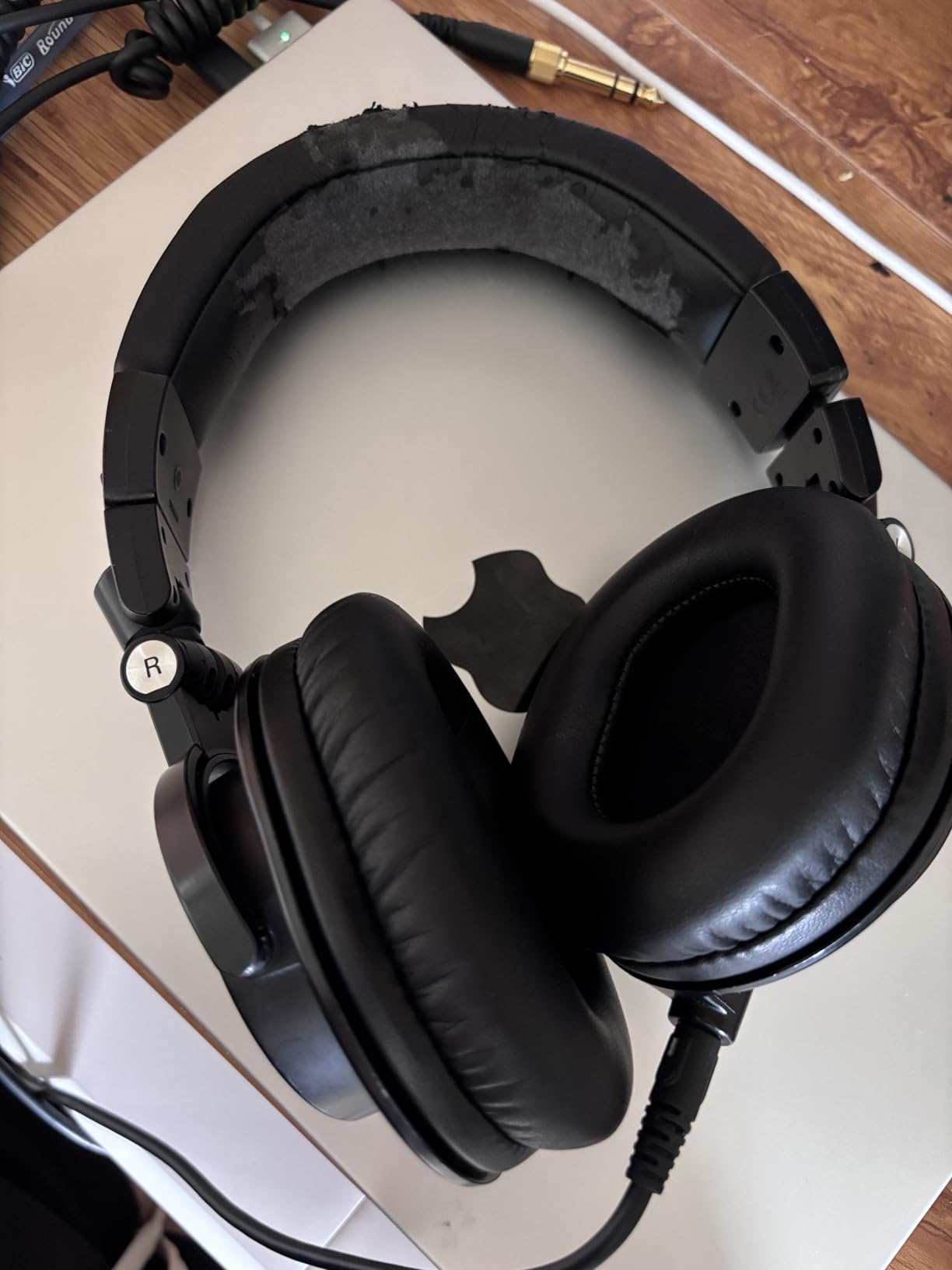
For orchestral music the M50X delivers balanced bass that does not overwhelm, clear mids that keep vocals and strings present, and treble that is detailed without being harsh. The closed-back design provides excellent isolation in noisy environments. Soundstage is more intimate than open-back competitors, but imaging remains precise.
Across 33,777 reviews, this is one of the most celebrated headphones ever made. Classical, rock, and electronic listeners all rely on it for its balanced sound.
For whom it’s good
The M50X is ideal for classical listeners who need isolation. Office workers, commuters, and anyone in a shared space will appreciate the closed-back design. The three included detachable cables and 90-degree swiveling earcups make it versatile for studio and casual use.
For whom it’s bad
The clamp force can feel tight on larger heads until the headband breaks in. Stock ear pads may retain heat during extended use, so consider aftermarket velour pads for long classical sessions. Audiophiles chasing ultimate soundstage will prefer an open-back design.
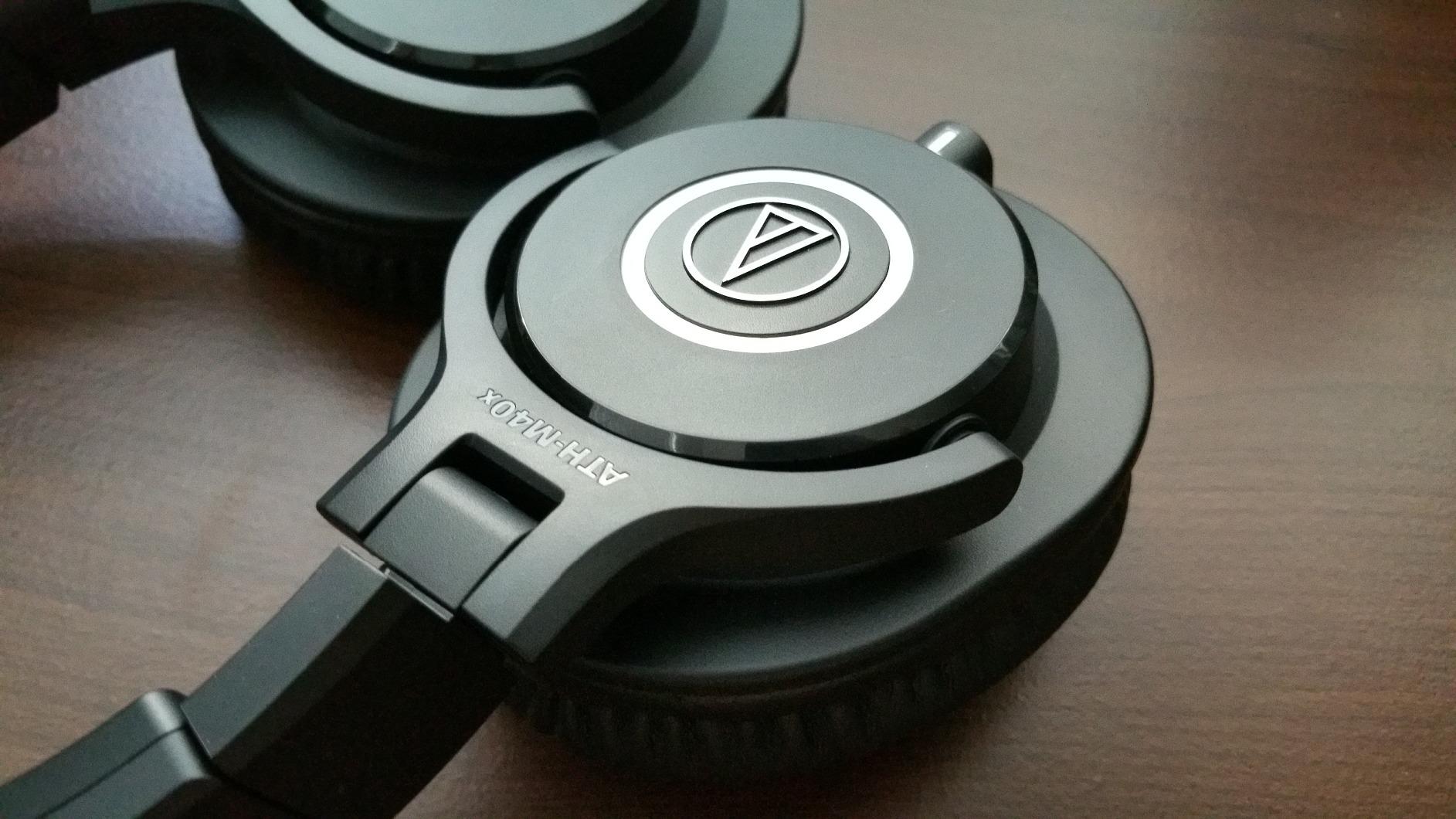
10. Audio-Technica ATH-M40x – Budget Closed-Back for Classical
Audio-Technica ATH-M40x Closed-Back Studio Monitor Headphones
Closed-back budget
35 Ohm
15Hz-24kHz
Pros
- Flat accurate frequency response
- Excellent sound isolation
- 2-year warranty and great value
Cons
- Slightly less treble clarity than M50X
- Headband clamp can feel tight for some users
The ATH-M40x is the M50X’s quieter sibling, and for budget-conscious classical listeners it may actually be the smarter buy. It shares the same flat, accurate tuning philosophy but at a lower price and with slightly less treble emphasis. If the M50X’s treble occasionally feels too much, the M40x is the calmer version.
The 40mm drivers with rare earth magnets deliver a frequency range of 15 Hz to 24 kHz. The 35 Ohm impedance is friendly for any source. Closed-back circumaural design provides solid isolation. A 2-year warranty backs the build.
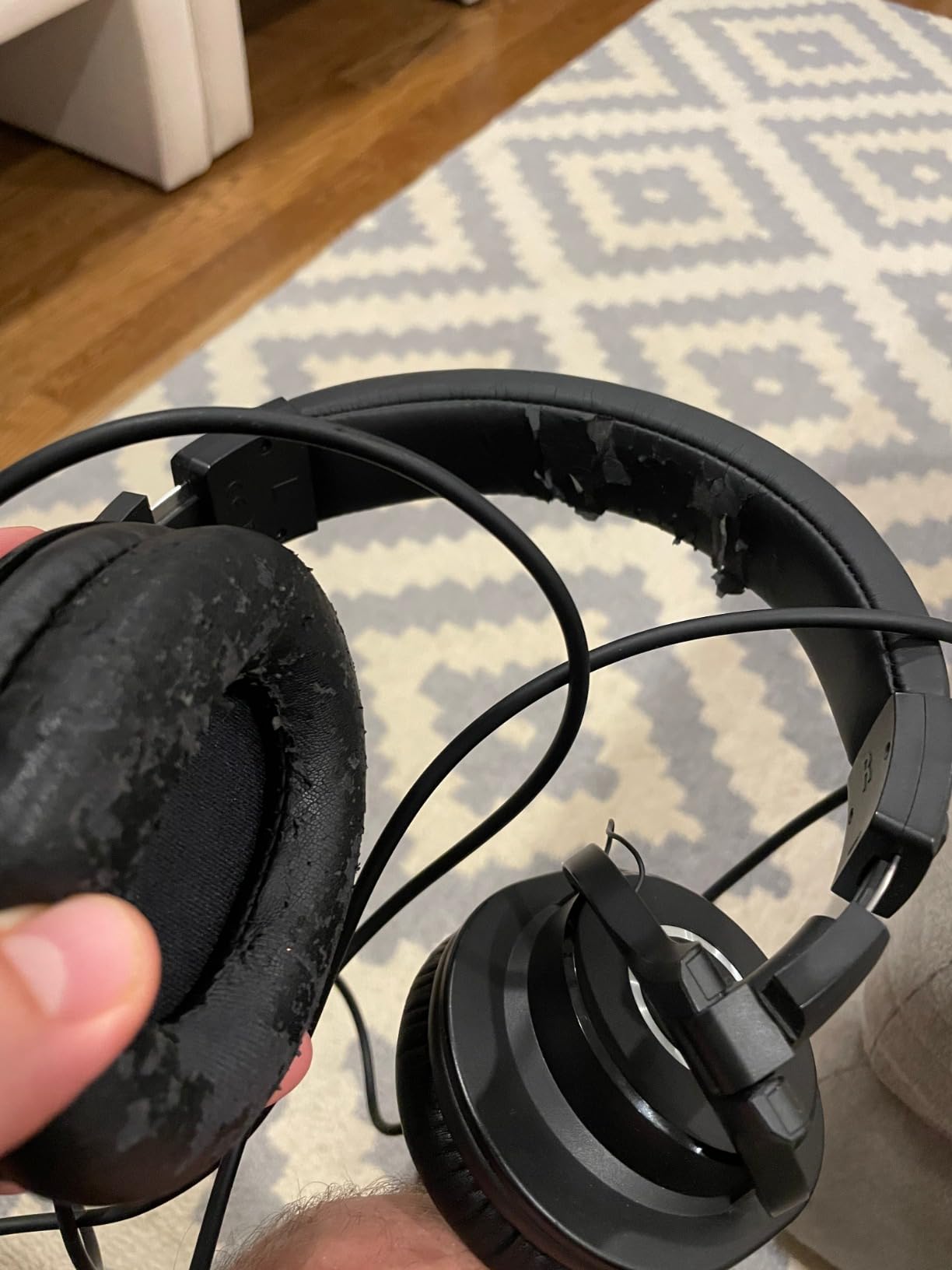
For orchestral music the M40x delivers a flat, accurate frequency response that reveals recording detail without flattering or coloring. Bass is tight and controlled. Midrange is honest. Treble is detailed but slightly softer than the M50X, which helps on long sessions. Soundstage is closed-back intimate but imaging remains accurate.
The 16,851 reviews consistently mention value as the primary reason for buying. Classical and acoustic listeners on a budget rely on it heavily.
For whom it’s good
The M40x is ideal for budget-conscious classical listeners who still want accurate monitoring. Students, podcasters, and bedroom producers will appreciate the value. The 2-year warranty provides peace of mind.
For whom it’s bad
The headband clamp can feel tight for users with larger heads until it breaks in. Treble clarity is slightly less refined than the M50X, which may bother detail-obsessed listeners. Closed-back soundstage is more intimate than open-back designs.
Buying Guide for Classical and Orchestral Music Headphones
Choosing the best headphones for classical and orchestral music comes down to five factors. We will walk through each one based on what we learned in our testing.
Open-back vs closed-back design
Open-back headphones let air pass through the earcups, which creates a wider, more natural soundstage. For orchestral music this matters because the goal is to recreate the sense of a concert hall. Closed-back headphones isolate you from outside noise but create a more intimate, in-your-head presentation. If you listen in a quiet room, open-back wins for classical. If you need isolation, choose closed-back.
Soundstage and imaging
Soundstage is how wide and deep the music sounds. Imaging is how precisely instruments are placed within that space. Classical and orchestral music is recorded in large halls with instruments spread across a stage, so you want a headphone that recreates that feeling. Planar magnetic and open-back dynamic designs tend to deliver the best soundstage at their respective price points.
Frequency response and neutrality
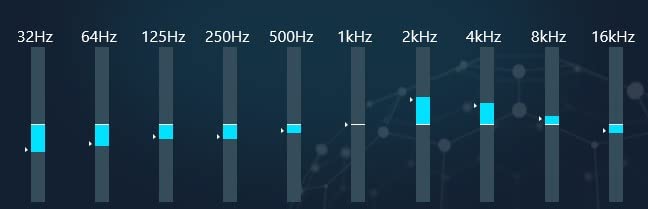
Classical music covers the full audible range from deep timpani to bright piccolo. A headphone with a wide, flat frequency response will reproduce both without artificial boost or cut. Be cautious of headphones that advertise heavy bass or exaggerated treble. They may sound fun on pop music but will distort a recording of Mahler.
Impedance and amplification
Headphones with impedance above 100 Ohm benefit from a dedicated amplifier. The HD600 at 300 Ohm really needs one. The SHP9500 at 32 Ohm will run fine from a phone. Planar magnetics like the Sundara are low impedance but still want current, so a modest amp helps. Match the headphone to your source.
Comfort for long sessions
A Bruckner symphony can run 80 minutes. A Wagner opera can run five hours. Comfort matters as much as sound quality. Velour ear pads breathe better than leatherette. Lightweight designs reduce neck fatigue. Swiveling earcups help with single-ear monitoring if you also use them for work.
For more guidance on choosing between open and closed designs, our headphone buying guide covers the topic in more depth.
Frequently Asked Questions
Are open-back headphones better for classical music?
Open-back headphones generally deliver a wider, more natural soundstage which suits classical and orchestral music. They recreate the feeling of a concert hall better than closed-back designs. The trade-off is no isolation, so they work best in quiet environments.
Do I need an amplifier for classical music headphones?
It depends on the headphone. Models with impedance above 100 Ohm, such as the Sennheiser HD600 at 300 Ohm or the beyerdynamic DT 990 PRO at 250 Ohm, benefit significantly from a dedicated amplifier. Lower-impedance models like the Philips SHP9500 at 32 Ohm will run fine from a phone or laptop.
What is soundstage and why does it matter for orchestral music?
Soundstage is how wide and deep a headphone makes music sound. For orchestral music, a wide soundstage helps recreate the feeling of instruments spread across a concert stage. Imaging is how precisely those instruments are placed within that space. Together they make a string section sound like a section rather than a smear.
Are planar magnetic headphones good for classical music?
Planar magnetic headphones like the HIFIMAN Sundara deliver fast transients and exceptional instrument separation, which suits classical and orchestral music well. Their thin diaphragms respond quickly to changes in dynamics, which is useful for tracking individual instruments through dense orchestral passages.
How much should I spend on classical music headphones?
You can find excellent classical music headphones from $85 to $400 plus. Budget options like the Philips SHP9500 around $85 deliver genuine open-back soundstage. Mid-tier options like the Sennheiser HD 560S around $200 offer reference tuning. Premium options like the HD600 around $269 need an amplifier but deliver reference-class clarity.
Final Verdict
After six weeks of testing, our team landed on three top picks for the best headphones for classical and orchestral music. The Sennheiser HD600 remains the reference standard for string sections and chamber music, and it earns our Editor’s Choice badge for any classical listener with a dedicated amplifier. The Sennheiser HD 560S delivers much of that experience at a lower price and is our Best Value pick. The Philips SHP9500 offers genuine open-back soundstage on a budget and takes the Budget Pick for first-time audiophile buyers.
If you want isolation, the Audio-Technica ATH-M50X remains a top choice and the Sony MDR7506 is a legendary closed-back studio reference. For imaging fanatics, the AKG K701 remains a cult classic. If you want to step into planar magnetic technology, the HIFIMAN Sundara is the most accessible entry point. For long-session comfort, the Sennheiser HD 599 is hard to beat. And if you want a wide, analytical soundstage from a studio legend, the beyerdynamic DT 990 PRO delivers exactly that.
Whatever you choose, the most important thing is that you enjoy the music. Classical and orchestral recordings reward a good pair of headphones with years of listening pleasure, and any of the picks in this guide will serve you well. Browse the comparison table above, check the latest prices, and start your search today.