
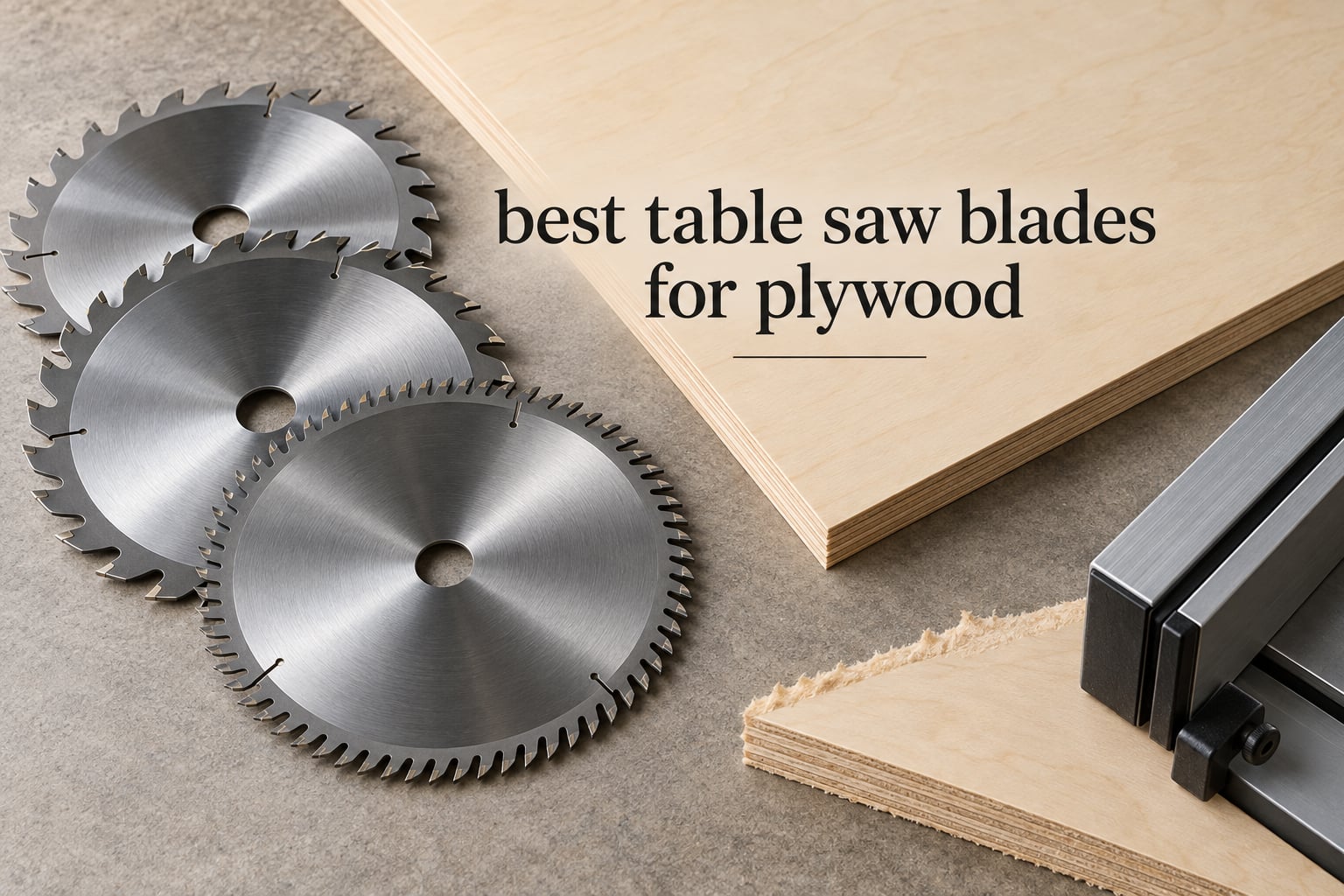
For crosscutting plywood, the answer is a 60 to 80 tooth blade with a Hi-ATB grind in a 10 inch diameter with a 5/8 inch arbor. The dense tooth pattern shears the outer veneers instead of plucking them, and that grind is why the edges come out sand-free. Our pick at the top of the best table saw blades for plywood list is the Diablo 80 tooth ultra finish blade, which pairs Hi-ATB geometry with a .098 inch laser-cut kerf.
That is only half the story, though. Plywood gets ripped far more often than people expect, and a blade built for crosscuts tears the sheet badly in that direction. We explain below which blade you need for ripping, which grind survives abrasive panel stock, and why a surprising amount of tear-out is a saw setup problem rather than a blade problem at all.
We compared ten blades across tooth count, grind, kerf and plate thickness, then sorted them against the jobs they are actually built for. Before you read on, two answers help: how much horsepower does your saw have, and are you cutting cabinet-grade panel or construction plywood? Those two answers narrow this list faster than anything else.
If you are still choosing the saw itself, our picks for the best table saws for woodworking and best cabinet table saws for fine woodworking cover the machines these blades are matched to.
Table of Contents
Top 3 Best Table Saw Blades for Plywood (October 2026)

DEWALT DWA11080 80T
- 80 teeth
- Fine finish configuration
- Patented body slot design
- Low vibration

Freud LU83R010 50T Combination
- 50 ATB teeth
- Thin kerf combination
- TiCo carbide blend
- Anti-vibration slots
For fine cabinetry and veneered panel, the Diablo 80 tooth blade is the safest first buy. For a branded blade that many shops run on a general contractor saw, the DEWALT 80T covers the same ground. For anyone who rips and crosscuts with a single blade, the Freud 50 tooth combination is the honest compromise.
The Best Table Saw Blades for Plywood at a Glance
| Product | Specs | Action |
|---|---|---|
| Diablo Ultra Finish 80T Hi-ATB |
|
Check Latest Price |
| DEWALT DWA11080 80T Fine Finish |
|
Check Latest Price |
| Freud LU83R010 50T Thin Kerf Combination |
|
Check Latest Price |
 Freud LM75R010 30T Glue Line Rip Freud LM75R010 30T Glue Line Rip |
|
Check Latest Price |
 CMT 256.050.10 50T Combination CMT 256.050.10 50T Combination |
|
Check Latest Price |
 Freud LU88R010 60T Thin Kerf Crosscut Freud LU88R010 60T Thin Kerf Crosscut |
|
Check Latest Price |
 CMT 250.024.10 24T Rip Blade CMT 250.024.10 24T Rip Blade |
|
Check Latest Price |
 FOXBC 80T Ultra Finish FOXBC 80T Ultra Finish |
|
Check Latest Price |
 CMT 221.060.10 60T Full Kerf Panel CMT 221.060.10 60T Full Kerf Panel |
|
Check Latest Price |
 Bosch DCB1080 80T Edge Blade Bosch DCB1080 80T Edge Blade |
|
Check Latest Price |
1. Diablo Ultra Finish 80-Tooth Blade: Best Overall for Crosscutting Plywood
Diablo Ultra Finish Saw Blade for Wood – 10″ Diameter, 80 Hi-ATB Teeth
80 teeth
Hi-ATB grind
.098 inch kerf
.071 inch plate
15 degree hook
Pros
- Very smooth chip-free crosscut edges in hardwood and softwood
- Laser-cut thin kerf cuts fast with minimal waste
- Perma-SHIELD coating resists heat build-up and gumming
- Holds an edge and resists deflection over years of use
Cons
- Red coating can rub onto the workpiece on the first few cuts
- Wears faster than expected when cutting melamine
This is the blade we reach for when plywood edge quality is the whole point of the cut. At 80 teeth with a Hi-ATB grind and a 15 degree hook angle, it produces the near-planed edges that cabinetmakers expect, and it holds them through solid wood as well as sheet material. With more than four thousand reviews behind it, it is also the most-proven pick on this list by a wide margin.
The .098 inch laser-cut kerf is the quietly important detail. It removes far less material per pass than a full kerf blade, so on a full sheet of Baltic birch you keep more usable panel and the saw motor works less hard. The .071 inch plate keeps it stable at depth without wandering off the cut line.
We also like the Perma-SHIELD coating on this blade for panel work. Plywood faces leave pitch and resin behind, and a non-stick surface keeps that build-up from loading the teeth and dulling the edge early. Reviewers report that it resists gumming and corrosion across long runs of sheet-goods cutting.
The honest weakness is melamine. Owners report faster wear there than the tooth count suggests, so if your volume is mostly laminate board rather than plywood, look at the Bosch edge blade further down instead. A second, cosmetic complaint is the red coating transferring to the workpiece on the first few cuts after mounting, which stops once the blade runs in.
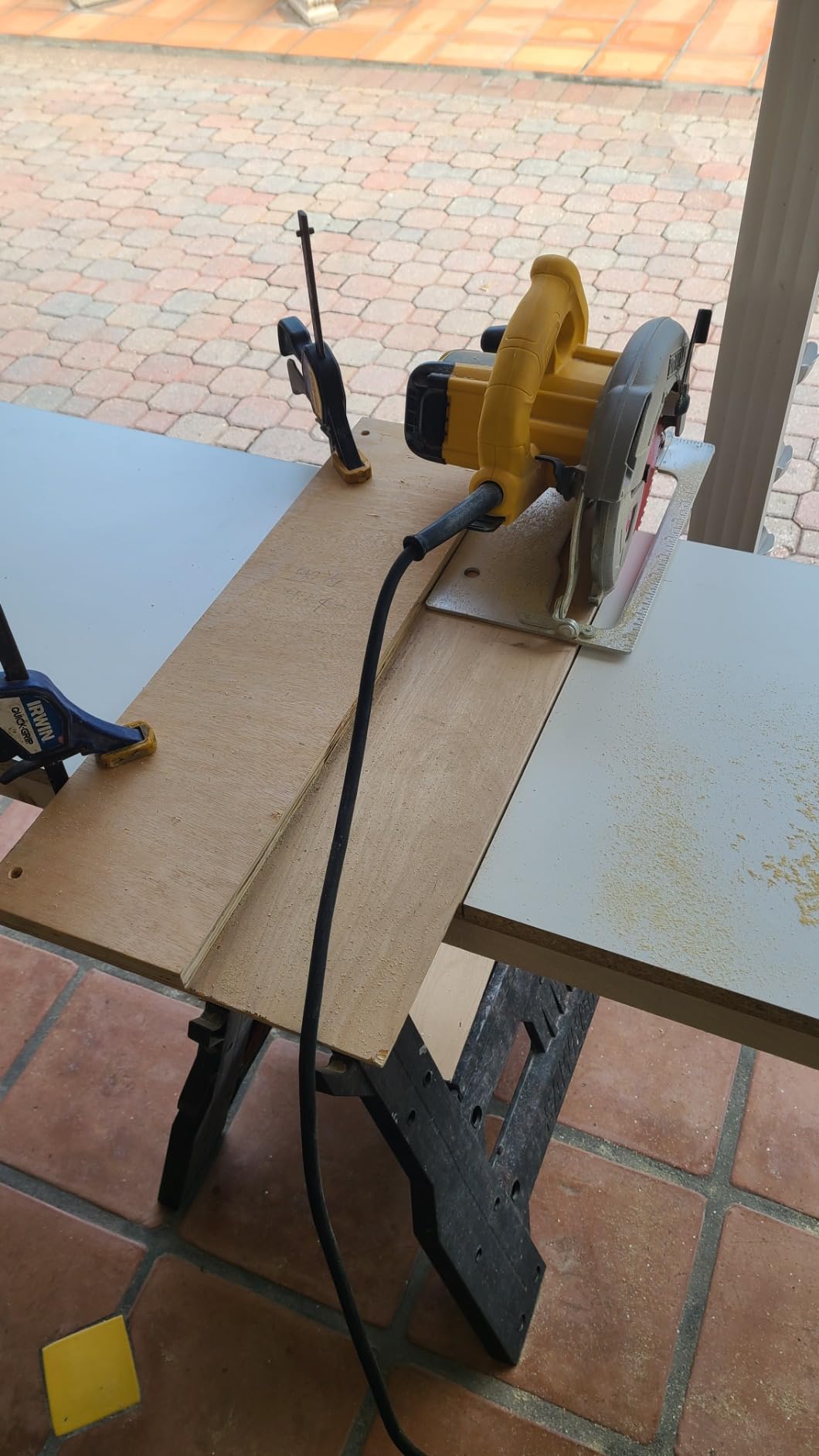
How the 15 degree hook angle behaves on panel
Hook angle is the tilt of the tooth face relative to the blade body, and it decides how hard the blade bites. At 15 degrees this blade grips confidently, which helps drive a fast feed rate on full sheets without the blade walking. It also means more grab than a flat or negative-rake blade, so the riving knife matters more here than on a less aggressive cut.
Because the grind is alternating-bevel, each tooth leads or trails its neighbour. That alternation is what keeps the cut quiet and spreads the load, and it is the reason a 15 degree hook does not feel harsh on a clean sheet. Plywood with a knot or a glue streak will still punish the blade more than solid wood does.
Where it falls short of the premium plywood specialists
The gap against dedicated plywood blades is tooth geometry discipline, not raw sharpness. The difference shows up on veneered and pre-finished stock, where an 80 tooth general finish blade can still pick up a fibre or two on the exit side, and on heavy melamine volume where a steeper bevel gives up its edge sooner.
2. DEWALT DWA11080 80-Tooth Fine Finish Blade: Best Value Pick
DEWALT Table Saw Blade, 10 inch, 80 Tooth, Fine Finish, Ultra Sharp Carbide (DWA11080)
80 teeth
Fine finish configuration
Patented body slot design
10 inch diameter
Pros
- Cuts very smoothly in plywood hardwoods and trim with minimal chipout
- Stays sharp through repeated use across multiple projects
- Runs low-vibration thanks to patented body slot design
- Good value for a branded 80-tooth finish blade
Cons
- Some users report more sawdust thrown back onto the table than heavier blades
- Costs more than comparable off-brand blades
The DEWALT DWA11080 does the same core job as the Diablo at the same tooth count, and for most buyers reading this guide it is the more sensible first blade. Buyers consistently report clean, chip-free crosscuts through plywood, hardwood and wall trim, with an edge that holds through repeated use across multiple projects rather than needing replacement partway through one.
The patented body slot design is the feature that separates it from generic 80 tooth blades. Those laser-cut slots interrupt the plate to absorb vibration, which shows up as a quieter cut and a straighter line on tall panel work. On a full sheet held against a fence, that stability is worth more than any spec on the packaging.
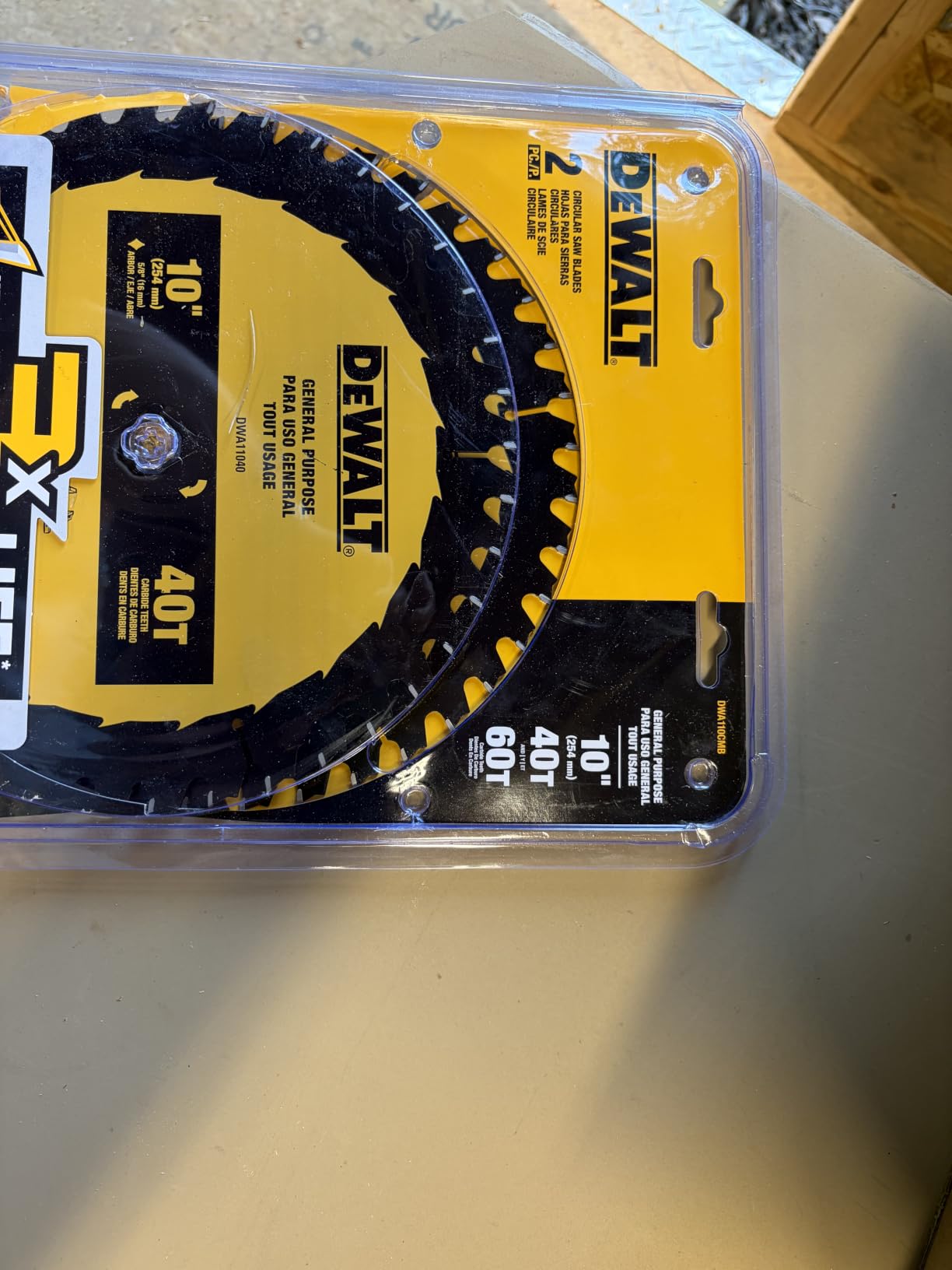
Reviews describe it as a clear step up from the blade that ships with a saw. That is the real value comparison here. A stock combination blade in the 40 tooth range will rip plywood acceptably and crosscut it badly, so upgrading to a proper 80 tooth finish blade is the single highest-return change most shop owners can make.
The trade-offs are modest. Some users report that it throws more sawdust backward onto the table than heavier blades, which means a little more cleanup but no effect on cut quality. Others note that it costs more than comparable off-brand blades, which is the premium you pay for the brand’s carbide and body slot work.
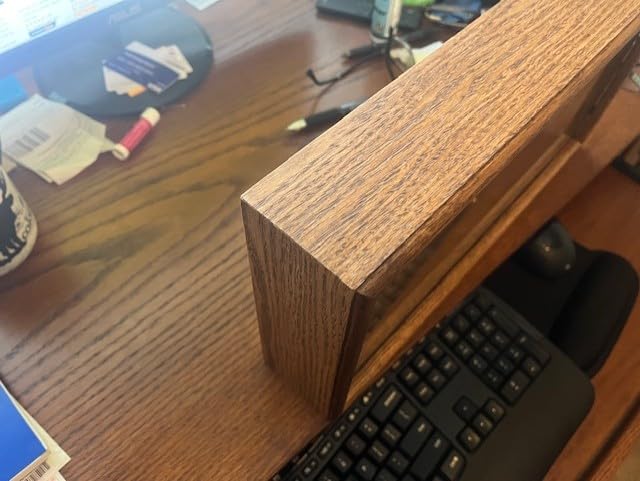
Whether it holds up on Baltic birch and softwood ply
It does. The optimised tooth geometry is what buyers notice on Baltic birch, where the cross-grain core sections are dense and the face veneer is thin enough to chip easily. The 80 tooth count gives each tooth a short cut length, so the blade shears rather than saws across the sheet. On softer CDX and construction ply it still produces an edge you would be happy to cover with tape.
Expect more dust volume with softwood ply than with cabinet stock. That is a chip-clearing pattern, not a dullness problem, and it eases once the blade has cut its way through the first panel. Clean the blade between sheet stacks and the edge will stay where it is.
How it compares with the general-purpose tier
Within its own brand, this sits above the general-purpose combination blades, which are aimed at solid wood and rough sheet goods rather than at panel edges. The gap is tooth count and grind discipline, not plate quality. If your work is mostly breaking down sheets for a job site, the extra teeth buy you nothing you will ever see. For mixed cabinet work with frequent melamine or particleboard, though, the resharpenable carbide in the premium blades later in this list pays for itself.
3. Freud LU83R010 50-Tooth Thin Kerf Combination Blade: Best for Ripping and Crosscutting
Freud LU83R010 Industrial 10-in 50T Thin Kerf Combination Saw Blade
50 ATB teeth
Thin kerf combination
5/8 inch arbor
Anti-vibration slots
Pros
- Handles ripping and crosscutting solid wood plywood chipboard and laminate
- Cuts plywood without tear-out and reduces motor strain versus full kerf blades
- Laser-cut anti-vibration slots make it noticeably quiet and reduce dust
- Holds its edge over hundreds of cuts
Cons
- Actual blade diameter measures slightly under nominal 10 inch which can limit full-depth cuts on sliding miter saws
- Some users feel more motor resistance than expected from a new premium blade
Most buyers own one blade and do both jobs, and this is the one we would put in that machine. The LU83R010 is a genuine combination design, so its 50 teeth are arranged to rip along the grain and crosscut across it. Owners describe it as a quiet, low-dust all-rounder that handles solid wood, plywood, chipboard and laminate cleanly without tear-out.
The laser-cut anti-vibration slots are what make it feel expensive in use. They are laser-cut rather than stamped, and they cut vibration without needing separate blade stabilisers. Reviewers specifically call out the reduced dust and the noticeably quieter cut compared with a generic 50 tooth blade of the same diameter.
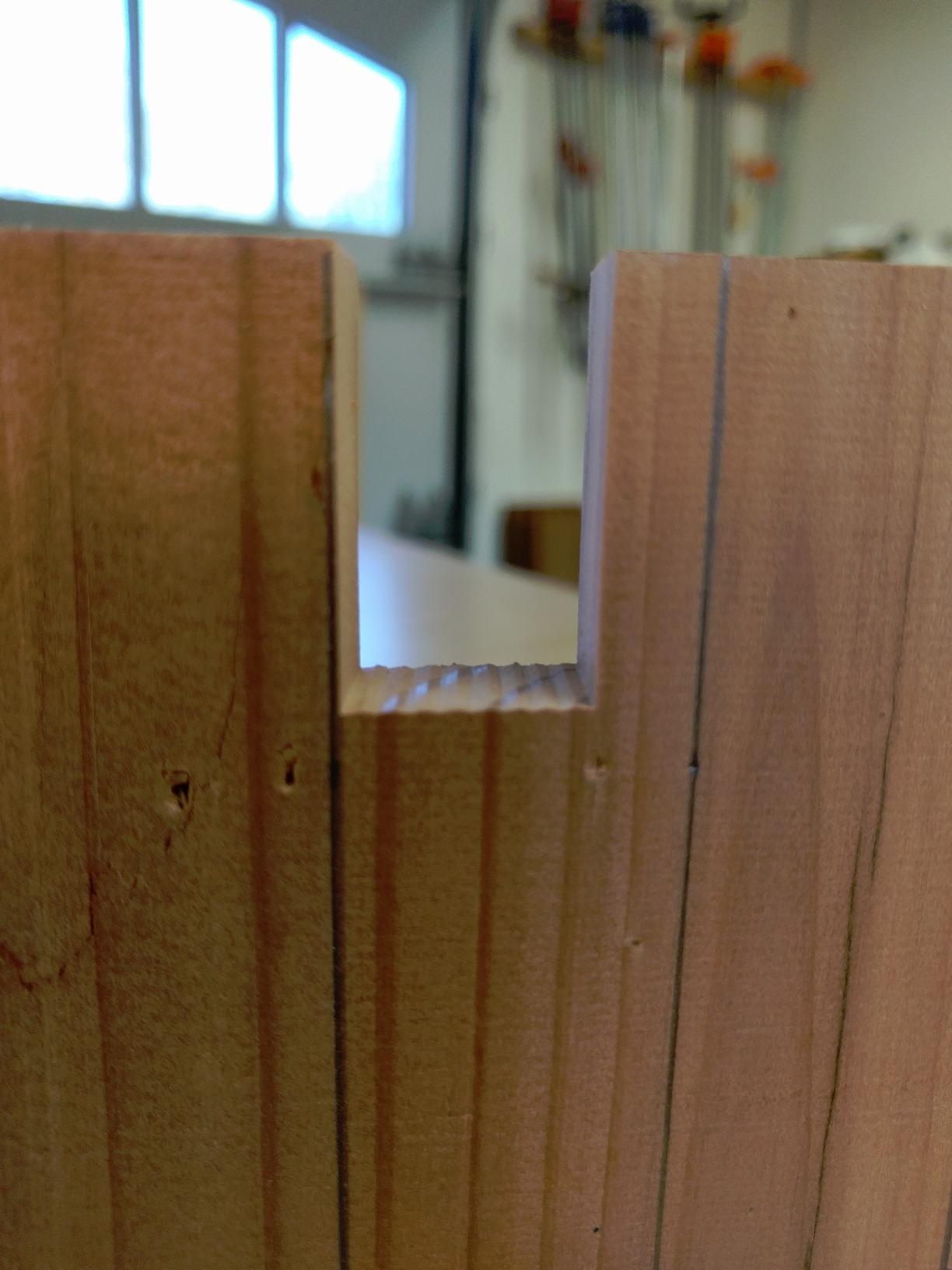
Thin kerf is the practical win on panel. A narrower cut removes less material, feeds easily through a full sheet, and leaves a glue-ready joint that owners report needs minimal sanding. That matters more than raw sharpness when you are breaking a sheet down into cabinet parts and want the offcut usable.
The common complaint is that the actual diameter measures slightly under the nominal 10 inch. On a table saw that is a non-issue. On some sliding compound miter saws where you need full depth of cut in a 10 inch frame, verify your clearance before buying. A few users also report more motor resistance than expected from a brand-new premium blade, which usually settles as the edge breaks in.
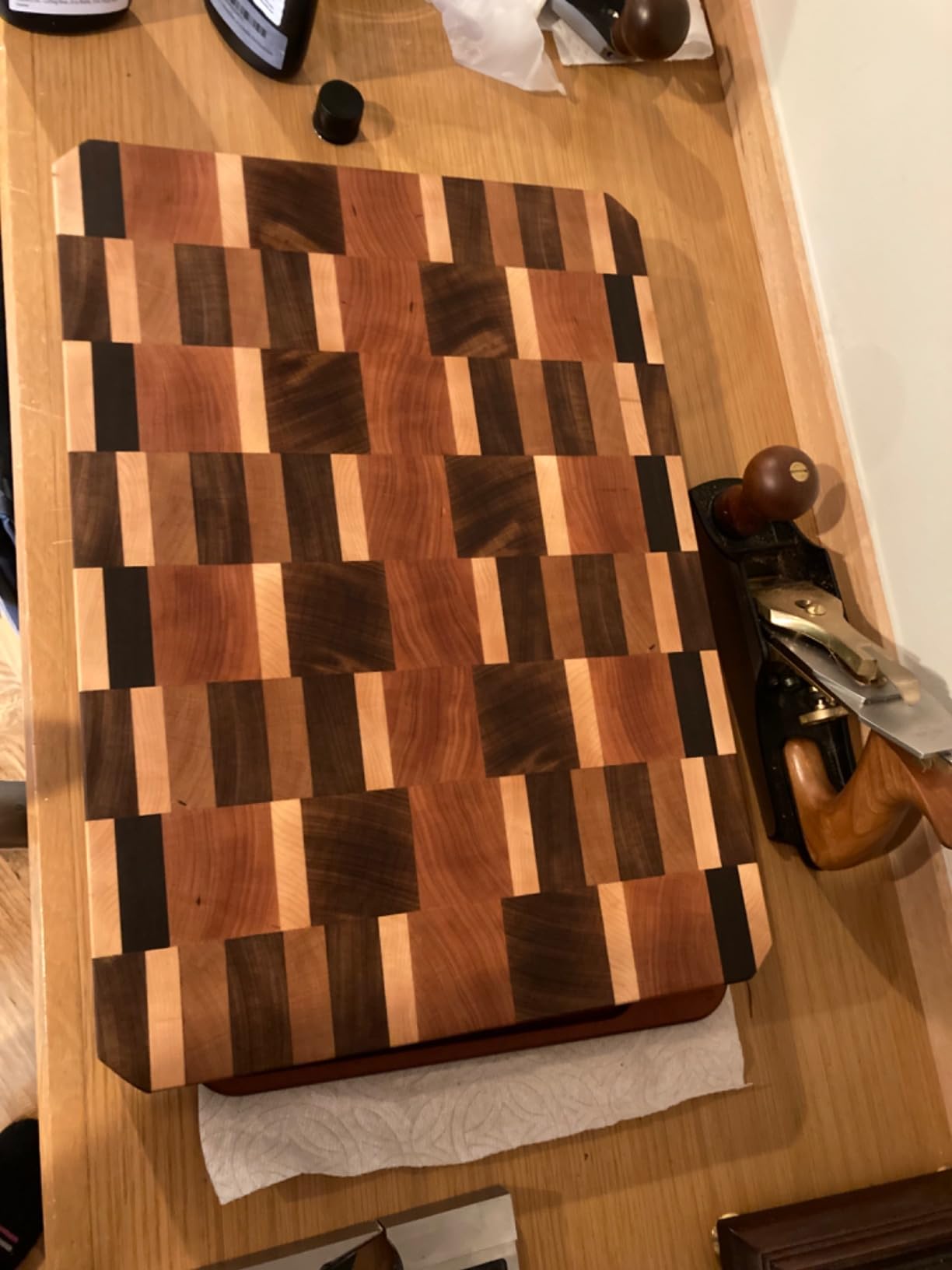
How it handles plywood in the rip direction
It is not a substitute for a dedicated rip blade. A 50 tooth combination splits the workload between rip and crosscut teeth, which means each rip tooth is small and the panel is cut more finely than a rip blade would. That is actually a benefit for plywood, because the extra teeth limit the size of the chip leaving the exit side.
What you give up is glue-line quality. If you want a joint ready for glue with no sanding at all, the dedicated glue line rip blade later in this list is the better tool. If you want one blade for everything and can accept light sanding on rip joints, this is the sensible compromise.
Where a combination blade loses to a specialist
Finish quality is where the compromise shows. A crosscut specialist carries more teeth dedicated to the crosscut direction, so it will hold an edge on a veneered panel that a combination blade will slightly fuzz. Triple chip and glue line carbides also hold up far better on abrasive sheet goods such as MDF and laminated chipboard, so buy for the material you cut most rather than for the nicest photo of the cut.
4. Freud LM75R010 30-Tooth Glue Line Rip Blade: Best for Ripping Plywood
Freud LM75R010: 10″ Industrial Thin Kerf Glue Line Ripping Blade, Carbide
30 teeth
TCG grind
.091 inch kerf
12 degree hook
.071 inch plate
Pros
- Produces mirror-smooth glue lines suitable for glue-ready joinery
- Narrow kerf cuts fast and minimizes burned edges and material waste
- Laser-cut anti-vibration slots reduce vibration and sideways movement
- Runs true and straight even on older table saws
Cons
- Best suited to material up to about 1 inch thick
- Small teeth limit sharpening options compared with larger-tooth blades
- Red non-stick coating can transfer onto the workpiece
Ripping plywood is where the majority of tear-out complaints come from, and this is the answer to most of them. The LM75R010 is a 30 tooth straight-grain rip blade with a TCG grind, a .091 inch kerf and a 12 degree hook. Woodworkers praise it for tear-free, mirror-smooth rips through plywood and MDF, with many reporting the joint was ready for glue with minimal sanding.
The heavy-duty thick plate is the detail that separates it from a cheap rip blade. A thicker body resists deflection through the full depth of a panel cut, which is exactly what keeps the exit side clean, and combined with the laser-cut anti-vibration slots it runs true and straight even on older table saws.
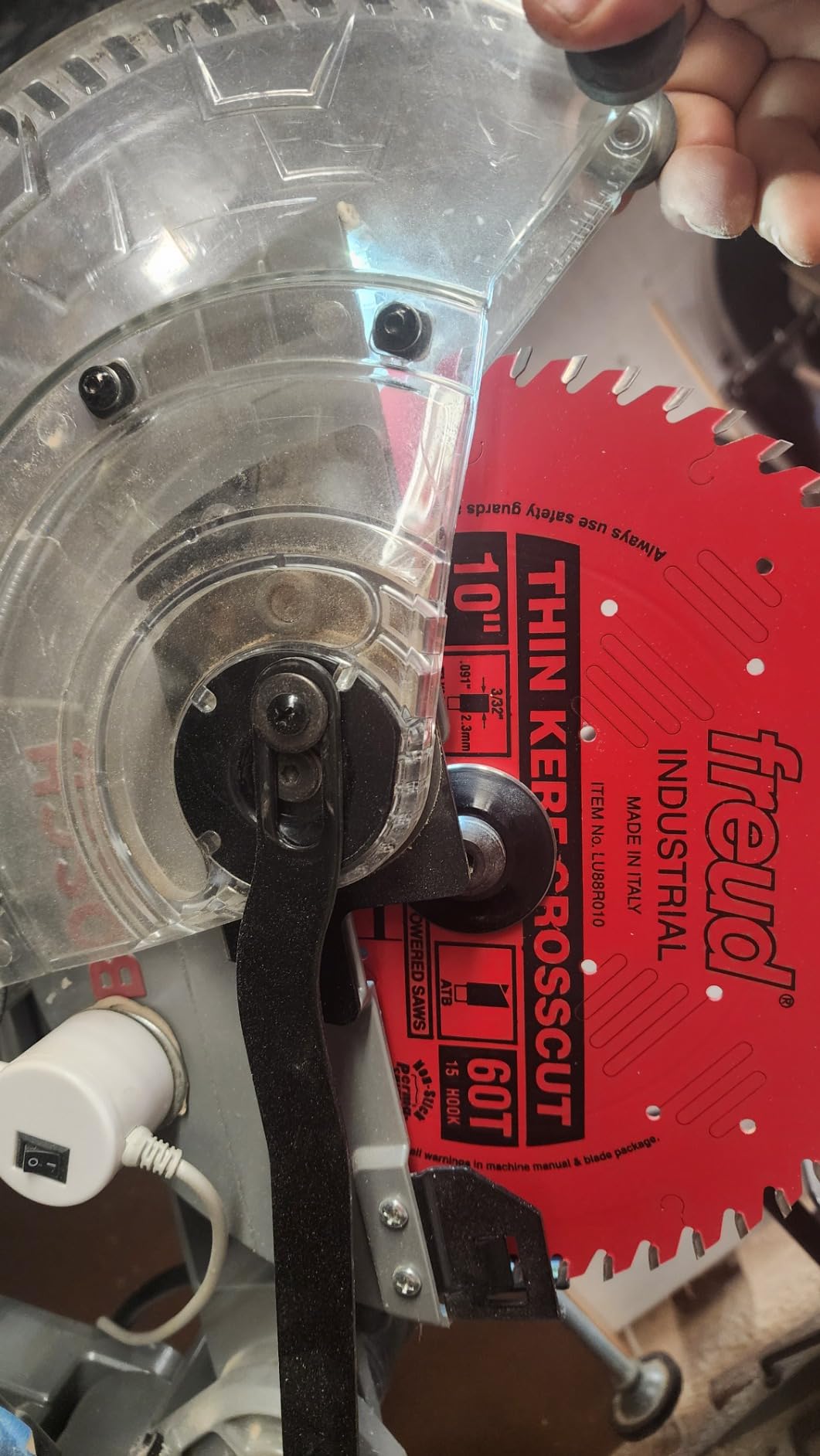
There is a design choice worth understanding here. A rip blade has teeth shaped with minimal rake and almost no bevel, so the blade stays in the cut rather than pushing the material down. That flat tooth profile is what produces a flat glue line, and it is also why a rip blade cannot crosscut cleanly. Plan to swap blades for panel breakdown.
The Perma-Shield coating reduces blade drag and protects against corrosion and pitch build-up. Some owners report the red coating transferring onto the workpiece on early cuts, which is the same cosmetic issue we saw on the other Freud and Freud-manufactured blades here.
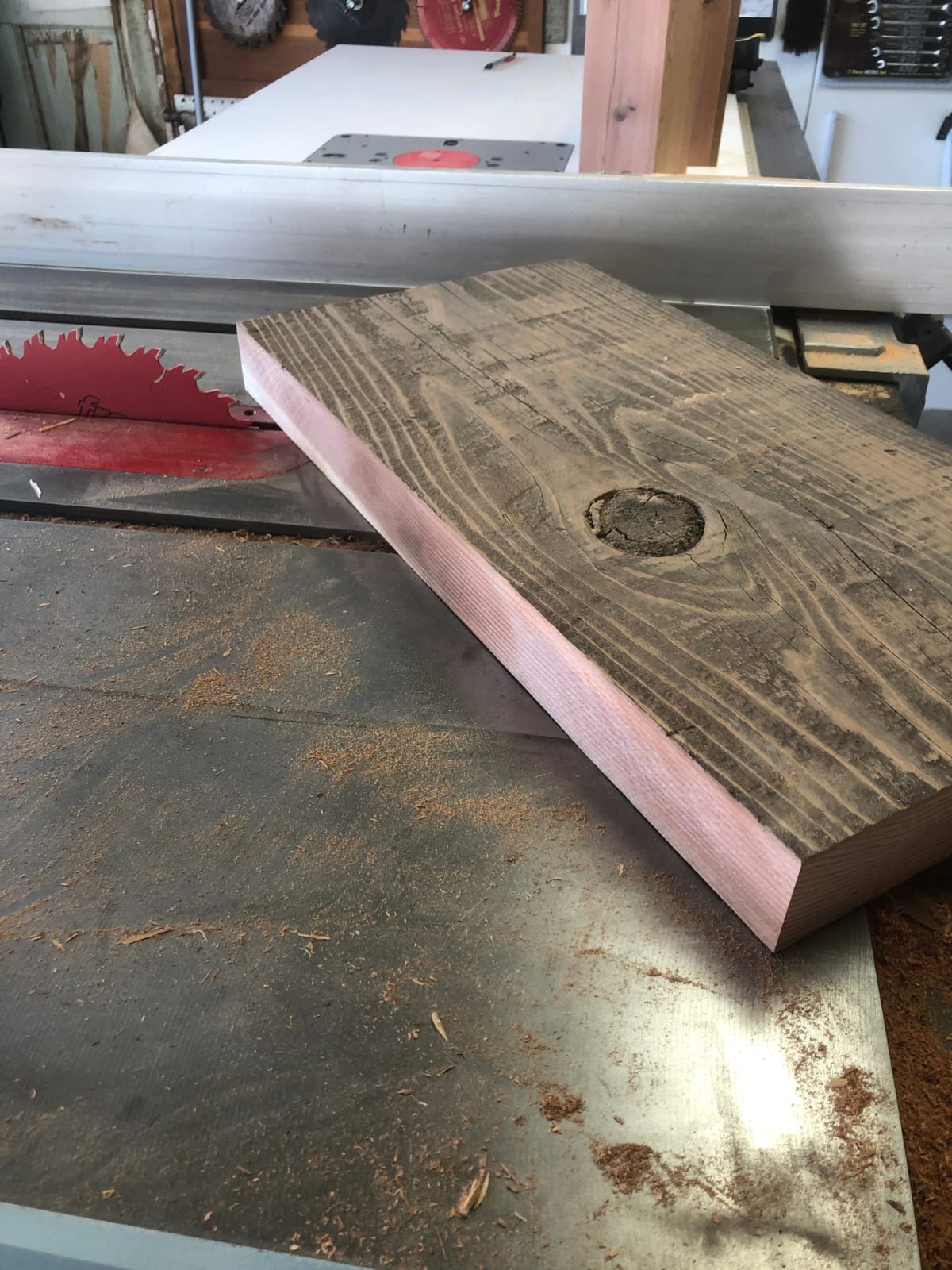
Why TCG grind matters for panel ripping
Triple chip grind puts three facets on each tooth, so there is always one flat surface supporting the cutting edge. That geometry resists chipping when the blade meets a glue line, a knot or a fastener in a sheet, which is exactly the failure mode of a fine bevel blade. The Hi-ATB crosscut blades in this roundup give a cleaner edge on the visible side of the cut but give up more when they hit a surprise.
The payoff is blade life. A triple chip blade holds its edge through far more abrasive sheet material before it needs attention. If your ripping volume is high, that difference shows up as fewer sharpening services rather than as a better-looking cut on day one.
Limits on thickness and resharpening
Buyers are clear that this blade is optimised for material up to roughly an inch thick, so ripping full 3/4 inch plywood is its home turf. Thicker panels need a heavier ripping blade with a bigger body, because the extra depth of cut demands more plate stiffness to avoid deflection at the bottom veneer. Thirty small carbide teeth also give a fast, clean cut but leave less carbide to remove than a 40 or 50 tooth blade, so fewer sharpening passes are available over the blade’s life.
5. CMT 256.050.10 50-Tooth Combination Blade: Best for Resharpenable Value
CMT Orange Tools 256.050.10 – Combination Saw Blade D=10 B=5/8 ß=4 ATB 15 + 1 FLAT K=0.102 P=0.071 a=15
50 teeth
.102 inch kerf
.071 inch plate
15 degree hook
Chrome plated
Pros
- Very sharp well-balanced blade with noticeably thicker carbide than typical thin kerf blades
- Handles crosscut and rip work on solid wood plywood and melamine with glue-ready edges
- Runs quiet with low vibration thanks to polymer-filled laser-cut slots
- Professionally re-sharpenable giving strong long-term value
Cons
- Crosscutting plywood can still splinter on ultra-thin veneers
- One owner reported apparent run-out traced to a faulty saw arbor rather than the blade
The 256.050.10 is the one in this roundup that we would most confidently buy twice. It combines 50 teeth with a .102 inch kerf, a 15 degree hook and a 4 alternate top bevel plus one flat tooth arrangement. Reviewers frequently call it the best value in a 10 inch blade, and they are usually talking about the carbide thickness rather than the sticker.
That is the real differentiator. The carbide tips here are noticeably thicker than you find on a typical thin kerf blade, and the blade is tri-metal brazed and professionally re-sharpenable. When it dulls, a sharpening service can restore it several times over. Over a few years of sheet work that changes the effective cost per cut dramatically.
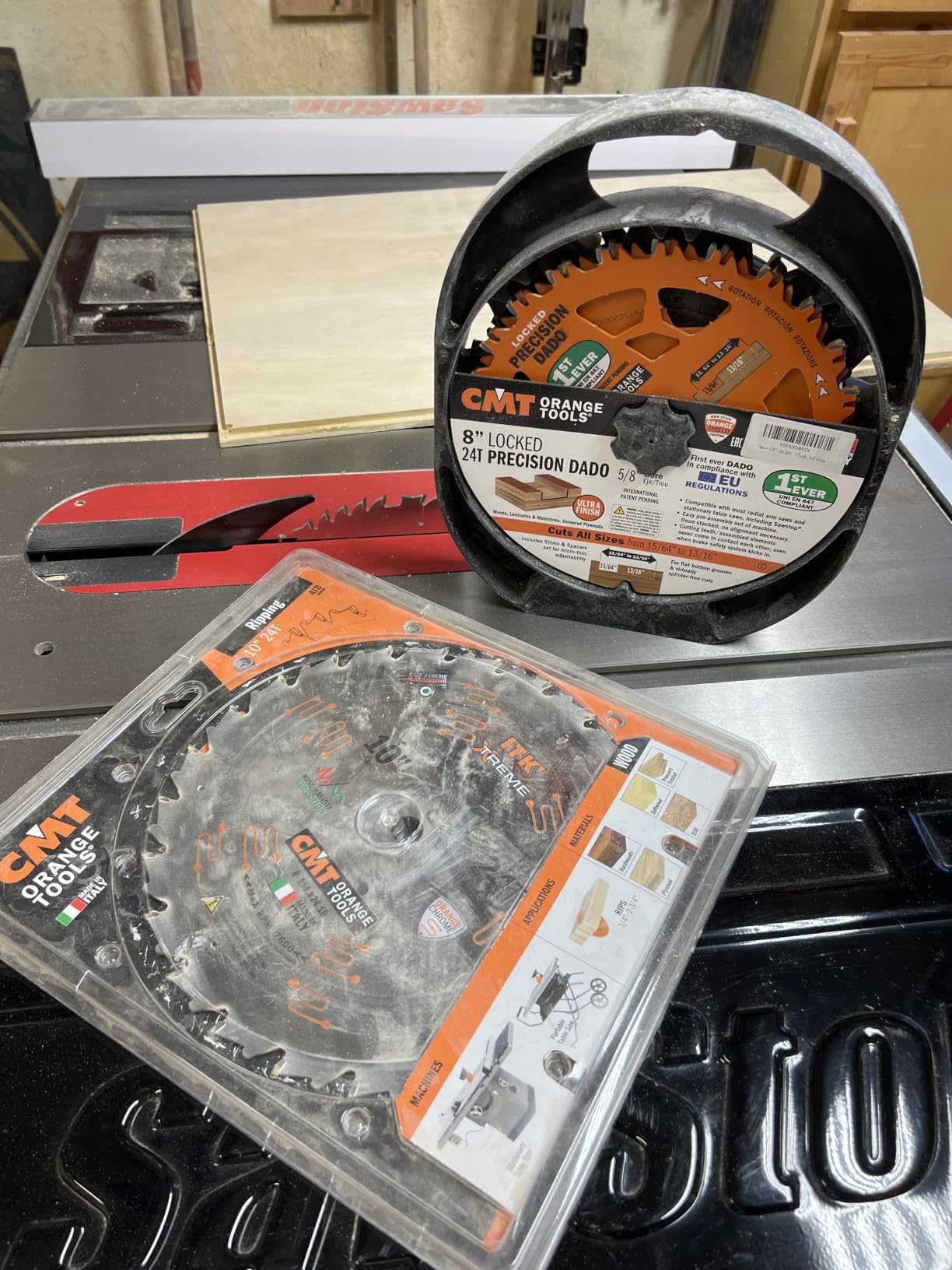
The polymer-filled laser-cut slots reduce noise and vibration, and owners describe the cut as quiet for a 50 tooth blade. The flat tooth also earns its keep on rabbets, lap joints and dado cuts, where a pure bevel blade would leave a rough shoulder that needs cleanup. That versatility makes it a genuinely good single-blade shop saw setup.
The honest drawback is plywood specifically. Owners report splintering when crosscutting ultra-thin veneers, and applying tape along the cut line before cutting is a partial mitigation. If your material is 1/8 inch face veneer over a fine core, use a dedicated plywood blade. On standard birch and maple ply, the issue rarely appears.
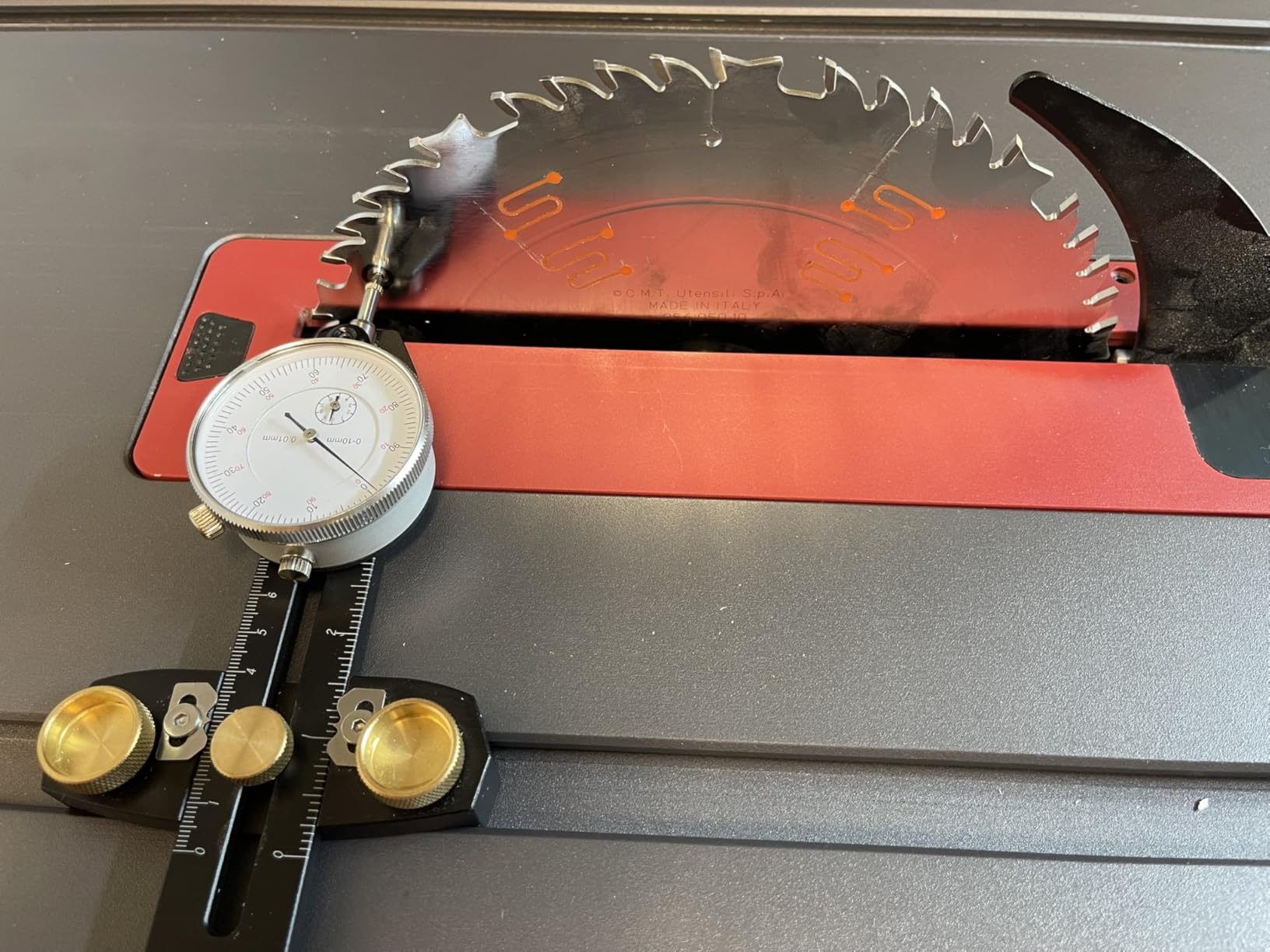
What the flat rip tooth actually buys you
One flat tooth among 50 alternating bevel teeth acts as a splitter. It tracks straight through the material and stabilises the cut in exactly the way a rip tooth does, which is what keeps the combination blade from wandering on a long panel cut. You do not get the glue-line finish of a dedicated rip blade, but you do get a much more stable cut than 50 plain bevel teeth.
For dadoes and rabbets, that flat tooth is the reason the cut shoulder is usable without heavy sanding. Because a table saw dado is a series of crosscuts plus partial rips, having both tooth types present is genuinely useful rather than a marketing compromise.
How to decide against the thinner premium blades
If your priority is maximum material yield from expensive Baltic birch panels, the .102 inch kerf removes more wood than a .090 or .091 inch blade. Over a stack of full sheets that adds up. Thin kerf blades are the better choice when waste matters and resharpenability does not.
Check your saw too. A 10 inch blade with a 5/8 inch bore is standard, but confirm your arbor and that the blade clears your throat plate at the kerf width you plan to run. One owner in this product’s reviews reported apparent run-out that turned out to be a faulty saw arbor, which is worth ruling out before blaming the blade.
6. Freud LU88R010 60-Tooth Thin Kerf Crosscut Blade: Best for Small Saws
Freud LU88R010: 10″ Thin Kerf Fine Finish Crosscut Blade
60 teeth
ATB grind
.090 inch kerf
15 degree hook
.071 inch plate
Pros
- Thin kerf design reduces waste and feeds easily
- Positive hook angles produce a smoother cut at faster feed rates
- Non-stick coating reduces drag corrosion and pitch build-up
Cons
- Carries a significant price premium over generic 10 inch finish blades
- Sixty teeth leave less carbide available for resharpening than a 50 tooth combination
The LU88R010 is the pick for anyone on a 110V portable or a smaller contractor saw. At 60 teeth with an ATB grind and a .090 inch kerf, it asks less of a modest motor than a full kerf blade while still producing the fine crosscut edges buyers rate highly on wood and engineered panels.
That .090 inch kerf is among the narrowest on this list and it matters on smaller machines. Less material to remove per pass means less motor load, easier feed and less chance of the saw bogging down mid-sheet. Positive hook angles at 15 degrees let you run a faster feed rate while keeping the cut smooth.
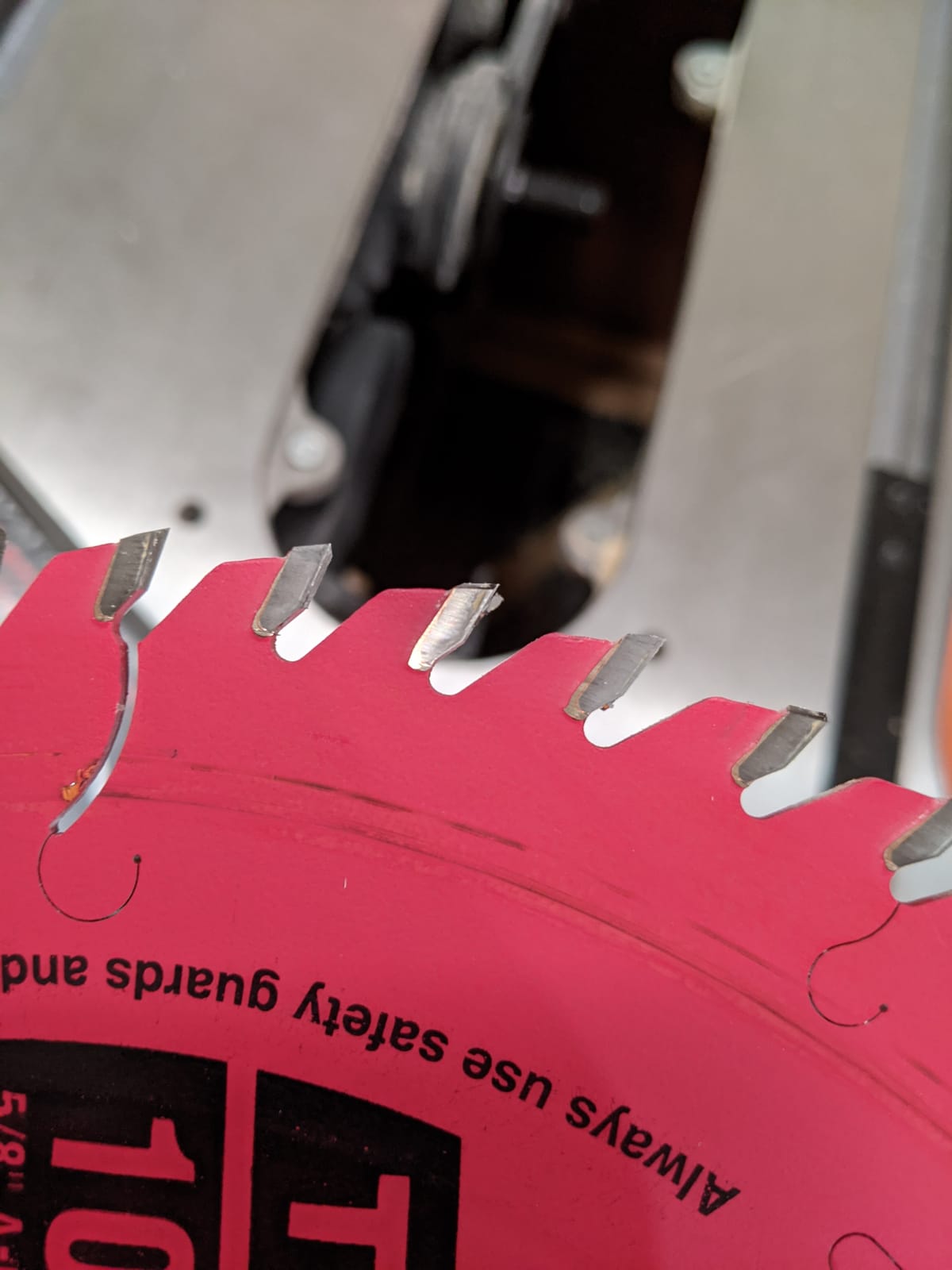
Buyers rate the finish quality highly for fine crosscutting, and the Perma-Shield non-stick coating reduces drag, corrosion and pitch build-up across repeated panel cuts. On plywood faces that leave resin behind, the coating is doing as much work as the tooth geometry for keeping the edge consistent.
The price premium over generic 10 inch finish blades is real and buyers mention it directly. That is the same trade every premium brand asks you to make. What you are paying for is TiCo hi-density carbide, a .071 inch plate, and a grind tuned for the job, rather than a thin plate with generic tips.
When 60 teeth is the right answer and when it is not
Experienced woodworkers consistently rate 60 teeth as workable for plywood, with one condition: you need to slow the feed rate to get the same edge quality an 80 tooth blade delivers at speed. Sixty teeth take a longer bite out of each section, so pushing too hard leaves a rougher edge. Feed it steadily and the finish is excellent.
That slower feed makes 60 teeth less pleasant for high-volume breakdown. If you are cutting sheet after sheet all afternoon, the extra time per cut adds up. For occasional cabinet parts, a shop full of furniture, or a smaller saw where feed rate is limited anyway, 60 teeth is a strong fit.
Fit checks before you mount it
Confirm three things: a 10 inch diameter, a 5/8 inch arbor and clearance at the throat plate for a .090 inch blade. Then check your riving knife spacing. A blade with a narrower kerf than your knife is set to means the material is pinched until the knife catches up, which raises the load on both the blade and the motor on every cut.
On non-riving-knife saws, match the riving knife to the kerf of whichever blade you run most often. Splitting knives are adjustable, and a thin kerf blade with a full kerf knife is the most common mismatch we see in portable saw setups.
7. CMT 250.024.10 24-Tooth Rip Blade: Best for Rough Sheet Goods
-CMT 250.024.10 ITK XTreme Ripping Saw Blade, 10-Inch x 24 Teeth ATB Grind with 5/8-Inch Bore
24 ATB teeth
0.102 inch kerf
0.071 inch plate
10 degree hook
Pros
- Budget-friendly dedicated ripping blade for softwood hardwood plywood OSB and pressure-treated material
- Low cost makes it easy to keep as a dedicated rip blade
- Chrome plating and laser-cut heat expansion slots support stability and durability
Cons
- 24 tooth ATB rip geometry is not a substitute for a glue-line or ultra-finish blade on sheet goods
- Lower overall rating than the 50 tooth CMT combination blade in the same line
- Crosscut work with this blade is outside its intended purpose
The 250.024.10 is the dedicated rip option for anyone breaking down CDX, OSB and pressure-treated sheet on a budget. At 24 ATB teeth with a 10 degree hook angle and a .102 inch kerf, it is built to rip along the grain rather than to make a beautiful edge, and owners treat it accordingly.
Its virtue is that it frees your better blade. Many builders run a high tooth crosscut blade for panel breakdown and a general combination blade for everything else, then finish plywood sheets with either. Having a cheap dedicated rip blade means you never have to compromise a crosscut finish blade just to get through a stack of rough sheet.
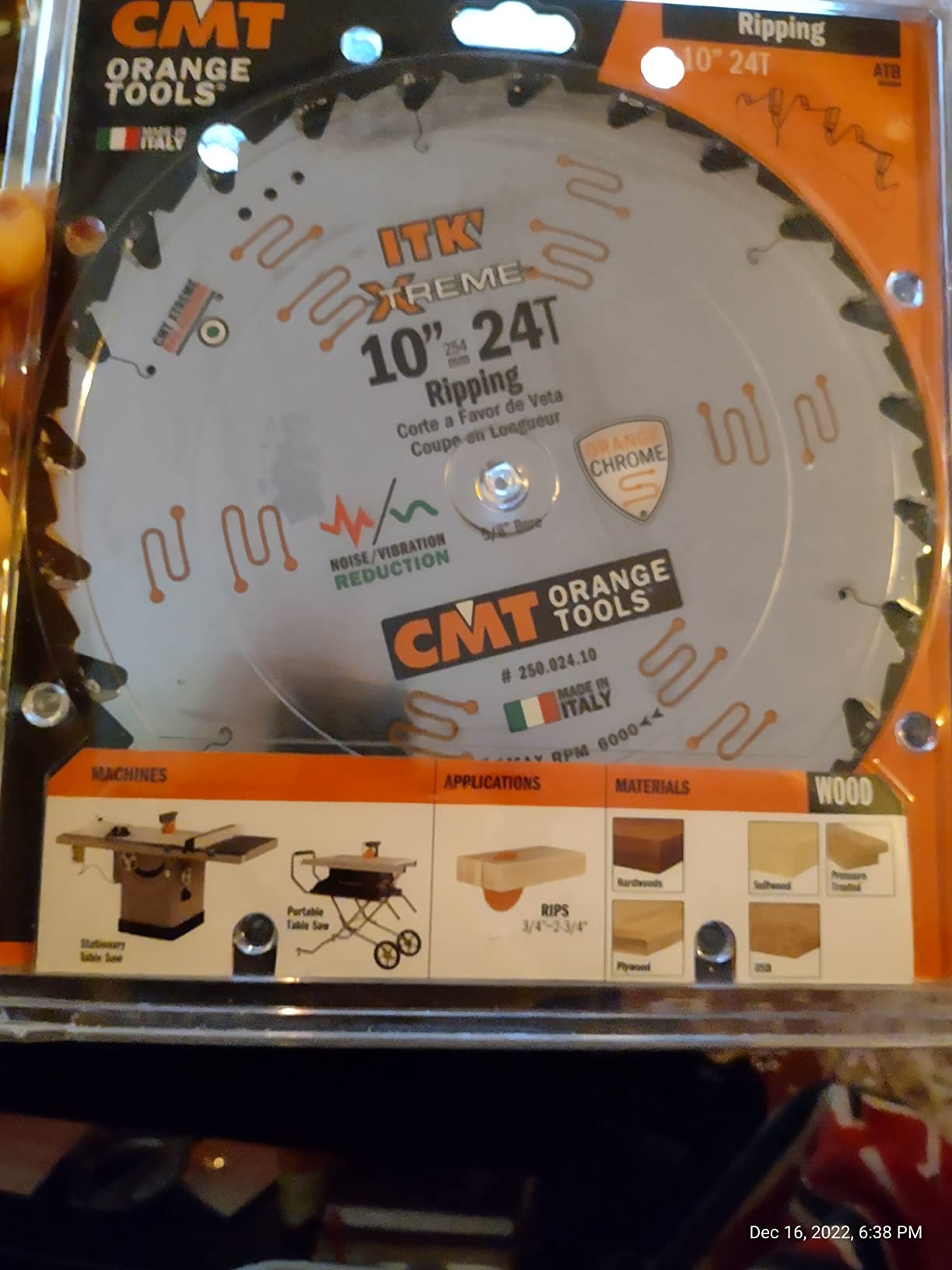
The laser-cut heat expansion slots let the plate expand without warping, which is what keeps a steel-bodied blade flat over time. Chrome plating adds corrosion resistance, and that matters on pressure-treated material where the preservatives are hard on bare carbide and steel.
Reviewers rate this blade slightly below the 50 tooth CMT combination because its finish quality on crosscut work falls outside its intended purpose. That is not a defect. With 24 teeth there is simply no crosscut tooth set to produce a clean edge across a sheet, and asking it to do so produces the torn result you were trying to avoid.
Ripping OSB and rough sheathing versus plywood
This is where it earns its slot. OSB and CDX have strands and compressed layers that are abrasive and that fracture badly under a fine crosscut tooth pattern. A low tooth rip blade with a 10 degree hook pushes through that material instead of shredding it, and the resulting edge does not matter because it gets covered or screwed down.
On true plywood, the same low tooth count works but leaves more visible tear-out on the exit side than the 30 tooth glue line rip blade would. Choose based on what you are actually cutting: this one for construction panel, the 30 tooth blade for cabinet sheet.
Where a cheap rip blade should not go
Do not use it for glue-line joints on plywood. A 10 degree hook and 24 rip teeth will produce a joint that is flat and stable but not mirror smooth, and on a visible face frame you will be sanding more than necessary. That job belongs to the 30 tooth glue line rip blade, whose thinner kerf and finer teeth are built for it.
Also avoid crosscutting with it. The blade has no crosscut tooth set, so the cut will wander more and tear more on every pass, and you risk the frustration of blaming the blade for a design that never targeted that cut.
8. FOXBC 80-Tooth Ultra Finish Blade: Best Budget Finish Blade
FOXBC 10-Inch Table Saw Blade, 80-Tooth, Ultra Finish Wood Cutting, 5/8-Inch Arbor
80 ATB teeth
0.098 inch kerf
5/8 inch arbor
High-density tungsten carbide
Pros
- Very smooth quiet cuts with zero tear-out across hardwoods softwoods plywood and melamine
- Runs with almost no vibration and tracks accurately
- Costs far less than premium 80 tooth crosscut blades while matching or beating their cut quality
- Thin kerf and plate reduce waste and feed easily
Cons
- Long-term edge retention is still uncertain for some owners
- Some users report the actual kerf is closer to full kerf than advertised
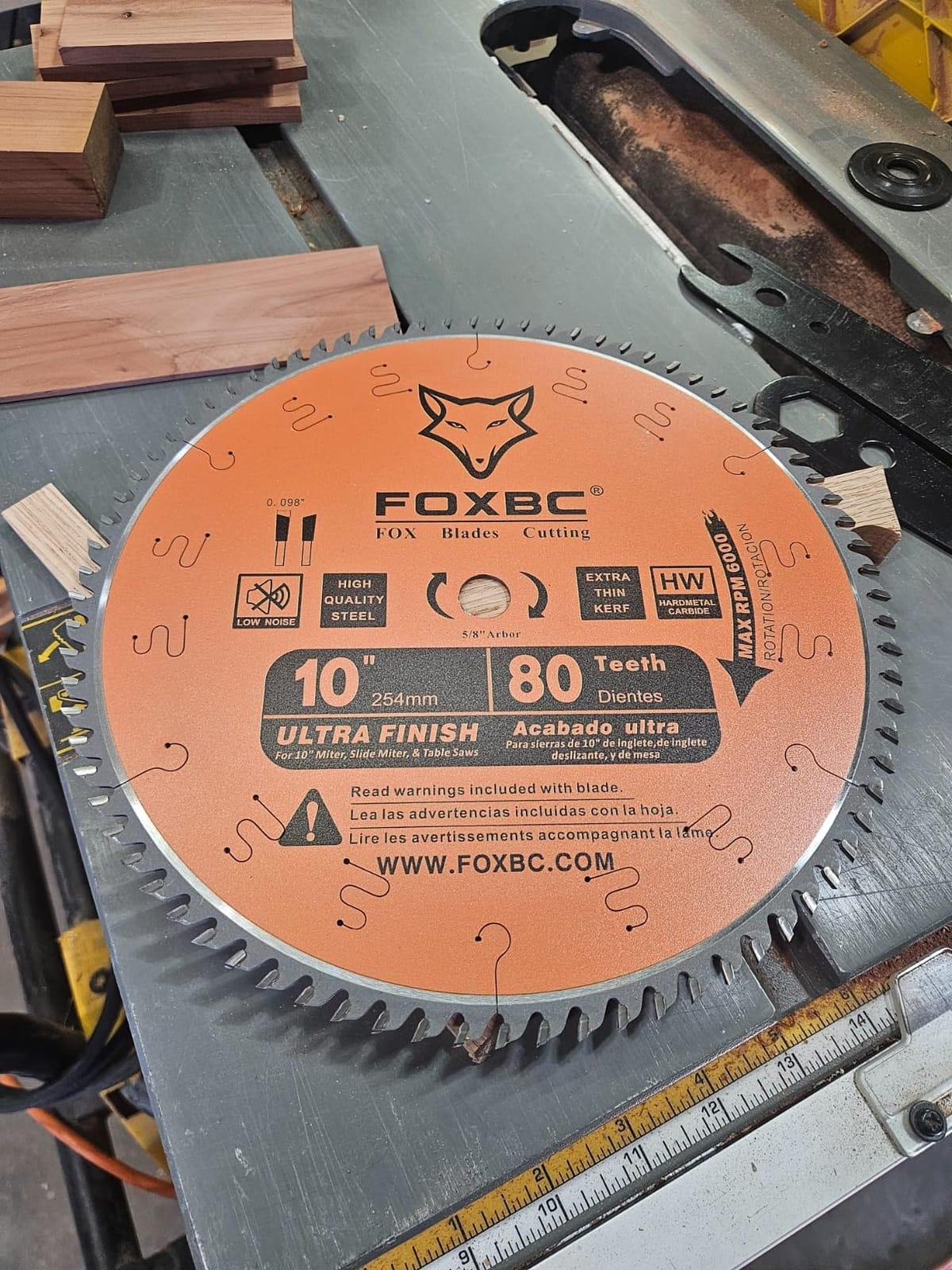
The FOXBC 80 tooth is the value entry into this roundup and the most surprising result in our comparison. Reviewers describe very smooth, quiet cuts with zero tear-out across hardwoods, softwoods, plywood and melamine, and several report it matching or beating blades costing two or three times more.
The build explains part of that. It uses high-density tungsten carbide, and at 80 teeth with a 0.098 inch thin kerf the geometry is genuinely good for panel work. Reviewers also highlight that it runs with almost no vibration and tracks accurately, which is what you feel when the fence stays put through a long cut.
It is compatible with the common 10 inch saws most people own, including DeWalt, Skil, Metabo and Makita miter saws as well as table saws, with a 5/8 inch arbor. That broad compatibility makes it an easy first blade for a saw you have owned for years without opening the manual.
Two caveats keep it out of the top tier. Owners are uncertain about long-term edge retention, and nobody in this product’s review history reports multiple resharpenings, which tells you the expected service life story is still being written. One buyer also noted the kerf is not as thin as advertised.
When it makes sense to save the money here
If you cut a few sheets a month for shop projects, this is a rational purchase. The cut quality lands in the same range as the premium 80 tooth blades on standard birch and maple ply, so the money you keep can go toward a zero-clearance insert or a proper supporting table, both of which fix tear-out more effectively than a better blade will.
The case against it is volume and abrasive material. If you are cutting melamine or particleboard every week, carbide tips in this price class typically dull faster than the higher-density grades used by the premium blades, and edge retention is exactly what reviewers cannot yet vouch for.
What to watch in the first month
Give it a proper break-in and watch the edge. Mount it, set the height so it clears the stock by about 1/8 inch, and make a few practice cuts before you judge it. Many buyers report the strongest results after the blade has cut a few panels, when the carbide has been dressed to the material.
If tear-out appears on the underside, resist the urge to buy a different blade immediately. Check blade height, stock support and feed rate first, because those fix more tear-out than any swap will. We walk through the diagnosis in the tear-out section below.
9. CMT 221.060.10 60-Tooth Full Kerf Panel Blade: Best for Abrasive Panel Goods
CMT Orange Tools 221.060.10 – Laminated&Chipboard Circular Saw Blade HW D=10 B=5/8 Z60 K=0.126 P=0.087 a=10
60 teeth
0.126 inch full kerf
.087 inch plate
10 degree hook
PTFE coating
Pros
- Purpose-built for chipboard plywood laminate melamine and OSB panel work
- Laser-cut sound dampening slots and tensioning ring keep cuts quiet and stable
- PTFE coating resists pitch and resin build-up on panel materials
Cons
- Full kerf at 0.126 inch requires more motor power than thin kerf alternatives
- Designed for crosscutting panel material so it is not a general rip and crosscut combination blade
When your real volume is chipboard, particleboard and laminated panel rather than cabinet ply, tooth geometry takes a back seat to plate durability. The 221.060.10 has the thickest plate of any blade in this roundup at .087 inch, and that stiffness is what keeps it flat and quiet through abrasive material.
The tensioning ring is the detail that separates it from a cheap full kerf blade. Combined with the laser-cut sound dampening slots and heat expansion slots, it keeps the plate tensioned as it heats through a long run of panel cutting. Reviewers who break down sheet goods describe the cut as consistently quiet and stable.
The PTFE coating resists pitch and resin build-up, which is the specific enemy of blade life on melamine and chipboard. Combined with industrial chrome carbide and tri-metal brazing, this is a blade built for volume breakdown rather than for a show-edge panel.
The cost of that construction is real. A 0.126 inch kerf is full kerf, and it needs more motor power than the thin kerf blades in this list. Owners note it works best on adequately powered stationary table saws. On a portable saw it will work, but you will feel the load, particularly on thick panels.
Which blade to use on abrasive material instead
Triple chip grind, not tooth count. A triple chip blade puts a flat facet on each tooth so the cutting edge is supported when it hits a hardened resin line in particleboard. That geometry survives abrasive sheet material far better than a high alternate top bevel blade, which is why the 30 tooth rip blade here also holds up well on MDF.
So if your panel work is mostly particleboard and melamine, the Hi-ATB finish blades in this roundup are the wrong emphasis. They cut the visible face beautifully and then give up their edge sooner on the abrasive face. Buy for the material you cut most, not for the nicest photo of the cut.
Matching it to your saw and riving knife
Because this is a full kerf blade, your riving knife or splitting knife needs to be set to match it. A knife set for a thin kerf blade will not open a 0.126 inch slot, and the workpiece will pinch the blade until the material is fully committed to the cut. That is how full kerf blades get blamed for kickback that is really a setup fault.
It is also crosscut-only, so you still need a rip blade for sheet breakdown in the rip direction. Pair it with a thin kerf rip blade and make sure your kerf thickness insert or throat plate clears whichever blade is mounted at full height.
10. Bosch DCB1080 80-Tooth Edge Blade: Best for Melamine and Finished Plywood
BOSCH DCB1080 10 in. 80 Tooth Edge Circular Saw Blade for Extra-Fine Finish for Melamine and Finished Plywood
80 ATB teeth
Brute Carbide C3/C4
Speed Coat finish
Thin kerf
10 inch diameter
Pros
- Very smooth low-splinter cuts on melamine and finished plywood
- Extra-hard steel blade body resists flexing and deflection for true cuts
- Thin kerf reduces waste and speeds up feed rate
- Clear upgrade over the stock blade supplied with Bosch saws
Cons
- Some users report chipping when cutting veneer-covered plywood
- Made in China which some buyers note
The DCB1080 is built for one specific target: melamine and pre-finished plywood, where the face is the whole product and chipping is a defect you cannot sand out. At 80 ATB teeth with a thinner kerf, owners report very smooth, low-splinter cuts on exactly those materials.
The Brute Carbide C3/C4 micro grain formulation is a harder, tougher grade than a standard carbide tip, and the extra-hard steel body resists flexing and deflection. That rigidity is what keeps the cut true on tall panel work where a blade with a thinner body would wander and chip the veneer.
The Speed Coat antifriction finish is designed to prevent burning and melting on coated surfaces. On melamine, that matters as much as the teeth, because a coated face that melts or burns leaves a mark that no amount of sanding removes cleanly.
Where it falls short of a dedicated plywood specialist
Some buyers report chipping when cutting veneer-covered plywood, short of the extra-fine finish promised for it. That is the honest gap. A blade designed from the ground up for sheet goods will generally hold a cleaner edge on very thin veneers than a general edge blade marketed as a melamine specialist.
Because it is not resharpenable in the way the CMT blades here are, it is better understood as a single-purpose tool. Buy it if melamine is a large part of your work. If plywood is, the 80 tooth Hi-ATB blades earlier in this list are the better general answer.
Why the thin kerf is the practical reason to consider it
The thinner kerf gives a faster feed rate and less waste, which adds up over a stack of cabinet parts. On expensive veneer-faced material that saving is measurable, and the reduced load means the blade is less likely to deflect on a cut that runs slightly out of square.
Check the fit before you buy. It is a 10 inch blade, and you want to confirm your saw’s blade capacity, arbor size and that your throat plate or insert opening clears the kerf at full blade height. If you run this on a saw without a riving knife, set your support and feed rate conservatively on panel work.
Rip or Crosscut: Which Plywood Blade You Actually Need
Ripping and crosscutting are different problems, and one blade cannot be genuinely good at both. Plywood is cross-grain: the outer veneers run at 90 degrees to the core, so a blade cutting across the sheet meets short, fragile fibers that fracture rather than split. Along the grain direction the same blade meets long fibers that split easily. That single fact drives every tooth-count decision in this roundup.
For crosscutting, you want high tooth count and a steep bevel. Somewhere between 60 and 80 teeth with a Hi-ATB grind is the working range: many small teeth each taking a light shaving across the grain, shearing those fibers cleanly rather than plucking them. For ripping, you want the opposite: fewer teeth, almost no bevel, and a positive hook angle so the teeth pull the sheet straight back against the fence.
A low-tooth rip blade produces the fuzzy, splintered bottom edge that gets blamed on the blade brand. It is not a defect. The blade is doing exactly what its tooth geometry tells it to do to a cross-grain material. If you rip a full sheet with an 80 tooth crosscut blade you will get a rough edge, and if you crosscut with a 24 tooth rip blade you will get a wandering, torn cut.
Our recommendation for most buyers is two blades. A 60 to 80 tooth Hi-ATB crosscut blade for panel breakdown, and a 30 tooth straight-grain rip blade for sheet rips. That covers the overwhelming majority of table saw plywood work, and both swaps take under a minute on a typical contractor saw.
If you will only own one blade, a combination blade is the right compromise, and it is genuinely competent at both. The catch is that a 50 tooth combination splits its tooth budget, so neither cut is as good as a specialist. Experienced builders commonly accept that trade rather than buying two blades, which is a reasonable position when your ripping is occasional.
The exception is heavy sheet ripping. If you regularly glue up panels or cut full sheets for cabinet carcasses, the glue line rip blade in this roundup is worth the second slot on its own, because a combination blade will leave you sanding glue joints that a dedicated rip blade finishes ready to clamp.
How to Stop Plywood Tear-Out on a Table Saw
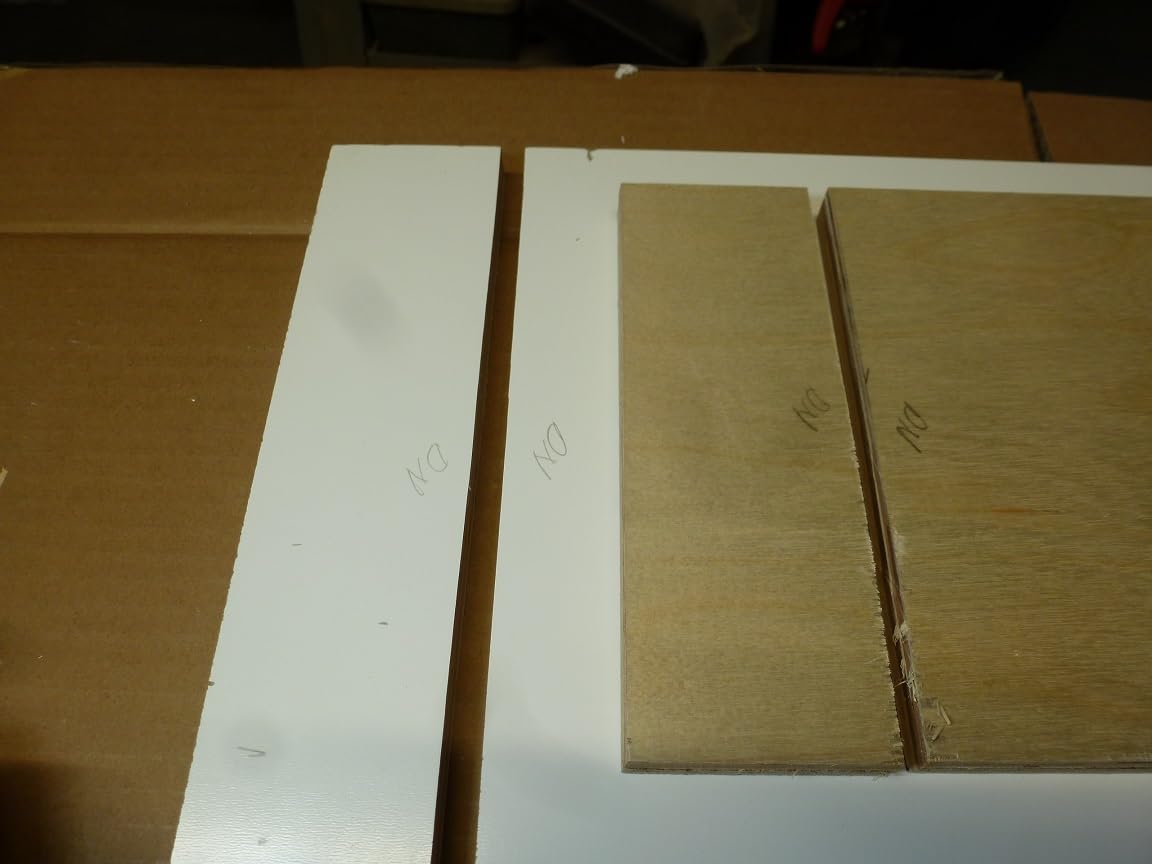
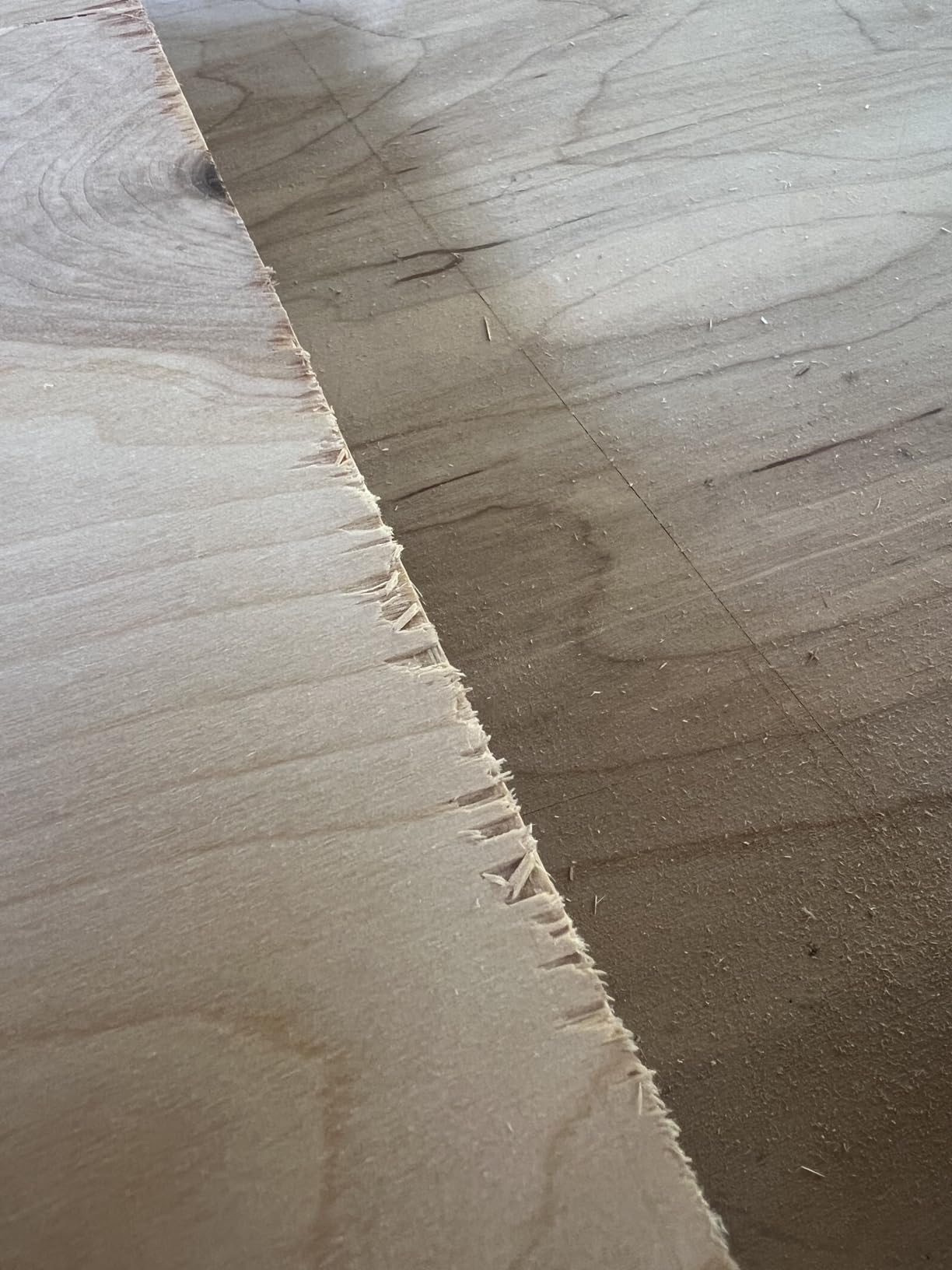
Tear-out on the underside of plywood is usually a setup problem, not a blade problem. That sounds like a convenient excuse, and it is true often enough that experienced builders diagnose it that way first. A high tooth count fixes the top face; almost nothing about tooth count fixes the bottom face on a blade that protrudes too far above the material.
The reason is mechanical. When a saw blade projects well above the workpiece, the full cutting diameter engages the material and the teeth have to shear the whole thickness at once. Lower the blade so it stands roughly 1/8 inch above the stock surface and the teeth enter the cut gradually instead, which dramatically reduces bottom tear-out on sheet goods. This single change fixes more complaints than buying any blade.
Feed rate is the second lever. Slower, steady feeds let each tooth take a lighter shaving, which reduces how aggressively the blade tears the exit veneer. Rushing a full sheet to save thirty seconds is the most common reason a good blade produces a bad edge.
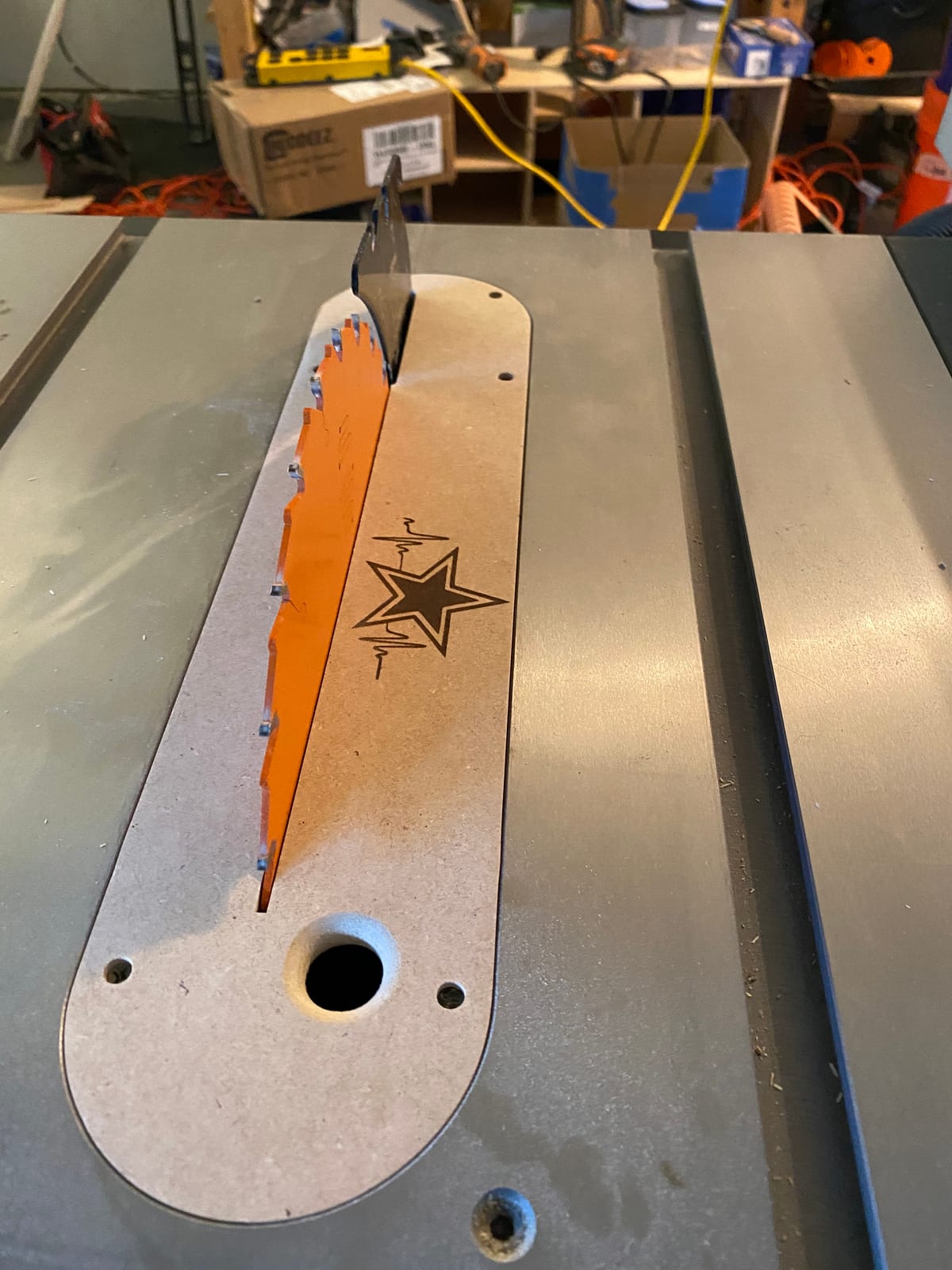
A zero-clearance insert supports the plywood right up to the cut line. Without one, the sheet drops into the throat plate opening as it passes the blade and the fibres at the exit side have nothing behind them, so they break away. With one, the material stays level and supported all the way through. It is a cheap change with the largest effect of anything on this list.
Stock support matters just as much. A full sheet is longer than your saw table, so it drops off the outfeed side before the cut finishes, which tilts the workpiece and lifts the bottom edge away from the blade. Outfeed rollers or a sacrificial support panel aligned to the table surface fix that tilt. This is the reason we published picks for the best table saws for woodworking, since saw rigidity and table support decide how well any blade can perform.
Cut with the good face down. On a table saw, the top face is held down by the workpiece weight and the fence, while the underside exits unsupported. Turning the panel face down puts the fragile veneered surface on the side that stays supported, and it is the fastest free improvement available.
Scoring solves two-sided tear-out at the source. A scoring blade runs just ahead of the main blade and cuts the bottom veneer with a downward splitter, so the main blade never has to break those fibres. That is the technically correct fix for melamine, two-faced plywood and any stock where both faces are visible, and it is the reason a scoring unit appears on serious panel saws.
Finally, tape the cut line. Applying masking tape along the cut line before crosscutting supports the veneer fibres and they are sheared with the tape rather than torn. It is not reliable enough to build a process around, but it rescues a critical panel on a bad feed.
Put together as a checklist: set blade height low, fit a zero-clearance insert, support the sheet on both sides, feed slowly, cut face down, and only then consider a different blade. If tear-out persists after all six, the blade is genuinely undersized for the material.
How to Choose a Plywood Blade for Your Saw
Tooth count is the number buyers ask about first, and it is the one that matters least. Experienced builders hold a consistent line: for a 10 inch blade, 80 teeth works nicely, 60 teeth works but needs slower feeds for equal edge quality, and 100 or more teeth does not produce a substantially better cut on plywood. That is the answer to the question people ask about 140 tooth blades too. They are crosscut-only finish blades that waste more kerf material, need a very slow feed rate and cannot rip at all.
Grind is the variable that actually changes the result. ATB alternates a bevel from tooth to tooth, which spreads load and keeps the cut quiet. Hi-ATB raises that bevel angle for a cleaner edge on the visible face, at the cost of a shorter life between sharpenings and more sensitivity to feed rate. Triple chip grind puts a flat facet on each tooth, which resists chipping on glue lines and lasts far longer on abrasive panel goods. Hollow ground plates stay flat under heat and are worth considering on less rigid saws such as radial arm saws.
Kerf width is the saw horsepower question. An ultra-thin kerf around 0.079 inch removes the least material but flexes more. A thin kerf around 0.098 inch is the practical default and suits most 10 inch table saws, including 110V portables and smaller contractor saws. A full kerf at 0.125 inch is stable and rigid but needs a properly powered saw, and it is the most common cause of complaint motor loading when fitted to something smaller.
Plate thickness tracks kerf. A thin kerf blade needs a thin plate, which is why thin kerf blades can deflect at full depth of cut on a panel job. If you are cutting thick material full depth on a lighter saw, a slightly wider kerf and thicker plate combination is the safer bet than pushing a thin blade deeper than it wants to go.
Check fit before anything else: 10 inch diameter, 5/8 inch arbor for most American table saws, a maximum RPM rating at or above your saw’s no-load speed, and a throat plate or zero-clearance insert opening that clears the kerf. Then set your riving or splitting knife to match the kerf of the blade you run most, because a mismatch between knife and kerf is a leading cause of the kickback people blame on the blade.
Match the blade to the board grade too. Cabinet-grade birch, maple and Baltic birch reward high tooth count and a steep bevel. CDX and construction ply with rough faces are better served by a triple chip blade that will not chip out. Melamine and laminate need a blade built for coated surfaces, because a coating that melts or burns leaves a permanent mark.
On durability, expect different intervals by material. A coated or veneered face, MDF, particleboard and laminated chipboard are abrasive and dull teeth faster than solid wood. Birch and maple ply are comparatively kind. On blades designed for panel work, treat a change in edge quality on the exit side, especially on the last pass through a sheet, as the signal that it is time for attention rather than pushing through.
On price tier, premium brands such as Freud, CMT and Forrest put money into carbide grade, plate construction and grind consistency, and the resharpenable CMT blades here can be serviced multiple times. Value brands give you the same tooth count at a fraction of the cost, with thinner carbide that dulls sooner and usually cannot be resharpened. Neither is wrong. The wrong choice is a premium price on a blade you will use only for rough sheet breakdown.
Finally, safety for full sheets. Use a riving knife or splitting knife on any non-through cut, support the sheet on both sides of the table, use a push block for narrow strips, never reach over the blade, and only let it reach full depth at the cut line. Plywood is the material most likely to pinch a blade because it is large, flat and wide enough to bridge the throat plate.
Frequently Asked Questions
What type of blade is best for cutting plywood?
A 60 to 80 tooth blade with a Hi-ATB grind in a 10 inch diameter with a 5/8 inch arbor. The high tooth count means many small teeth each take a light shaving across the grain instead of plucking the outer veneers, which is what causes chip-out. A thin kerf around 0.098 inch also reduces waste on expensive panels.
How many teeth should a plywood blade have?
For crosscutting, 60 to 80 teeth is the working range on a 10 inch blade. Experienced builders report 80 teeth gives a very clean edge, while 60 teeth works well but needs a slower feed rate for the same result. Above 100 teeth the gain on plywood is marginal, and a 140 tooth blade is a crosscut-only finish blade that wastes more material and cannot rip.
Is a 140 tooth blade good for plywood?
Not really. A 140 tooth blade is a crosscut-only finish blade intended for very clean cuts in solid wood. On plywood it removes a wider slice of material per pass than a higher tooth blade needs to, demands a very slow feed rate, and will not rip at all. An 80 tooth blade gives a comparable edge on sheet goods at a fraction of the kerf loss.
What is a good 10 inch table saw blade for plywood?
For most builders, an 80 tooth Hi-ATB finish blade with a 5/8 inch arbor is the safe first buy. If your saw is a 110V portable or a smaller contractor model, pick a thin kerf blade around 0.090 to 0.098 inch. If you rip as well as crosscut, add a 30 tooth straight-grain rip blade for glue-line quality in the rip direction.
What is the best table saw blade for ripping plywood?
A straight-grain rip blade with few teeth and a positive hook angle, typically around 24 to 30 teeth. The minimal bevel and rake hold the sheet flat against the fence and produce a flat, glue-ready joint. If you only want one blade, a 50 tooth combination blade is an acceptable compromise for mixed work, but expect light sanding on rip joints.
How do I stop plywood tearing out on the bottom face?
Bottom-face tear-out is usually setup rather than blade. Lower the blade so it stands only about 1/8 inch above the stock surface, feed the material slowly and steadily, support the sheet on both sides of the table, cut with the good face down, and fit a zero-clearance insert so the material stays level through the cut. A scoring blade solves it permanently on two-sided stock.
Is it safe to cut plywood on a table saw?
It is, with the right setup. Use a riving knife or splitting knife on any cut that does not pass fully through the material, support a full sheet on both sides of the table, use a push block for narrow strips, never reach over the blade, and raise the blade to full depth only at the cut line. Match your riving knife to the kerf of the blade you are running.
Do I need a scoring blade for plywood?
Only when both faces matter. A scoring blade cuts the underside veneer first with a downward splitter, so the main blade never breaks those fibres, which is what makes it the correct fix for melamine, laminate and two-faced plywood. For standard cabinet plywood where the underside gets covered or sanded, a zero-clearance insert and a slow feed rate are enough.
Final Verdict for Plywood Blades in 2026
For crosscutting plywood, the Diablo 80 tooth Hi-ATB blade takes the top spot because its tooth count, thin kerf and proven edge quality suit the widest range of 10 inch table saws. The DEWALT 80T is the value-branded alternative, the Freud 50 tooth combination covers rip and crosscut on a single blade, and the Freud 30 tooth glue line rip blade is the answer to the plywood ripping question that most roundups skip.
Before blaming a blade for tear-out, fix blade height, stock support and feed rate. Those three changes solve more plywood cutting problems than any upgrade on this list. For rough panel volume, add the CMT 24 tooth rip blade and keep your finish blades for the parts you can see.