
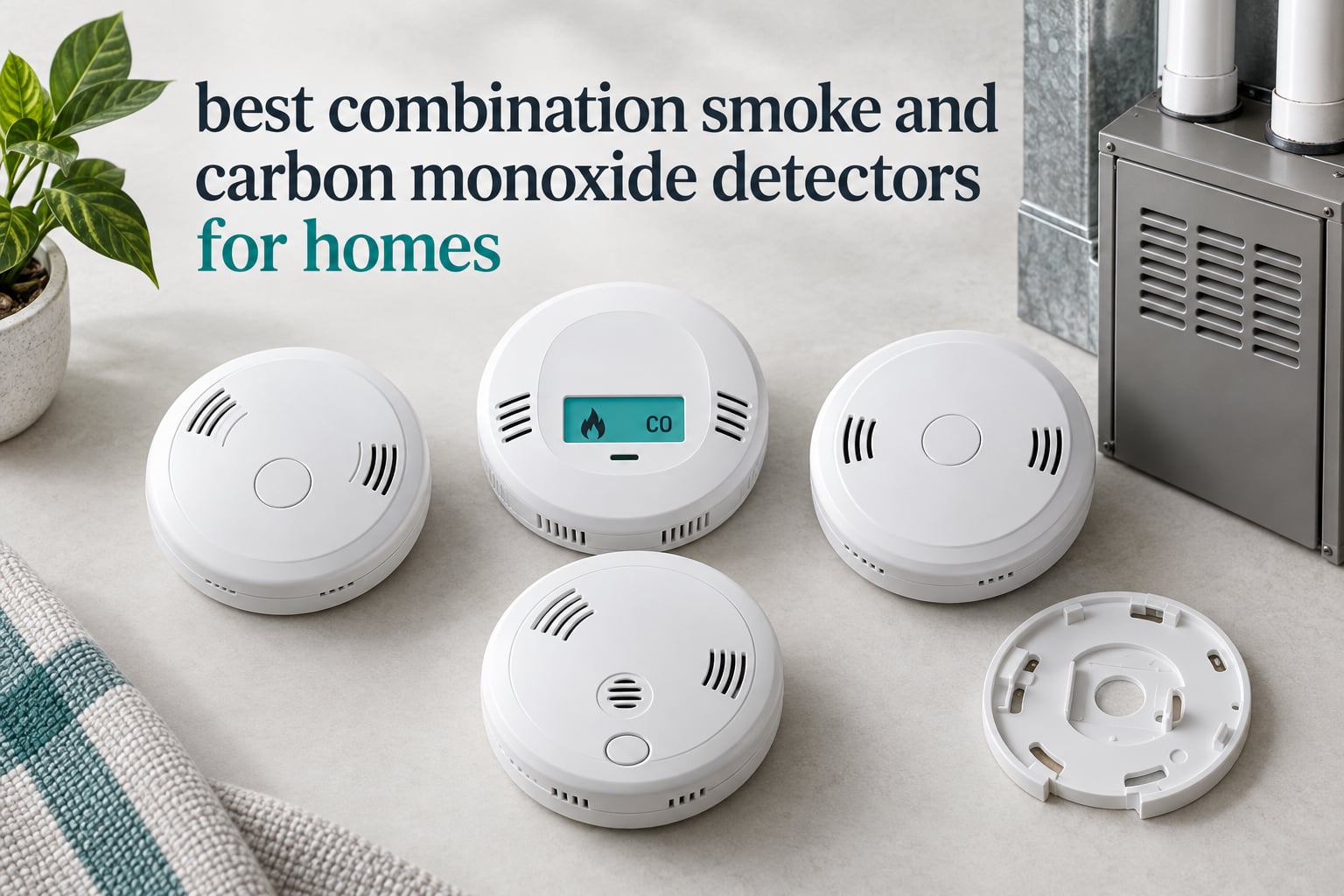
Combination smoke and carbon monoxide detectors are the easiest way to cover two life-threatening hazards with one device, and the best combination smoke and carbon monoxide detectors for homes in 2026 are more capable than they were even a few years ago. Eleven units made our list this year, spanning hardwired alarms that drop into an existing box, wireless systems that link without any rewiring, and talking models that tell you whether the danger is fire or gas.
Carbon monoxide is the reason this category matters so much. The gas is odorless and colourless, it comes from fuel-burning appliances like a gas furnace or water heater and from vehicle exhaust in an attached garage, and it can put a sleeping household under before anyone notices anything is wrong. Working smoke alarms on their own cover only half the problem, and a home with no CO alarm at all is a home with a gap that code requirements in many jurisdictions now fill.
We compared eleven combination alarms side by side, looking at sensor type, power source, interconnection, voice alerts, certification and the details that decide whether a unit is a pleasure or a nuisance five years after install. Our top pick is the First Alert SC9120B, the most established name in the category with the deepest review history. Below that, the X-Sense wireless packs stand out for retrofit houses with no alarm wiring, and the Kidde voice units win where a sleeping household needs to know which threat it is facing.
Table of Contents
Top 3 Combination Smoke and CO Detectors in 2026
Three units earned a place above the rest. The First Alert SC9120B is the safest general recommendation because it is hardwired, interconnectable and carries more reviewer history than anything else we looked at. The X-Sense XP0H-WN 3-pack is the strongest value for a house without alarm wiring. The X-Sense SC06-W 6-pack is the one to buy if you are covering an entire home in a single order.

First Alert SC9120B
- Hardwired with 9V backup
- Ionization plus electrochemical CO
- 85 dB siren
- Interconnectable

X-Sense XP0H-WN 3-Pack
- 10-year sealed battery
- Wireless interconnection
- Photoelectric plus CO
- No wiring needed

X-Sense SC06-W 6-Pack
- Six wireless linked alarms
- 10-year sealed battery each
- One-button system test
- UL 217 and UL 2034
Best Combination Smoke and Carbon Monoxide Detectors (October 2026)
This table lists every alarm in the roundup with the details that separate them: how they are powered, how they sense, and whether they can link to a whole-home network.
| Product | Specs | Action |
|---|---|---|
| First Alert SC9120B |
|
Check Latest Price |
 First Alert SC7010BV First Alert SC7010BV |
|
Check Latest Price |
 Kidde KN-COPE-IC Kidde KN-COPE-IC |
|
Check Latest Price |
| X-Sense XP0H-WN 3-Pack |
|
Check Latest Price |
| X-Sense SC06-W 6-Pack |
|
Check Latest Price |
 X-Sense SC01-W X-Sense SC01-W |
|
Check Latest Price |
 Kidde 30CUA10-V Kidde 30CUA10-V |
|
Check Latest Price |
 Kidde i12010SCO Kidde i12010SCO |
|
Check Latest Price |
 Heiman HM-636THS Heiman HM-636THS |
|
Check Latest Price |
 First Alert PC1210 First Alert PC1210 |
|
Check Latest Price |
 Siterwell A8612-6AR Siterwell A8612-6AR |
|
Check Latest Price |
1. First Alert SC9120B — The Best Combination Smoke and CO Detector Overall
FIRST ALERT BRK SC9120FF Hardwired Smoke and Carbon Monoxide (CO) Detector with Battery Backup, 1 pack , White
Hardwired with 9V backup
Ionization plus electrochemical CO
85 dB siren
Interconnectable
Pros
- Deepest review history in the category
- Battery backup keeps it live through outages
- Interconnectable with other BRK and First Alert alarms
- Face indicator lights show smoke versus CO
- Tamper-resistant locking brackets
- 10-year limited warranty
Cons
- Ionization sensor is more sensitive to cooking fumes
- Unit must come off the mount for some battery and reset tasks
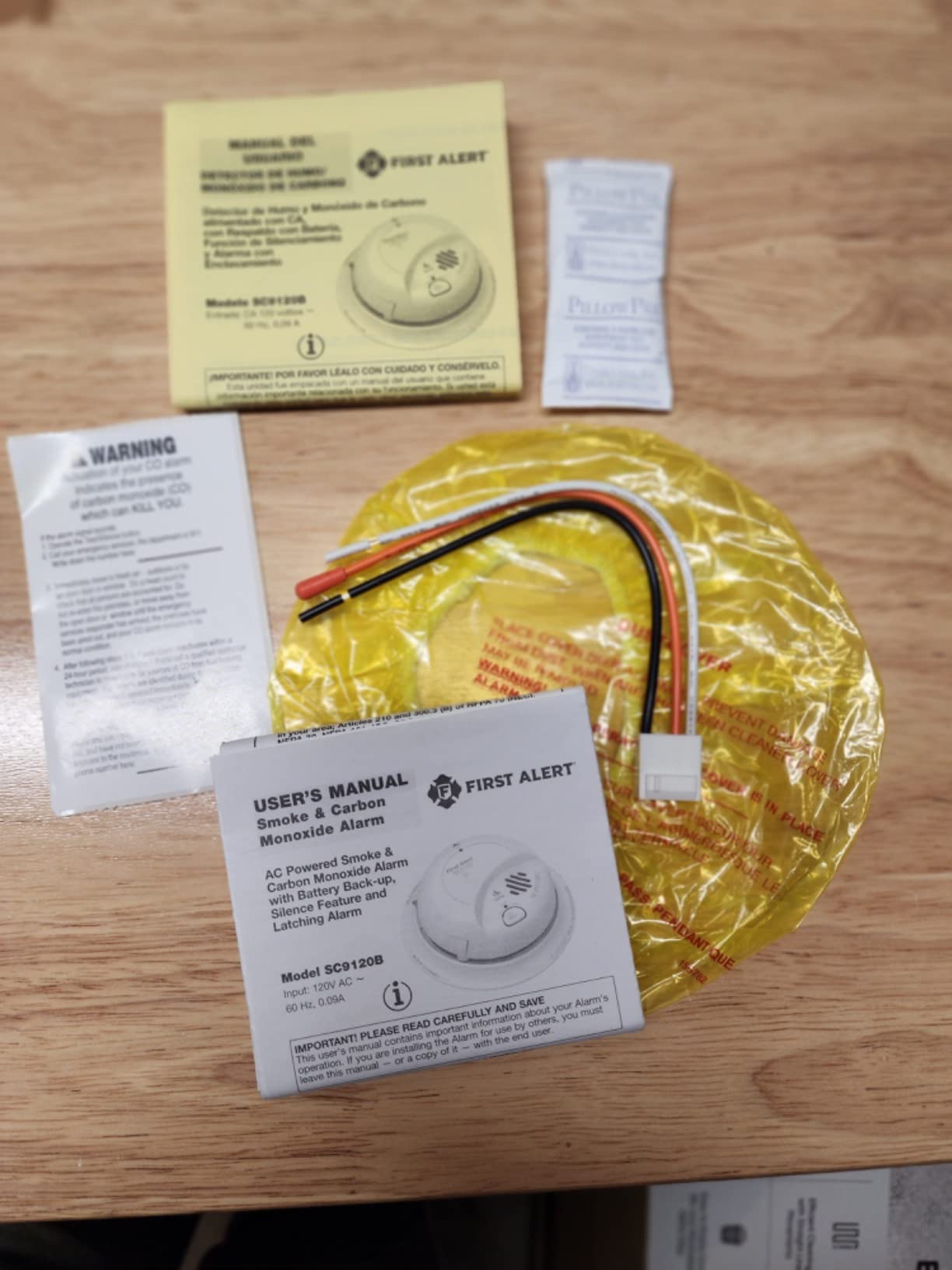
This is the unit I would put in a house that already has alarm wiring and no particular agenda beyond being protected. The SC9120B is a hardwired combination alarm with a 9-volt backup battery, an ionization smoke sensor and an electrochemical CO sensor in the same housing. The face carries indicator lights that tell you which sensor tripped, which removes most of the guesswork when something goes off at three in the morning.
What stands out is not any single specification but the volume of long-term owner feedback behind it. With more than 20000 reviews, patterns are visible rather than anecdotal: the alarm is loud, it links cleanly to other units in the same brand family, and the mounting bracket fits most standard boxes. Interconnection is the reason to prefer this model, since it will sound alongside other BRK and First Alert alarms rather than in isolation.
The honest weakness is the ionization sensor. Ionization units react faster to the small particles from a fast-flaming fire and are generally more easily triggered by cooking vapour and shower steam than a photoelectric chamber. If your alarm will sit directly outside an open kitchen, expect occasional nuisance events, and use the test and silence button rather than pulling the unit down.
Second, some maintenance tasks require you to take the alarm off the mount, which is a small annoyance but a real one when you are on a ladder. The single test and silence button and the side-load battery compartment keep that work short.
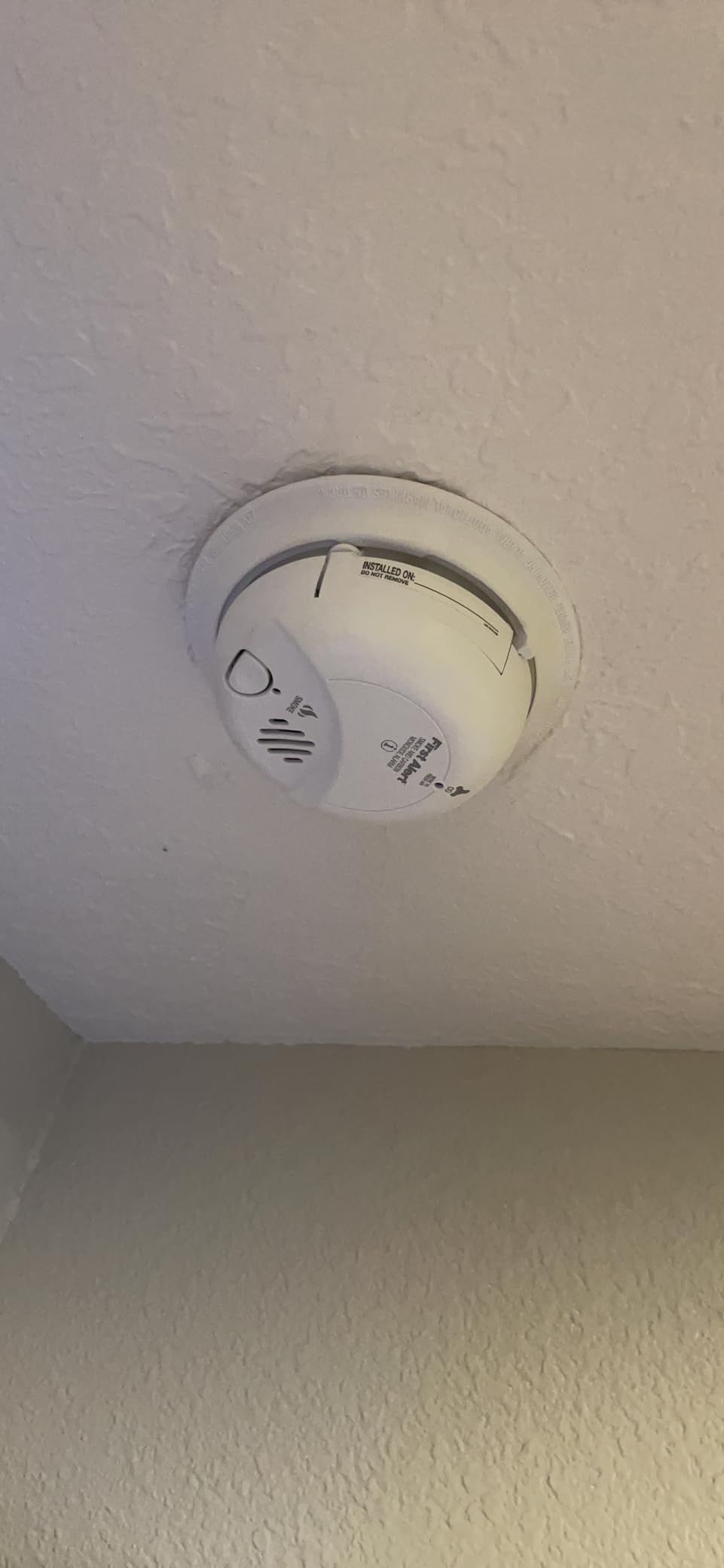
Is the SC9120B right for an existing hardwired house?
If your home already has interconnected alarm wiring, this is close to a drop-in decision. It uses the standard universal mounting bracket and tamper-resistant locking bracket, and it links with other compatible BRK and First Alert detectors so one alarm brings the whole network with it. The 9-volt backup means a power cut does not silence the house while you sleep.
If your home has no alarm wiring at all, this is the wrong product, and buying one to avoid an electrician is how people end up with a dead battery in year three. Choose a wireless interconnected set instead.
Who should skip it?
Skip it if cooking smoke is a regular problem in the room where the alarm lives, since the ionization chamber is the most nuisance-prone design in this group. Also consider a different model if you want voice alerts naming the threat, or if you need phone notifications when you are away from home. This unit does neither.
Everything considered, the SC9120B is the combination smoke and carbon monoxide detector we would buy first, and the one we recommend to a neighbour who asks for a single answer.
2. First Alert SC7010BV — Best for Voice Alerts That Name the Room
FIRST ALERT Battery Powered BRK SC7010BV Hardwired Talking Photoelectric Smoke and Carbon Monoxide (CO) Detector , White
Hardwired talking alarm
11 voice locations
Photoelectric plus CO
End-of-life chirp
Pros
- Spoken alerts name the type of danger and the room
- Photoelectric sensor resists cooking-related false alarms
- End-of-life signal tells you when replacement is due
- Interconnectable with BRK and First Alert detectors
- 10-year limited warranty
Cons
- Voice locations need programming at install time
- Higher cost per alarm than standard combination units
Voice is the feature people remember three years after an install, and the SC7010BV is the alarm in this roundup that uses it best. When a unit trips, it announces the type of danger and the room it came from, and you can assign up to 11 preprogrammed locations across the home. In a house with children asleep or a hearing-implemented adult on another floor, that is worth more than a slightly lower cost per alarm.
The sensing side is sensible too. It pairs a photoelectric smoke chamber with an electrochemical CO sensor, so the fire side is tuned toward the larger particles from a smoldering fire and tends to be calmer around cooking than the ionization designs. It is a hardwired unit and interconnectable with compatible BRK and First Alert detectors.
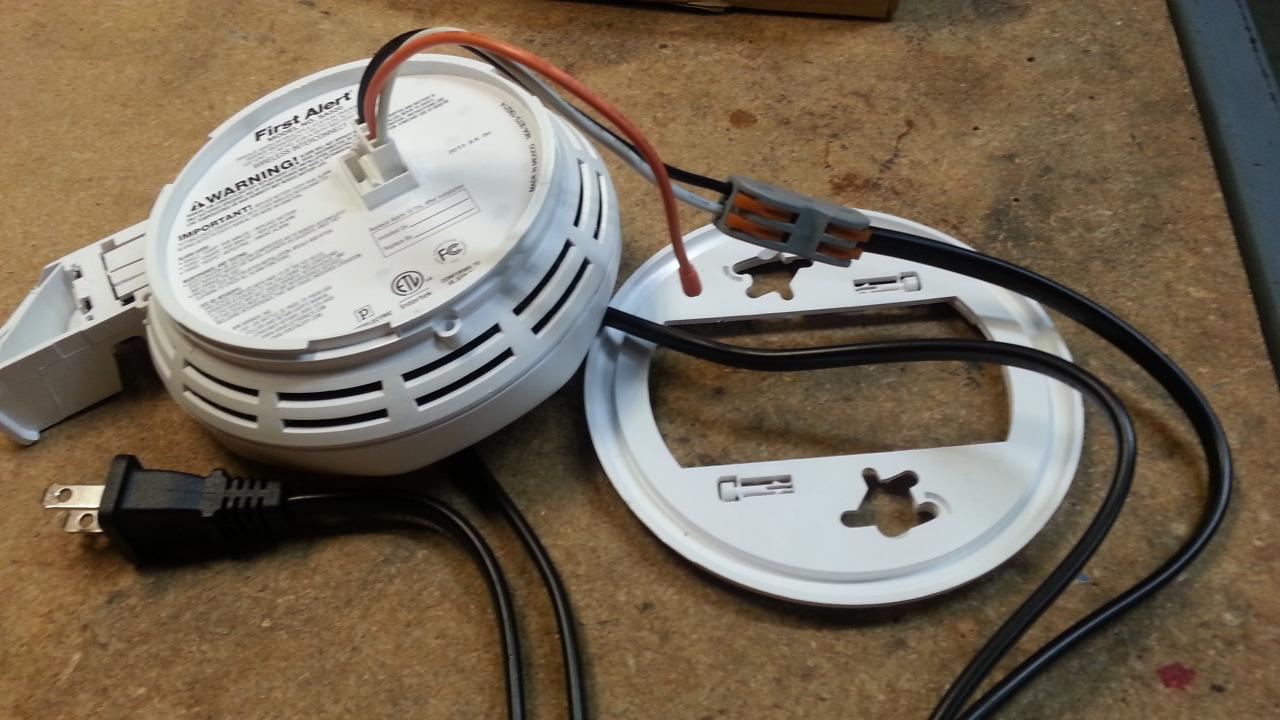
The catch is setup. Programming eleven room names is a fifteen-minute job with a ladder and a screwdriver, and it is the step most people skip, which defeats the purpose entirely. Do it on install day, before the walls are painted.
The second catch is cost per unit, which is higher than a standard combination alarm by a wide margin. For a one-bedroom flat, the value is thinner. For a two- or three-bedroom house where a night fire is the scenario you are planning for, the voice detail is the difference between groggy and immediate.
Do the spoken location alerts actually help?
They help most at night. A sleeping household that hears “fire, downstairs hallway” reacts very differently from one that hears an identical tone from three identical-sounding devices. The announcement removes the hunt for the source, and on an interconnected network the other alarms in the house speak too once you have programmed matching locations.
Keep in mind that the voice is a supplement to the siren, not a replacement. The horn still has to be loud enough to wake the house on its own.
Is it worth the premium?
Worth it if your household includes sleepers, light sleepers or anyone with hearing loss, and if you already plan to hardwire. Not worth it if you are covering a single small space or want a cheap unit per room. In that situation a photoelectric-only combo in a multi-pack does the same physical job.
3. Kidde KN-COPE-IC — Best for Homes That Already Run Kidde Alarms
Kidde 21007624 AC Photoelectric Smoke and Carbon Monoxide Detector Alarm | Hardwired with Battery Backup | Model # KN-COPE-IC
Hardwired AC with 9V backup
Spoken fire and CO warnings
Photoelectric sensor
Links up to 24 devices
Pros
- Voice states fire or carbon monoxide clearly
- Photoelectric sensing catches smoldering smoke earlier
- Alarm memory announces CO previously detected on test
- Front-loading battery door
- Interconnects with up to 24 Kidde devices
- 7-year limited warranty
Cons
- Warranty is 7 years
- shorter than newer models
- 9V backup battery still needs periodic replacement
- Connector changes may require an adapter
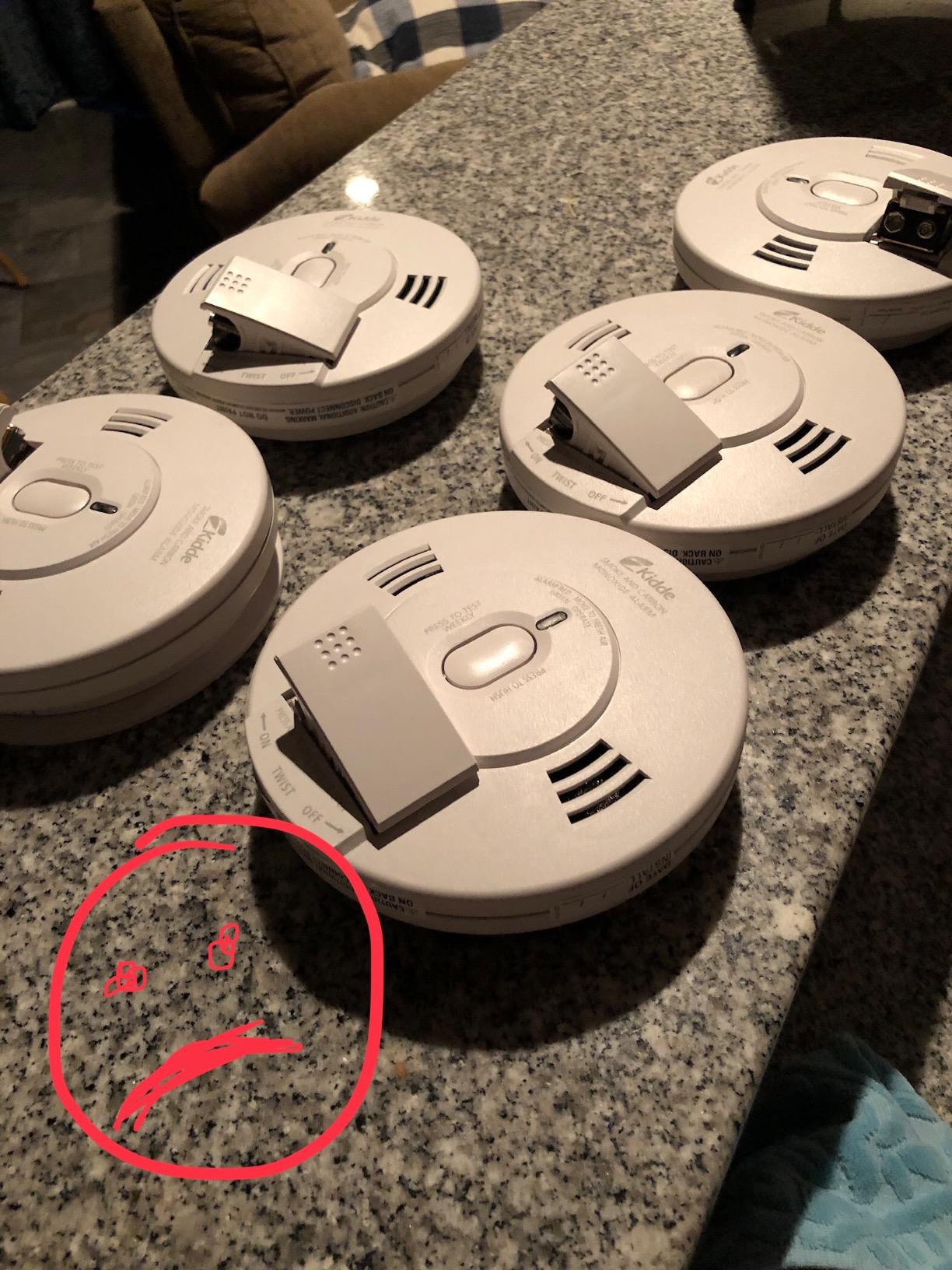
If your home is already full of Kidde alarms, this is the model to standardise on. The KN-COPE-IC is AC hardwired with an included 9-volt backup, a photoelectric smoke sensor and an electrochemical CO sensor, and it interconnects with up to 24 Kidde devices, 18 of which can initiate an alarm. Owners frequently report that a new unit drops straight into an existing Kidde base plate, which removes most of the labour from an upgrade.
The voice patterns here are more granular than a simple warning. Smoke produces repeated “Fire Fire” announcements. Carbon monoxide produces four beeps and “Warning, Carbon monoxide”. The alarm memory indicator blinks green, and a test afterwards will tell you that carbon monoxide was previously detected, which is genuinely useful after a winter with a malfunctioning furnace.
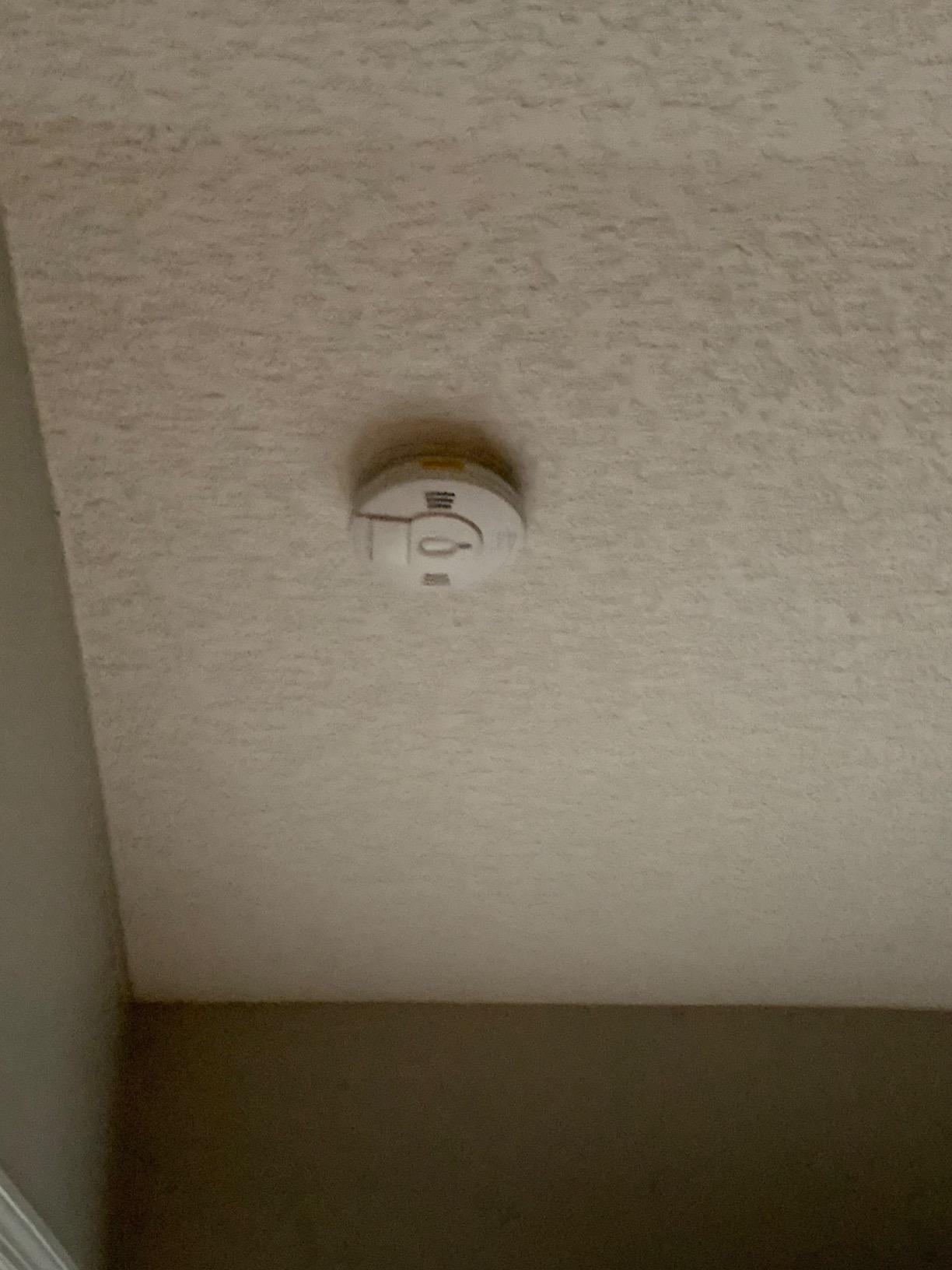
Where it falls short is paperwork and one battery. The warranty is a 7-year limited warranty, noticeably shorter than the 10-year coverage on newer models, and the 9-volt backup still means a periodic battery change rather than a sealed cell you never touch. Some reviewers also note that the replacement wiring connector on newer production differs from older stock, so an adapter may be needed.
Owners who are used to the voice-free beep patterns and the busy indicator LEDs describe the first few nights as noisy before they settle. If you are sensitive to a unit that talks, test it before you commit the whole house.
Can I mix this with other alarm brands?
Not for linking purposes. Interconnection runs on a proprietary signal between units from the same manufacturer, so a Kidde network and a First Alert network will sound separately. You can live with that, but you lose the whole-home advantage, and in a fire the two networks are still useful because both sound. Our advice is to pick one brand and commit to it for anything you want linked.
Who is this the right pick for?
It suits owners with existing Kidde hardwired alarms who want CO coverage without rewiring, particularly anyone who has already fought with a mismatched mounting plate. It is a weaker fit if you are starting from nothing, because you gain nothing from the base plate compatibility and you inherit the 9-volt battery cycle.
4. X-Sense XP0H-WN 3-Pack — Best Value for Homes Without Alarm Wiring
X-Sense Wireless Combination Smoke and CO Detector, XP0H-WN, 3-Pack
10-year sealed battery
Wireless interconnection
Photoelectric plus CO
Three alarms in one box
Pros
- No hardwiring and no battery changes for ten years
- All linked alarms sound when one detects danger
- Oversized 5.7 inch bracket covers old screw holes
- ETL listed to UL 217 and UL 2034
- No plastic packaging in the box
- Clear mounting instructions
Cons
- No Wi-Fi and no base station compatibility
- Body stands further off the wall than most units
- LCD stays blank except after a test
This is the pack that changes the economics of protecting an older house. Three XP0H-WN alarms, each with a 10-year sealed lithium battery, each with a photoelectric smoke sensor and an electrochemical CO sensor, and each able to talk to the others over a wireless link. No electrician, no wall chasing, no battery swaps in the second year.
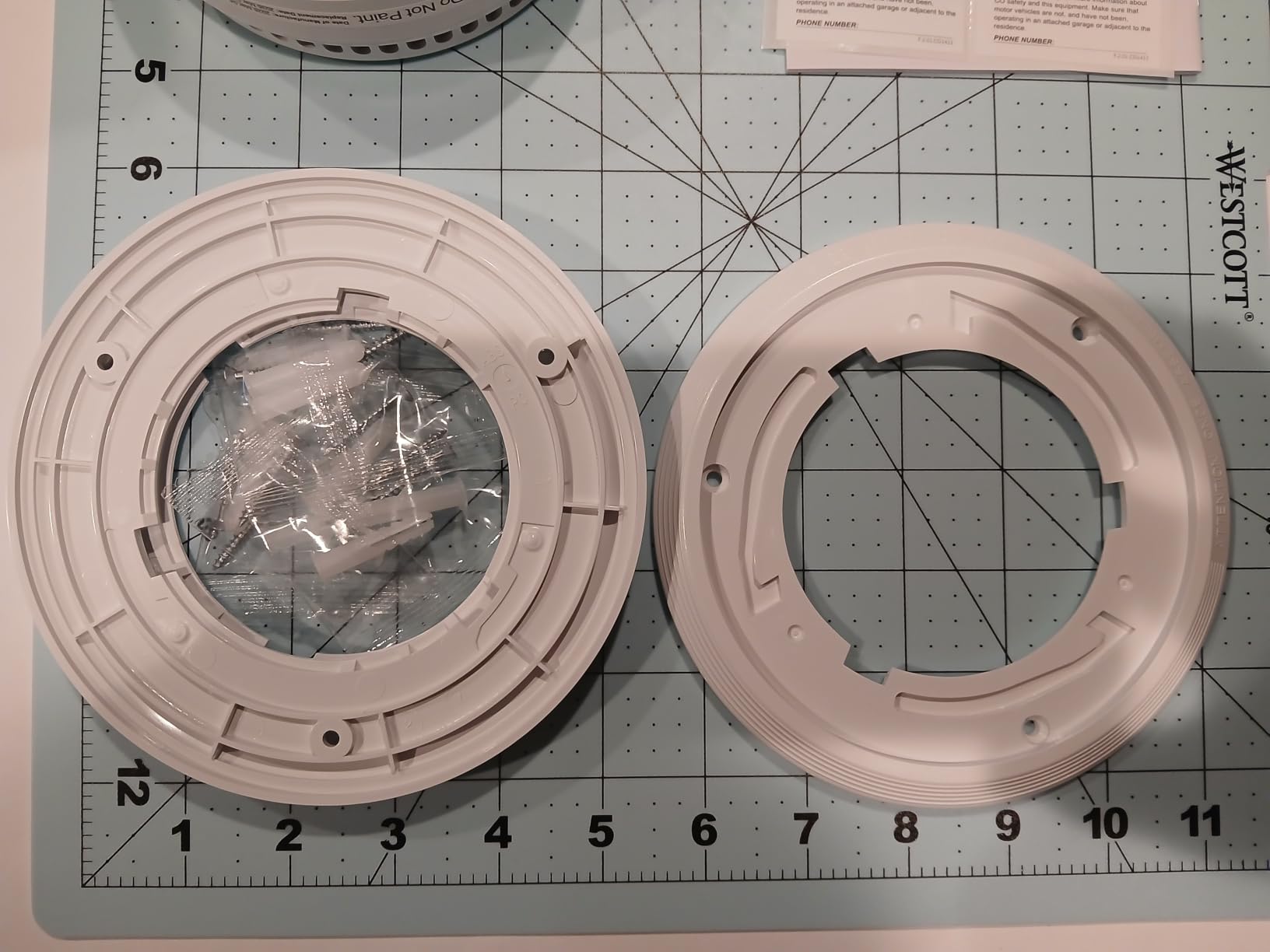
Installation took under ten minutes per alarm in our homes, and the detail that saves the most time is the 5.7-inch bracket, which is large enough to cover the screw holes, paint lines and patch marks behind whatever was installed before. That single design choice avoids the scuffed ceiling look that gives away a retrofit.
Where it stops is connectivity. This model supports wireless interconnection but has no Wi-Fi and cannot be used with a base station, so there are no phone alerts while you are away. That is not a flaw if you are home most of the time, and it is a real limitation for anyone who travels or works long shifts. If remote monitoring matters to you, weigh it against a smart unit before you commit to a whole set.
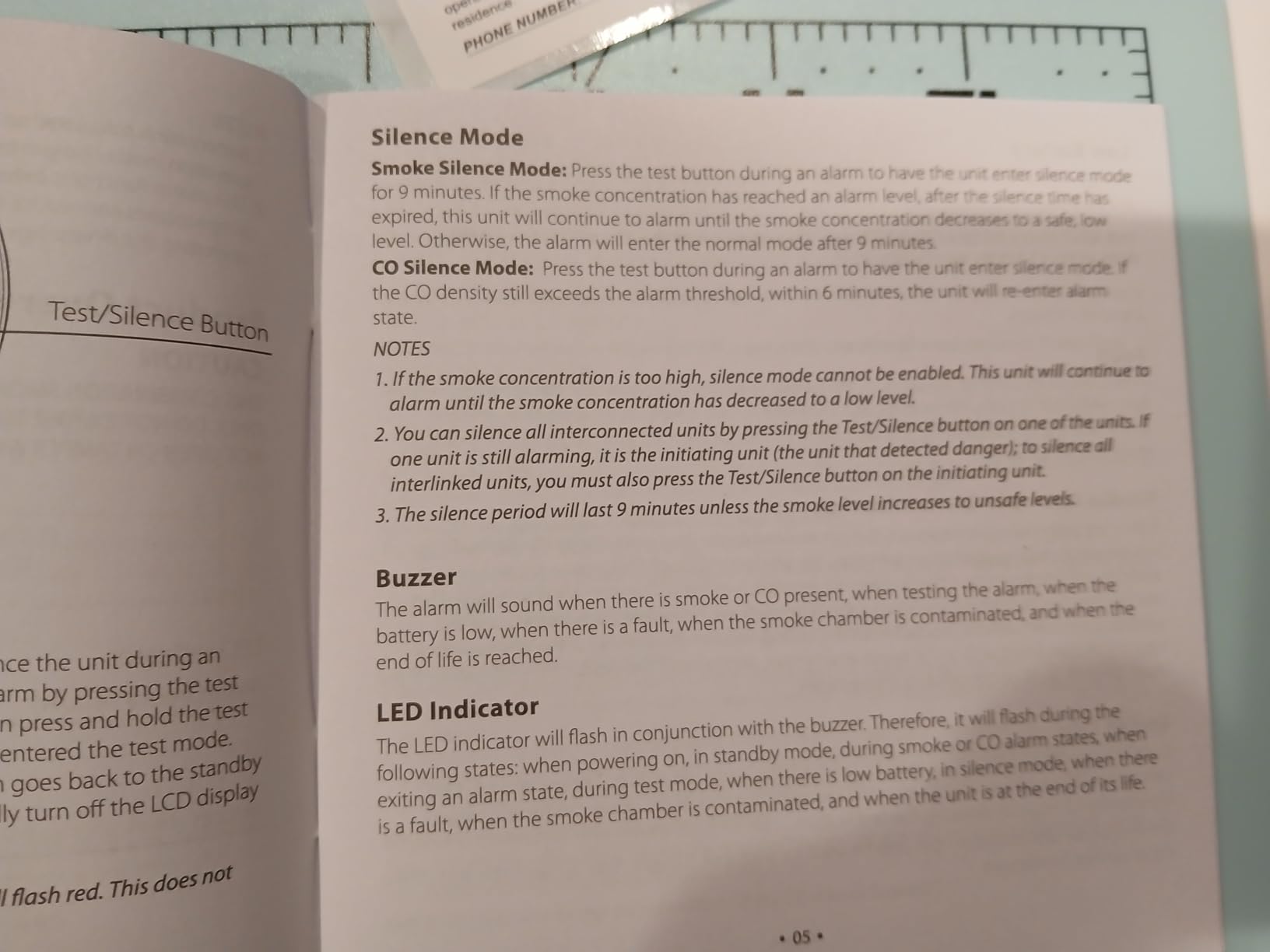
The display is also less useful than it looks in a listing photo. Owners report that the screen is blank except immediately after pressing the test button, and the body is physically chunkier than competing units, which matters in a low hallway with a vaulted ceiling.
How many of these do I need?
Three is a sensible minimum for a one- or two-bedroom home: inside each sleeping room, in the hallway outside the sleeping area, and on another level. Most owners extend to five or six units in a three-bedroom house by adding a separate pack, and the X-Sense system links happily across those purchases as long as the brand matches.
Do not mix brands expecting a link. A X-Sense network and a Kidde network sound independently, and the wireless linking only works within the X-Sense family.
Is the sealed battery a real advantage?
It is, and it compounds. A 9-volt or AA backup battery that chirps at two in the morning is the single most common reason people disable or ignore their alarms, and a sealed cell removes that failure mode entirely for a decade. The tradeoff is disposal: at end of life the whole unit goes to a recycling facility rather than a battery bin, and you replace the alarm rather than a cell.
5. X-Sense SC06-W 6-Pack — Best Multi-Pack for Whole-Home Coverage
X-Sense 6-Pack Interconnected Smoke and CO Detector, SC06-W
Six wireless linked alarms
10-year sealed battery each
Photoelectric plus CO
System-wide test button
Pros
- Covers bedrooms
- hallways
- basement and multiple floors in one order
- 10-year sealed battery in every alarm
- One button tests or silences the whole system
- Dual sensing reduces false alarms
- Mounting hardware and anchors included
- Manufacturer support responds quickly on warranty questions
Cons
- No Wi-Fi or app integration
- Some multi-packs arrive with alarms not pre-paired
- No adapter for covering existing junction boxes
- Per-alarm cost runs above some 10-year combos
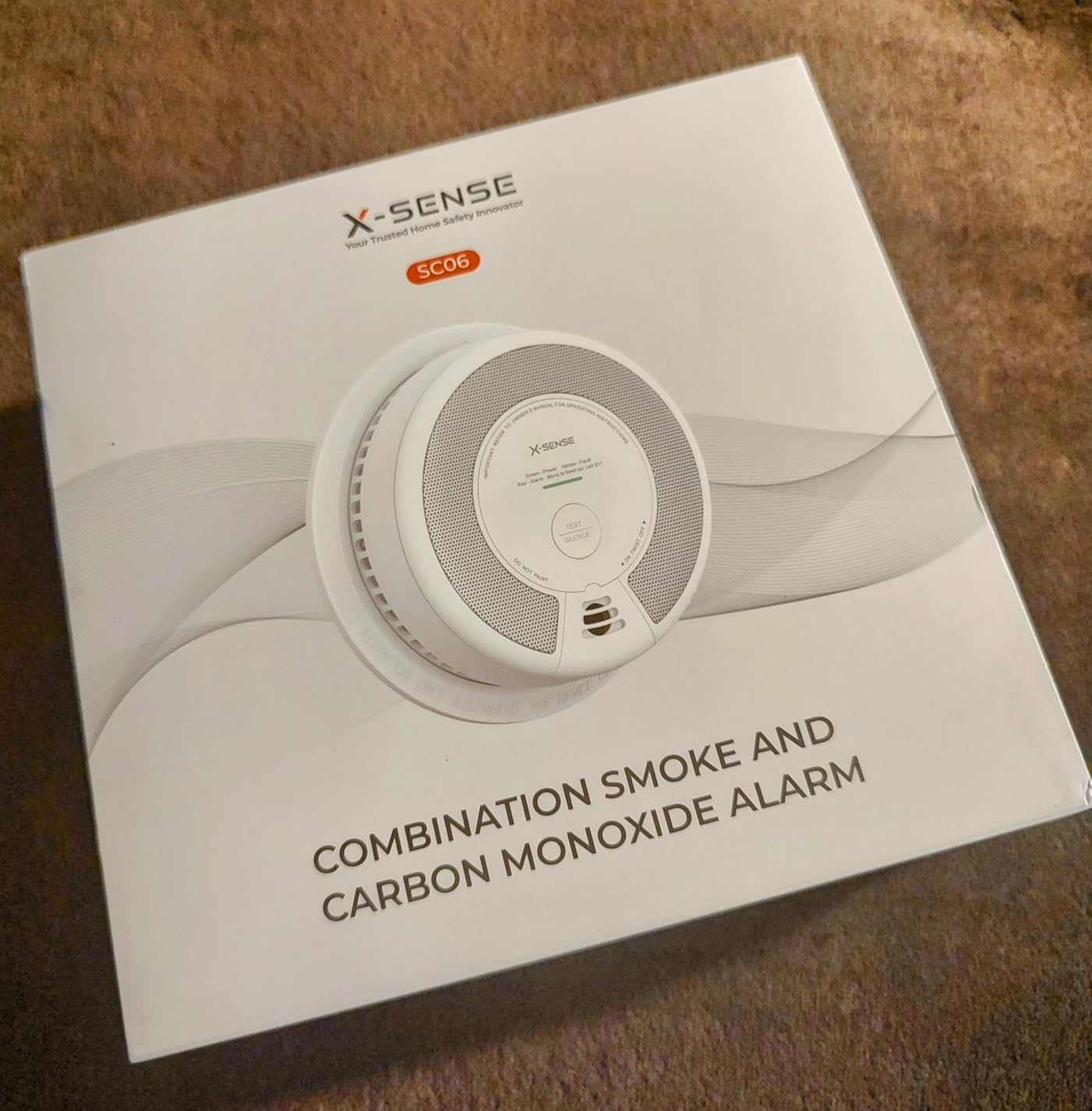
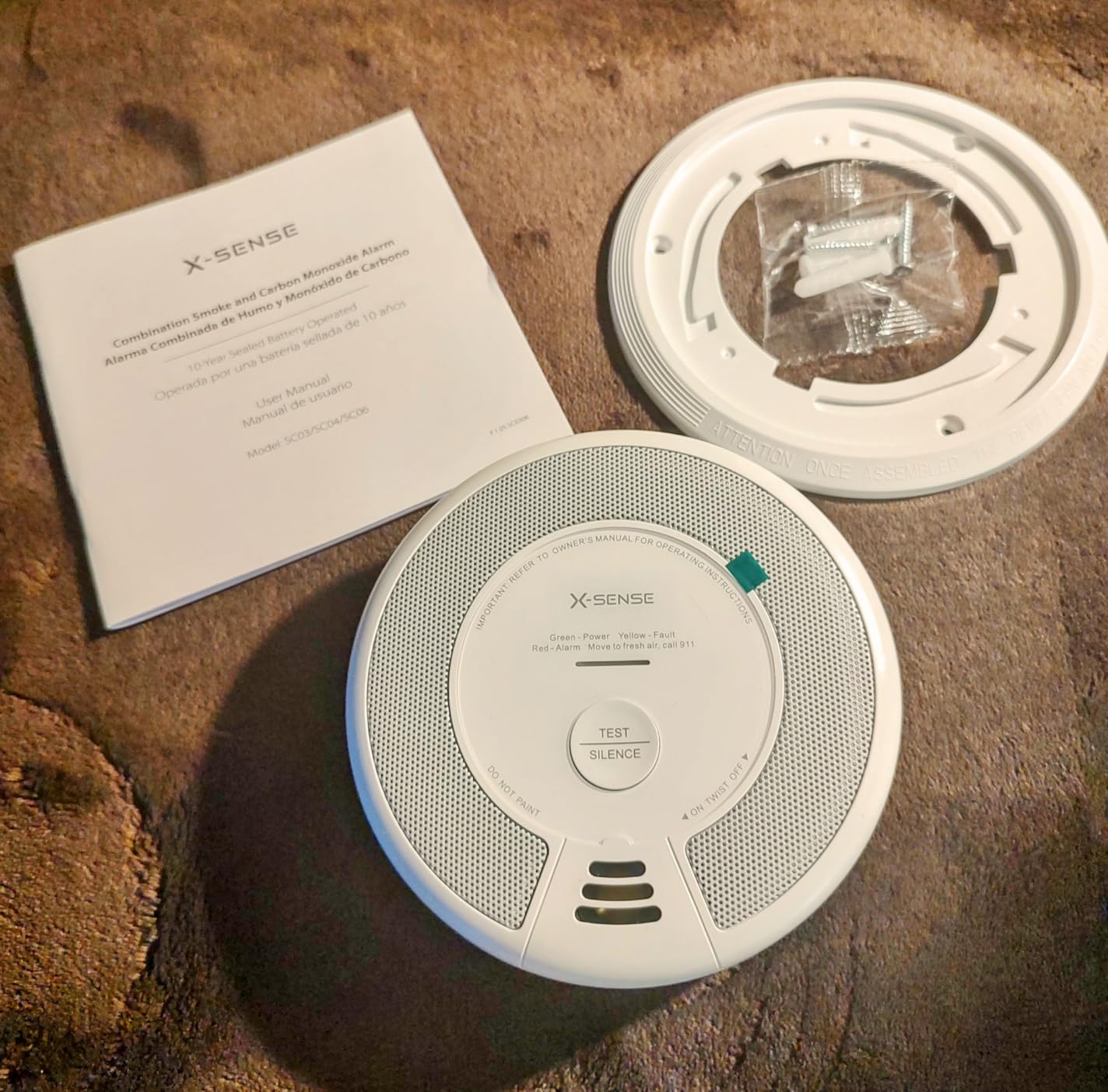
Six alarms is roughly what a three-bedroom, two-storey house with a basement actually needs once you follow the placement rules properly. The SC06-W is that pack, and it is the one we would specify for anyone covering a whole home at once. Each alarm carries a 10-year sealed lithium battery, a photoelectric smoke sensor and an electrochemical CO sensor, and the wireless link means one detection brings every alarm in the house with it.
The single test and silence button operates the whole system rather than a single device, so your monthly check takes one press instead of six walks around the house. Mounting hardware, screws and anchors are in the box, and the units mount to a wall or ceiling, which matters when the placement rules and your joist layout disagree.
Three practical notes. There is no Wi-Fi or app integration, so this is a self-contained system that tells you what is happening while you are standing in the room. Some multi-packs have arrived with alarms not pre-paired despite the packaging note, so budget ten minutes for pairing. And if you are replacing existing line-powered alarms, there is no junction-box adapter, so the new bracket will not hide the old box cleanly.
Per-alarm cost also runs above some competing 10-year combination alarms, but you are buying one system instead of assembling a mixed network, and the review history on the six-pack is close to 4000 entries deep.
Is one wireless system better than a mix of hardwired and battery alarms?
For most retrofits, yes. Mixing means some rooms sound together and others do not, and the result is a house where you learn which alarms to ignore, which is worse than no system at all. A single wireless network gives you uniform coverage, uniform testing and a uniform replacement date ten years from now.
Hardwiring still wins in a new build or a full renovation, because it removes battery concerns entirely and because several jurisdictions require interconnection in new construction. Wireless wins whenever pulling wire means opening finished walls.
Is the ten-year sealed battery honest?
The manufacturer claims ten years and reviewers largely report matching that span before replacement. The unit warns you as the battery nears end of life rather than dying silently, which is the behaviour you want. Plan for the replacement date in your calendar rather than waiting for a chirp, and take the old alarm to a household hazardous waste or e-waste facility.
6. X-Sense SC01-W — Best for Building a System One Alarm at a Time
X-Sense Interconnected Smoke and CO Detector Combo, SC01-W, 1-Pack
10-year sealed battery
Wireless interconnection
Large LCD CO readout
Single alarm
Pros
- Entry point into a wireless X-Sense network
- Expands a system one alarm at a time
- Large LCD shows CO level and battery status
- No rewiring required
- ETL listed to UL 217 and UL 2034
Cons
- LCD is small and hard to read on high ceilings
- Test button is awkward to reach when mounted high
- No backlight on the display
- Procedure for identifying the triggering alarm is confusing
Not every household needs six alarms on day one. The SC01-W is a single X-Sense alarm with the same 10-year sealed battery and the same wireless interconnection as the multi-packs, so you can start with one unit in a hallway and add more as the budget or the property allows. It links with the XP0H-WN and SC06-W packs, which is the reason to start here rather than with a one-off brand.
The large LCD is a real feature on this model. It shows a real-time carbon monoxide level, the battery level and working status, which gives you something concrete to check rather than a single LED. Owners also report that pairing works cleanly even on older plaster-and-lath homes, where many wireless devices struggle.
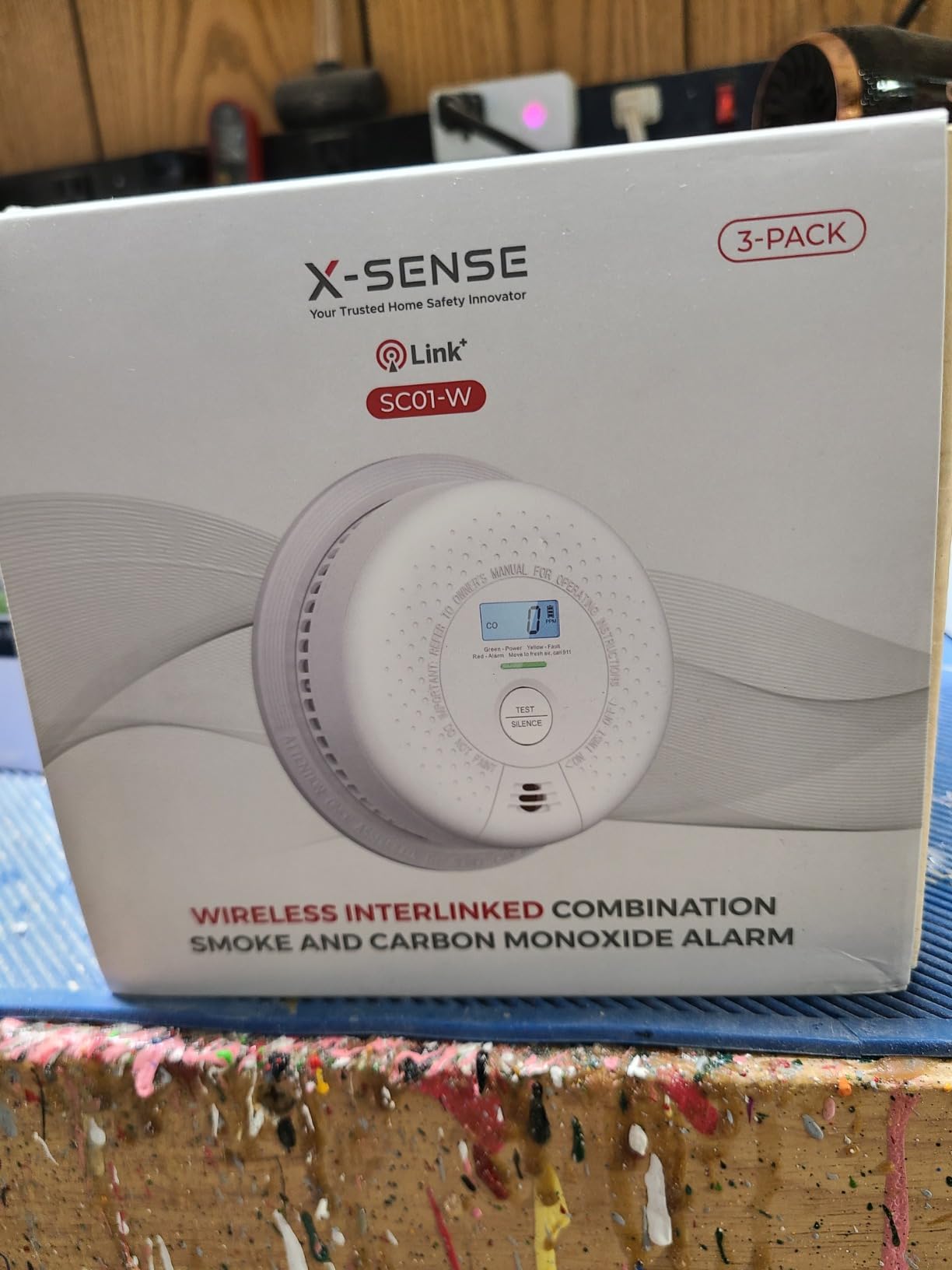
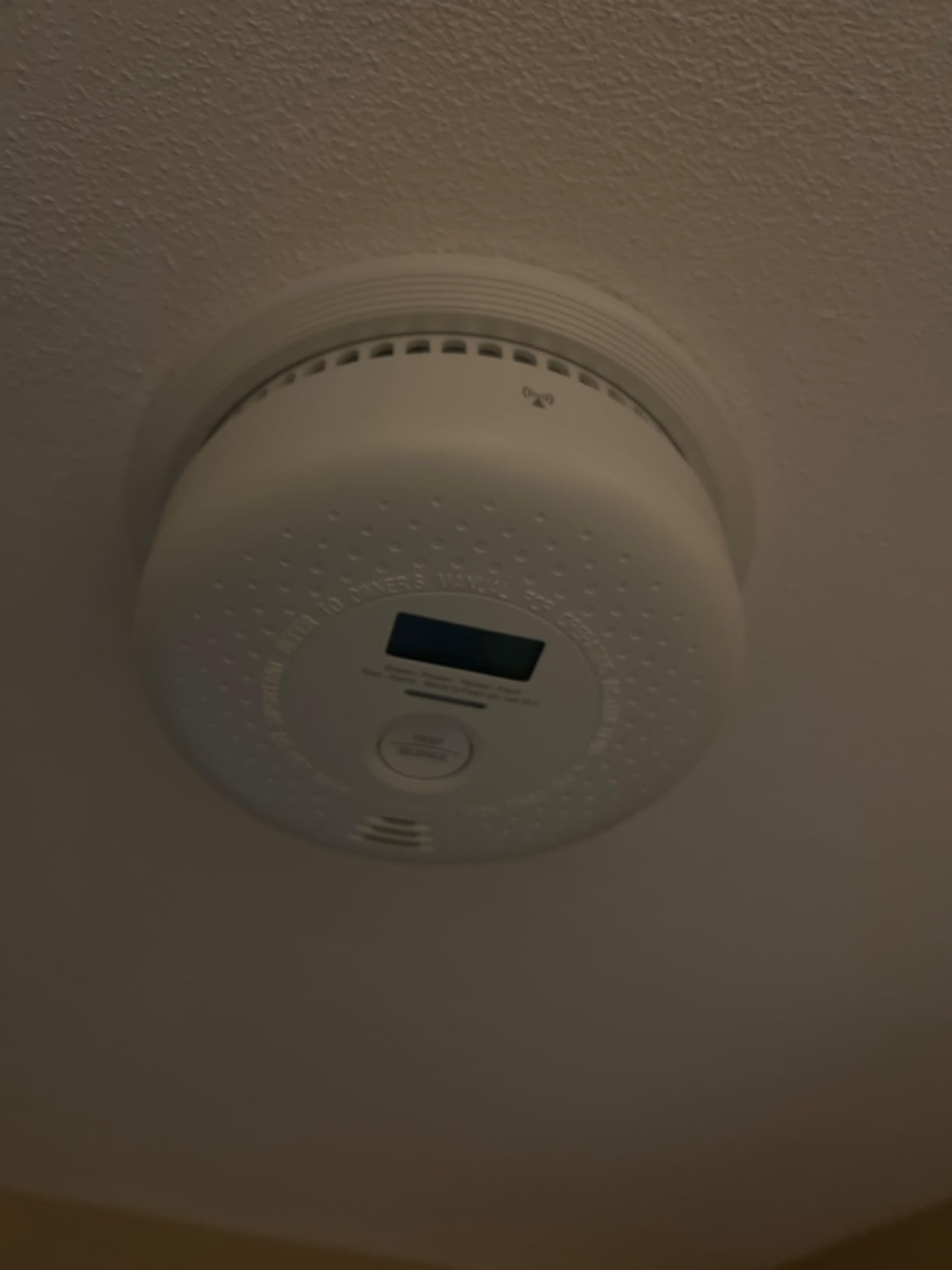
The display is small, has no backlight and is hard to read from a ladder on a high ceiling, so the CO level readout is more useful on a wall at eye level than overhead. The test and reset button is also awkward to press from that height, and once the alarm is twisted onto its base it cannot be powered off, only removed.
Most confusing is working out which alarm triggered an event. In a network, the procedure for identifying the source is not obvious from the manual, and a small number of buyers report end-of-service codes or false CO readings shortly after installation. This model has a much smaller review base than the packs, so long-term data is thinner.
Is buying one alarm at a time a sensible strategy?
It is if you are in a rental, a staged renovation or a house where the wiring situation is unclear. Install the first unit, learn the pairing routine once, and every later addition takes minutes. The alternative is buying a multi-pack and ending up with two spare alarms in a closet because you overestimated the count.
It is a poor strategy for a whole-home system, because coverage that is incomplete can create false confidence. If you can afford the full count at once, do that.
When is this the wrong choice?
Skip it if you need phone alerts while away, because the SC01-W is a standalone wireless linked alarm with no app. Skip it if your ceilings are very high and you want a readable CO readout, for the visibility reasons above. It is a good fit for a bedroom or a rental flat where a single ceiling-mounted unit does the whole job.
7. Kidde 30CUA10-V — Best for Low-Maintenance Hardwiring
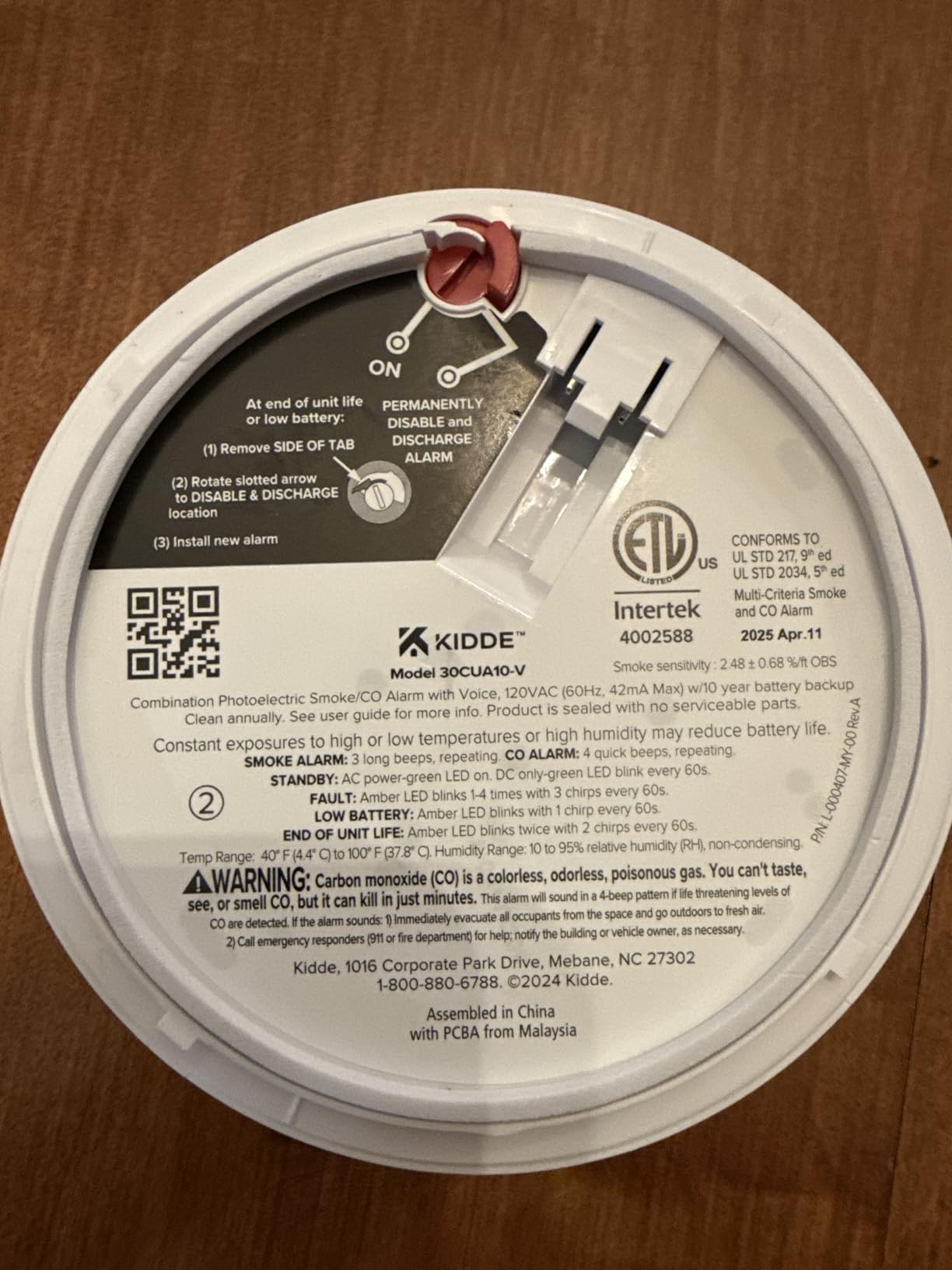
Kidde Smoke and Carbon Monoxide Detector, Hardwired with 10-Year Battery Backup, Voice Alerts, LED, 85 dB, 30CUA10-V, 1 Pack
120V AC hardwired
10-year built-in backup
Voice fire and CO alerts
85 dB siren
Pros
- Built-in 10-year backup removes annual 9V battery changes
- Voice alerts say Fire or Warning Carbon Monoxide
- Enhanced sensing separates cooking and steam from real smoke
- Interconnectable with other Kidde alarms
- Tested to UL 217 10th and UL 2034 5th editions
- 10-year limited warranty
Cons
- Highest share of one-star reviews here
- mostly nuisance alarms
- 3-wire connection will not link in homes without an interconnect wire
- No app or smart-home integration
- Mounting hardware and instructions not included in the box
The 30CUA10-V is the hardwired answer to the battery-chirp problem. It runs on 120V AC with a 10-year battery built into the housing, so there is no 9-volt to change in the second winter, and it adds voice alerts that announce “Fire” or “Warning, Carbon Monoxide” depending on which sensor tripped. The company also claims sensing engineered for over 25 percent faster smoke detection, with specific attention to telling cooking and steam apart from real smoke.
It interconnects with other Kidde alarms, tested to UL 217 10th edition and UL 2034 5th edition, and covered by a 10-year limited warranty. For a house already on AC power with an interconnect wire, that is a tidy, low-maintenance package.
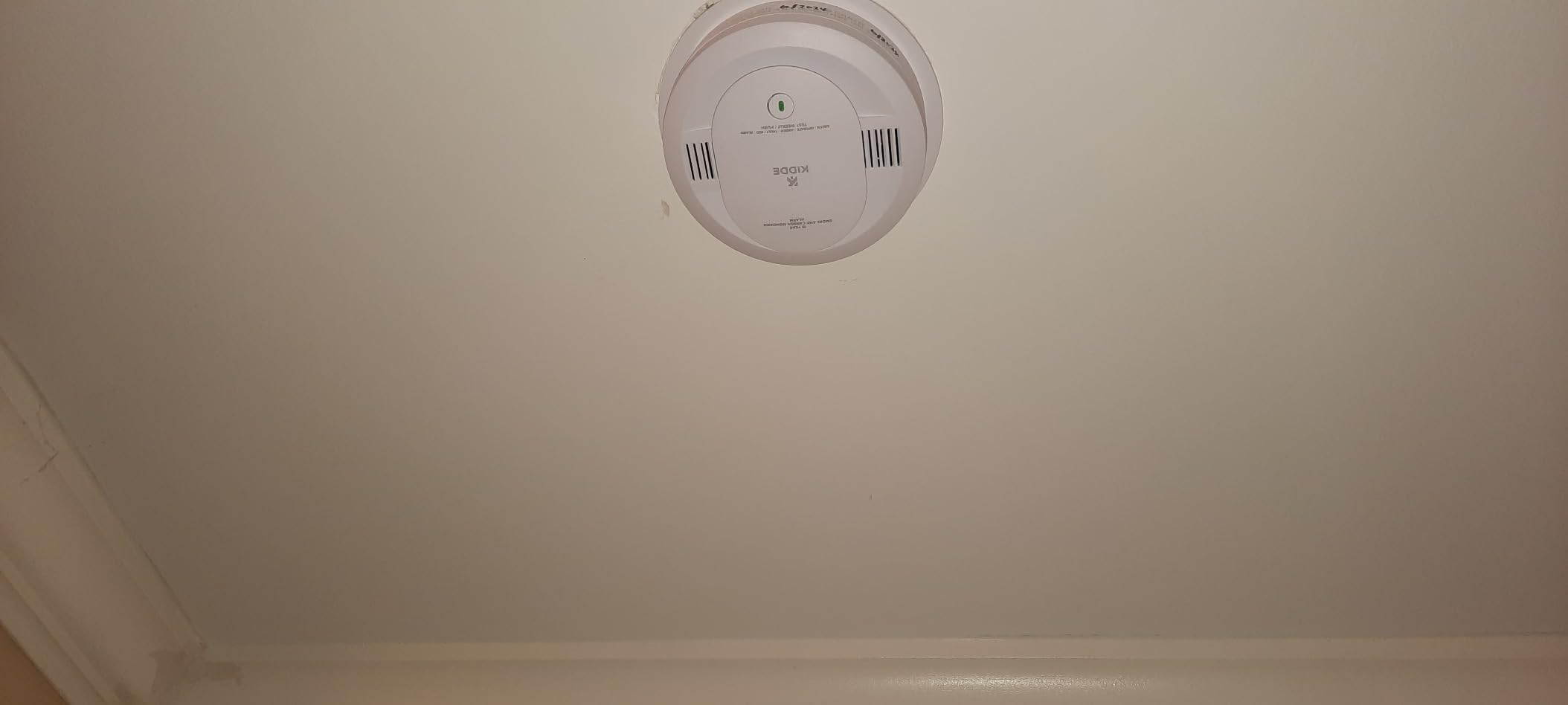
The caveats are real and they are what pulled its rating down relative to the rest of this list. Around 13 percent of its reviews are one-star, and the common thread is nuisance alarming that sets off every connected alarm in the house. If you plan to interconnect, one false trigger wakes the entire household.
Beyond that, this is a 3-wire device, meaning it needs two wires for power and a third for interconnect. In a home that was never wired for interconnection, the link simply will not work. The box also contains no instructions or mounting hardware, so an install takes longer than planned, and replacement pigtail connectors do not always match existing wiring without an adapter. There is no app integration of any kind.
Is a 10-year built-in battery enough to skip hardwiring?
Hardwiring is still better where it is available, because mains power is more reliable than any cell and an electrician can place units exactly where the rules require. The 10-year built-in battery is a strong second best, and it removes the most common reason people end up with dead alarms. For a rental or a finished house where running new wire is not realistic, this is a reasonable compromise.
How do I deal with the nuisance alarm complaints?
Read the placement rules before mounting, not after the third false alarm. Keep the alarm out of a draft from an air vent, away from a kitchen doorway where cooking vapour travels, and at least a few feet from a bathroom door. The one-touch hush is for the moment a real event is being investigated, not a fix for a badly sited unit.
8. Kidde i12010SCO — Best for Hardwired Retrofits with a Sealed Backup
Kidde Smoke and Carbon Monoxide Detector Alarm with Voice Warning | Hardwired w/10 Year Lithium Battery Backup | Interconnectable | Model # i12010SCO, White
Hardwired with sealed 10-year backup
85 dB voice warning
Interconnects up to 24 devices
Nine-minute hush
Pros
- Sealed 10-year lithium backup needs no replacements
- 85 dB alarm at 10 feet
- Interconnects with up to 24 Kidde devices with 18 initiating
- Works with Kidde
- FireX
- code one and Sentinel products
- Hush silences nuisance alarms for about 9 minutes
- Often reuses an existing Kidde base plate and connector
Cons
- Ionization sensing favours fast-flaming fires
- Priced well above comparable combination alarms
- Replacement instructions read as contractor-oriented
- Swapping brands means removing old harnesses and plates
The i12010SCO combines the two things retrofitters care about most: mains power and a sealed 10-year lithium backup. No battery changes over the life of the alarm, an 85 dB output at 10 feet, and a voice warning that announces “Fire”, “Warning, Carbon monoxide” or “Low battery” so you know what you are dealing with before you reach the light switch.
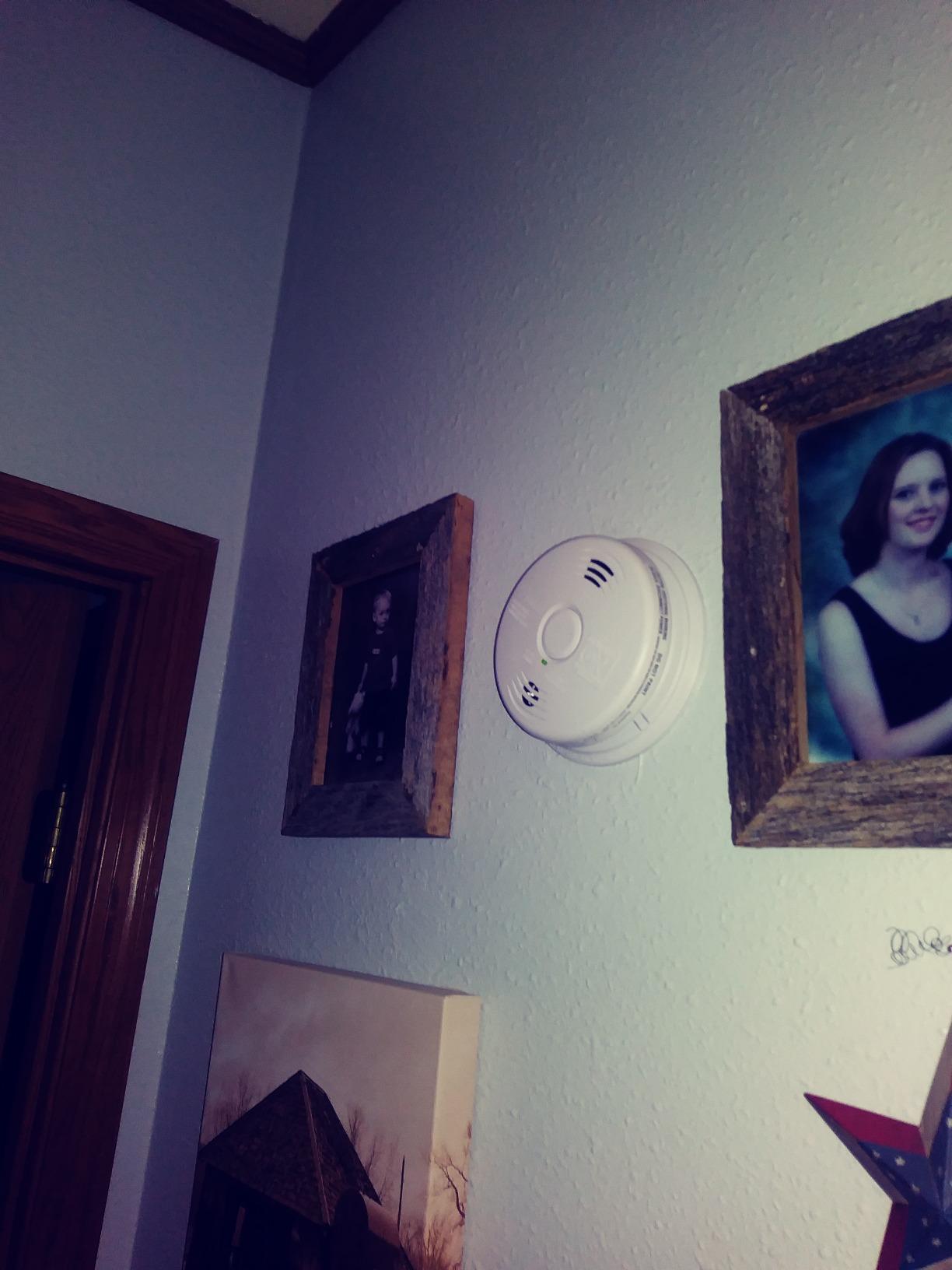
It interconnects with up to 24 Kidde devices, 18 of which can be the initiating unit, and it is compatible with Kidde, FireX, code one and Sentinel products, which widens your options when matching an existing network. Owners replacing an older Kidde alarm frequently report reusing the base plate and connector, turning a hardwired swap into a short job.
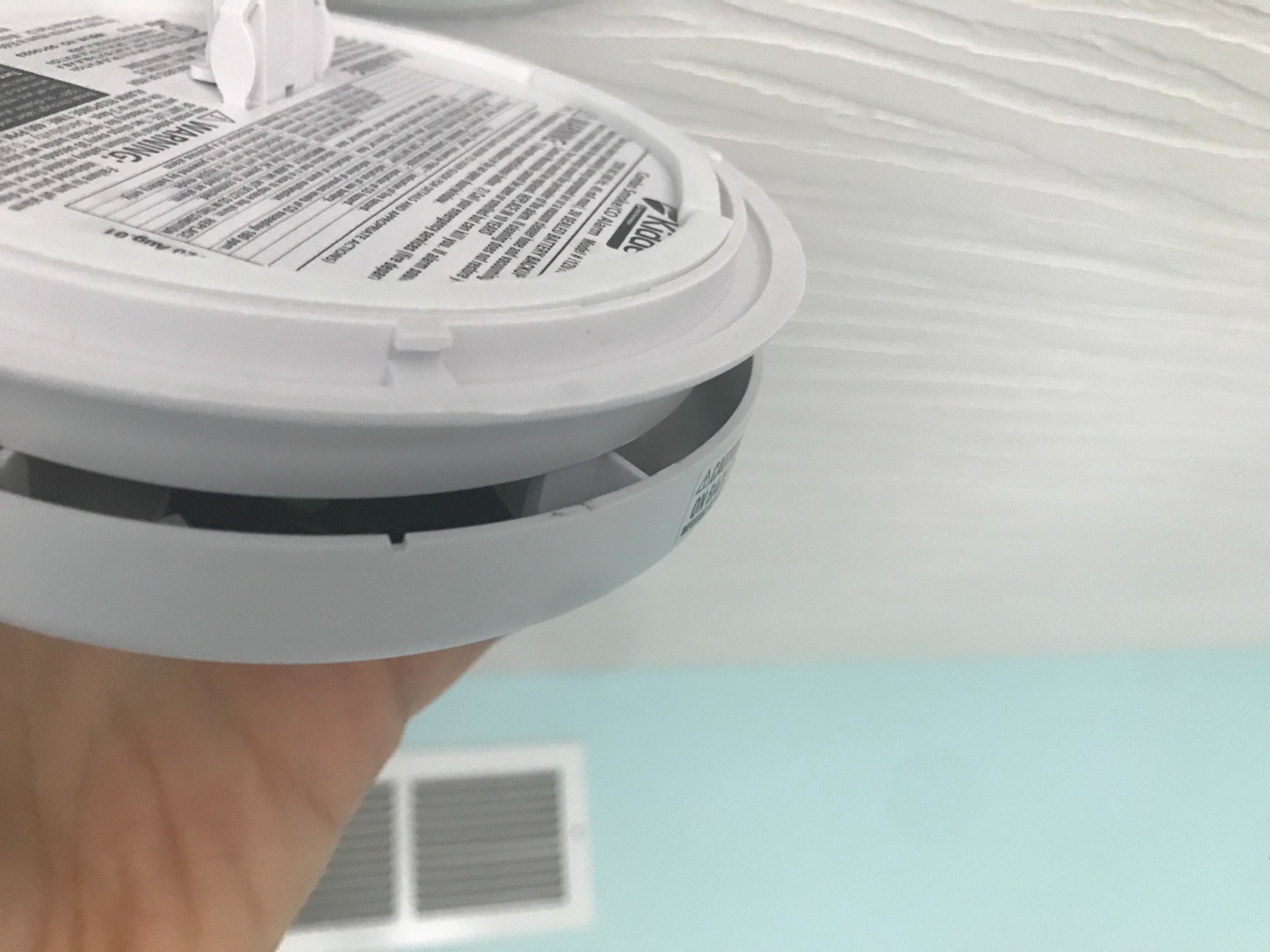
Two things to weigh. The sensing is ionization, so the fire side is tuned toward fast-flaming fires rather than slow smoldering ones, and it shares the cooking-vapour sensitivity that comes with that design. And the price per alarm sits well above comparable combination units, which is a hard argument to make when the housings do the same job.
The documentation is written for installers rather than homeowners, so if you are doing the swap yourself, budget extra time to work out the wiring. A small number of reviewers report units that were defective or prone to false alarming within months, so test each new alarm before you mount it high.
Is a sealed 10-year battery better than replaceable AA cells?
For most households, yes. Nothing chirps at two in the morning, and nothing is forgotten because a battery was swapped two summers ago. The cost is that the alarm becomes a single-use item at ten years rather than a device you service, and the old unit has to go to an e-waste or household hazardous waste facility rather than a battery bin.
Should I keep an existing brand or switch?
Keep it if the wiring is already there. Mixing brands means cutting out quick-connect harnesses and mounting plates, and you lose interconnection between old and new alarms. Switching only pays off when your existing network is near end of life, in which case you are replacing everything anyway and the brand choice is free.
9. Heiman HM-636THS — Best Low-Profile Battery Alarm for Rentals and Apartments
Heiman Smoke Detector Carbon Monoxide Detector Combo 10-Year Sealed Battery
10-year sealed battery
Dual-beam photoelectric sensing
85 dB siren
UL 217 10th and UL 2034 5th listed
Pros
- Dual-beam photoelectric sensing cuts cooking-related false alarms
- 10-year sealed battery with no outlets or hardwiring
- 85 dB siren with flashing LED and alarm memory
- Low battery chirp plus automated end-of-life warning
- UL 217 10th edition and ETL UL 2034 5th edition certified
- UL94 V-0 fire-retardant housing
Cons
- Indicator LED pulses every 54 seconds
- which some owners find distracting
- No on or off button
- Instructions described as ambiguous
- Small review base limits long-term data
The HM-636THS is a slim, battery-only combination alarm aimed at places where hardwiring is not an option: rentals, guest rooms, basement conversions and older housing with no alarm circuit. It uses a 10-year sealed lithium battery, dual-beam photoelectric sensing for smoke and an electrochemical cell for carbon monoxide, and it carries UL 217 10th edition and ETL UL 2034 5th edition certification along with CSFM approval.
The dual-beam chamber is the interesting engineering choice. Owners report that it stays quiet through cooking, which is the complaint we heard most often about the ionization designs in this roundup. The 85 dB siren with a flashing LED and a 20-second alarm memory means an alert that nobody heard is not simply lost, and a low battery chirp plus an automated end-of-life warning tell you when the ten years are up.
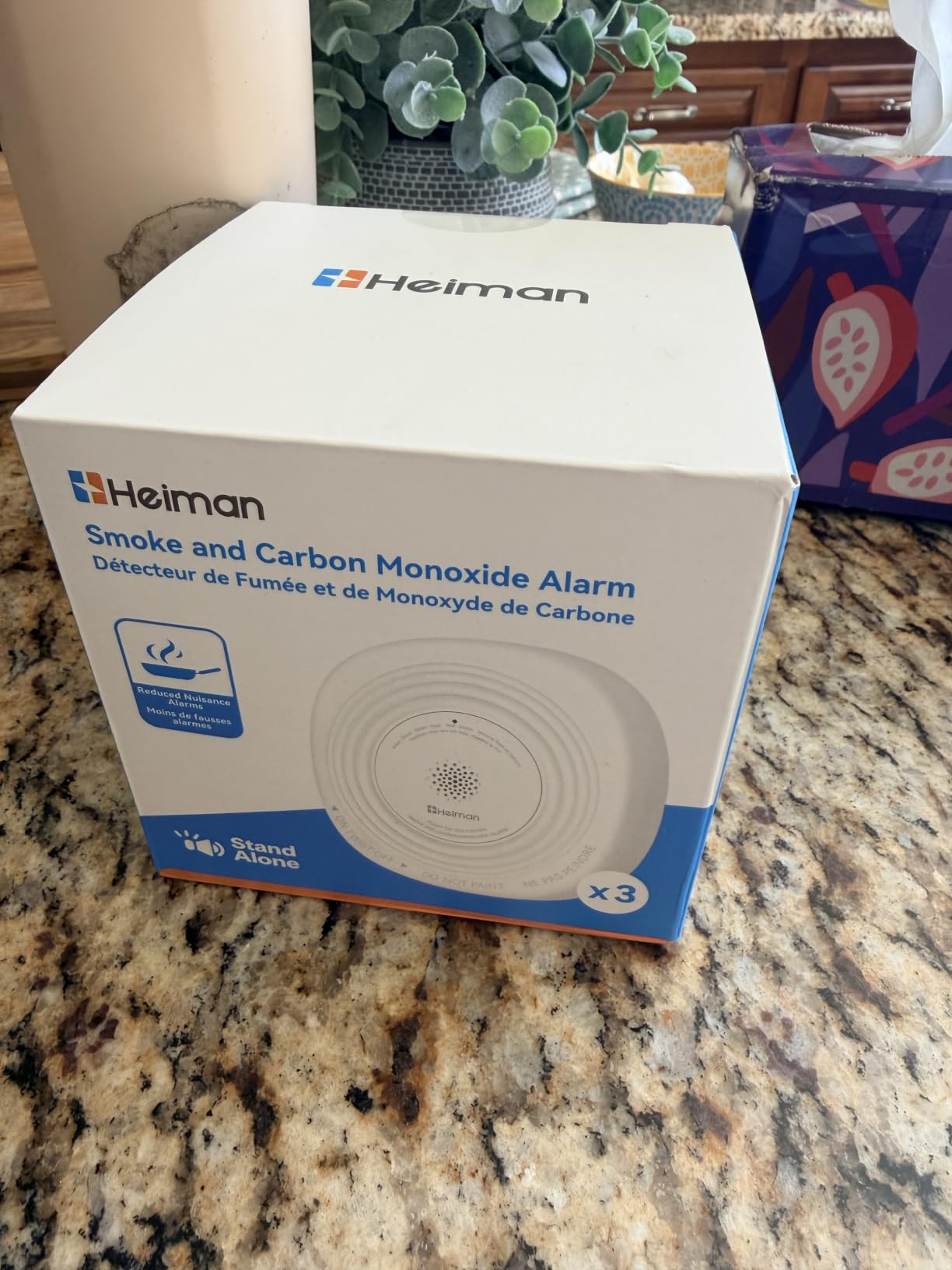
Design details are the complaint here rather than failures. The indicator LED pulses every 54 seconds, and some owners find a heartbeat-style blink distracting in a living space or bedroom. There is no on or off button, so the unit is activated by attaching it to its bracket, and the instructions are described as ambiguous, which is a warning for anyone planning a multi-unit install.
Be aware of the evidence base too. Ninety reviews is a small sample, so long-term reliability data is thin, and one reviewer reported an end-of-life chirp starting at eleven months rather than ten years. The housing is UL94 V-0 fire-retardant ABS and PC and the slim profile looks good on a ceiling, which is more than most units in this category manage.
Is a non-listed brand safe to install?
Certification is the answer, not the brand name. This unit is listed to UL 217 10th edition for smoke alarms and UL 2034 5th edition for carbon monoxide, both of which are the standards local code references. That listing is what a fire marshal and an insurer look at. Ignore any marketplace alarm without a visible UL or ETL mark, regardless of how good the listing photo looks.
Is it suitable as a whole-home system?
Not on its own, because it does not interconnect. For a single rental unit or a supplementary bedroom alarm it does the job well. If you need every alarm in the house to sound together, buy a wireless interconnected set and use this only where the network cannot reach.
10. First Alert PC1210 — Best Simple Single Alarm for One Room
First Alert PRC710 PC1210 10-Year Combination Carbon Monoxide and Photoelectric Smoke Detector, Frustration Free
10-year sealed battery
Photoelectric smoke sensing
Non-interconnectable
Bracket included
Pros
- Combines CO alarm and photoelectric smoke detection in one unit
- 10-year sealed battery with no replacements
- Photoelectric sensing stays quiet around cooking and steam
- Meets UL standards for 10-year battery alarms
- Alarm
- manual
- battery and bracket all in the box
- 10-year limited warranty
Cons
- Not interconnectable with other alarms
- First Alert changed the mounting plate between revisions
- Sealed battery means the whole unit is discarded at end of life
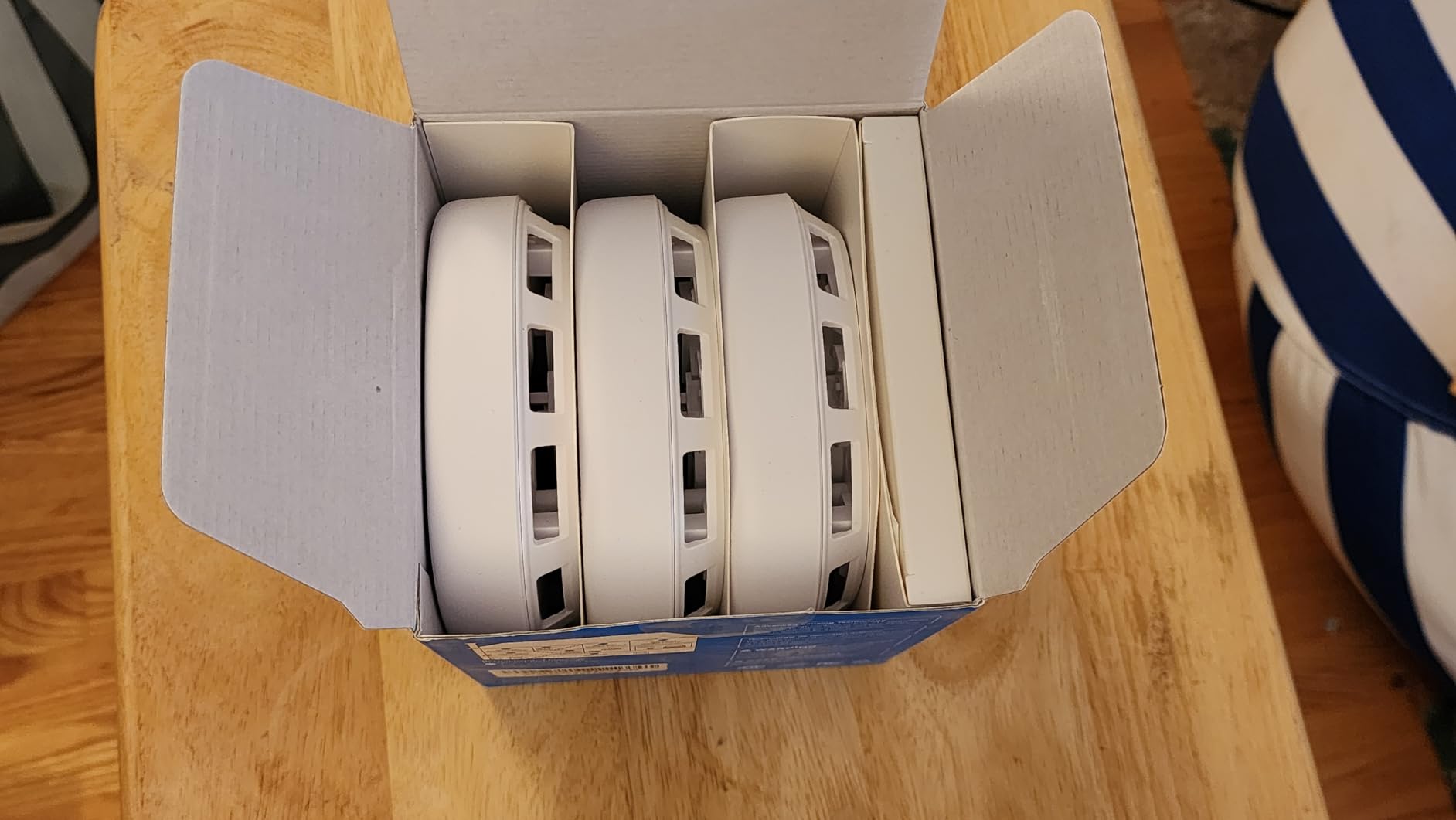
The PC1210 does one job simply. It is a 10-year sealed battery combination alarm with a photoelectric smoke sensor and carbon monoxide detection, it meets UL standards for 10-year battery-operated smoke alarms, and the box contains the alarm, the manual, the battery and the mounting bracket. Owners replacing an expired unit report that the install takes minutes with a screwdriver and a drill.
Photoelectric sensing is the right choice for a room next to a kitchen, because it ignores the fine particles from shower steam and cooking vapour that trip ionization chambers. For a single bedroom in a flat, or as a supplementary alarm in a room the main network does not reach, it is a tidy solution with a 10-year limited warranty behind it.
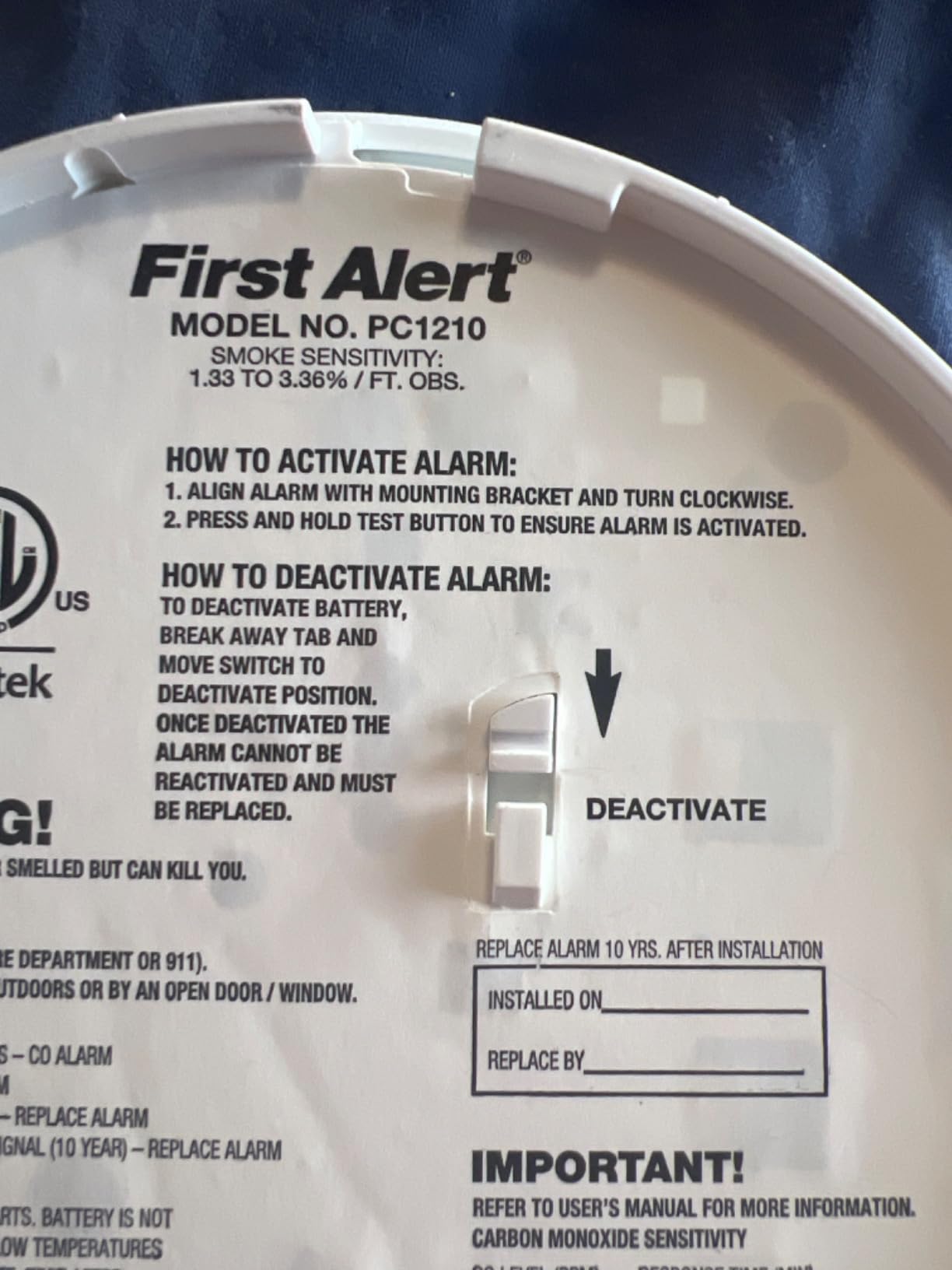
It does not interconnect, so this is a standalone alarm that will not bring your other detectors with it. That is the single biggest limitation, and in a house where you are counting on every alarm sounding together it is disqualifying.
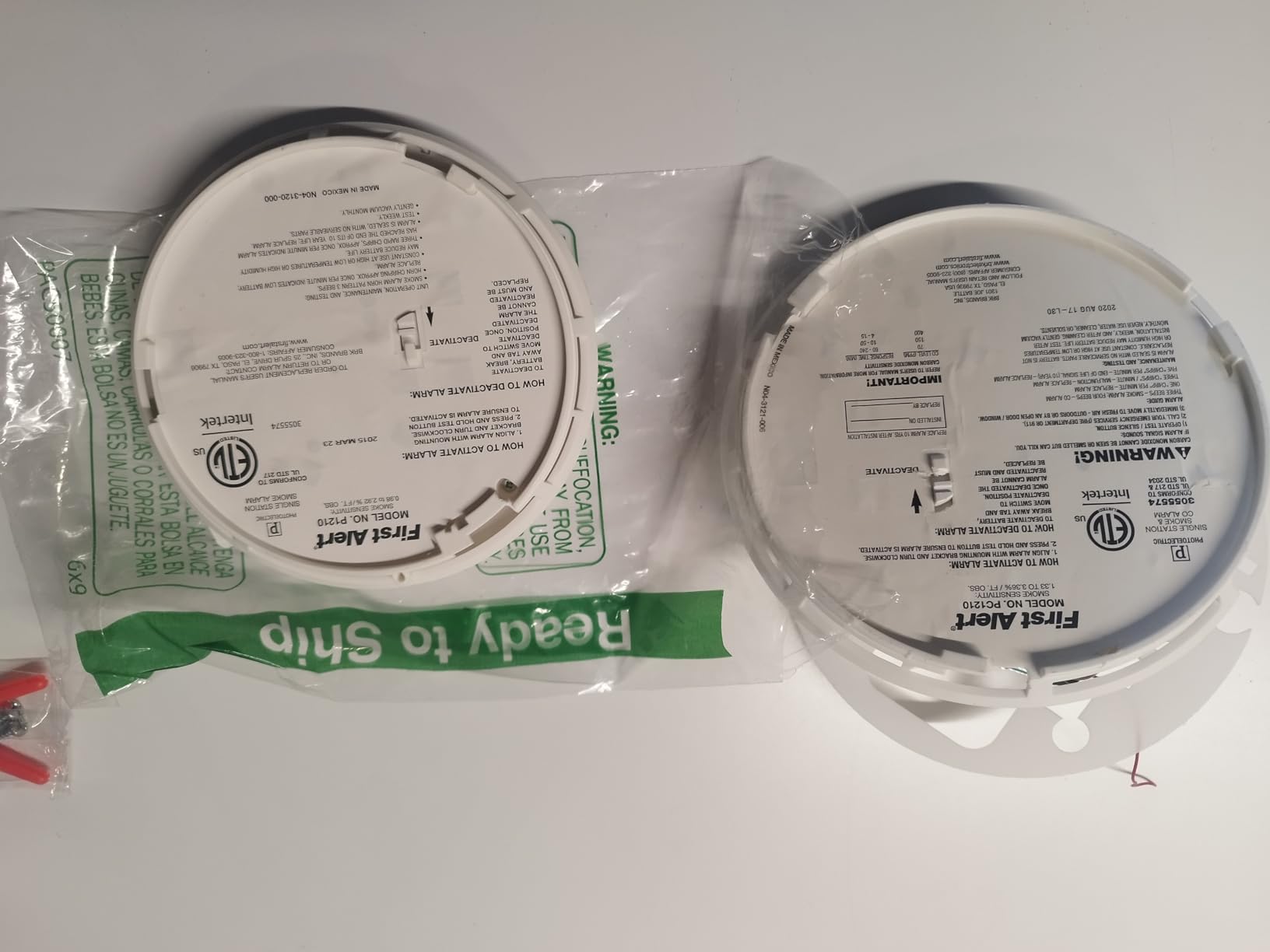
There is also a compatibility trap worth knowing about. First Alert changed the mounting plate design between revisions of this model, so buying the same model hoping to reuse your existing bracket can backfire. And because the battery is sealed, the entire unit is discarded at end of life rather than having a cell replaced.
When is a non-interconnectable alarm acceptable?
When it is a supplementary layer, not the primary network. A separate alarm in a bedroom that already has an interconnected unit nearby, a unit in a detached workshop or a basement space, or a temporary addition while you plan a full system. It is not acceptable as the only protection in a sleeping room, because a single alarm cannot tell you where the danger started.
Is the 10-year sealed battery a problem for replacement?
Only in the sense that you replace the device. The whole alarm goes to an e-waste or household hazardous waste facility at ten years, and you buy another one. Plan for that replacement as you would a service interval, and set a reminder, because an alarm that reaches end of life without being swapped is a gap in your coverage that nobody notices until it matters.
11. Siterwell A8612-6AR — Best for Florida Dual-Sensor Code and Bilingual Voice Alerts
SITERLINK Hardwired Smoke and Carbon Monoxide Detector with Battery
AC hardwired with 2 AA backup
Bilingual voice alerts
Interconnects up to 18 alarms
10-hour mute
Pros
- Photoelectric and electrochemical sensors work independently
- Bilingual voice states Fire
- Incendie or Warning Carbon Monoxide
- Voice also reports low voltage and malfunction conditions
- Interconnects up to 18 hardwired alarms
- One-touch button mutes nuisance and low-voltage alerts for 10 hours
- Meets the Florida dual-sensor 2-in-1 alarm requirement
Cons
- Lowest average rating in this group with 10 percent one-star reviews
- Back-up uses 2 AA batteries that need periodic replacement
- Hardwired units need a third interconnect wire
- 10-hour mute is long if set carelessly
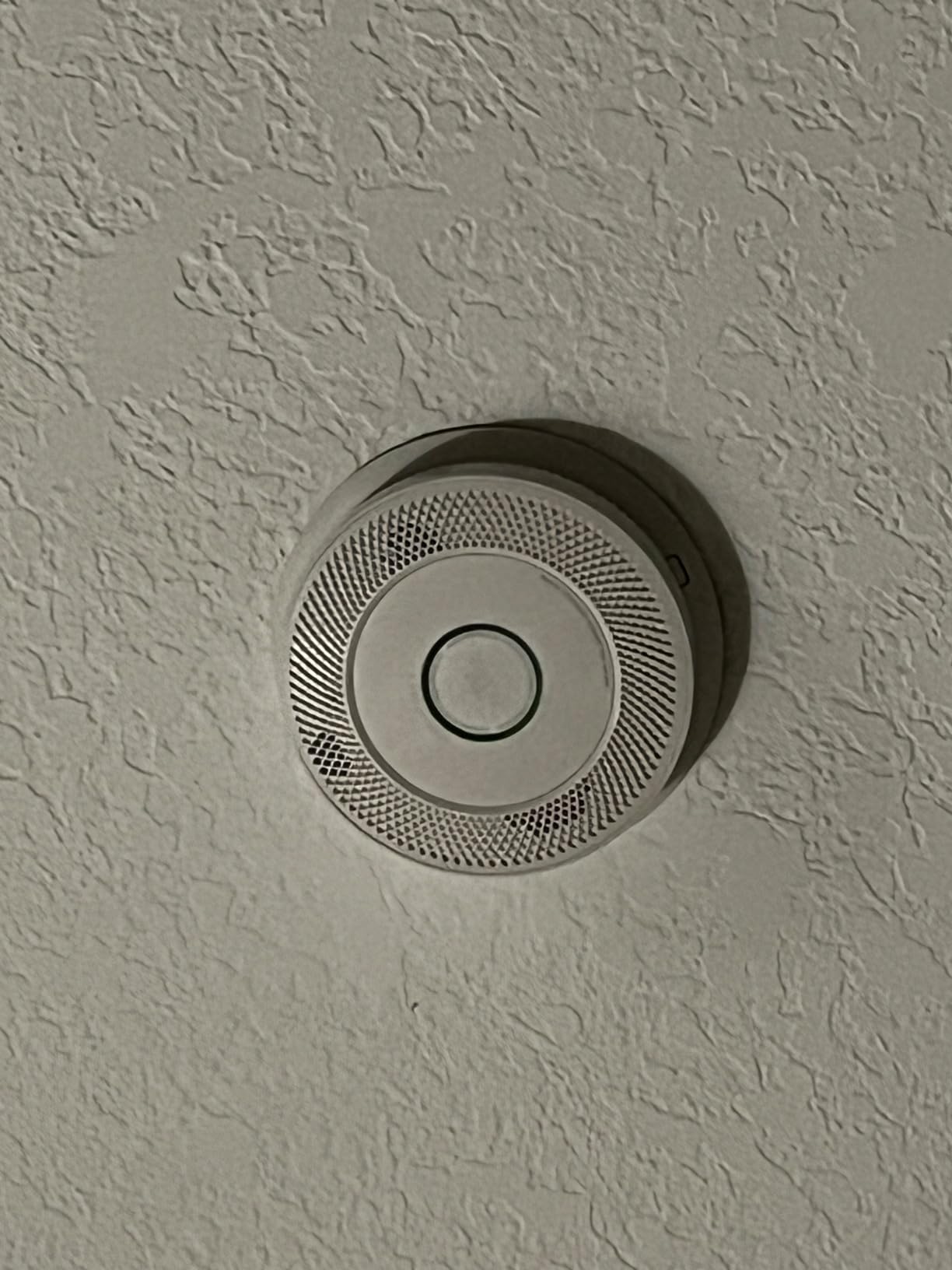
This one exists because of code. Florida residential and commercial buildings have required dual-sensor 2-in-1 smoke alarms since January 1, 2025, and the A8612-6AR is built to meet that rule while also giving you a working CO alarm in the same housing. If you live in a state with a similar rule, check your local requirement before you buy anything else, because a plain photoelectric combo will not satisfy it.
The detection is independent, with a photoelectric smoke sensor and an electrochemical CO sensor that work separately for a faster, clearer warning. It is AC hardwired with two AA batteries for backup, and it interconnects up to 18 hardwired alarms so one alarm brings the network with it. The voice alerts are bilingual, announcing “Fire!”, “Incendie!” or “Warning! Carbon Monoxide”, and the same voice reports low voltage, malfunction, test and end-of-life status.
It carries the lowest average rating of the eleven units we analysed, with about 10 percent one-star reviews. The recurring sources of dissatisfaction are the periodic AA battery changes, more involved installation compared with wireless units, and the 3-wire interconnect requirement in homes that were never originally wired for it.
The 10-hour mute button is a double-edged feature. For a genuine cooking-related nuisance it is a genuine convenience, but a ten-hour silence is long enough to mask a real recurring problem if you set it carelessly. Treat a nuisance alarm as a placement question first.
Do I need a dual-sensor alarm where I live?
Check your state and local code before shopping. A growing number of jurisdictions, Florida among the most widely enforced, require 2-in-1 alarms with both photoelectric and ionization sensing or an equivalent dual-sensor configuration. Where that applies, a single-sensor combo can fail an inspection or a resale certificate, which is an expensive problem to discover at closing.
Where no such rule exists, this is still a competent hardwired combo with unusually clear bilingual voice reporting. The AA backup and the code-driven niche are the reasons it sits at the bottom of our ranking rather than higher.
How We Chose These Combination Detectors
We compared eleven combination alarms on the criteria that actually change outcomes in a home, and we weighted them in this order. Sensing technology came first, because a photoelectric chamber and an ionization chamber behave differently around cooking smoke and detect different stages of fire. Certification came next, since UL 217 for smoke alarms and UL 2034 for carbon monoxide alarms are the standards that inspectors and insurers actually check.
Power source and battery life were the third filter, because the most common failure we see is a chirping alarm nobody replaces. Interconnection came fourth, since a whole-house network only helps if the units speak the same language. Voice alerts, CO level readouts, warranty length and installation friction rounded out the ranking.
We also limited ourselves to units that are currently sold in the United States, listed to UL 217 and UL 2034, and backed by a published warranty. That screening produced the eleven models below, and the ranking is based on published specifications plus patterns in owner reviews rather than on a lab smoke test, which is the honest limit of our method.
What to Look for in a Combination Smoke and CO Detector
These are the five decisions that determine whether you are happy with the alarm in year three. Work through them in order, because each one eliminates options that looked fine on the previous question.
Photoelectric, ionization or both
Photoelectric sensing detects the larger particles produced by a slow smoldering fire and tolerates cooking vapour and steam well. Ionization sensing reacts faster to the small particles from a fast-flaming fire but is more easily triggered by everyday kitchen activity. A dual-sensor alarm covers both and is the right answer for kitchens and stairwells; a photoelectric-only combo is the calmer choice for a room beside a kitchen. Dual-sensor 2-in-1 alarms are also required by code in a growing number of states, so check locally before choosing.
Hardwired, battery or hybrid
Hardwired units run on mains power, which is the most reliable source available, and most include a backup battery so an outage does not silence the house. Battery-only units install in minutes and suit rentals and finished homes. The hybrid approach is the best of both: hardwired mains power with a sealed 10-year backup cell, as on the Kidde i12010SCO, means nothing to replace for a decade. The one trap is wiring: a hardwired 3-wire alarm needs an interconnect line to link, and homes without one cannot be networked with it.
Interconnection and smart features
Interconnected alarms sound together when one detects danger, which matters most at night when you are asleep in one room. Wireless linking needs no new wire and works across a whole house, and it is the deciding factor for retrofits. Two cautions: linking only works within one manufacturer’s ecosystem, so mixing brands leaves you with separate networks, and any smart unit with Wi-Fi or app alerts depends on a company continuing to run its cloud. Owners on HomeKit and home automation forums have reported manufacturer shutdown notices ending app support on alarms that still worked as alarms, so confirm the company’s track record on long-term service before you centre your system on phone alerts.
Voice alerts and CO readouts
A voice alert that says “Fire” or “Warning, Carbon monoxide” tells a half-awake household which danger they are facing, and several models go further and name the room. For households with children, light sleepers or hearing loss, that is worth more than any other feature on this list. A digital parts-per-million readout is useful for judging whether a CO alarm was reacting to a furnace fault or a transient, and it is the difference between a useful diagnostic and a mystery.
UL listing and nuisance alarm behaviour
Only buy alarms listed to UL 217 and UL 2034, and check the edition, since newer editions tightened requirements. Nuisance alarming is the single most common complaint about combination units, and it is the fastest way to end up with a household that disarms its own alarms. Reduce it at the source by keeping alarms away from kitchen doorways, bathroom doors and air vents, and prefer photoelectric or dual-sensor designs in cooking-adjacent rooms.
Where to Install Combination Detectors and How Many You Need
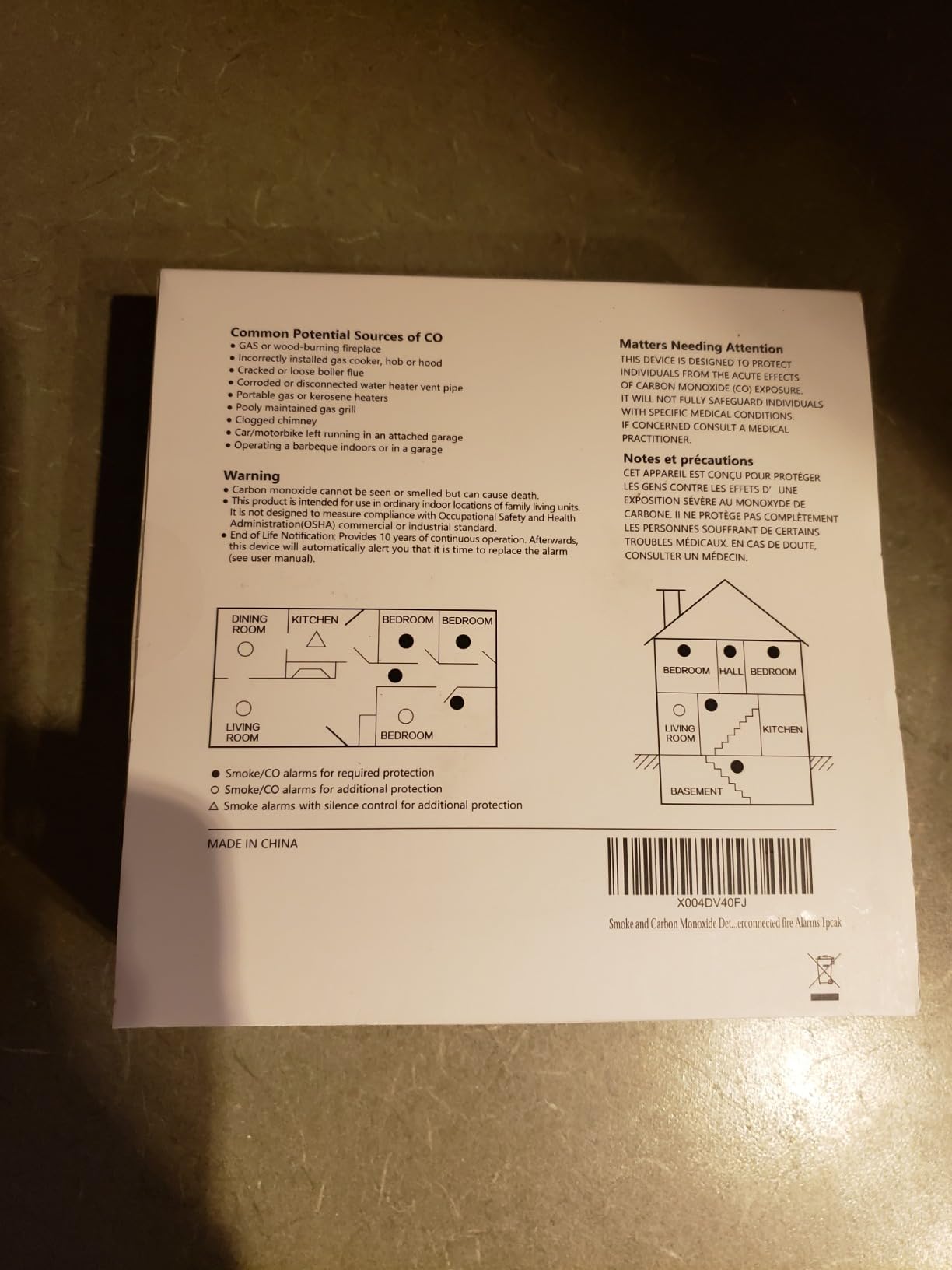
Placement matters more than the model you choose, and the rules are not complicated. Smoke rises and cools as it spreads, so smoke alarms belong on the ceiling or high on a wall; carbon monoxide mixes with air but is found at its highest concentration near the source, so CO alarms are mounted on the ceiling or on a wall at least five feet above the floor, or on a high wall near a source such as a furnace. The sensing element inside a combination unit is positioned by the manufacturer to catch both, which is why one unit per location is normal practice rather than a compromise that fails you.
The rules themselves, in the order we would work through them: one alarm inside every bedroom; one outside each sleeping area, in the hallway; at least one on every level of the home including the basement; not inside or within inches of a bathroom or kitchen doorway; at least five and preferably twenty feet away from a fuel-burning appliance such as a furnace or water heater; on the ceiling or high on a wall, not in a corner and not a dusty or humid spot; and one within reach of the bedroom door for most families. Manufacturers’ manuals and local codes can be stricter than this, and the manual wins where they conflict.
For quantity, a useful rule is one alarm inside each bedroom, one outside each sleeping area, one on every other level, and one near any garage door or fuel-burning appliance. That gives three alarms for a one-bedroom flat, five for a two-bedroom single-storey house, six or seven for a three-bedroom two-storey home, and eight or more once a basement, a finished garage and an attic conversion are added. A six-pack covers most three-bedroom houses, which is why the X-Sense SC06-W is our whole-home pick. If a large house has sleeping areas spread across two floors, add a second alarm outside the upper sleeping area rather than filling rooms that do not need one.
Test every alarm monthly, replace the whole unit at the ten-year mark rather than waiting for the end-of-life chirp, and take sealed-battery models to a household hazardous waste or e-waste facility rather than a household bin. Basements are the room owners most often miss, and an unfinished basement in a home with a gas furnace is exactly where a CO alarm earns its place. We covered a related gap in smart water leak detectors for basements, which is worth reading alongside this guide if your lowest level is unfinished.
Frequently Asked Questions
Are combination smoke and carbon monoxide detectors a good idea?
Yes. A single unit pairs a photoelectric or ionization smoke sensor with an electrochemical carbon monoxide sensor, so one device covers fire and gas. Install it on the ceiling as NFPA guidance requires for smoke, and the CO cell still performs. A separate dedicated CO alarm is a reasonable extra near a gas furnace or attached garage, not a substitute for correct combo placement.
What is the best mains-powered combined smoke and carbon monoxide alarm?
The First Alert SC9120B is our pick for a house already wired for alarms, pairing mains power, a 9-volt backup, ionization smoke sensing and an electrochemical CO sensor, with interconnection across compatible BRK and First Alert devices. If you want mains power without any battery changes, the Kidde i12010SCO adds a sealed 10-year lithium backup instead.
What smoke detector do firemen recommend?
Fire service guidance consistently points to alarms on every level, inside every bedroom and just outside sleeping areas, tested monthly and replaced at ten years. The most important thing on that list is the number and position of alarms, not the brand. Whatever you choose, confirm it is listed to UL 217 for smoke alarms and UL 2034 for carbon monoxide alarms.
Where should you put combination smoke and carbon monoxide detectors?
Inside every bedroom, outside each sleeping area, on every level including the basement, on the ceiling or high on a wall away from corners, and at least five to twenty feet from a furnace, water heater or fireplace. Keep them clear of kitchen and bathroom doorways, air vents and damp or dusty spots, since those placements are the usual cause of nuisance alarms.
How many smoke detectors do I need in a 3 bedroom house?
Plan on six or seven for a typical three-bedroom, two-storey home: one inside each bedroom, one outside each sleeping area, one on each remaining level including the basement, and one near a garage door or fuel-burning appliance if you have one. A six-pack of wireless interconnected alarms covers that layout in a single order.
Do I need a combo smoke and carbon monoxide detector in every room?
No. Every bedroom, every level and every sleeping area is the priority. Rooms such as closets, small bathrooms and low-traffic corners add little, and an alarm near a kitchen doorway is more likely to give you a false alarm than a useful warning. If budget is tight, spend it on correct coverage in the right places rather than on every room.
Best Combination Smoke and Carbon Monoxide Detectors to Buy in 2026
The First Alert SC9120B is the best overall pick for anyone with existing alarm wiring, and its combination of mains power, battery backup, interconnection and a very deep owner review history is hard to argue with. Where a home has no wiring, the X-Sense XP0H-WN 3-pack is the strongest value, and the X-Sense SC06-W 6-pack covers an entire three-bedroom house in one order with nothing to replace for ten years. For households that need to know which threat they are facing at three in the morning, the First Alert SC7010BV and the Kidde voice models earn their extra cost.
Whichever unit you choose, the placement and the ten-year replacement date matter as much as the model. Test every alarm monthly, replace sealed-battery units as a whole rather than hunting for a cell, and keep one brand across anything you want linked together.