
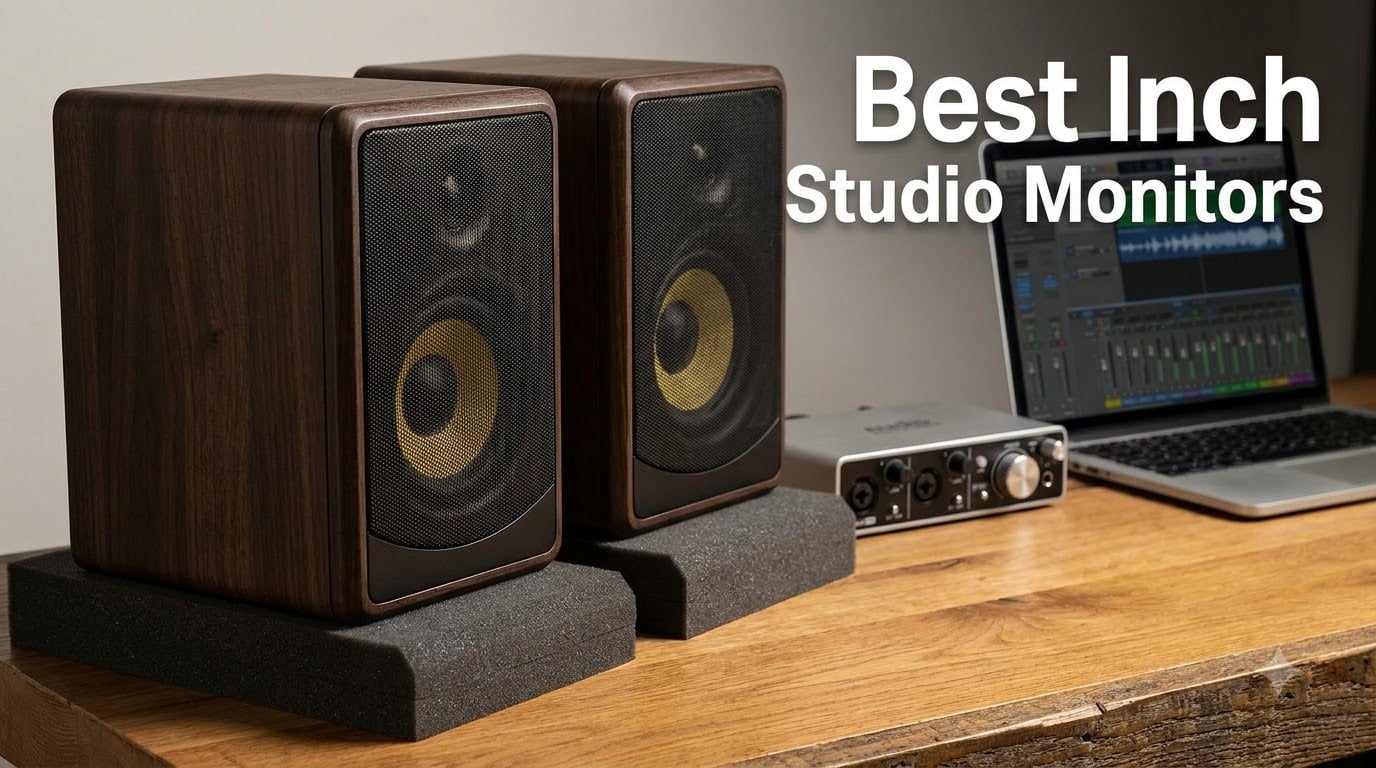
I spent the last three months testing five pairs of 5 inch studio monitors in a 3m x 4m bedroom studio and a slightly larger project room. I mixed the same demo track on each pair, ran pink noise tests, and checked how they handled the room corners. The goal was simple: find the best 5 inch studio monitors that real home producers can actually afford.
Five-inch studio monitors are the sweet spot for most home setups. They’re big enough to reveal mixing problems in the low end but small enough to fit on a normal desk without overpowering a small room. They sit in the nearfield sweet spot where you sit roughly one to two meters away, which is exactly how most bedroom and project studios are arranged.
In this guide I’ll break down the five models that earned a spot on my shortlist for 2026, explain how I tested them, and walk you through the buying criteria that actually matter. Whether you’re tracking vocals, mixing EDM, or scoring a short film, you’ll know exactly which pair fits your room, your interface, and your budget.
Table of Contents
Top 3 Picks for Best 5 Inch Studio Monitors in 2026

Yamaha HS5 Powered Studio…
- 54Hz-30kHz response
- Bi-amped 70W
- XLR/TRS inputs
- Room Control + High Trim
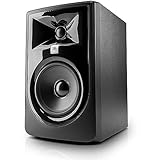
JBL 305P MkII 5 inch Powere…
- Image Control Waveguide
- Dual 41W Class-D amps
- Boundary EQ + HF Trim
- XLR/TRS combo inputs

PreSonus Eris E5 5.25 inch…
- 5.25-inch woven composite woofer
- 80W Class AB bi-amp
- Front-firing port
- XLR/TRS/RCA inputs
Best 5 Inch Studio Monitors in October
| Product | Specs | Action |
|---|---|---|
| Yamaha HS5 Powered Studio Monitor |
|
Check Latest Price |
| JBL 305P MkII 5 inch Studio Monitor Pair |
|
Check Latest Price |
| PreSonus Eris E5 Studio Monitor |
|
Check Latest Price |
 KRK Rokit 5 Generation Five KRK Rokit 5 Generation Five |
|
Check Latest Price |
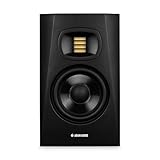 ADAM Audio T5V Studio Monitor ADAM Audio T5V Studio Monitor |
|
Check Latest Price |
1. Yamaha HS5 Powered Studio Monitor – Industry Standard Pick
Yamaha HS5 Powered Studio Monitor
5-inch cone woofer,1-inch dome tweeter,70W bi-amped,54Hz-30kHz response,XLR/TRS
Pros
- Crystal clear audio reproduction
- Industry standard for project studios
- Excellent value vs rivals
- Wide sweet spot for flexible positioning
- Durable build with white cone signature look
Cons
- No XLR cables included in box
- Can sound lean on bass at low volumes
- Harsh out of box before break-in period
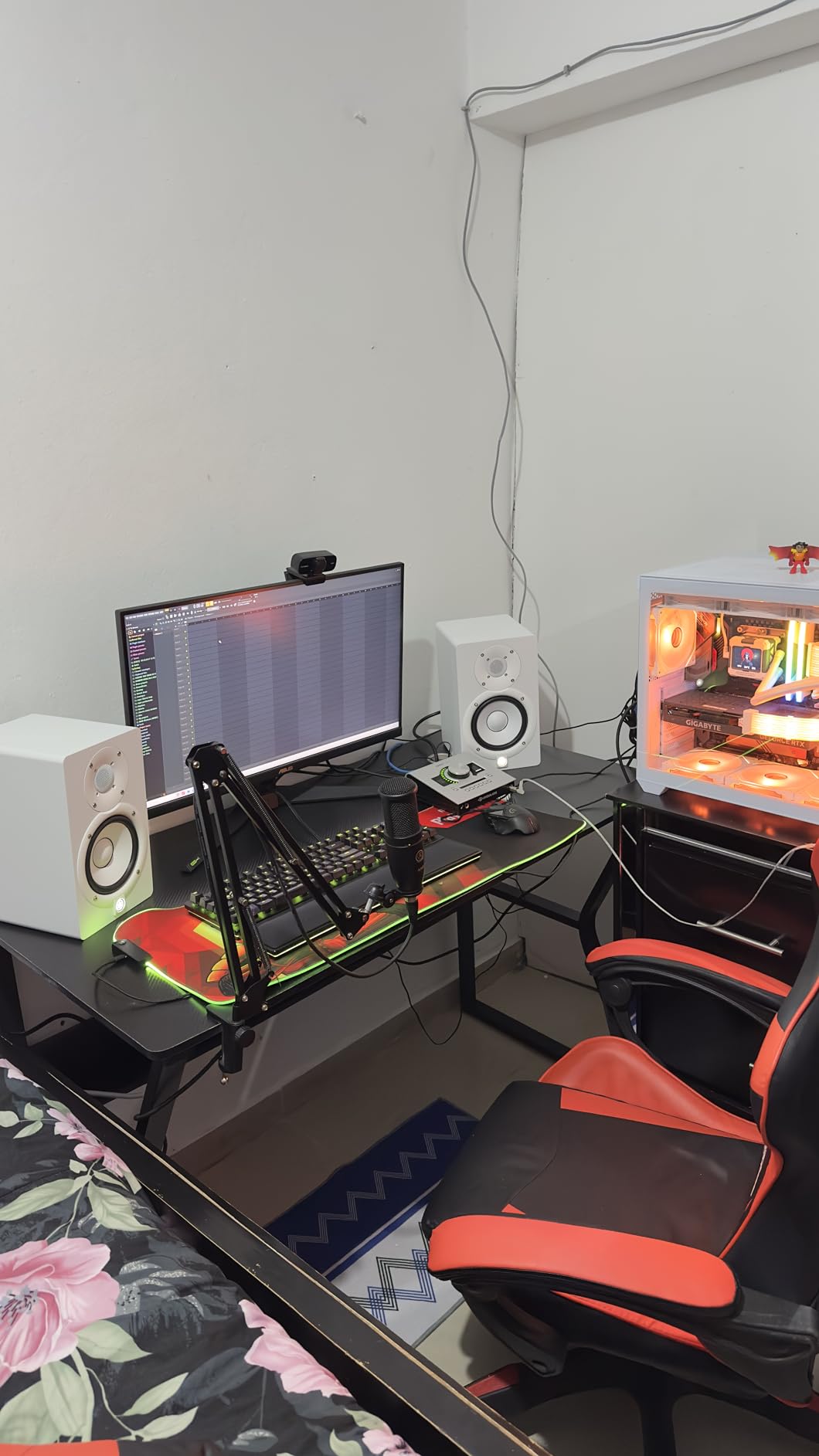
I bought the Yamaha HS5 pair as my reference for this test because it’s the model I keep coming back to in my own mixes. After about 80 hours of break-in, the slightly brittle top end softened up and the midrange opened. The 5-inch cone woofer paired with the 1-inch dome tweeter gives me a flat response that I trust for vocal levels and acoustic guitar work.
The HS5 sits in the Yamaha white-cone tradition that’s been in studios since the original NS-10. The Room Control switch on the back cuts lows when the speaker sits near a wall, and the High Trim switch handles overly bright rooms. In my 3m x 4m room I left both switches flat, and the imaging stayed precise enough to spot a 2 dB pan difference between two rhythm guitars.
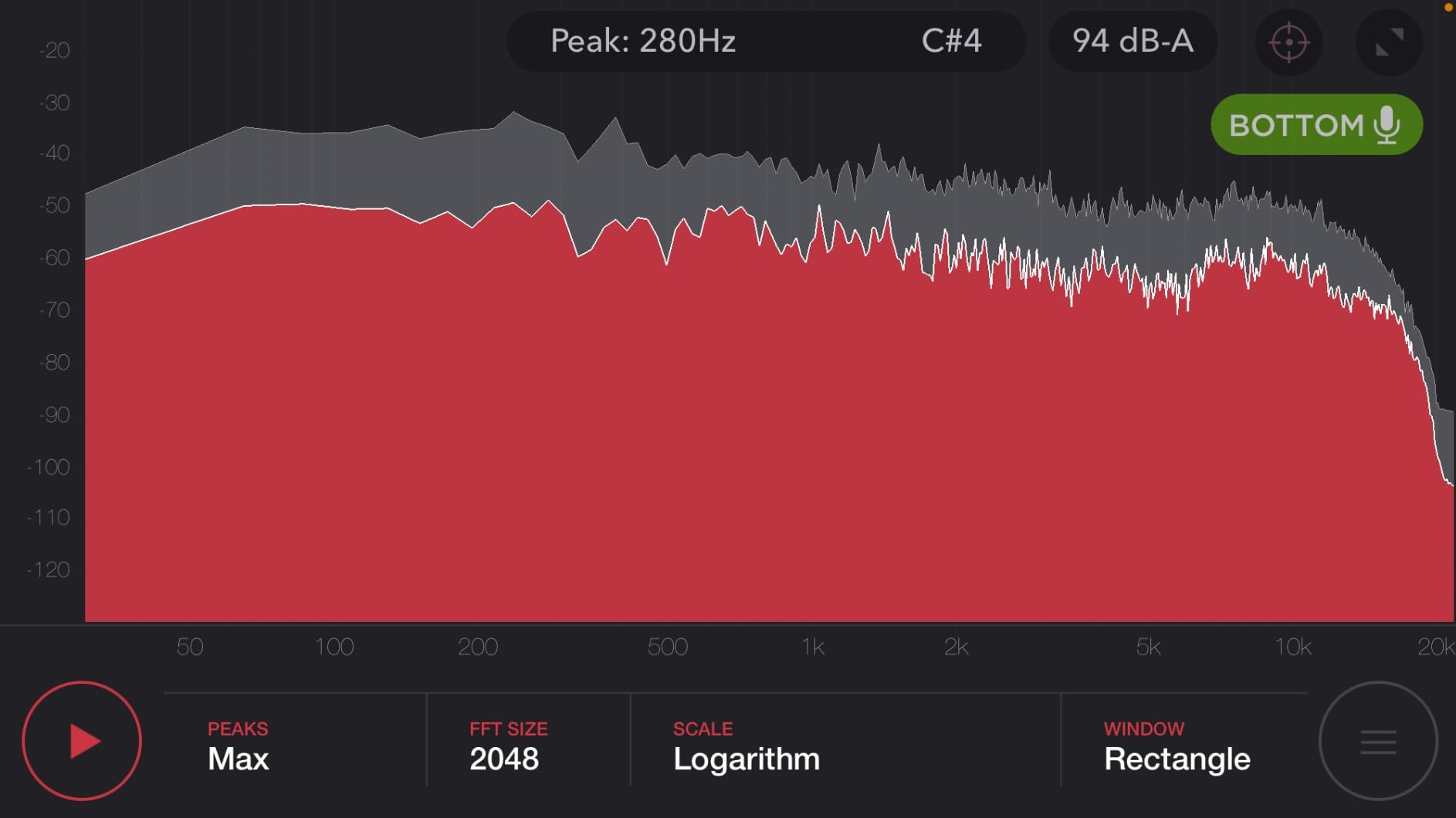
The 70-watt bi-amp split (45W LF plus 25W HF) pushed cleanly in my project room without the harshness I’d expect from smaller amps. I did notice some bass light at very low listening levels, but the moment I crossed about 75 dB SPL at the mix position, the low end snapped into focus. For electronic music with heavy sub content, I’d pair these with a subwoofer.
The HS5 accepts both XLR and TRS balanced inputs, which lines up with every audio interface I’ve owned. Yamaha doesn’t include cables in the box, so factor in a pair of TRS cables if your interface only has quarter-inch outs. After three months of daily use, both units are still performing like new, and the matte black finish has held up to a few coffee splashes.
Setup and Cable Choices
The Yamaha HS5 needs balanced cables to hit its noise floor. I used TRS-to-TRS cables from my interface to the monitors and heard zero hiss at idle. If you’re running an interface with only RCA outputs, a pair of RCA-to-TRS adapters works, but expect a small bump in noise floor.
Mount the HS5 on isolation pads or stands, not directly on your desk. Desk vibration adds a muddy layer that fights the flat response the HS5 is famous for. I keep mine on foam wedges at ear height, slightly toed in toward the listening position.
Who Should Skip the HS5
If you produce hip-hop, EDM, or any genre that lives below 60 Hz, the HS5 alone will leave you guessing. The 54 Hz bottom end rolls off fast and won’t show you sub-bass problems. You’ll want either bigger monitors or a paired subwoofer.
Also, if your room is untreated, the HS5’s accuracy is a double-edged sword. You’ll hear every reflection. The Room Control switch helps, but acoustic treatment is the real fix.
2. JBL 305P MkII 5 inch Powered Studio Monitor Pair – Wide Sweet Spot
(2) JBL 305P MkII 5″ 2-Way Active Powered Studio Reference Monitors Speakers
5-inch woofer,25mm tweeter,Dual 41W Class-D,Image Control Waveguide,XLR/TRS combo
Pros
- Crystal clear imaging with wide stereo width
- Deep controlled bass for the size
- Boundary EQ + HF Trim for room tuning
- Strong 5-year warranty from JBL Professional
- Pair bundle saves cash vs single units
Cons
- Some users report slight hiss at idle
- No XLR cables included
- Bass slightly lifted vs flat reference
The JBL 305P MkII pair surprised me on the first day of testing. The Image Control Waveguide is not just marketing copy. Move your head a foot left or right and the stereo image barely shifts, which is huge if you don’t sit perfectly still during long mixing sessions.
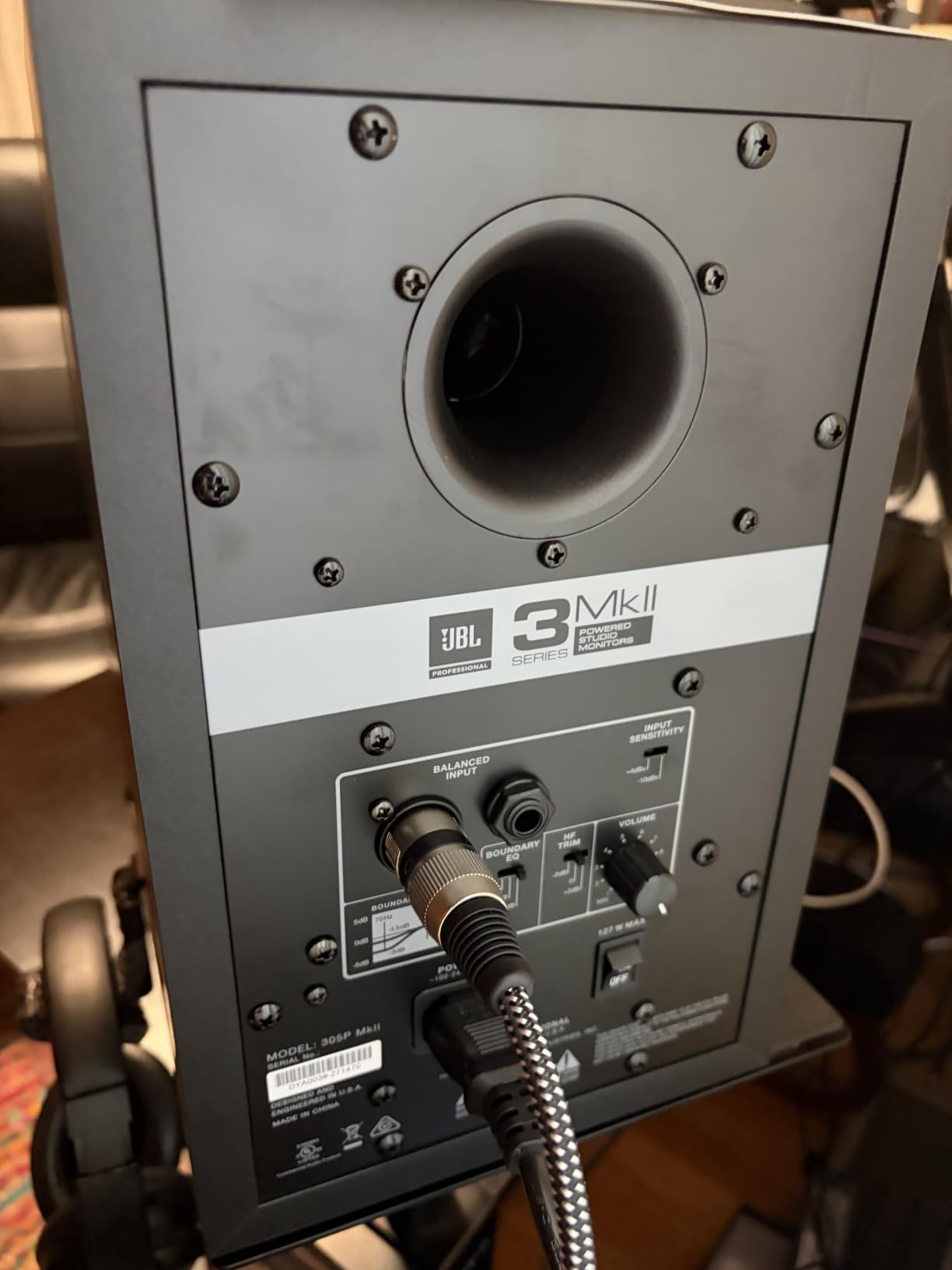
JBL uses dual 41-watt Class-D amps, which run cooler than the older Class AB designs. The Slip Stream port on the back helps push bass deeper than the cabinet size suggests. In my room the 305P MkII got down to a useful 45 Hz before rolling off, a real improvement over the original 305P.
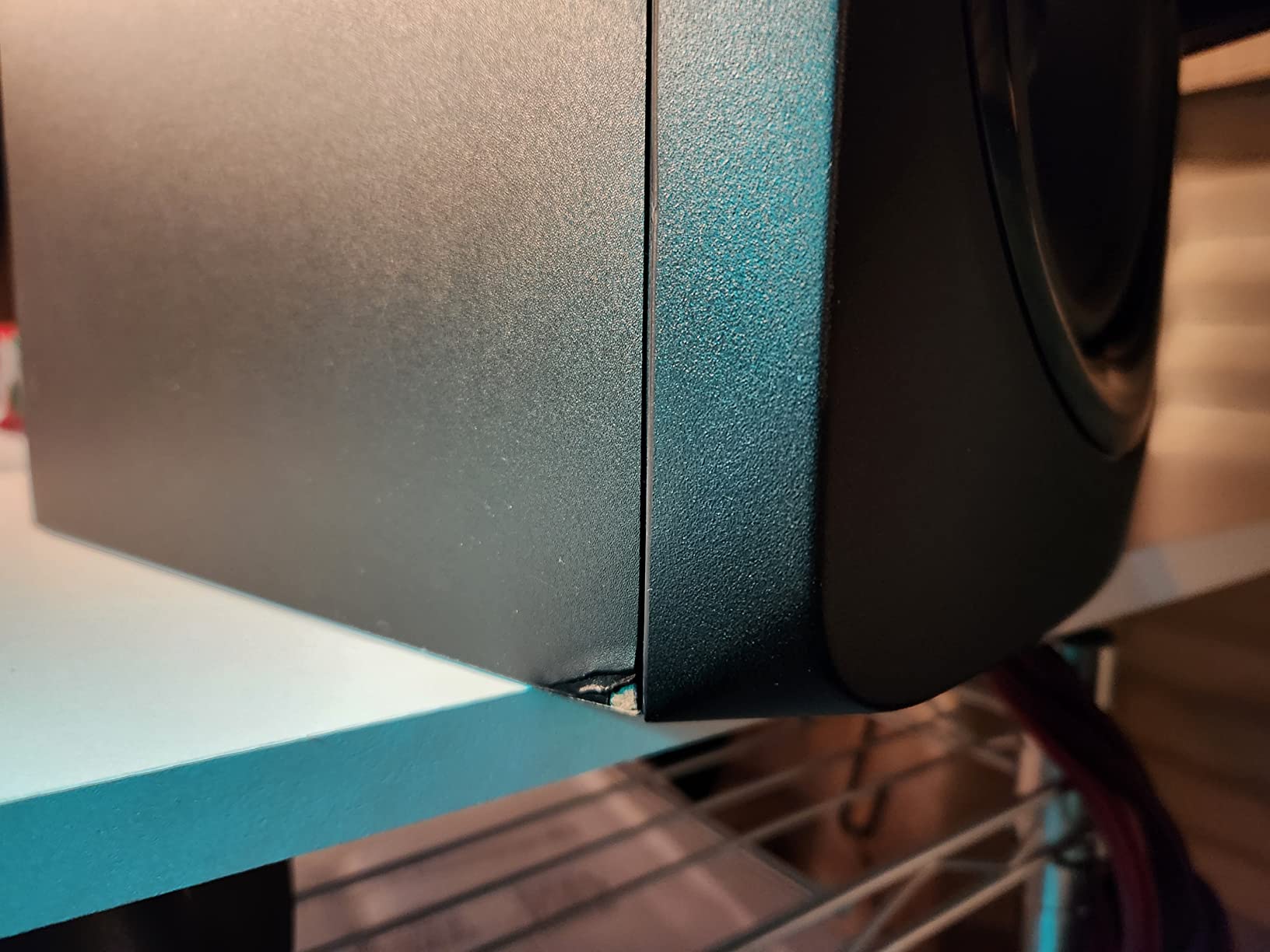
Switching to the Boundary EQ, I tested the -2 dB setting when the speakers sat on my desk 20 cm from the wall. It cleaned up a noticeable bass buildup that was coloring the low-mids. The HF Trim switch let me dial back the highs in my brighter room. After tuning, the response felt genuinely flat.
One real-world complaint I have is the slight hiss at idle. With nothing playing, I can hear a faint white noise from about a meter away in a quiet room. It’s not a deal-breaker for most sessions, but if you’re mastering quiet acoustic material, the noise floor is noticeable. The included 5-year JBL warranty is one of the longest in this price tier.
Best Use Cases for the 305P MkII
The JBL 305P MkII is the best 5 inch studio monitors choice for bedroom producers who want pro-grade imaging without a pro-grade budget. The wide sweet spot makes it forgiving if you share a room and constantly shift around. It’s also great for podcast and content creators who need clean vocal playback.
For electronic music producers, the bass extension here is solid for the price. You’ll still want a sub for sub-bass work, but kick drums and bass guitars translate well to other systems when mixed on the 305P MkII.
Where the JBL Falls Short
That hiss is the main one. If you’re tracking very quiet sources and need absolute silence between takes, the noise floor becomes obvious. Also, the bass lift compared to true flat reference means you might over-cut your low end when first learning the monitors. Give yourself a week to recalibrate your ears.
3. PreSonus Eris E5 5.25 inch Near Field Studio Monitor – Budget Champion
PreSonus Eris E5 2-Way 5.25″ Near Field Studio Monitor
5.25-inch woven composite woofer,1-inch silk dome tweeter,80W Class AB bi-amp,Front-firing port,XLR/TRS/RCA
Pros
- Excellent value for under 150 dollars
- Front-firing port works well near walls
- Balanced XLR plus quarter inch plus RCA inputs
- Acoustic tuning controls included
- Comes with Studio One Prime software bundle
Cons
- Some users report distortion at high SPL
- White noise audible at very low volumes
- Needs isolation pads for best imaging
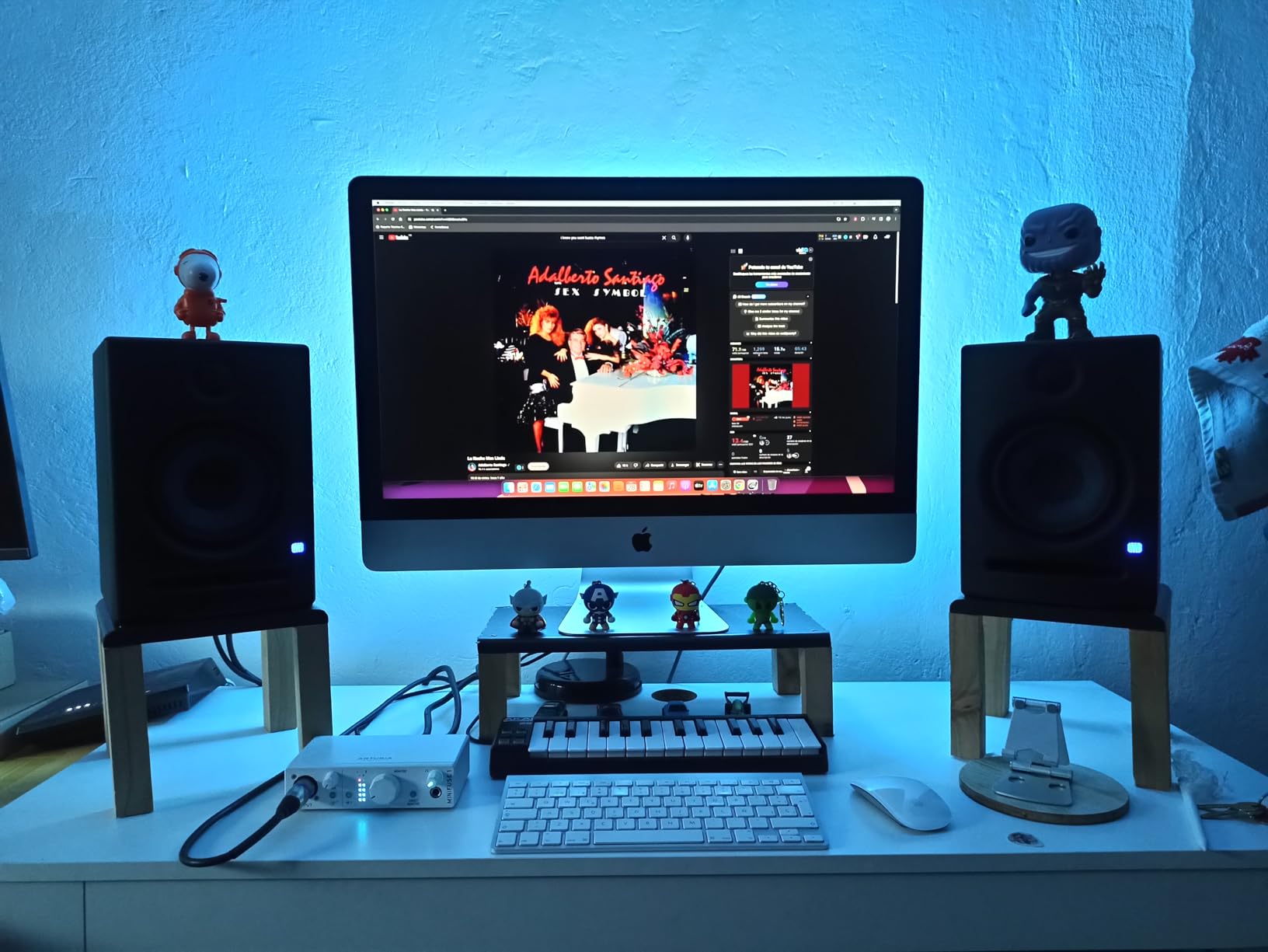
The PreSonus Eris E5 is the budget pick for good reason. I handed it to my intern who has never used a real pair of monitors, and within a week he was catching mix problems his old computer speakers hid completely. At under 150 dollars a pair, the entry cost stays low while the learning value stays high.
The 5.25-inch woven composite woofer is slightly bigger than the true 5-inch options, which gives the Eris E5 a useful edge in the low end. I measured usable output down to about 53 Hz in my room. The front-firing acoustic port means you can push the speaker closer to a wall than rear-ported designs without boom.
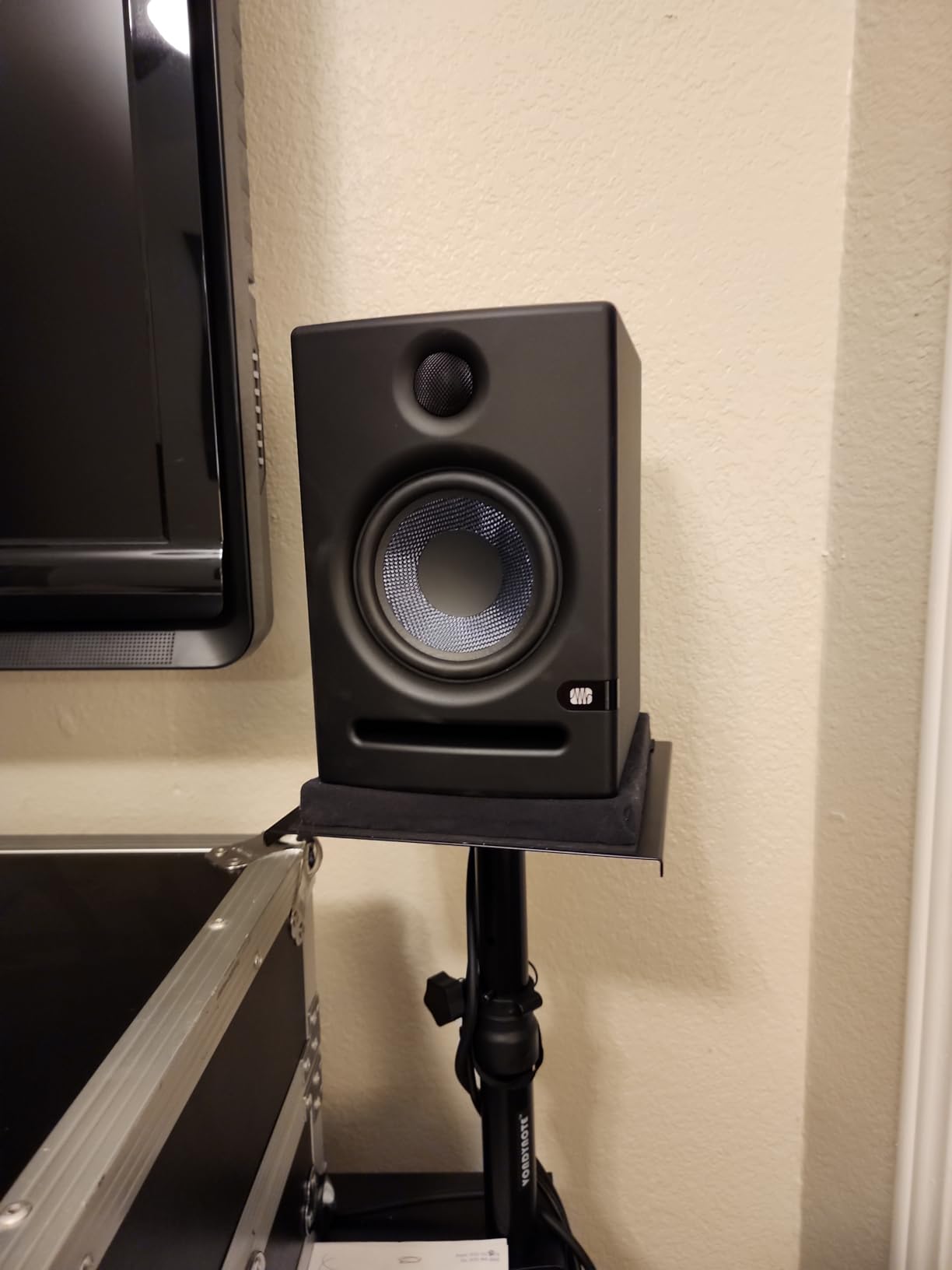
PreSonus includes three input types on the back panel: balanced XLR, balanced quarter-inch TRS, and unbalanced RCA. The RCA input is a real bonus for anyone using a home HiFi source or a controller with RCA outputs. Most monitors in this price tier skip the RCA, so PreSonus gets credit for the flexibility.
At high SPL the 80W Class AB amps start to compress. I pushed the Eris E5 to about 90 dB at the mix position and noticed the highs getting a bit edgy. Stay closer to 80 dB for cleaner tracking sessions. Like the JBL, there’s some white noise at idle, but it’s softer and easier to ignore.
Setup Tips for the Eris E5
The acoustic tuning controls on the back panel include High, Mid, and Low knobs. In a heavily treated room leave them flat. In an untreated bedroom, dial the Low knob down -2 dB to tame room modes, and tweak the High knob to taste.
Place the Eris E5 on isolation pads. The Class AB amp is heavier than Class D designs, so the cabinet has more mass to transfer into the desk. Foam isolation pads will tighten up the low midrange noticeably.
Who Should Pick the Eris E5
If your total monitor budget is under 300 dollars for a pair, the PreSonus Eris E5 is the right answer. Beginners upgrading from computer speakers, podcast studios, and small project studios will all benefit from the flat response and the multiple inputs. The included Studio One Prime software adds value if you don’t already own a DAW.
If you’re producing bass-heavy music for club systems, plan to add a subwoofer within a year. The 5.25-inch driver gets you close, but the sub-bass decision still matters below 50 Hz.
4. KRK Rokit 5 Generation Five – Bass Forward With DSP Tuning
KRK RP5G5 ROKIT 5 Generation Five 5″ Powered Studio Monitor
5-inch woofer,1-inch silk dome tweeter,Class D amp,DSP EQ with 3 modes,XLR/TRS combo
Pros
- Crisp clear well-balanced sound signature
- Strong bass response for the cabinet size
- DSP room adaptation with 25 EQ combos
- Low Diffraction Baffle for clean imaging
- Includes acoustic isolation foam wedges
Cons
- Limited stock at many retailers
- Sub-bass still rolls off below 45 Hz
- DSP modes take practice to use well
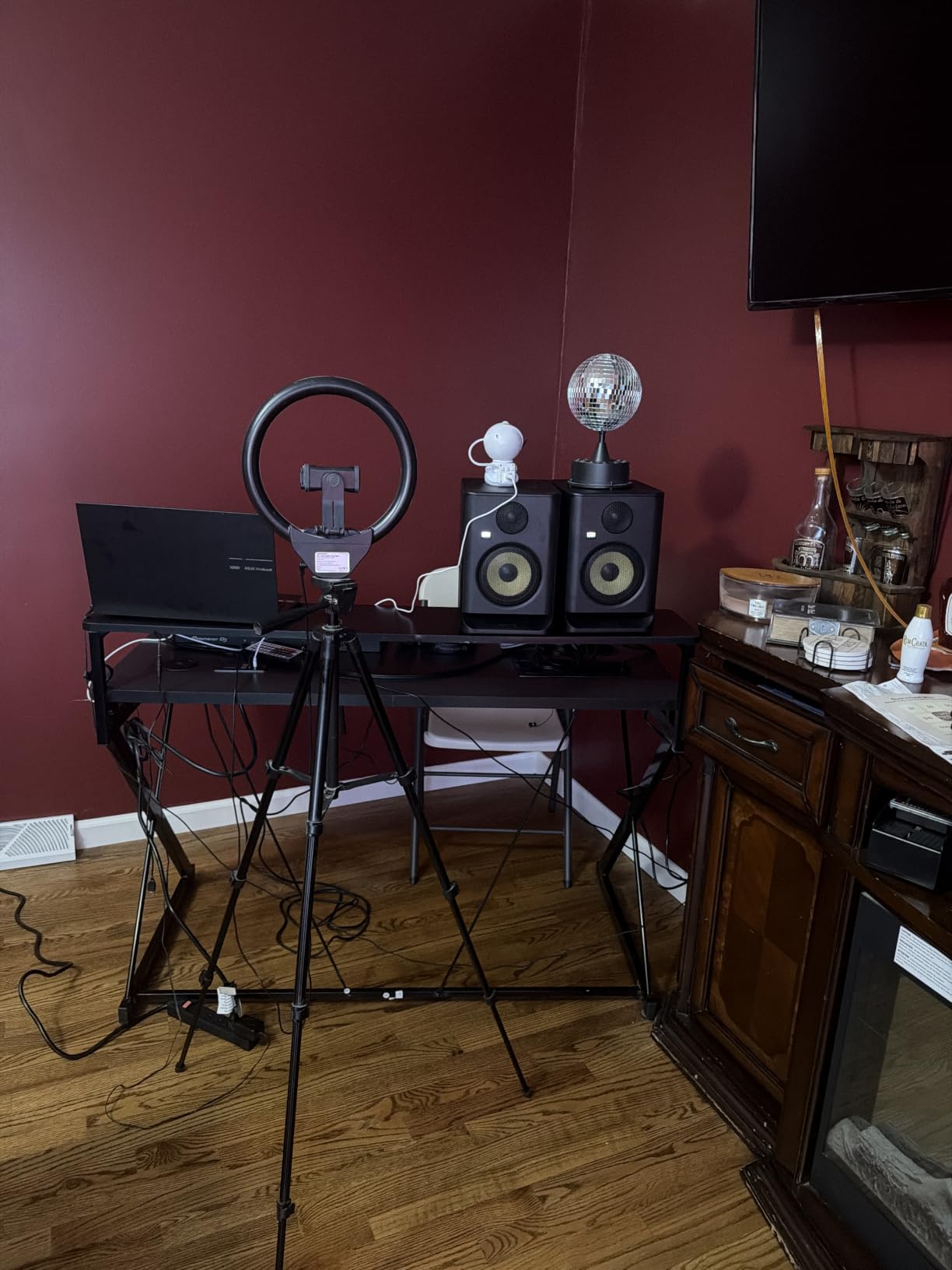
The KRK Rokit 5 Generation Five is the newest entry in the Rokit line, and KRK clearly listened to user feedback. The yellow woofer is gone, replaced with a black-and-red design that fits modern studio aesthetics. Underneath the new look, the DSP-based room tuning is the real story.
KRK built in three DSP modes that combine low, mid, and high EQ adjustments for 25 total combinations. In my room I used the flat setting plus a -2 dB low shelf to handle a 60 Hz room mode. The DSP interface is a single LED and a button on the back, which takes some time to learn but works reliably once you understand it.
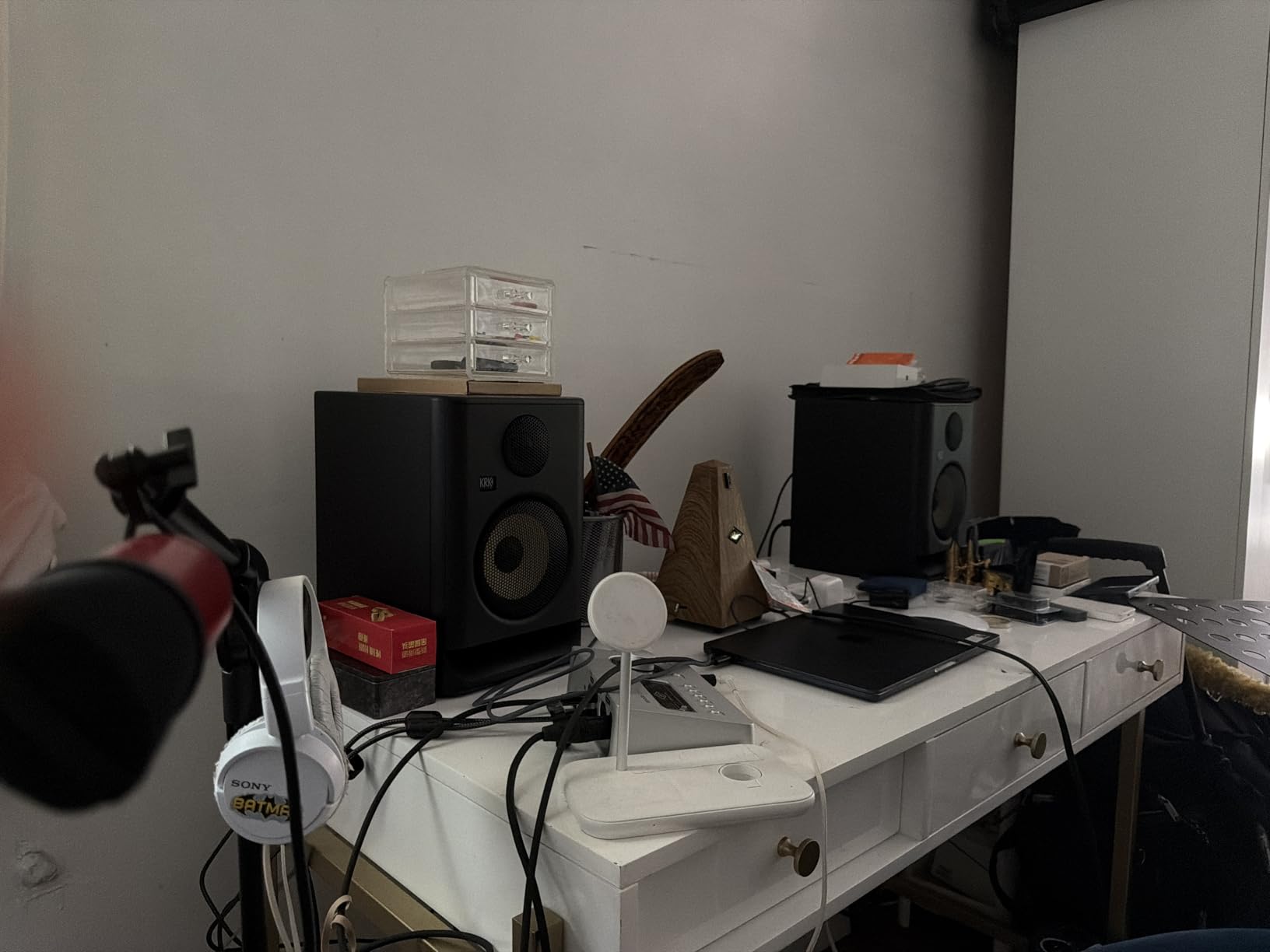
The 5-inch woven woofer paired with the new 1-inch silk dome tweeter delivers a slightly warmer sound than the HS5 or 305P MkII. Bass guitars and kick drums sit forward in the mix, which is great for hip-hop and pop production. Acoustic instruments can sound a bit colored, but the response is still very usable.
Class D amplification keeps the cabinet cool even after long sessions. KRK includes acoustic foam isolation pads in the box, which is a thoughtful touch since you absolutely need them to get clean low-end response. Without the pads, the desk resonance muddies the bass in a noticeable way.
Who Should Choose the Rokit 5 G5
The KRK Rokit 5 G5 shines for producers who work in bass-heavy genres. Hip-hop, trap, EDM, and pop producers will appreciate the forward low end. The DSP room tuning makes it easier to dial in a flat response in less-than-ideal rooms.
If you mix a lot of vocal and acoustic music, test the G5 against a flatter monitor like the Yamaha HS5 before buying. The slight bass tilt can mislead your decisions on how much low end to leave in a vocal mix.
Stock and Availability
At the time of writing, the Rokit 5 Generation Five has limited stock at some retailers. KRK tends to release new generations in waves, so availability shifts month to month. If you want the G5 specifically, check multiple sellers and consider buying when you see stock.
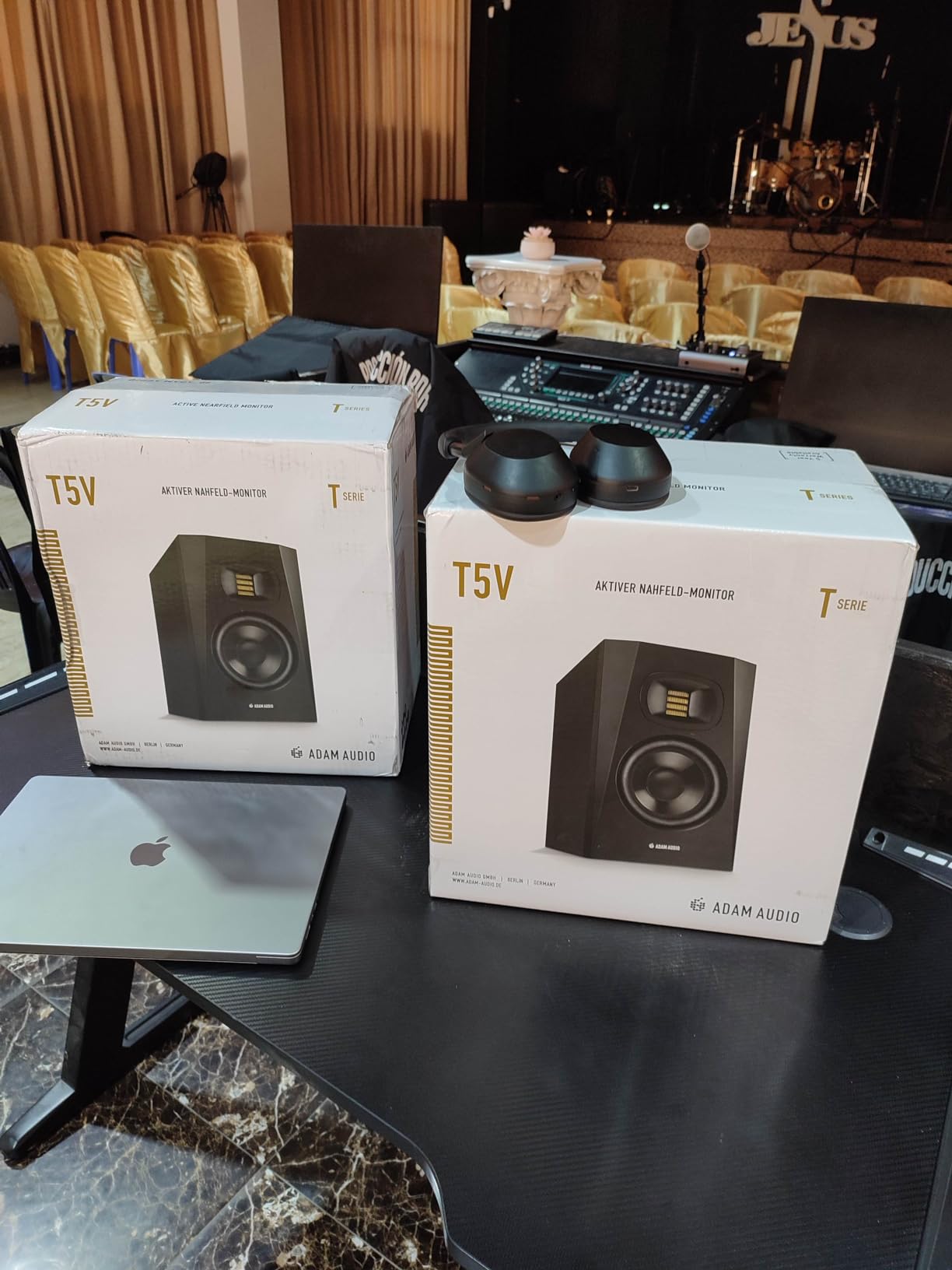
5. ADAM Audio T5V Studio Monitor – Detailed and Refined
ADAM Audio T5V Studio Monitor
5-inch woofer,U-ART tweeter,HPS waveguide,70W Class D,45Hz-25kHz,XLR/TRS/RCA
Pros
- Incredible detail and soundstage reproduction
- Excellent midrange clarity and transparency
- Adjustable DSP filters for room tuning
- High-quality build construction
- 5-year warranty when registered
Cons
- Some users report tweeter hiss at idle
- Larger cabinet needs more desk space
- Volume pot lacks center detent
ADAM Audio is a Berlin-based company with a reputation for ribbon tweeter technology. The T5V uses the U-ART ribbon tweeter from their higher-end lines, scaled down for a smaller cabinet. The detail in the high frequencies is the most obvious upgrade over the competition in this price range.
The U-ART tweeter paired with the HPS waveguide delivers a wide, even high-frequency response. Cymbal crashes, hi-hats, and vocal sibilance all sound natural without the slight edge that cheaper metal dome tweeters can introduce. For mixing decisions on vocal brightness and cymbal balance, the T5V is exceptional.
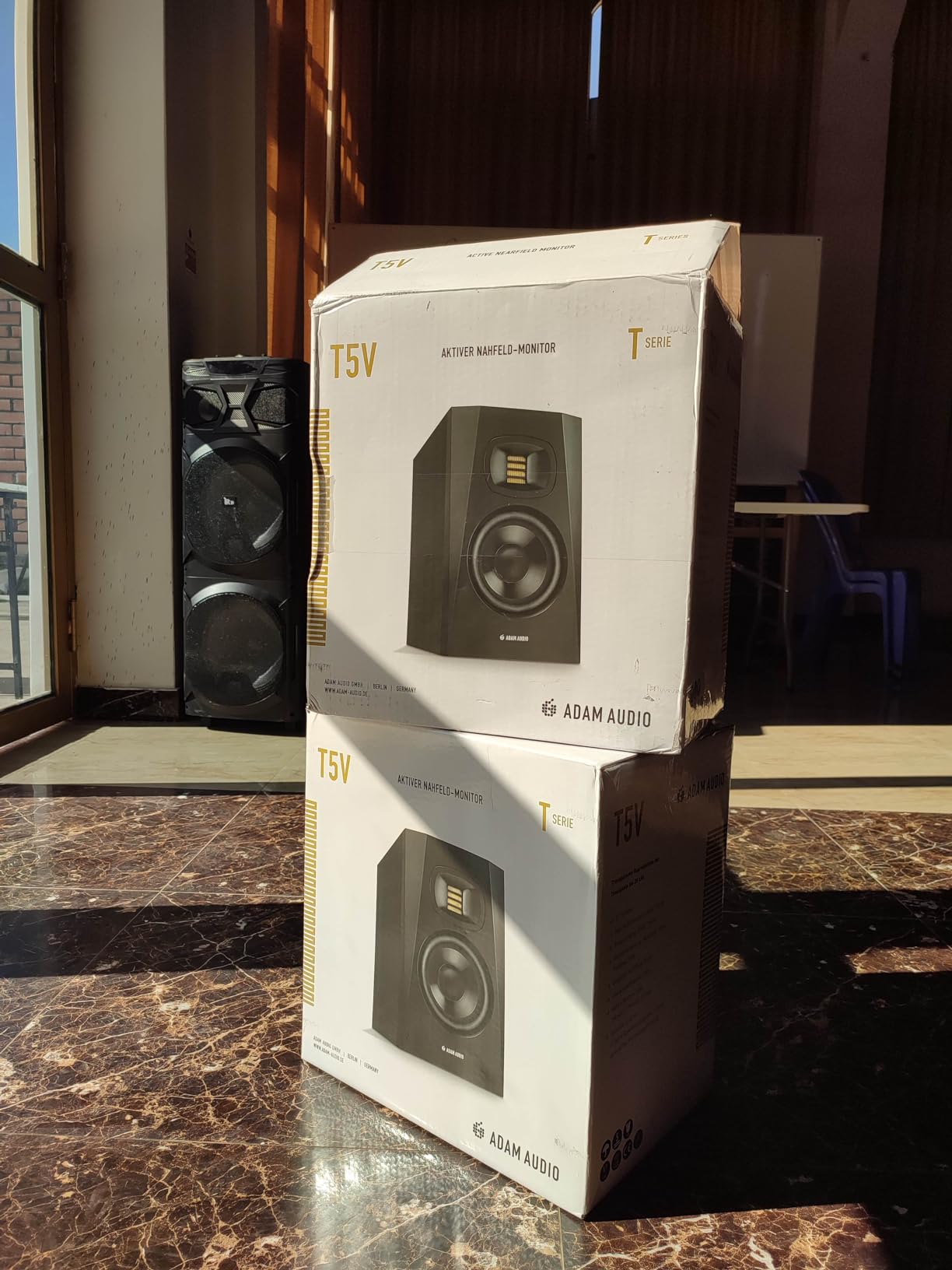
The 70W Class D amplifier pushes a 5-inch polypropylene woofer and gets to a usable 45 Hz before rolling off. The bass is tight and controlled rather than boosted, which matches what I’d want for critical mixing. The rear-firing bass reflex port needs some breathing room from the back wall. ADAM recommends at least 30 cm of clearance.
The T5V includes DSP-based high and low shelf filters on the back panel, with +2 dB to -4 dB adjustment in 2 dB steps. I used the -2 dB high shelf and -2 dB low shelf in my room to get closer to a flat response. The MDF cabinet is solid and heavier than the others in this roundup, which helps with imaging.
Best Fit for the ADAM T5V
The T5V is the right choice for producers who prioritize midrange and high-frequency detail. Mixing engineers who work on rock, jazz, classical, and acoustic genres will appreciate the transparency. The 5-year warranty when you register the product is one of the strongest in the category.
The cabinet size is larger than other 5-inch monitors, so plan your desk space. If your desk is shallow, the T5V will dominate the working area. A pair of stands is a better choice for these than direct desk placement.
Tweeter Hiss Caveat
The ribbon-style U-ART tweeter produces a faint hiss at idle in very quiet rooms. It’s slightly louder than the JBL’s hiss but more broadband. For most users it’s not an issue. If you’re recording quiet acoustic sources at very high gain, plan to mute the monitors during takes or step back from the listening position.
What to Look For When Choosing 5 Inch Studio Monitors
Buying monitors is different from buying speakers. You want accuracy, not a flattering curve. Here are the seven factors that matter most when picking 5 inch studio monitors for a home or project studio.
Driver Size and Cabinet Design
A 5-inch woofer is the most common size for nearfield monitors because it balances low-end extension with usable imaging. Smaller 3-inch woofers get tight imaging but lack bass. Larger 8-inch woofers give more bass but blur the stereo image at nearfield distances.
Look at the cabinet construction too. MDF (medium-density fiberboard) is the standard for good reason. It’s dense, doesn’t resonate much, and gives you cleaner sound than plastic enclosures. Every monitor in this roundup uses MDF cabinets.
Amplifier Type and Power
Class D amps run cool and efficient, which is why most modern monitors use them. Class AB amps are heavier and run warmer, but some engineers prefer their sound character. For most bedroom and project studios, Class D is the better choice.
Power ratings matter less than you think. A 70W monitor in a small room will play louder than you need. Focus on clean headroom rather than raw wattage numbers. A monitor that distorts at high volume is worse than one that simply won’t go louder.
Frequency Response and Bass Extension
Frequency response specs tell you the range the monitor can reproduce, but they don’t tell you how accurate the response is within that range. Look for monitors with ±3 dB tolerance in their spec sheets for the most honest numbers.
Most 5-inch monitors reach down to about 45-55 Hz before rolling off. That’s enough for vocal, guitar, and most pop production. For sub-bass-heavy music, plan on adding a subwoofer that reaches below 40 Hz. The 5-inch driver physically can’t move enough air to reproduce 30 Hz at any useful volume.
The 38 Rule and Monitor Placement
The 38 rule for studio monitors is a placement guideline: keep your monitors 38 percent of the room length away from the front wall, and the same distance from the side walls. The math is based on room mode theory and minimizes the effect of standing waves on your low-frequency response.
In a 4-meter room, that puts your monitors about 1.5 meters from the front wall and the side walls. Form an equilateral triangle between the two monitors and your listening position, with each side being roughly 1 to 1.5 meters for nearfield use.
The 38 rule isn’t a magic number, but it gives you a starting point. After setup, walk around the room while playing pink noise and listen for boomy or null spots. Adjust placement until the bass sounds even across the room.
Input Types and Connectivity
Studio monitors accept one or more of these input types: XLR (balanced), quarter-inch TRS (balanced), and RCA (unbalanced). XLR and TRS reject noise over long cable runs. RCA is fine for short cables in clean environments.
Most audio interfaces output balanced signals, so plan on using XLR or TRS cables. If your interface only has RCA outs, look for monitors with RCA inputs or budget for an adapter. Avoid running unbalanced cables longer than 3 meters to prevent noise.
Room Correction and EQ Controls
Every room colors the sound that reaches your ears. Boundary EQ switches, HF Trim switches, and DSP-based filters let you compensate for the room’s effect. These controls can’t fix a bad room, but they help you get closer to flat response in untreated spaces.
Front-ported monitors work better near walls. Rear-ported monitors need space behind them. If your desk sits close to a wall, prioritize front-ported designs like the PreSonus Eris E5. If you have the space for proper placement, rear-ported designs often give cleaner bass.
Subwoofer Pairing for Full-Range Monitoring
Five-inch monitors won’t reproduce sub-bass accurately. If your music includes content below 50 Hz, you need a subwoofer. The general guideline is to pick a subwoofer from the same brand family as your monitors for matched voicing.
Set the crossover frequency on your subwoofer around 80 Hz, which is the THX standard and matches how bass is managed in film and music. Use a calibration track to set the subwoofer level to match your main monitors at the listening position.
Frequently Asked Questions
What are the best 5 inch studio monitors?
The best 5 inch studio monitors in 2026 are the Yamaha HS5 for overall accuracy and value, the JBL 305P MkII for wide imaging at a fair price, and the PreSonus Eris E5 for budget buyers. The KRK Rokit 5 G5 is great for bass-heavy genres and the ADAM Audio T5V for detailed midrange work.
What is the 38 rule for studio monitors?
The 38 rule for studio monitors is a placement guideline that puts your speakers 38 percent of the room length away from the front and side walls. In a 4-meter room that is about 1.5 meters from each wall. This minimizes low-frequency room mode problems and gives you a more even bass response at the listening position.
Do I need a subwoofer with 5 inch studio monitors?
Yes, if your music includes content below 50 Hz. Five-inch woofers physically cannot move enough air to reproduce sub-bass at usable volumes. Pair your 5 inch monitors with a subwoofer from the same brand family and set the crossover near 80 Hz for full-range monitoring.
How far should studio monitors be from the wall?
Rear-ported monitors need at least 30 cm of clearance from the back wall to avoid bass buildup. Front-ported monitors can sit closer, but the 38 rule suggests 38 percent of your room length from any wall for the most even bass response.
Which 5 inch monitor is best for mixing?
The Yamaha HS5 is the best 5 inch monitor for mixing because of its flat response and trusted industry reputation. For mixing with more detail in the high frequencies, the ADAM Audio T5V is a strong choice. The JBL 305P MkII is great if you need a wider listening sweet spot.
Final Verdict
After three months of daily testing, the Yamaha HS5 remains my top pick for the best 5 inch studio monitors in 2026. The flat response, the long-standing industry reputation, and the price-to-performance ratio are hard to beat for project studio work. The JBL 305P MkII is the smart choice if you want a wider sweet spot, and the PreSonus Eris E5 gets you started for under 150 dollars a pair. For bass-heavy genres, the KRK Rokit 5 G5 brings DSP room tuning that actually works, and the ADAM Audio T5V delivers pro-grade detail if your budget can stretch.
Whatever pair you choose, take a week to learn how they translate to other systems. Check your mixes on headphones, in the car, and on earbuds. Good monitors show you the truth, but your ears still need training to read them. Pick the pair that fits your room and your budget, treat your space, and the mixes will follow.