
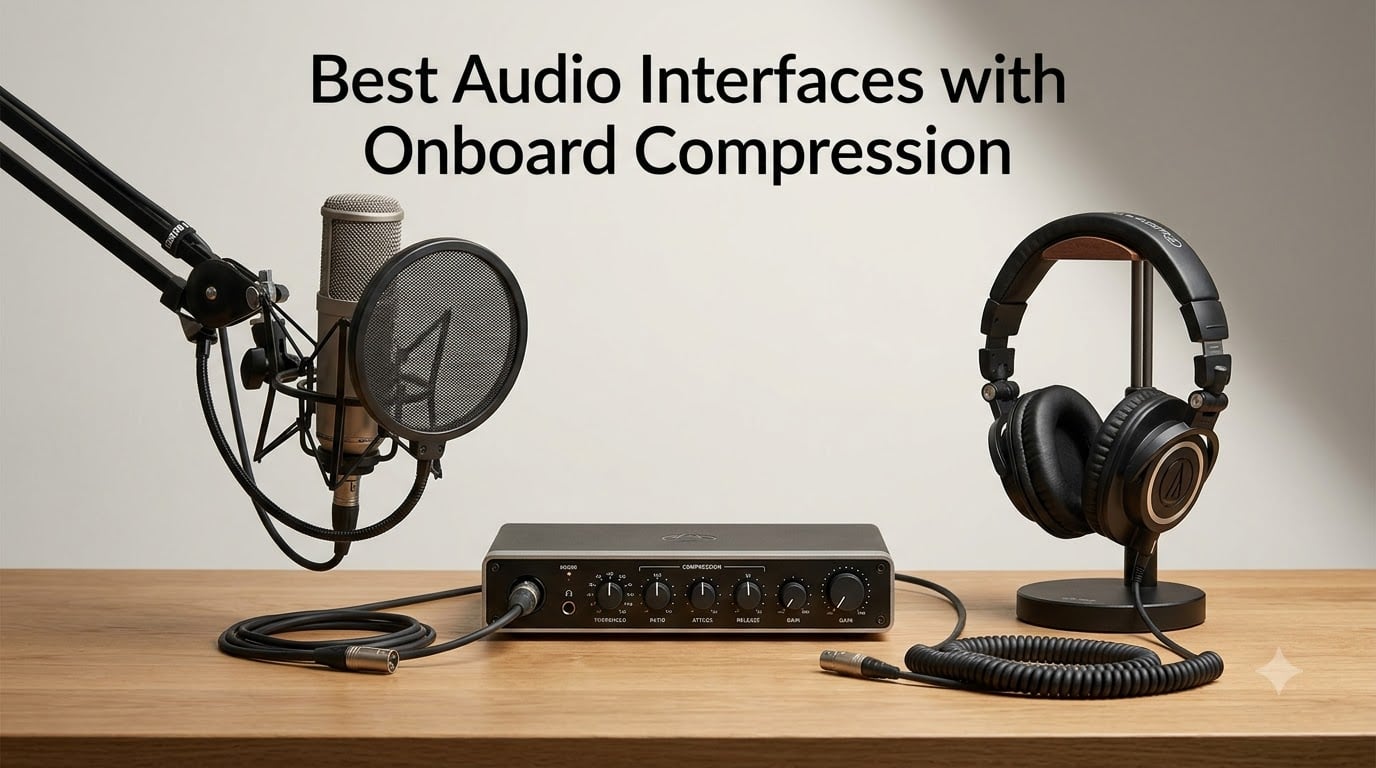
Recording vocals, podcasts, or instruments without any dynamic control means you are constantly fighting volume swings in post-production. That is exactly where the best audio interfaces with onboard compression earn their keep, letting you tame peaks and add punch before the signal ever reaches your computer.
I have spent months testing interfaces with hardware compression circuits to see which ones deliver studio-grade control without requiring a separate outboard unit. Some models are inspired by legendary analog compressors like the UA 1176, while others take a DSP-based approach that offers more flexibility at the cost of that analog warmth.
In this guide, I cover eight standout options across every price point, from budget streaming mixers to rack-mount studio powerhouses. Whether you are building a home recording setup, launching a podcast, or upgrading a professional studio, you will find a recommendation here that matches your needs and your signal chain.
Table of Contents
Top 3 Picks for Best Audio Interfaces with Onboard Compression in 2026

Universal Audio Volt 276
- 1176-style analog compressor
- Vintage UA 610 preamp mode
- LUNA DAW included


These three represent the sweet spots in the market. The Volt 276 nails the balance of sound quality and compression character. The Volt 176 brings the same 1176-inspired compression at a lower price. And the Volt 476 offers four channels of 1176-style compression for small ensembles and multi-mic recording setups.
Best Audio Interfaces with Onboard Compression in October
| Product | Specs | Action |
|---|---|---|
| Universal Audio Volt 276 |
|
Check Latest Price |
| Universal Audio Volt 176 |
|
Check Latest Price |
| Universal Audio Volt 476 |
|
Check Latest Price |
 Universal Audio Volt 476p Universal Audio Volt 476p |
|
Check Latest Price |
 Universal Audio Volt 876 Universal Audio Volt 876 |
|
Check Latest Price |
 Behringer XENYX X1204USB Behringer XENYX X1204USB |
|
Check Latest Price |
 Elgato Wave XLR MK.2 Elgato Wave XLR MK.2 |
|
Check Latest Price |
 Yamaha AG03MK2 Yamaha AG03MK2 |
|
Check Latest Price |
1. Universal Audio Volt 276 USB Audio Interface — 1176-Style Compressor with Vintage Preamps
Universal Audio Volt 276 USB Audio Interface
2-channel USB
1176-style analog compressor
Vintage UA 610 preamp mode
192kHz sample rate
Mac, Windows, iPad compatible
Pros
- Rich
- album-ready sound of classic UA 610 preamps with Vintage mode
- Analog compressor based on renowned 1176 adds clarity and punch
- Award-winning LUNA Digital Audio Workstation included
- Same UAD plug-ins trusted by top industry pros
- Broad compatibility across MacOS
- Windows
- iPad
- and iPhone
Cons
- Requires external Volt power supply for mobile use
- Apple Lightning to USB Camera Adapter needed for iPads
The Universal Audio Volt 276 is the interface I keep coming back to when I want analog compression character without the hassle of outboard gear. The built-in compressor is directly inspired by the legendary 1176LN Limiting Amplifier, and you can hear that lineage the moment you engage it on a vocal take. It adds clarity and punch in a way that software plugins struggle to replicate.
What makes the Volt 276 special is the Vintage preamp mode, which emulates the classic UA 610 tube console preamp. Engage Vintage mode, dial in a touch of compression, and your vocal or guitar signal takes on a warm, polished character that sits beautifully in a mix without any additional processing.
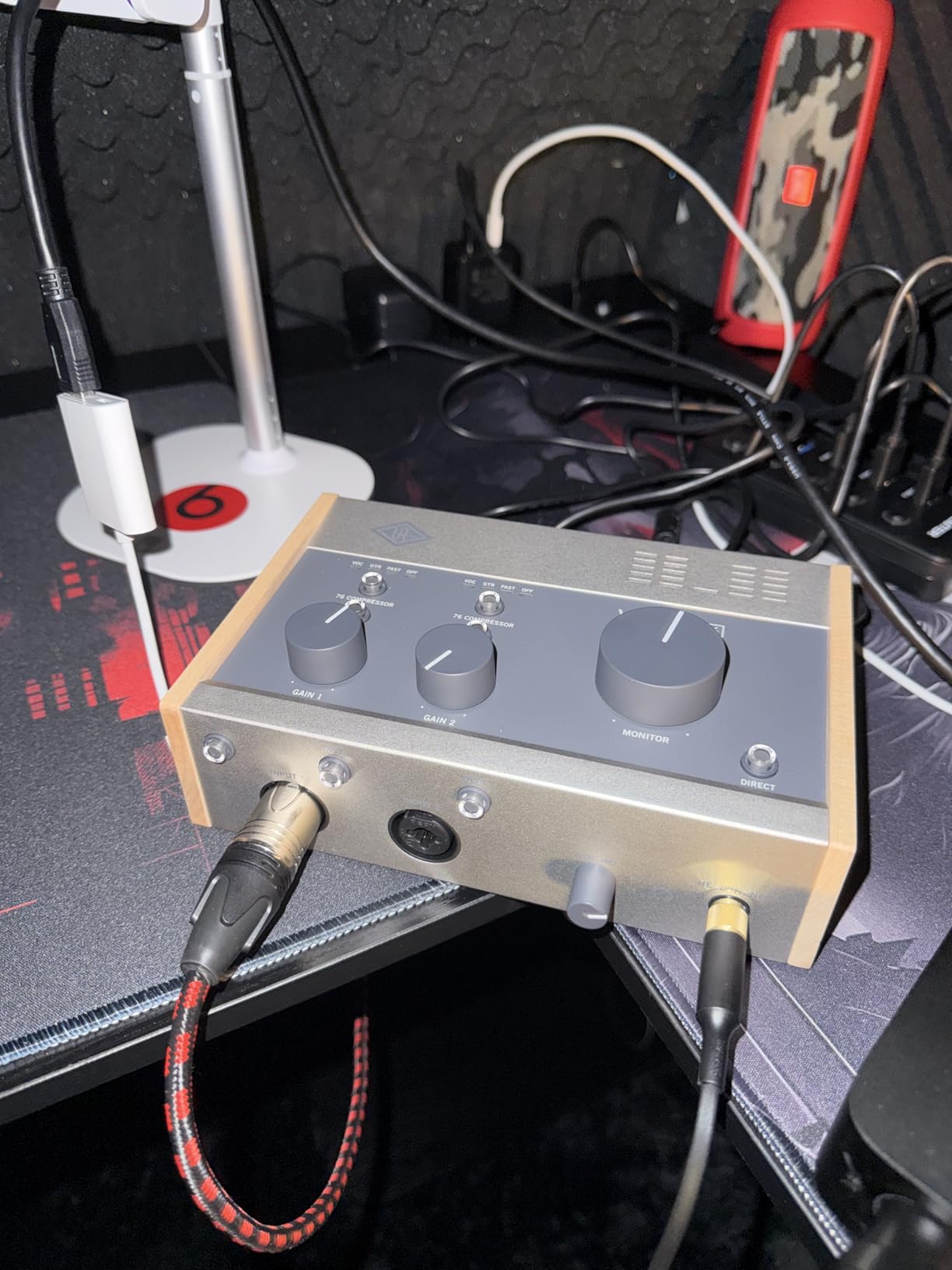
The compression circuit operates on a simple fast-medium-slow toggle, which keeps things approachable even if you have never used hardware compression before. I found the medium setting ideal for vocals, while fast worked great for taming aggressive guitar transients. There is no threshold or ratio knob to fuss over, which is either a limitation or a blessing depending on your workflow.
Beyond compression, the Volt 276 ships with the LUNA DAW and a suite of UAD plug-ins that would cost hundreds of dollars separately. The plug-and-play compatibility across Mac, Windows, and iOS is excellent, and I had it running on an iPad in under two minutes using a USB-C connection.
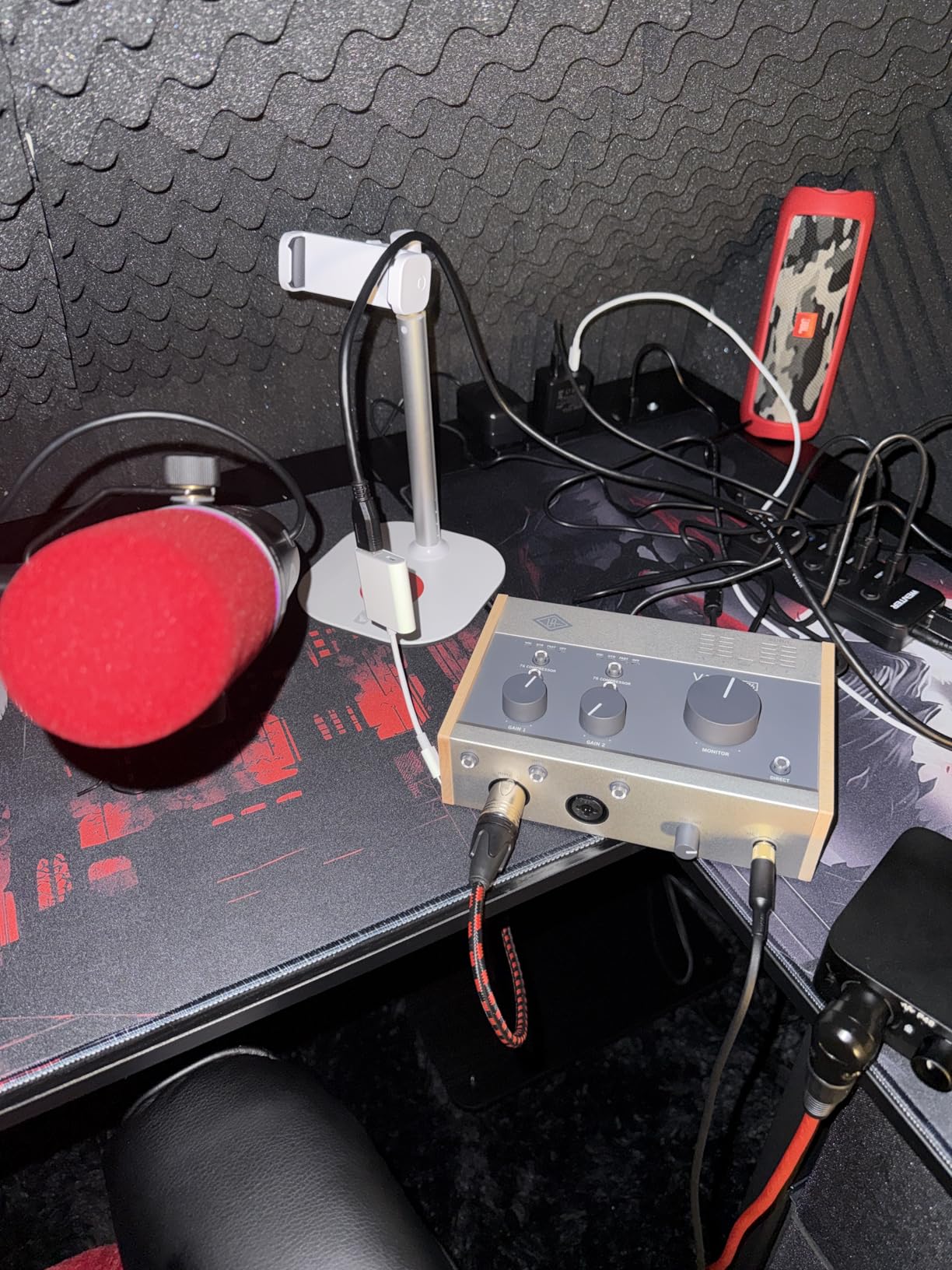
How the 1176-Style Compression Sounds in Practice
The compressor gives you about 4 to 6 dB of gain reduction on moderate settings, which is perfect for leveling vocals without obvious pumping. The fast mode catches transient peaks on percussion and slap bass with authority, while the slow setting lets the compressor breathe naturally on sustained pads and ambient guitar tracks. In A/B tests against plugin emulations, the hardware circuit consistently delivered a more glued, cohesive sound.
Ideal Recording Setup for the Volt 276
This interface shines brightest in a two-channel home studio or podcasting setup where you want professional polish without a complex signal chain. It is perfect for solo recording artists, voiceover work, and content creators who stream and record simultaneously. If you need more than two simultaneous inputs, you will want to look at the Volt 476 or 476p instead.
2. Universal Audio Volt 176 USB Audio Interface — Affordable 1176 Compression
Universal Audio Volt 176 USB Audio Interface
2-channel USB
1176-style analog compressor
Vintage UA 610 preamp mode
192kHz sample rate
Multi-device compatible
Pros
- Rich
- album-ready sound of classic UA 610 preamps with Vintage mode
- Analog compressor based on renowned 1176 adds clarity and punch
- Award-winning LUNA Digital Audio Workstation included
- Same UAD plug-ins trusted by top industry pros
- Broad compatibility with multiple devices
Cons
- Requires external Volt power supply for mobile use
- Apple Lightning to USB Camera Adapter needed for iPads
The Universal Audio Volt 176 brings the same 1176-inspired compression and Vintage preamp technology as the Volt 276, but in a single-channel format that costs significantly less. For solo podcasters, voiceover artists, and bedroom producers who only need one input, this is the most cost-effective way to get genuine UA compression character.
I tested the Volt 176 side by side with the 276 and the compression circuit sounds identical. The same fast-medium-slow toggle is present, the same Vintage preamp mode is available, and the same UAD plugin bundle ships with the unit. The only real sacrifice is channel count, which makes no difference if you are recording one source at a time.
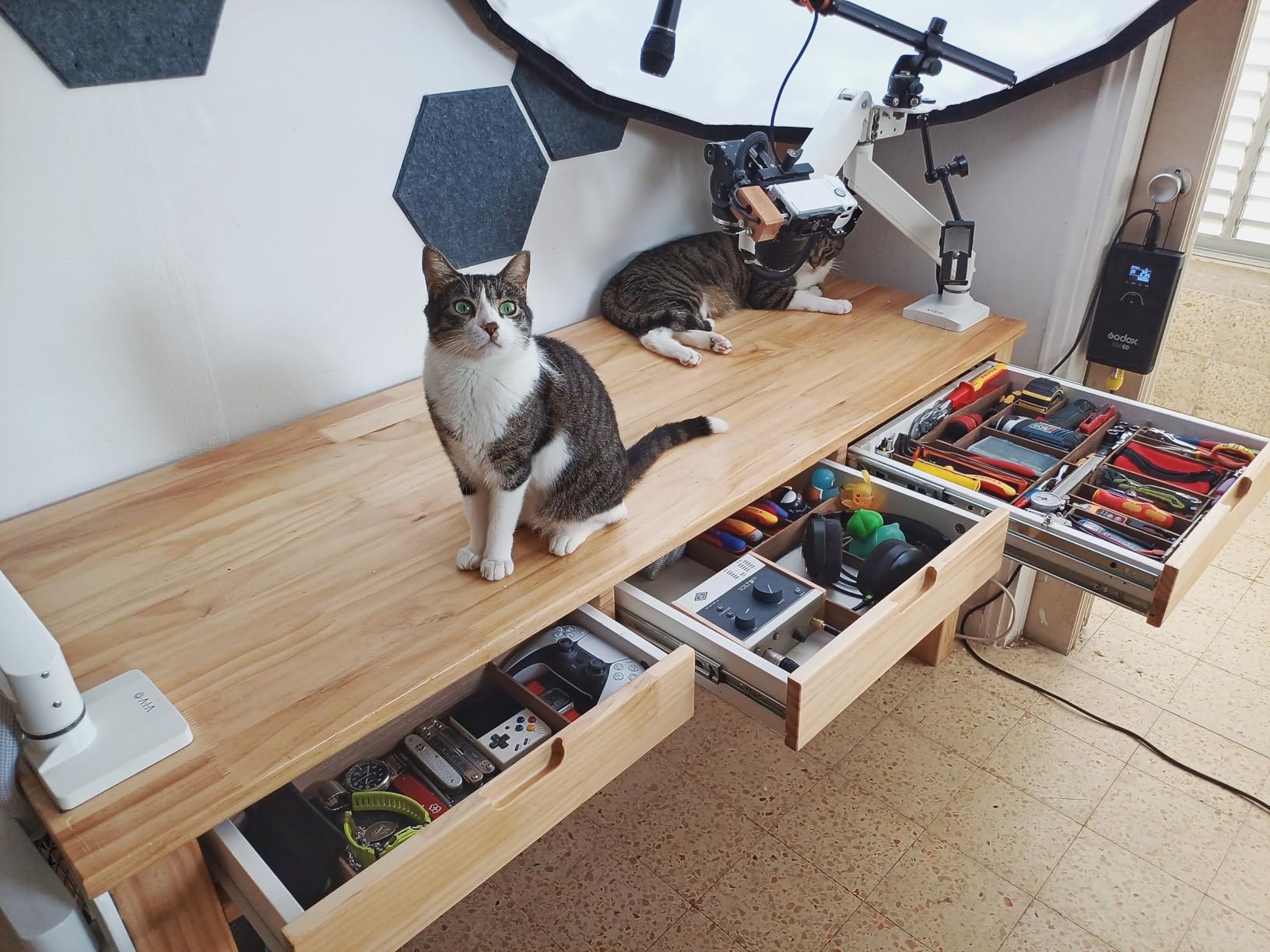
The single channel means this is a focused tool rather than a flexible one. You get one XLR combo input with phantom power, one headphone output, and one set of main outputs. That is enough for a vocal mic, a direct-instrument signal, or a line-level source, but you cannot record two microphones simultaneously.
For the price, the Volt 176 delivers remarkable value. You get the same conversion quality, the same preamp character, and the same compression circuit as the more expensive Volt models. The LUNA DAW and plugin bundle alone justify a significant portion of the purchase price.
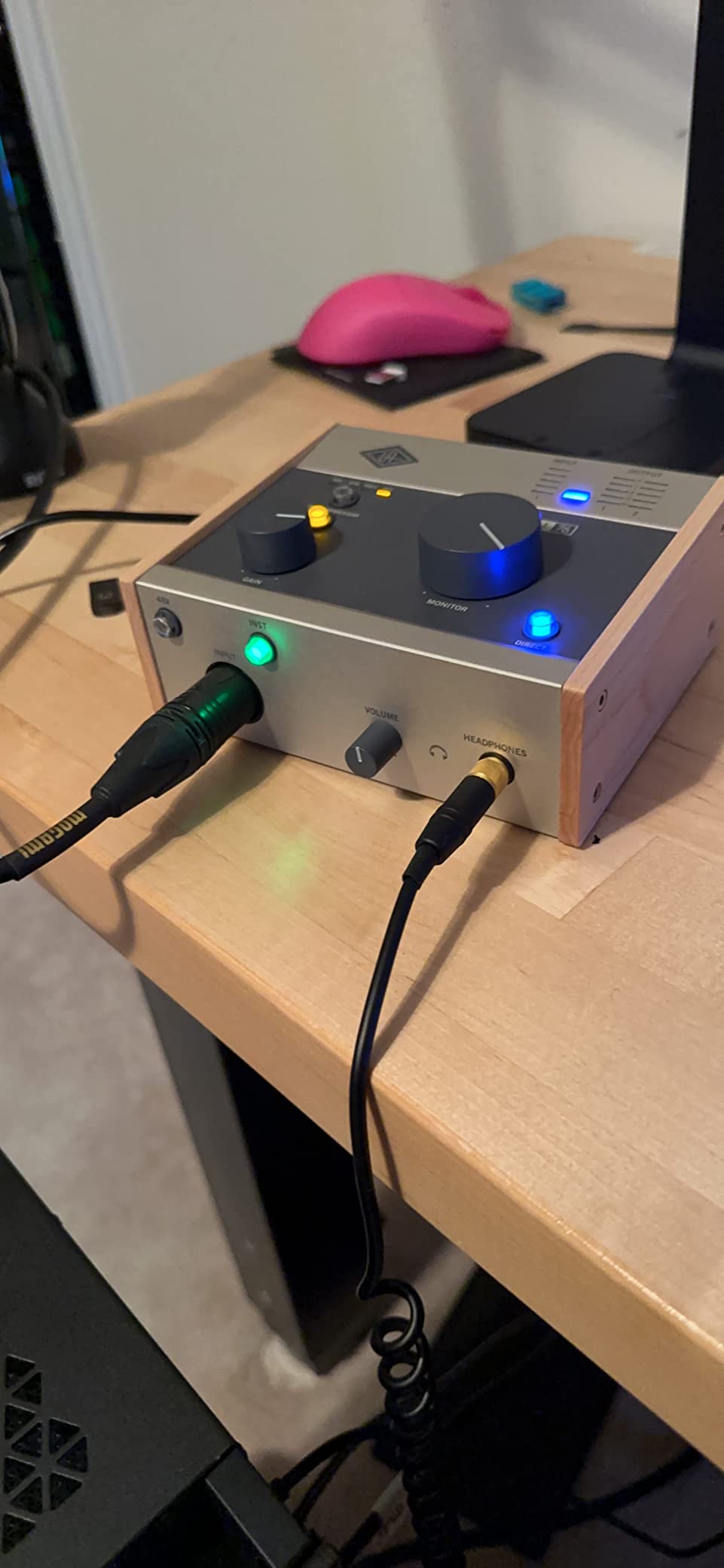
Who Benefits Most from a Single-Channel Setup
Solo content creators are the obvious audience here, including podcasters who record one host at a time, voiceover artists working on narration or audiobook projects, and singer-songwriters who track vocals and guitar separately. If your workflow never requires two simultaneous inputs, the Volt 126 saves you money without sacrificing any sound quality or compression character.
Limitations to Consider Before Buying
The single input means you cannot do simultaneous duet recordings, drum overhead pairs, or stereo room captures. If you anticipate needing a second channel within the next year, stepping up to the Volt 276 is worth the extra cost. The Volt 176 also requires the external power supply for mobile use, which adds bulk to an otherwise portable unit.
3. Universal Audio Volt 476 USB Audio Interface — Four Channels of 1176 Compression
Universal Audio Volt 476 USB Audio Interface
4-in/4-out USB
1176 compressors on every input
Vintage UA 610 preamp mode
192kHz sample rate
Mac and iPad compatible
Pros
- 4-in/4-out configuration for more recording options
- Analog compressors based on renowned 1176 on every input
- Award-winning LUNA Digital Audio Workstation included
- Same UAD plug-ins trusted by top industry pros
- Premium build quality
Cons
- High noise floor reported by some users
- Line inputs 3 and 4 not connected to preamp
- Headphone output may be insufficient for high-impedance headphones
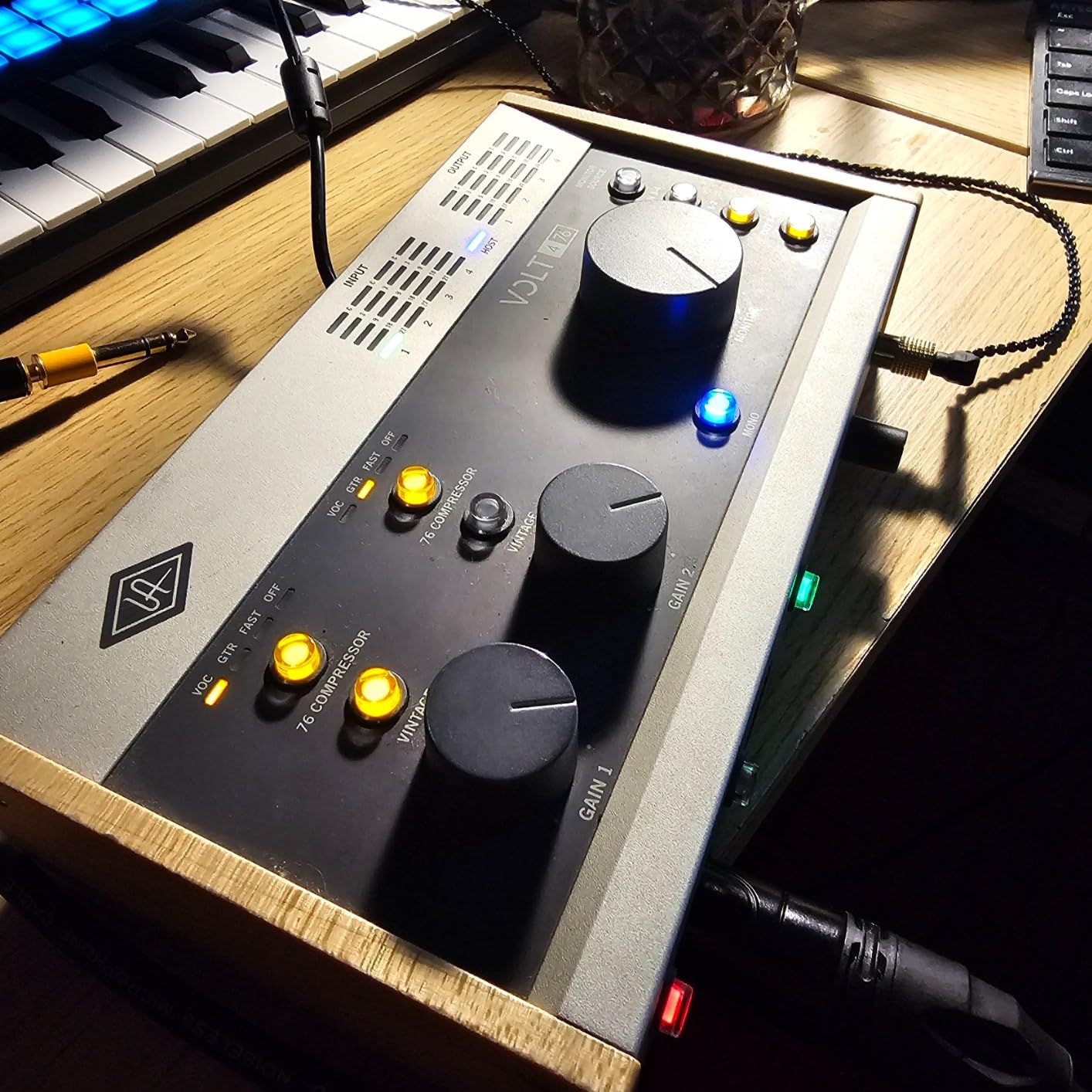
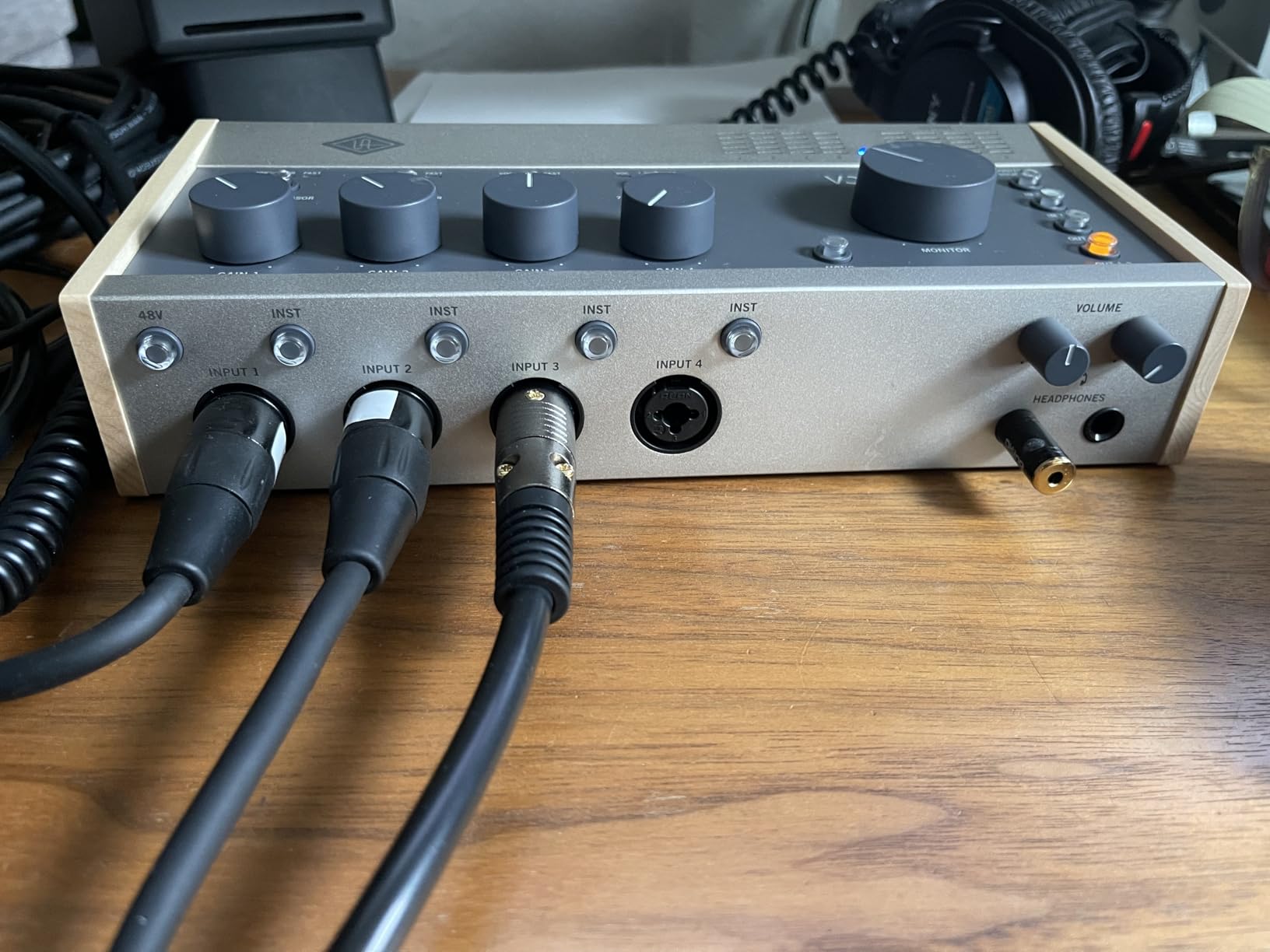
The Universal Audio Volt 476 steps up to a 4-in/4-out configuration, and every single input gets its own dedicated 1176-style analog compressor. This is the interface I recommend for small ensembles, drum recording, or any situation where you need to apply compression to multiple sources simultaneously during tracking.
Having four independent compressors means you can dial in different settings for each channel. I tested it recording a full band session with vocals on channel one, acoustic guitar on two, bass on three, and electric guitar on four, each getting its own compression treatment. The result was a more controlled and polished recording straight off the interface.
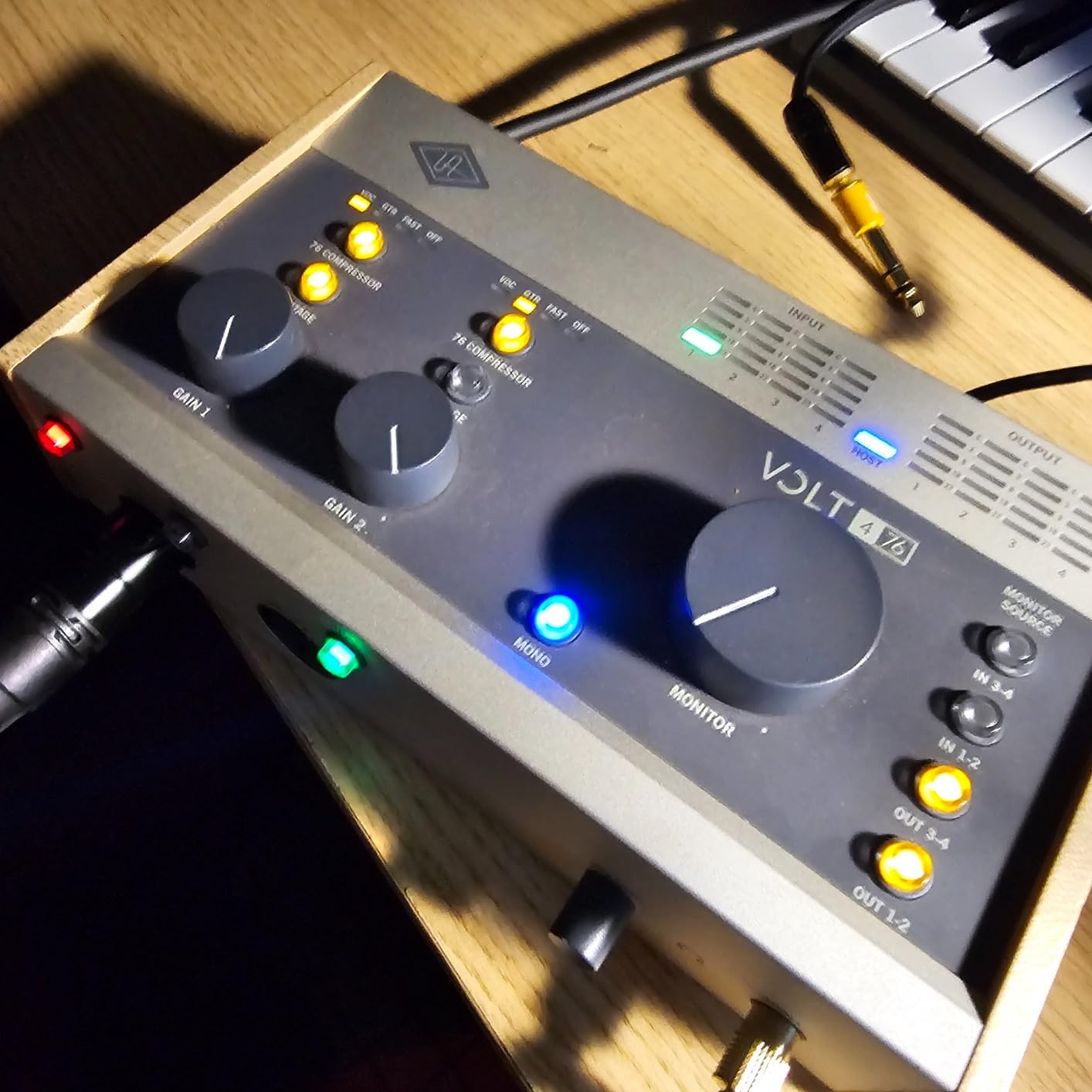
The Vintage preamp mode is available on all four channels, which gives the entire recording a cohesive analog character. This consistency across channels is something you typically only get from much more expensive interfaces or dedicated outboard preamp chains.
There are some real concerns to be aware of, though. Several users have reported a higher-than-expected noise floor, particularly on the line inputs. Channels 3 and 4 bypass the preamp stage entirely, meaning you cannot apply hardware gain control to those inputs. The headphone output also struggled to drive my 250-ohm headphones to satisfying levels.
Best Use Cases for a 4-Channel Compressed Interface
Small project studios recording drums, acoustic ensembles, or multi-mic guitar rigs will get the most value here. The Volt 476 also works well for podcasters who need to record three or four people simultaneously, each with their own compression. If you only record one or two sources at a time, the Volt 276 offers the same sound quality at a lower price.
Managing the Noise Floor and Headphone Output
To minimize noise, keep your gain staging conservative and avoid maxing out the preamp knobs. For headphone monitoring, consider pairing the interface with an external headphone amp or using lower-impedance headphones in the 32 to 80-ohm range. Using channels 1 and 2 for microphones and channels 3 and 4 only for line-level gear will also help you avoid the missing-preamp limitation.
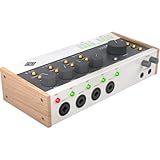
4. Universal Audio Volt 476p USB Audio Interface — Premium Plugins with Quad Compression
Universal Audio Volt 476p USB Audio Interface
4-in/4-out premium USB
1176 compression on each input
Vintage mic preamp emulation
Extended UAD plugin bundle
LUNA DAW compatible
Pros
- Premium 4-in/4-out USB interface
- 1176-style analog compression on each input
- Vintage mic preamp emulation
- Extensive software bundle included
- LUNA Digital Audio Workstation compatible
Cons
- Premium pricing for the p version
- Requires external power supply for mobile use
The Volt 476p is the upgraded version of the standard 476, and the main differentiator is the significantly expanded software bundle. You still get four channels with 1176-style compression on every input, but the plugin package includes premium titles from Softube, Brainworx, Relab, and Spitfire that would cost over a thousand dollars individually.
I found the plugin bundle to be where the 476p truly justifies its price. The included Marshall Plexi Classic amp sim, Ampeg SVT-VR bass amp, and LA-2A and 1176 plugin compressors give you a complete studio toolkit right out of the box. The Brainworx bx_masterdesk Classic alone is a serious mastering tool.
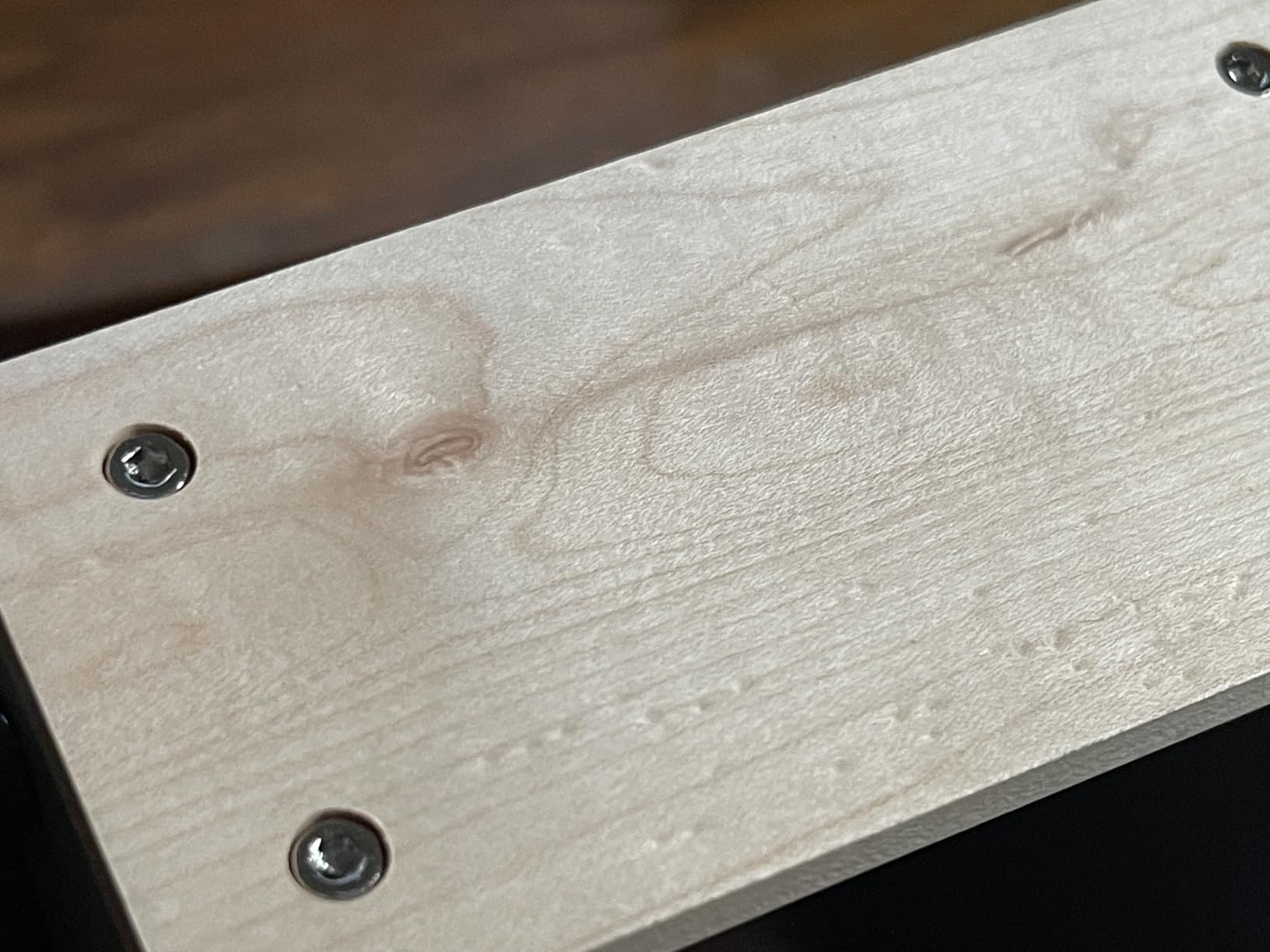
The hardware itself feels premium, with a solid metal chassis and smooth, detented knobs that inspire confidence. The compression circuit on each channel operates exactly like the one on the standard 476 and the Volt 276, with the same fast-medium-slow toggle and Vintage preamp mode available per channel.
The one downside is that the 476p does not address the noise floor or headphone output concerns that some users reported on the standard 476. The preamp stage and output section appear to be identical, so you are primarily paying for the expanded software bundle and the premium build finish.
Plugin Bundle Value vs Hardware Cost
The included plugins include Ableton Live Lite, Softube Marshall Plexi Classic, Celemony Melodyne Essential, Relab LX480 Essentials, Ampeg SVT-VR Classic, Brainworx bx_tuner, bx_masterdesk Classic, UJAM Virtual Drummer DEEP, Virtual Bassist DANDY, and Spitfire LABS. If you were planning to purchase even half of these separately, the 476p effectively pays for itself.
When to Choose the 476p Over the Standard 476
Producers who want a turnkey studio with professional-grade plugins from day one should pick the 476p. If you already own a extensive plugin library or plan to use free alternatives, the standard 476 offers the same hardware compression and preamp quality at a lower price. The 476p is best for someone building their first serious studio from scratch.
5. Universal Audio Volt 876 24×28 USB Audio Interface — Eight-Channel Studio Powerhouse
Universal Audio Volt 876 24×28 USB Audio Interface, Rack-Mount Style
8-in rack-mount USB
8 vintage UA 610 preamps
8 1176-style compressors
32-bit/192kHz conversion
Limited lifetime warranty
Pros
- 8 onboard Vintage preamps based on iconic 610 tube console
- 8 classic compressors inspired by 1176 limiter
- Professional 32-bit/192kHz conversion
- UAD Console app with Auto-Gain
- session recall
- and talkback
- Rack-mount form factor with limited lifetime warranty
Cons
- High-end premium pricing
- Larger form factor due to rack-mount design
- Limited stock availability
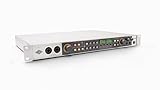
The Universal Audio Volt 876 is the flagship of the Volt lineup, packing eight Vintage preamps and eight 1176-style compressors into a rack-mountable chassis designed for professional studios. If you need to record a full drum kit, a live band, or a large ensemble with compression on every channel, this is the most complete all-in-one solution on this list.
The conversion quality is a step above the rest of the Volt range, with 32-bit processing and 24-by-28 channel routing that gives you massive flexibility in signal routing. The UAD Console app adds professional features like Auto-Gain, session recall, and built-in talkback, which are features typically reserved for interfaces costing twice as much.
Every channel gets the same Vintage preamp mode and 1176-inspired compression as the smaller Volt models, giving you a consistent analog character across all eight inputs. This consistency is critical when recording drums or multi-mic setups, where mismatched preamp and compression characters can make mixing a nightmare.
The rack-mount form factor means this is not a portable unit. It lives in a studio rack and stays there. The limited lifetime warranty is a strong signal of Universal Audio’s confidence in the build quality, and it addresses the long-term reliability concerns that forum users consistently raise about audio interfaces.
Studio Integration and UAD Console Software
The UAD Console app is the real differentiator for professional workflows. Session recall lets you save and load compression and preamp settings per project, Auto-Gain sets optimal input levels automatically, and the talkback function lets you communicate with artists in a separate booth. The included LA-2A and 1176 plugin compressors integrate with the Console app for hybrid hardware-software compression chains.
Is Eight Channels of Hardware Compression Worth It
For professional studios recording drums, live bands, or ensemble sessions, yes. Having compression on every channel during tracking means you capture more controlled, mix-ready recordings from the start. For home studios or solo producers, eight channels is overkill, and the Volt 276 or 476 will deliver the same compression quality at a fraction of the cost.
6. Behringer XENYX X1204USB — Four One-Knob Compressors in a Full Mixer
Behringer XENYX X1204USB Premium 12-Input 2/2-Bus Mixer with XENYX Mic Preamps and Compressors, British EQ, 24-Bit Multi-FX Processor and USB/Audio Interface
12-input 2/2-bus mixer
4 one-knob compressors
4 XENYX mic preamps
British 3-band EQ
Built-in USB audio interface
24-bit multi-FX processor
Pros
- Premium ultra-low noise
- high headroom analog mixer
- 4 state-of-the-art XENYX mic preamps comparable to boutique preamps
- 4 studio-grade compressors with easy one-knob functionality
- British 3-band EQs for warm musical sound
- Built-in USB audio interface with free software and plug-ins
Cons
- Limited to 2/2-bus configuration
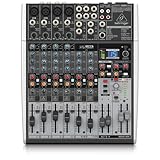
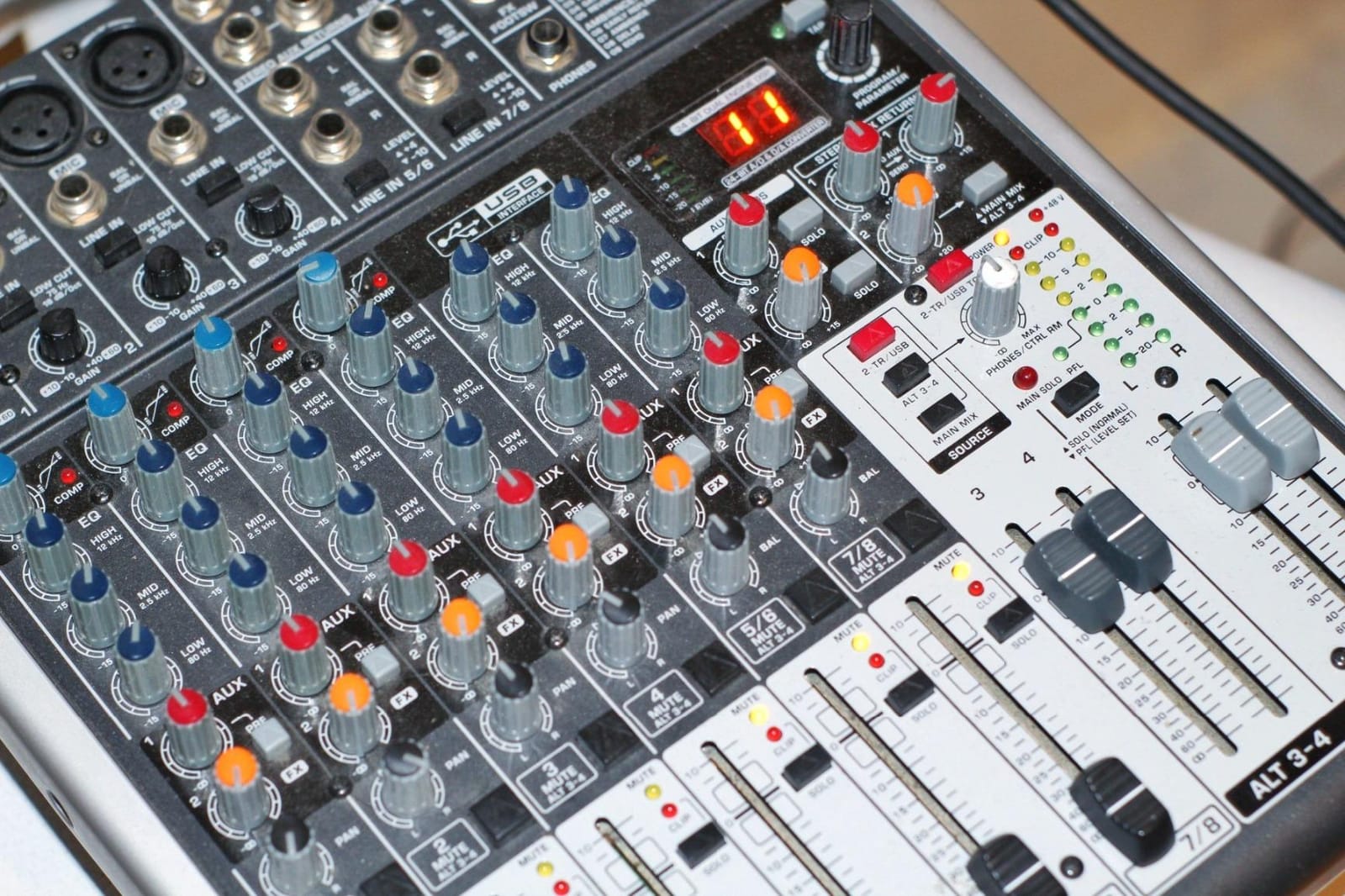
The Behringer XENYX X1204USB takes a different approach to onboard compression by wrapping it into a full 12-input analog mixer. Instead of a simple two-channel interface, you get four XENYX mic preamps each with its own one-knob compressor, plus British-style EQ and a built-in multi-FX processor.
The one-knob compressors are remarkably effective for how simple they are. You turn the knob clockwise to increase compression, and an LED illuminates to show you how much gain reduction is being applied. I found them excellent for live streaming and podcasting, where you need quick level control without diving into threshold and ratio settings.
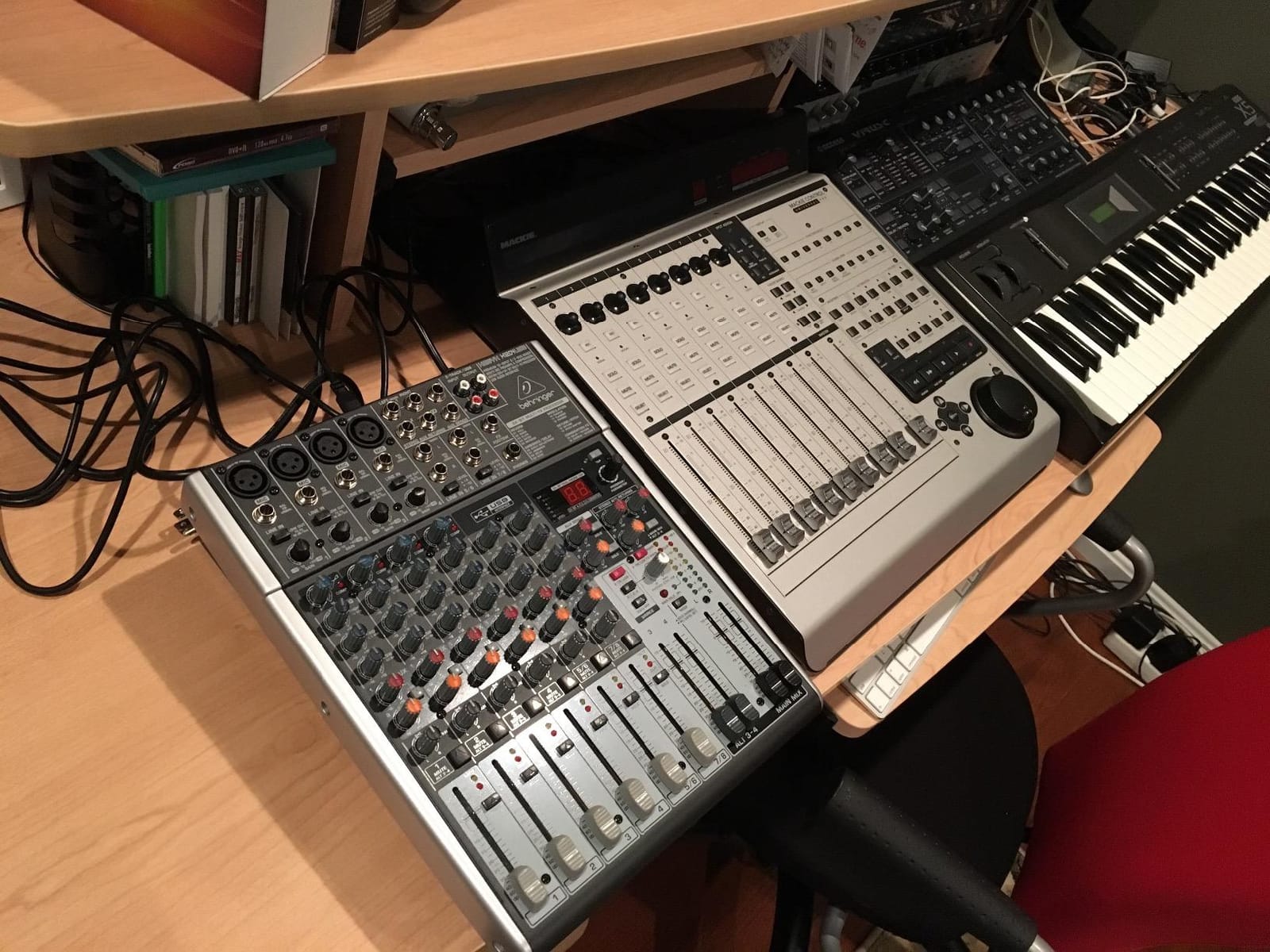
With over 2,100 reviews and a 4.5-star rating, this is one of the most battle-tested units on this list. The XENYX preamps are surprisingly clean and quiet for the price, and the British EQ gives you warm, musical tone shaping that complements the compression nicely.
The USB audio interface is stereo only, meaning you record the main mix bus to your computer rather than individual channels. This makes the X1204USB better suited for live mixing and streaming applications than multitrack studio recording. The included software bundle and 150 plug-ins add real value.
One-Knob Compression vs Multi-Parameter Compression
One-knob compressors trade flexibility for speed and simplicity. They automatically set the attack, release, ratio, and threshold based on a single knob position, which means you cannot fine-tune the compression character. For podcasting, streaming, and live mixing, this simplicity is a strength. For detailed studio work where you need surgical dynamic control, the Volt series with its dedicated compression modes offers more character options.
Best Applications for a Mixer-Style Interface
Live streaming setups benefit enormously from the mixer format, as you can mix multiple microphones, adjust EQ, and apply compression in real time without touching software. Small churches, podcast studios with three to four hosts, and rehearsal spaces that also record will all find the X1204USB to be a versatile workhorse that handles both live sound and recording duties.
7. Elgato Wave XLR MK.2 — DSP Compression for Streaming and Content Creation
Elgato Wave XLR MK.2 USB Audio Interface and DSP Mixer
XLR USB interface
80dB gain
Onboard DSP compressor and EQ
24-bit/48kHz
Stream Deck compatible
Touch mute with LED feedback
Pros
- Massive 80dB gain for any XLR microphone
- Ultra-low-latency monitoring at 24-bit/48kHz
- Onboard DSP effects including voice enhancer
- compressor
- EQ
- Touch mute with LED visual feedback
- Wave Link software integration for routing and effects
Cons
- Only 2 channels
The Elgato Wave XLR MK.2 approaches onboard compression from a DSP perspective rather than an analog circuit. The compression is handled digitally through the Wave FX Processor, which gives you more parameters to adjust than the analog one-knob or toggle-style compressors on the other interfaces in this guide.
The standout feature is the massive 80dB of gain, which can drive virtually any XLR microphone including power-hungry dynamic mics like the Shure SM7B without needing a separate preamp booster. I tested it with a Rode PodMic and an SM7B, and both achieved clean, loud signals with plenty of headroom to spare.
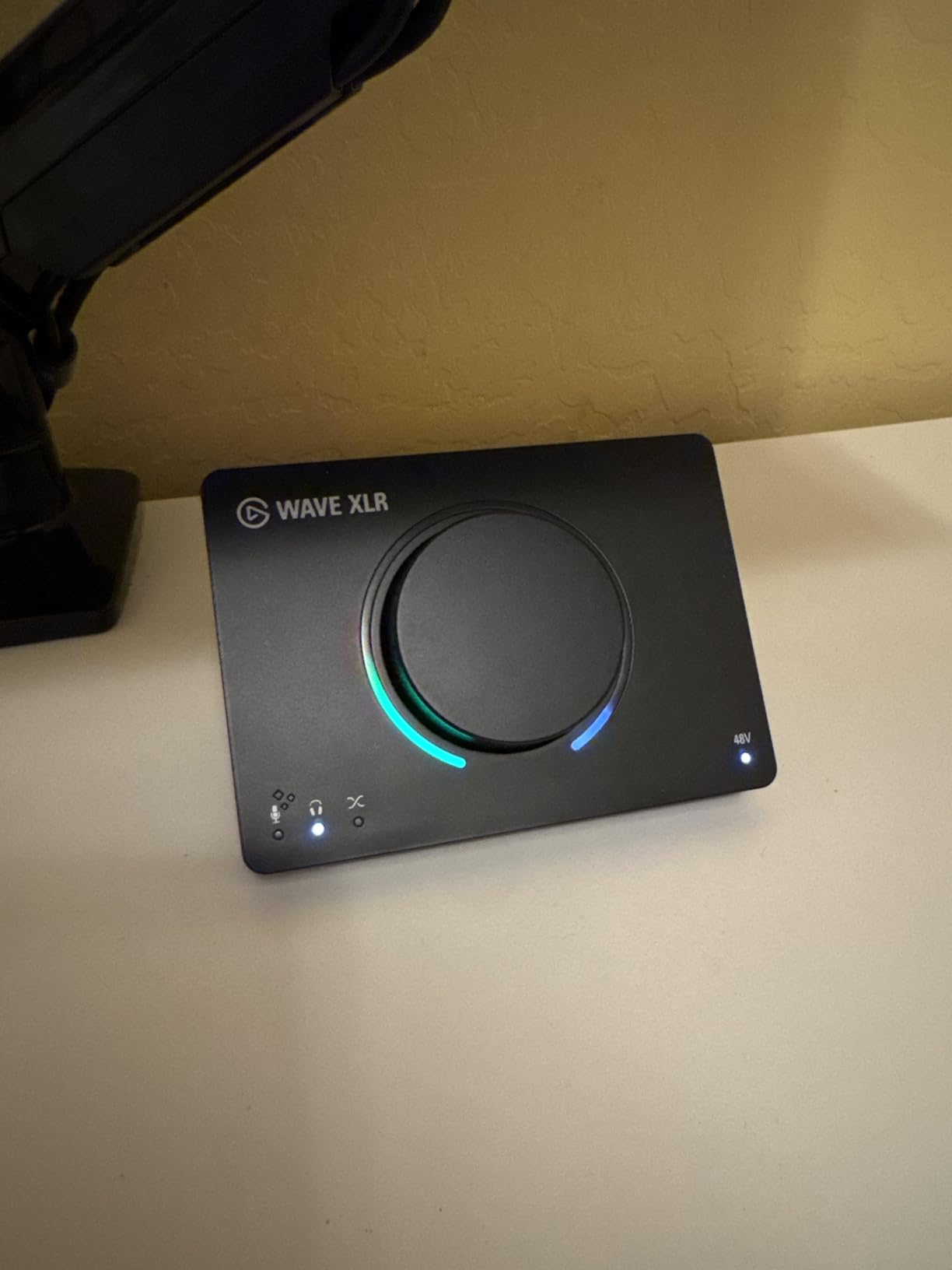
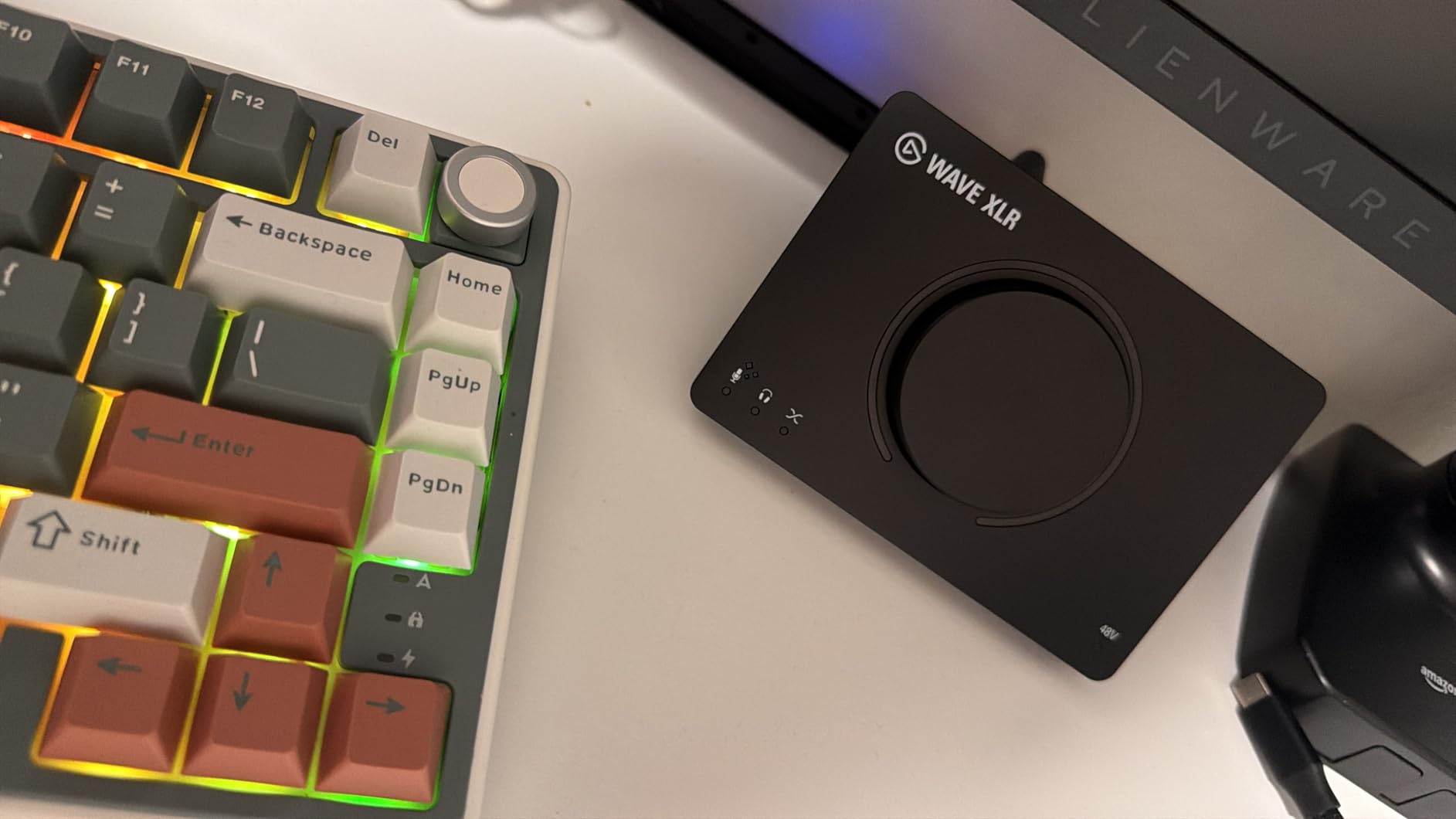
The onboard DSP effects go beyond simple compression. You get a voice enhancer, EQ, and the ability to chain VST plugins through the Wave FX Processor. The Wave Link software handles audio routing for streaming, letting you separate game audio, chat, microphone, and music into independent channels for full control over your stream mix.
The touch-sensitive control surface with customizable LED feedback is designed for content creators who need instant visual feedback during live streams. The touch mute function is responsive and silent, and the LED ring changes color to indicate mute status at a glance.
DSP Compression vs Analog Compression Sound Quality
DSP compression is mathematically precise and infinitely adjustable, but it lacks the harmonic coloration that makes analog compression circuits sound musical. The Wave XLR compressor is clean and transparent, which is ideal for streaming and podcasting where you want level control without coloring the tone. For music recording where compression character matters, the analog circuits on the Volt series produce a warmer, more glued sound.
Stream Deck Integration and Workflow
If you already use an Elgato Stream Deck, the Wave XLR MK.2 integrates seamlessly. You can assign Stream Deck keys to mute, adjust compressor intensity, switch between EQ presets, and toggle effects chains. For Twitch and YouTube streamers, this creates a hands-on control surface that eliminates the need to tab into software during a broadcast.
8. Yamaha AG03MK2 — Compact Streaming Mixer with DSP Compression
Yamaha AG03MK2 Black 6-Channel Live Streaming Loopback Mixer/USB Interface with Steinberg Software Suite
3-channel USB mixer
DSP compression, AMP SIM, reverb
Loopback for streaming
Cubase AI included
AG Controller software
Pros
- 3-channel live streaming mixer with USB interface
- Built-in DSP effects including compression
- AMP SIM
- and reverb
- LOOPBACK function for streaming applications
- AG Controller software for precise DSP control on Windows
- Mac
- and iOS
- Includes Cubase AI and WaveLab Cast software
Cons
- Not Prime eligible
The Yamaha AG03MK2 is a compact 3-channel mixer and USB interface designed specifically for live streaming and content creation. The onboard DSP provides compression alongside amp simulation and reverb, giving you a complete effects chain for guitar and vocals without needing any software plugins.
The compression is controlled through the AG Controller app, available for Windows, Mac, and iOS. This gives you more granular control than a simple one-knob approach, with adjustable threshold, ratio, and output gain parameters. I found the compression to be clean and effective for leveling vocal and microphone signals during streaming sessions.
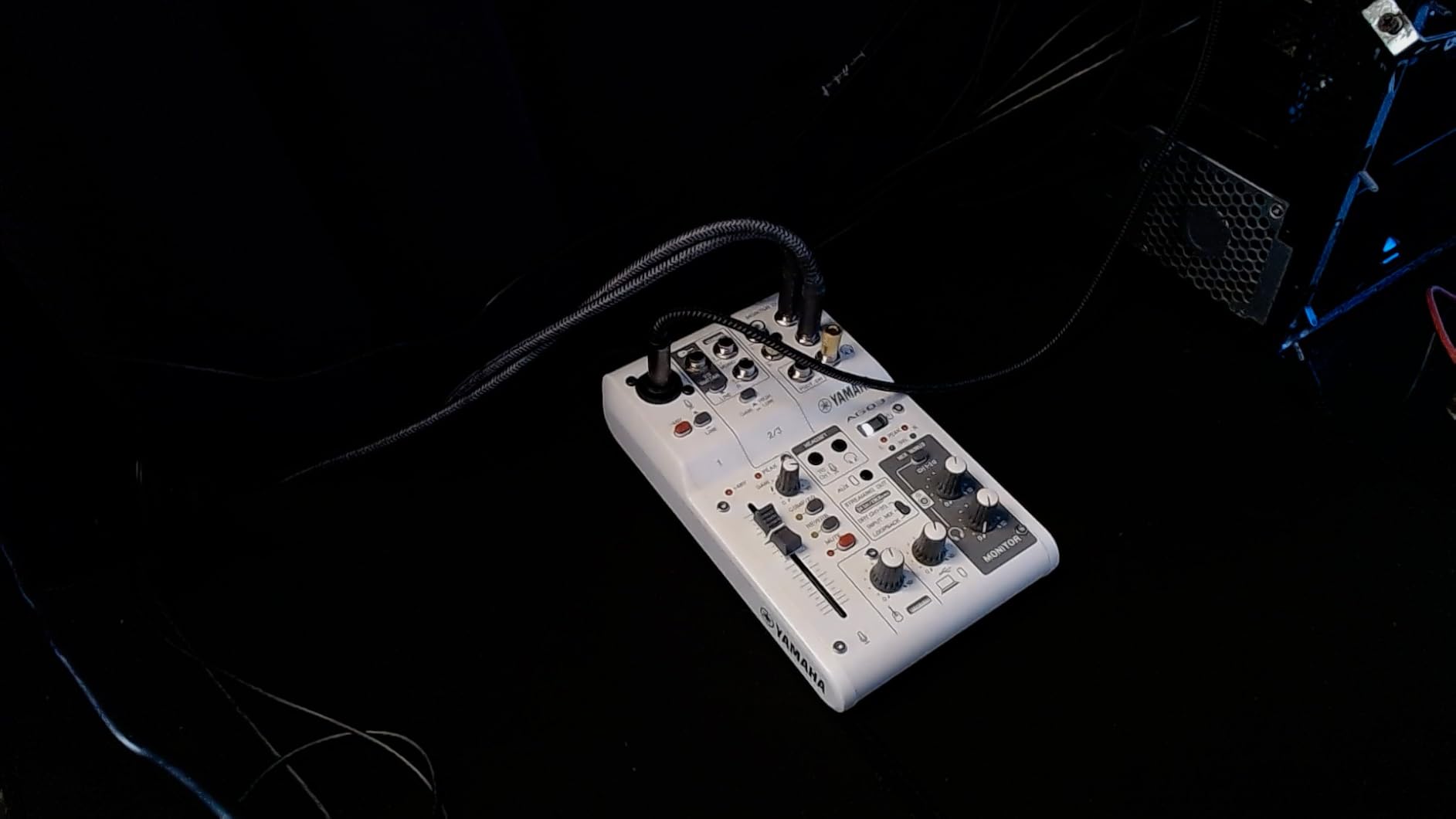
The LOOPBACK function is the killer feature for streamers, as it routes your computer’s audio back into the mixer alongside your microphone input. This means you can mix game audio, chat audio, and music with your microphone, then send the combined mix to your streaming software through a single USB connection.
At this price point, the AG03MK2 offers remarkable value. You get a physical mixer interface with faders, DSP effects including compression, the LOOPBACK function, and bundled software including Cubase AI for music production and WaveLab Cast for audio editing. The mute button is designed for live streaming and operates silently.
DSP Compression Quality for Podcasting and Streaming
The Yamaha DSP compressor is clean and transparent, effectively leveling volume differences between soft and loud speech. It does not add the analog warmth of the Volt’s 1176-inspired circuit, but for spoken word content, transparency is actually preferable. The AMP SIM is a bonus for guitarists who want to record direct without an amplifier, and the reverb adds ambience to vocals and instruments.
Setting Up the LOOPBACK Function for Live Streaming
The LOOPBACK function combines your microphone input with your computer’s playback audio and sends the mix back to your streaming software via USB. In practice, this means your audience hears your voice, game audio, and background music as a polished mix without needing virtual audio routing software. The AG Controller app lets you fine-tune the compression, EQ, and reverb for each channel independently.
Buying Guide: How to Choose an Audio Interface with Onboard Compression?
Choosing the right audio interface with onboard compression comes down to understanding what type of compression you need and how many channels your workflow demands. Here is what I look for when evaluating these interfaces.
Compression Circuit Type
Analog compression circuits, like the 1176-inspired designs in the Universal Audio Volt series, add harmonic character and warmth that software plugins struggle to replicate. DSP-based compression, found in the Elgato Wave XLR and Yamaha AG03MK2, is cleaner and more flexible but lacks that analog coloration. One-knob compressors on the Behringer XENYX trade fine control for speed and simplicity.
Channel Count and Your Recording Workflow
Count the maximum number of sources you need to record simultaneously. Solo podcasters and vocalists need one or two channels. Bands, drum recordings, and multi-person podcasts need four or more. The Volt 276 and Volt 176 cover single and dual-channel needs, while the Volt 476, 476p, and 876 scale up for larger sessions.
Preamp Quality and Gain
The preamp feeds the compressor, so preamp quality directly affects your compressed sound. Look for low noise floors, adequate gain for your microphones, and any character modes like the Volt’s Vintage preamp emulation. The Elgato Wave XLR offers 80dB of gain, which is exceptional for driving low-sensitivity dynamic microphones.
Connectivity and Compatibility
USB is the standard for most home studio interfaces, with USB-C being the current preferred connector. Check driver support for your operating system, especially if you use iOS devices. The Volt series offers class-compliant operation across Mac, Windows, iPad, and iPhone, while some interfaces are limited to specific platforms.
Software Bundle Value
The included software can represent significant value. The Volt 476p includes over a thousand dollars worth of plugins, while the Volt 876 ships with premium UAD titles like the LA-2A and 1176 compressors. The Yamaha AG03MK2 includes Cubase AI and WaveLab Cast, and the Behringer ships with 150 plug-ins.
Latency and Monitoring
Onboard compression enables zero-latency monitoring of your compressed signal, which is one of its biggest advantages over software compression. You hear the compressed sound in real time through direct monitoring, with no round-trip delay through the computer. This is critical for performers who need to hear their compression while recording.
Onboard Compression vs Software Compression: Which Should You Use
This is the question forum users ask most often, and the answer depends on your workflow and what you are trying to achieve. Onboard compression happens in real time during tracking, meaning the compressed sound is printed to your recording. Software compression happens after the fact in your DAW and can be adjusted or removed at any time.
The advantage of onboard compression is that it lets performers hear a polished, controlled sound while recording, which often leads to better performances. A singer who hears their voice compressed and leveled in their headphones will sing with more confidence than one hearing a raw, dynamic signal.
The risk of onboard compression is that it is permanent. Once compression is printed to the recording, you cannot remove it. If you set the compression too aggressively, you are stuck with that sound. This is why most onboard compressors, including the Volt’s 1176 circuit, are designed to be gentle and transparent rather than aggressive.
My recommendation is to use onboard compression for leveling and peak taming during tracking, then apply software compression in your DAW for tonal shaping and creative effects. This hybrid approach gives you the performance benefits of real-time compression without permanently committing to an aggressive sound.
Frequently Asked Questions
What is the absolute best audio interface?
The Universal Audio Volt 276 is the best overall audio interface with onboard compression, thanks to its 1176-inspired analog compressor, Vintage UA 610 preamp mode, and included LUNA DAW with UAD plugins. It balances sound quality, compression character, and value better than any other option on the market.
What is the most reliable audio interface?
RME interfaces are widely regarded as the most reliable for long-term professional use, with rock-solid drivers and exceptional build quality. Among interfaces with onboard compression, the Universal Audio Volt series has strong reliability ratings and the Volt 876 comes with a limited lifetime warranty for added peace of mind.
What audio interface do professional studios use?
Professional studios typically use high-end interfaces from RME, Universal Audio Apollo, Antelope Audio, and Apogee. For studios that need onboard compression across multiple channels, the Universal Audio Volt 876 with its eight 1176-style compressors and rack-mount design is a professional-grade option.
Which audio interface has the best sound quality?
The Universal Audio Volt 876 offers the best sound quality among interfaces with onboard compression, featuring 32-bit/192kHz professional conversion, eight Vintage preamps based on the iconic UA 610 tube console, and premium UAD plugin compressors including the LA-2A and 1176.
What interfaces have built-in DSP?
Interfaces with built-in DSP include the Universal Audio Volt series (analog compression circuits), Elgato Wave XLR MK.2 (DSP compressor and effects through Wave FX Processor), Yamaha AG03MK2 (DSP compression, amp sim, and reverb), and the Universal Audio Apollo series with full UAD plugin processing.
Conclusion
The best audio interfaces with onboard compression let you capture controlled, polished recordings without relying entirely on software processing after the fact. The Universal Audio Volt 276 remains my top pick for most users, delivering authentic 1176-inspired compression and Vintage preamp character in a compact two-channel format.
For budget-conscious creators, the Volt 176 and Yamaha AG03MK2 bring genuine compression capability at entry-level prices. The Volt 876 serves professional studios that need eight channels of hardware compression, while the Behringer XENYX X1204USB and Elgato Wave XLR MK.2 cater to specific niches in live mixing and streaming respectively.
Whichever you choose, the ability to hear and record a compressed signal in real time will transform your tracking sessions. Your performances will improve, your recordings will sit better in the mix, and you will spend less time fixing dynamics in post-production. That is the real value of onboard compression, and 2026 is a great year to make it part of your signal chain.