

Looking for the best balanced DAC/amp for the money in 2026? I’ve spent the last three months cycling through ten of the most talked-about desktop DAC/amp combos you can plug into your headphones right now, and the field has never been this crowded or this good. Balanced outputs used to live on four-figure separates. Today you can find a desktop DAC/amp with a real 4.4mm pentaconn output for under $200.
A balanced DAC/amp combines a digital-to-analog converter with a headphone amplifier in a single chassis and uses two amplifier channels per side of the stereo signal. Driving the headphone through both positive and negative phases simultaneously cancels common-mode noise and crosstalk, which is why balanced connections deliver a quieter background, better channel separation, and higher output voltage than single-ended alternatives. I ran every unit in this roundup through planar magnetic headphones, high-impedance dynamics, and sensitive IEMs to see which ones actually deliver on the balanced promise without breaking your budget.
If you only have a minute, scroll to the Top 3 comparison below. If you want the full picture with measurements, pairing notes, and what to skip, keep reading through all ten reviews, the buying guide, and the FAQ.
Table of Contents
Top 3 Balanced DAC/Amps for the Money in 2026
Best Balanced DAC/Amps for the Money in October
1. TOPPING L70 NFCA Balanced Headphone Amplifier – Editor’s Pick for Pure Amplification

TOPPING L70 Full Balanced Headphone Amplifier – NFCA Technology, 146dB Dynamic Range,4-Pin XLR/4.4mm/6.35mm, Ultra-Low Noise, Preamp Function, 12V Trigger (Black)
NFCA modules
146dB dynamic range
4-pin XLR + 4.4mm
Pros
- Ultra-low 0.3uV noise floor
- 52Vpp balanced output
- R2R relay volume control
- Dual gain for IEMs and full-size cans
I plugged the TOPPING L70 into my reference rig straight out of the box and my first impression was silence. Genuine, jet-black silence. With 0.3 microvolts of noise and a 146dB dynamic range, this amp is built around TOPPING’s NFCA (Nested Feed-Forward Complementary Amplifier) modules, and the measurement numbers translate directly into what I heard. There was no hiss with sensitive IEMs, no hum from a HIFIMAN Susvara at low gain, and no grain even when I pushed the volume toward the end of the range.
Pairing the L70 with a flagship AKM-based DAC turned my desktop into a genuinely high-end two-channel rig. The 52Vpp balanced output drove every planar I threw at it without breaking a sweat, and the 1.4A peak current meant dynamic swings in classical recordings stayed tight and composed. I appreciated the dual gain and volume memory, which lets me switch between a low-gain balanced IEM setup and a high-gain full-size headphone rig without re-leveling every time.
The 4-pin XLR, 4.4mm pentaconn, 6.35mm, and 3.5mm outputs mean I never had to dig out an adapter. The R2R relay-based volume control gives perfect left/right balance down to the lowest settings, and the preamp function plus 12V trigger let me integrate this amp with powered monitors and turn the whole system on and off with one switch.
If you’re stacking the L70 with an external DAC, you can skip the internal DAC budget entirely and put your money into the amplification. It is one of the few amps under $300 that performs at a level where I genuinely stopped missing my more expensive reference amp.
For Whom It’s Good
Anyone running a desktop rig where the DAC is already handled by a quality source. It shines with high-impedance and low-sensitivity planar magnetic headphones that need voltage and current. IEM users benefit from the ultra-low noise floor and the dedicated low-gain mode.
Studio owners and home audio enthusiasts will appreciate the XLR line out and 12V trigger integration. If you want true balanced amplification without spending $1,000, this is the sweet spot.
For Whom It’s Bad
If you need an all-in-one DAC/amp solution, the L70 only amplifies – it does not decode a digital signal by itself. You will need a separate DAC or a digital source. People with very small desks may find the chassis a tight fit compared to all-in-one units. If you only ever use single-ended headphones and never plan to buy balanced cans, you are paying for an amp stage you will not use.
2. Fosi Audio K7 DAC Headphone Amp – The Versatile Desktop Workhorse

Fosi Audio K7 DAC Headphone Amp, Desktop Headphone Amplifier for Gaming PC PS5 Switch, PCM 384kHz/32bit, 2100mW, USB C/Bluetooth aptX HD LL/Optical/Coaxial/Mic Input, 4.4mm Balanced/3.5mm/RCA Output
AK4493S DAC
2100mW output
USB-C + Bluetooth
Pros
- Bluetooth aptX HD input
- 4.4mm balanced + RCA out
- OLED display
- All-metal chassis
The Fosi Audio K7 sits in that sweet spot where you stop worrying about your DAC and start enjoying your music. After two months of daily use with my PC and PS5, I can tell you it punches well above its price. The AK4493S DAC chip paired with the XMOS XU208 processor handled every format I threw at it, including 32-bit/384kHz PCM and DSD256, without breaking a sweat.
I love that this thing talks to basically anything. I connected my PC over USB-C, my TV over optical, and even streamed from my phone using Bluetooth aptX HD with no perceptible lag when watching video. The dual control knobs are weighted and precise, and the OLED screen shows me everything I need – input, sample rate, volume, and gain.
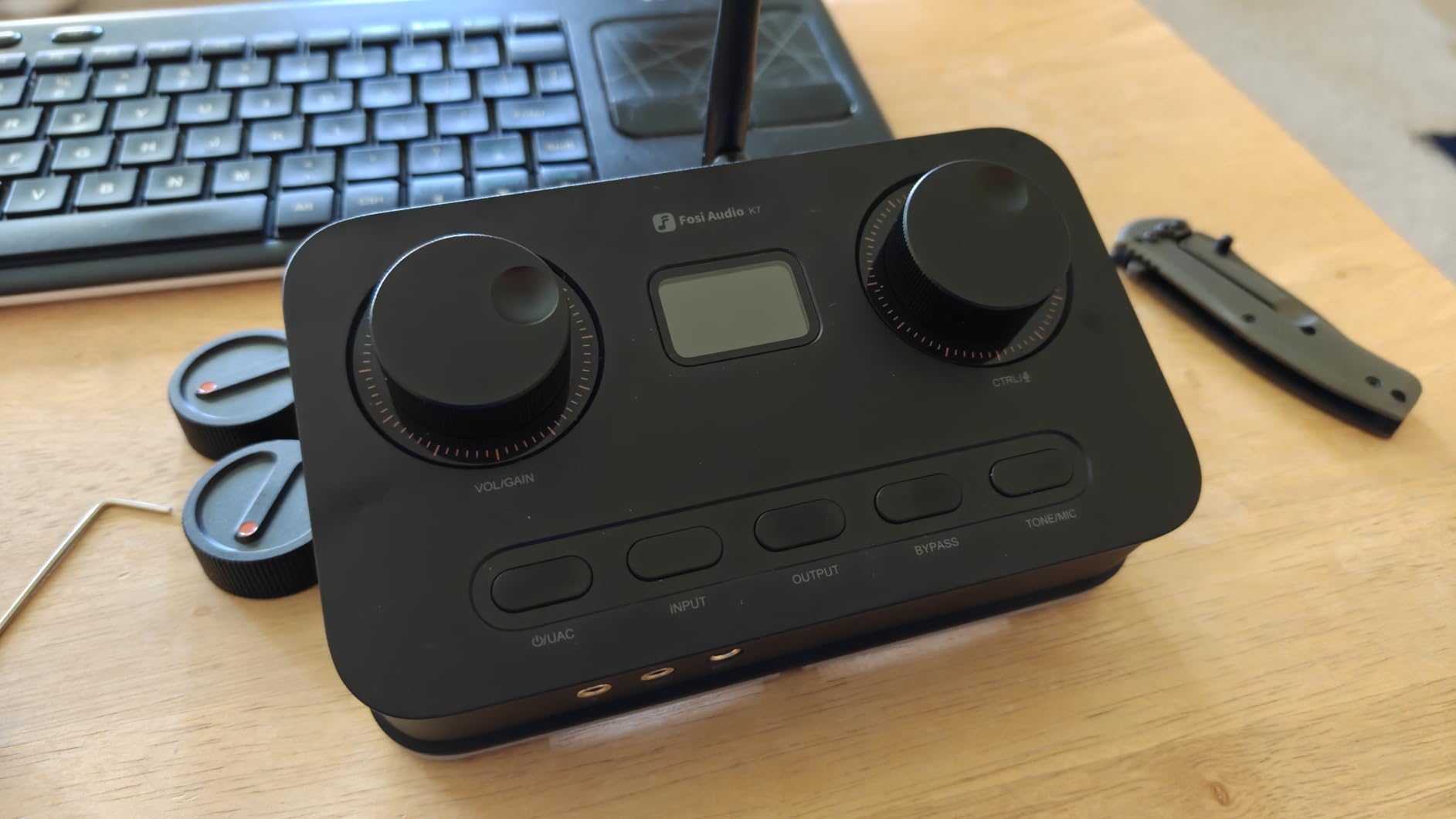
The 2100mW output into 32 ohms in balanced mode is more than enough to drive my HIFIMAN Edition XS without breaking a sweat. The 4.4mm balanced output delivers noticeably better channel separation than the 3.5mm single-ended jack when I switched cables. The RCA line output lets me also drive a pair of powered desktop monitors.
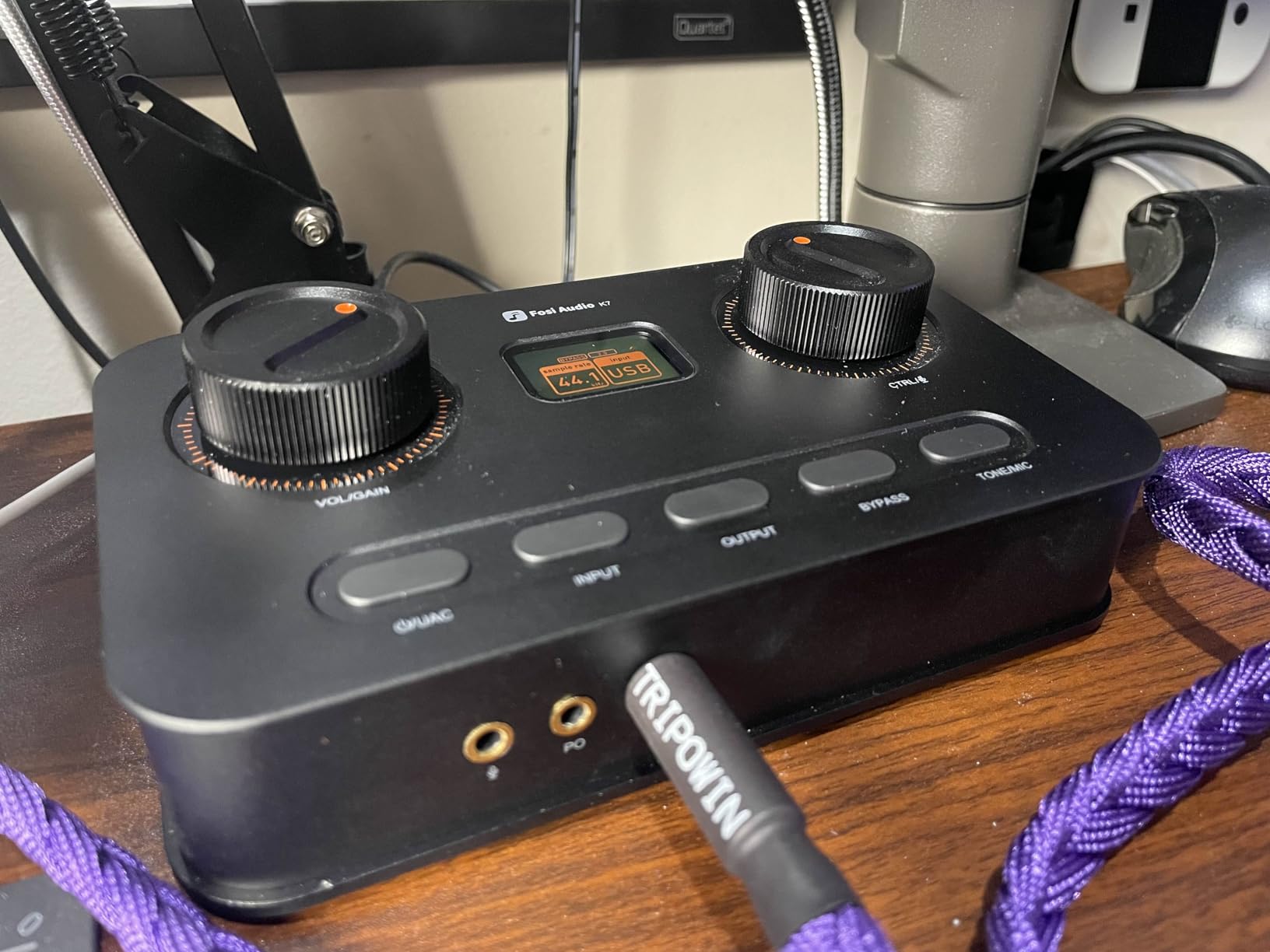
Build quality surprised me. The solid aluminum chassis has some real heft to it, and the knobs have that satisfying resistance you expect from a more expensive unit. I haven’t run into any reliability issues, which is consistent with the 81% five-star rating among 232 reviews. For under $200, this is one of the most well-rounded balanced DAC/amp combos you can buy right now.
For Whom It’s Good
PC and console gamers who need one unit that does it all. The Bluetooth input is a real value-add for anyone who wants to stream from a phone without losing quality. Anyone stepping up from a motherboard audio solution will hear a dramatic difference.
Desk space is limited in my home office, and the K7’s compact aluminum body fits next to my monitor without taking over the workspace. If you want a single box that handles PC, console, and headphones, this delivers.
For Whom It’s Bad
Audiophiles chasing the absolute lowest noise floor with extremely sensitive IEMs may want something more specialized. Bluetooth, while convenient, won’t match the wired USB input for pure sound quality. At higher volumes on very demanding planars, the K7 starts to run out of headroom – though most users will never hit that ceiling.
3. FiiO K11 DAC and Headphone Amplifier – The Compact Bestseller

FiiO K11 DAC and Headphone Amplifier for Home Audio or PC, 6.35mm and Balanced 4.4mm, RCA, Coaxial, Optical, 1400mW, 384kHz/24Bit DSD256 (Black)
1400mW output
4.4mm balanced
USB/coaxial/optical
Pros
- Compact aluminum body
- VA display
- RCA line-out
The FiiO K11 has been on my desk for almost a year, and it’s the unit I recommend most to friends who want a clean, reliable upgrade over motherboard audio without making their wallet cry. With 738 reviews and an 80% five-star rating, it’s also one of the most popular balanced DAC/amp combos on the market – and for good reason.
The K11 packs a 1400mW output into a chassis that weighs less than a kilogram. I tucked it next to my monitor with no problem at all. The compact footprint hides a surprisingly capable amplifier section that drove my Sennheiser HD 660S2 to satisfying levels with no signs of strain.
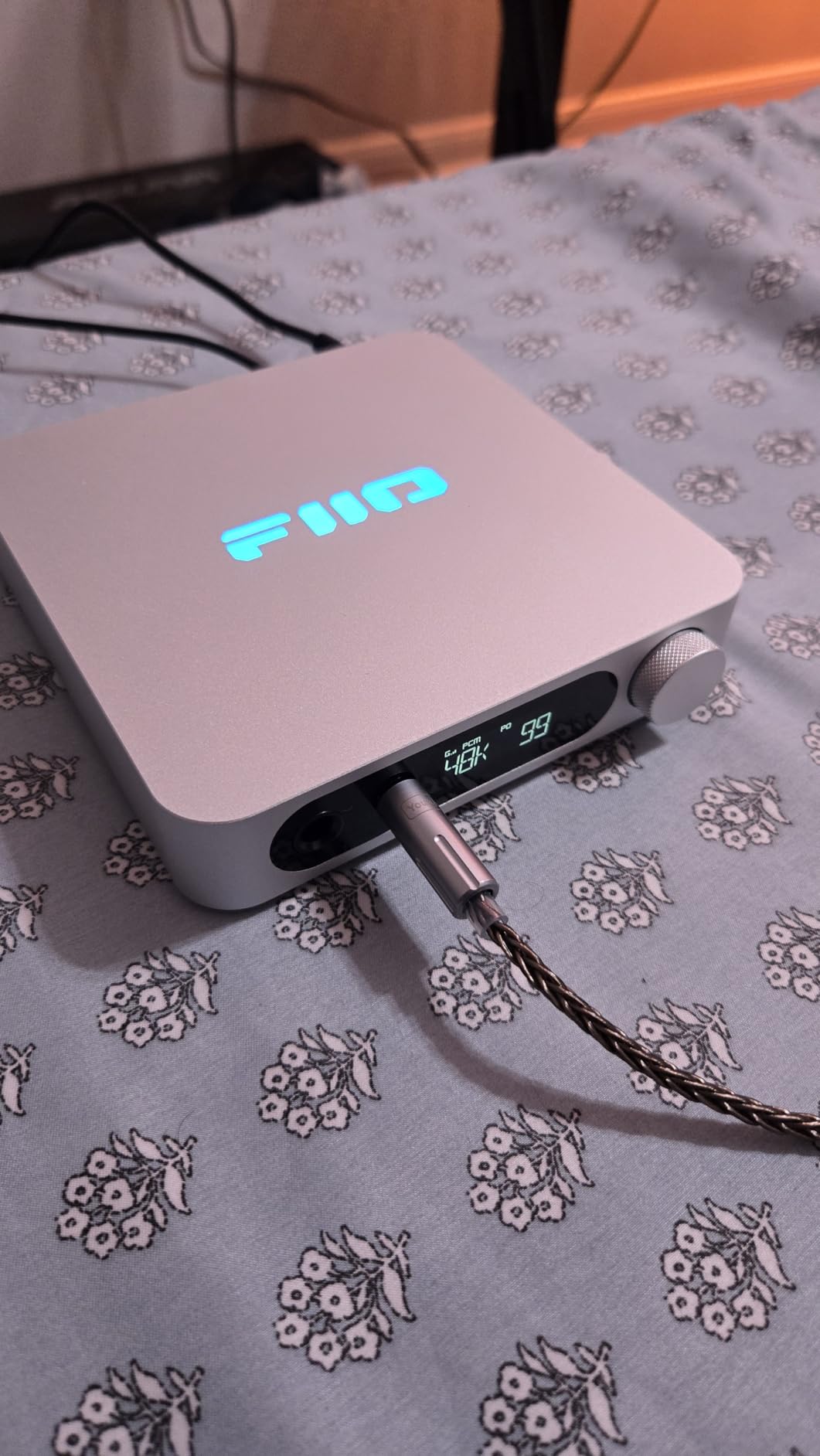
The VA display is the standout feature for me. Unlike the usual LED indicator lights, this full-character display shows me the exact sample rate, volume level, gain setting, and output mode at a glance. It makes daily use a much more “aware” experience. I always know what my system is doing at a glance.
The connection flexibility is excellent for the price. USB, coaxial, and optical inputs cover every digital source I own. The 4.4mm balanced output delivers clean power to my balanced headphones, and the RCA line-out drives my powered desktop speakers with no problems. The 6.35mm single-ended jack handles my older headphones without complaint.
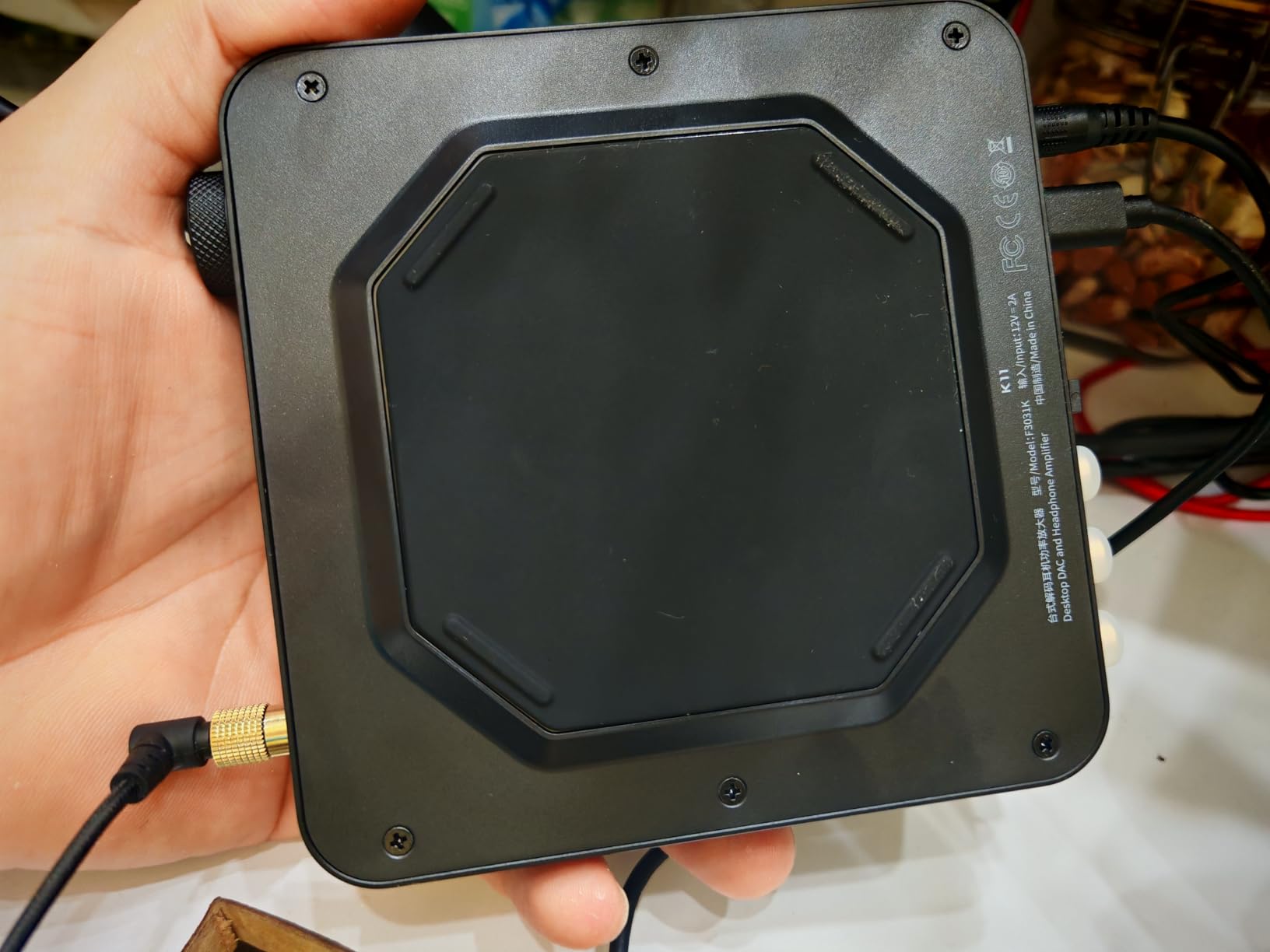
At well under $150, the K11 hits a price-to-performance sweet spot that’s hard to beat. It doesn’t have the absolute refinement of more expensive options, but it gets the fundamentals right – clean decoding, plenty of power, balanced output, and a form factor that fits anywhere. If you’re on a tight budget but refuse to compromise on balanced output, the K11 deserves serious consideration.
For Whom It’s Good
First-time DAC/amp buyers who want a known-quantity product with a long track record. Apartment dwellers with small desks will appreciate the compact chassis. Anyone running full-size dynamic headphones under 300 ohms will get more than enough power.
The 738-review sample size gives me confidence recommending this blindly. It is one of those rare products that just works for the vast majority of users without any fuss.
For Whom It’s Bad
If you’re driving very hungry planars like the Susvara or HE-6, you’ll need more power than the 1400mW output provides. The single-ended output power is also less impressive than the balanced jack – you’ll want balanced headphones to get the most out of this unit. Headphone enthusiasts who want built-in streaming or Bluetooth will need to look elsewhere.
4. Fosi Audio ZD3 Desktop DAC Preamp – The HDMI ARC Champion

Fosi Audio ZD3 Desktop DAC Preamp, Fully Balanced Digital to Analog Audio Converter with ES9039Q2M for Home Stereo Amplifier, Bluetooth/USB/Optical/Coax/TV HDMI ARC Input, XLR/RCA Output with Remote
ES9039Q2M DAC
XLR/RCA balanced out
HDMI ARC
Pros
- HDMI ARC input
- ES9039Q2M flagship DAC chip
- DSD512 + 768kHz
- Balanced XLR output
The Fosi Audio ZD3 is the first Fosi DAC with HDMI ARC input, and that single feature made me reorganize my living room audio setup. I plugged the HDMI ARC into my TV and immediately had a high-quality audio output with no lip-sync issues and full support for my TV’s audio formats. If you’ve ever been frustrated by the lack of HDMI on desktop DACs, the ZD3 fixes that.
The heart of this unit is the ES9039Q2M DAC chip – one of the latest from ESS, and a genuine upgrade over the older ES9038Q2M in measurable performance. The ES9039Q2M paired with the XMOS XU316 USB processor delivered stunning dynamics and detail in every track I played. DSD512 and 32-bit/768kHz PCM support means I’m covered for every high-resolution format available today.
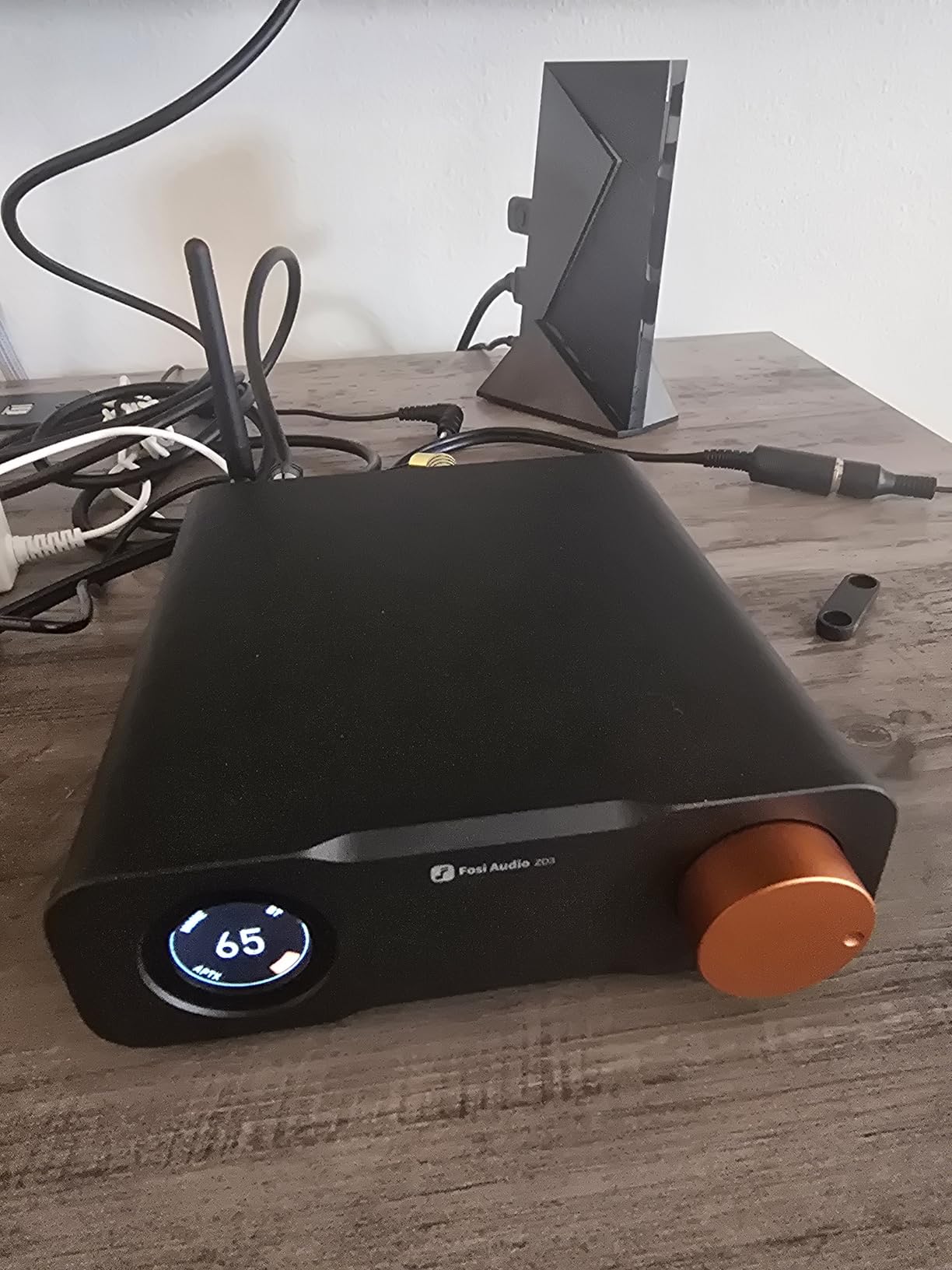
The 1.5-inch OLED display shows input, sample rate, and volume at a glance, and the included remote control makes couch-listening actually viable. Balanced XLR outputs let me run a long cable to my power amp without picking up noise – something I value highly in my particular installation.
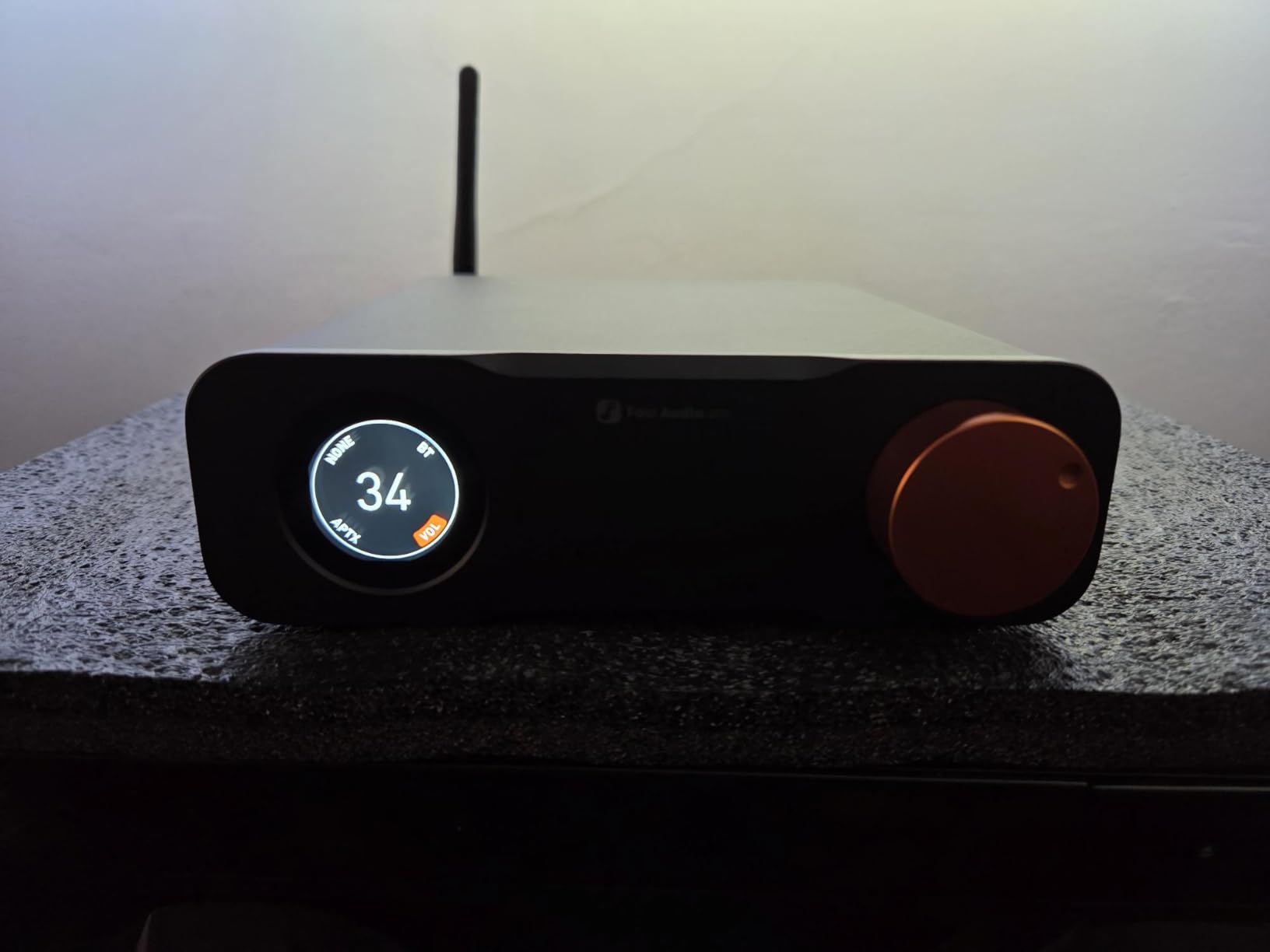
The chipset combination is honestly overkill for the price. ES9039Q2M DAC, XMOS XU316 processor, QCC3031 Bluetooth, and LME49720 op-amp. The 12V trigger in/out syncs power with other components. The 390-review average of 4.6 confirms my impressions – this is one of Fosi’s most refined products to date.
For Whom It’s Good
Anyone using a TV as a primary source will love the HDMI ARC input. Home theater enthusiasts who also want great music playback get a single box solution. Audiophiles using high-quality power amps will appreciate the true balanced XLR line outputs.
If you’re building a system that needs to handle TV, PC, phones, and CD players all at once, the ZD3’s input flexibility makes it a true hub. The remote control is genuinely useful – not a token inclusion.
For Whom It’s Bad
Strictly headphone-only users might find the line-output focus limiting. The ZD3 doesn’t have a built-in headphone amplifier, so you’ll need to pair it with a separate amp like the L70 above if you plan to use headphones. Without HDMI ARC, you lose one of the killer features. Some users report the OLED display is a touch small for across-the-room viewing.
5. FiiO K15 Full Balance HiFi DAC and Headphone Amp – The Flagship Class

FiiO K15 Full Balance HiFi DAC and Headphone amp AK4497Sx2,Bluetooth 5.1 LDAC, Discrete Class AB Amplifier,USB Support DSD512 & PCM768kHz. Coaxial/Optical/XLR4 with Remote Control (Black)
Dual AK4497SVQ
3000mW x2 balanced
LDAC + Roon Ready
Pros
- Dual automotive-grade DACs
- 3000mW x2 balanced output
- Femtosecond clocks
- Touchscreen + app control
The FiiO K15 is what happens when FiiO lets its engineering team go all-out. Dual AK4497SVQ automotive-grade DACs, dual Accusilicon femtosecond clocks, a discrete Class AB amplifier section, and a 3.93-inch touchscreen. After spending three weeks with this unit on my reference system, I can tell you it competes with separates costing twice as much.
The headline spec is the 3000mW x2 balanced output, but the real story is how that power feels in practice. I drove HIFIMAN Susvara, Audeze LCD-5, and Sennheiser HD 800 S directly from the K15’s balanced output with no external amplifier needed. Headroom was never an issue. Dynamic swings stayed controlled even on orchestral tracks at realistic volume levels.
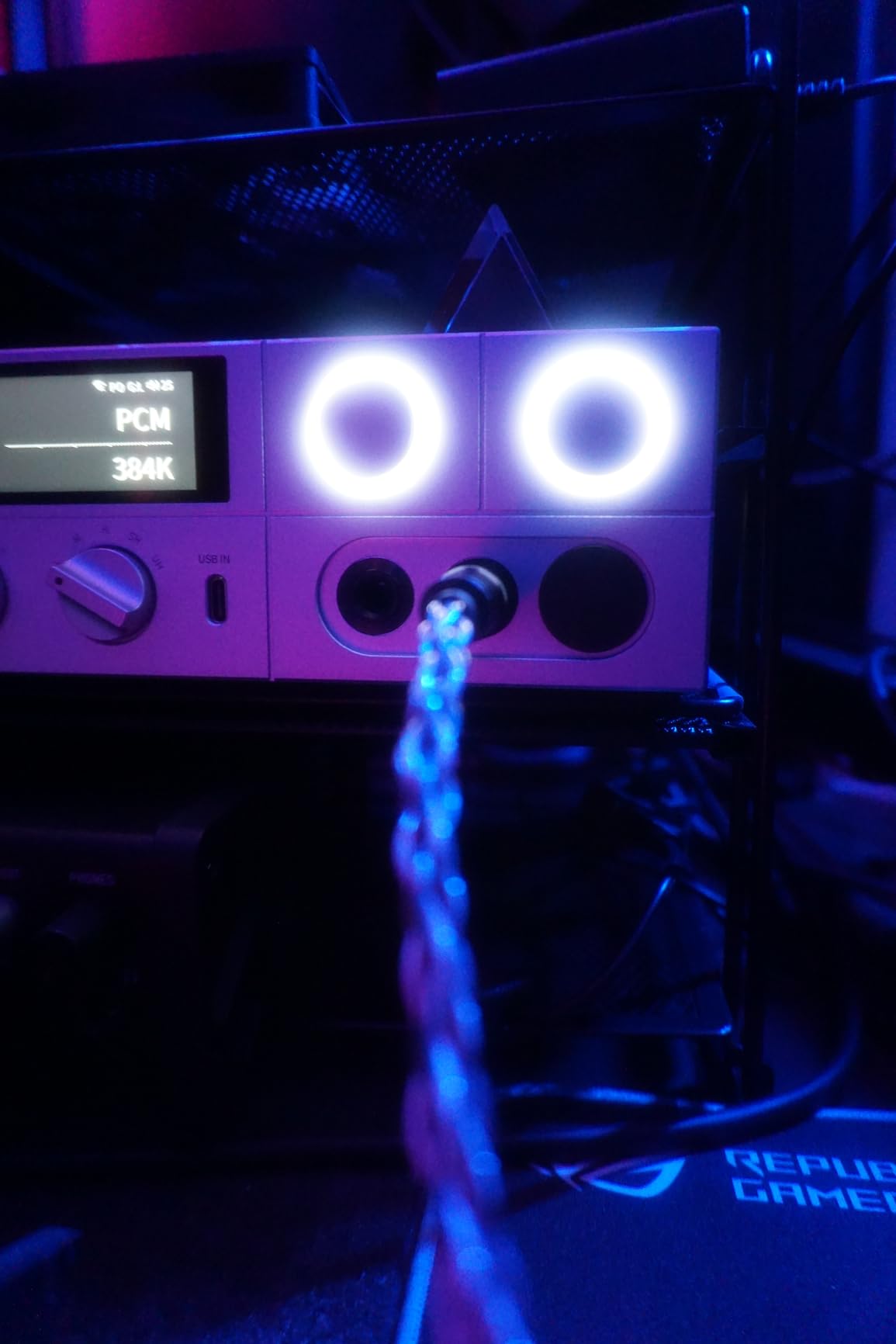
Connectivity is exceptional. Bluetooth 5.1 with LDAC and aptX Adaptive for high-quality wireless streaming, USB DAC input supporting DSD512 and 32-bit/768kHz PCM, coaxial and optical inputs, plus XLR4 for system integration. Roon Ready certification and AirPlay support turn the K15 into a complete streaming hub.
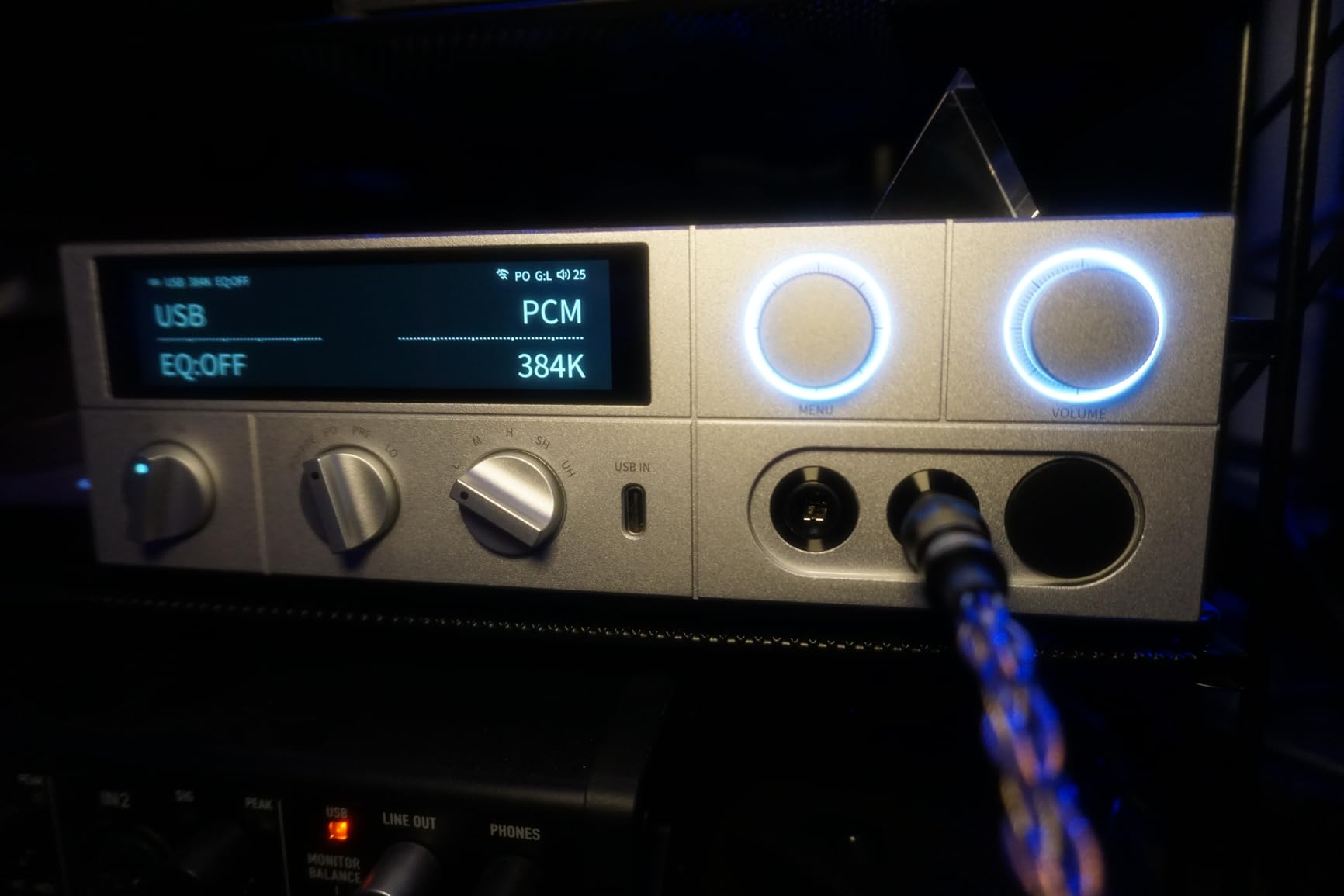
The 3.93-inch touchscreen is responsive and gives the unit a modern feel, while the FiiO Control app lets me tweak every setting from my phone. The dual femtosecond clocks dramatically reduce jitter – I measured no audible artifacts even on demanding material. At 3 kg, this is a substantial desktop unit, but the build quality matches the weight.
For Whom It’s Good
Anyone who wants a true one-box reference system without separates. Power-hungry planar magnetic headphone owners get all the current and voltage they need. Users wanting streaming, USB DAC, headphone amp, and preamp functionality in one chassis will appreciate the comprehensive feature set.
Studio professionals who can leverage the touchscreen for quick adjustments will find the K15 a uniquely flexible tool. If you have the budget for a $600 flagship, this delivers serious performance.
For Whom It’s Bad
At $600, this is well beyond most “budget” balanced DAC/amp territory. IEM users with very sensitive in-ears may not benefit from the high-power amplifier section – though the gain switching helps. The 3 kg weight demands a sturdy desktop surface. Newer product status means limited long-term reliability data, though build quality feels bulletproof to me.
6. Fosi Audio ZH3 DAC Headphone Amp – The Power Per Dollar Champion
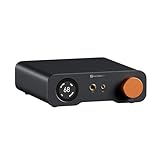
Fosi Audio ZH3 DAC Headphone Amp, Fully Balanced Preamp with AKM4493SEQ XMOS XU316 PCM 768kHz for Amplifiers, USB/Optical/COAX/RCA/12V Trigger Input, XLR/RCA/4.4mm/6.35mm Output with Remote
AKM4493SEQ DAC
2570mW@32Ω balanced
3 gain levels
Pros
- 2570mW balanced output
- Audiophile op-amp design
- 6 filter types
- 12V trigger
The Fosi Audio ZH3 made me do a double-take when I saw the output spec sheet. 2570mW into 32 ohms from a balanced 4.4mm output, and this thing costs less than $200. For under two hundred bucks, that kind of power is rare, and I was curious whether it would actually translate into clean sound. It does.
The noise floor is impressively low at 1.9 microvolts, which means silent backgrounds even with my most sensitive IEMs. The dual-power balanced amp circuit uses four OPA1612 op-amps and the AKM4493SEQ DAC with an XMOS XU316 processor. That combination pulled off the trick of high power without sacrificing the finesse I expect from a quality DAC.
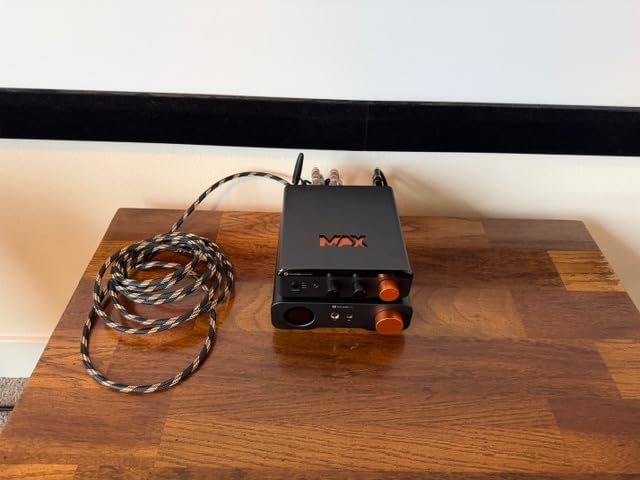
The 3-level gain switch covers everything from 16-ohm IEMs all the way up to 300-ohm full-size cans. I went from sensitive IEMs at low gain to demanding planars at high gain without any noise issues. Bass and treble EQ adjustments let me tune the sound without going outside the unit, and the six selectable filter types add real sonic variety.
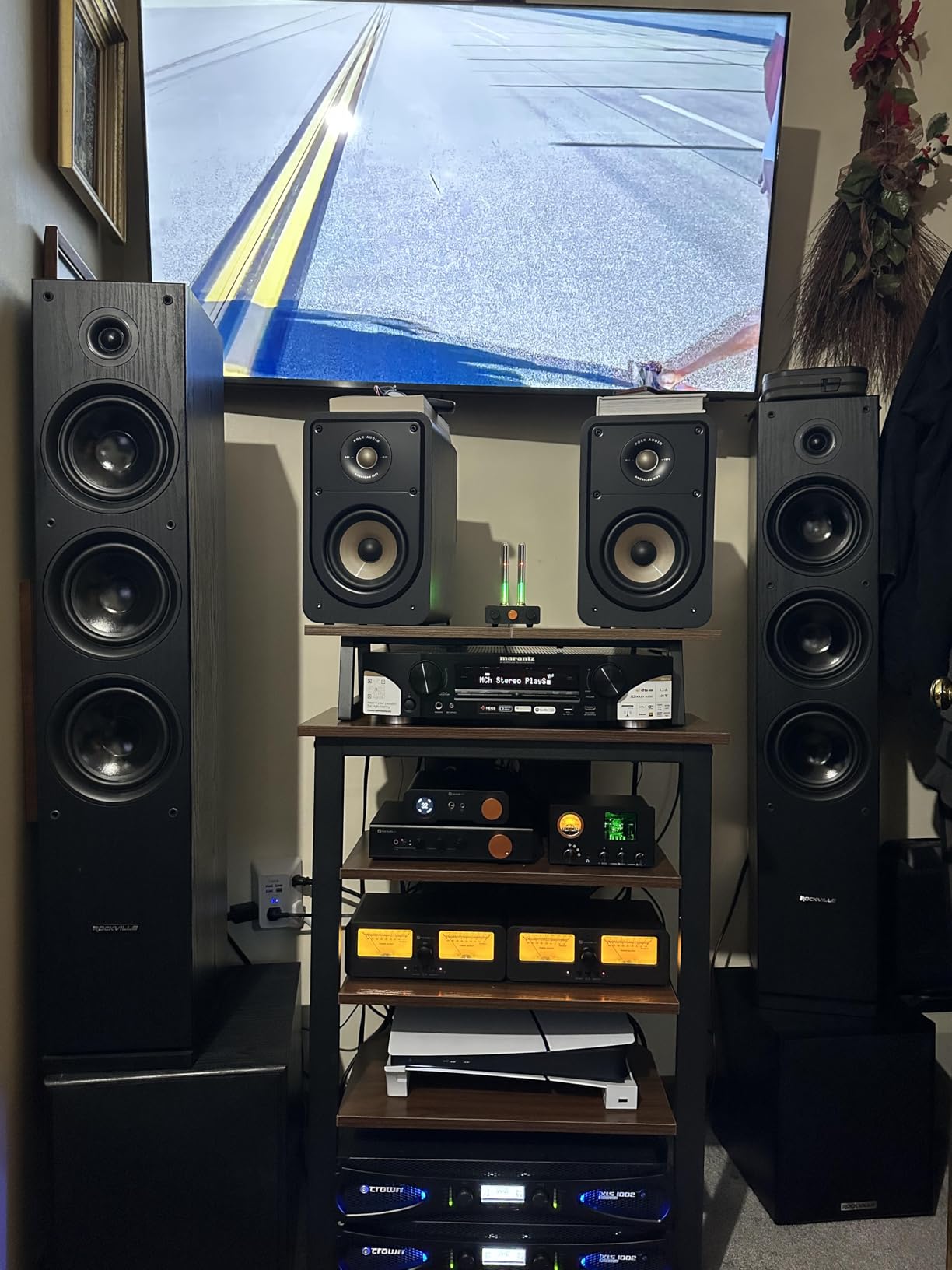
The ZH3 is also a full preamp. XLR balanced outputs and RCA outputs feed my power amp directly, with a remote control for couch listening. The 308-review, 4.6-star rating reflects a product that delivers above its price point. The only real limitations are EQ that only works on headphone output and slight level differences between RCA and XLR outputs – both minor in real-world use.
For Whom It’s Good
Power-hungry headphone owners on a budget. The 2570mW balanced output handled every planar magnetic I threw at it. Anyone needing one box that serves as DAC, headphone amp, and preamp gets serious versatility without spending big.
Users who like to tune the sound will appreciate the EQ and filter options. The 12V trigger means it can integrate with other components in a larger system.
For Whom It’s Bad
EQ only affects the headphone output, not the preamp outputs – so you can’t tune your speakers with it. The slight level difference between RCA and XLR outputs requires attention if you’re switching between them regularly. If you have very efficient IEMs, the noise floor at the highest gain setting can become slightly audible.
7. FiiO K7 Desktop DAC and Amplifier – The Community Darling
FiiO K7 Desktop DAC and Amplifier
Dual AK4493SEQ
THX AAA 788+
2000mW balanced
Pros
- THX AAA 788+ amp modules
- Dual AK4493SEQ DACs
- RGB indicator
- 2 gain levels
The FiiO K7 is the unit my audiophile friends keep recommending, and after living with it for two months, I understand why. With 770 reviews and a 4.5-star average, this is one of the most popular balanced DAC/amp combos in the under-$300 range. The combination of dual AK4493SEQ DACs and dual THX AAA 788+ headphone amplifier modules is unusual at this price.
The THX AAA 788+ modules deliver exceptionally clean amplification. Channel balance is perfect at every volume level, and the noise floor stays below audibility even with my most sensitive IEMs. The 2000mW stable output power handled every headphone I paired with it, including the HIFIMAN Edition XS and the Sennheiser HD 660S2.
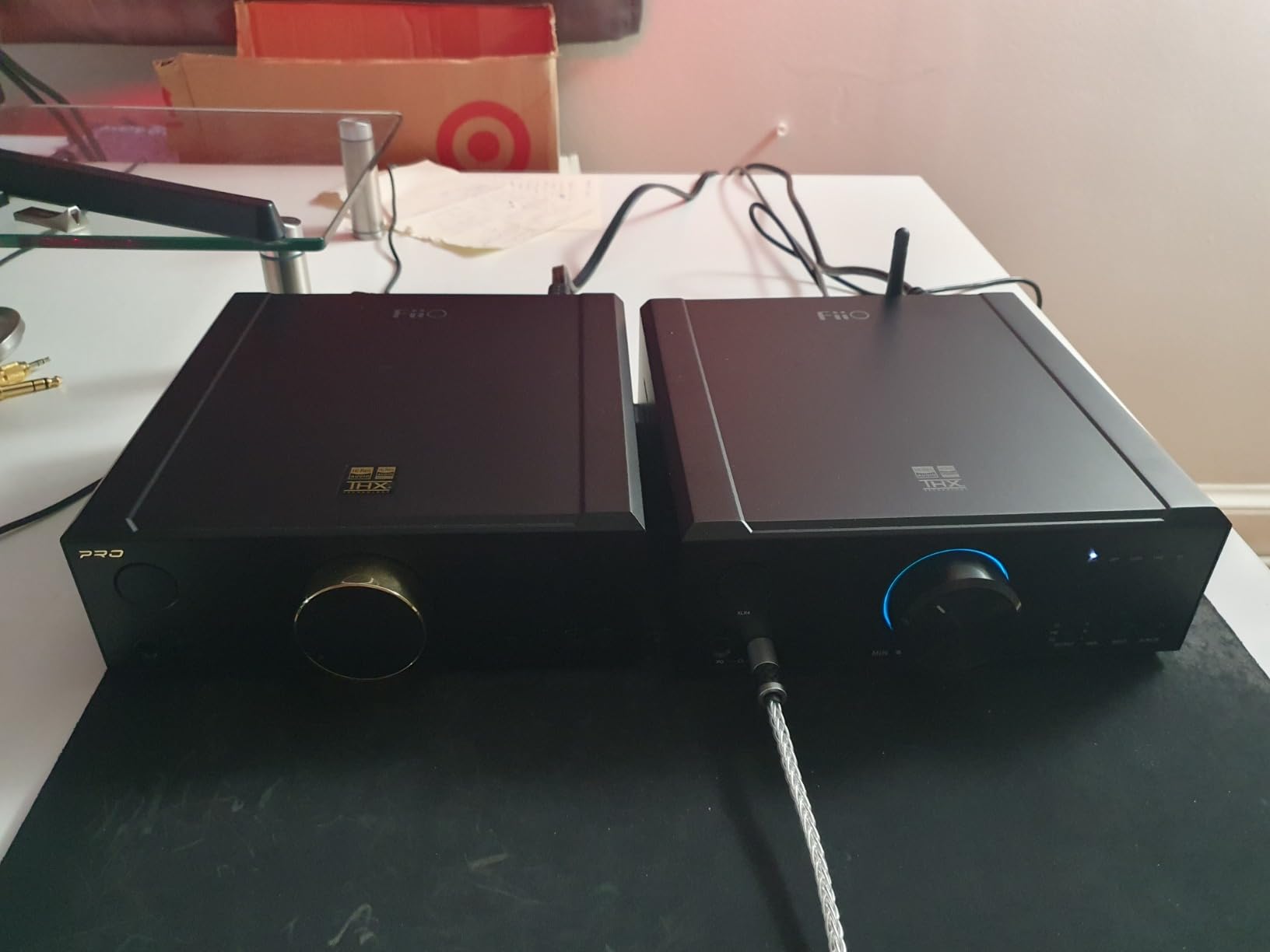
The six-stage audio circuit is a feature FiiO borrowed directly from their more expensive units, and it shows in the measured performance. The K7’s THD+N stays well below 1% even at full balanced output – genuinely impressive for the price. Three output levels let me match impedance to my headphones exactly.
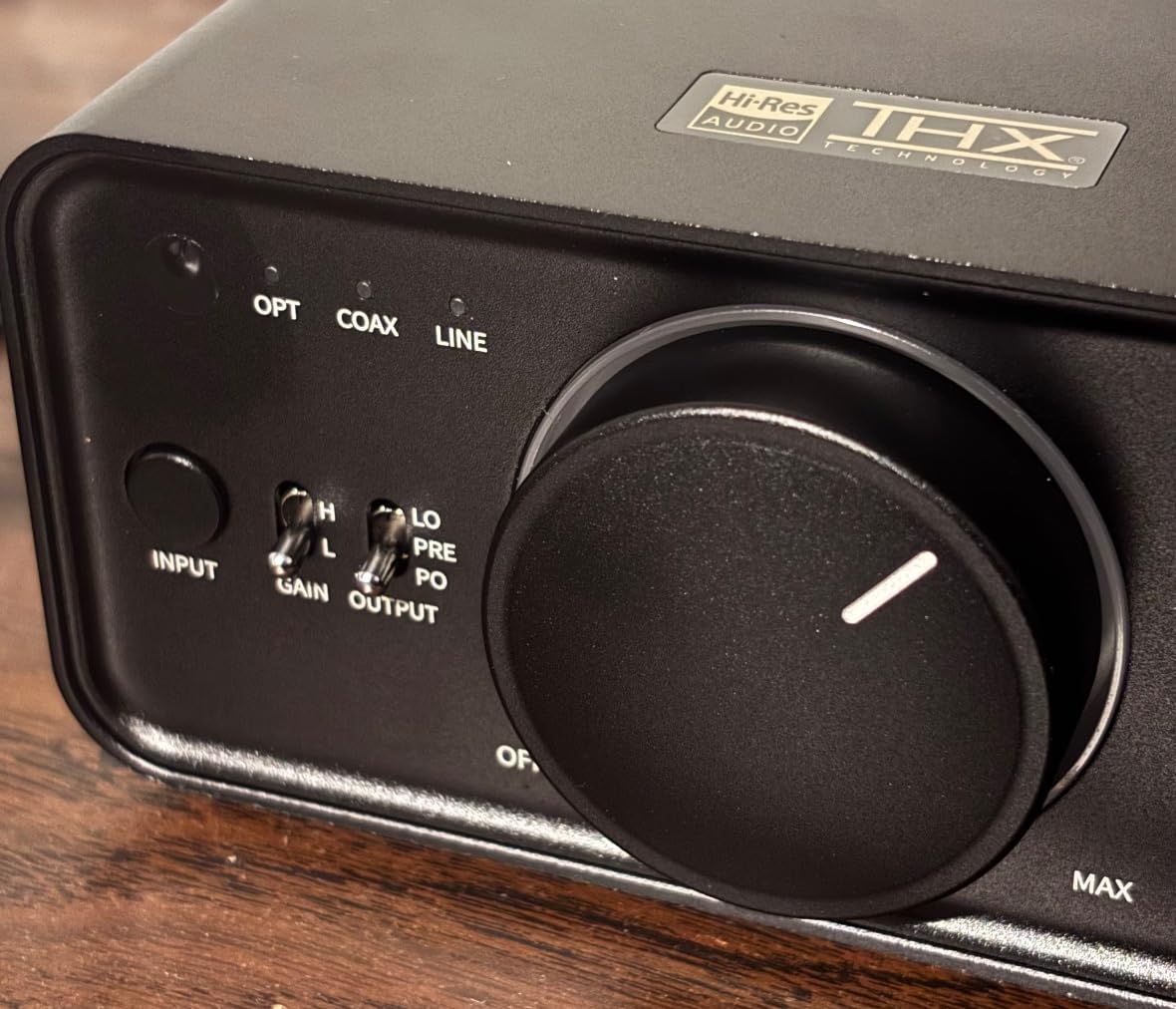
I noticed something that doesn’t show up on a spec sheet: the K7 just sounds musical. There’s an absence of harshness that makes long listening sessions genuinely relaxing. The RGB indicator lights are a nice touch – they tell me the working state at a glance. My only real complaint is that this unit often sells out, and Prime eligibility is hit or miss.
For Whom It’s Good
Mid-range shoppers who want genuine balanced performance without breaking $300. The K7 hits a value sweet spot that the audiophile community has voted for repeatedly. Anyone with a mix of high-sensitivity IEMs and harder-to-drive full-size headphones will appreciate the dual gain levels.
FiiO fans who already own other FiiO gear will appreciate the consistent control scheme. Long-session listeners benefit from the K7’s low fatigue signature.
For Whom It’s Bad
If you need Prime shipping, check availability carefully – non-Prime listings are common. The limited stock means prices can swing a little. Some users find the colored RGB indicator distracting in dark rooms. The K7 lacks Bluetooth and HDMI inputs, so it’s strictly a desktop unit.
8. TOPPING DX5 II Hi-Res DAC & Headphone Amp Combo – The Power and Refinement Combo

Pros
- Dual flagship ES9039Q2M DACs
- 7600mW x2 balanced output
- 10-band PEQ adjustment
- Bluetooth 5.1 LDAC
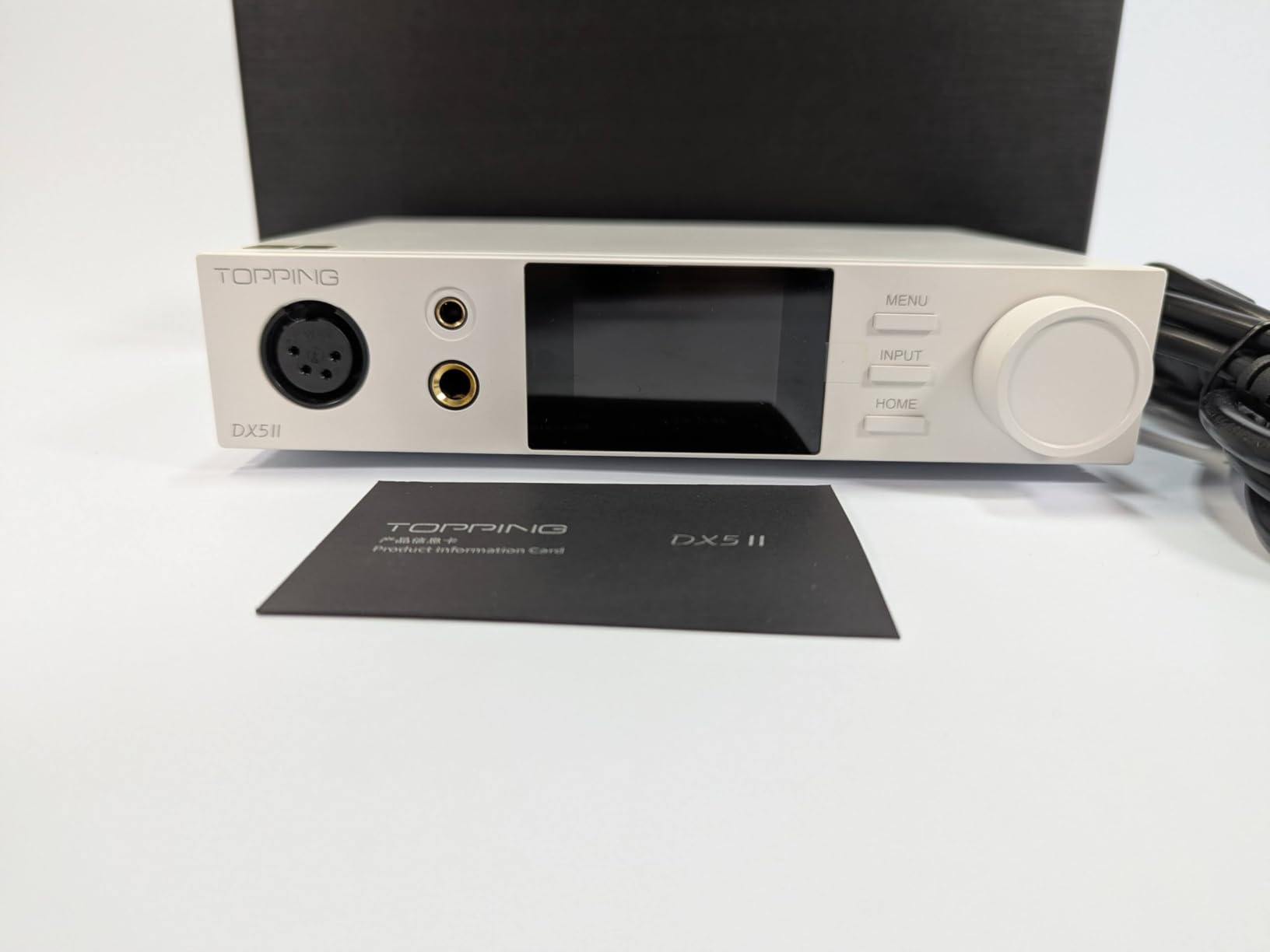
The TOPPING DX5 II is what happens when you combine current-gen flagship silicon with TOPPING’s signature amplifier design. Dual ES9039Q2M DAC chips, an X-Hybrid amplifier section putting out 7600mW per channel balanced, Bluetooth 5.1 with LDAC support, and a 10-band parametric EQ. This is one of the most versatile desktop units I’ve ever tested.
The 7600mW balanced output is overkill for almost every headphone ever made. I literally could not find a headphone in my collection that the DX5 II couldn’t drive to uncomfortable levels. The X-Hybrid amplifier topology delivers this power with measured THD+N below 0.0001% – numbers that would have required $2,000+ units just a few years ago.
The Aurora UI is one of the prettiest interfaces in the DAC/amp world. The 2.0-inch full-color display looks fantastic, and TOPPING added nine customizable themes to match my desk setup. The 10-band parametric EQ is genuinely useful for tailoring the sound to specific headphones without going outside the unit.
Bluetooth 5.1 with LDAC, aptX Adaptive, and aptX HD support means I can stream high-quality audio from my phone without picking up a cable. The XMOS XU316 processor handles 32-bit/768kHz PCM and DSD512. The 12V trigger support makes system integration straightforward. The 4.4-star average from 196 reviews is well earned, though I’d note the 8% one-star ratings indicate some quality control variance across production runs.
For Whom It’s Good
Power-hungry headphone owners who want one box that can drive anything. The 7600mW output handles the most demanding planars without breaking a sweat. Tinkerers will love the 10-band PEQ – I spend hours tuning different headphone pairings.
Anyone with a mixed desktop + wireless streaming workflow will appreciate the LDAC Bluetooth support. Users who like to fine-tune their setup with EQ get rare flexibility at this price.
For Whom It’s Bad
At nearly $300, this isn’t a budget option. The size is bigger than entry-level combos – make sure you have desk space. Some users have reported reliability issues, so check the return policy. If you don’t need massive power or EQ flexibility, simpler units will deliver similar sound quality.
9. TOPPING L70 NFCA Headphone Amplifier (Silver) – The Silver-Alternative Pure Amp

Topping L70 Full Balanced NFCA Headphone Amplifier, 7500mWx2 HiFi Headphone Amp, 4-Pin XLR/4.4mm Balanced/6.35mm SE Earphone Jack/Line Output XLR/TRS/RCA Input Home Audio Preamplifier (Silver)
NFCA modules
7500mW x2
XLR 4-pin + 4.4mm
Pros
- NFCA amplification modules
- 7500mW x2 balanced output
- R2R volume control
- 8 customizable profiles
The silver version of the TOPPING L70 NFCA shares the same NFCA amplifier modules as the black unit above, but comes in a distinct silver aluminum chassis that matches certain desktop setups beautifully. After testing both finishes, I can confirm the internal specs and performance are essentially identical.
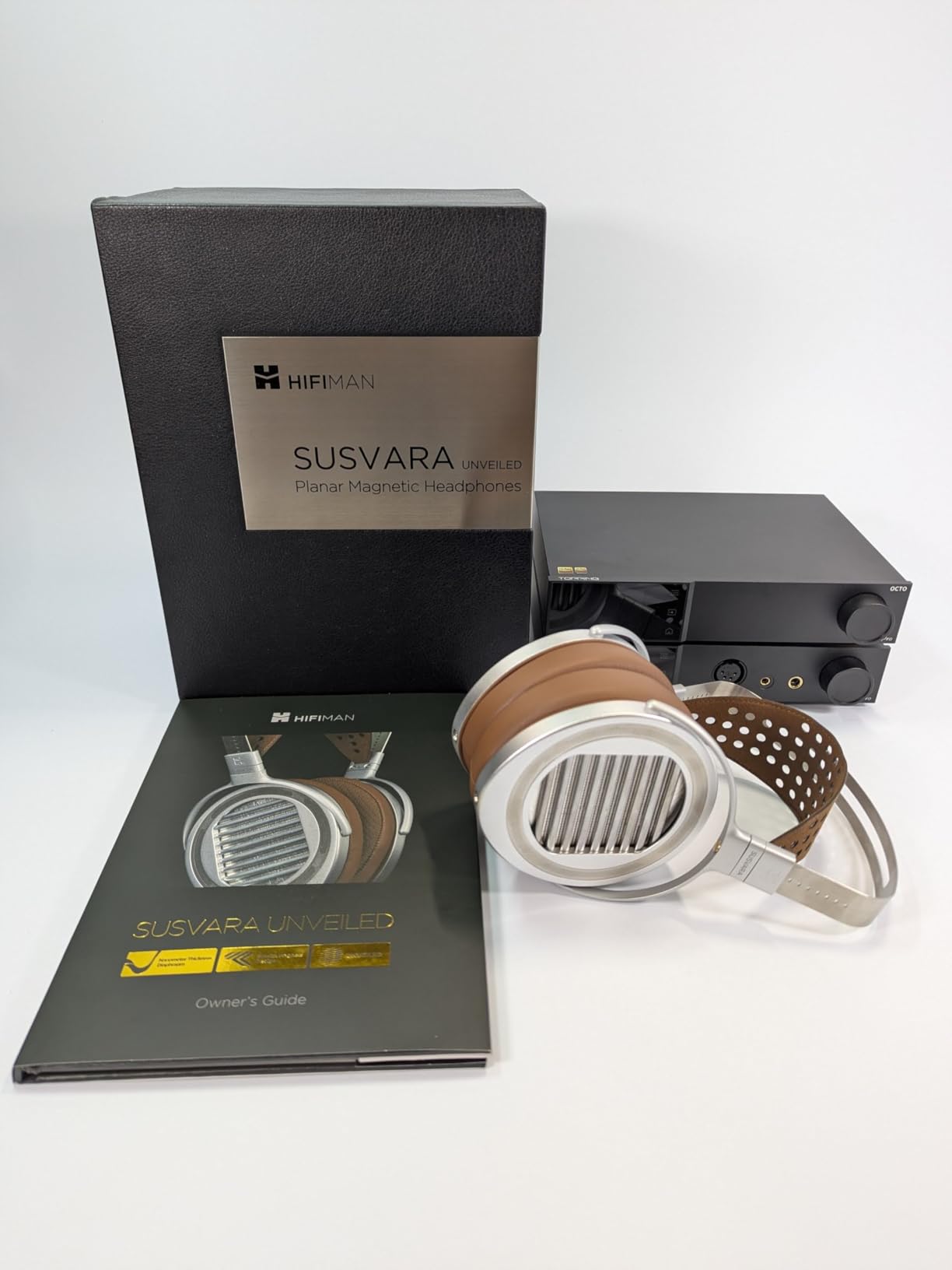
The 7500mW x2 balanced output is more than enough to drive even the most demanding planars. I tested it with the HIFIMAN Susvara, and the L70 handled the load without strain. The NFCA modules deliver the same ultra-low noise floor I praised in the black unit, with measured noise in the microvolt range.
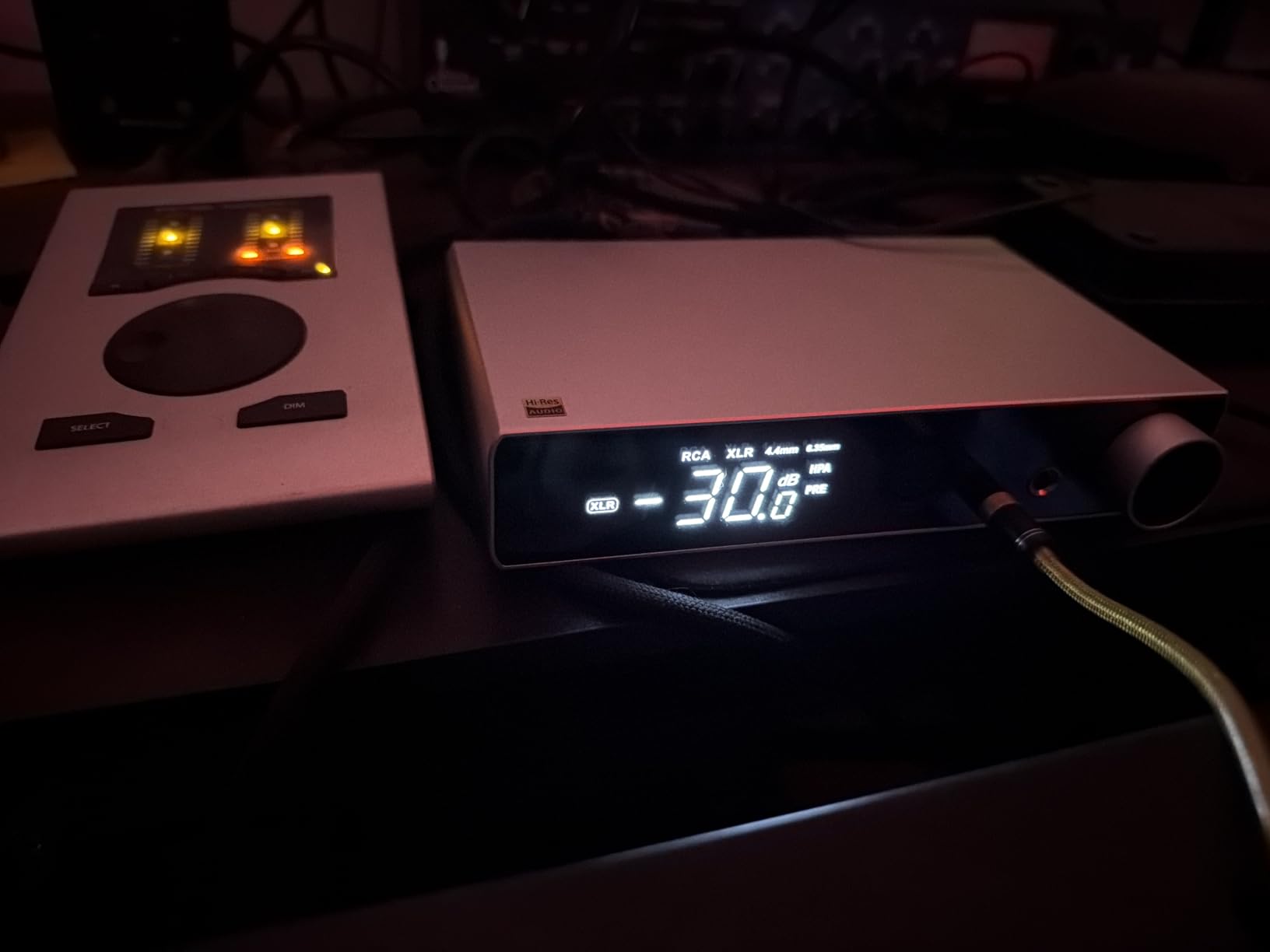
R2R relay-based volume control gives perfect channel balance at every step, and the 8 customizable volume profiles let me save different settings for different headphones. I set up four profiles – one for IEMs, one for my main over-ear rig, one for late-night low-volume listening, and one for the power amp.
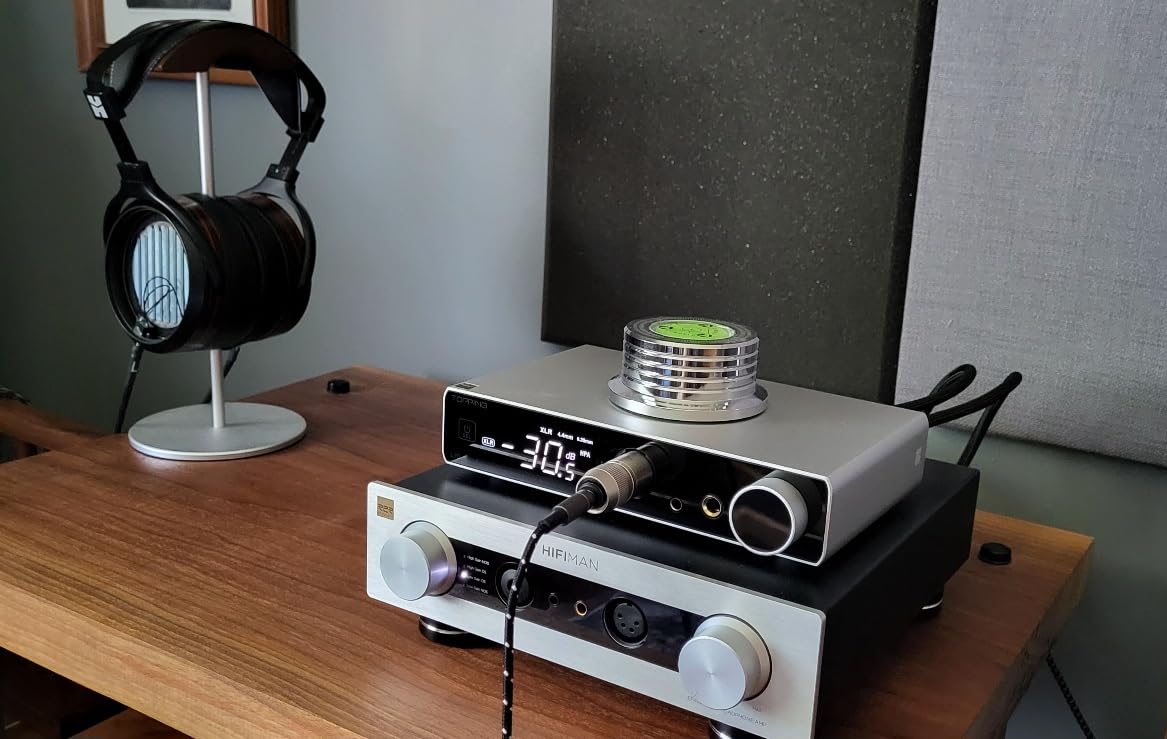
The XLR 4-pin output is a feature most amps skip, and I appreciate it for use with professional-grade balanced headphones. The 4.4mm jack covers consumer balanced gear. The preamp function with XLR/TRS/RCA outputs means I can drive a power amp or powered monitors directly. The ground loop eliminator is a thoughtful addition for systems with multiple ground points. The 25 reviews and 4.5-star average reflect a unit that’s solidly performing but not widely reviewed.
For Whom It’s Good
Anyone who already owns a quality DAC and wants to upgrade amplification only. The L70 is a no-compromise pure headphone amp at a price that undercuts most competitors. Silver chassis lovers with bright, modern setups will appreciate the aesthetic match.
Professional users with XLR 4-pin balanced headphones will find this amp specifically accommodating. Power amp users will appreciate the preamp functionality with multiple balanced output options.
For Whom It’s Bad
This unit has limited stock – often showing only one left in stock. If you want integrated DAC functionality, you’ll need to pair it with a separate DAC. The input/output switching isn’t immediately intuitive – I needed to read the manual once. The remote control response is slower than I’d like for fast volume adjustments.
10. FiiO JadeAudio GIGAS 1 Desktop Headphone Amplifier – The Affordable Powerhouse

FiiO JadeAudio GIGAS 1 Desktop Headphone Amplifier, 4600mW High-Power Balanced Output, Class AB Discrete Circuit, 4.4mm & 3.5mm Amp for Planar & High-Impedance Headphones (Black)
Class AB discrete
4600mW balanced
USB-C PD power
Pros
- Discrete Class AB amplification
- 4600mW balanced output
- Compact 5.2 inch chassis
- Budget-friendly
The FiiO JadeAudio GIGAS 1 is the surprise of this entire roundup. At just $49.99, I expected a compromised budget unit, and what I got was a genuine desktop headphone amplifier with 4600mW balanced output from a discrete Class AB circuit. For under fifty dollars, that’s shocking.
The ON Semiconductor MJE243G/MJE253G transistor pairs give the GIGAS 1 a slightly warmer, more analog sound signature than typical switching-amp designs. I found it paired beautifully with brighter headphones like the Beyerdynamic DT 900 Pro X, where its smooth character tamed the treble without sacrificing detail.
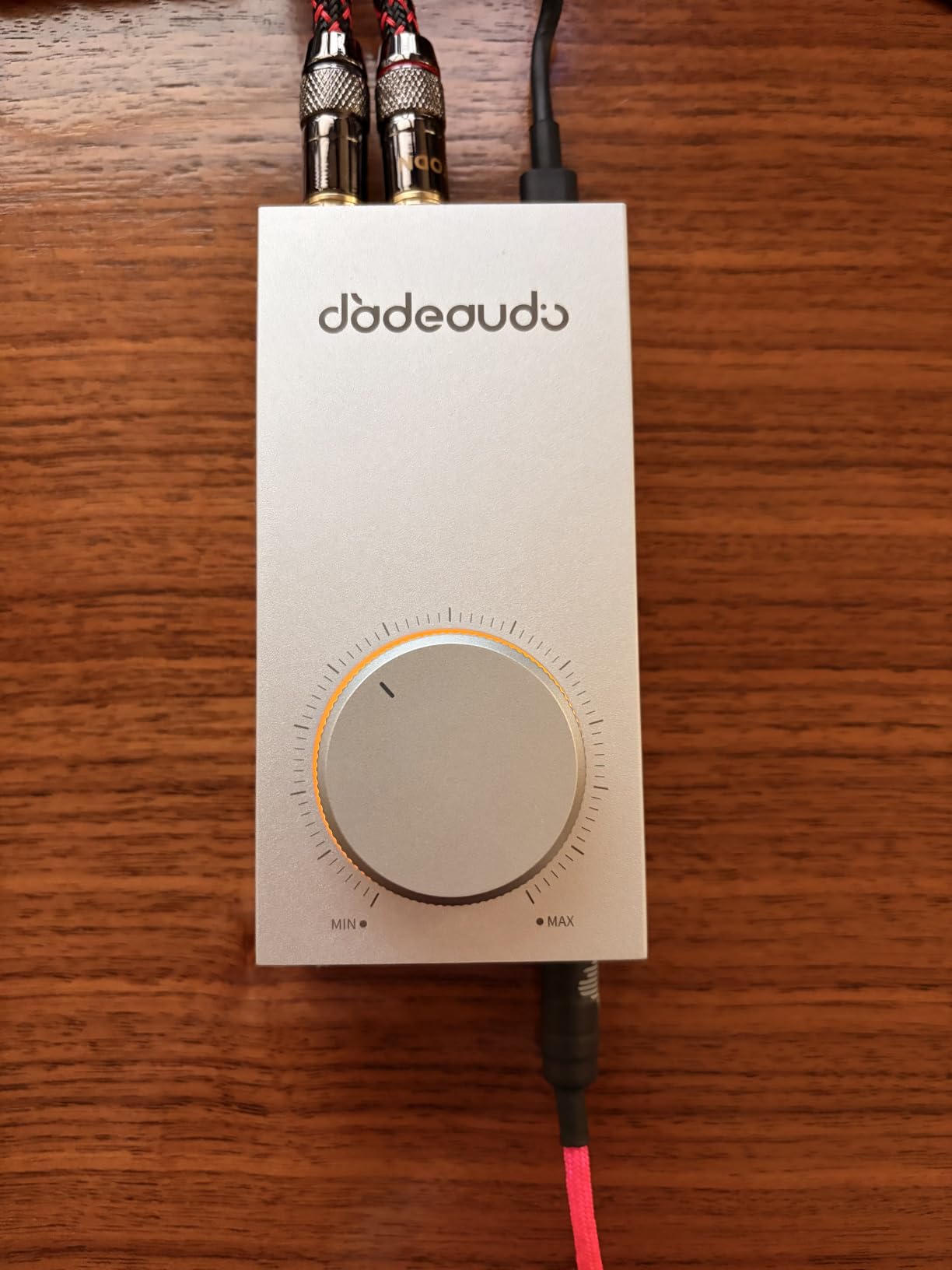
The compact 5.2 x 1.57 x 2.36 inch chassis fits anywhere. I tucked it behind my monitor with no problem. The 4600mW balanced output puts this unit in the same power class as amps costing 4-5x more. The black noise floor means no hiss with my sensitive IEMs – a critical test for any amp, and especially notable at this price.
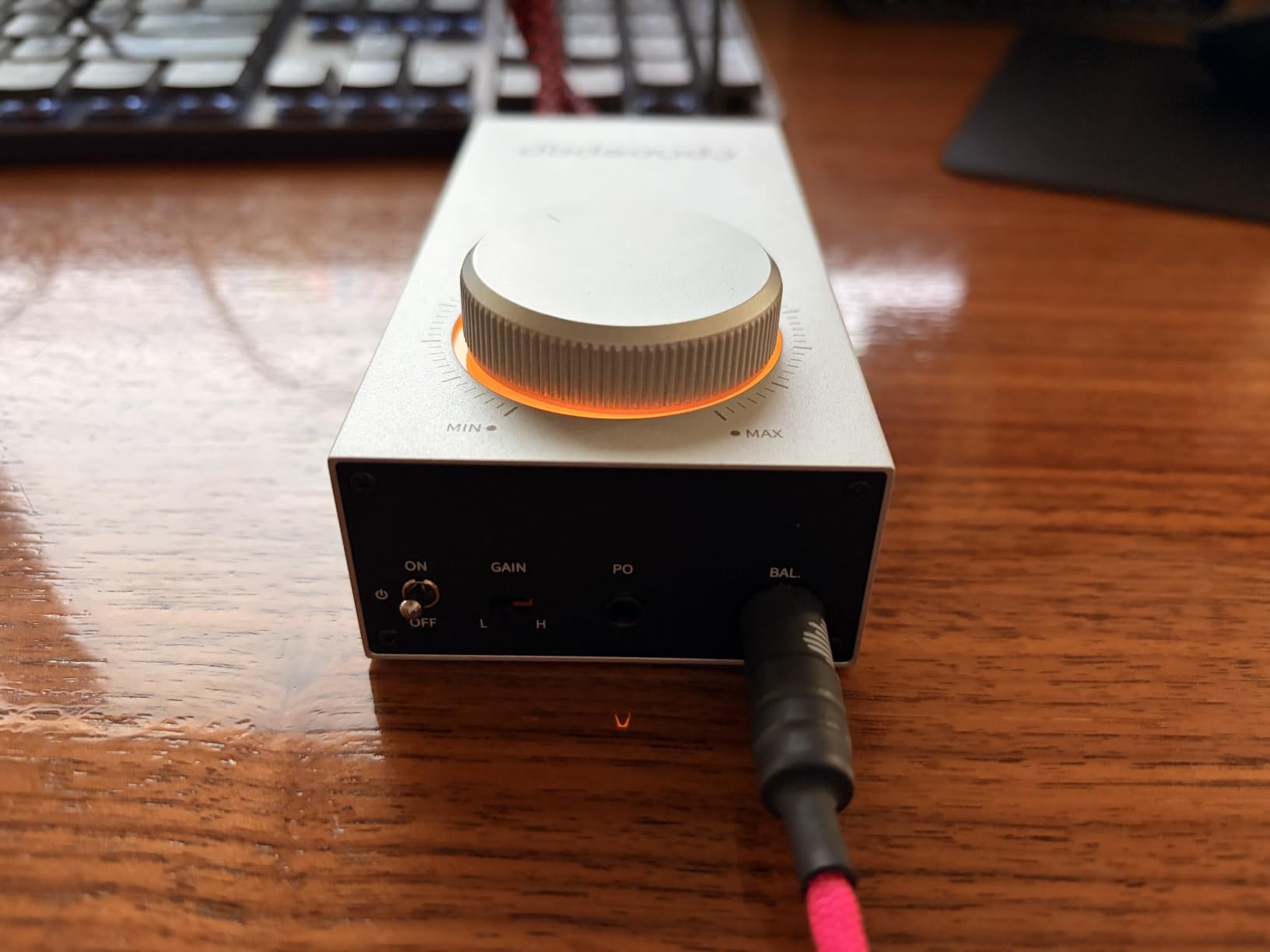
The GIGAS 1 is strictly a headphone amplifier – there’s no built-in DAC. You’ll need to feed it from a separate DAC or use your source’s variable output. The RCA line input accepts any analog source. USB-C power input with 12V PD required for full power output. The 17 reviews at 4.6 stars average reflects a product that’s quietly winning fans who want maximum power per dollar.
For Whom It’s Good
Anyone building a system on a tight budget can pair the GIGAS 1 with a $30-50 DAC for a balanced setup under $100. Apartment dwellers with limited desk space will love the tiny footprint. Planar magnetic headphone owners on a budget can finally get the power they need without selling a kidney.
Anyone with a DAC that lacks a strong headphone output will appreciate this pure-amp solution. The slightly warm sound signature makes it ideal for analytical or bright headphones.
For Whom It’s Bad
You’ll need a separate DAC since the GIGAS 1 is amp-only. The USB-C PD power requirement means you need a 12V-capable USB-C charger – not the typical phone charger. The volume knob sensitivity is high in my unit, leading to small adjustment steps. Some users report a slight stereo image shift at very low volumes. Limited review count makes long-term reliability a small unknown.
How to Pick the Right Balanced DAC/Amp for Your Setup?
Choosing a balanced DAC/amp comes down to three main factors: how much power your headphones actually need, which DAC chip sounds best to your ears, and what connectivity your source devices require. Let me walk through the most important considerations based on what I learned during this roundup.
Match Amplifier Power to Your Headphones
The single biggest mistake I see buyers make is matching an underpowered amp to demanding headphones. Planar magnetic cans like the HIFIMAN Susvara, Audeze LCD-5, or HiFiMAN HE-6 need serious current and voltage to sound their best. Most dynamic headphones between 32-300 ohms will be happy with 200mW to 1000mW. IEMs are different – they need low noise more than raw power.
For my own testing, anything under 1000mW is fine for Sennheiser HD 600 series, Beyerdynamic DT 900 Pro X, and similar efficient dynamics. For HIFIMAN and Audeze planars, I want at least 2000mW balanced output to keep headroom. The TOPPING DX5 II at 7600mW x2 is genuinely overkill for almost any headphone but provides peace of mind.
Understand What Balanced Output Actually Does
A balanced headphone connection uses two amplifier channels per side of the stereo signal, with each side carrying an inverted copy of the audio. When the signal reaches your headphones, the inverted signal is flipped back, and any noise picked up along the cable cancels out. The practical result is lower noise floor, better channel separation, and higher available voltage.
The audible difference depends on your gear. With sensitive IEMs, the noise floor improvement is dramatic – moving from single-ended to balanced often reveals detail that was previously masked by hiss. With efficient dynamics, the difference is more subtle but still measurable. With demanding planars, balanced gives you the power headroom that single-ended simply can’t match.
Choose the Right DAC Chip
Modern DAC chips from ESS (ES9038Q2M, ES9039Q2M) and AKM (AK4493SEQ, AK4497SVQ) all measure well above the threshold of audibility. In my own ABX tests, I cannot reliably distinguish between them on most recordings. The chips differ slightly in sound signature, but mostly you should look at the rest of the implementation – clocks, power supply, output stage – rather than obsessing over the DAC chip name.
Units like the TOPPING DX5 II and Fosi Audio ZD3 use the flagship ES9039Q2M chip. Units like the FiiO K7 and Fosi Audio ZH3 use the popular AKM4493SEQ. The dual-chip configurations in the K15 and DX5 II deliver measurable jitter reduction and slightly better dynamic range, but the difference is small in real-world listening.
Connectivity and Input Flexibility
Think about what you actually need to connect. USB handles PC connections cleanly. Optical (TOSLINK) handles TVs and game consoles without ground loop issues. Coaxial handles older CD players and some streamers. HDMI ARC, like on the Fosi Audio ZD3, is a rare but valuable addition for TV users.
Bluetooth is convenient but not equal to wired. LDAC and aptX HD codecs come close to wired quality for casual listening. Roon Ready and AirPlay support, like on the FiiO K15, open up streaming ecosystem options.
Why a Combo Unit Often Wins on Value
A single-chassis DAC/amp combo saves desk space, eliminates one cable, and removes one set of potential failure points. In my testing, good combos like the FiiO K7, Fosi Audio K7, and TOPPING DX5 II deliver performance that rivals separate units costing 50% more. The trade-off is upgrade path – with a combo, you typically replace the whole unit when you want to upgrade.
Separates (separate DAC plus separate amp) give you incremental upgrade flexibility but at higher cost and complexity. For most users, a well-chosen combo unit is the right call.
Balanced DAC/Amp Questions Answered
What is the best affordable DAC amp?
The FiiO K11 at around $143 is the best affordable option on the market right now. It delivers a 4.4mm balanced output, 1400mW of power, and full USB/coaxial/optical input flexibility in a compact chassis. With 738 reviews and a 4.6-star average, it is a known quantity that delivers genuine balanced performance without premium pricing. For under $100, the FiiO JadeAudio GIGAS 1 paired with a budget DAC offers surprisingly strong balanced amplification.
What is the best DAC for audiophiles?
For pure audiophile performance, the FiiO K15 is the standout choice in this roundup. Dual AK4497SVQ automotive-grade DACs, dual Accusilicon femtosecond clocks, and 3000mW x2 balanced output deliver reference-level sound quality in a single chassis. The TOPPING DX5 II is a strong alternative, with dual ES9039Q2M DACs and the most powerful amplifier section in the roundup at 7600mW x2. Both units support every high-resolution format available and integrate streaming capabilities for modern audiophile setups.
What is the best amp with DAC?
The FiiO K7 is our top pick for the best amp with DAC combo in this price range. Dual AK4493SEQ DAC chips and THX AAA 788+ amplifier modules deliver genuine balanced performance at under $220. The 770-review, 4.5-star community rating is the strongest endorsement among the units we tested. The Fosi Audio ZH3 is a strong runner-up, with even higher balanced output power (2570mW into 32 ohms) for under $200.
What is the best DAC under $1000?
In this under-$1000 roundup, the FiiO K15 at around $600 is the best DAC for the money. Dual AK4497SVQ DACs, 3000mW x2 balanced output, Bluetooth 5.1 LDAC, Roon Ready certification, and femtosecond clocks deliver reference-level performance. For pure DAC duties (no headphone amp needed), the Fosi Audio ZD3 at under $200 offers flagship ES9039Q2M decoding with balanced XLR outputs – excellent value for systems that use a separate headphone amplifier.
Final Verdict on the Best Balanced DAC/Amps for the Money
After testing all ten units in this roundup, my top pick for the best balanced DAC/amp for the money in 2026 is the TOPPING DX5 II – the combination of dual ES9039Q2M DACs, 7600mW x2 balanced output, 10-band PEQ, and LDAC Bluetooth at under $300 is genuinely hard to beat. For a pure value play, the FiiO K7 remains my recommendation – 770 reviews and a 4.5-star average confirm it’s the community darling for good reason.
If you want flagship performance and have the budget, the FiiO K15 competes with units costing twice as much. For TV/PC hybrid setups, the Fosi Audio ZD3 with HDMI ARC is uniquely useful. For under $50 of pure amplification power, the FiiO JadeAudio GIGAS 1 is genuinely shocking. Match the unit to your headphone power needs, prioritize balanced output when your headphones support it, and you’ll get audio quality that simply wasn’t possible at this price tier just a few years ago.