
Wireless doorbells stop working in cold weather for one reason: the lithium-ion battery inside them. Cold slows the chemical reaction that releases power, capacity drops sharply below freezing, and a built-in safety cutoff stops charging at around 32F (0C). A pack that cannot recharge and cannot deliver enough voltage leaves the doorbell offline until it warms back up.
That is why this roundup exists. Most rankings for cold weather quietly steer you toward wired hardware and leave battery-only buyers with nothing. Plenty of people cannot install a wired model. Renters, older homes with no doorbell transformer, and anyone with a detached garage entry have to solve winter with a battery pack, so we ranked ten battery video doorbells on what actually decides their cold-weather performance: battery capacity, whether the pack comes out warm, weather sealing, and how much you lose when the temperature drops.
We compared the ten models below across published specifications, owner feedback patterns, and the failure reports that show up once real winter sets in. You will notice one gap right away: only one product in this group publishes a minimum operating temperature, and it is lower than most buyers in the northern states want to hear. The rest of the lineup is judged on battery size, serviceability, and cold-weather owner reports, and we say plainly where the evidence runs out. If you also want short answers on video quality alone, our guide to the best video doorbells for apartments covers the renter angle in more depth.
Table of Contents
Top 3 Best Battery Video Doorbells for Cold Climates in 2026
Ring Battery Doorbell
- Head-to-toe video with 66% more vertical coverage
- Built-in rechargeable battery with USB-C charging
- Live View and Two-Way Talk

aosu 5MP Ultra HD Doorbell
- 5MP sensor with 166 degree head-to-toe view
- Built-in 8GB local storage with no subscription
- Dual power design for battery or hardwired

Tapo D225 Video Doorbell
- 10000mAh built-in battery
- 180 degree head-to-toe field of view
- microSD up to 512GB with no subscription
Battery Video Doorbells at a Glance in 2026
| Product | Specs | Action |
|---|---|---|
| Ring Battery Doorbell |
|
Check Latest Price |
| aosu 5MP Ultra HD Doorbell |
|
Check Latest Price |
| Tapo D225 Video Doorbell |
|
Check Latest Price |
 Google Nest Doorbell Battery Google Nest Doorbell Battery |
|
Check Latest Price |
 Ring Battery Doorbell 2K Plus Ring Battery Doorbell 2K Plus |
|
Check Latest Price |
 BOIFUN 2K Video Doorbell BOIFUN 2K Video Doorbell |
|
Check Latest Price |
 ieGeek Bell J9 Doorbell ieGeek Bell J9 Doorbell |
|
Check Latest Price |
 Arlo Video Doorbell 2K Arlo Video Doorbell 2K |
|
Check Latest Price |
 Blink Battery Doorbell 2K+ Blink Battery Doorbell 2K+ |
|
Check Latest Price |
 eufy Video Doorbell E340 eufy Video Doorbell E340 |
|
Check Latest Price |
The table above lists power type and storage approach, which are the two things that decide whether a battery doorbell is still usable in February. Quick-release packs give you a warm swap. Built-in batteries mean the whole doorbell comes inside. Local storage means no monthly bill, which matters when you may be recharging hardware twice a month all winter.
1. Ring Battery Doorbell – Best Overall for Cold Climates
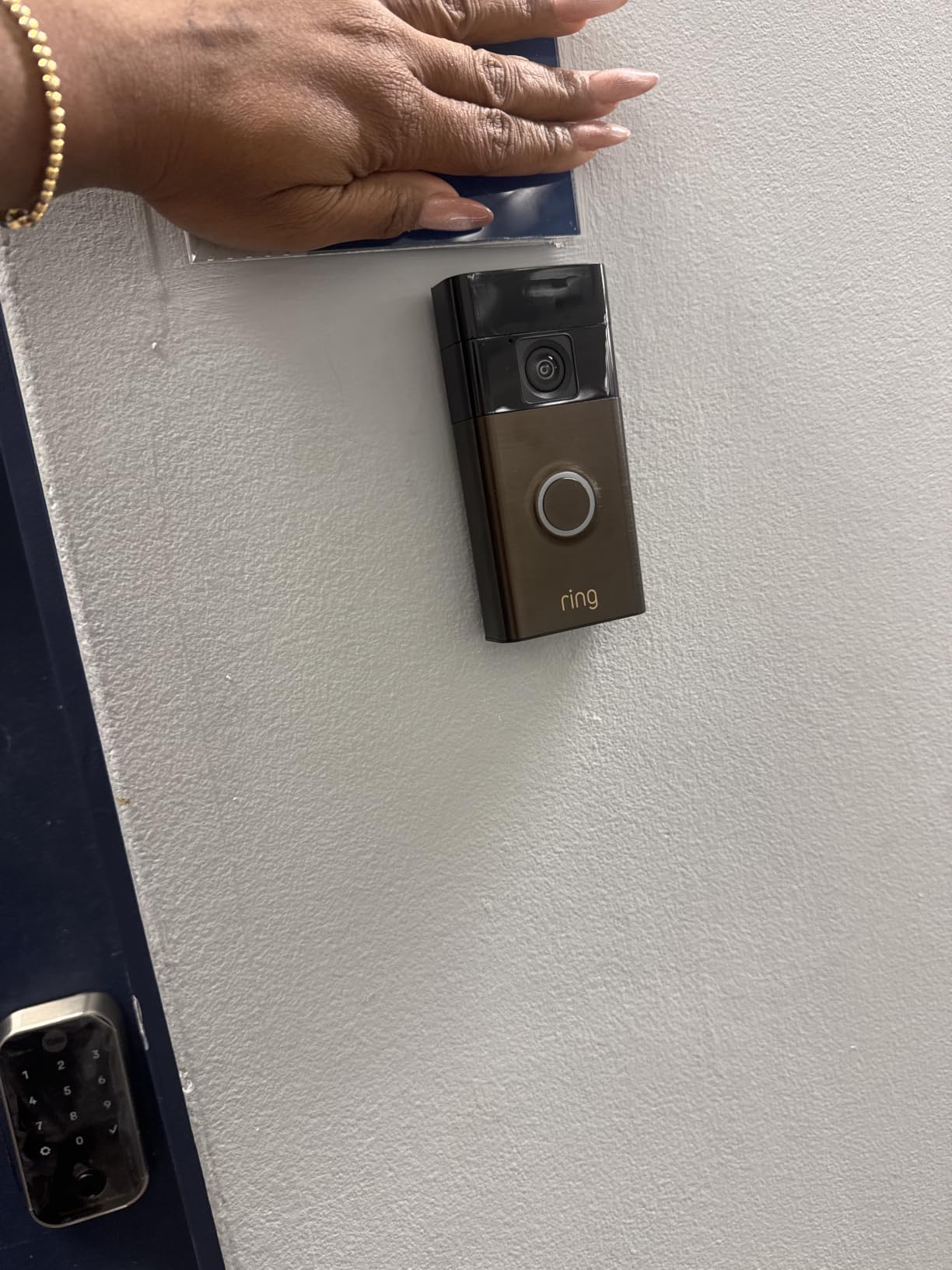
Ring Battery Doorbell, Home or business security with Head-to-Toe video, Live View with Two-Way Talk, and Motion Detection & Alerts, Satin Nickel
Head-to-toe video with 66% more vertical coverage
Built-in rechargeable battery with USB-C charging
Live View and Two-Way Talk
Motion detection with alerts
Pros
- Head-to-toe view gives unusually wide vertical porch coverage
- Strong owner satisfaction on battery endurance
- Simple DIY install and a clean app
- Clear video day and night
Cons
- Motion sensitivity needs manual tuning
- No video history without a Ring Protect subscription
- 2 to 3 second delay before phone notifications arrive
With more than 55000 ratings behind it, this is the most proven battery doorbell on the market, and the head-to-toe camera is the reason it works as well as it does. The extra vertical coverage means you see a visitor from the top of their winter coat down to their boots, which is exactly the range a puffer jacket occupies in January.
The battery is built in and charges over USB-C, so a cold-weather swap means bringing the whole doorbell inside. That is a real inconvenience in a northern January. What offsets it is that owners consistently report months between charges in normal conditions, and one owner still had 52 percent remaining after three months.
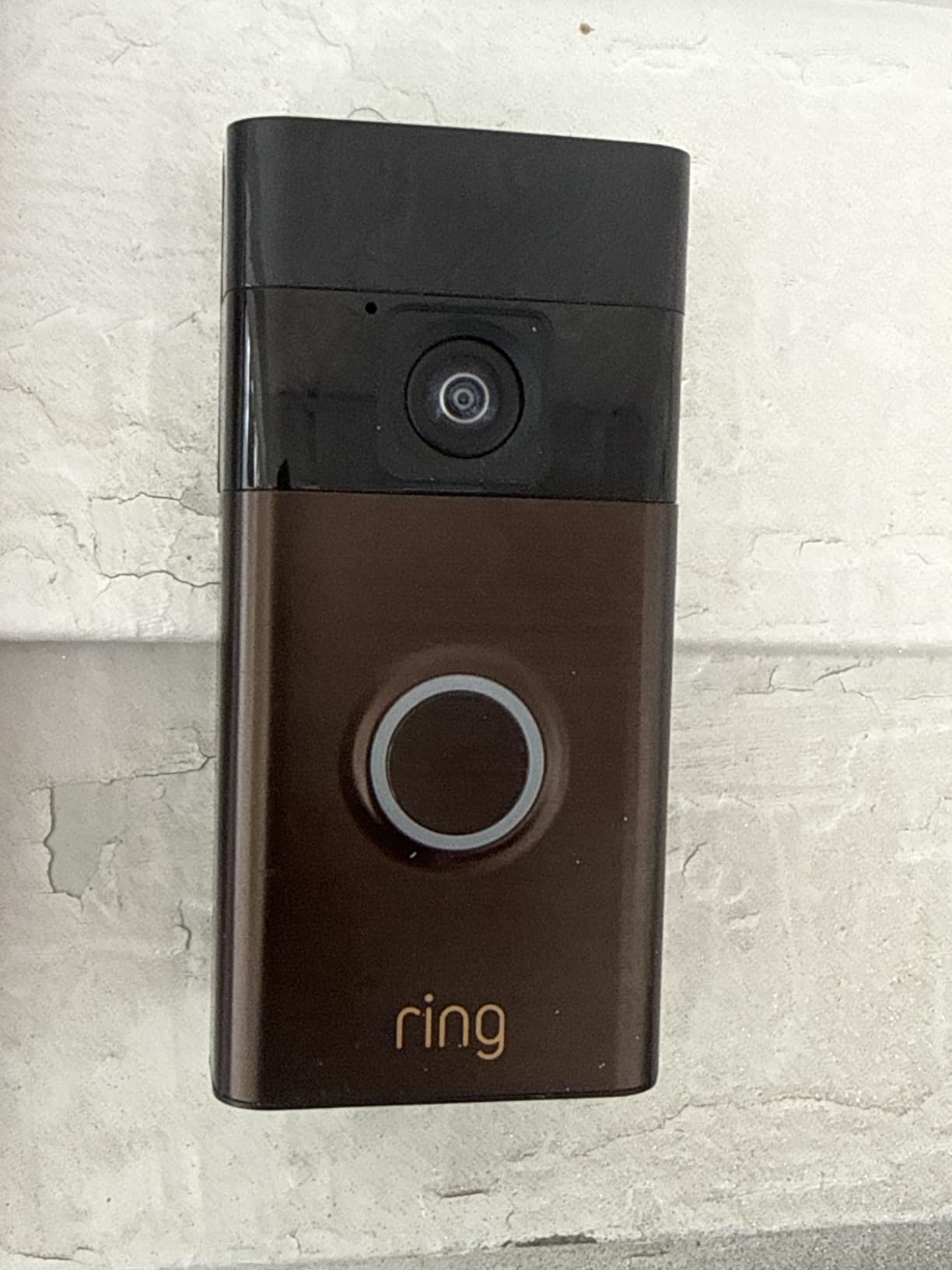
Motion sensitivity is the setting that decides your winter experience. Set to its most sensitive position, passing cars and moving shrubs wake the camera constantly, and reviewers report that leaving it at the frequent setting actively shortens battery life. Tighten the zones to the walkway and the door, and the drain drops noticeably.
The other recurring complaint is the 2 to 3 second gap between motion detection and the push notification arriving on the phone. In a blizzard that delay feels longer than it is. And without a Ring Protect subscription you get live view and alerts but no stored video history, which is the main reason owners in snow-heavy regions pick a different model.
Where it holds up in winter
For a climate that dips to 10F or 20F on the coldest nights, this is the most dependable option with a huge installed base and a straightforward recharge. Because the pack is built in, a solar panel is awkward to add, and the standard advice is to accept a seasonal indoor charge cycle rather than fight the cold.
Where it will disappoint you
If your winters regularly sit below 0F for weeks, the built-in battery is a genuine liability. You are charging indoors, unplugging the doorbell from its mount, and living without a camera while the pack warms up. Nor does it give you stored footage without a subscription, which matters when you want to check a missed visitor without paying monthly.
2. aosu 5MP Ultra HD Wireless and Wired Video Doorbell Camera – Best Value
aosu 5MP Ultra HD Wireless & Wired Video Doorbell Camera
5MP sensor with 166 degree head-to-toe view
Built-in 8GB local storage, no subscription
Dual power: battery or hardwired
IP66 weather resistance
Pros
- 5MP sensor is noticeably sharper than 2K rivals
- 8GB local storage removes the subscription entirely
- Triple sensor detection cuts false alerts after tuning
- Can run on battery or be hardwired later
Cons
- App interface is clunky and unintuitive
- Storage is fixed at 8GB with no SD slot on the base
- Playback can be choppy
This is the strongest all-round hardware in the group, and the dual power design is what makes it a cold-climate answer rather than just a cold-climate casualty. Install it on the battery now if you rent, then hardwire it later if you buy the house, and the whole cold-battery problem disappears without changing hardware.
The 5MP sensor produces sharper detail than the 2K competition, and the 166 degree vertical framing covers a full adult in a winter coat. IP66 sealing handles freezing rain better than the IP65 units further down this list. Long-term owners report multi-year reliability with no Wi-Fi dropouts, which is a good sign in a climate that stresses electronics.
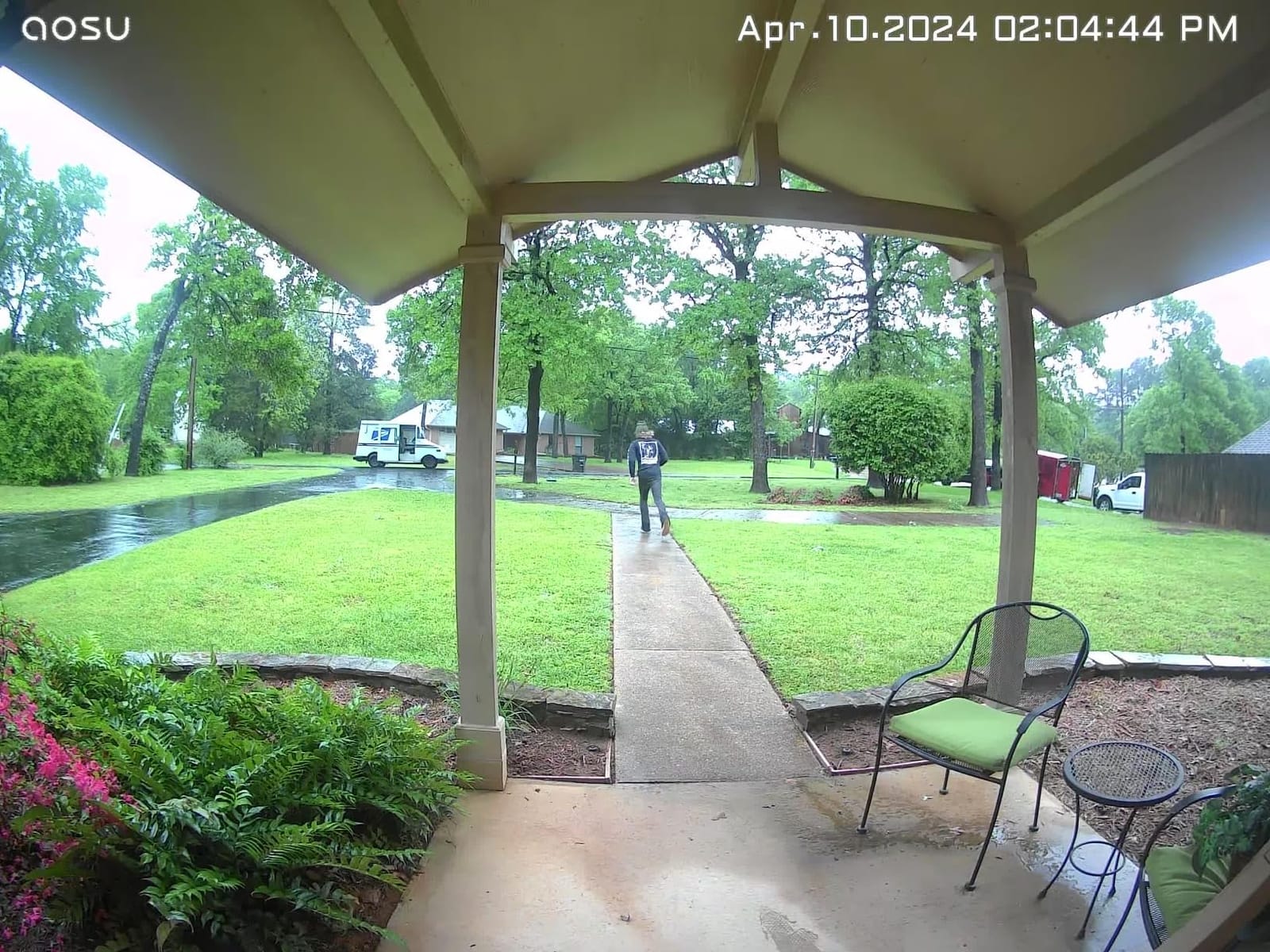
Storage is the standout feature. The 8GB built-in storage supports 60-day loop recording with no subscription, so you keep a month of footage through winter without paying anything. Owners regularly describe aosu as the alternative to Ring and Arlo for anyone who refuses to pay a monthly fee.
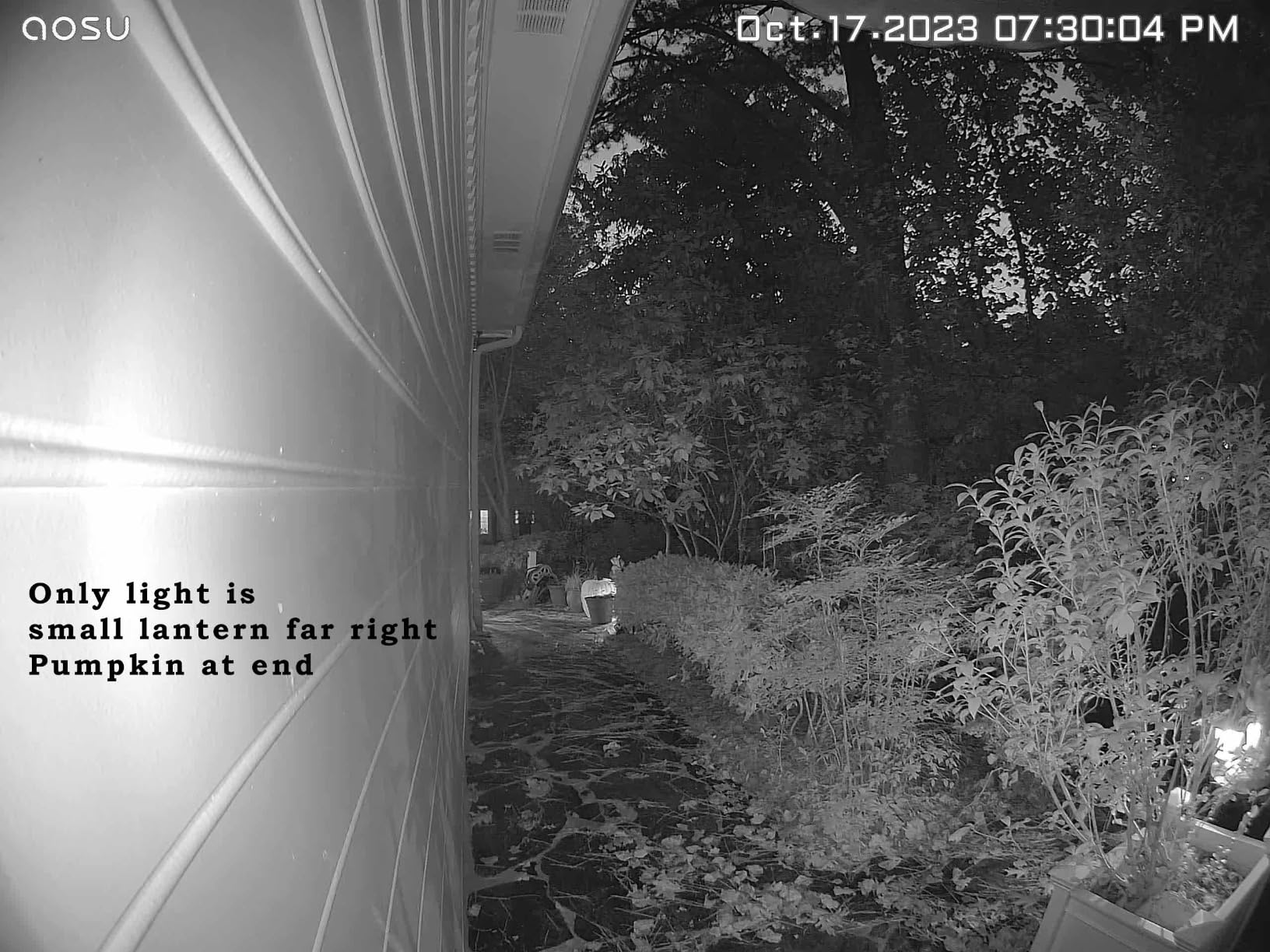
Triple-sensor detection combining radar, PIR and AI human recognition cut false alerts substantially once sensitivity was tuned by hand. That matters in snow, where a single PIR sensor sees every flake as motion. The radar layer is what separates a real visitor from falling snow.
Where it holds up in winter
The 10000mAh-class endurance claim sits alongside a 90-day average battery life figure, and the hardwired path is the real cold-weather insurance. If you have any ability to run a transformer, this is the model that removes cold from the equation entirely while still working on battery when you cannot.
Where it will disappoint you
The app is the weak link. Owners call the interface clunky and report choppy playback, and the base station has no SD slot, so 8GB is all you get. The body is also taller than most doorbells, so third-party weatherproof cases rarely fit, and saved clips capture only the other party’s audio, not your reply.
3. Tapo 2K+ Wired or Battery Powered Smart Video Doorbell D225 – Biggest Battery in the Group
Tapo 2K+ Wired or Battery Powered Smart Video Doorbell with Chime, D225
10000mAh built-in battery
180 degree head-to-toe field of view
microSD up to 512GB with no subscription
IP65 weather resistant
Pros
- Largest battery capacity in this group
- Wired or battery with continuous recording when wired
- Free person package and vehicle detection
- microSD up to 512GB with no subscription
Cons
- Non-removable battery means the whole doorbell comes inside
- 2.4 GHz Wi-Fi only
- A mandatory firmware update reportedly broke chime sync and notifications
Capacity is the whole story with the D225. A 10000mAh pack is the largest in this roundup, and one owner still had 44 percent charge after seven months. When a battery doorbell has to survive winter on battery alone, the extra milliamp hours are what keep it online through a cold snap.
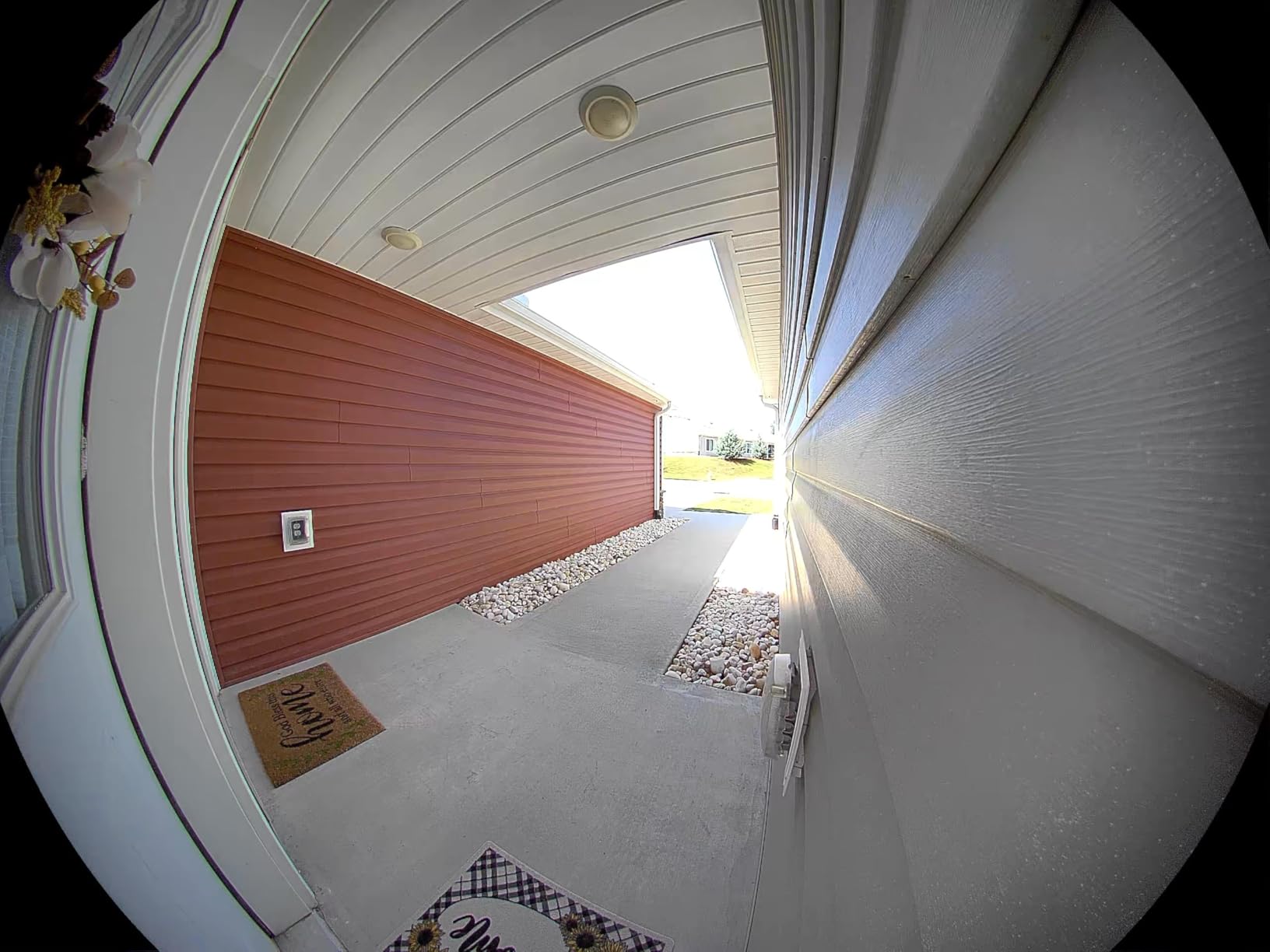
It also runs wired on 8 to 24 volts, and hardwiring unlocks 24/7 continuous recording. That is the answer for anyone whose winters are severe enough that they want a camera that does not care about the weather. The 180 degree head-to-toe view captures the whole porch and the approach to it.
Everything else here is generous. Free person, package and vehicle detection with per-type zones, microSD storage up to 512GB, color night vision with an adjustable spotlight, and a Ring Call feature that rings your phone like an incoming call so you never miss a visitor in a noisy storm.
Encryption is handled properly with AES 128-bit and TLS 1.2, which is more than several rivals here can say about local storage. Owners frequently frame the D225 as the best Ring alternative thanks to the battery size, the wide view and a full local storage feature set with no subscription attached.
Where it holds up in winter
For sustained cold with occasional charging, the 10000mAh pack means fewer swap-ins through January and February than anything else we tested. If you can hardwire, treat the battery as a backup rather than the primary supply and the question stops mattering.
Where it will disappoint you
The battery is built in, so a cold recharge means removing the entire doorbell from the wall. Both linked phones keep ringing until the call is answered on that specific device, and light-colored subjects can blow out in direct sunlight. A mandatory firmware update reportedly broke chime sync, push notifications and Home Assistant entities for some users, so update early and check your automations afterward.
4. Google Nest Doorbell Battery – Best for Google Home
Google Nest Doorbell (Battery) – Snow
On-device person package animal and vehicle detection
6600mAh battery
145 degree field of view
IP54 weather rating
Pros
- On-device AI detection with no subscription
- Stores up to 1 hour of events during an outage
- Battery commonly lasts 3 to 4 weeks
- Clean night vision and two-way audio
Cons
- Narrower 145 degree view than competitors
- Only 3 hours of free event history
- IP54 is the weakest sealing in this group
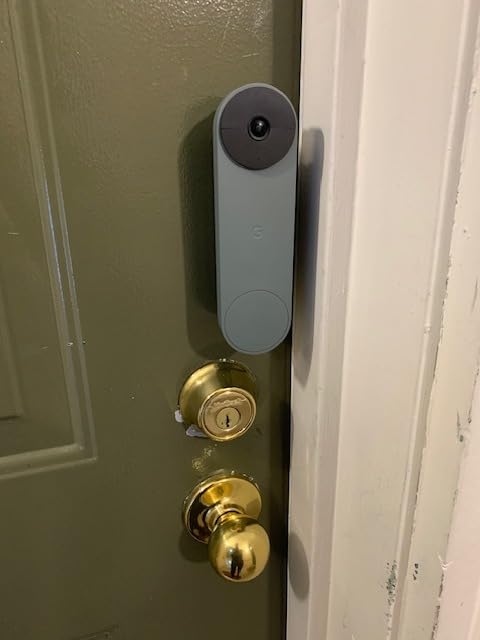
The Nest battery doorbell is the only model in this roundup that runs meaningful detection on the device itself. Person, package, animal and vehicle classification all happen locally with no subscription attached, which matters in cold regions because you are not waiting on a cloud round trip when your connection is struggling through a storm.
Battery life is commonly 3 to 4 weeks on default settings with some owners reporting longer. The 6600mAh pack is mid-sized, and on a removable-battery model the cold-weather swap is straightforward: take the pack inside, warm it, charge it, put it back.
The one feature nobody else in this list has is outage storage. It holds up to one hour of recorded events if Wi-Fi or power goes down, which in a blizzard means you can still see what happened after the lines come back. That is a genuine advantage in places that lose power in ice storms.
The 145 degree field of view is the narrowest here, and owners note people can walk to the edge of the frame and avoid being captured. That is worse in winter, when bulky coats change how a person fills the frame. IP54 is also the weakest weather rating in the roundup, so it wants a covered porch.
Where it holds up in winter
Removable battery, on-device detection and one hour of outage storage make this a solid pick for Google Home households in moderately cold climates. Nothing about the design is uniquely winter-fragile, and local detection keeps working when the internet does not.
Where it will disappoint you
Battery life drops as temperatures fall, and the 3 hours of free event history means you will need Nest Aware to review anything older. Some units cannot have the battery removed for charging on its own, so the whole doorbell comes off the wall, and the app throws false motion alerts when you view the camera at night.
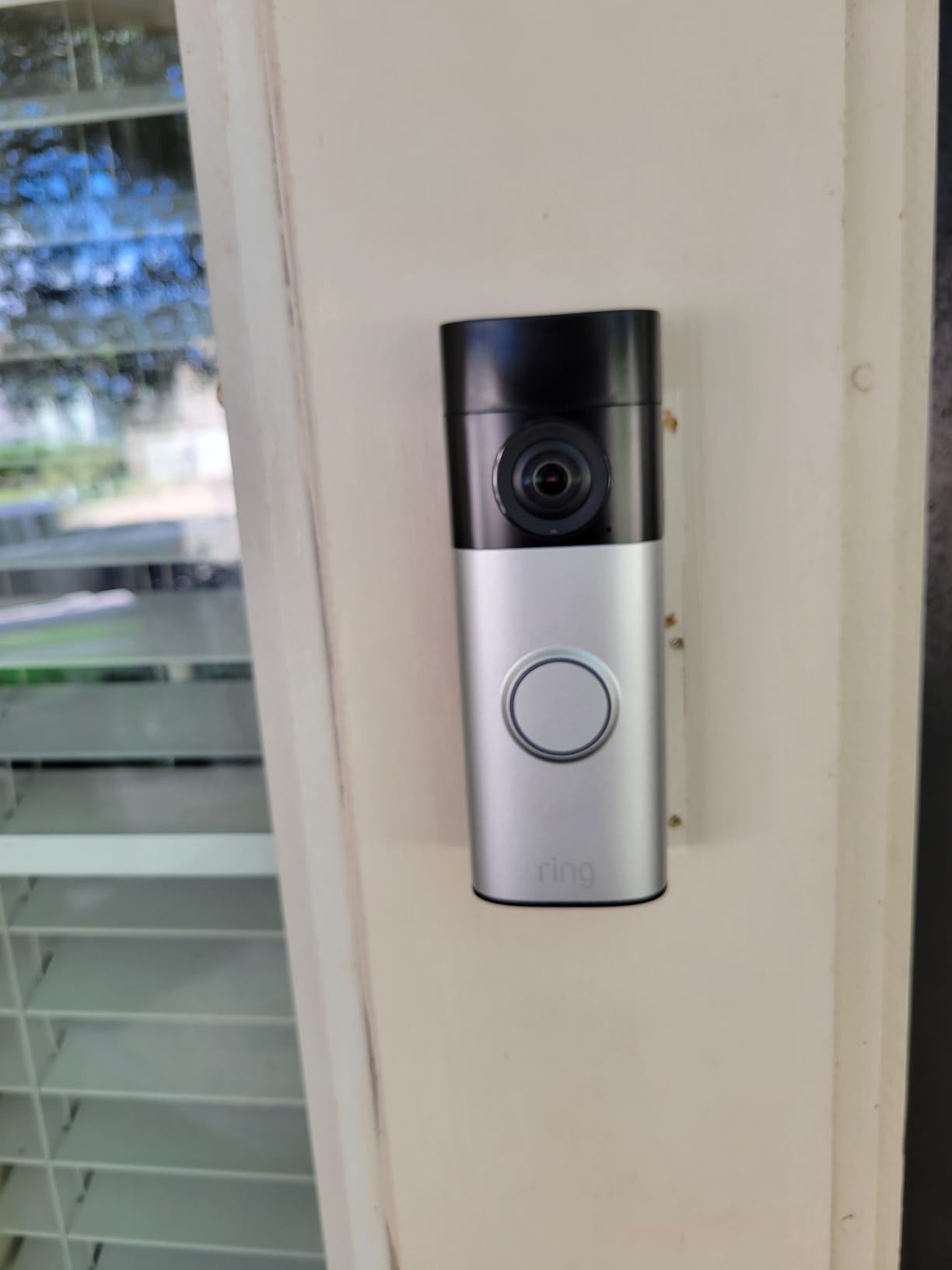
5. Ring Battery Doorbell 2K Plus – Best for Zoom Detail
Ring Battery Doorbell 2K Plus (newest model), Retinal 2K with wide-angle video, up to 6x Enhanced Zoom, Night Vision, and Quick Release Battery Pack, Nickel Silver
Retinal 2K video with up to 6x enhanced zoom
True color night vision
Quick release battery pack
Live View and Two-Way Talk
Pros
- 6x enhanced zoom helps identify faces at a distance
- Quick release pack swaps without removing the unit
- Stays in color longer in low light before switching to black and white
Cons
- Ring Protect subscription required for video history and AI alerts
- Same ecosystem lock-in as the rest of the Ring line
This is the newer Ring battery model, and the quick release battery pack is the feature that matters most in cold weather. You pull the pack out and warm it indoors without taking the doorbell off the wall or re-running the setup. That single design decision is worth more in January than any resolution upgrade.
The Retinal 2K sensor with up to 6x enhanced zoom is the best face-detail capture in this roundup, which helps when a visitor is standing back on a snowy path rather than at the door. True color night vision holds color longer in low light before dropping to black and white.
The wide-angle view captures a broader portion of the entryway than the original Ring battery doorbell. Owners of the earlier model who upgraded mainly for the battery handling report the swap experience as the biggest day-to-day improvement.
Video history and AI-powered alerts still require a Ring Protect subscription. For a cold-climate buyer, that matters because you are more likely to want to check back on a clip you missed while the package was left in the snow, and there is a growing set of no-subscription alternatives if that cost bothers you.
Where it holds up in winter
The quick release pack is the best cold-weather serviceability in the Ring lineup. Keep a second pack indoors at room temperature, and a dead doorbell becomes a five-minute swap rather than a full reinstall on a frozen porch.
Where it will disappoint you
It carries the same subscription requirement and ecosystem lock-in as the rest of the Ring range, and nothing in the published specifications addresses minimum operating temperature. If you need a published cold rating, this model does not provide one.
6. BOIFUN Video Doorbell Camera 2K HD – Best Budget No-Subscription Pick
BOIFUN Video Doorbell Camera Wireless – No Subscription Required, 2K HD
2K HD with 166 degree field of view
5200mAh built-in battery
IP65 weather rated
Night vision to 33 feet
Pros
- Alerts two-way audio detection and playback work with no subscription
- microSD up to 128GB for free local recording
- Clear 2K video in a wide 166 degree view
- Includes a portable indoor chime
Cons
- 2.4 GHz Wi-Fi only with no 5 GHz support
- Built-in battery cannot be removed to charge
- Not rated for direct sun exposure without the included shade
The BOIFUN is the most straightforward way to get a full-featured video doorbell with no monthly fee. Alerts, two-way audio, human detection and playback all work without a subscription, and a microSD slot up to 128GB handles local recording. For a cold-climate buyer on a budget, that combination is rare.
Viewing quality is solid for the class. The 166 degree field of view with clear 2K video day and night, plus HDR night vision using invisible 940 nm infrared out to about 33 feet, means you can still identify someone in a dark entryway during a January night.
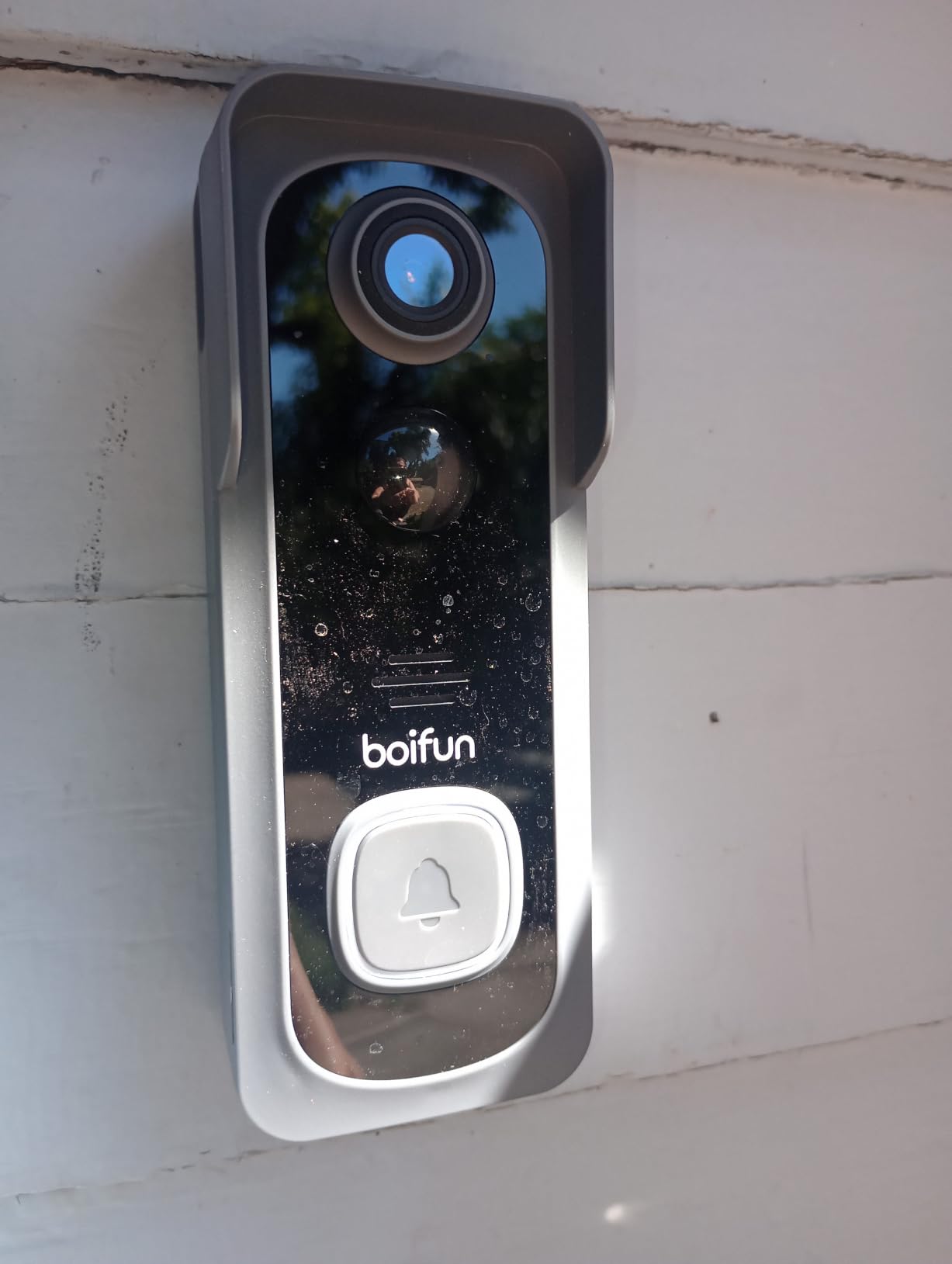
Battery endurance reports are encouraging. One owner had 75 percent remaining after three weeks, and the 5200mAh pack is a reasonable size. The battery is built in and non-removable, so a cold recharge still means bringing the whole doorbell inside, but the device is light at 8 ounces and installs without drilling.
A two-year warranty comes with it, which is reassuring in a climate where electronics face repeated freeze-thaw cycles. Owners mostly frame this as the value pick rather than a premium one, and the price point reflects that.
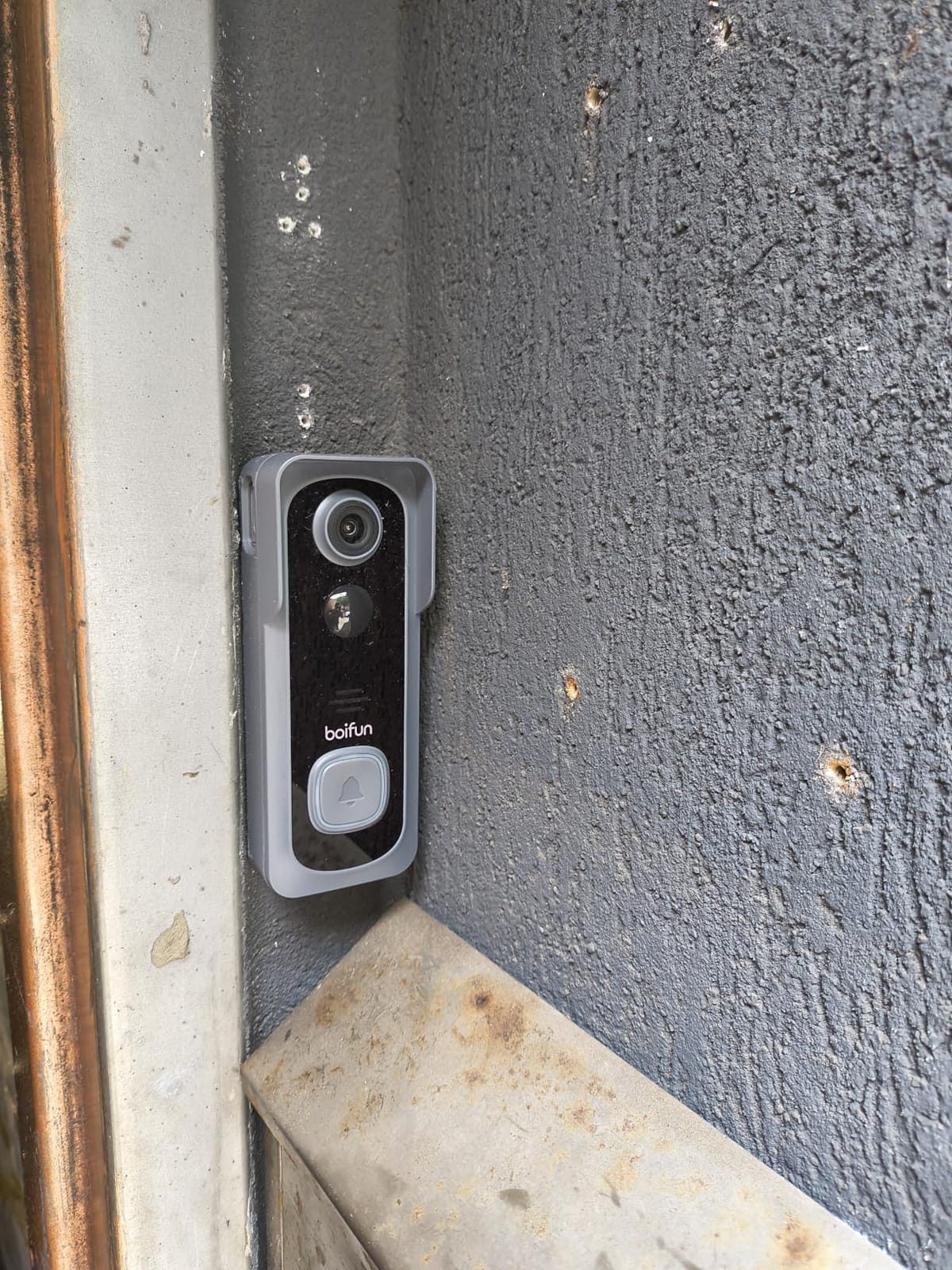
Where it holds up in winter
IP65 sealing handles sleet and snow, and the wide field of view catches a visitor in a full winter coat. Battery drain is moderate and the two-year warranty gives some protection against early pack failure in repeated cold cycles.
Where it will disappoint you
The battery is sealed inside, so a cold swap is not possible and you cannot add a second pack. It is 2.4 GHz only, and reviewers report it occasionally misses someone walking up quickly, which is more likely when that person is moving fast through snow.
7. ieGeek Doorbell Camera Bell J9 – Best Free Cloud Storage
ieGeek Doorbell Camera Wireless No Subscription, 2K 3MP HD View PIR Motion Detection, Wireless Video Doorbell with Chime 2-Way Talk, Only Supports 2.4GHz WiFi, Local & Cloud Storage, White
5200mAh built-in battery
166 degree field of view
IP66 weather rating
2.4GHz Wi-Fi only
Pros
- Free lifetime basic cloud storage with no monthly fee
- Optional 128GB microSD for local backup
- Voice changer and pre-recorded replies for privacy
- Starlight night vision is clear for the price
Cons
- Battery life drops sharply in cold weather per owner reports
- Battery performance degrades after about a year
- Frequent false alerts from bugs and birds
This is the one model in the roundup with a documented cold complaint in its owner feedback, so read it carefully. Reviewers quote battery life falling from a stated one to two months to roughly 2 to 3 weeks in cold weather, and several report near-weekly charging after about a year of use.
What you get in exchange is genuinely useful. Lifetime free basic cloud storage means no subscription ever, and an optional 128GB microSD card adds local backup. That combination of free cloud plus local card is rare at this level.
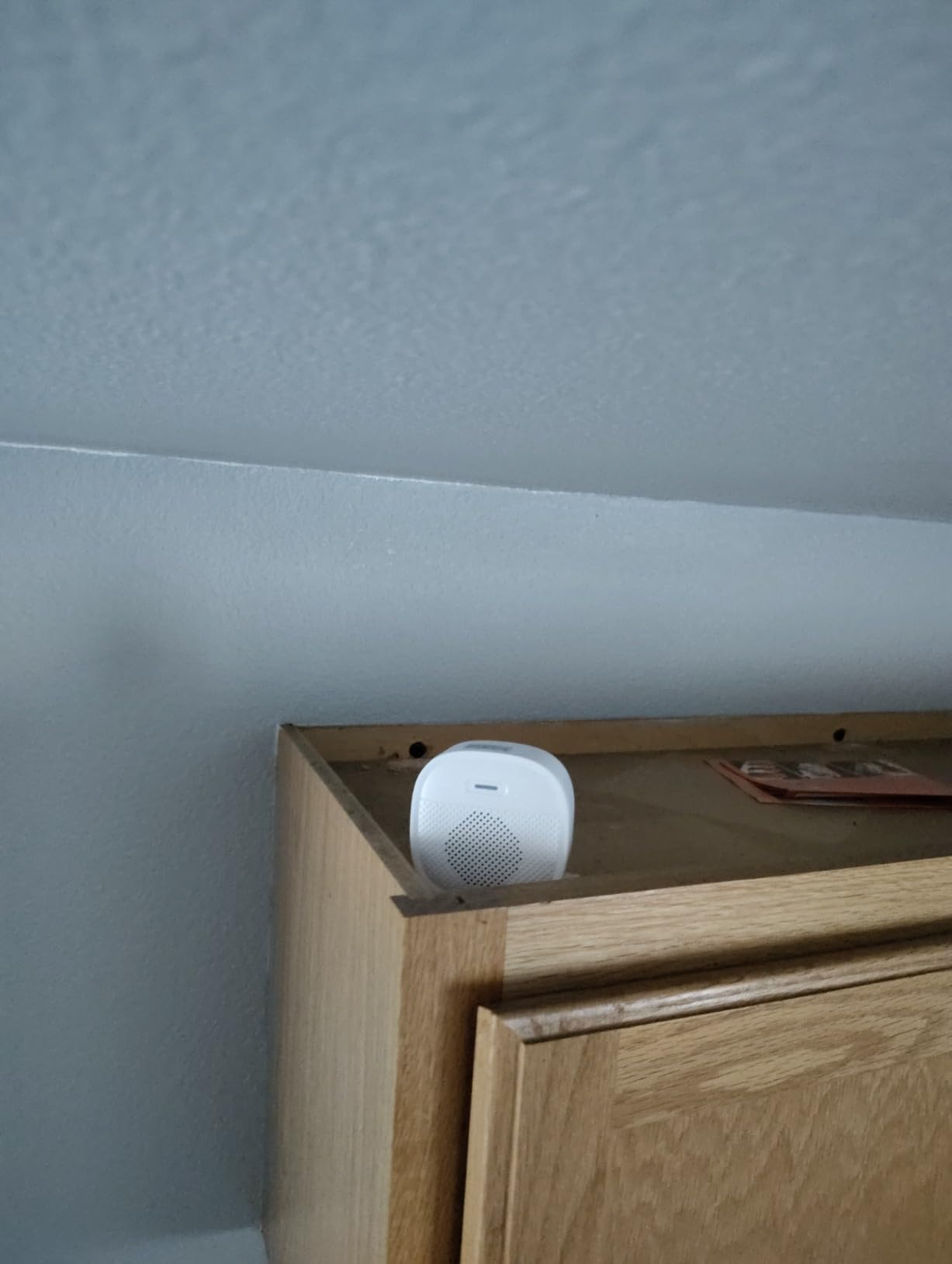
The IP66 rating is joint-best in this roundup and handles freezing rain and ice accumulation better than the IP65 units. Two-way audio is clear and responsive, and the starlight sensor produces clean night vision for the money.
There are privacy features worth knowing about. A voice changer and up to three pre-recorded replies let you answer the door without revealing your voice, which some people living alone specifically value. Setup is straightforward, though no wedge mount is included.
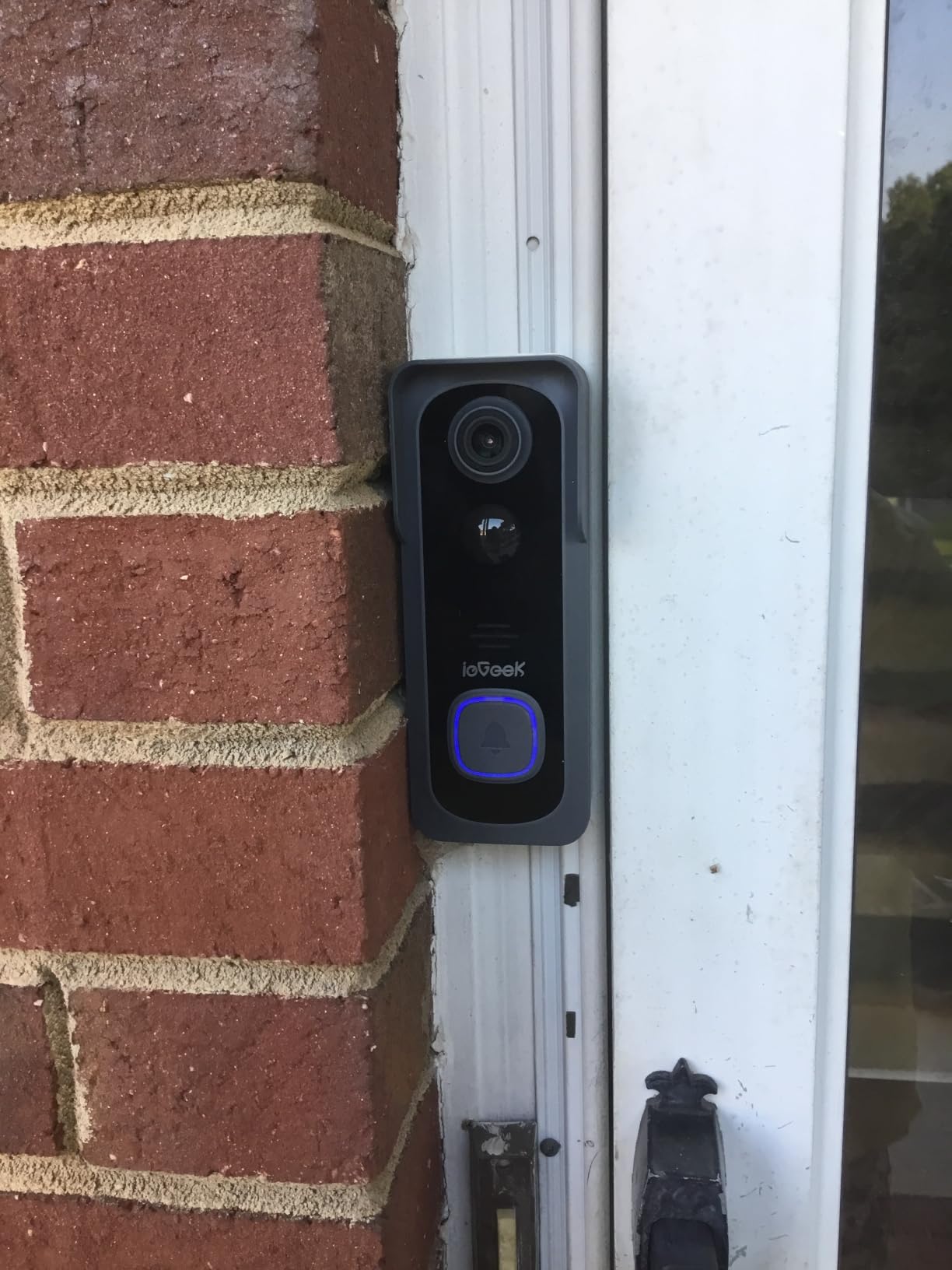
Where it holds up in winter
IP66 sealing and clear night vision hold up well in wet, freezing conditions. The 166 degree view and 2.4 GHz only networking mean it needs to be within about 50 feet of the router, which is worth checking before you commit.
Where it will disappoint you
Cold battery drain is the honest weak point, and owners in colder regions report it directly. False alerts from bugs and birds persist even on human-only detection, and in winter a shaking branch triggers the same way, which drains the pack faster right when it can least recover.
8. Arlo Video Doorbell 2K 2nd Gen – Best Cross-Ecosystem Pick
Arlo Video Doorbell 2K (2nd Gen) Wireless or Wired – 1-Cam
1440p video with 180 degree head-to-toe view
IP65 weather resistance
Wired or wireless installation
Color night vision to 25 feet
Pros
- 180 degree view with color night vision
- Two-way audio is clear and natural
- Custom activity and privacy zones reduce alerts
- Works with Alexa Apple Home Google Home SmartThings and IFTTT
Cons
- Battery is not removable so the whole camera comes off to charge
- Advanced features need the Arlo Secure plan after the trial
- Recording is not constant
Arlo is the broadest ecosystem fit in the roundup, pairing with Alexa, Apple Home, Google Home, SmartThings and IFTTT. If your household is not committed to a single smart home stack, that flexibility is worth more than a sharper sensor.
The 180 degree head-to-toe view and 1440p sensor give genuinely good coverage, and color night vision reaches about 25 feet. Reviewers compare the two-way audio favorably to a face-to-face conversation, and custom activity zones plus privacy zones help you ignore the street in winter.
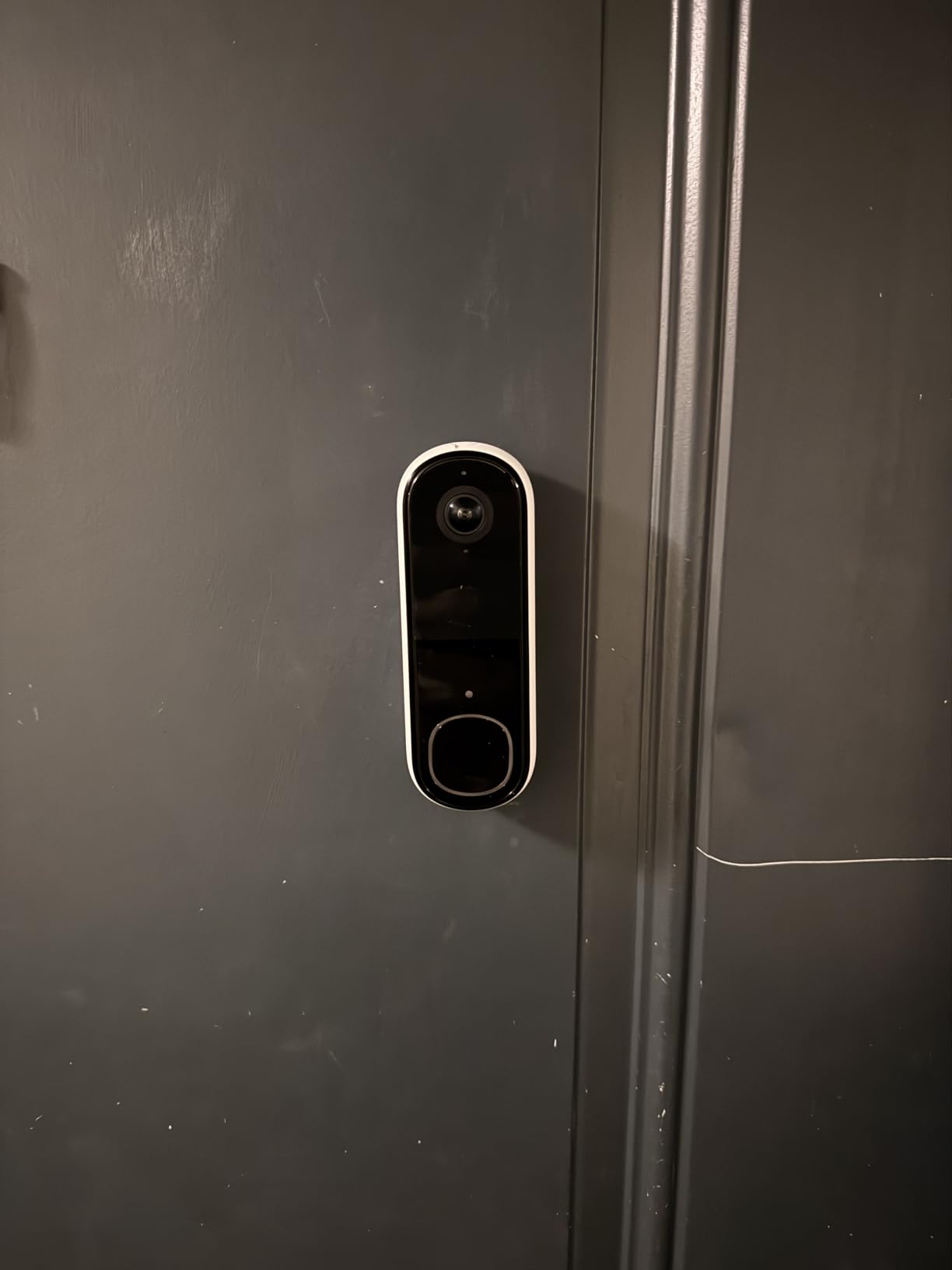
It can be installed wired or wireless, with an angled bracket and a wire extension kit in the box. If your door already has transformer power from an old chime, running it wired removes the battery problem outright, and that is the single best cold-weather move available for this camera.
The 18.21 watt-hour lithium-ion pack is sealed in, so battery mode means the entire camera comes off the wall to charge. Most advanced features sit behind the Arlo Secure plan after the trial, and recording is not constant, so you cannot always review past events.
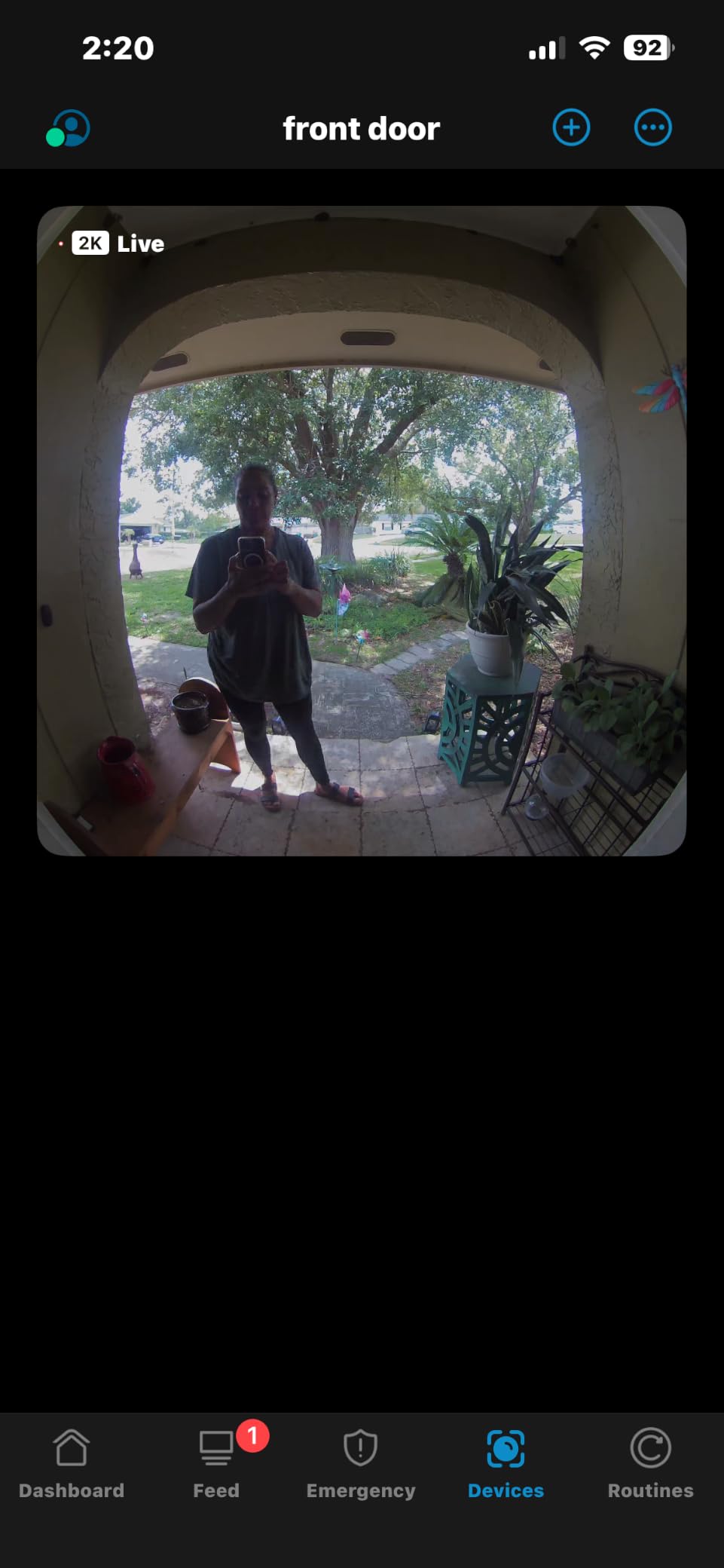
Where it holds up in winter
Wired operation is where this camera is genuinely strong. Use existing doorbell wiring and it becomes a cold-proof option, with the 180 degree view and night vision doing the work of keeping your porch covered through a storm.
Where it will disappoint you
Battery mode is weaker than the leaders here. Non-constant recording, subscription gating for advanced features, and a non-removable battery combine into a winter package that asks for frequent indoor charging. It also does not work with Arlo existing base or hub ecosystems.
9. Blink Battery Doorbell 2K+ – Best With Existing Chime Wiring
Blink Battery Doorbell 2K+ (newest model) — Wireless video doorbell, 2K resolution, enhanced audio. Required Sync Module not included – Add-On (White)
2K HDR head-to-toe video
Three AA Energizer lithium batteries or existing wiring
IP65 weather resistance
150 degree square field of view
Pros
- 2K HDR handles direct sunlight better than older models
- AA lithium batteries run for months
- Live view loads in about 3 seconds
- Two-way talk is loud with good wind noise cancellation
Cons
- Documentation states the unit does not work below -4F
- Sync Module is required and sold separately
- Screws are cheap and stripped during tightening
This is the only product in the roundup that publishes a minimum operating temperature, and it is not a flattering number. The documentation states the unit does not work below -4F, roughly -20C. That is a hard line for anyone in northern Wisconsin, Manitoba or Alaska.
Below that threshold, nothing in the design changes the outcome. The three AA Energizer lithium cells are the cold-sensitive component, and owners in genuinely sub-zero conditions are the ones who feel the limit. In moderate winters where the temperature stays above -4F, the camera itself performs well.
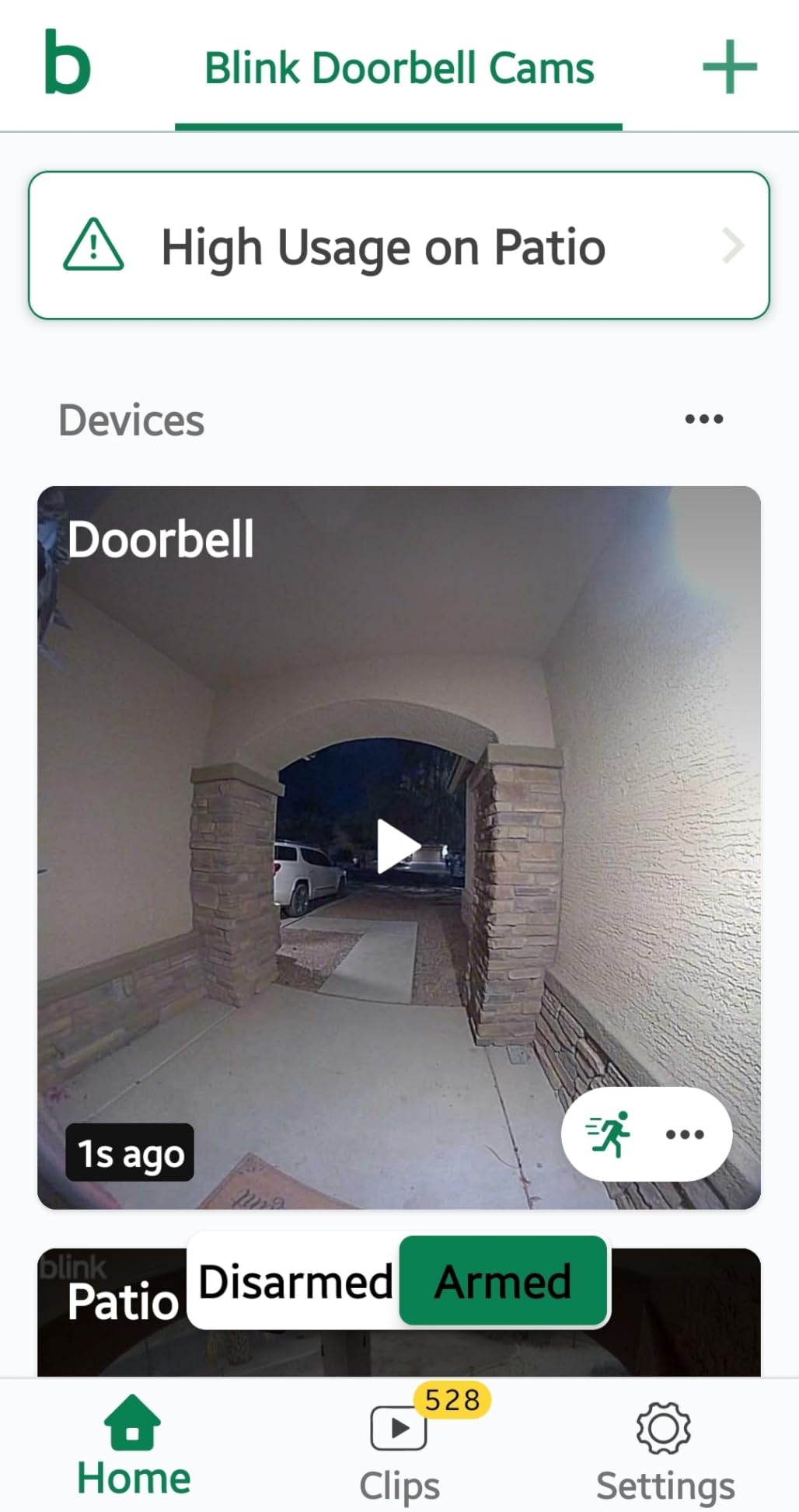
Where it does perform, performance is good. 2K HDR holds up in harsh direct sunlight, which matters when a low winter sun backlights a visitor, and the 150 degree square head-to-toe view actually captures packages on the doormat. Live view loads in roughly 3 seconds, a real improvement over earlier Blink doorbells.
It also connects to existing doorbell wiring for an in-home chime, which makes it the best option here for anyone with old transformer power they are not using. Owners like the two-way talk for being loud with good noise cancellation in wind.
Where it holds up in winter
AA lithium cells run for months and are cheap to replace, so if you stay above the -4F line the battery economics are excellent. Free local storage through a Sync Module 2 with a USB drive avoids a subscription, which is a genuine plus for long-term cost.
Where it will disappoint you
The documented -4F floor rules it out for serious cold. The required Sync Module is not included with this add-on variant, the supplied screws stripped while being tightened, and the app cannot show live view full screen. Wiring instructions for an existing chime are buried in post-install setup.
10. eufy Security Video Doorbell E340 Kit – Best Package Camera
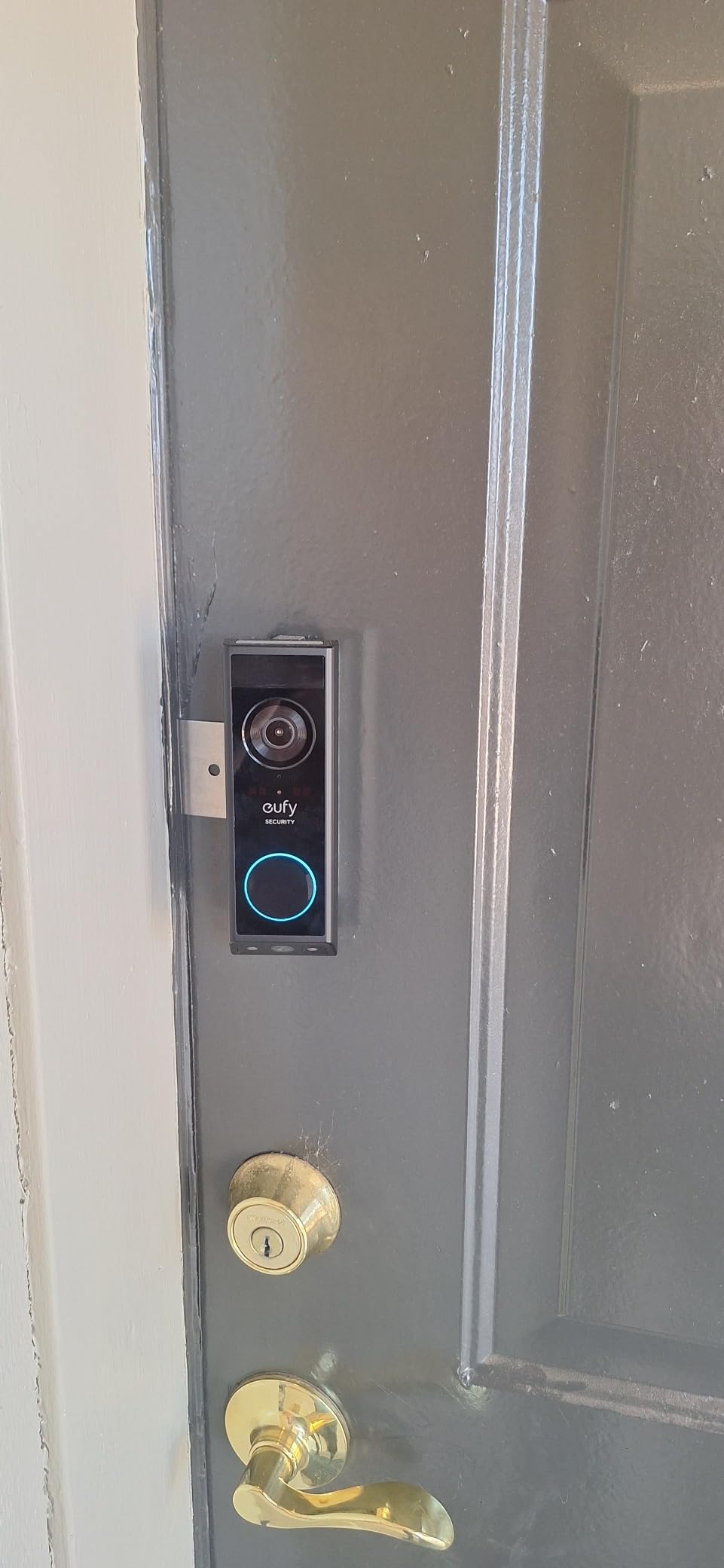
eufy Security Video Doorbell E340 Kit with Battery, 2K FHD, Built-in 8GB
Dual cameras for people and the floor at the door
8GB built-in eMMC local storage
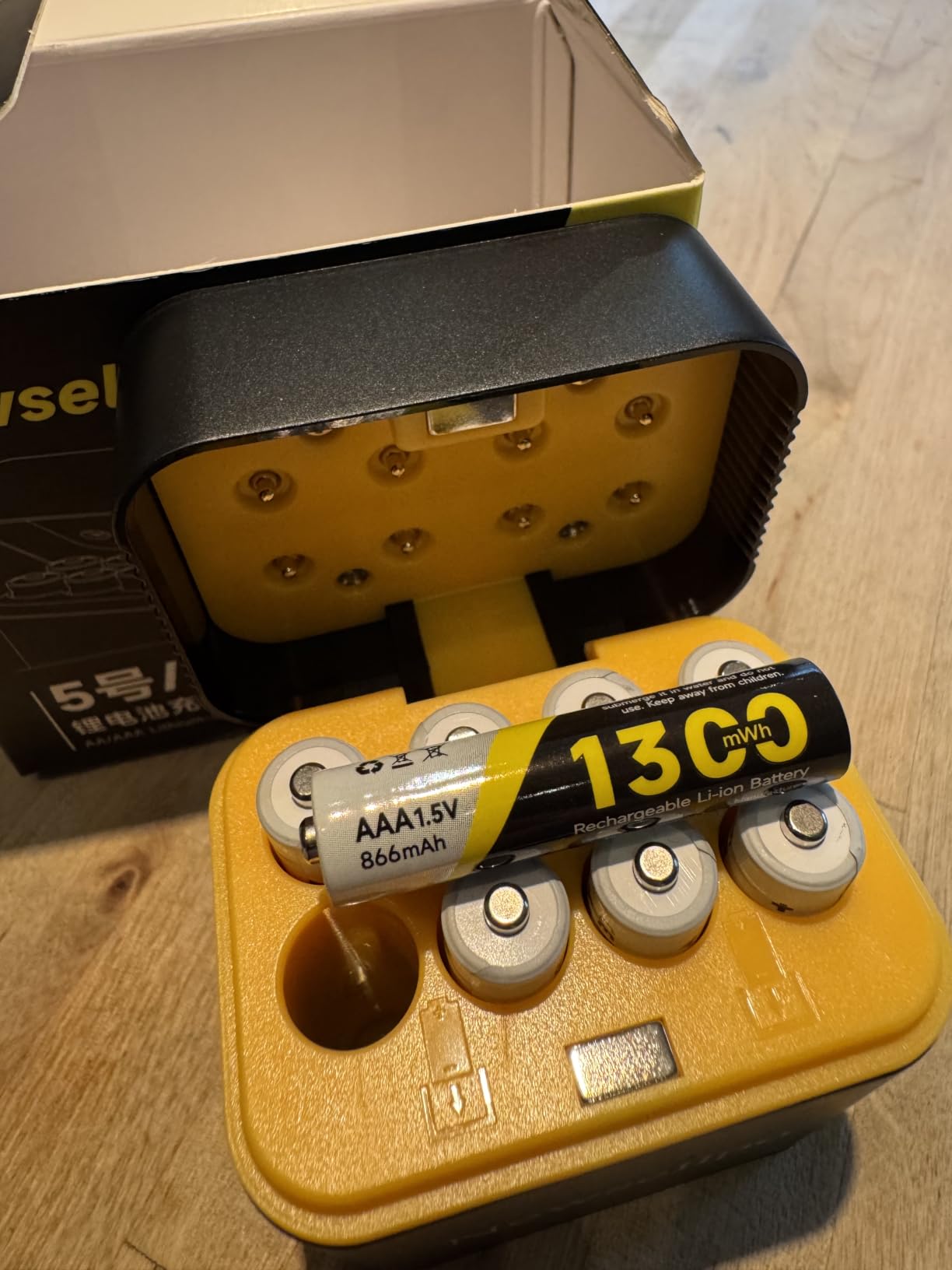
Quick release 6500mAh battery packs
2K FHD with color night vision
Pros
- Downward-facing camera captures packages on the step
- 8GB built-in storage with no subscription
- Two quick release packs allow hot swapping
- AI detection can be limited to people and vehicles
Cons
- Battery cannot be charged in place so the unit comes off
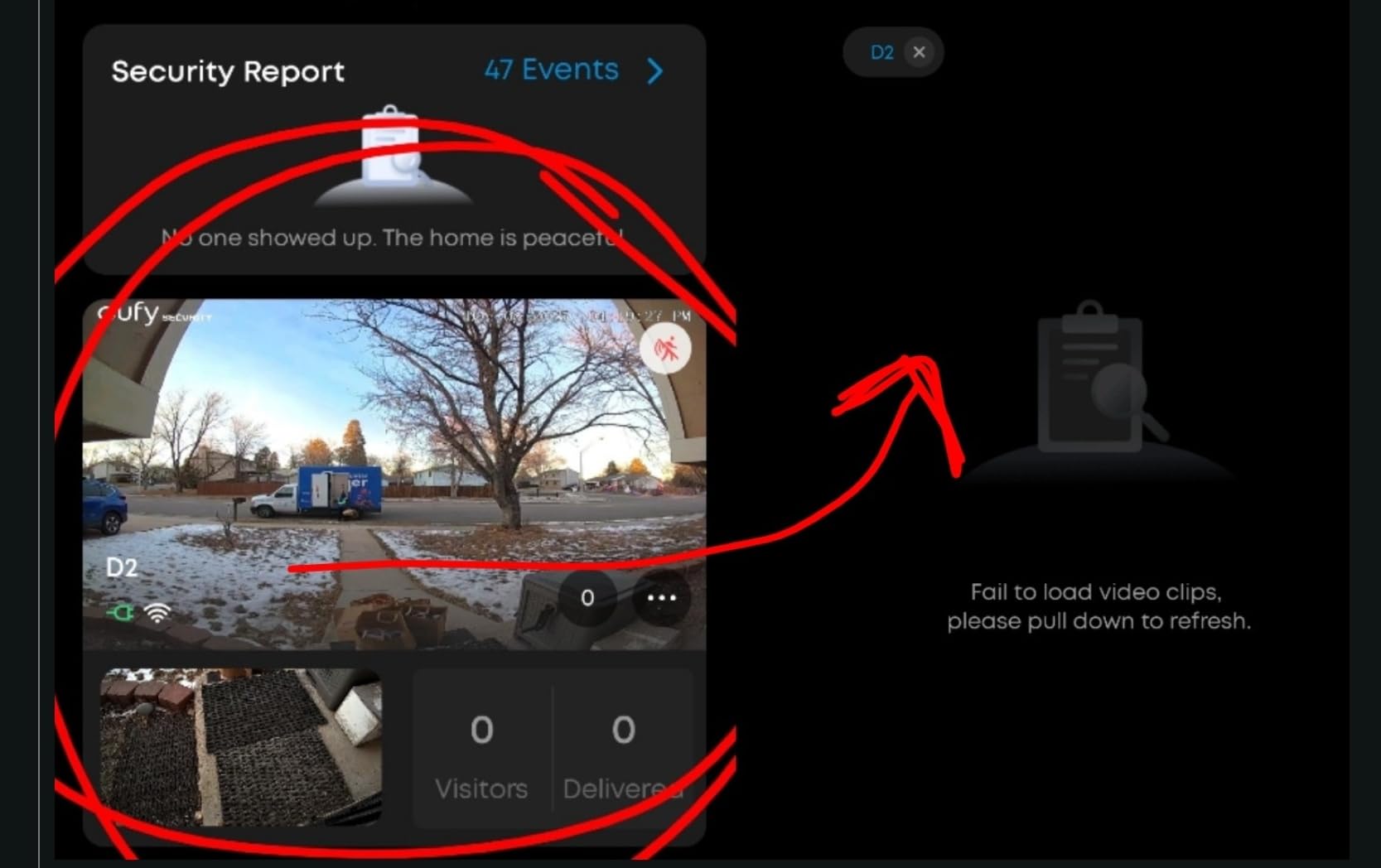
- Some units drop offline and lose Wi-Fi sync within weeks
- No continuous loop recording
The E340 solves the problem every other single-camera doorbell has: the gap between your face and the ground. A second downward-facing camera looks at the floor at the door, so you see a parcel on the step even when the main lens is aimed at the walkway. For winter package theft that is the whole game, and our package theft guide covers the wider setup.
Two 6500mAh quick-release packs ship in the kit, and hot-swapping is the practical cold-weather feature. One pack typically lasts about three weeks, so the second pack lets you warm one indoors while the other stays on the wall. You never have to run a cold doorbell.
Storage is 8GB of built-in eMMC with no subscription required, which is why many owners switched from Ring specifically to avoid monthly fees. AI detection can be tuned to people and vehicles only, cutting squirrel and leaf alerts that would otherwise drain the pack through a winter storm.
Reliability is the weak point. Several reviews describe units going offline and losing Wi-Fi sync after a few weeks, and dual cameras draw more power, so one owner reported a shutdown at 30 days on default settings. The mount release pin is not included and must be bought separately.
Where it holds up in winter
Two quick-release packs and a local storage option make this a good cold-climate choice on paper, and the 160 degree viewing angle covers a visitor in a heavy coat. Install under an overhang to limit ice accumulation on the lens.
Where it will disappoint you
The battery cannot be charged in place, so a charge means removing the whole unit despite the quick-release packs. There is no continuous loop recording, so you cannot scrub back through gaps, and owners report dated app design, non-intuitive zone setup and no HomeKit support.
How to Choose a Battery Video Doorbell That Survives Winter
Start with the coldest week your town actually sees, not the average. If your winter regularly drops below 0F, a battery-only doorbell is going to need maintenance no matter which one you buy, and the honest question is whether you want that maintenance. If you have any existing doorbell wiring, or you can install a transformer, read our wired doorbell comparison first. A wired or PoE model eliminates the battery question entirely.
If you are committed to battery power, prioritize a quick-release pack. The models with a removable battery let you keep a warm spare indoors and swap in a cold-weather minute rather than removing the doorbell from the wall. Models with a sealed battery mean you take the whole camera inside every time, which in a northern January is genuinely unpleasant.
Next, look at capacity. The Tapo D225 at 10000mAh is the largest in this group, the Nest at 6600mAh and the eufy at 6500mAh sit in the middle, and the BOIFUN and ieGeek at 5200mAh are the smallest. Larger is better in cold because you start every deep freeze with more headroom, and a pack that dies at 20 percent has no way to recover outdoors.
Then check the two ratings that buyers routinely confuse. The IP rating tells you about water and dust, not temperature: IP65 and IP66 handle freezing rain and ice accumulation, while IP54 like the Nest battery model wants a covered porch. The operating temperature rating tells you about cold, and almost nobody publishes one. Only Blink states a limit here, at -4F, and no manufacturer in this roundup publishes a figure for the others.
Finally, plan the mitigations. Buy a spare battery and keep it indoors. Narrow your motion zones to the walkway and door so falling snow and swinging branches do not trigger constant recording. Use radar-based or AI person detection where available, since PIR sensors see every flake. If you want to know more about local storage options that avoid monthly fees, our local storage roundup covers the details.
Frequently Asked Questions
Why is my wireless doorbell not working in cold weather?
Cold slows the chemistry inside a lithium-ion battery, so the pack delivers less voltage and holds noticeably less usable charge, with capacity dropping roughly 20 to 50 percent near 0F. Most doorbells also stop charging below about 32F (0C) to protect the cell, so a pack that drains outdoors can never recover outdoors. The doorbell shuts down when it can no longer power the camera, and usually restarts once it warms back up.
Which battery-powered video doorbell has the longest battery life?
The Tapo D225 has the largest battery in this group at 10000mAh, and one owner still had 44 percent remaining after seven months. The Tapo can also be hardwired on 8 to 24 volts, which removes the battery from the equation entirely. Among battery-only models, the Ring Battery Doorbell and the Google Nest Doorbell commonly report three months or more in mild conditions, though both drop sharply in sustained cold.
What is the best doorbell camera for cold weather?
If you must run on battery, the Tapo D225 leads on capacity and can be hardwired later to remove cold from the equation. The aosu 5MP doorbell is the strongest premium hardware and also runs wired or on battery. The Ring Battery Doorbell 2K Plus is the most practical in deep cold thanks to its quick release battery pack, which you can warm indoors. The Blink 2K+ is the only model here with a published limit, and it does not work below -4F.
Will a battery doorbell work at -20C?
Expect trouble well before that. Most manufacturers stop charging around 0C, and the Blink documentation states its unit does not work below -4F, roughly -20C. At minus 20C a lithium pack has lost a large share of its capacity, so the doorbell may power on briefly and then drop offline. If your climate regularly reaches that range, a hardwired or PoE model is the reliable answer, or budget for warming and swapping spare batteries indoors every few weeks.
Do Ring and Nest battery doorbells stop working in extreme cold?
Yes, both are affected by the same chemistry as any lithium-ion device, and owners on r/Ring report packs sitting at a very low charge and dropping offline in unnatural cold. The Nest battery model stores up to one hour of recorded events during a Wi-Fi or power outage, which is useful after a storm, but its battery life is commonly 3 to 4 weeks in mild conditions and falls further in deep cold. The Ring 2K Plus handles cold best of the Ring options because its pack is quick release.
Final Verdict: Which Battery Doorbell Handles the Cold Best
The Ring Battery Doorbell is our pick for the best battery video doorbell for cold climates overall, thanks to 66 percent more vertical coverage, a proven battery and the largest owner base in the group. For deep cold, the Tapo D225 wins on 10000mAh capacity and the option to hardwire, and the Ring Battery Doorbell 2K Plus wins on serviceability with its quick release pack. The aosu 5MP is the best hardware if you can hardwire it, and the ieGeek Bell J9 is the honest budget answer if you tolerate shorter winter battery life.
Whatever you pick, buy a spare pack, keep it warm indoors, and tighten your motion zones before the first storm. That combination does more for winter reliability than any single spec on this list, and it is the difference between a doorbell that survives February and one that does not.