
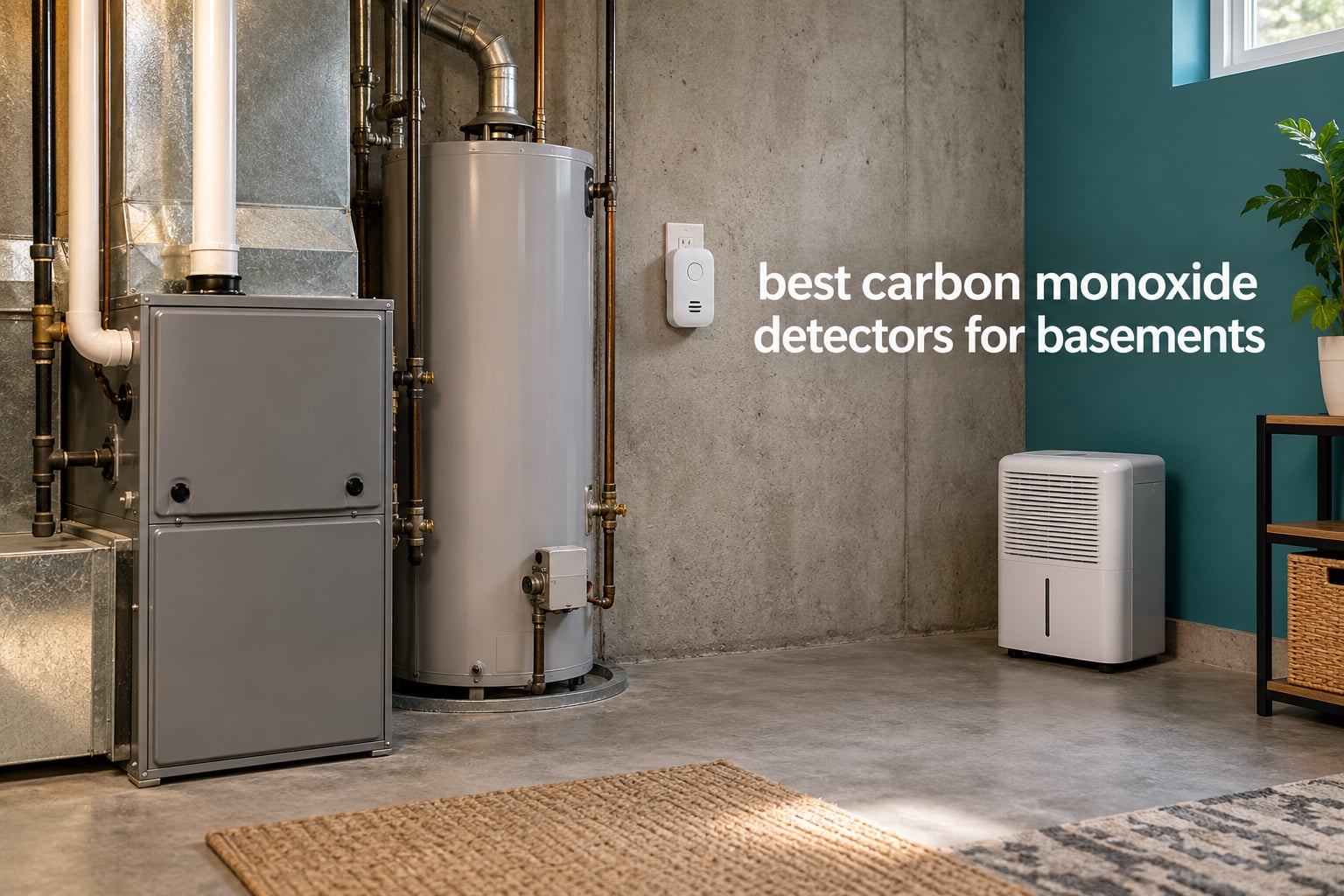
A finished basement is where most of a home’s combustion equipment hides. The furnace, the water heater, the dryer and often the flue for every fireplace upstairs all sit below grade, and the air in that room moves differently than the air two floors up. That is why the best carbon monoxide detectors for basements are not simply the highest-rated alarms on the shelf. They are the units that can hear a slow leak from a burner that is not yet making enough CO to wake anyone, that keep working when the power blips, and that can actually be heard by someone asleep upstairs.
We spent weeks comparing eleven alarms on the things that decide whether a basement detector earns its wall space: sensor type, power redundancy, whether the unit shows a live parts-per-million reading, how it behaves in a damp utility room, and whether the alarm will wake a household two floors away. Everything we list carries a stated safety certification, and every rating and review count below is copied straight from the current product data rather than estimated.
One thing to set expectations early: a detector is a last line of defense, not a repair. If a furnace or water heater is producing CO, an alarm tells you about it. It does not fix the cracked heat exchanger. If you are picking up moisture down there too, our basement dehumidifier guide covers the humidity side of the problem, because damp air is one of the conditions that pushes electrochemical sensors toward nuisance alarms.
Table of Contents
Top 3 Best Carbon Monoxide Detectors For Basements (October 2026)
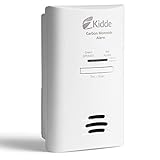
Kidde Plug-In with AA Backup
- Electrochemical sensor
- Plug-in 120V with 2-AA backup
- Peak Level Memory
- 85 dB alarm
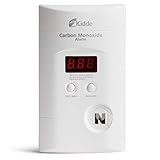
Kidde Plug-In with Digital…
- Digital ppm display
- 9V battery backup
- Removable cord storage
- Peak Level Memory

First Alert SC9120B Hardwir…
- Smoke plus CO in one unit
- Hardwired with 9V backup
- Interconnectable with compatible units
Best Carbon Monoxide Detectors for Basements in 2026
| Product | Specs | Action |
|---|---|---|
| Kidde Plug-In CO Detector with AA Backup |
|
Check Latest Price |
| Kidde Plug-In CO Detector with Digital Display |
|
Check Latest Price |
 First Alert CO605 Plug-In with Battery Backup First Alert CO605 Plug-In with Battery Backup |
|
Check Latest Price |
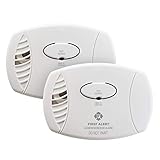 First Alert CO400 Battery Alarm 2-Pack First Alert CO400 Battery Alarm 2-Pack |
|
Check Latest Price |
| First Alert SC9120B Hardwired Smoke and CO |
|
Check Latest Price |
 X-Sense SC07 Combo, 10-Year Sealed Battery X-Sense SC07 Combo, 10-Year Sealed Battery |
|
Check Latest Price |
 X-Sense SC01 Combo with LCD Status X-Sense SC01 Combo with LCD Status |
|
Check Latest Price |
 Kidde CO and Explosive Gas Plug-In Alarm Kidde CO and Explosive Gas Plug-In Alarm |
|
Check Latest Price |
 Siterwell GS828A CO Detector Siterwell GS828A CO Detector |
|
Check Latest Price |
 Siterlink Plug-In CO Detector Siterlink Plug-In CO Detector |
|
Check Latest Price |
 Heiman C1-S 10-Year CO Detector Heiman C1-S 10-Year CO Detector |
|
Check Latest Price |
Where to Put a Carbon Monoxide Detector in a Basement?
Yes, put one on the basement level. The CPSC recommends a CO alarm on every level of a home, outside sleeping areas, and a combination alarm wherever hardwired smoke alarms are required within 15 feet of a bedroom door. In a basement that means mounting the unit on the wall or ceiling of the mechanical room where the furnace and water heater live, not tucked in a closet or a storage bin.
Two distance rules do most of the work. Mount the alarm at least 5 feet away from a fuel-burning appliance like a furnace or water heater, and at least 15 feet away from a cooking appliance. On the wall, place it on the side opposite an open window or doorway, and never directly above a combustion appliance where rising heat can cook the sensor. CO mixes with air but is affected by drafts and air currents, so a spot in a dead corner of a long, low-ceilinged basement is a poor choice.
Height matters in a way it does not upstairs. Basement air is often cooler and denser than the air above, so mounting lower on the wall rather than hard against the ceiling gives the sensor a better read on the breathing zone. That also happens to be the level where a person crouching to service a water heater is already breathing.
Humidity is the basement-specific wrinkle. Guidance published for summer basement conditions puts the target around 50% relative humidity, and the electrochemical sensors used in most of these units are rated to operate across a wide band but drift outside it. A room that regularly sits above 70% RH or drops below freezing can produce nuisance chirps and, over time, less reliable readings. Our smart water leak detector guide covers the other sensor family most basements need.
Finally, check for a humidity or temperature rating before you buy. Several units on this list state their operating range plainly, which tells you whether the model belongs in an unconditioned crawl-space-adjacent corner or in a finished, climate-controlled room.
How Many CO Detectors Does a Basement Need?
One on the basement level, one outside each sleeping area, and an interconnected path between them. A basement alarm on its own protects the room it sits in, not the people asleep two floors up, and that is the most repeated worry in homeowner forums about basement detection. An 85 dB alarm in a finished mechanical room, behind a closed door and under a finished ceiling, loses a great deal of its reach.
There are two ways to close that gap. Hardwired interconnection, which is what the First Alert SC9120B in this group supports, sends a signal so that every compatible alarm in the house sounds when one trips. Wireless interconnection does the same without pulling new cable, and is a better fit for a finished basement where the joists are already buried behind drywall. A third option is a phone-based alert, useful if the household is empty during the day, with the caveat that it depends on your network being up.
Homeowners we read about typically run a two-alarm arrangement: one hardwired or interconnected unit in the basement mechanical area and one at the bedroom level, sometimes with a battery-powered third unit covering a space that has no reachable outlet. In a home with a gas fireplace, a gas water heater and an attached garage, add a second unit near the garage entry rather than crowding them all into one room.
1. Kidde Plug-In CO Detector with AA Backup (KN-COB-DP2)
Kidde Carbon Monoxide Detector, Plug-in Wall with AA Battery Backup, Test-Hush Button
Electrochemical sensor
Plug-in 120V with 2-AA backup
10-year limited warranty
18 g, 1.5 by 2.75 by 4.05 inch
Pros
- Loud 85 dB alarm
- Slim body clears a duplex outlet
- Peak Level Memory
- 10-year limited warranty
- Runs on AC with battery backup
Cons
- No digital CO readout
- LED-only status
- Will not detect smoke
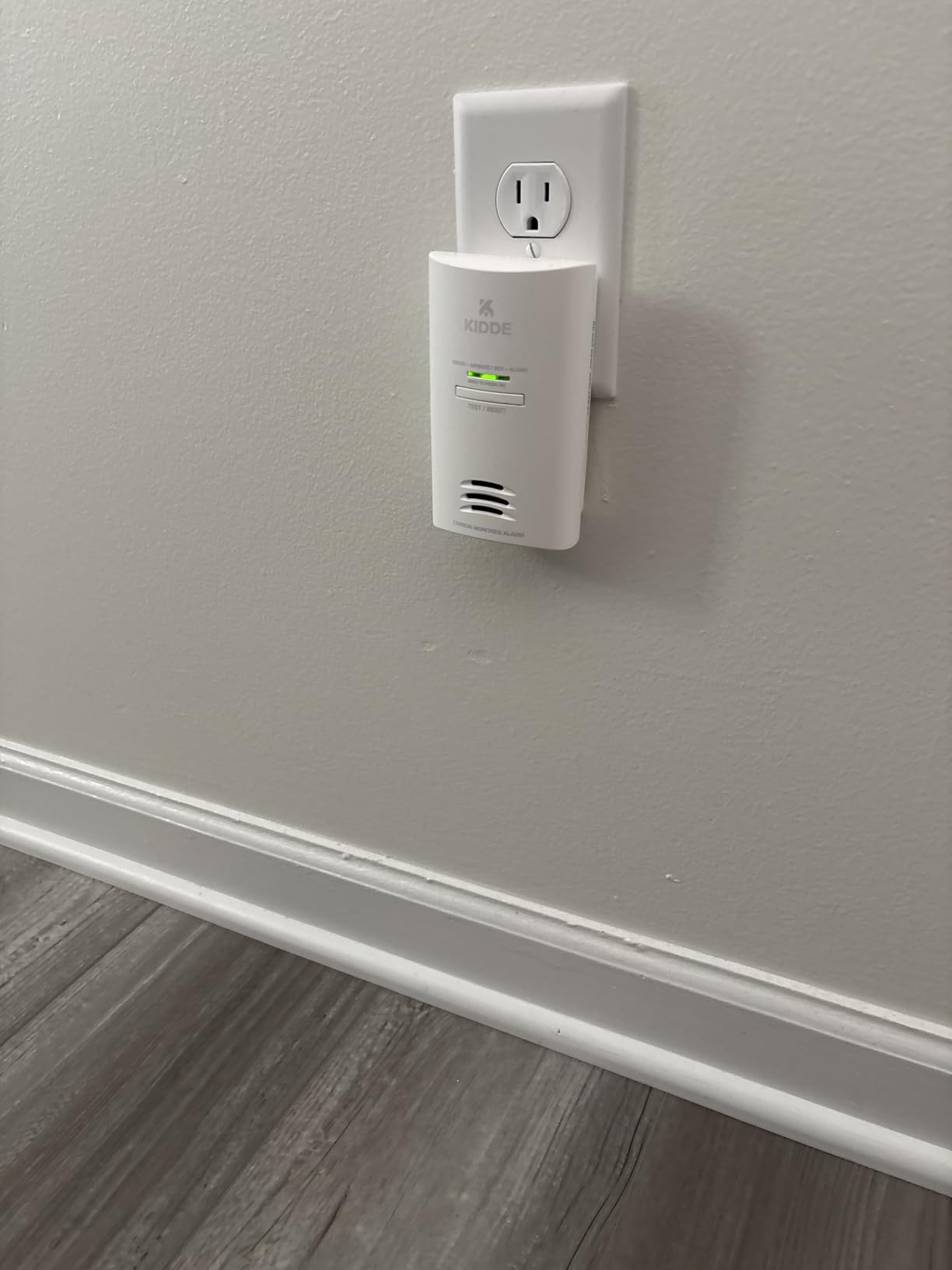
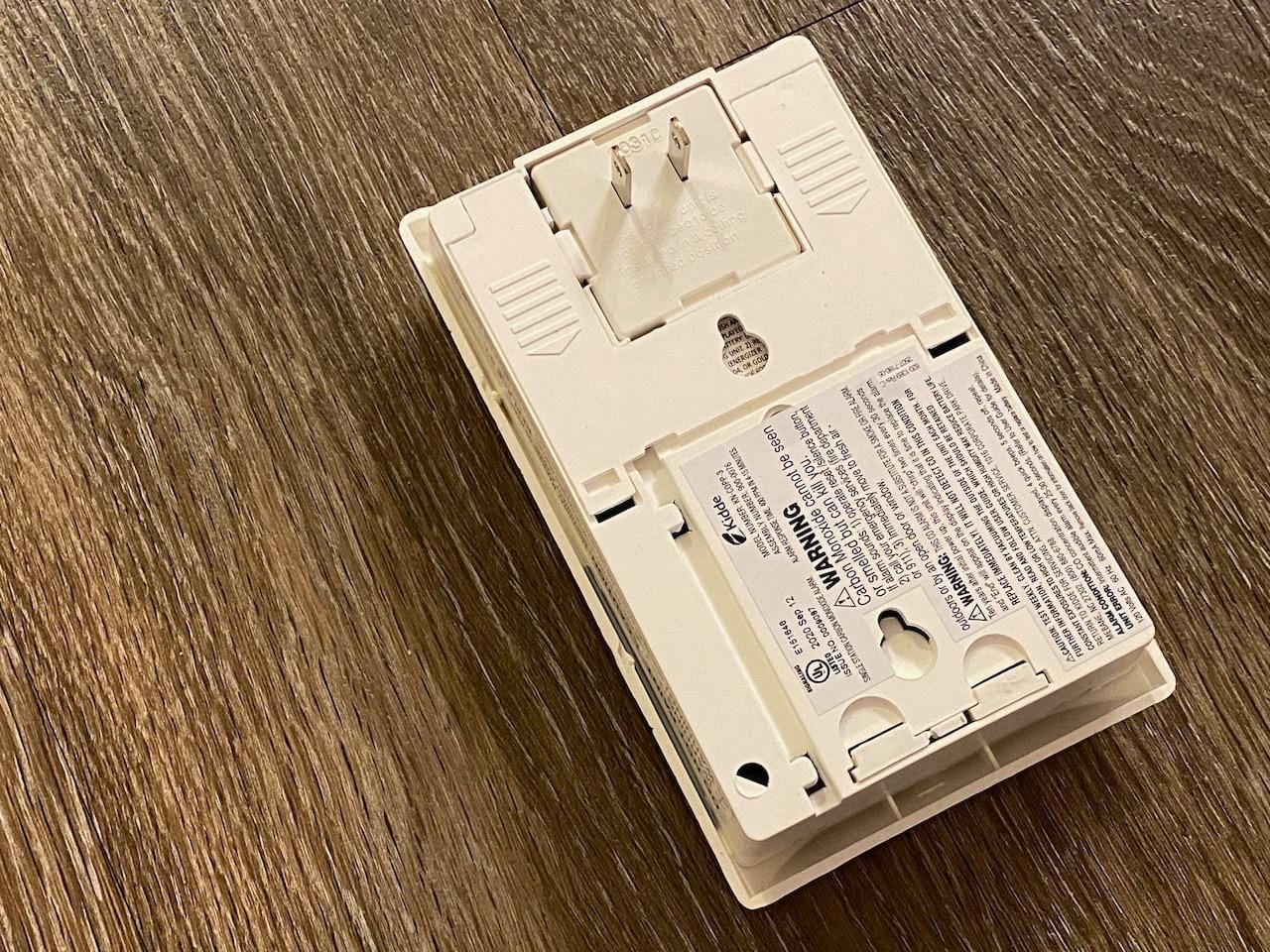
This is the unit we keep coming back to for a plain mechanical room with a reachable outlet. It plugs into a standard 120V receptacle, keeps two AA batteries as backup, and at 18 grams it is one of the lighter alarms in the group, which matters when you are mounting it on a stud face or the side of a joist. The electrochemical sensor is the mainstream choice, and the stated operating range runs from 10% to 95% relative humidity non-condensing, so it tolerates the seasonal swings most basements see.
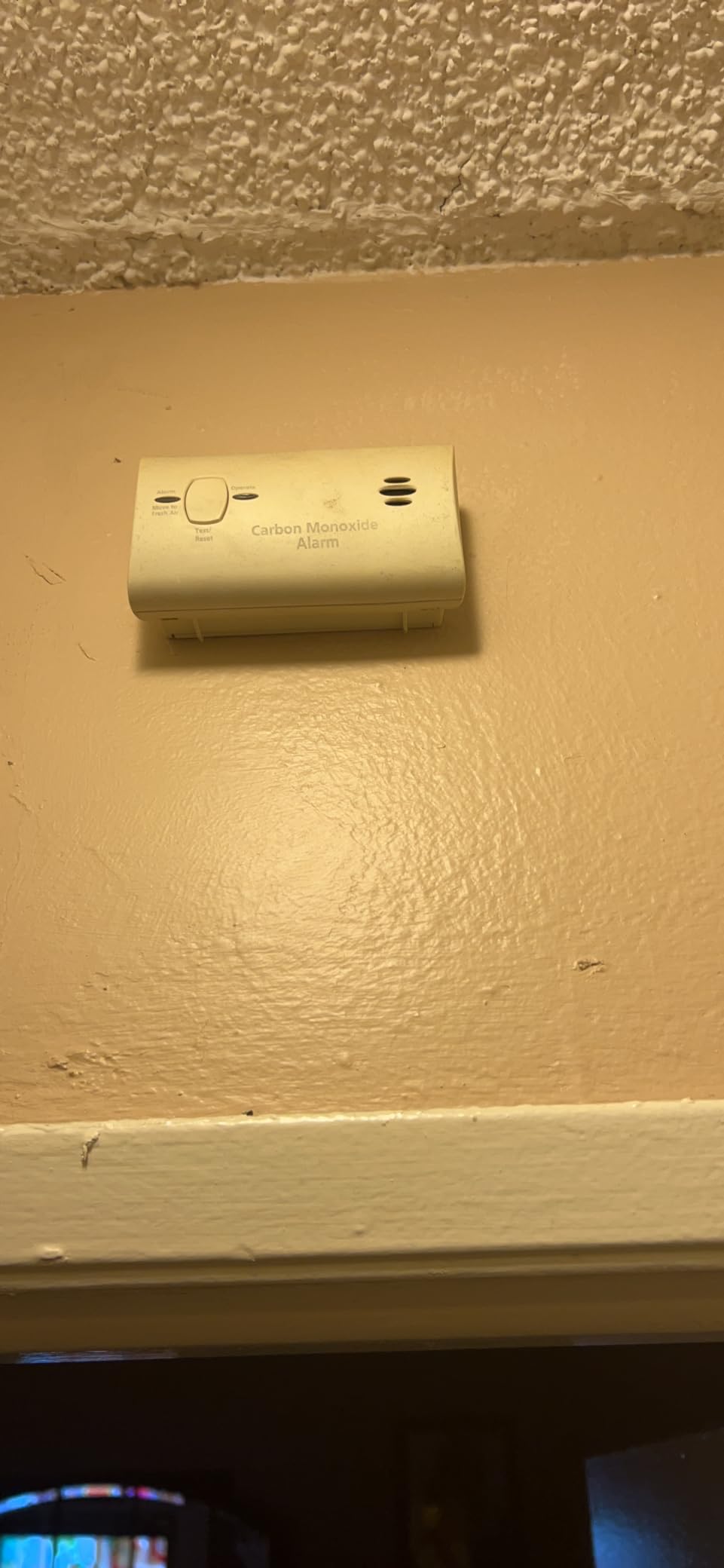
What it does not do is tell you a number. Status is LED only, so the useful information arrives as an alarm and nothing before that. For most mechanical rooms that is enough, because the danger threshold is the point rather than a trend line. Peak Level Memory records the last time CO was detected or the unit was tested, which gives you something to check after a power event or before a service visit.
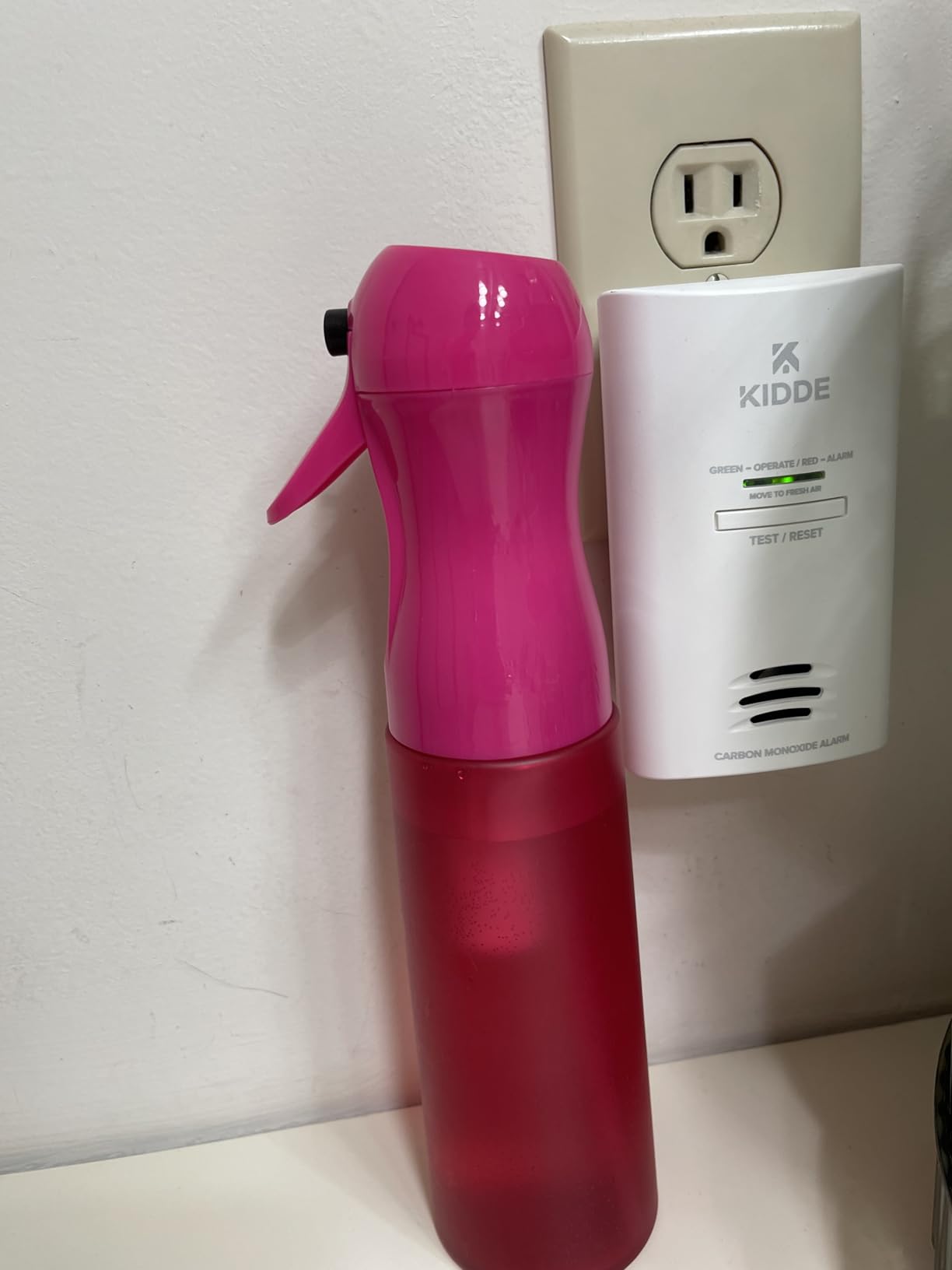
The review volume on this model is the highest in our set by a wide margin, and the pattern in those reviews is consistency rather than excitement. Owners describe the same two things repeatedly: it installs in seconds and it is loud enough to be heard through a wall. Several report running the identical unit for a full decade until the end-of-life signal finally sounded. That is a useful signal about how the category ages, and it is why the 10-year limited warranty matters more than any feature on the box.
Two things come up often enough to plan around. The low-battery chirp is widely mistaken for a fire alarm at 3am, which is an unpleasant way to learn the difference. And because it is a CO-only unit, a basement bedroom that also needs smoke coverage needs a second alarm. If you are furnishing the space, our electric fireplace picks are a separate decision from life safety, and neither substitutes for detection.
Is it accurate enough for a furnace room?
For the job, yes. An electrochemical sensing element is the technology behind most current residential CO alarms, including this one, and it does not depend on where in the room it sits the way some older sensor types did. At 85 dB, the alarm is also loud enough to cross a mechanical room and a hallway.
Where it stops short is diagnostic. If you want to know whether CO sits at 25 ppm and is climbing, this unit cannot show you. That is a display question, not a sensor quality question.
Is it a good fit for a damp or unfinished basement?
It works in an unfinished space as long as there is a receptacle, and its listed humidity range is wide. The one problem is a storage closet with no airflow, where a slow leak from a nearby appliance may simply not reach the sensor. Mount it in the breathing zone of the mechanical area, not boxed in.
2. Kidde Plug-In CO Detector with Digital Display (KN-COPP-3)
Kidde Carbon Monoxide Detector, Plug-In with 9V Battery Backup, Digital Display, 85 dB Alarm, LED Status Light Indicators, 3rd Edition
Digital LED ppm display
Plug-in with 9V backup
Wall-mount kit included
1.75 by 3.75 by 6.06 inch
Pros
- Shows live CO level
- 9V battery backup
- Removable cord storage for distance
- Wall-mount hardware included
- Peak Level Memory
Cons
- Bulky beside slim plug-in models
- Does not sound below 35 ppm
- Cord length limits reach
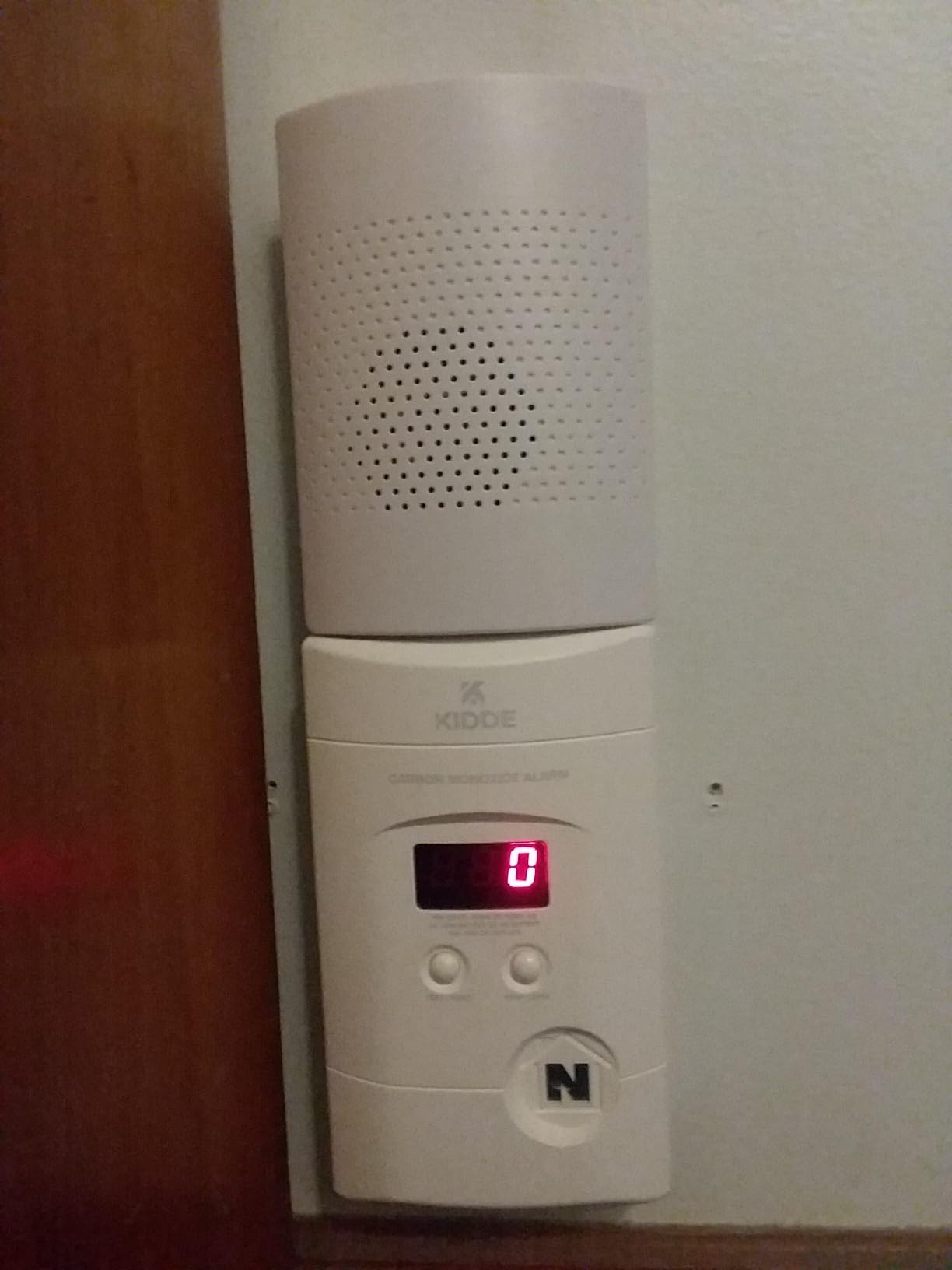
If you want to see a number, this is the one to buy. The digital LED display reports the level the sensor is reading in real time, which turns a CO detector from a passive siren into something you can actually trend. Several reviewers describe watching the display during a cold start on an aging gas boiler and catching a combustion problem that the alarm alone would have stayed quiet about.
The physical design is the compromise. At roughly 6 inches tall and 3.75 inches wide, it is one of the bulkier alarms here, and on a duplex receptacle it is more intrusive than the slimmer models. The removable rear access cover that stores excess cord is a genuinely thoughtful detail, and together with the included screws and anchors it means you can wall-mount the unit well away from the outlet, which is how you get closer to the 5-foot rule from a furnace.
Read the display floor before you get excited. This unit does not sound on readings below 35 ppm, so a low-level reading is something you have to look at rather than something the alarm will tell you about. In a basement where the concern is a slow accumulation near a water heater, that is exactly the number range you want visibility on, so the display does real work here.
Its listed sensor type in the product data reads as ionization, which is unusual for a CO-only alarm and worth knowing when you cross-check certification. The listed humidity range of 5% to 95% non-condensing is the widest on this list, and the manufacturer warranty is listed at 10 years. A small number of reviews report a unit failing after its backup battery went flat, so treat the 9V as a real battery with a real service life rather than decoration.
Does a ppm display actually change how you use it?
Yes, and the reason is specific. An alarm that only sounds at the threshold tells you about a problem that is already serious. A display that shows a live reading lets you check the mechanical room after a repair, after a cold snap, or any time the water heater pilot seems lazy, and catch a trend before the horn ever runs.
The practical habit is a weekly glance, not a constant stare. Ten seconds a week in the basement is enough to spot a number that has crept up and never come back down.
Is it worth replacing a simpler plug-in alarm with?
Only if you will actually look at it. In a room where nobody enters between October and March, a display adds little. In a mechanical room you walk through weekly, it is the difference between an alarm and an instrument.
3. First Alert CO605 Plug-In Detector with Battery Backup
FIRST ALERT CO605 Plug-in Carbon Monoxide Detector with Battery Backup, White
Electrochemical sensor
Plug-in 120V with battery backup
4.2 oz, 1.38 by 5 by 3.4 inch
7-year limited warranty
Pros
- Loud 85 dB alarm
- Low-battery signal mute up to 8 hours
- Single test and silence button
- Electrochemical sensor
- Works in any standard outlet
Cons
- No digital readout of CO level
- CO only
- no smoke detection
- Shorter 7-year warranty
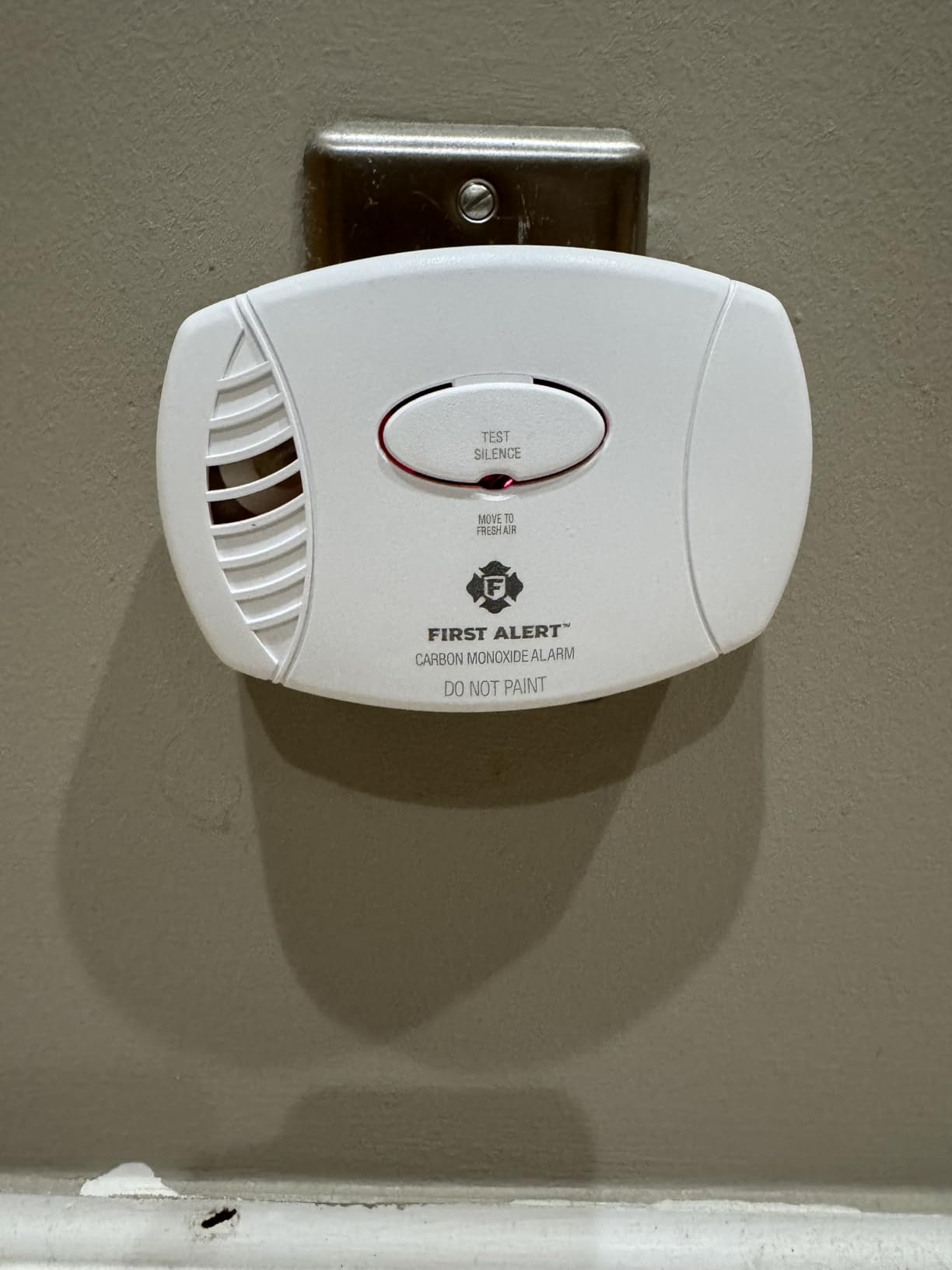
This is the alarm you see in most utility rooms across the country, and the reason is that it does one thing with no complications. Plug it into any standard outlet, it monitors with an electrochemical sensor, and the battery backup keeps it running through an outage. At 4.2 ounces it is light, and its listed upper temperature rating of 105 F suits a basement that heats up in August.
The battery handling is the detail that separates it from cheaper alarms. The low-battery signal can be muted for up to eight hours, which matters more than it sounds. A replaceable-battery CO alarm chirping at 3am gets pulled off the wall and shoved in a drawer, and once that happens it is not protecting anyone.
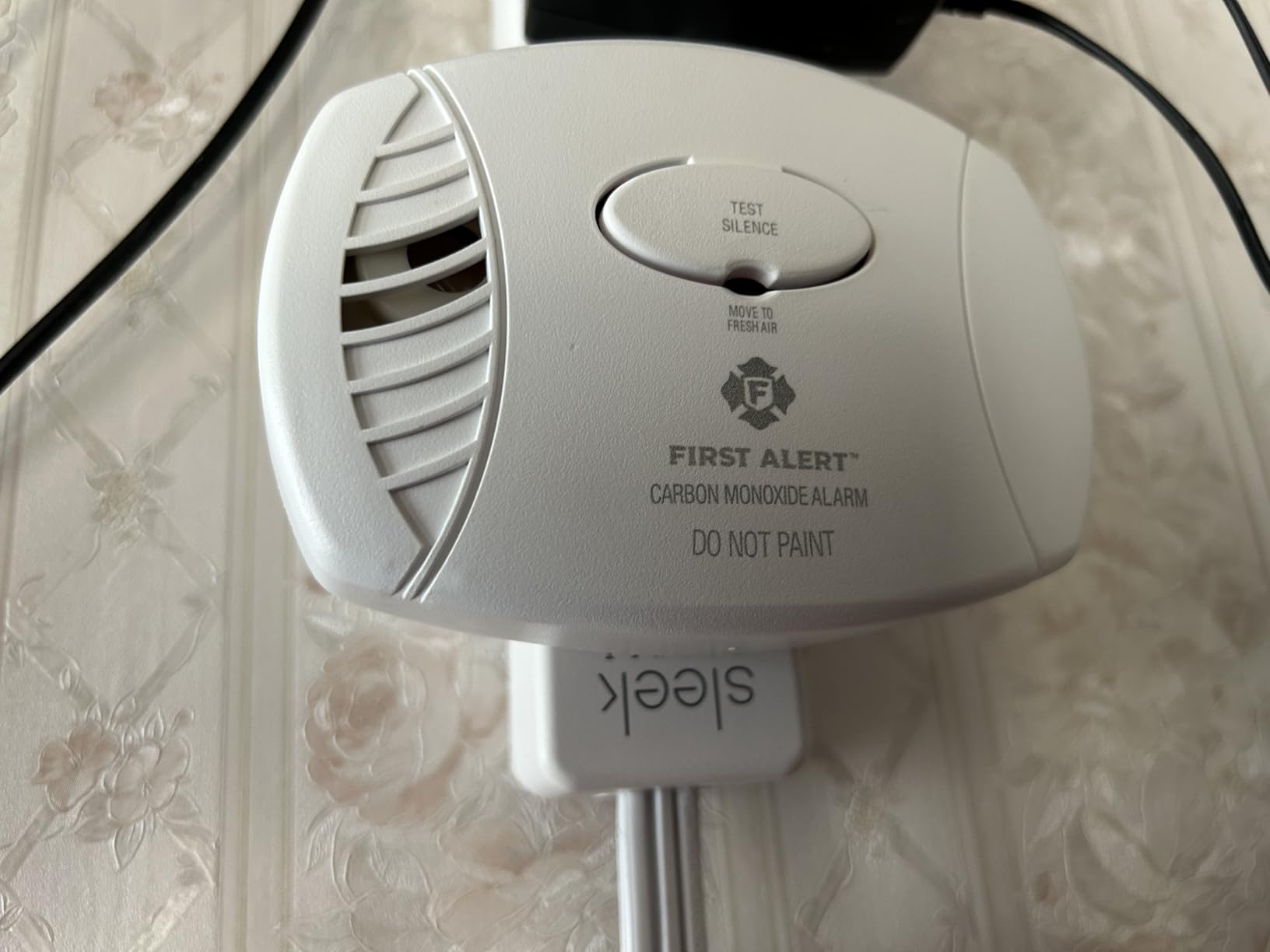
Its listed category position, number two in Carbon Monoxide Detectors, tells you how much real-world history this platform has behind it, and the reviews reflect that: installation simplicity, a loud alarm, and a muteable low-battery signal as the recurring positives. The recurring complaint is the same single gap. Without a display, anyone who wants a reading has to move to a different product entirely.
The manufacturer lists a 7-year limited warranty, and the alarm carries an end-of-life signal chirp so you are told when it is time to replace it. That end-of-life chirp is also the source of a lot of one-star noise across this whole category, since it sounds identical to a low-battery warning at 2am.
Is it accurate enough to rely on alone?
It carries an electrochemical sensor, which is the same sensing technology used in the higher-specification units, and the manufacturer states detection is not placement-dependent within the room. The 85 dB alarm is at the standard residential level.
Accuracy is not the differentiator here. Power and display are, and on both counts this is a deliberately simple design.
Should you buy this or spend more on a display model?
Buy this if the basement room has no outlet you can reach, or if you are covering a secondary space and coverage matters more than data. Spend more if the mechanical room is one you enter regularly and you want the ppm reading to confirm a repair worked.
4. First Alert CO400 Battery Alarm 2-Pack
First Alert Battery Carbon Monoxide Alarm
Battery powered, no outlet needed
2 alarms per pack
10% to 95% RH listed
4 by 9 by 6 inch pack
Pros
- No wiring or outlet required
- Covers two rooms in one purchase
- 85 dB alarm
- End-of-life signal chirp
- Electrochemical sensor
Cons
- No digital readout
- CO only
- Replaceable batteries need periodic changes
- 5-year warranty
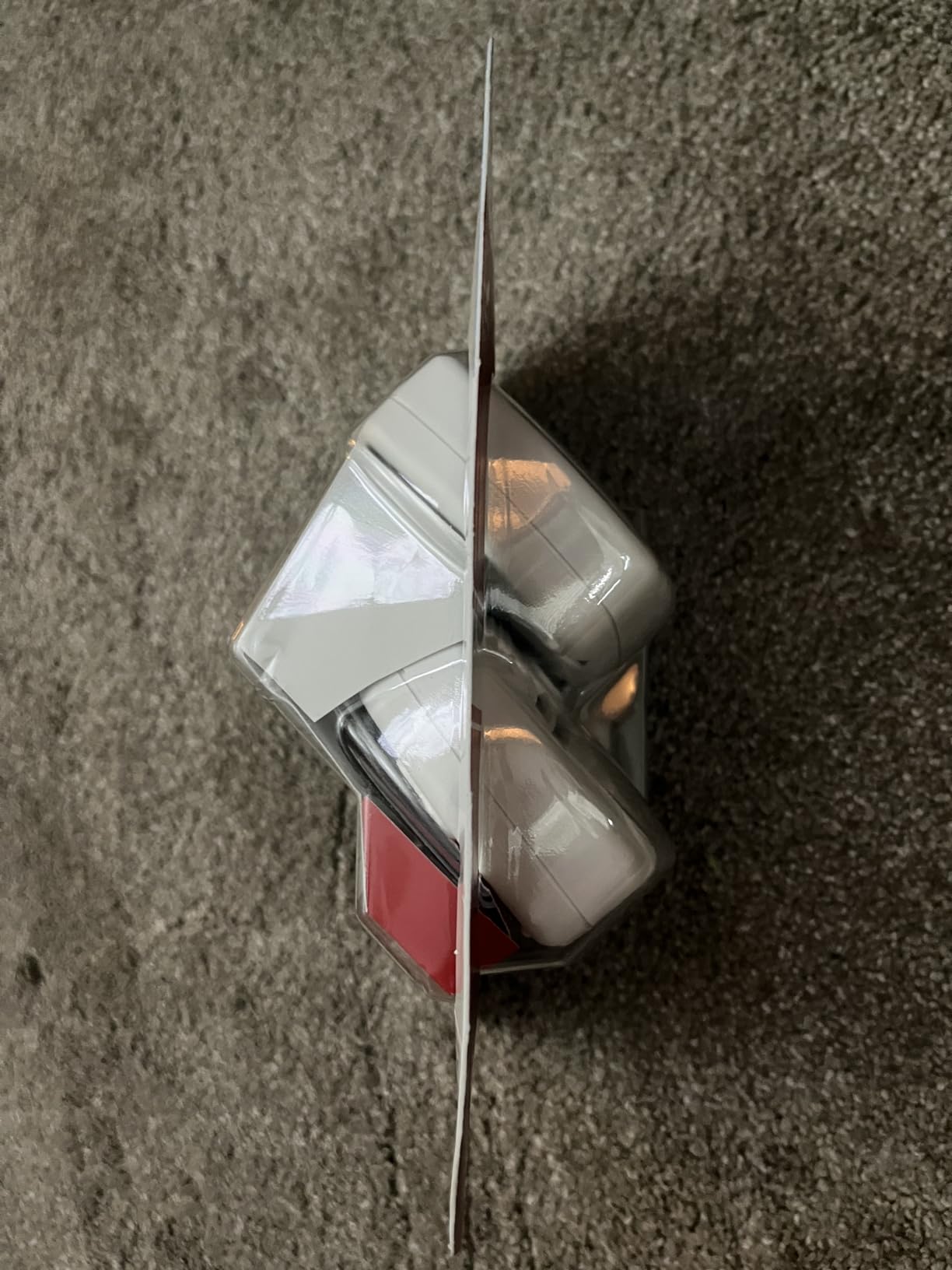
Some basements simply have nowhere to plug in. Joists buried behind drywall, a finished ceiling with no accessible receptacle, a utility closet in a corner with no power. This is the alarm for that situation, because it runs entirely on batteries and needs nothing but a wall or shelf.
Getting a two-pack is the smarter half of the purchase for a basement home. One alarm in the mechanical area, one in a secondary space such as a laundry room or an attached garage entry, and both are covered in one decision. The electrochemical sensor again does not care where in the room it sits, and the 85 dB alarm matches the rest of the category.
The obvious drawback is battery life as an ongoing chore, and this is where the forum consensus is sharp. Owners of replaceable-battery alarms complain most about the low-battery chirp waking the house at night, and the standard advice is to test monthly and replace on schedule rather than waiting for the sound. Sealed-battery models exist precisely because that complaint is common enough to shape the category.
The warranty here is listed at 5 years, shorter than the plug-in First Alert models in this group, and the unit carries an end-of-life signal chirp so replacement is signalled rather than silent. Note that the 2-pack means two end-of-life dates to track.
Do battery-only alarms work in a cold basement?
Battery chemistry is the real limit, not the alarm. Alkaline cells lose capacity in a cold space, and a unit sitting near 40 F will give shorter service life than the same unit in a conditioned room. The listed operating humidity of 10% to 95% RH is broad, but temperature is worth matching to the room’s worst week of the year, not its average.
If your basement is unconditioned below about 50 F, a plug-in model with backup or a sealed lithium unit is the more dependable choice.
Is a battery-only alarm good enough on its own?
It is a valid standalone alarm and it is UL tested and certified, so it meets the safety standard on its own terms. The weakness is coverage, not certification. Without interconnection, the alarm protects the room it is in and depends on sound travelling to reach anyone sleeping.
5. First Alert SC9120B Hardwired Smoke and CO Detector
FIRST ALERT BRK SC9120FF Hardwired Smoke and Carbon Monoxide (CO) Detector with Battery Backup, 1 pack , White
Hardwired smoke plus CO
9V backup battery
Interconnectable with compatible alarms
8 oz, 1.9 by 5.6 by 5.6 inch
Pros
- Smoke and CO in one unit
- Hardwired with 9V backup
- Signals other compatible alarms when it trips
- Face indicator lights show which hazard
- 10-year warranty
Cons
- Requires wiring to a live circuit
- Ionization smoke sensing can nuisance-alarm near cooking
- Larger and costlier than plug-in alarms
- No CO readout
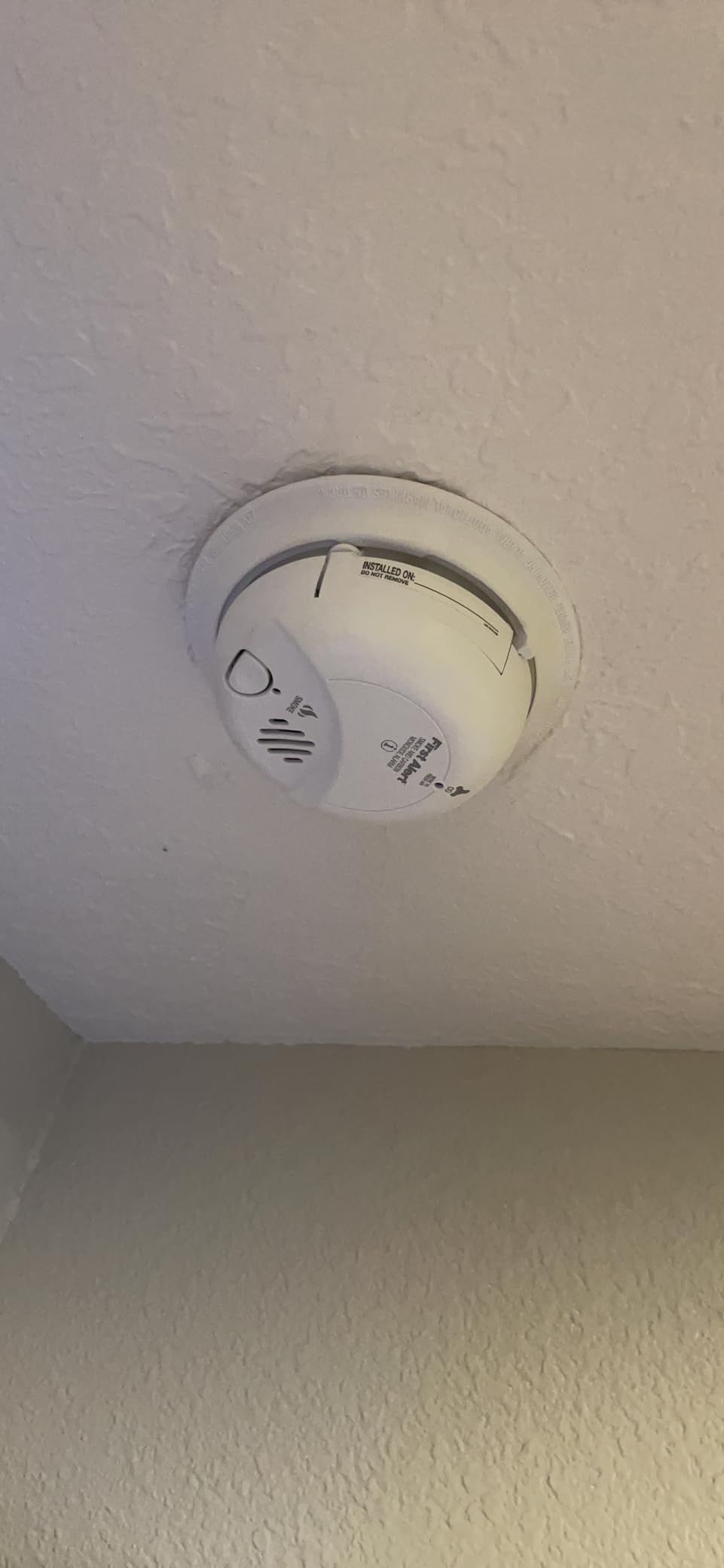
This is the alarm to choose if you are finishing a basement, renovating, or have any chance of running a wire. It is hardwired with a 9V backup battery, and it can connect to other compatible BRK or First Alert detectors so that a detection anywhere in the house sounds every alarm. For a basement household where the top worry is whether anyone upstairs will hear anything, interconnection is the feature that actually resolves it.
Combining smoke and CO in one head also cuts the number of devices on the ceiling, which matters in a low-ceilinged mechanical room where a smoke alarm and a CO alarm side by side looks and feels like clutter. Indicator lights on the face show whether smoke or CO triggered, which is useful at 3am when you cannot tell which sound you are hearing.
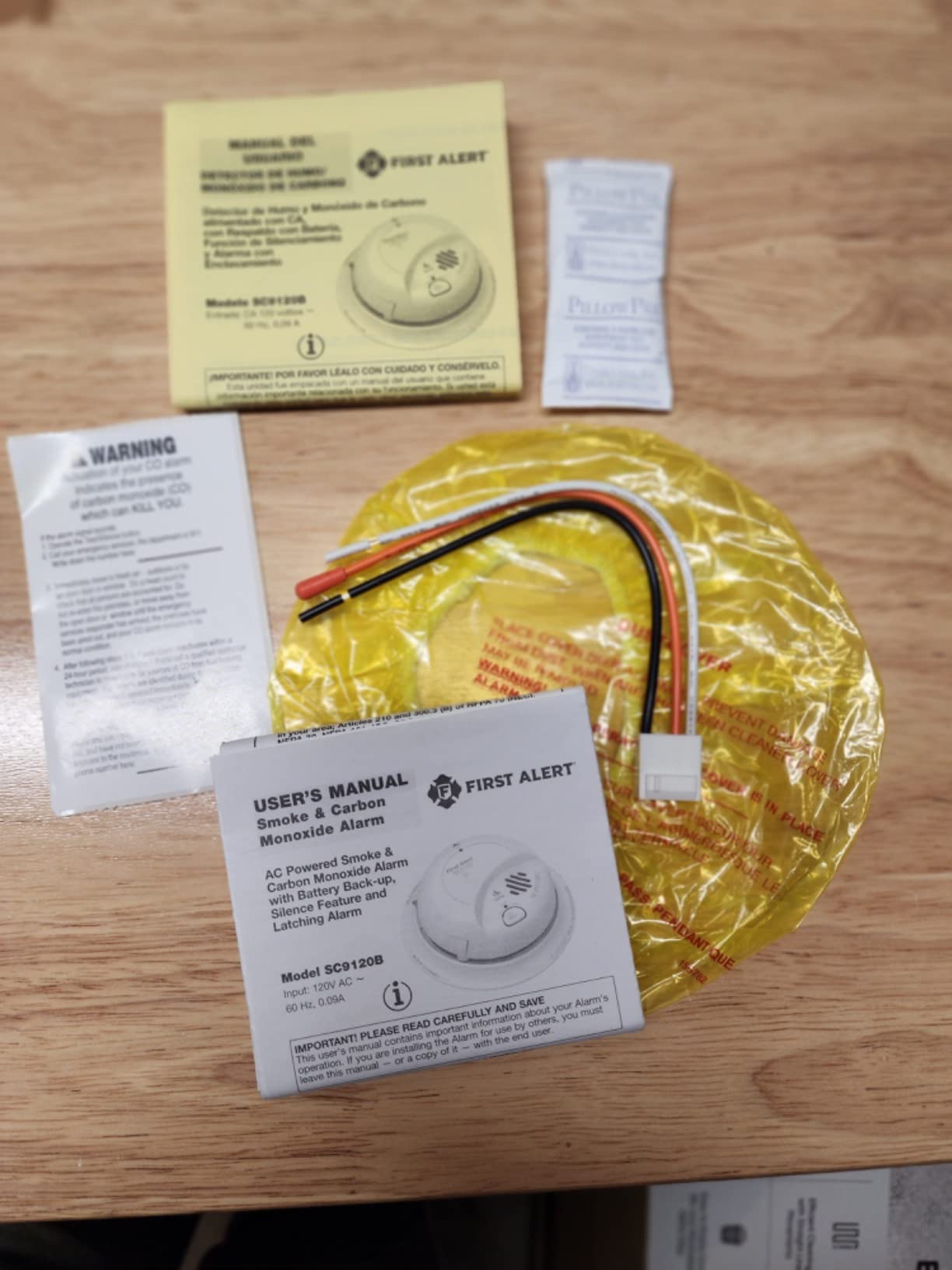
The cost is installation. This needs a functioning circuit and basic electrical work, so it is a poor choice for a retrofit where nothing is currently run to that wall, and in many jurisdictions the work needs a licensed electrician. Homeowners reading about this in forums generally plan for it during a renovation rather than after.
On the smoke side, the unit uses ionization sensing alongside the electrochemical CO element, and ionization is the sensor type more prone to nuisance alarms near a cooking appliance. In a basement that is rarely a problem, but in a finished basement used as a kitchen or a bar area it is worth weighing against a photoelectric smoke head.
Is hardwiring worth the cost in a basement?
For a home you own long-term, yes, mostly because of interconnection. Wiring gives you continuous power with a battery backup rather than a battery as primary, and it lets the basement alarm trip the units upstairs. That is the single feature that answers the hearability question, and no plug-in or battery model here can do it.
For a rental or a finished basement with no accessible wiring, it is not worth it. Use a plug-in or sealed battery unit and solve reach with a phone-based alert or a second alarm near the bedrooms.
Is one combination unit enough for a finished basement?
One combination unit is a reasonable start in a mechanical room, since it covers two hazards in one head. Add a second interconnected head in the main finished area, away from the furnace, because a mechanical room is not where people sleep or spend their evenings.
6. X-Sense SC07 Combo with 10-Year Sealed Battery
X-Sense Smoke Detector Carbon Monoxide Detector Combo, SC07, 1-Pack
Photoelectric smoke plus electrochemical CO
Sealed lithium battery rated 10 years
UL 217 and UL 2034 listed
16 oz, 5.7 inch round
Pros
- No battery changes for a decade
- Photoelectric smoke sensing
- Mounts on wall or ceiling with no rewiring
- UL 217 and UL 2034 certified
Cons
- Standalone with no wireless interconnection
- Some buyers expect an interconnecting model
- No numeric CO readout
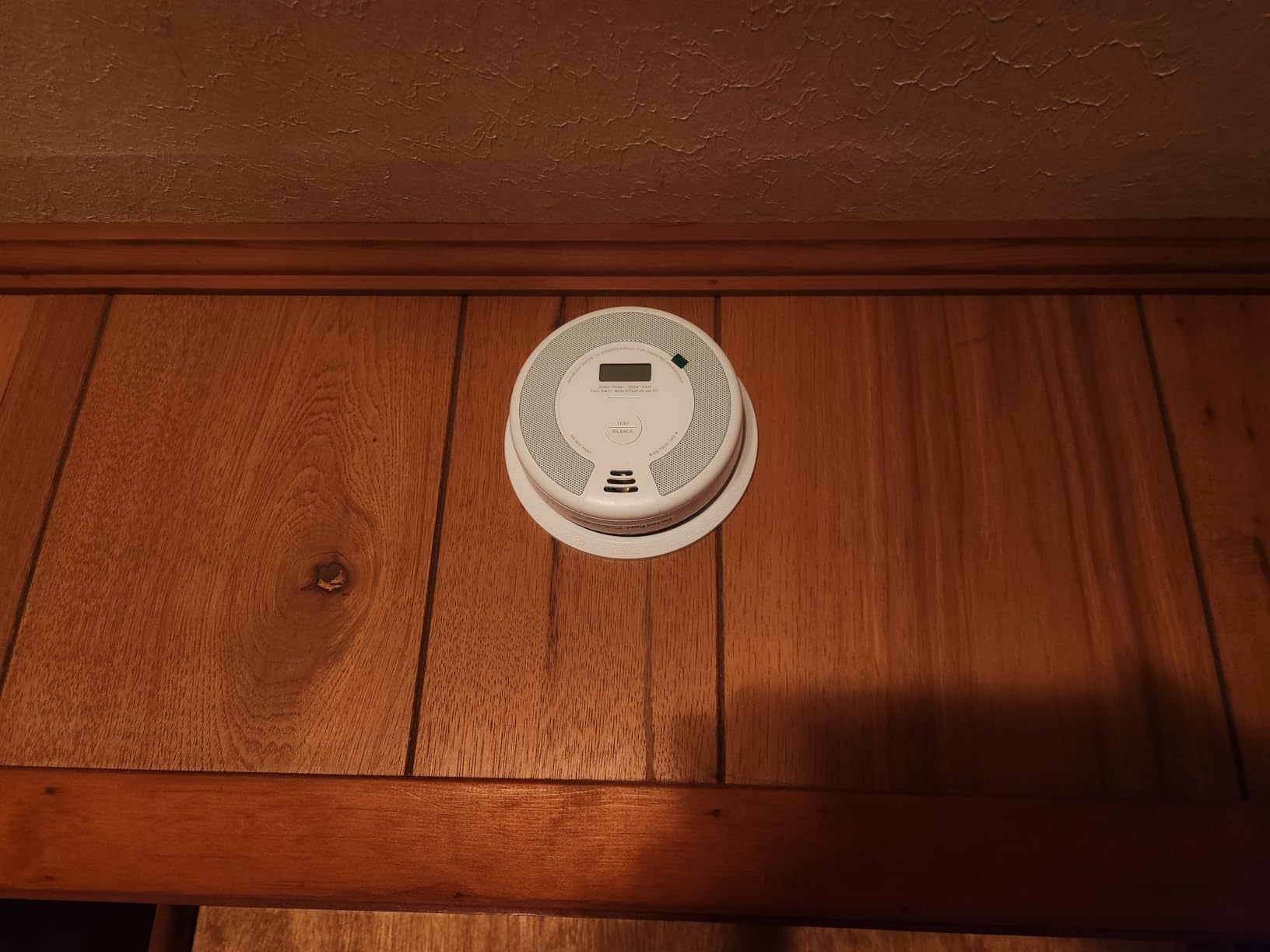
The main argument for this unit is what you never have to do. A sealed lithium battery rated for 10 years removes annual battery swaps, removes the low-battery chirp that wakes people up at night, and removes the ladder. In a finished basement with a high ceiling and no convenient ladder, that is a real quality-of-life gain rather than a minor spec win.
The sensors are a photoelectric head for smoke and an electrochemical element for CO, and the photoelectric side is the better choice near a furnace room or a finished basement that doubles as a kitchen, because it responds to slow-smoldering fires and is less prone to cooking-related nuisance alarms. Certification is stated for both UL 217 and UL 2034 with visible markings, which helps at inspection time.
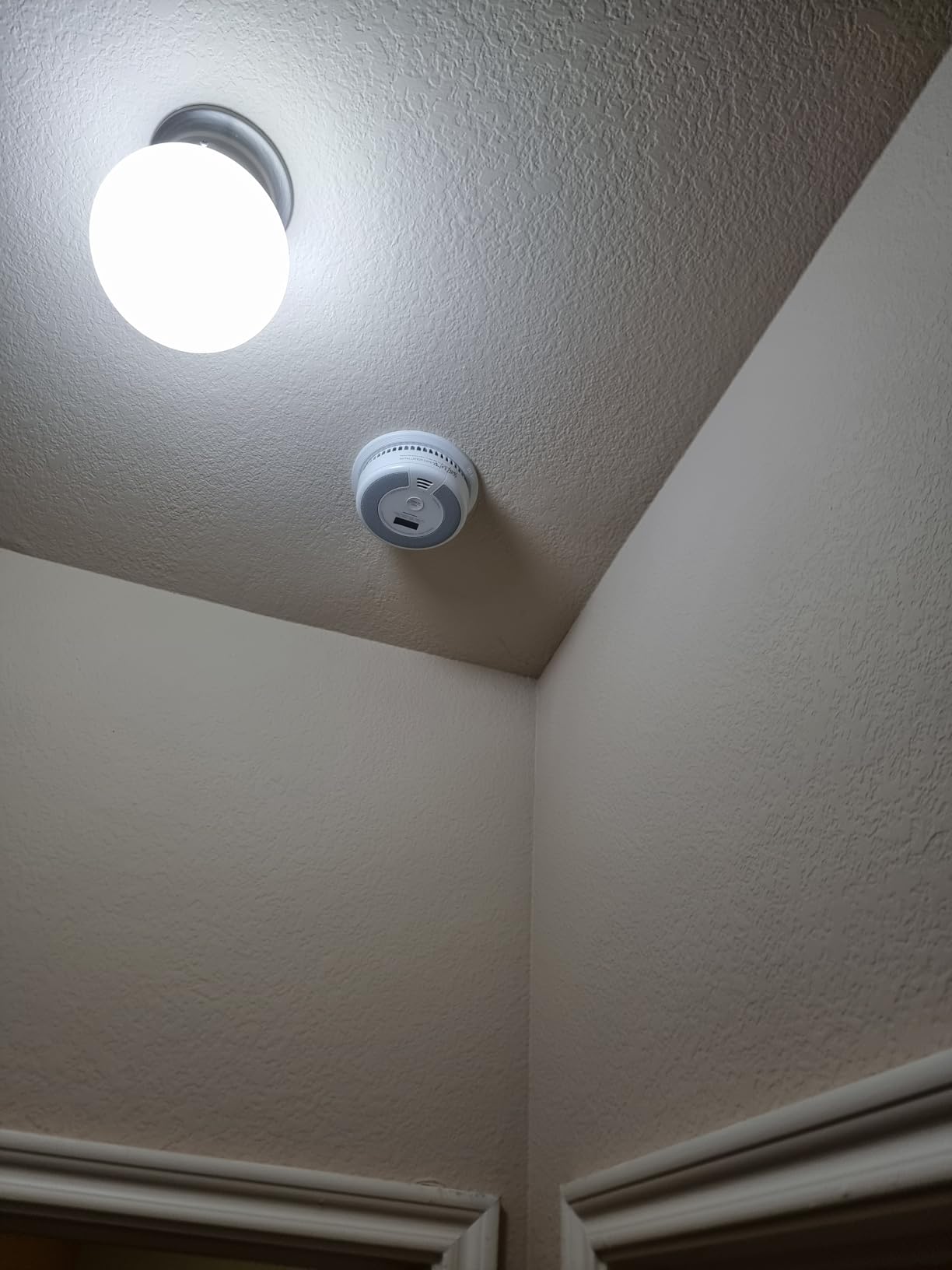
Here is the catch, and the listing states it plainly: this is a basic standalone model. It does not support wireless interconnection, Wi-Fi, or a base station. If you were counting on it to link to the alarms upstairs, you need the wireless variant instead, and that is the single most common purchase confusion reviewers report with this model.
Its average rating is the lowest of the X-Sense pair in this group, with about 5% of reviews at one star, and the review base is far smaller than the Kidde and First Alert alarms. Most of the complaints trace back to the interconnection expectation rather than to detection behaviour.
Is a sealed battery safer than a replaceable one?
Not in terms of detection. It is the same class of electrochemical sensing. What changes is reliability of service: you are far less likely to end up with a chirping alarm that got pulled off the wall and forgotten, and you are not relying on a memory to swap cells before an outage.
The tradeoff is that you cannot test the cell on demand. When the unit reaches end of life, it chirps, and you replace the whole head rather than a battery.
Will it work in a finished basement with no wiring?
Yes, and that is its main use case. It mounts on a wall or ceiling with the included bracket, screws, and anchor plugs, so no electrician is involved. The placement rules still apply, which means wall mount at least 5 feet from a fuel-burning appliance rather than straight above the furnace.
7. X-Sense SC01 Combo with Live CO and Battery Display
X-Sense Smoke Detector and Carbon Monoxide Detector, SC01, 1-Pack
Large LCD shows CO level, battery and status
Photoelectric smoke plus electrochemical CO
10-year sealed lithium battery
ETL listed to UL 217 and UL 2034
Pros
- Live CO and battery readings on one display
- 10-year sealed battery
- No rewiring needed
- Photoelectric smoke sensing
- Meets UL 217 and UL 2034
Cons
- Standalone
- no wireless interconnection
- Listed operating humidity of 90 percent
- No app or phone alerts
This is the sealed-battery option for people who still want to see numbers. The large LCD reports real-time carbon monoxide levels along with battery level and working status, which means you can glance at the unit and confirm both that CO is low and that the alarm itself is healthy, without pressing a test button and then waiting through the self-check horn.
Otherwise the architecture is close to the SC07: photoelectric smoke sensing paired with an electrochemical CO element, a 10-year sealed lithium battery, and wall or ceiling mounting with the supplied bracket, screws, and anchor plugs. No rewiring, which is what makes it practical in a finished basement.
Certification is stated for both UL 217 and UL 2034, and the manufacturer describes the unit as ETL listed against those standards. The listed operating humidity is 90 percent, which is lower than several competitors here, so check it against your basement’s worst summer week if you are not running a dehumidifier. Controlling basement moisture is covered in more detail in our dehumidifier roundup.
Like its sibling, this is a standalone model with no wireless interconnection and no app support. If your plan was to have a basement alarm notify your phone, this does not do that. Several reviewers note it as the main reason they set the unit aside.
Is a dual CO and battery display worth it on a sealed battery?
Yes, because the battery readout removes a whole category of doubt. With a sealed cell you cannot check it the way you would with a AA or 9V, so having the status on the same screen as the CO reading is the closest thing to a self-diagnosis a standalone alarm offers.
It also means you can verify a repair. After a furnace service, check the CO reading dropped and stayed down, rather than resetting an alarm and hoping.
Does the lower humidity rating matter in a typical basement?
Only in a persistently damp one. If your basement regularly holds above 60% RH and spikes in summer, a unit rated to 90% has more headroom than one rated lower. If you are running a dehumidifier and keeping things near 50%, the rating is not a constraint.
8. Kidde CO and Explosive Gas Plug-In Alarm
Kidde Carbon Monoxide + Explosive Gas, Natural Gas & Propane Alarm, Plug-in with 9V Battery Backup, Digital Display, 85 dB Alarm, LED Status Indicators, 3rd Edition
Detects CO and natural gas or propane
Digital display shows ppm or GAS
9V battery backup
2.48 by 3.82 by 6.1 inch
Pros
- Covers two hazards in one unit
- Digital display distinguishes CO ppm from a GAS alert
- 9V battery backup
- Plug-in form needs no wiring
- 85 dB alarm
Cons
- Will not detect smoke
- Highest one-star share among plug-in units at 7%
- Costlier than single-hazard CO alarms
- Display shows one hazard at a time
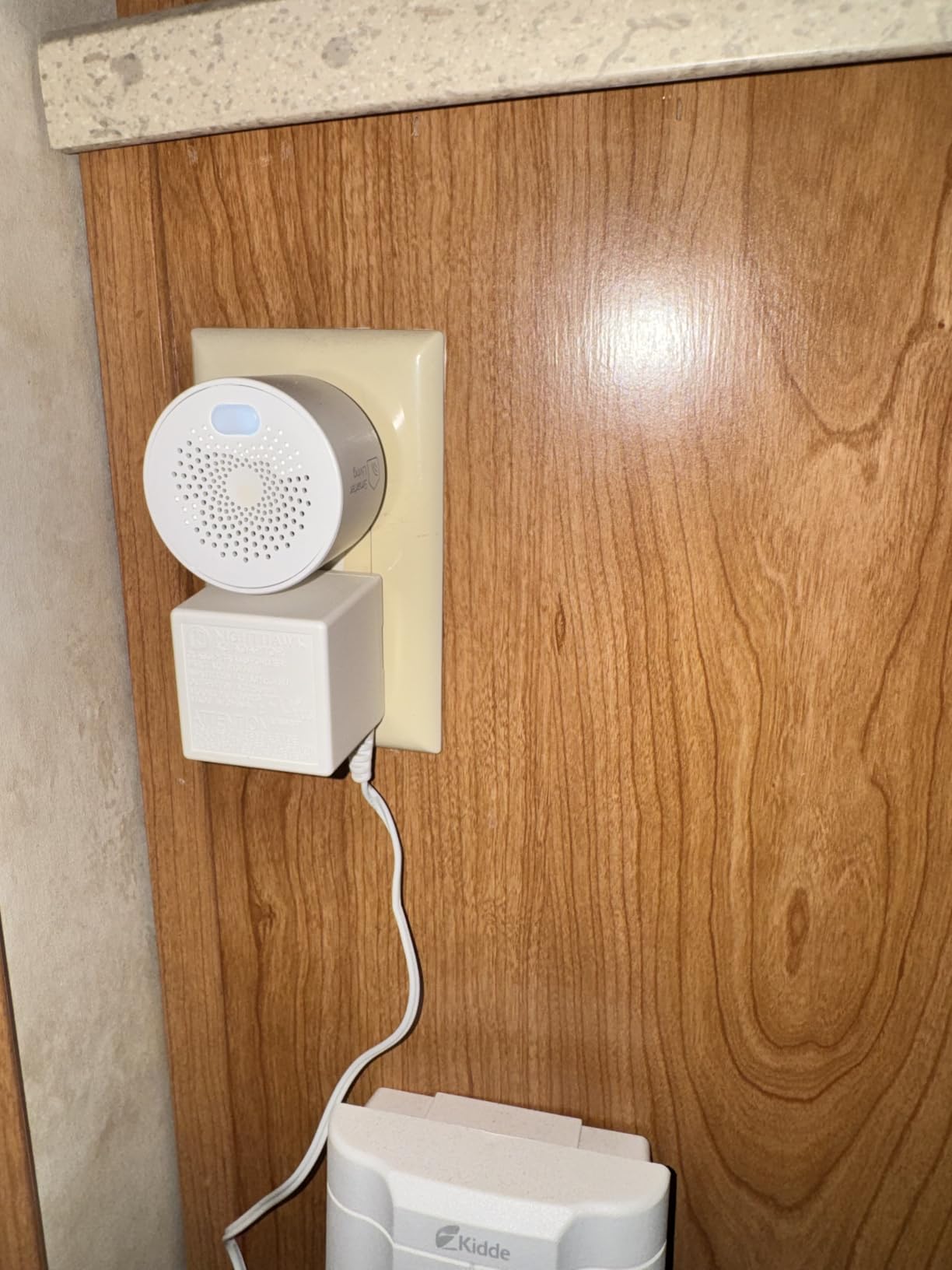
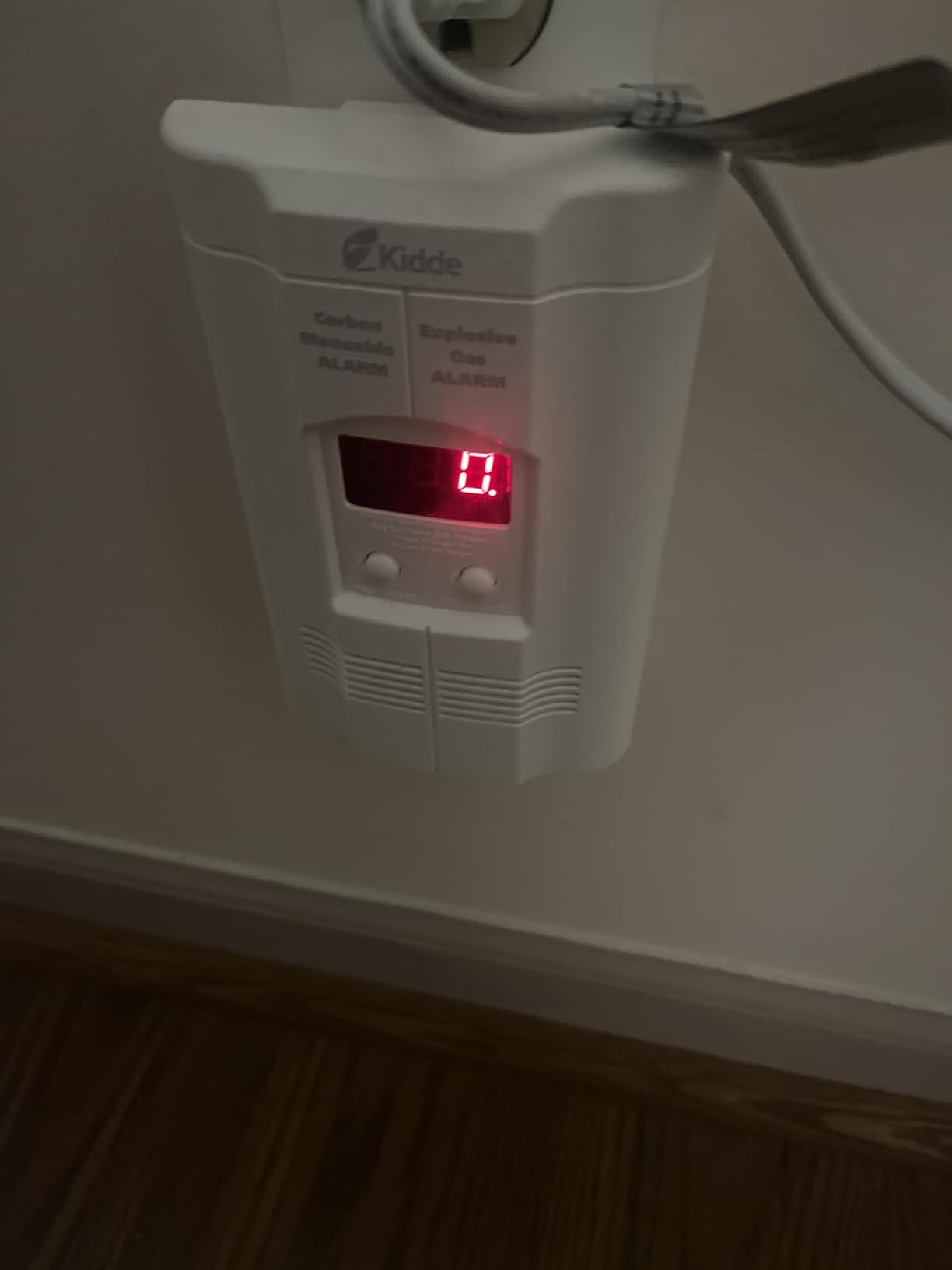
Most basements with a gas water heater, a gas furnace, or a propane appliance have two hazards in the same room and only one place to mount an alarm. This unit covers both. The electrochemical CO element and the explosive gas sensing share one housing, and the digital display shows the CO level in parts per million or the word GAS when fuel gas is detected, so you can tell at a glance which hazard is present.
Power is the same familiar pattern: plug into a standard 120V outlet with a 9V battery backup, plus Peak Level Memory recording the last CO detection or test event. At roughly 6 inches tall it is mid-sized, and the plug-in form means no wiring, which suits a furnace or water heater room where running cable is inconvenient.
The honest caveat is the review profile. At 738 ratings this is the smallest sample of the plug-in alarms here, and about 7% of its reviews are one star, the highest one-star share among the plug-in models we looked at. Owners with a gas mechanical room value the two-hazard coverage; a handful report reliability concerns worth researching before you rely on it alone.
It also does not detect smoke, so a basement bedroom still needs separate smoke coverage, and the display can only report one hazard type at a time. If your basement is gas-fired, the coverage consolidation is worth the smaller sample. If it is all-electric, a dedicated CO alarm is the simpler and better-supported choice.
Is a gas and CO combo alarm as good as a dedicated CO alarm?
For carbon monoxide detection, it uses the same class of electrochemical sensing as the dedicated units, so the CO side is comparable. You are not trading CO sensitivity for the added gas channel. What you give up is the option of placing the gas sensor where it does not matter much, because the unit has to sit near the fuel appliances anyway.
Placement guidance for the CO side still applies: 5 feet from a fuel-burning appliance, not directly above it, on the wall rather than the ceiling.
Do I need a natural gas detector in my basement?
If anything down there burns gas, yes, and the same is true of propane. Unburned gas is a different hazard from CO with different failure modes, and the two alarms together cover the range. If your mechanical equipment is all electric, this capability is not worth paying for.
9. Siterwell GS828A CO Detector
SITERWELL Carbon Monoxide Detector 7 Year Product Life Co Detectors
ETL-listed electrochemical sensor
LCD shows real-time CO levels
85 dB or louder at 3 meters
13.44 oz, 3.3 by 4.8 by 1.7 inch
Pros
- Real-time LCD readout
- Wall-mountable or free-standing
- ETL-listed sensor
- Two AA batteries
- 85 dB at 3 meters
- Also works as a portable unit
Cons
- Only a 3-year warranty
- Needs periodic AA battery replacement
- Small review base
- Not a smoke detector
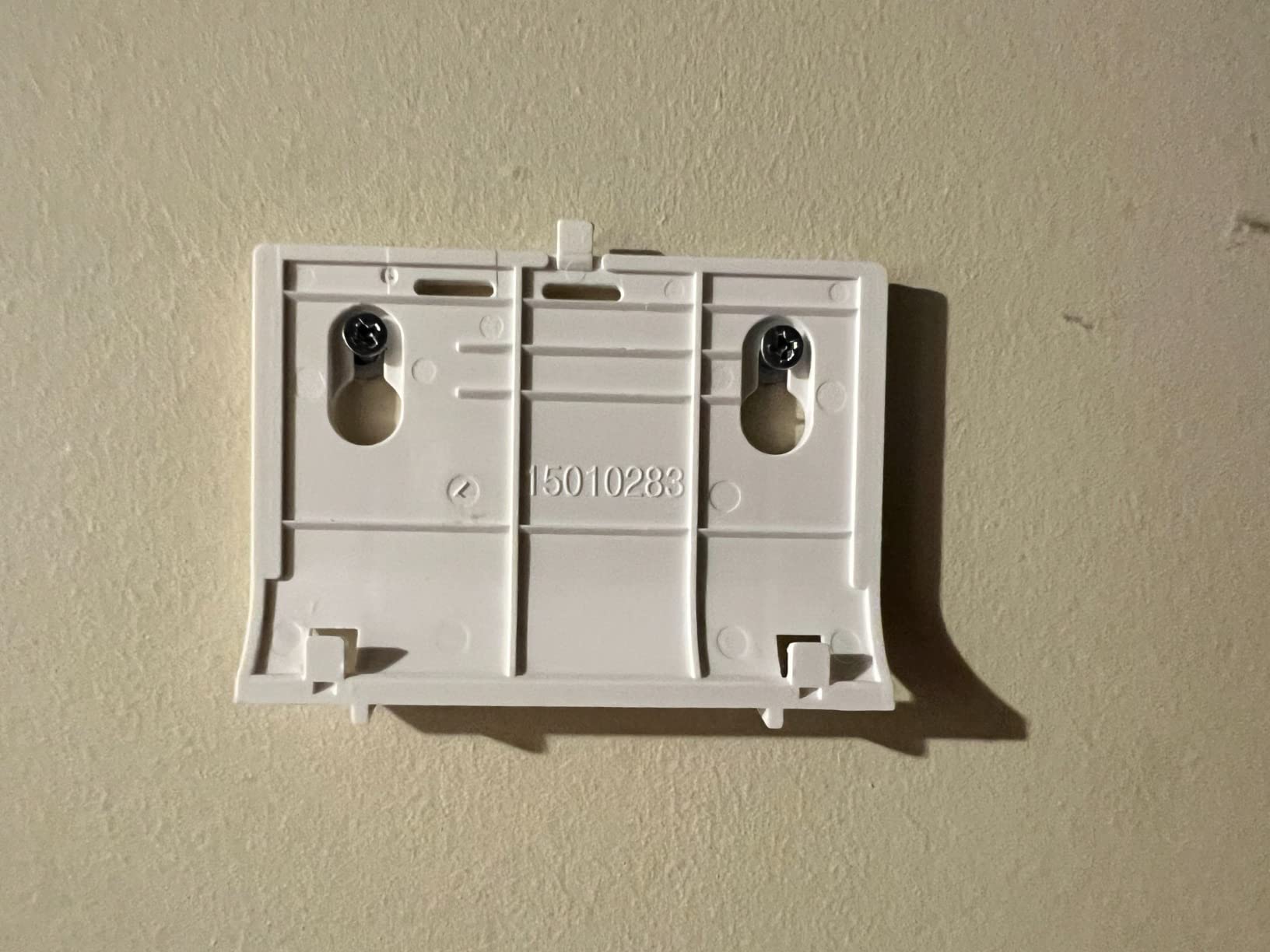
The distinguishing feature here is flexibility of installation. It works wall-mounted or simply standing on a shelf, which is genuinely useful in a stud bay, a storage room, or a utility closet where a bracket is inconvenient. The electrochemical sensor is ETL listed, and the alarm is specified at 85 dB or louder at 3 meters, which is a measured figure rather than a vague loudness claim.
It also carries an LCD that shows real-time CO levels and a three-colour LED that distinguishes alarm, power, and fault states. That fault indication is worth more than it sounds: it tells you the unit has a problem rather than leaving you to assume silence means safety.
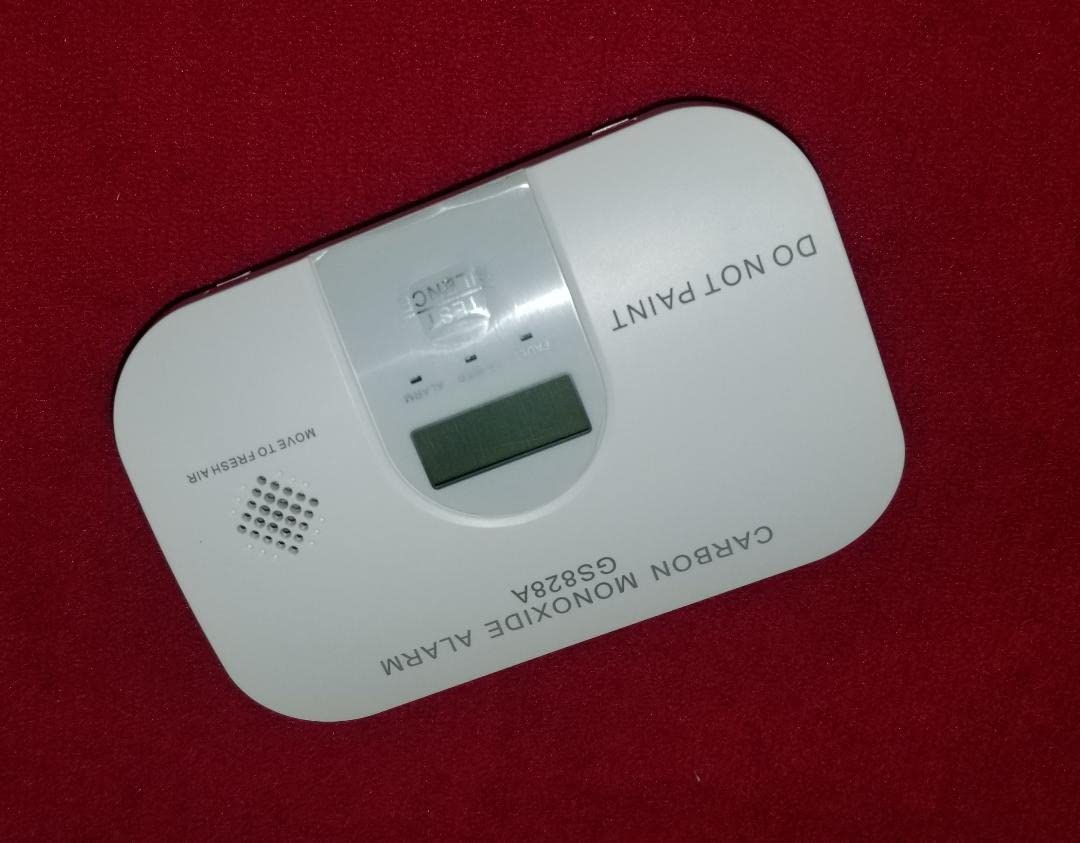
Power comes from two AA alkaline batteries rather than a sealed pack, and the manufacturer describes a 7-year product life with normal battery replacement. Reviewers like owning ordinary cells for a long-lived unit, since the batteries are the same kind you already buy. The trade-off is the battery chirp issue that runs through this entire category.
The warranty is the weak point. At three years it is the shortest listed among the units in this group, and the review base of 209 ratings is small next to the thousands behind the Kidde and First Alert models. Both are reasons to buy it for a secondary room rather than as the alarm that protects the mechanical room.
Is a free-standing CO alarm reliable enough for a utility room?
The sensing element is ETL listed and the alarm output is specified rather than vague, so the hardware is not the question. Placement discipline is. A free-standing unit is easy to knock, shelve, or move into a drawer during a remodel, and a CO alarm that has been relocated stops doing its job quietly.
Wall-mount it as soon as you find a stud, and keep the free-standing option for testing and for temporary use.
How does the 3-year warranty compare?
It is the shortest here, and it is the clearest reason to mount this one as a secondary alarm. Sensors do not usually fail in three years, but the warranty is the part of the package that covers the sensor failing, and a shorter term is a shorter commitment from the manufacturer.
10. Siterlink Plug-In CO Detector with 10-Year Backup
Siterlink Carbon Monoxide Detectors Plug in,10 Year Replaceable Battery
AC plug-in with 10-year battery backup
Electrochemical sensor
Foldable plug design
Compact ABS housing
Pros
- Long stated backup battery life
- New electrochemical sensor
- Foldable plug clears the second outlet
- Sleep-friendly status light
- No tools needed to set up
Cons
- No digital CO readout
- Will not detect smoke
- No smart home connectivity
- No warranty detail listed
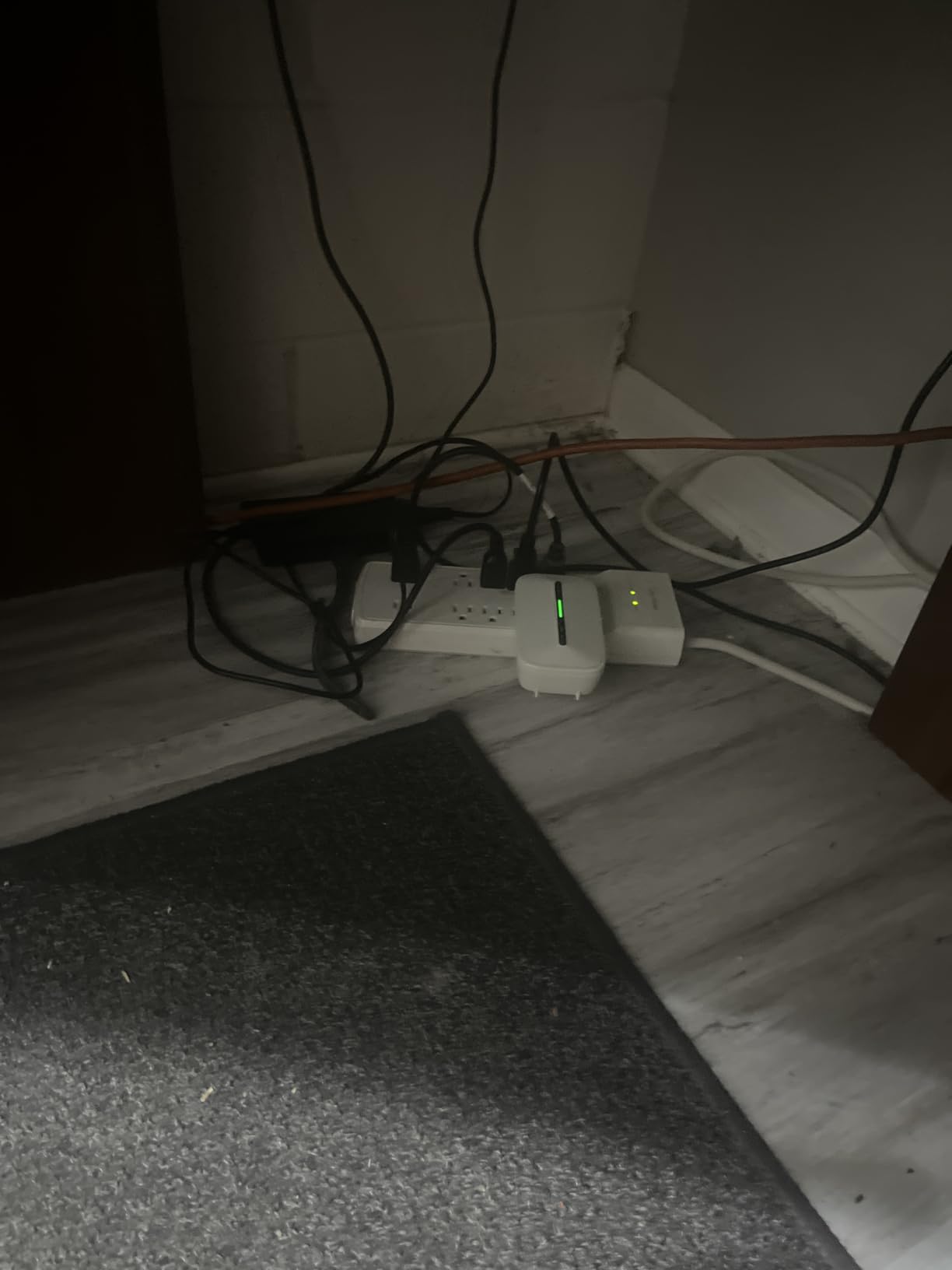
Mechanical rooms are full of duplex receptacles already serving a dehumidifier, a sump pump, or a workshop bench. The foldable plug on this unit is designed for exactly that: it folds flat so it does not block the second socket, and it removes the cord as a snag hazard along a basement wall.
It runs on AC power with a stated 10-year battery backup for outages, and works on battery alone if the outlet loses power for an extended period. The sensing element is a newer electrochemical type that the manufacturer states was engineered to reduce false alarms, which is a reasonable claim for a basement where humidity swings.
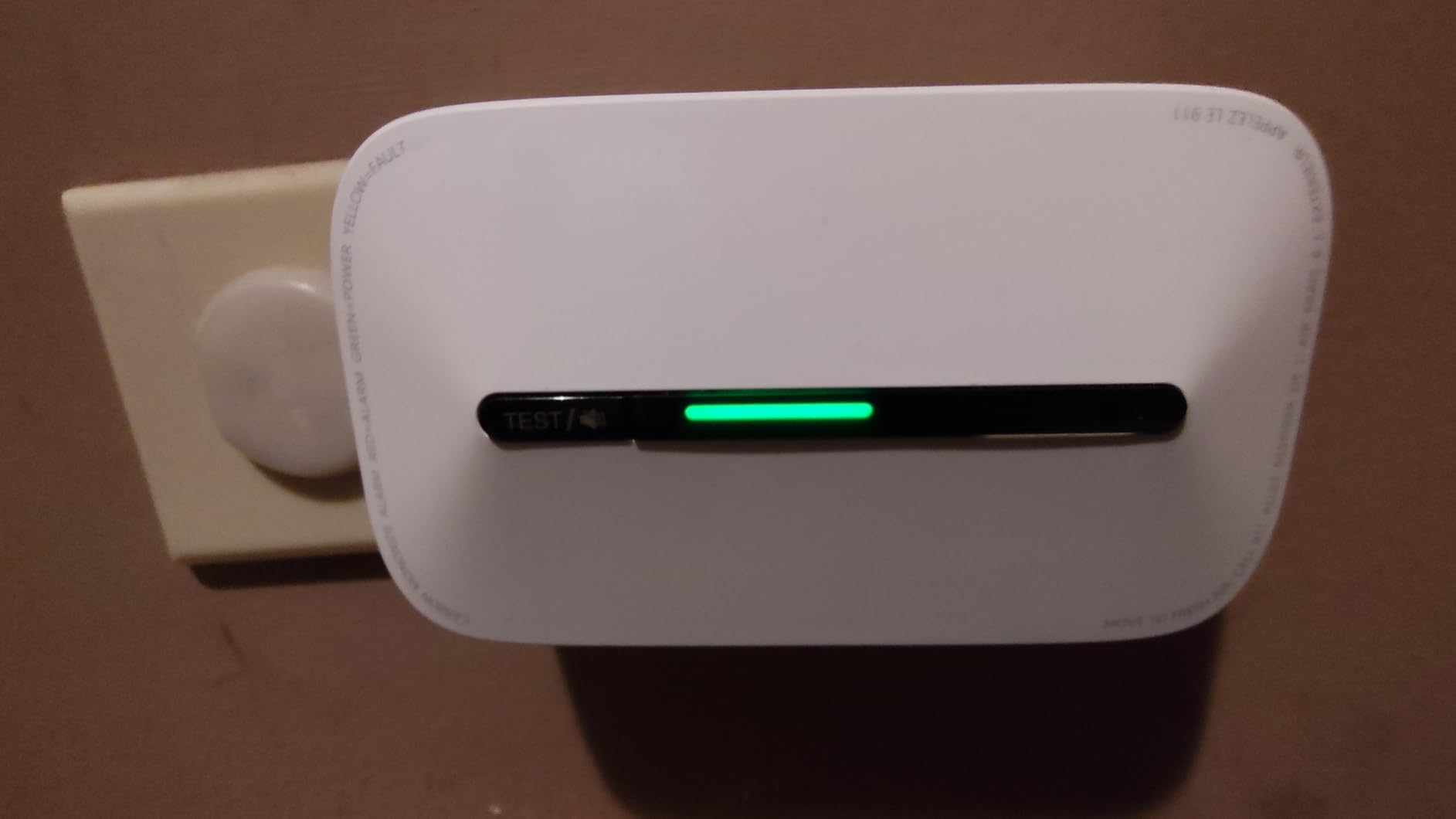
The status light is a small, good detail. A soft breathing-style green LED mimics a slow respiration rhythm, so you can confirm the unit is powered without a bright indicator in a room where someone sleeps. On a steady green you know power is stable.
What you give up is a display, smoke detection, and any smart home integration. The review base of 322 is on the small side, and the specifications list no warranty detail, which is worth noting when you compare it against the major-brand alarms with clearly stated terms. If you want a number, this is not the alarm to buy.
Does the 10-year backup battery mean no battery maintenance?
No, and this is the detail most listings blur. The stated 10 years refers to the backup capability during power loss, not to a sealed cell that lasts a decade on its own. Plan on testing monthly and following the manufacturer’s replacement guidance rather than assuming the unit is maintenance-free for a decade.
That distinction matters when comparing against a genuinely sealed lithium alarm in this group, where the 10-year figure is the battery’s rated service life.
Is it suitable for a bedroom-level basement space?
Yes, and the dim status light is a genuine advantage there. The absence of a display is less of a problem in a sleeping space than in a mechanical room, since the goal in a bedroom area is wake-up coverage rather than a trending number.
11. Heiman C1-S 10-Year Battery CO Detector
Heiman Carbon Monoxide Detectors, 10-Year Product Life CO Detector, C1-S
UL 2034 5th Edition listed and CSFM approved
Figaro electrochemical sensor
10-year lithium battery
70mm body, 3.52 oz
Pros
- Very small footprint
- 10-year lithium battery
- UL 2034 5th Edition certification
- Figaro sensor
- Wall
- ceiling
- or shelf mounting
Cons
- Lowest average rating in the group
- Smallest review base at 112 ratings
- No digital readout
- Warranty listed at 7 years against a 10-year product life claim
Size is the reason to look at this one. At roughly 70mm across and 3.52 ounces, it is the smallest alarm here, and it mounts on a wall, a ceiling, or a desktop. If your basement joists are buried and your only flat surface is a narrow sill or the top of a stud, a larger unit may not physically fit where you need it.
The internals are respectable for the class. It uses a Japan-made Figaro electrochemical sensor, is certified to UL 2034 5th Edition, and is CSFM approved, with visible compliance markings that help if you deal with a landlord, an inspector, or a property manager. Power is a 10-year lithium battery, so no wiring and no battery swaps, and the alarm output is 85 dB with a visual LED warning.
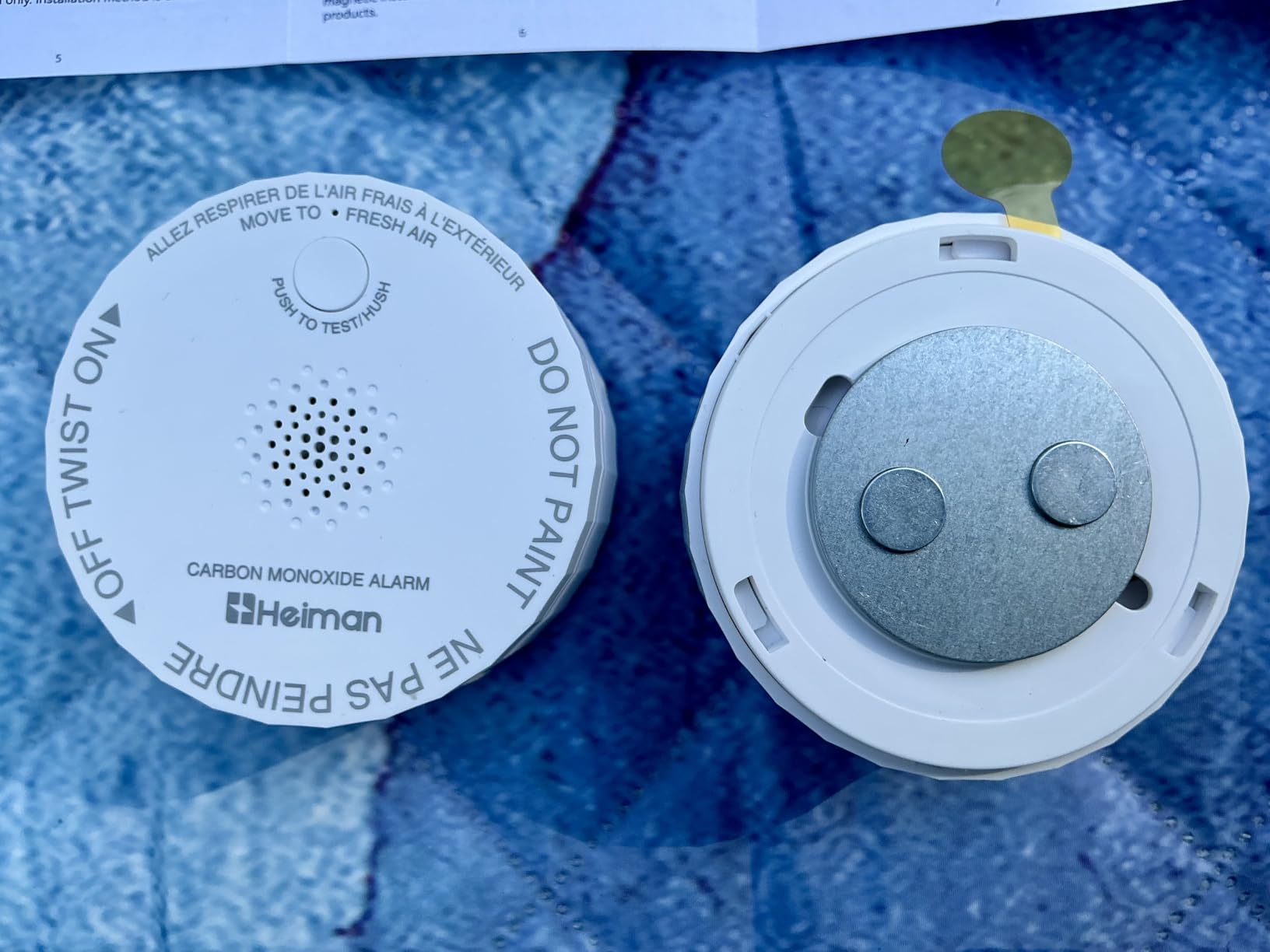
The caution is the review profile, and here it is the main consideration. With 112 ratings and an average of 4.4, this is the thinnest evidence base in the group, and about 7% of reviews sit at one star. A small number of owners report the unit not responding during a direct exposure test, which is exactly the scenario you would want tested on any alarm you rely on.
There is also a mismatch worth flagging before you buy: the product is described with a 10-year product life, while the manufacturer warranty listed in the data is 7 years. Sensor life and warranty length are different promises, and only one of them is contractual.

Is a 10-year lithium battery enough for a mechanical room?
For power, yes, and it is one of the better choices for an unconditioned space since lithium cells hold up better than alkaline in cold conditions. The battery lasts the life of the unit in the intended configuration, which removes the low-battery chirp problem that drives people to remove their alarms.
Test it monthly anyway. The test button confirms the horn and the sensor circuit, not the actual concentration in the room, so it is a check on the device rather than a measurement of the air.
Should this be the alarm covering the furnace?
I would use it as a secondary unit and put a better-supported model in the mechanical room. Certification is stated clearly, but the evidence base behind this specific model is thin enough that a homeowner putting a life-safety device in the room with their furnace deserves a unit with a longer public performance record.
It is a good fit for a smaller space, a rental, or an RV where the small body and the 10-year battery are the deciding factors.
What to Look for When Buying a CO Detector for a Basement?
Sensor type is the first filter. Look for an electrochemical sensor. It reacts to CO directly and produces a current proportional to concentration, which is why most current residential alarms, including nearly every unit in this group, use it. Older biomimetic and metal oxide sensors are more temperature-sensitive and more prone to drift, and they are no longer the sensible choice for a space where the reading matters.
Power configuration decides how much the unit will still be working when you need it. A plug-in alarm with battery backup keeps sensing through an outage, and a basement with a sump pump is a place where outages are common. A hardwired interconnected alarm goes further and also notifies other alarms in the house. A sealed 10-year lithium alarm removes the battery-chirp problem entirely, and a replaceable-battery alarm is the most affordable but the most likely to be silenced by a 3am chirp and forgotten.
A digital display changes what you can do with the alarm. A ppm readout lets you check a mechanical room after a repair, watch a reading climb after a cold start, or confirm the air is clean before you open a door on a guest room. Understand what the display can and cannot show: many alarms display nothing below roughly 30 to 35 ppm and do not sound at those levels, so the number is for trending low readings, not for reassurance at dangerous levels.
Certification is non-negotiable. UL 2034 is the standard for residential CO alarms, UL 217 covers smoke alarms, and ETL listing to either standard is an independent third-party mark rather than a manufacturer self-declaration. Several alarms here state both standards, which matters for combination alarms. If you rent, CSFM approval and visible certification markings are what an inspector or property manager will ask to see.
Interconnection decides whether anyone upstairs wakes up. This is the basement-specific question no general roundup answers, and it is the one forum threads keep circling. A standalone basement alarm protects that room. An interconnected system, whether wired or wireless, turns a basement detection into a whole-house alarm. Check the compatibility list before buying, since interconnection only works between units on the same approved list.
End-of-life signalling is a small feature that prevents a silent failure. A unit that chirps once or twice and stops has reached end of life, which is different from the repeated low-battery chirp. Most of the one-star reviews in this category are people who did not know the difference, so read the manual and write the replacement date on the unit with a marker.
Finally, match the operating range to the room. Listed humidity and temperature ranges vary more than you would expect across this group, and a basement that runs cold in winter and damp in summer is a harder environment than a conditioned room upstairs. A unit that operates outside its range will still sound, but it may nuisance-alarm, and that trains you to ignore it.
What to Do If a Basement CO Alarm Sounds?
Treat every alarm as real until a professional tells you otherwise. Carbon monoxide is colorless, odorless, tasteless, and it can disable judgement before you realise anything is wrong, which is why the response is procedural rather than diagnostic.
1. Get everyone out of the building immediately, including pets, and do not stop to gather belongings.
2. Call 911 or your local emergency number from outside, from a car or a neighbour’s house, not from inside where the gas is.
3. Do not open windows or doors on your way out, and do not operate light switches, phones, or appliances inside.
4. Do not try to find the source and do not reset the alarm. A reset without a root cause means the alarm will sound again, and the delay is exactly when people get hurt.
5. Once responders clear the building, arrange a professional inspection of every fuel-burning appliance in the mechanical room, including the furnace, water heater, and any venting. A furnace that is producing CO will keep producing it.
If a unit with a display is showing a persistent low reading rather than alarming, treat that as a reason to schedule service rather than as a reason to relax. Slowly rising numbers that do not settle are a combustion problem forming.
Frequently Asked Questions
Should I put a carbon monoxide detector in my basement?
Yes. The CPSC recommends a CO alarm on every level of the home and outside sleeping areas, and a basement is where the furnace, water heater, dryer, and often every fireplace flue in the house are located. Mount it on the wall or ceiling of the mechanical room, at least 5 feet from a fuel-burning appliance and not directly above it.
Which carbon monoxide detector is the most accurate?
Look for an electrochemical sensor, which is the technology behind nearly every current residential CO alarm, and confirm the unit is UL 2034 or ETL listed. Among the models we compared, the Kidde KN-COPP-3 stands out for accuracy you can verify, because its digital display reports live parts per million rather than only alarming at the threshold.
What carbon monoxide detector do firefighters recommend?
Fire service guidance consistently points toward units carrying a recognized safety certification such as UL 2034 or ETL listing, installed on every level and outside sleeping areas. Homeowners who have done this work tend to favor established brands such as Kidde, First Alert, Gentex-based installs, and Defender, and they prioritise interconnection so a basement alarm also sounds upstairs.
What is the best hardwired carbon monoxide detector?
For hardwired installs the First Alert SC9120B is the strongest pick in our group, combining smoke and CO in one head, running on hardwired power with a 9V backup battery, and connecting to other compatible units so every alarm in the house sounds together. Confirm your existing alarms are on the same compatibility list before ordering.
Is there a 10-year sealed battery CO detector available?
Yes. The X-Sense SC07 and SC01 both use a sealed lithium battery rated for 10 years, and the Heiman C1-S does as well. Note that a 10-year sealed cell is a different promise from a plug-in alarm that states 10 years of battery backup, and neither of those is a CO2 detector, which senses a different and non-life-safety gas.
How many CO detectors does a basement need and will I hear it upstairs?
Plan on one in the basement mechanical area, one outside each sleeping area, and interconnection between them. A standalone basement alarm only protects its own room, and sound loses a lot of reach through a finished ceiling and a closed door. Hardwired or wireless interconnection is what actually gets the alert to people asleep upstairs.
How often do carbon monoxide detectors need replacing?
Replace a CO alarm when it signals end of life, and check the date printed on the back of the housing. Most units in this group carry manufacturer terms ranging from 5 to 10 years, and the end-of-life signal chirps rather than going silent. Test the unit monthly with the test button, which checks the device and not the air in the room.
One buying note before you go. This is a buying guide, not a substitute for CPSC guidance, fire department advice, or a professional combustion appliance inspection. No alarm on this list finds a cracked heat exchanger, and the highest-rated detector in any category is still only reporting what reaches its sensor.
Final Verdict
The best carbon monoxide detectors for basements come down to one question: where does the CO come from, and who needs to hear it. For a mechanical room with a reachable outlet, the Kidde KN-COB-DP2 is the pick we keep recommending, because AC power with battery backup and a Peak Level Memory readout covers the failure modes that actually occur down there. If you want numbers rather than a siren, the digital display on the KN-COPP-3 is worth the larger body. If your basement is being wired anyway, the First Alert SC9120B solves the hearability problem that no standalone alarm can.
Install it, test it monthly, and then leave it alone. That last part is the step most people skip.