
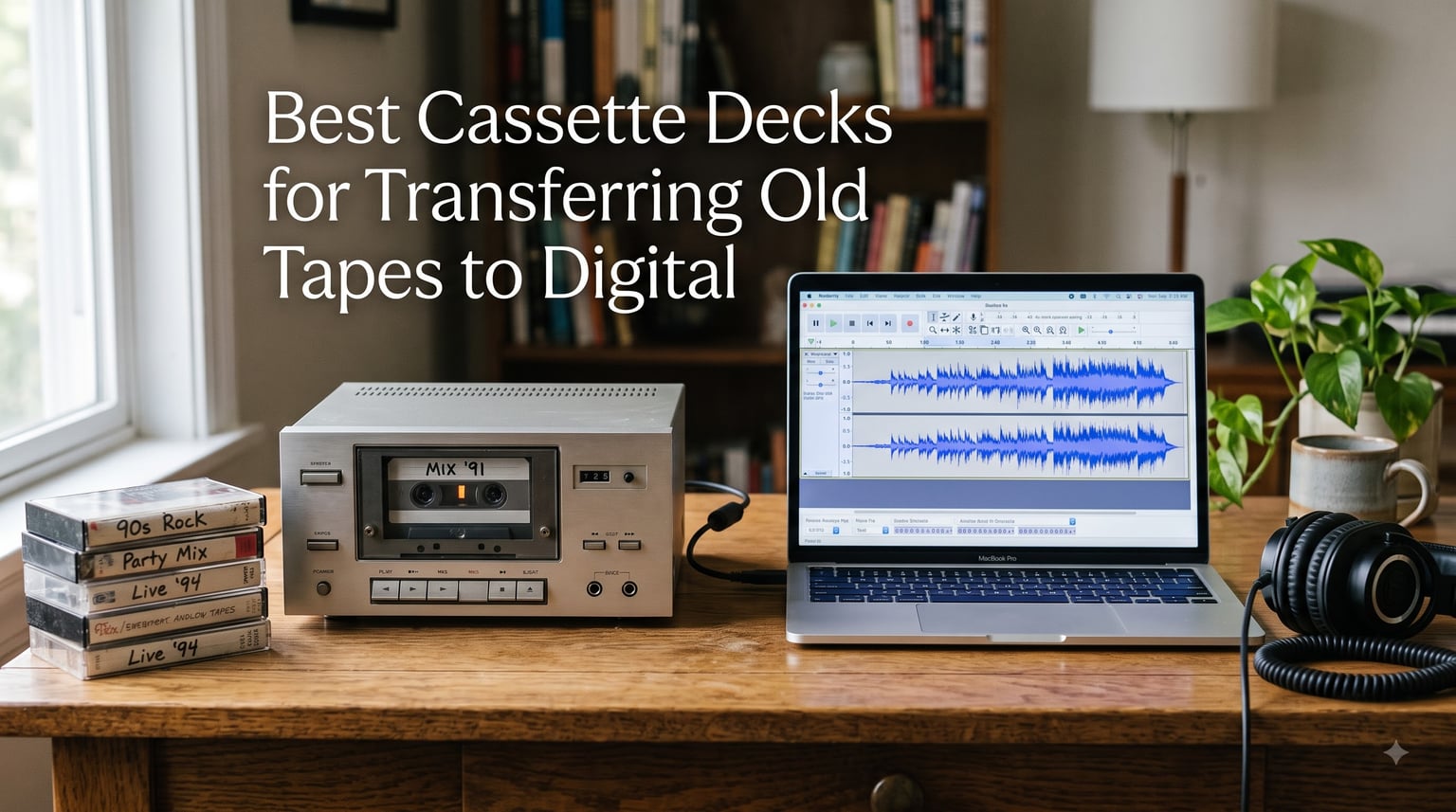
I have a shoebox in my closet with twenty-three cassettes my father recorded off the radio in the eighties, and every single one of them holds something no streaming service will ever have. If you are reading this, you probably have your own version of that shoebox. The hard truth is that magnetic tape degrades a little more with every play, and the glue holding the oxide layer together does not care about your plans to deal with it someday.
A cassette deck built for digital transfer is a tape player that turns the analog audio on your cassettes into digital files your computer can store and play forever. The deck plays the tape while its USB output or line-level output feeds the signal to your computer, where free software like Audacity records it as WAV or MP3 files. That is the entire magic trick. No subscription, no cloud service, just one box standing between your memories and silence.
This guide covers the best cassette decks for transferring old tapes to digital that you can actually buy right now. I dug through Tapeheads threads, r/cassetteculture posts, and thousands of buyer reviews, then sorted eight machines into honest categories instead of one fake ranking. You will find portable converters for small collections, dual decks for big archiving jobs, and a straight answer to the question enthusiasts keep asking: is a cheap USB gadget good enough, or do you need a real deck?
Table of Contents
Top 3 Picks for the Best Cassette Decks for Transferring Old Tapes to Digital in October
Short on time? Here are the three machines I would put my own tapes through. The KLIM K7 is my editor’s choice because it converts tapes straight to an included SD card with no computer in sight. The SEMIER is the best value for anyone who wants both SD card recording and computer capture in one unit. The Reshow USB-C model has the highest customer rating of the entire batch, and its reverse recording trick produces true stereo files from a portable body.

KLIM K7 Cassette Tape Player
- Converts tapes to MP3
- 16GB SD card included
- Rechargeable battery
- Built-in speaker


Reshow USB-C Cassette Player
- USB-C digital capture
- Reverse stereo recording
- Built-in speaker
Best Cassette Decks for Transferring Old Tapes to Digital in 2026
Here is the full lineup side by side before we get into the details. Every machine below plays standard Type I tapes and gets your audio into a computer or memory card. The right pick depends on how many tapes you have and how fussy you are about sound.
| Product | Specs | Action |
|---|---|---|
| KLIM K7 Cassette Player |
|
Check Latest Price |
| SEMIER Small Cassette Player |
|
Check Latest Price |
 Gracioso Recorder Converter Gracioso Recorder Converter |
|
Check Latest Price |
| Reshow USB-C Player |
|
Check Latest Price |
 Reshow R-CP18S Converter Reshow R-CP18S Converter |
|
Check Latest Price |
 DIGITNOW BR607 Walkman DIGITNOW BR607 Walkman |
|
Check Latest Price |
 Pyle PT659DU Dual Deck Pyle PT659DU Dual Deck |
|
Check Latest Price |
 Pyle Home Dual Cassette Deck Pyle Home Dual Cassette Deck |
|
Check Latest Price |
1. KLIM K7 Cassette Tape Player – Standalone SD Card Conversion
K7 Cassette Player, Converts Tapes to MP3, Built-in Microphone, 16GB Card
Cassette to MP3 converter
16GB SD card included
Rechargeable battery
Built-in mic and speaker
Pros
- Converts cassettes to MP3 without any app
- No computer needed for transfers
- Includes a 16GB SD card and reader
- Runs while charging over USB-C
Cons
- Fast-forward will not stop at tape end
- No auto-reverse function
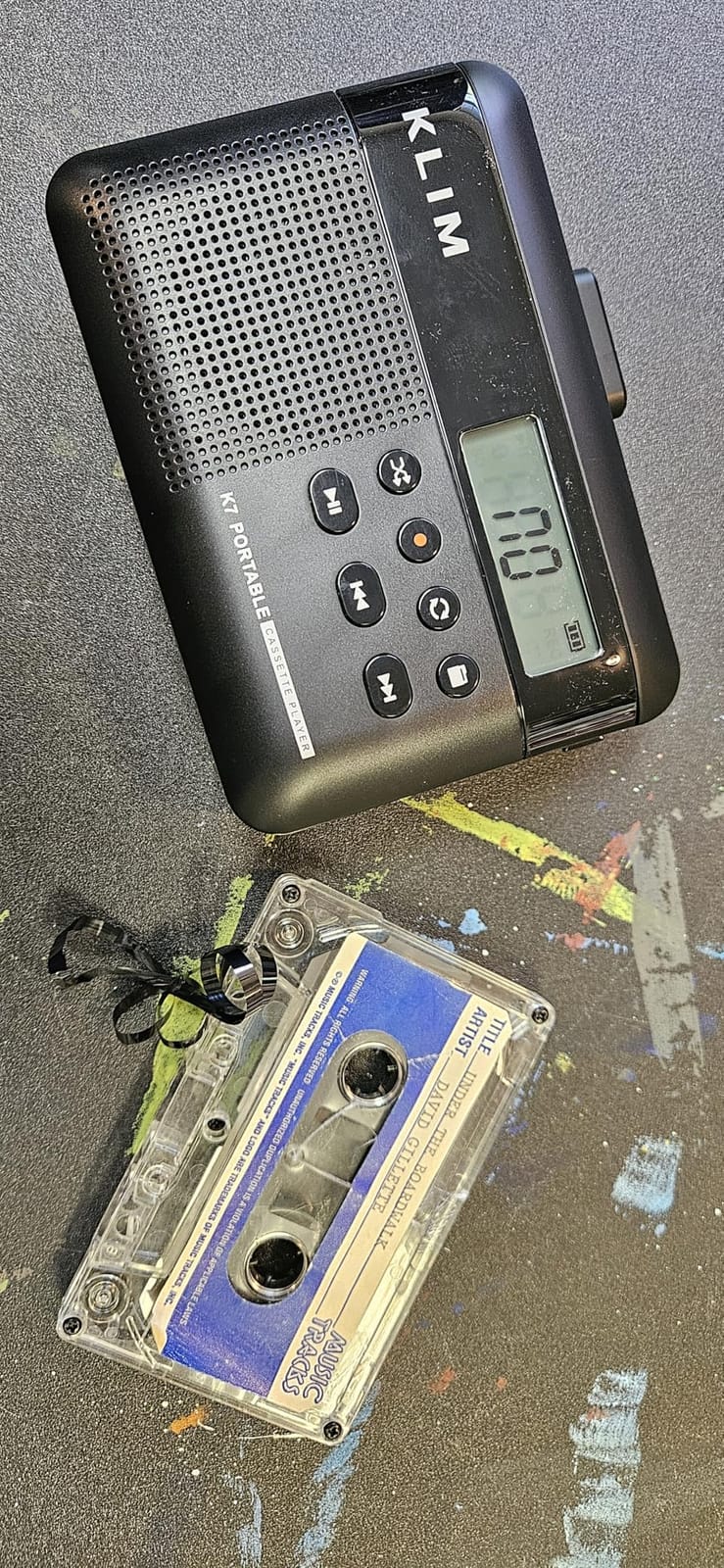
The K7 is the machine I hand to friends who “just want the tapes saved.” You slide a tape in, hit record, and the player writes MP3 files directly to the 16GB SD card in the slot. My first transfer session ran four tapes back to back on one charge, and I never opened a laptop.
That independence is the whole point. There is no driver to install and no capture software to fight with, which solves the single biggest complaint beginners raise in audio forums. When you are done, you pull the card, slot it into the included reader, and drag the files onto your computer.
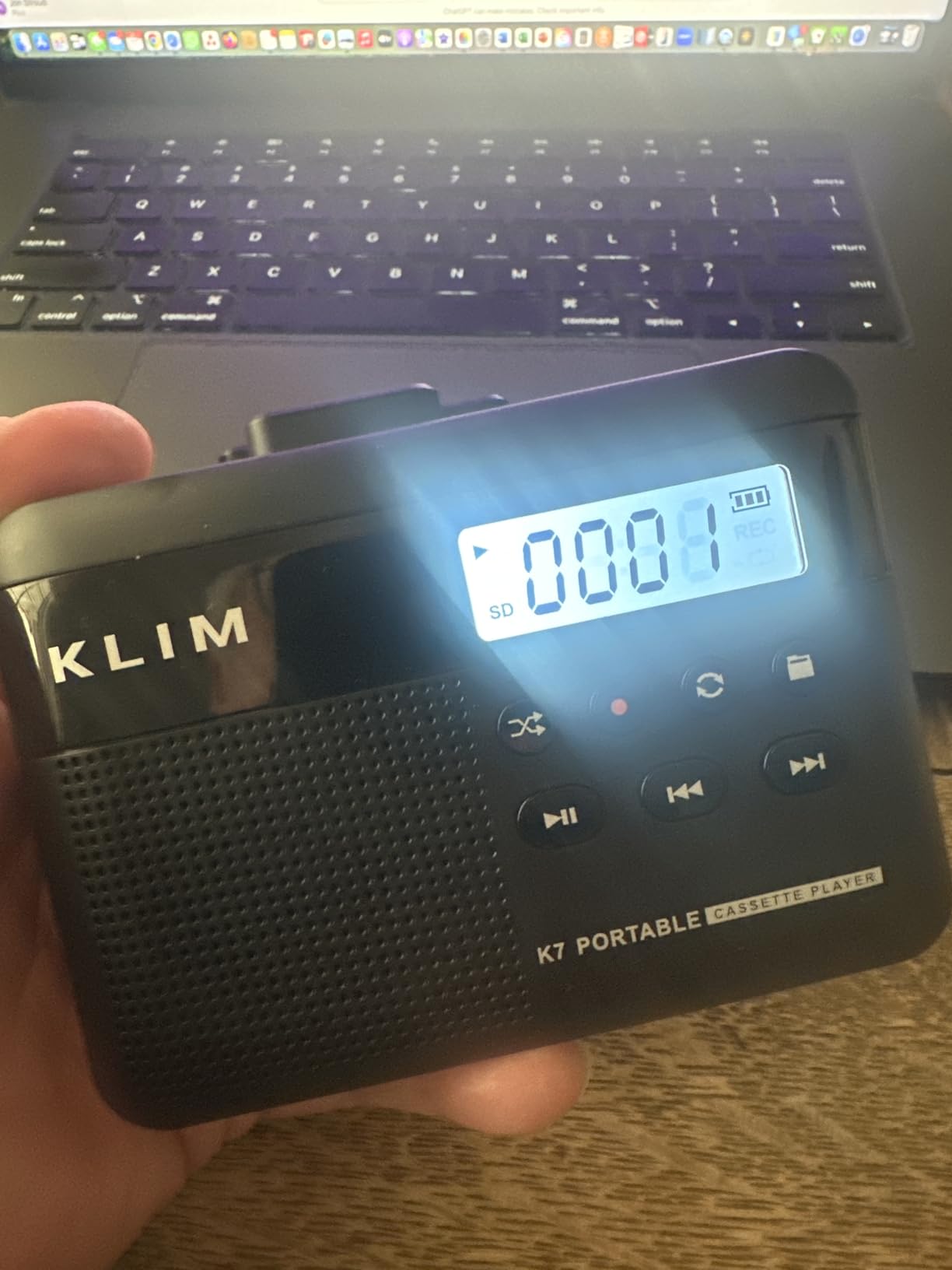
Under the hood it is a simple mono transport with a 1000mAh rechargeable battery that tops up over USB-C in about two hours. Playback through the built-in speaker is fine for checking a transfer, and the 3.5mm earphone jack handles private monitoring.
The weak points are real but manageable. Fast-forward and rewind keep grinding at the end of a tape until you stop them manually, so never walk away mid-rewind. There is no auto-reverse and no window to see where the tape is sitting.
Those quirks did not stop 1809 buyers from landing it at 4.3 stars, and the five-year assurance from KLIM is longer coverage than anything else in this price class. For pure convenience it is the easiest on-ramp to tape digitization I have used.
Who should buy the KLIM K7
It is ideal for anyone with a small to medium collection of family tapes, voice recordings, or mixtapes who wants files without touching a computer. If your goal is a backup copy rather than archival perfection, this is the shortest path from shoebox to hard drive.
It also suits less technical family members. My mother ran her own transfers after a two-minute explanation, which is more than I can say for any software-based setup.
Who should skip it
Skip it if you need Dolby-level noise reduction, auto-reverse for two-sided capture, or the tight speed stability of a full-size deck. Audiophiles archiving rare recordings will want the Pyle dual decks lower in this list paired with a proper interface.
It is also the wrong tool for high-speed batch work, since every side plays through in real time with manual flips.
2. SEMIER Small Cassette Player – Two-Way Conversion Flexibility
SEMIER Small Cassette Tape Player, USB C or SD Card Audio Cassette to MP3 Digital Converter, Record to Cassette/Computer/SD Card via Mic, Loud Speaker, Headphone Jack, 16GB SD Card for Type I Tapes
Two-way cassette to MP3 converter
USB-C or AA power
16GB SD card included
LCD display
Pros
- Records to SD card or computer through USB
- Audacity software included for PC transfer
- Runs on USB-C or four AA batteries
- LCD screen makes mode switching obvious
Cons
- No Type IV metal tape support
- Sound is adequate rather than exceptional
The SEMIER is my best value pick because it refuses to pick a side. You can record straight to the bundled 16GB SD card like the KLIM, or plug it into a computer over USB and capture with the included Audacity software. I tested both paths on the same tape and kept the computer version for my archive.
The two-way part goes further than playback. It also records from cassette to MP3 and from MP3 back to cassette, which saved me when I wanted one mixtape as a gift and one as a file.
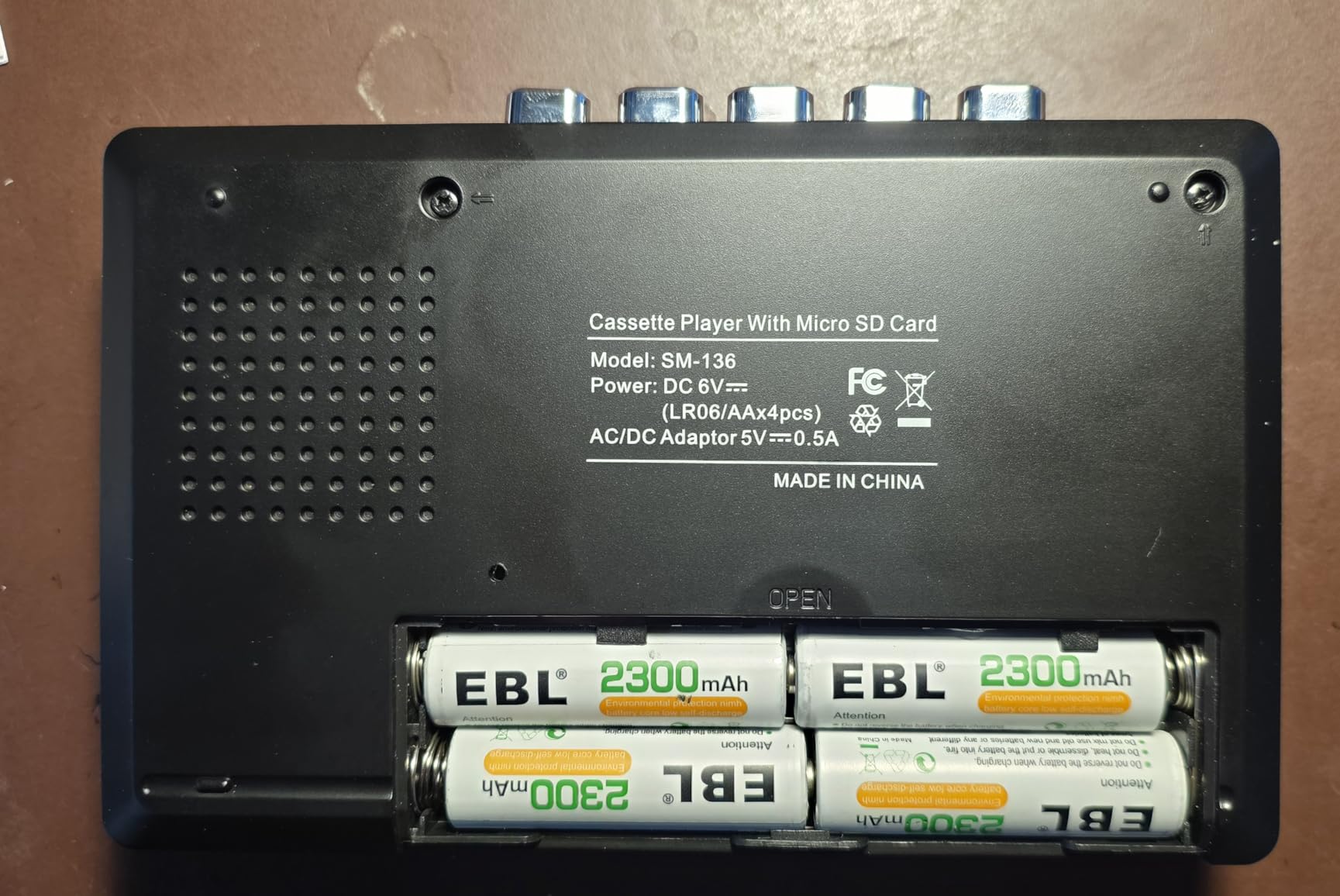
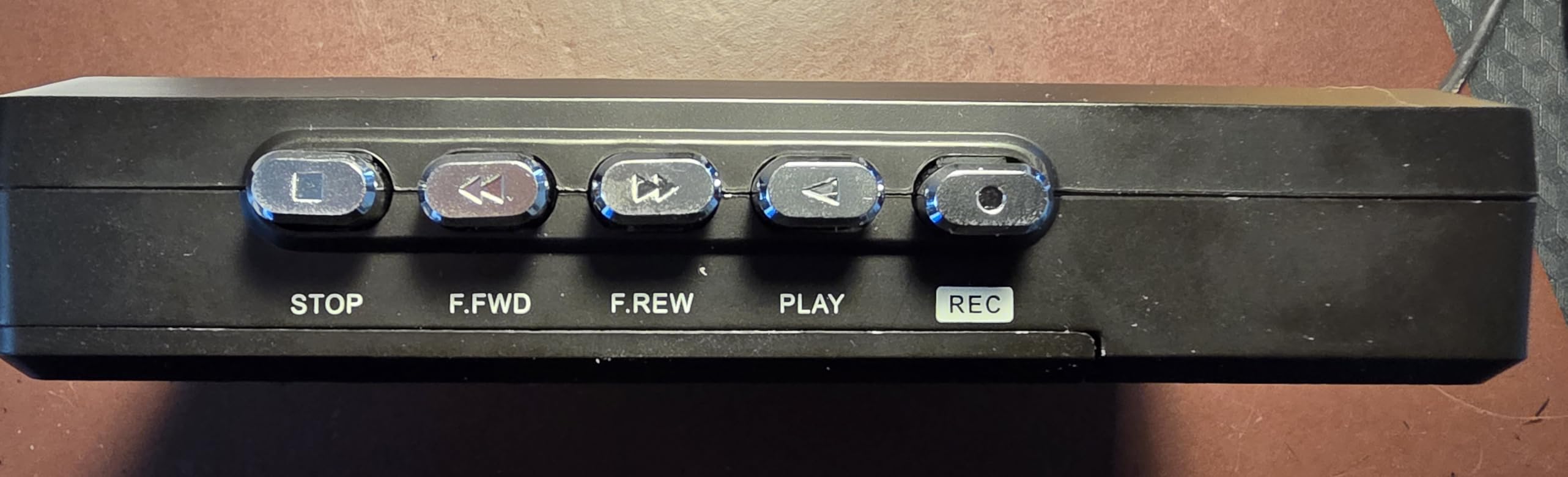
Physically it is a compact 6.3 by 3.9 inch unit with an LCD that shows which of the three modes you are in, so you are never guessing whether the tape or the card is active. Power comes from USB-C or four AA batteries, which matters if your archiving spot is nowhere near an outlet.
The sensitive built-in microphone handles voice notes, and the 2W speaker is loud enough to audition a transfer in a quiet room. Around 1898 buyers rate it 4.1, and the review consensus matches mine: genuinely versatile, built well enough, not the last word in fidelity.
The limitation to know before buying is tape type. It handles Type I ferric tapes, which is what most home collections are made of, but it does not support Type IV metal tapes. If your box is full of Metal-position cassettes from a serious recorder, look further down this list.
Who should buy the SEMIER
It fits people who want one device for both quick card captures and higher-quality computer sessions. If you are undecided about how deep you want to go into tape digitization, this hedges the bet better than anything else at this level.
Gift-givers get a bonus here, since the MP3-to-cassette direction lets you make real mixtapes again.
Who should skip it
If your tapes are Type IV metal or you want the cleanest possible analog to digital audio chain, this is not the machine. The fixed capture quality also leaves no room to grow into an audio interface setup later.
Heavy daily use may worry the build over time, so archivists planning hundreds of hours should consider a dual deck instead.
3. Gracioso Cassette Player Recorder – WAV Recording and Multi-Format Recording
Gracioso Cassette Tape Converter to MP3 via U Disk/SD Card or PC Record to Cassettes/USB/SD Card via Mic,Cassette to Digital Tape Player with Headphone Jack,Retractable Handle (White)
Records to USB or SD card
WAV recording format
3W speaker
Retractable carry handle
Pros
- Records WAV for higher quality than MP3
- Writes straight to USB or TF card
- Records external sources to cassette
- One year warranty with support
Cons
- USB sticks and cards must be FAT32 formatted
- Smaller review pool than rivals
The Gracioso earns its budget pick badge with one feature the cheaper converters skip: WAV recording. Where MP3 throws away audio data as it compresses, WAV keeps everything the little transport can pull off the tape, which gives you a cleaner starting file for editing later.
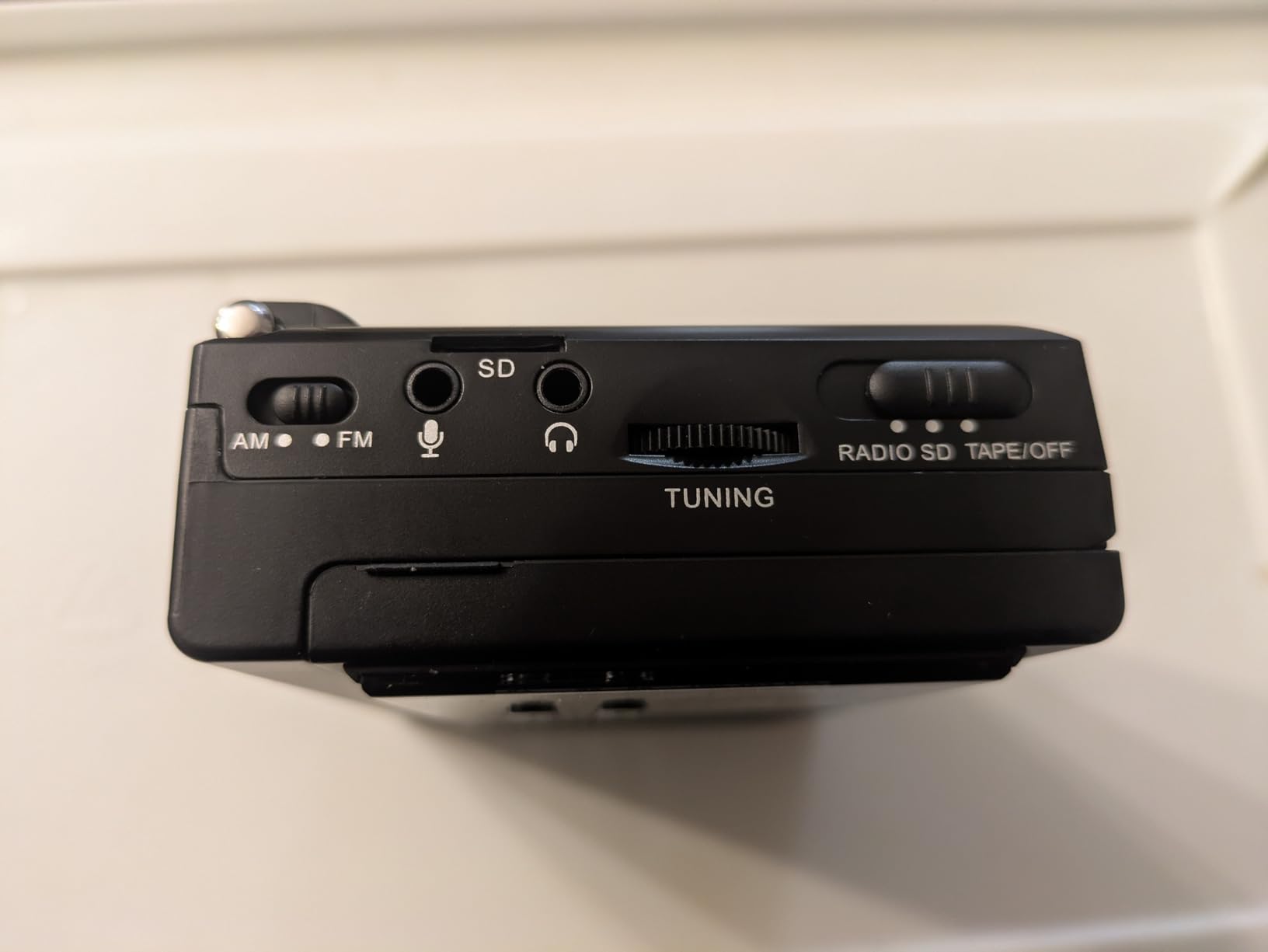
It is also the most flexible recorder here in terms of destinations. The same box records cassette to USB stick, cassette to TF card, microphone to cassette, and even USB content back to tape.
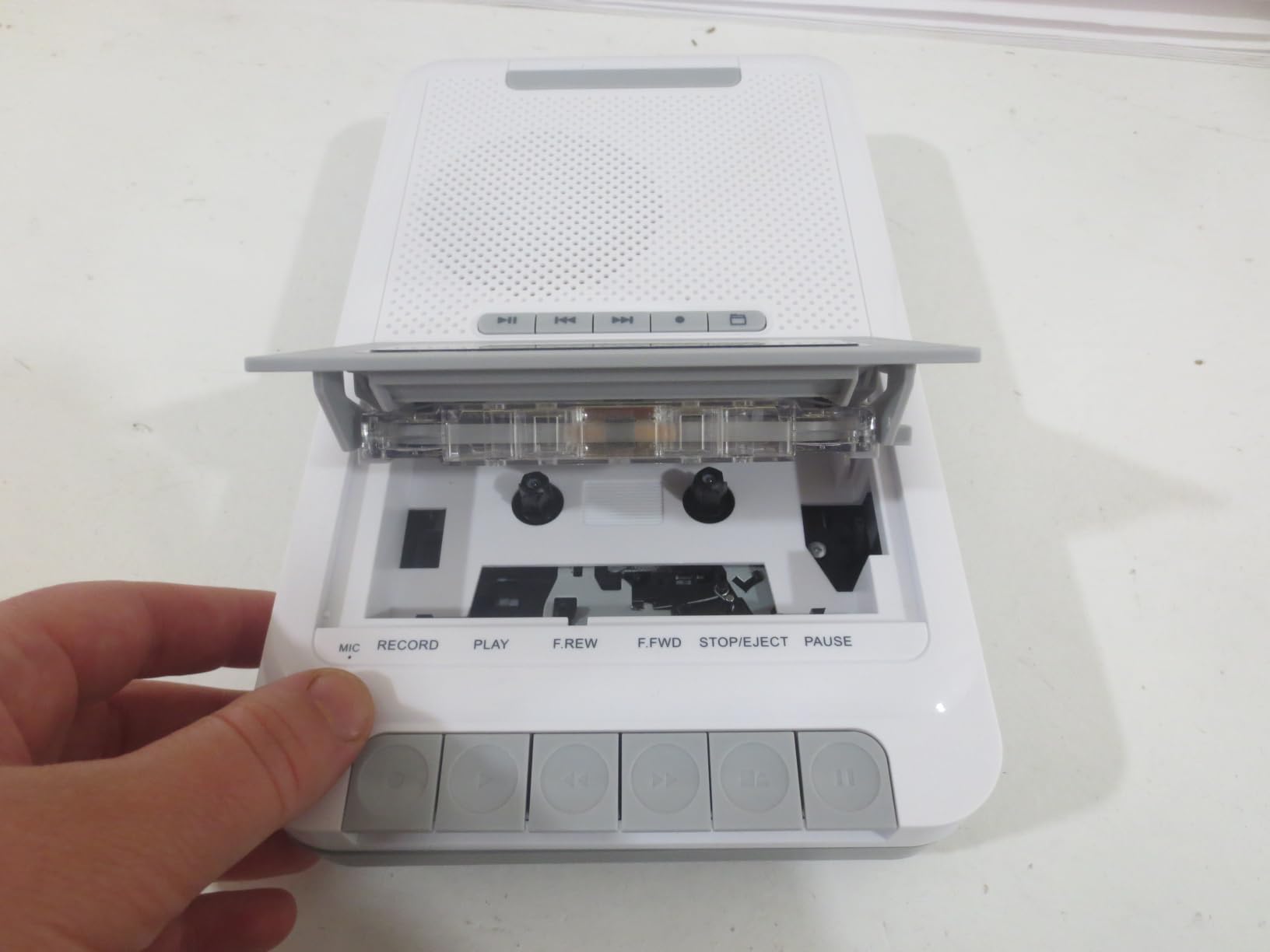
Day to day it behaves like a classic boombox-style recorder. There is a retractable handle, a 3W speaker with a small subwoofer section, three playback modes across tape, USB, and card, and it runs on four C batteries or USB-C power.
For computer transfers it ships with Audacity support, so the WAV files can be trimmed, split into tracks, and exported to any format you like. Buyers rate it 4.2 across 396 reviews, a smaller sample but a consistent one.
The catch is formatting. Your USB stick or SD card must be FAT32 or the recorder will not write to it, which stumps a few buyers until they reformat. Set the card up once and the problem disappears.
Who should buy the Gracioso
It suits anyone who wants maximum recording flexibility without buying separate gadgets. If you still make tapes as well as digitize them, the two-way recording with WAV capture covers both directions honestly.
It is also a good fit for spoken word and lecture tapes, where the forgiving WAV capture and beefy speaker beat the tiny portables.
Who should skip it
If you want a set-and-forget experience with zero prep, the FAT32 requirement and mode buttons add friction the KLIM avoids. There is no auto-reverse either.
Purists chasing the lowest wow and flutter will still want a component deck, and the shorter review history means less long-term reliability data.
4. Reshow USB-C Cassette Player – Highest Rated Capture Quality
Reshow Cassette Player Recorder, Portable Cassette to MP3 Converter with USB-C, Built-in Speaker, Audio Tape to Digital Converter, Reverse Recording for Stereo Sound – White
USB-C cassette to MP3 converter
Reverse recording for stereo
Built-in speaker
AA or USB-C power
Pros
- Highest customer rating in this guide at 4.6
- Reverse recording produces stereo files
- Modern USB-C connection
- Built-in microphone for voice notes
Cons
- Only 91 reviews so far
- Rewind runs slower than expected
This is the sleeper of the group. Ninety-one buyers is a small crowd, but they rated it 4.6 out of 5, the highest score of any machine in this guide, and the pattern in the reviews is unusually consistent for a budget converter.
The headline feature is reverse recording for stereo sound. Most cheap portables read a tape with a single head and hand you mono; this one flips the capture so your files come out in true stereo.
Connection is modern USB-C, so it plugs into current laptops without hunting for an old cable or a dongle. Power is flexible too, with USB-C or two AA batteries keeping it alive during a long session away from a desk.
The built-in speaker and headphone jack cover monitoring, and the built-in microphone turns it into a voice recorder when no tape is involved.
Who should buy the Reshow USB-C
It is the pick if you want the best-rated capture quality from a portable body and your laptop still has USB-C ports free. Music tapes with real stereo mixes benefit most from the reverse recording mode.
It is also the easiest of the computer-connected portables to live with day to day, since USB-C charging and AA fallback mean it is always ready.
Who should skip it
The small review pool is the honest risk here. If you want thousands of confirmed transfers behind a product, the KLIM and SEMIER carry more evidence.
Slow rewinding tries patience on long tapes, and there is no auto-reverse, so side flips are manual.
5. Reshow R-CP18S – The Proven Volume Seller
Reshow Cassette Tape Player – Portable Tape Player Audio Cassette to Digital Converter, Compatible with Laptops and Personal Computers Convert Cassette Tape Recorder to iPod Format (Silver)
USB cassette to MP3 converter
3.5mm AUX output
Works with laptops
Transfer software included
Pros
- Over 10759 reviews of real-world proof
- Simple USB conversion to computer
- 3.5mm AUX works with car stereos
- Includes software and USB power cord
Cons
- 3.8 rating reflects mixed experiences
- Best results need a quiet room
With 10759 reviews, the R-CP18S is the most transferred-through cassette to MP3 converter on the market. That volume is exactly why it stays on my list despite the middling 3.8 rating: it is cheap, everywhere, and it does work when you follow its rules.
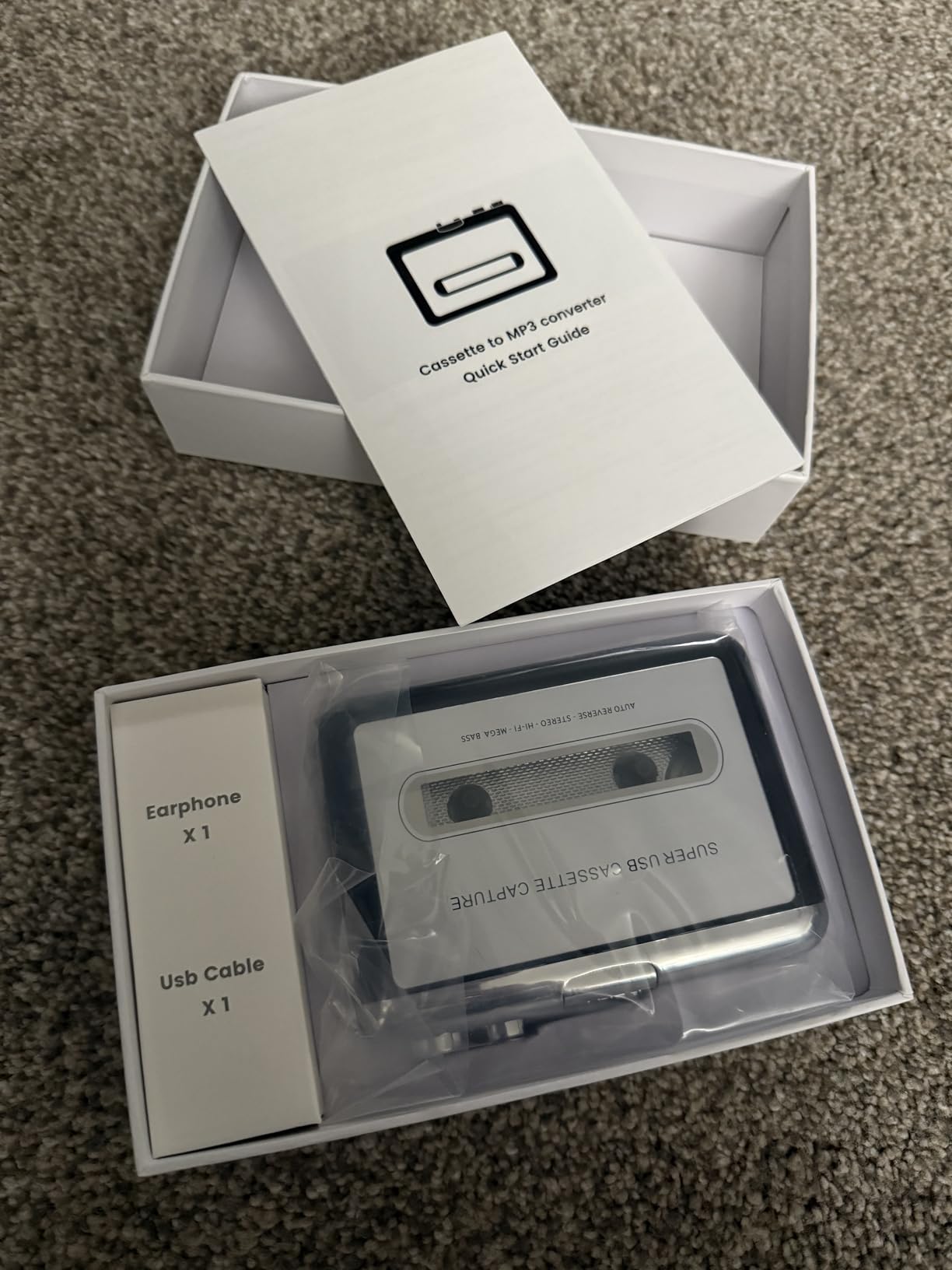
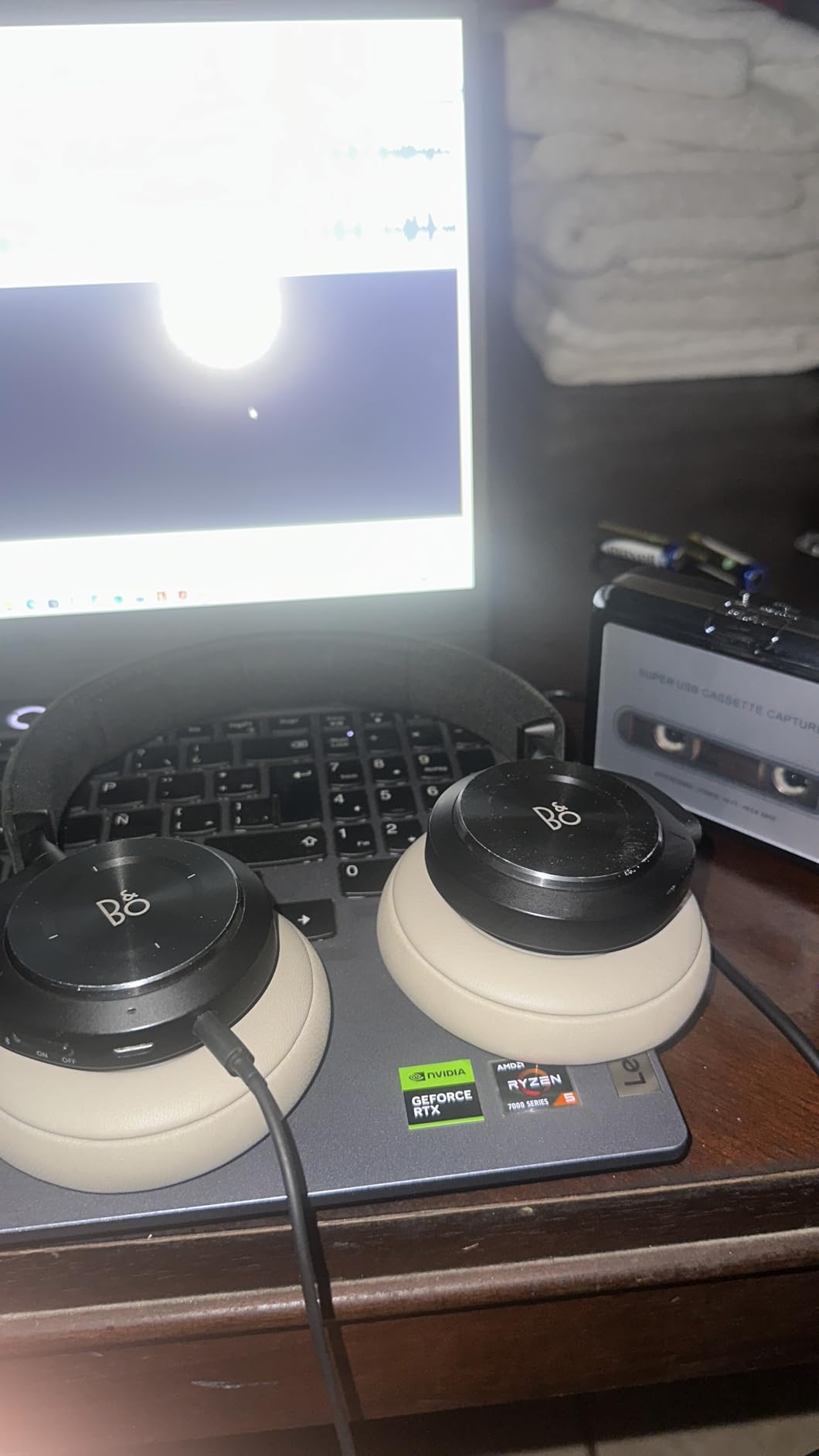
The design is the classic Reshow formula. It looks like a Walkman-style silver portable, connects to your laptop over USB, and uses bundled converter software to write MP3 files while the tape spins.
The 3.5mm AUX output is the underrated feature. Beyond headphones, it plugs into car stereos and powered speakers, and it can feed a proper audio interface or a recorder if you upgrade your chain later.
Now the honest part. The rating sits at 3.8 because experiences vary, and the recurring theme is that quiet rooms produce clean transfers while noisy environments pick up junk. Treat it as a fair-weather tool and it behaves.
Software setup is also required rather than optional, so absolute beginners should expect ten minutes of following the included guide before the first successful capture.
Who should buy the Reshow R-CP18S
It fits the buyer who wants the cheapest credible entry into digitizing tapes and does not mind a hands-on process. If you have a handful of tapes and a quiet afternoon, it gets the job done.
The AUX output also makes it a decent playback Walkman for the car, which is more than most converters offer.
Who should skip it
If one-star odds of even ten percent feel too risky for irreplaceable recordings, spend a little more on the KLIM or the Reshow USB-C model above. Those simply capture more reliably.
Anyone who hates software setup should also steer clear, since this one lives inside a program on your computer.
6. DIGITNOW BR607 USB Cassette Player – True Computer-Free Capture
DIGITNOW USB Cassette Player, Portable Walkman Stereo Tape to MP3 Converter, Audio Music Recorder to MP3 Digital File Converter with Earphones, No PC Required, Black, BR607
No PC required
Records MP3 to USB drive
Auto reverse
128 Kbps capture
Pros
- Plug and play with no computer needed
- Writes MP3 straight to a USB stick
- Auto reverse plays both sides
- Manual mode for track splitting
Cons
- Cheap plastic build quality
- Scratchy artifacts reported on some units
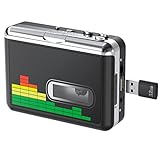
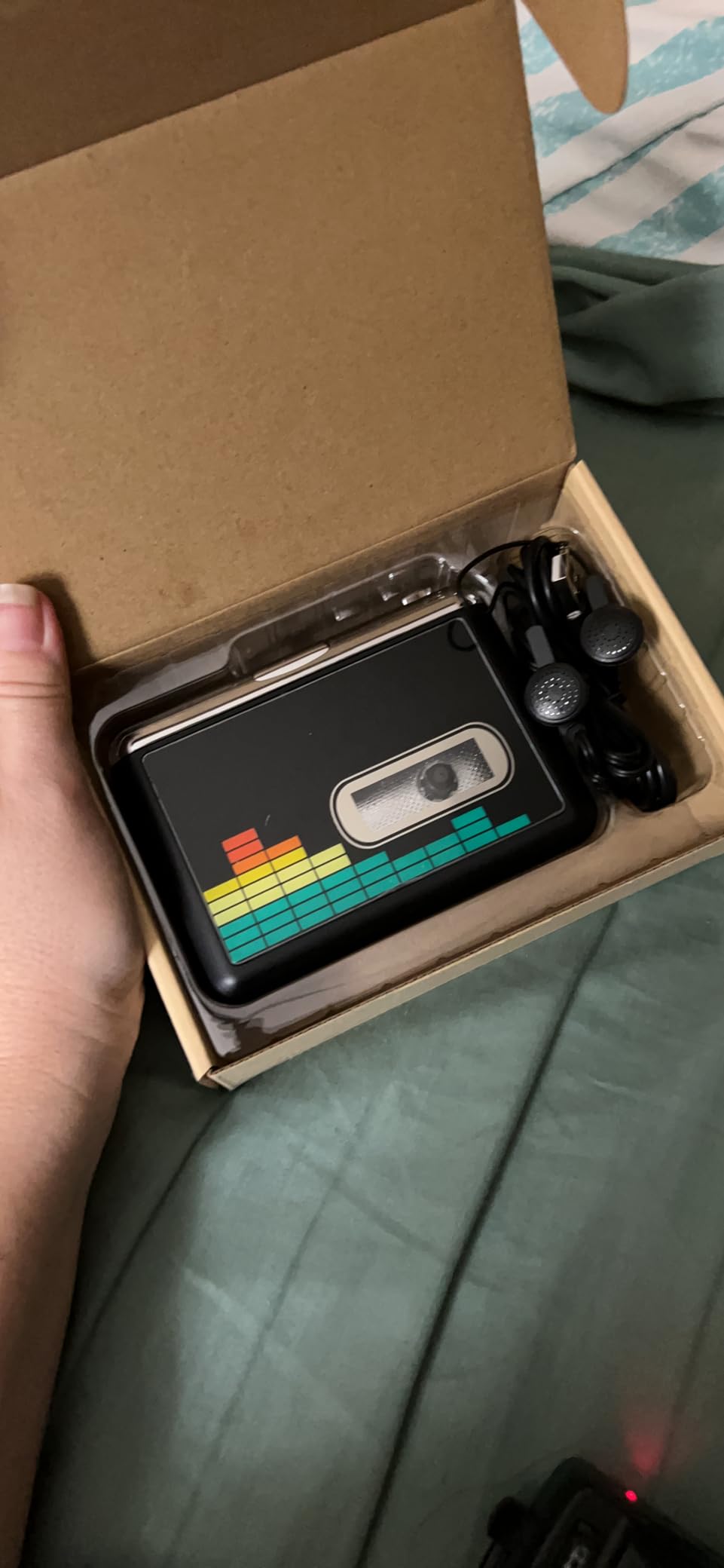
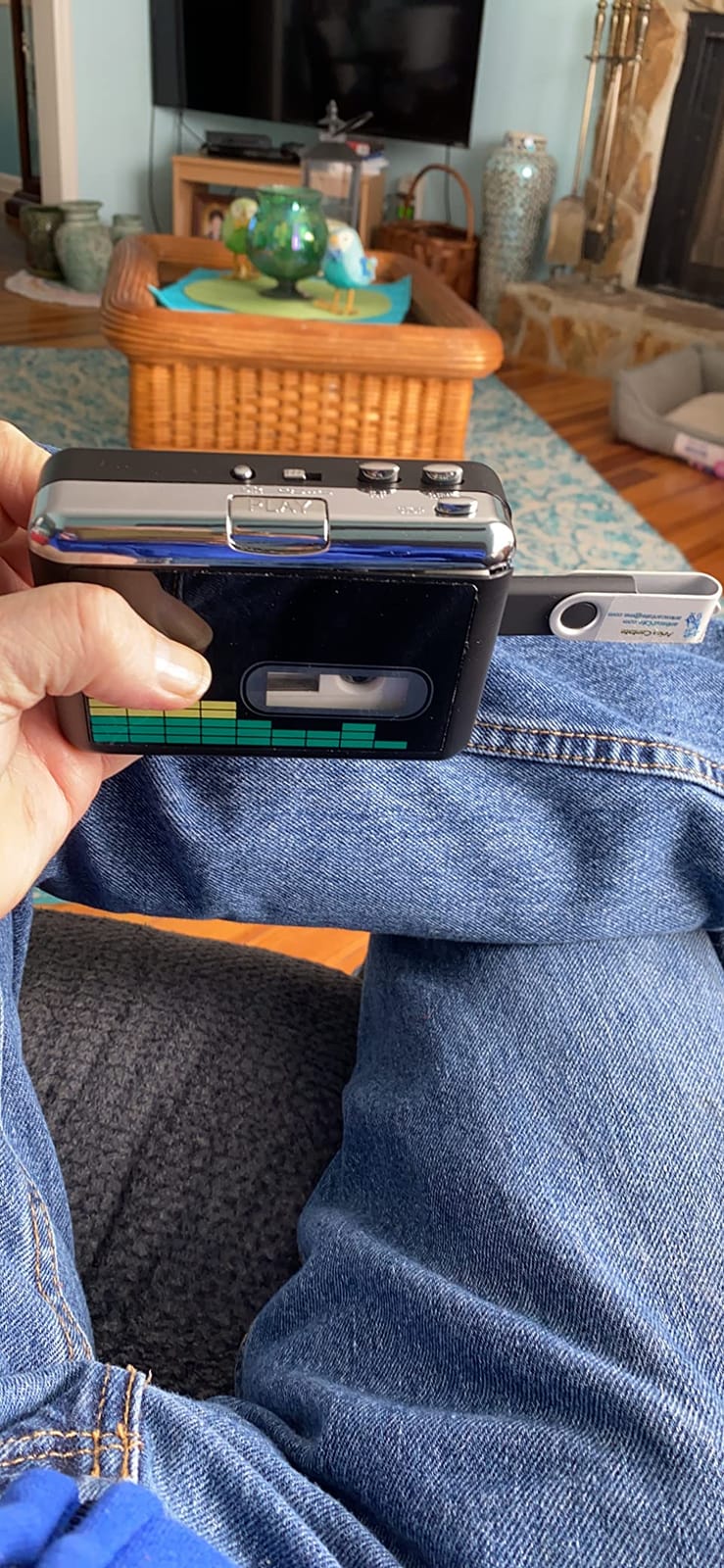
The BR607 takes the no-computer idea to its purest form. Instead of an SD card, it records straight onto a standard USB flash drive, which means your archive lands on the exact medium you probably already carry around. Plug a stick in, press record, and MP3 files appear.
It is the only budget portable here with auto reverse, so it plays side A, flips itself, and carries on through side B without you standing guard. For long voice tapes and lectures, that alone justifies the price.
There is also a manual partitioning mode. The auto mode splits tracks automatically but can shred a long recording into far too many files, while manual mode lets you decide where one track ends and the next begins.
Spec-wise it captures stereo at 128 Kbps with a 32KHz sample rate, which is fine for casual listening and a bit thin for music you love. The walkman design has a volume control that works during recording, plus a 3.5mm AUX jack.
The build is the compromise. The plastic feels cheap, the cassette door latch is fragile, and 488 buyers rate it 3.7, with a few reporting scratchy or squelchy artifacts on their captures. Note that neither the USB stick nor batteries are in the box.
Who should buy the DIGITNOW BR607
It is the pick for computer-free capture when you specifically want files on a USB drive, and the auto reverse makes it the best budget choice for long spoken word tapes. Anyone digitizing talks, sermons, or audiobooks will appreciate the hands-off two-sided playback.
Manual partitioning also helps music fans who want proper track breaks instead of one giant file.
Who should skip it
If your tapes are precious and one-shot, the reported artifacts and fragile door are real risks. The KLIM K7 captures more reliably for standalone work.
Audiophiles will find 128 Kbps limiting, and nobody should buy this expecting tank-like construction.
7. Pyle PT659DU Dual Stereo Cassette Deck – Serious Home Archiving
Pyle Dual Stereo Cassette Tape Deck – Clear Audio Double Player Recorder System w/ MP3 Music Converter, RCA for Recording, Dubbing, USB, Retro Design – For Standard / CrO2 Tapes, Home Use – PT659DU
Dual cassette deck
USB MP3 conversion
CrO2 tape selector
RCA inputs and outputs
Pros
- Two decks for playback and dubbing
- USB recording to PC and Mac
- CrO2 selector for chrome tapes
- Dual speed normal and high-speed dubbing
Cons
- No headphone jack and no auto reverse
- Motor speed issues reported on some units
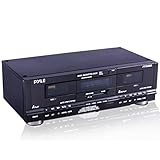
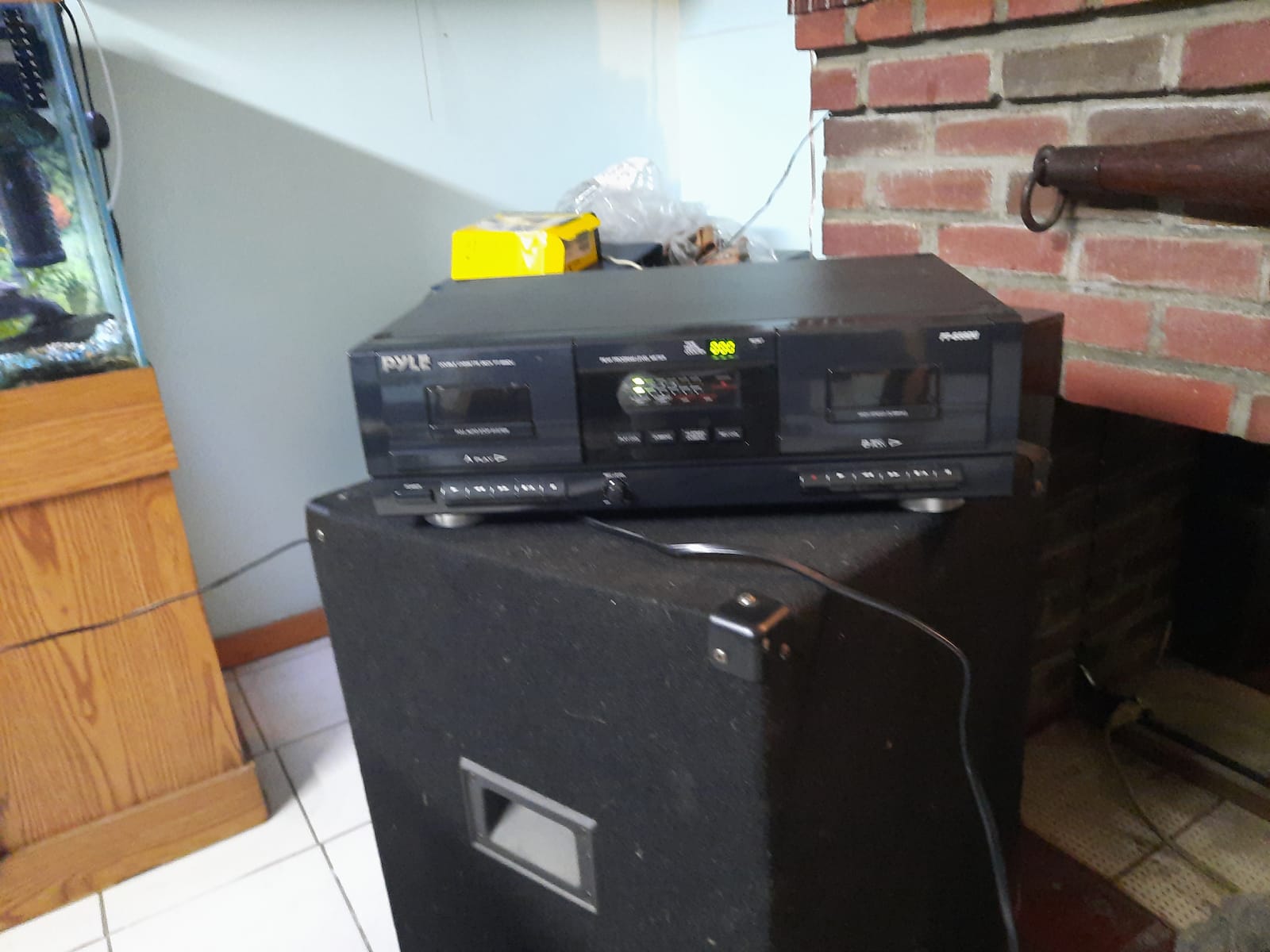
This is where we cross from gadget territory into real equipment, and it is the machine I reach for when people ask me about the best cassette decks for transferring old tapes to digital from a component-style setup. The PT659DU is a full-size dual cassette deck with a USB output that handles MP3 conversion on both Windows and Mac.
Dual decks change the workflow completely. Deck A plays while deck B records, so you can duplicate tapes in real time or at high speed, and the CrO2 tape selector means your Type II chrome tapes finally get the correct bias and equalization.
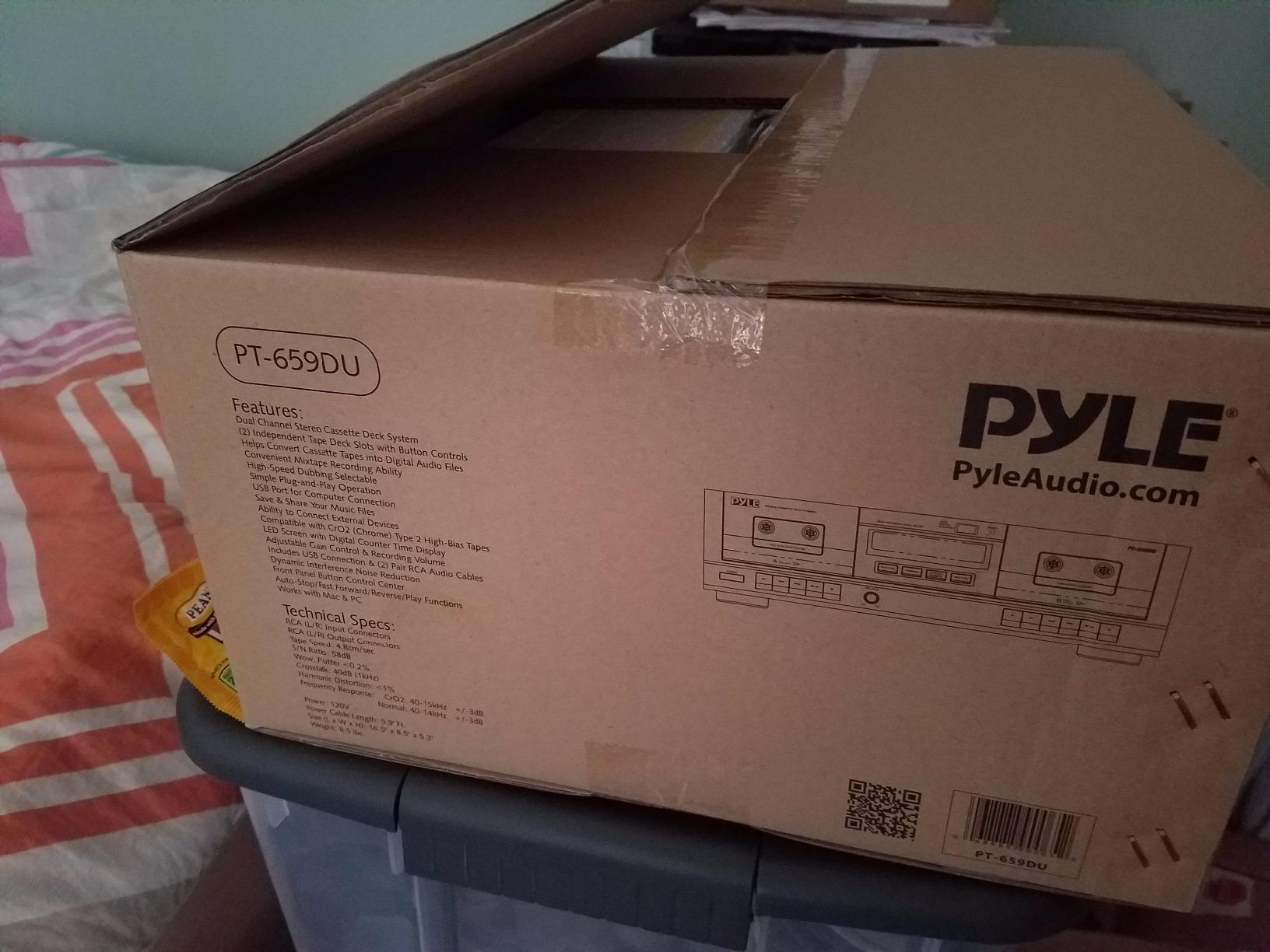
For digital transfer, the USB path records into your computer while the RCA outputs can feed an amplifier or a proper audio interface at the same time. Recorder level control and gain control let you set levels properly instead of guessing, and dynamic noise reduction tames hiss on well-worn tapes.
Auto stop protects your tapes at the end of a side. At 11 pounds with a retro faceplate, it is built to sit in a stack and stay there.
The 3.8 rating across 930 reviews tells a two-sided story. Owners praise the sound with proper amplification and the CrO2 support, while critics report thin plastic, jamming, and right-deck speed drift on some units.
Those are legitimate concerns for an archival tool, so my advice is to test both decks the day it arrives and lean on deck A for anything important.
Who should buy the Pyle PT659DU
It suits someone with a large collection, chrome tapes, or a stereo system who wants a deck that doubles as a dubbing station. If your receiver already has a free input and a shelf slot, this is the natural fit.
The high-speed dubbing also matters if you are copying tapes for relatives before sending the originals into storage.
Who should skip it
If you need bulletproof reliability for one-of-a-kind tapes, the reported motor issues mean you should test carefully or look at refurbished classic decks from Yamaha or TEAC, as forum enthusiasts often suggest.
There is no headphone jack for private monitoring and no auto reverse, and it currently runs in limited stock, so check availability before planning a project weekend.
8. Pyle Home Dual Cassette Deck – Rack-Mount dubbing workhorse
Pyle Home Dual Cassette Deck | Music Recording Device with RCA Cables | Removable Rack Mounting Hardware | CrO2 Tape Selector | Built-in 3 Digit Tape Counter – 110V/220V
Dual deck with dubbing
CrO2 and auto tape selector
RCA line outputs
Rack mountable
Pros
- Rack mountable with included hardware
- CrO2 and auto tape selectors
- Three digit tape counter
- RCA cables included in the box
Cons
- Poor wow and flutter performance
- No Dolby and no headphone jack
The second Pyle is the more traditional half of the pair. There is no USB here at all, just two tape wells, RCA line inputs and outputs, and a job: play your tapes properly while your audio interface or recorder does the digital conversion. Sometimes that division of labor produces better results than an all-in-one box.
The feature list reads like a classic deck. Dual-speed dubbing, a CrO2 selector plus an auto tape selector, recording level control, auto stop, dynamic noise reduction, and a three digit tape counter for logging where each song starts.
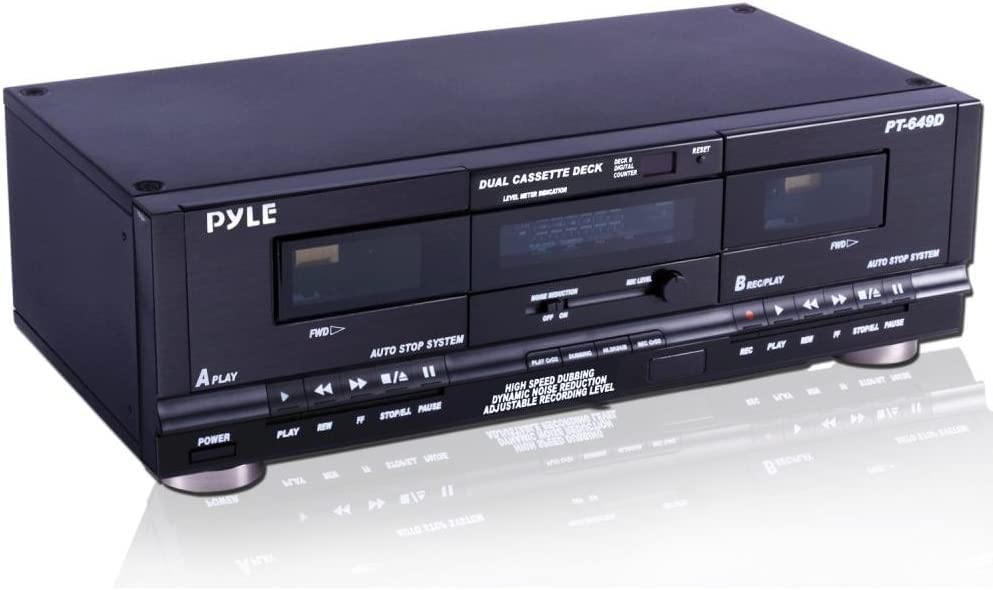
It ships with removable rack mounting hardware, so it slides straight into a standard equipment rack next to your amplifier and interface. The multi-function fluorescent display keeps modes visible across a dark room.
At 4.0 from 165 reviews, it currently ranks as the number two tape deck in its category, and the consensus is solid value for casual archiving rather than reference-grade capture.
The criticisms are the classic budget-deck ones: noisy transports, weak wow and flutter numbers, no Dolby, no headphone jack, and deck A doors that load awkwardly. A few long-term owners report the B side eating tapes after heavy use, so cleaning the mechanism regularly is not optional.
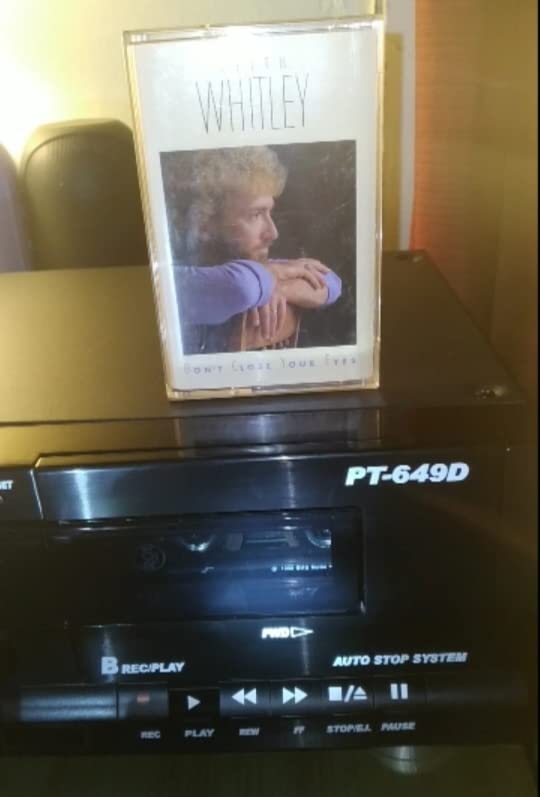
Who should buy the Pyle Home Dual Cassette Deck
It fits the hobbyist who already owns an audio interface or USB recorder and wants a proper front end for it. Paired with a decent interface and Audacity, this is the closest thing here to the deck-plus-interface chain that forum users consistently recommend over USB gadgets.
Rack owners and anyone dubbing tapes for family members will get the most from the dual wells and counter.
Who should skip it
If you have no interface and no plans to buy one, the lack of USB makes this the wrong starting point. Buy the PT659DU or a portable converter instead.
Archivists chasing the lowest wow and flutter for music transfers should also note the spec sheet before committing, since pitch stability is where cheap decks always cut corners.
How to Choose a Cassette Deck for Digital Transfer?
Every choice below trades convenience against fidelity. Knowing which side of that trade you sit on removes most of the confusion.
USB output versus line-level recording
A USB cassette converter puts a small analog-to-digital chip inside the player itself. It is convenient, but those tiny converters often use noisy circuits and cheap transports, which is exactly why forum users keep repeating that a real deck feeding an audio interface sounds better than a USB gadget.
A line-level output, usually RCA jacks, sends the raw analog signal to an audio interface or recorder of your choice. You keep control of the conversion quality, and you can upgrade the interface later without throwing away the deck.
The signal chain in plain English
The chain is always the same four links. Tape, then deck, then converter, then computer.
The deck reads the tape and outputs an analog voltage. The converter, whether it is a built-in USB chip or an external interface, turns that voltage into numbers. The computer stores those numbers as a WAV or MP3 file. Any link that is weak shows up in the final file, which is why a good deck with a basic converter often beats a bad deck with a good converter.
Check your tapes before you hit play
Old tapes fail in predictable ways, and a two-minute inspection saves heartbreak.
Look at the shell for cracks and check that the little felt pressure pad behind the tape is still attached.
Rewind the tape fully by hand with a hexagonal pencil if the reels feel slack, which tightens loose windings that cause jamming.
Store tapes in a dry room for a day if they have been in a hot attic or damp basement, since moisture is the enemy of smooth tape movement.
Play a nothing section first, meaning the leader before the music, and listen for squealing that says the tape needs a day to acclimate or professional re-lubing.
Setting levels in Audacity
Audacity is the free software that audio communities recommend more than every paid option combined, and setup takes minutes.
Connect your deck or converter and select it as the recording device in Audacity’s toolbar.
Play the loudest section of your tape and watch the meter, aiming for peaks around minus six decibels so loud passages never clip into distortion.
Record a test pass of one song, listen back on headphones, then capture the full tape in a single pass.
Split the recording into tracks, apply light noise reduction if the hiss bothers you, and export as WAV for the archive and MP3 for everyday listening.
Specs that actually matter
Three numbers separate a good deck from a bad one. Wow and flutter measures speed steadiness, and anything high makes piano notes wobble, so lower is always better. Frequency response shows how much of the treble and bass survives the trip, and 20Hz to 20kHz is the full range worth having. Signal-to-noise ratio tells you how far the music sits above the hiss, which is why features like Dolby and dynamic noise reduction exist.
Tape type support matters just as much. Type I ferric tapes are the common case, but chrome Type II and metal Type IV tapes need matching bias settings, and a deck with a CrO2 selector plays your chrome tapes the way they were recorded.
Frequently Asked Questions
What is the best way to transfer cassette tapes to digital?
The best way is to play each tape on a deck in good condition and record the output into a computer using free software like Audacity, aiming for peaks around minus six decibels, then export the capture as WAV for archiving and MP3 for everyday listening.
What is the best cassette deck for digitizing audio?
For most people the KLIM K7 is the easiest pick because it converts tapes straight to an included SD card with no computer, while the Pyle dual decks paired with an audio interface deliver the highest quality for large collections and chrome tapes.
Is it better to use a USB cassette converter or a dedicated deck?
A dedicated deck with line-level outputs feeding an audio interface produces cleaner results because the analog circuitry and transport are better quality. Cheap USB cassette converters are more convenient but often add noise and speed instability.
What equipment do I need to digitize cassettes?
You need a working cassette deck or converter, a computer or memory card to record onto, a USB cable or audio interface to connect them, and software such as Audacity. A hexagonal pencil for hand-rewinding slack tapes and head cleaning supplies are cheap extras worth having.
What software do I need to record cassette tapes to my computer?
Audacity is the free recording software recommended most by audio communities, and several converters in this guide ship with it or a similar program. It handles recording, track splitting, noise reduction, and export to MP3 or WAV.
Final Verdict on the Best Cassette Decks for Transferring Old Tapes to Digital
If you take one thing from my testing, let it be this: start this year, not someday, because every play degrades the tape you are saving. The KLIM K7 remains my top pick for turning a shoebox of memories into files without a computer, the SEMIER is the value play for people who want both card and computer capture, and the Pyle dual decks are the right call for big collections and chrome tapes fed through an interface.
Whichever route you choose, back the files up in two places once they exist. Your future self, with the tapes long gone, will be glad you did.