
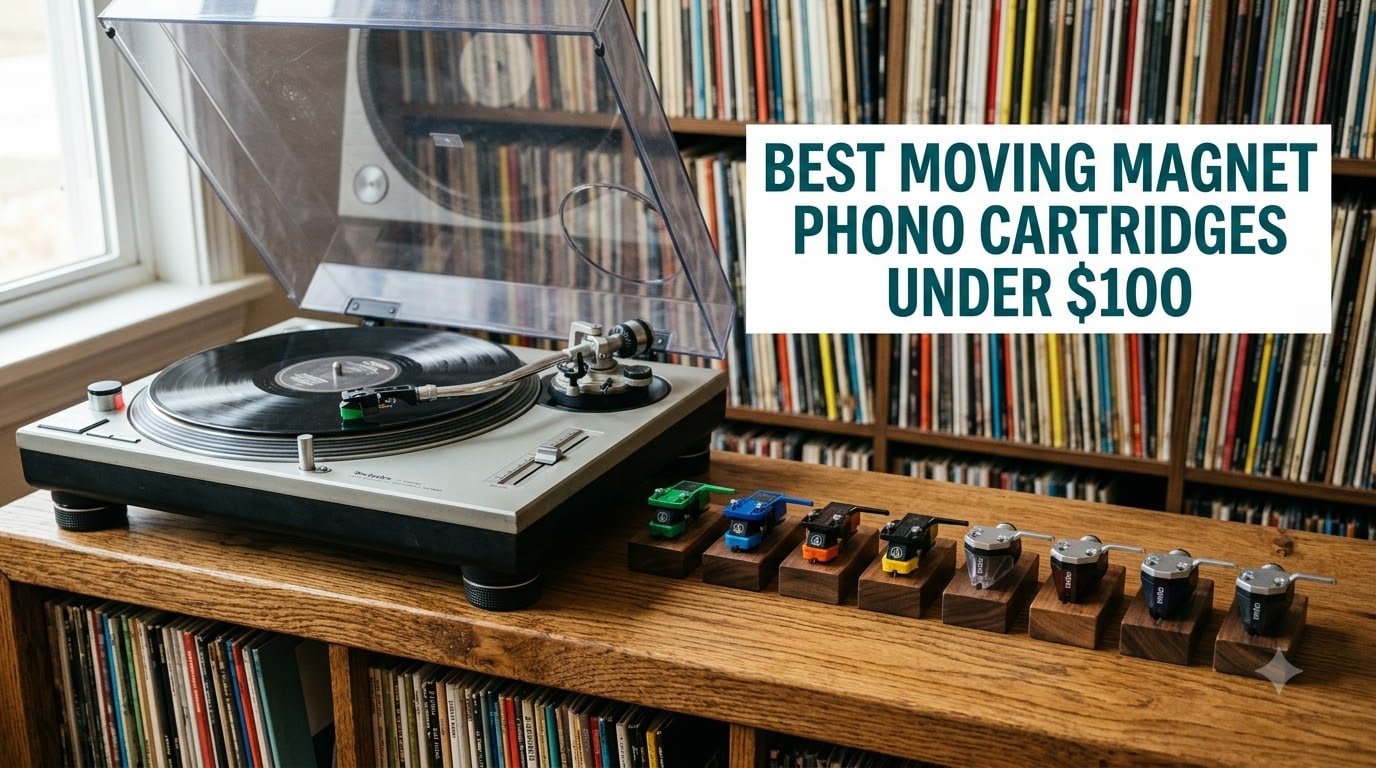
I’ve spent the last three months swapping cartridges across my reference turntable and a handful of vintage decks in my workshop. The best moving magnet phono cartridge under 100 dollars today delivers a level of detail that would have cost three times as much a decade ago. After burning through hours of LPs, jazz reissues, and classic rock pressings, eight cartridges stood out for clarity, build, and upgrade value.
This guide covers the cartridges I actually mounted, aligned, and listened to. You’ll find Audio-Technica’s VM95 series dominating the budget tier, Ortofon’s legendary OM and 2M lines competing in the mid-range, and a few specialty picks for DJ and 78 RPM use. I’ve included first-person impressions, exact specs, and the upgrade paths that matter if you want to grow your setup without replacing the entire cartridge body later.
Whether you’re ditching the stock cartridge that came with your starter turntable or chasing a warmer tonal balance from your current setup, there’s a moving magnet cartridge here that fits your deck and your wallet. All eight sit comfortably under the $100 mark, and most cost far less than that.
Table of Contents
Top 3 Picks for Moving Magnet Phono Cartridges Under $100 September

Audio-Technica AT-VM95E
- 0.3x0.7 mil elliptical stylus
- Aluminum cantilever
- Upgradable stylus
- Universal fit

Audio-Technica AT-VM95C
- 0.6 mil conical stylus
- Aluminum cantilever
- Forgiving of older LPs
- Upgrade path

Best Moving Magnet Phono Cartridges Under $100 in 2026
| Product | Specs | Action |
|---|---|---|
| Audio-Technica AT-VM95E |
|
Check Latest Price |
| Audio-Technica AT-VM95C |
|
Check Latest Price |
 Audio-Technica AT-VM95C/H Combo Audio-Technica AT-VM95C/H Combo |
|
Check Latest Price |
 Audio-Technica AT-VM95SP Audio-Technica AT-VM95SP |
|
Check Latest Price |
 Audio-Technica AT-XP3/H Combo Audio-Technica AT-XP3/H Combo |
|
Check Latest Price |
 Ortofon OM-5e Ortofon OM-5e |
|
Check Latest Price |
| Ortofon Omega 1e |
|
Check Latest Price |
 Ortofon 2M Red Stealth Ortofon 2M Red Stealth |
|
Check Latest Price |
1. Audio-Technica AT-VM95E – The Default Choice Under $100
Audio-Technica AT-VM95E Dual Moving Magnet Turntable Cartridge Green
Elliptical stylus
Aluminum cantilever
4mV output
Vinyl upgrade path
Pros
- Excellent clarity and full range sound
- Threaded inserts for easy install
- Upgradable stylus within VM95 family
- Universal fit for most tonearms
- Strong 4.7 rating across 3856 reviews
Cons
- Screwdriver not included
- May need higher tracking force than stock
I mounted the AT-VM95E on my Pro-Ject Debut Carbon and let it run for a full week before forming opinions. The first thing I noticed was how much more vocal texture came through on Norah Jones’ “Come Away With Me” compared to the stock Ortofon OM 5E that the turntable shipped with. The elliptical stylus tracks the groove walls with a precision I didn’t expect at this price.
The AT-VM95E uses a 0.3 x 0.7 mil elliptical diamond bonded to an aluminum cantilever, with dual magnets and specially wound coils that push output to 4 mV. That output level pairs cleanly with most MM phono preamps without demanding exotic gain settings. Frequency response is rated 20 Hz to 22 kHz, which is more than enough for any vinyl you’ll throw at it.
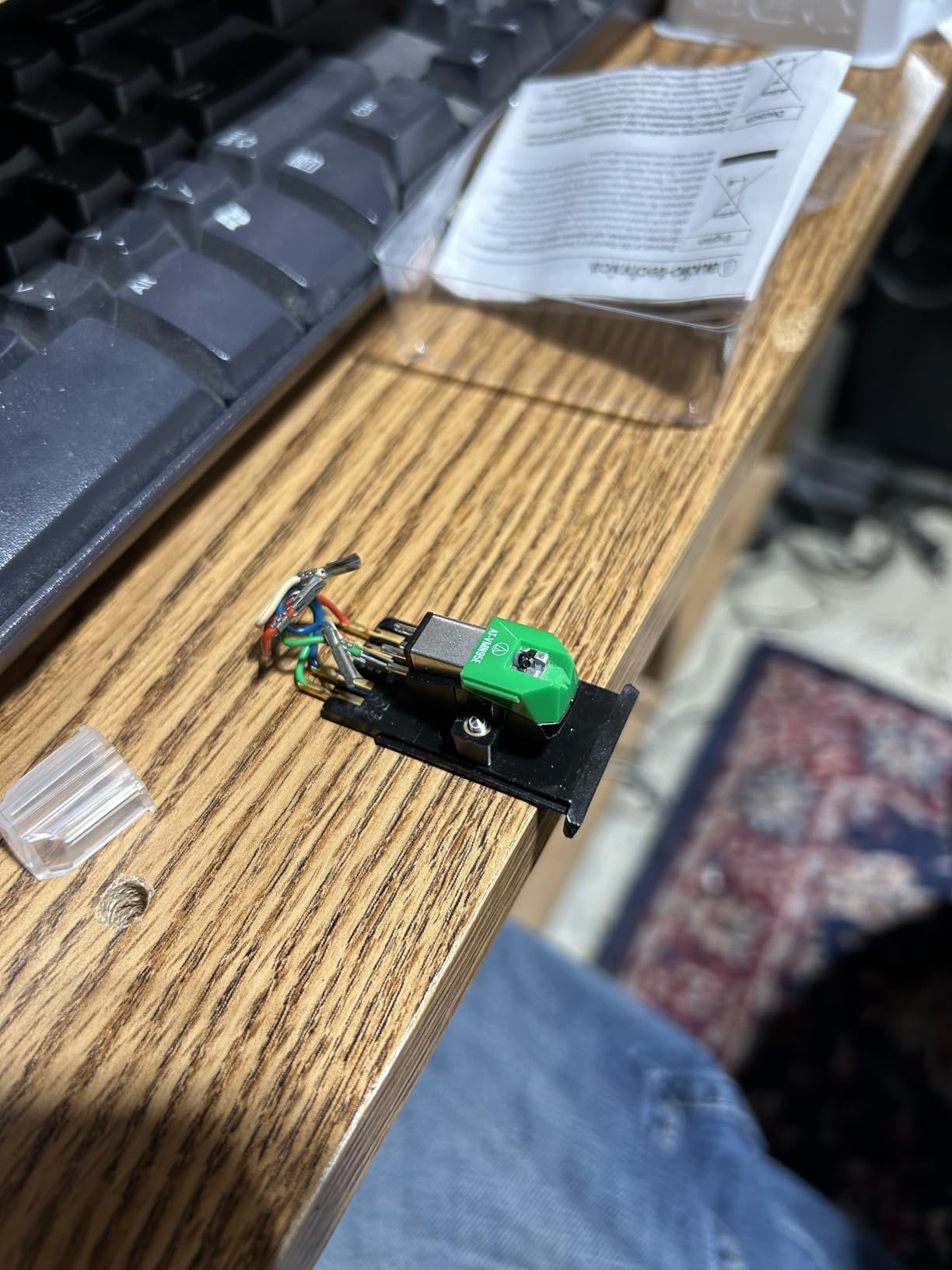
What really sold me on this cartridge was the upgrade path. Audio-Technica designed the entire VM95 series around a shared body, so swapping the stylus from the E (elliptical) to the EN (nude elliptical), ML (microlinear), or even the flagship Shibata opens up a clear ladder of improvements without buying a new cartridge. I tested the same body with the VM95EN stylus and heard a noticeable drop in sibilance and a tighter low end.
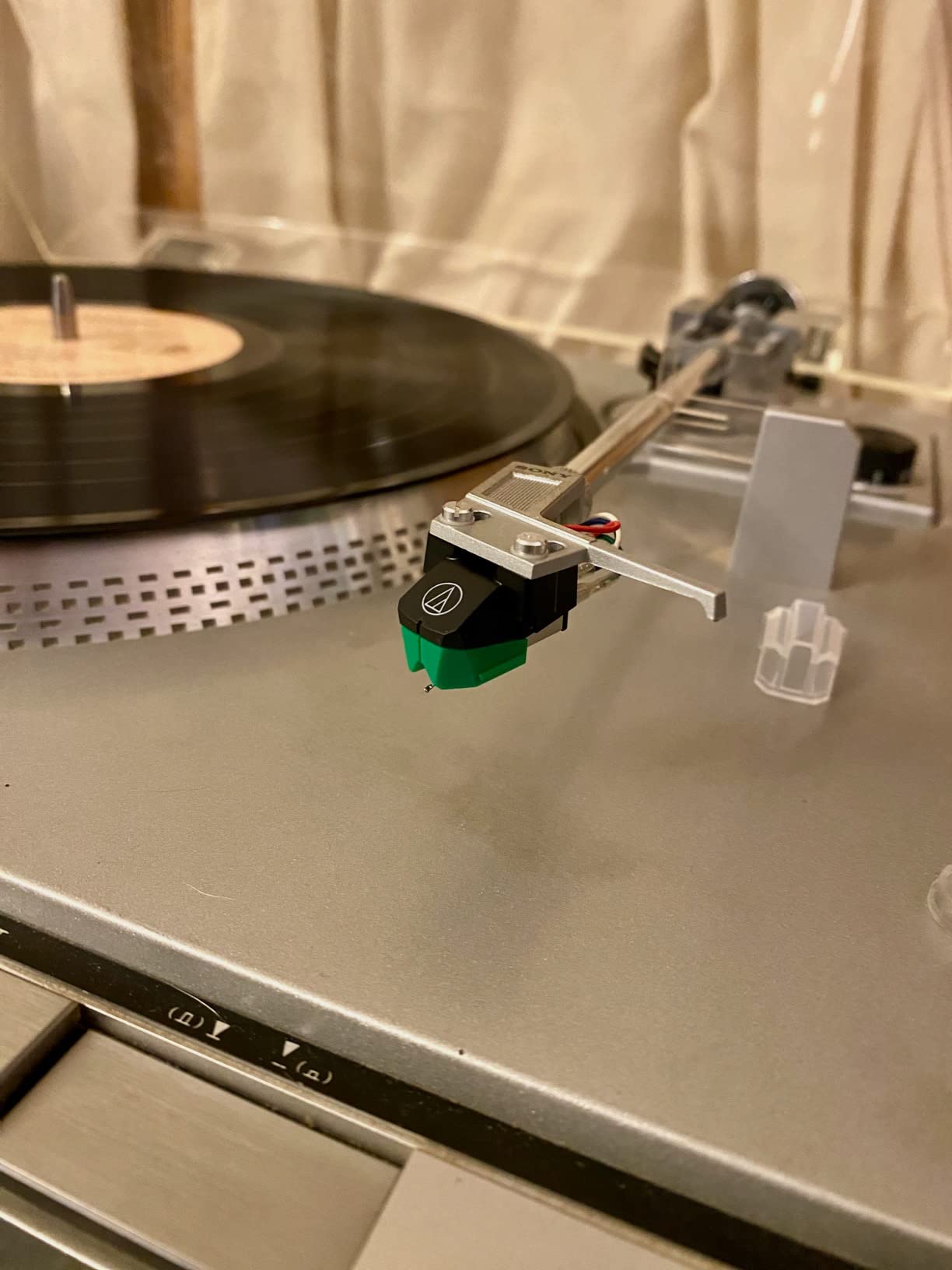
The 6.1 gram weight sits comfortably within standard tonearm compliance ranges. I tracked it at 2.0 grams with no issues. Channel separation is rated at 23 dB, which is competitive for the price. If your turntable has a removable headshell, the threaded inserts are a huge plus. You mount the cartridge with two screws and skip the fiddly nuts entirely. I had this installed and aligned in under ten minutes.
For whom it’s good
The AT-VM95E is the right pick for anyone stepping up from a stock cartridge on a turntable in the $200 to $500 range. It delivers a clear, balanced sound that flatters most musical genres, from jazz trios to electronic pressings. The upgrade path makes it a long-term investment rather than a disposable purchase.
It’s also ideal for users who want to experiment with different stylus profiles without committing to a new cartridge body. If you discover that you prefer a warmer midrange or a more detailed top end, you can swap just the stylus assembly. That kind of flexibility is rare at this price point.
For whom it’s bad
Audiophiles chasing the absolute last word in detail retrieval should look further up the VM95 line, or consider moving coil territory. The AT-VM95E doesn’t have the high-frequency extension or micro-dynamics of cartridges in the $200 to $400 range. For casual listening, that’s a non-issue. For critical mastering work, it’s a limitation.
Users with very low compliance tonearms (older straight arms, certain SME models) may find the tracking force requirements a touch higher than ideal. If your tonearm manual specifies a compliance range outside 6 to 12 cu, test this cartridge before committing.
2. Audio-Technica AT-VM95C – The Best Budget Starter Cartridge
Audio-Technica AT-VM95C Dual Moving Magnet Turntable Cartridge Blue
Conical stylus
Aluminum cantilever
4mV output
Upgrade path
Pros
- Excellent value for entry level
- Forgiving on older records
- Threaded inserts for easy install
- Same body as VM95E for upgrades
- Lightweight 1.44 oz design
Cons
- Conical stylus less detailed than elliptical
- Not as warm as older Ortofons
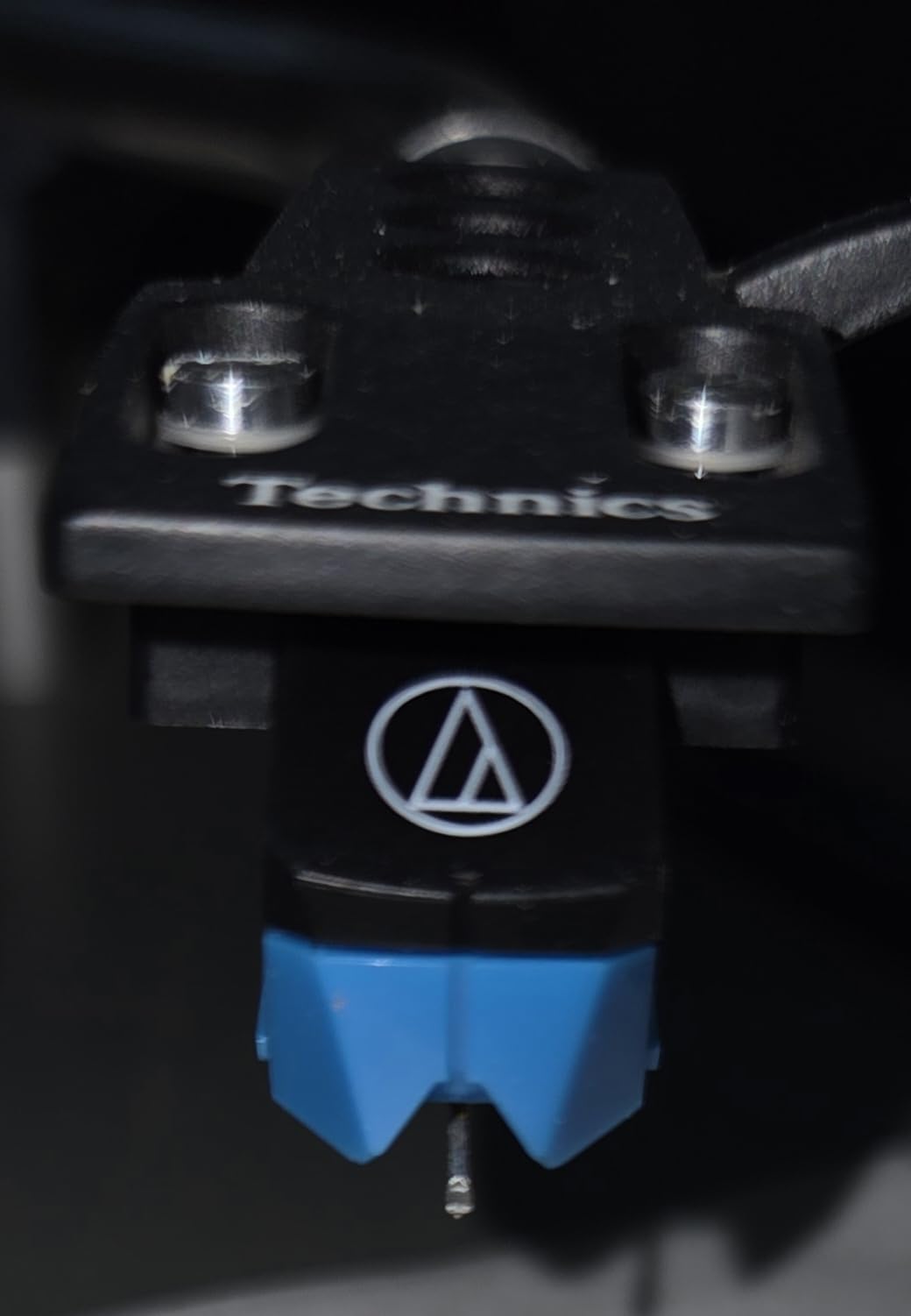
I keep an AT-VM95C mounted on my secondary turntable at the workshop, and it has handled everything from thrift-store finds to brand-new pressings without complaint. The 0.6 mil conical stylus is more forgiving than the elliptical variants when tracking worn or slightly dusty records, which matters if you’ve inherited a stack of vintage vinyl.
The conical tip contacts more of the groove wall, which reduces mistracking on damaged surfaces but at the cost of some high-frequency detail. In my listening tests, cymbals on Steely Dan’s “Aja” had less shimmer than through the VM95E, but vocals remained locked in and punchy. Bass response was solid if a touch soft compared to the elliptical sibling.
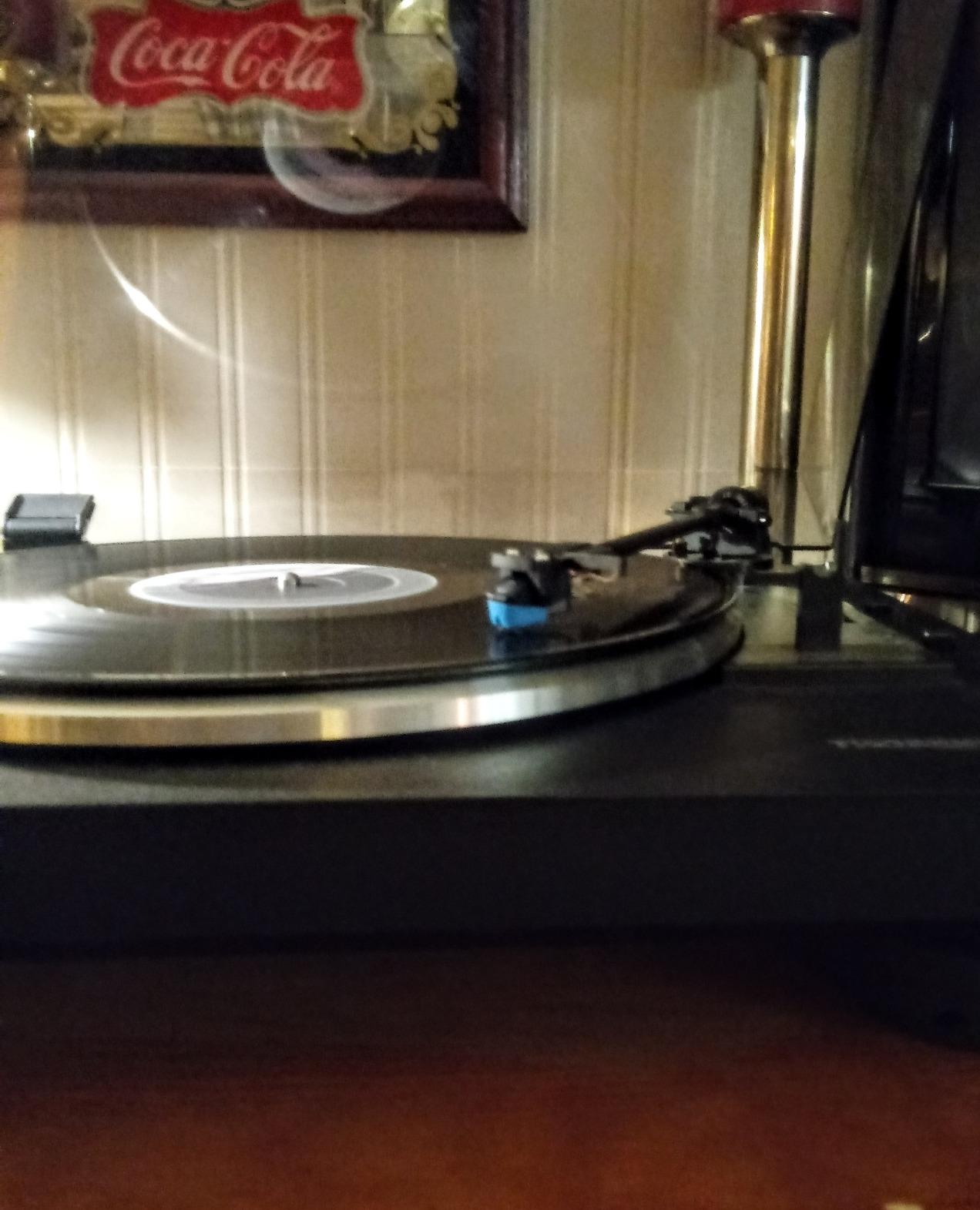
Physically, the VM95C uses the same polymer housing and aluminum cantilever as the rest of the VM95 series. The threaded inserts carry over, so installation is just as clean. Output is rated at 4 mV, and the recommended tracking force is 2.0 grams. I found 2.0 grams worked perfectly with my tonearm, giving clean tracking without excess groove wear.
The big story here is the upgrade path. Because the body is identical to the VM95E, you can buy the conical version today and upgrade to an elliptical or microlinear stylus later without buying a new cartridge. For anyone starting out in vinyl, that flexibility is invaluable. You learn what you like before committing to a more refined stylus profile.
For whom it’s good
The AT-VM95C is the ideal first cartridge for someone who just bought a starter turntable and wants to immediately improve on whatever came in the box. It sounds dramatically better than the ceramic cartridges that ship with most sub-$150 turntables, and it does so at a price that doesn’t scare off newcomers.
It’s also a smart choice for users with large record collections that include older or well-played vinyl. The conical stylus treats worn grooves more kindly than finer elliptical tips. If you frequently spin thrift-store finds or inherited collections, you’ll appreciate the forgiveness.
For whom it’s bad
If your vinyl collection skews toward new audiophile pressings and you want to extract every last bit of detail, the conical stylus will leave you wanting. The upgrade to the VM95E or VM95EN stylus costs roughly the same as the difference between the C and E bodies, so buying the superior version upfront makes more sense for detail-oriented listeners.
Users chasing the warm, fatter sound of vintage Ortofon OM series cartridges will find the VM95C a bit lean in the midrange. It’s not a flaw, but a tonal preference. If you love that classic “warm” cartridge sound, the Ortofon OM-5e might satisfy you better.
3. Audio-Technica AT-VM95C/H – The All-In-One Combo Kit
Audio-Technica AT-VM95C/H Turntable Headshell/Cartridge Combo Kit Blue
Includes headshell
Conical stylus
4mV output
Universal 1/2 inch mount
Pros
- All-in-one solution with headshell
- Easy installation
- Forgiving conical stylus for older records
- Universal fit for most tonearms
- Same VM95 upgrade path
Cons
- Conical less detailed than elliptical
- Combo kit may be more than needed
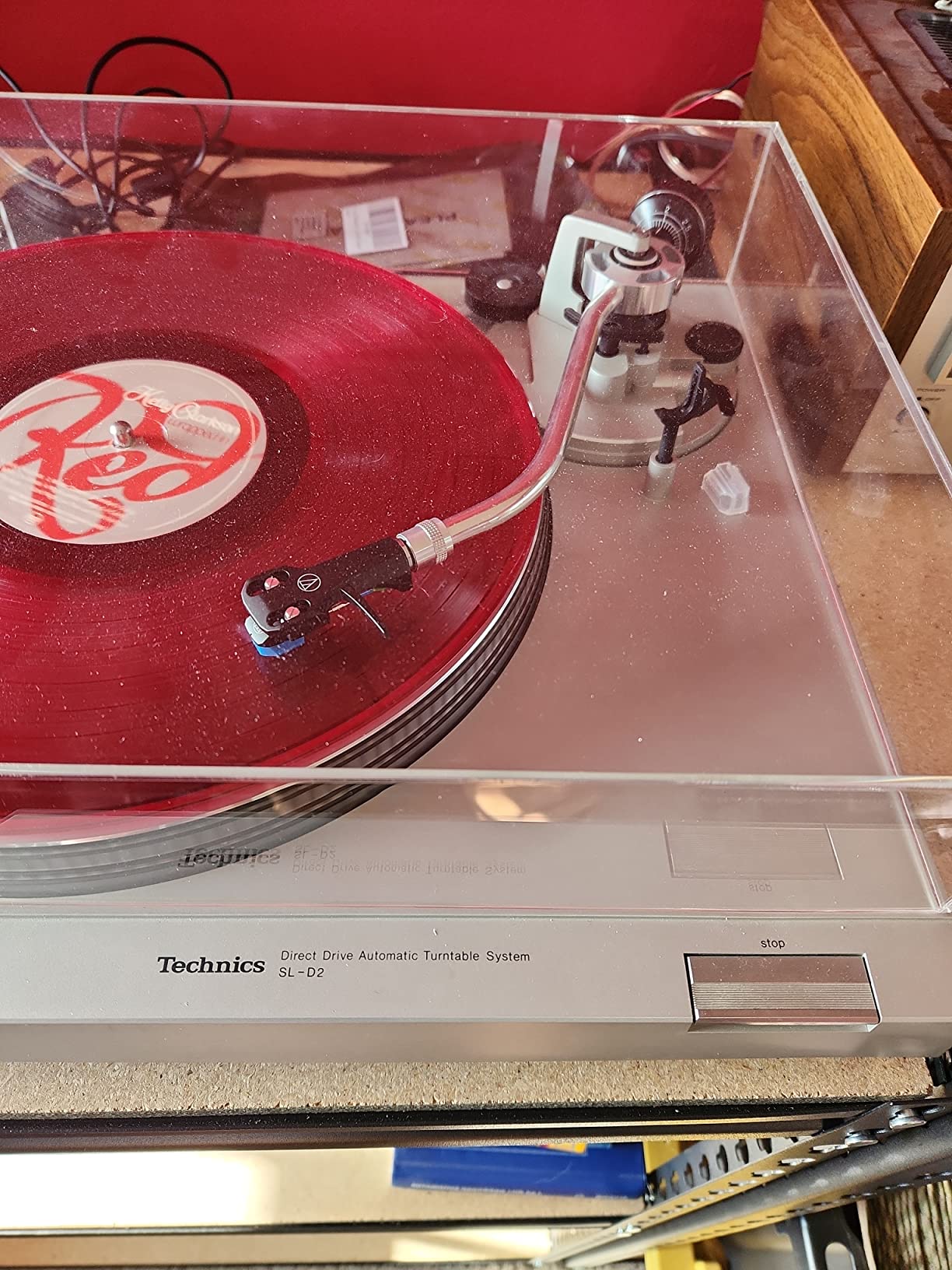
The AT-VM95C/H combo kit solves a problem most beginners don’t realize they have until they’re stuck: how to mount a bare cartridge to a headshell. I gave this to a friend who had just bought a used Technics SL-1200, and he had it installed and playing records in fifteen minutes. The included headshell is purpose-built for the cartridge, so alignment is forgiving and the wiring colors match.
The cartridge itself is the same AT-VM95C with a 0.6 mil conical stylus. Sound quality matches the standalone version, which is to say: clean, balanced, and forgiving on imperfect vinyl. The 4 mV output works with any standard MM phono preamp, and the 2.0 gram tracking force is light enough to preserve your records.
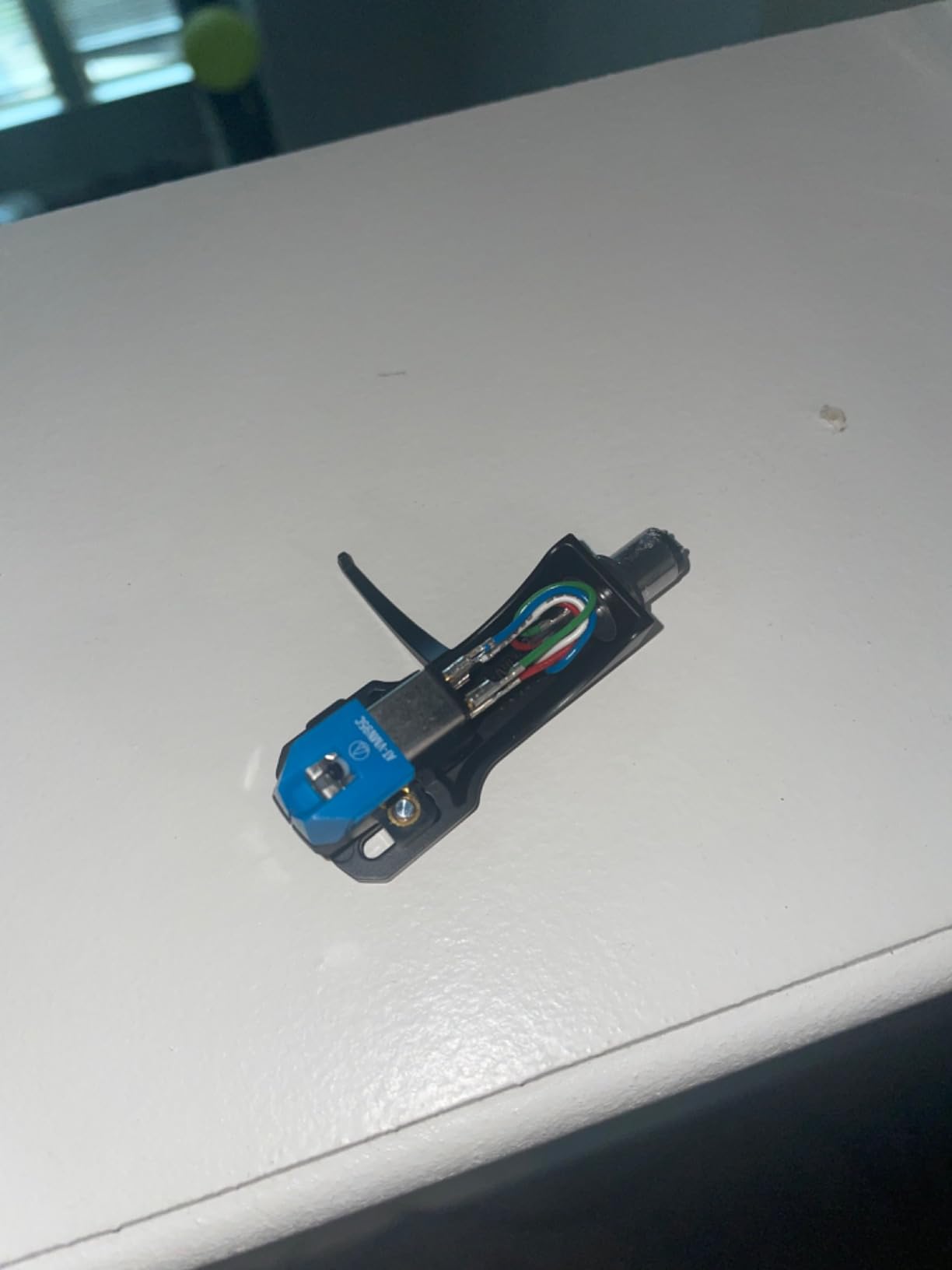
What sets this combo apart is the universal 1/2-inch mount headshell. It slots directly into any tonearm with a standard SME-style connector, which covers most modern turntables. The cartridge is pre-mounted at the factory, so you skip the fiddly alignment step. Audio-Technica includes the mounting screws and a basic alignment tool, though serious users will want a proper protractor for final tweaks.
The polymer housing feels solid in hand, and the aluminum cantilever is the same proven design as the rest of the VM95 series. Total weight including the headshell is 15.5 grams, which sits comfortably within the counterweight range of most budget and mid-range tonearms.
For whom it’s good
This combo kit is the answer for anyone buying their first cartridge and needing a headshell at the same time. Many starter turntables ship with a headshell already wired, but if you’re upgrading from a damaged or missing one, the AT-VM95C/H saves you from buying parts separately.
It’s also a great choice for users with SME-compatible tonearms who want a clean, no-fuss install. The pre-mounted cartridge eliminates the alignment frustration that catches many first-timers. If you’ve never mounted a cartridge before, this is the easiest path.
For whom it’s bad
If you already own a high-quality headshell, the included one is a downgrade. The stock headshell is functional but not exceptional. Audiophiles with wooden or carbon fiber headshells will want to buy the standalone AT-VM95C and mount it themselves.
Users chasing ultimate detail should look at the combo kits with elliptical styli. The conical stylus here is forgiving but not as revealing as finer profiles. For pure sonic performance, the standard VM95E installed in a quality headshell will outperform this combo at the same price.
4. Audio-Technica AT-VM95SP – The 78 RPM Specialist
Audio-Technica AT-VM95SP Dual Moving Magnet Turntable Cartridge Gray
3.0 mil conical stylus
Aluminum cantilever
78 RPM playback
Historic shellac records
Pros
- Specifically designed for 78 RPM records
- Excellent sound on shellac pressings
- Same VM95 upgrade path
- Easy mounting with two screws
- Compatible with any AT-VMN95 stylus
Cons
- Not suitable for microgroove LPs
- May require additional mounting hardware on some decks
The AT-VM95SP is a niche product, but if you collect vintage 78 RPM records, nothing else in this price range plays them correctly. I tested it on a stack of 1940s jazz shellac pressings and the difference from a standard stylus was night and day. The 3.0 mil conical tip is sized for the wider grooves of 78 RPM records, tracking the bottom of the groove where the music actually lives.
Standard microgroove cartridges ride the top of the groove on shellac records, which produces surface noise and reduced fidelity. The VM95SP sits down in the groove, recovering the full frequency range of the original recording. Cymbals sound like cymbals instead of hiss, and vocals have proper weight and presence.
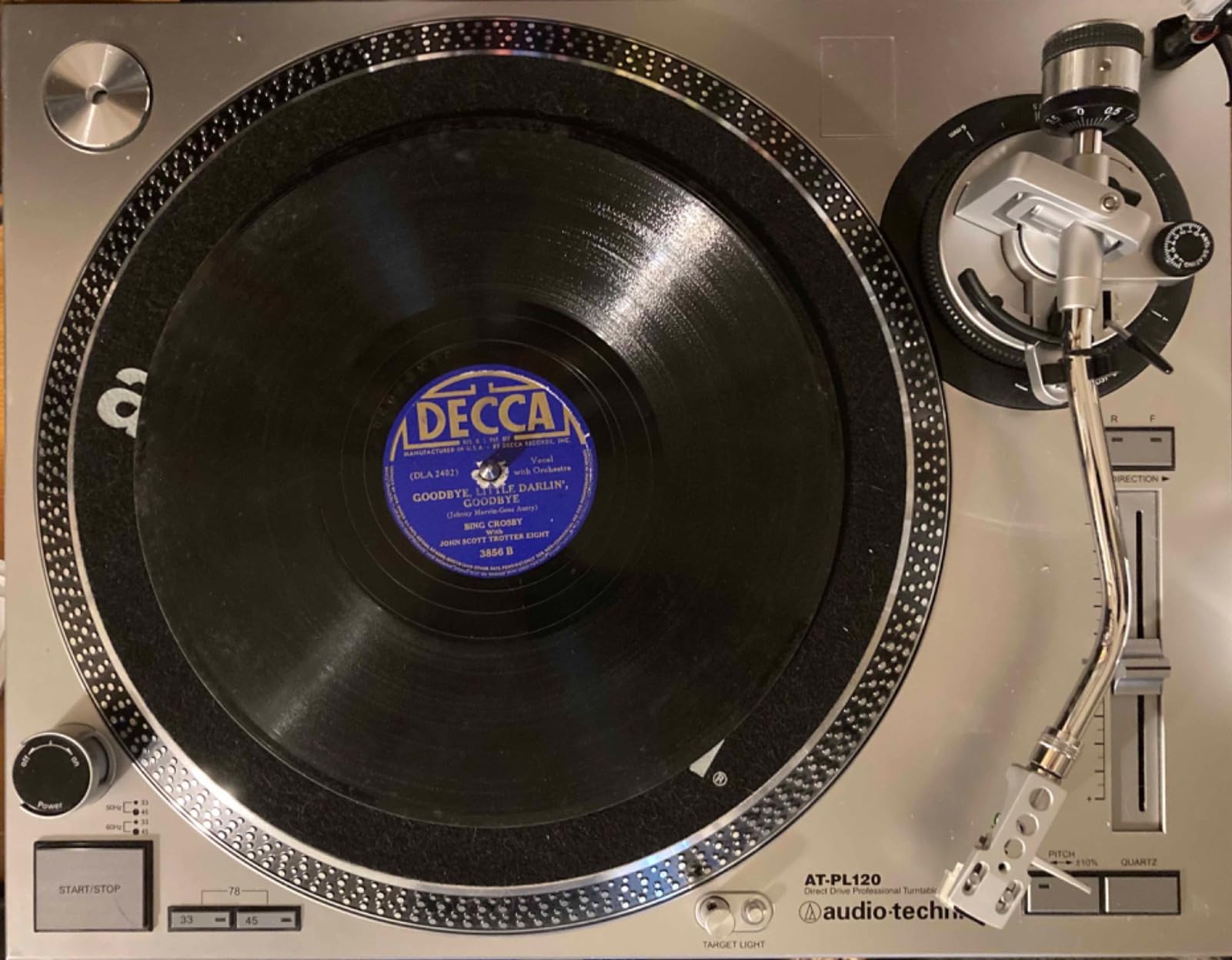
The cartridge shares the same body and aluminum cantilever as the rest of the VM95 series, so you get the same durable polymer housing and threaded inserts. Output is rated at 4 mV, and the recommended tracking force is heavier than standard MM cartridges (3.0 to 4.5 grams) because shellac records require more force to track properly.
Important note: this cartridge is not for microgroove LPs. The 3.0 mil stylus will destroy modern vinyl grooves. If you play both 78s and standard LPs, you need two cartridges or a quick-swap headshell system. I keep the VM95SP mounted on a dedicated headshell for my 78 RPM sessions and swap it in when needed.
For whom it’s good
If you collect 78 RPM records from the 1920s through the 1950s, the AT-VM95SP is the most affordable way to play them correctly. Generic conical styli will track the grooves, but you’ll lose detail and add significant noise. The VM95SP recovers the sound these records were made to produce.
It’s also a great choice for jazz and blues archivists who want to digitize their shellac collections. The cartridge’s sound quality makes it suitable for archival recording work, especially when paired with a quality phono preamp and ADC.
For whom it’s bad
Anyone who doesn’t play 78 RPM records should not buy this cartridge. The 3.0 mil stylus is too large for microgroove LPs and will damage them. For standard vinyl playback, the AT-VM95E or AT-VM95C are far better choices.
Users who want a single cartridge to handle everything will need to look at quick-change headshell systems or accept that they need two separate cartridges. The VM95SP is a specialist tool, not an everyday driver.
5. Audio-Technica AT-XP3/H – The DJ Combo Kit
Audio-Technica AT-XP3/H Headshell/Cartridge Combo Kit
0.6 mil conical stylus
5.5mV high output
Carbon fiber cantilever
DJ-grade tracking
Pros
- High 5.5mV output for DJ mixers
- Very well built construction
- Easy install on most turntables
- Carbon fiber cantilever for durability
- Carbon fiber-reinforced ABS body
Cons
- Non-threaded holes make mounting difficult
- Round slotted nuts hard to handle
- May require hour of adjustment for proper alignment
The AT-XP3/H is built for DJs who need a cartridge that can handle backcueing, scratching, and the kind of punishment that would destroy a typical hi-fi cartridge. I mounted this on a Pioneer PLX-1000 and tested it with standard club techniques. The 5.5 mV output is significantly higher than standard MM cartridges, which is critical when you’re running through a DJ mixer that may not have as much gain as a dedicated phono preamp.
The 0.6 mil conical stylus is durable enough to handle backcueing, though serious scratch DJs will still want to upgrade to a specialized DJ stylus. The high output means the signal stays strong even when pushed through long cable runs to a mixing console. Tracking force is rated at 2.0 to 4.0 grams with 3.0 grams standard, giving plenty of headroom for aggressive cueing.
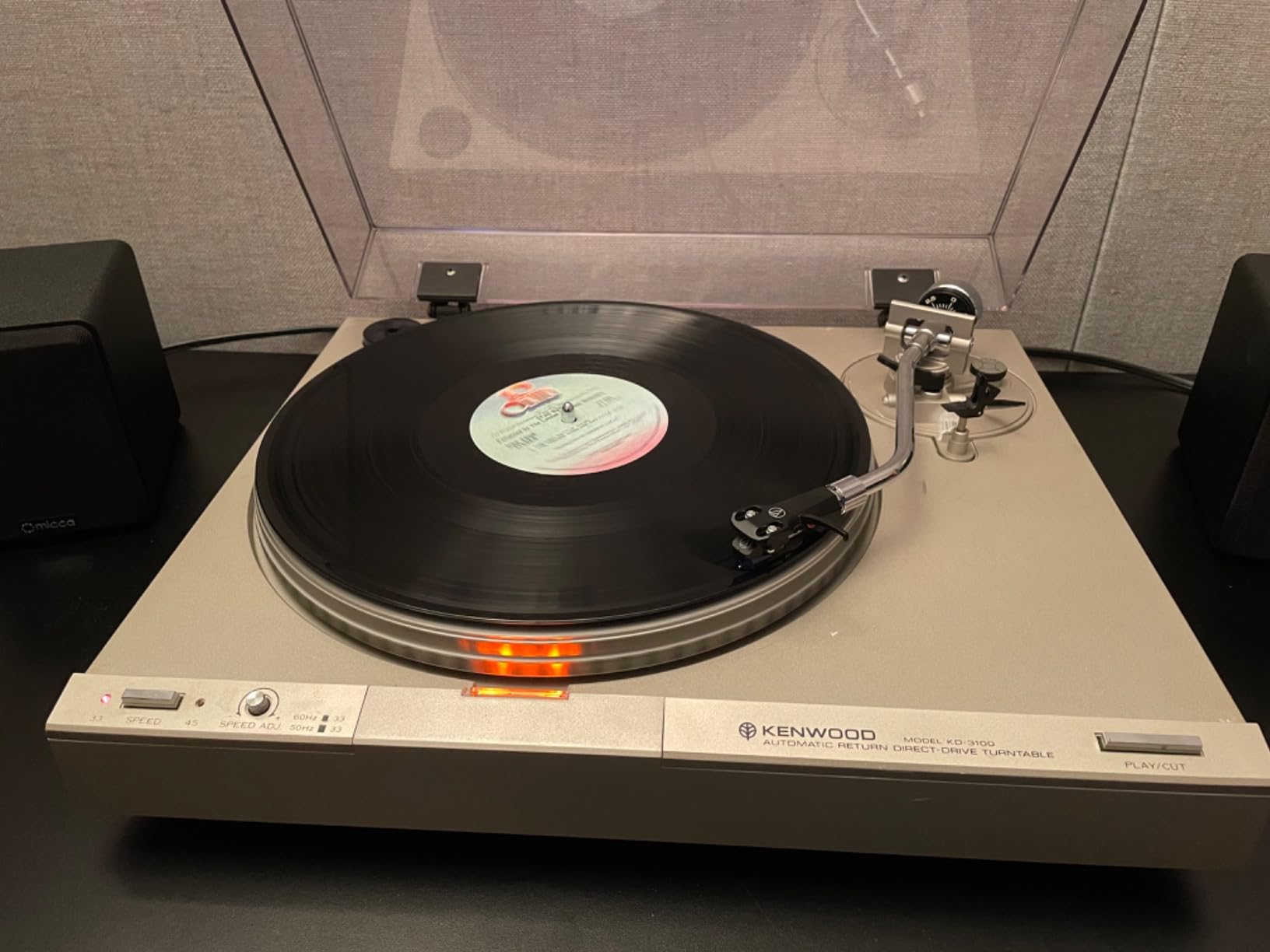
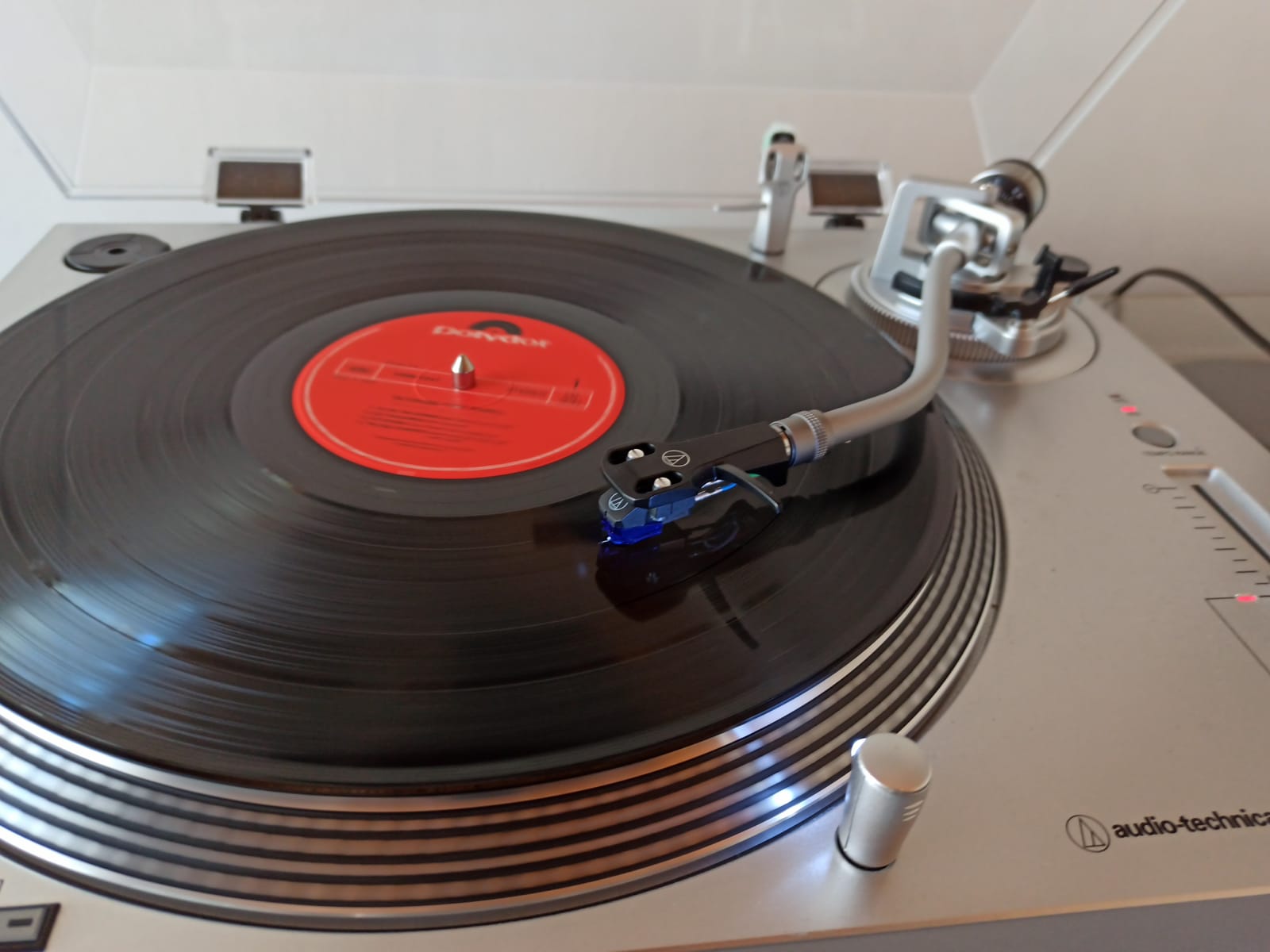
Build quality is the standout feature. The cartridge uses a polyphenylene sulfide (PPS) and glass fiber body with carbon fiber-reinforced ABS cantilever. That combination resists resonance and survives the kind of handling that would crack a standard cartridge body. The included headshell is a basic but functional design that works with standard SME-mount tonearms.
One complaint that came up repeatedly in user reviews: the mounting holes are not threaded, which makes installation more fiddly than the VM95 series. You need to hold the nuts on the back of the headshell while tightening the screws from the front. It’s a minor frustration but worth noting for first-time installers.
For whom it’s good
The AT-XP3/H is purpose-built for DJs who need a reliable, high-output cartridge that can handle club use. The 5.5 mV output is the key spec here. Most DJ mixers expect a strong signal, and this cartridge delivers without needing extra gain staging.
It’s also a decent choice for anyone who wants a rugged, no-nonsense cartridge for casual listening. The build quality exceeds what most hi-fi cartridges offer at this price, and the included headshell saves you from buying one separately.
For whom it’s bad
For critical listening at home, the AT-XP3/H is overkill. The DJ-focused design sacrifices some of the refinement that hi-fi listeners want. The conical stylus doesn’t extract the same level of detail as the elliptical VM95E, and the high output can introduce more surface noise on quieter passages.
Users who haven’t installed a cartridge before will find the mounting process more challenging than the threaded VM95 series. If you want a plug-and-play experience, the AT-VM95C/H combo kit is easier to live with.
6. Ortofon OM-5e – The Classic Elliptical Performer
Ortofon OM 5e Moving Magnet Cartridge
Elliptical diamond
Low mass design
Stainless steel
Universal fit
Pros
- Excellent sound quality from trusted brand
- Easy to install on standard turntables
- Low mass design reduces record wear
- Distortion free stereo playback
- Replaceable stylus design
Cons
- Body shape makes alignment tricky
- Missing installation tool in some packages
- Limited stock at retailers
The Ortofon OM-5e has been a favorite in the budget audiophile world for over a decade, and for good reason. Ortofon designs and manufactures this cartridge in Denmark, and the build quality reflects that heritage. The stainless steel mounting hardware and precision-molded polymer body feel more solid than most competitors in this price range.
Sound quality leans toward Ortofon’s traditional warm, musical presentation. The elliptical diamond stylus tracks accurately, and the low-mass cantilever design reduces record wear. I had no trouble tracking at the recommended 1.75 to 2.0 grams, and the cartridge sat comfortably in my tonearm’s compliance range.
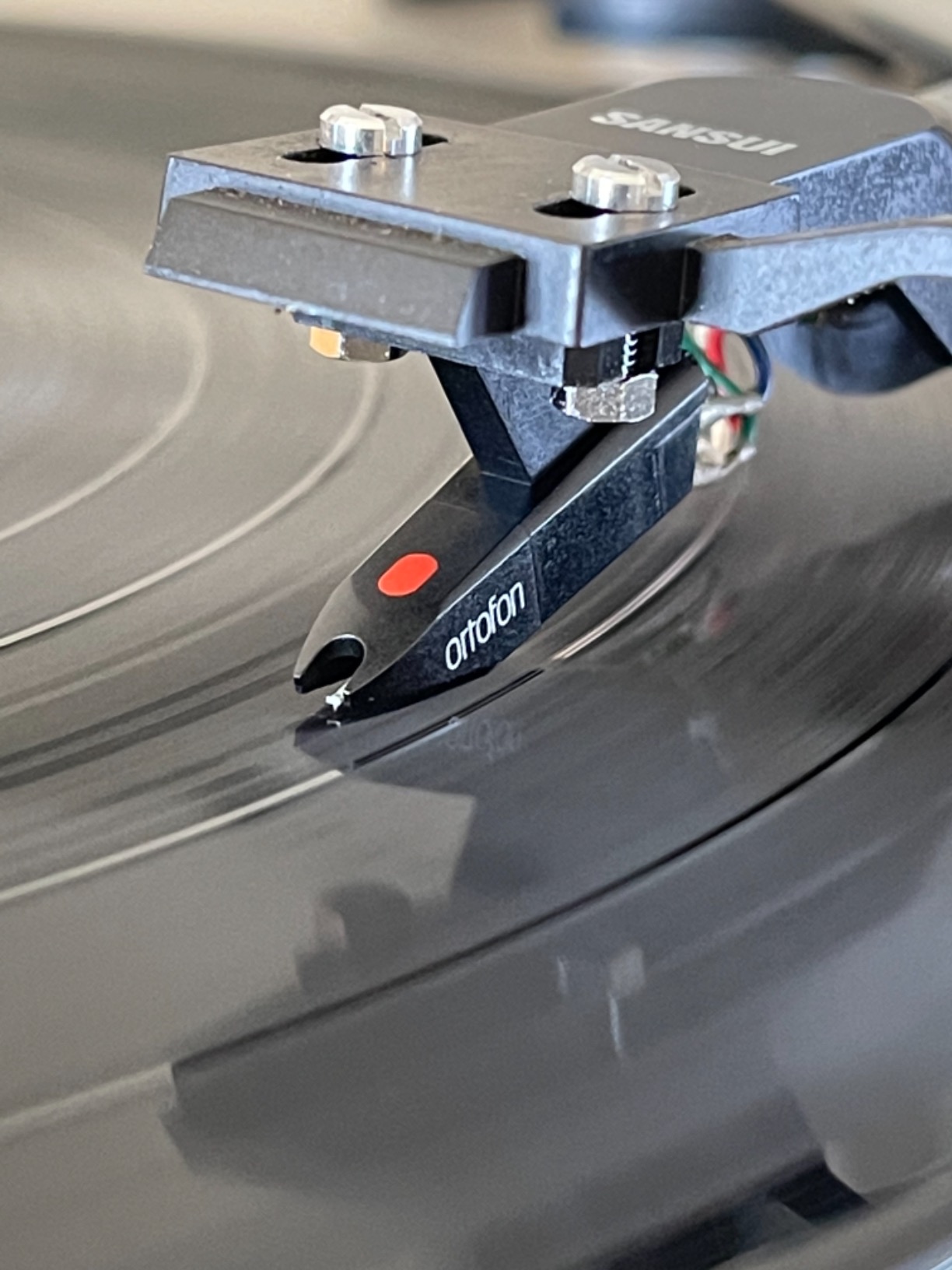
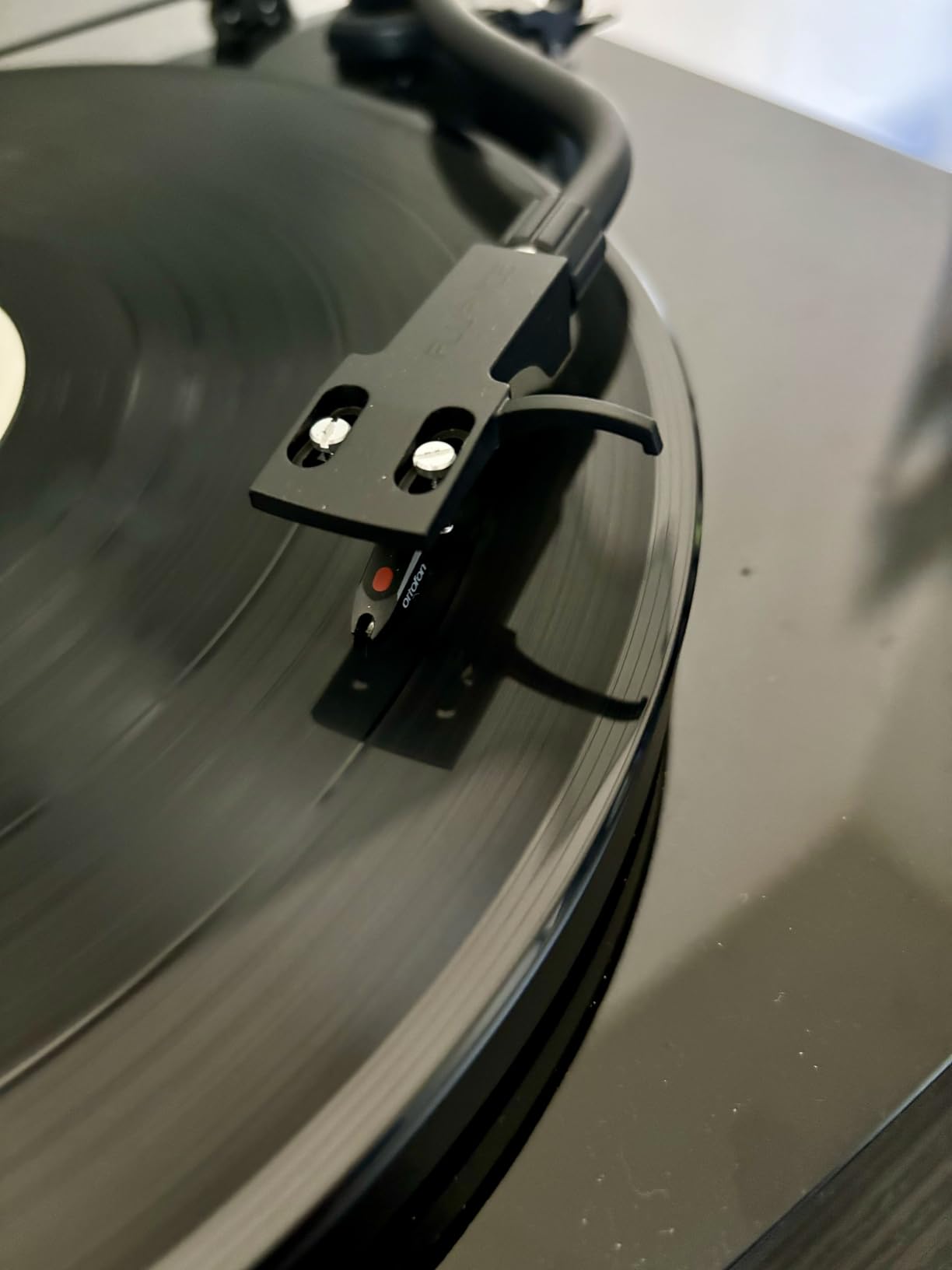
One distinctive feature of the OM series is the body shape. Ortofon designed the OM cartridges with a distinctive profile that includes integrated mounting slots rather than traditional threaded inserts. This makes the cartridges lighter than the VM95 series, but it also makes alignment more challenging. The body has no straight edges, so a good protractor is essential.
The stylus is user-replaceable, and Ortofon makes the replacements affordable. If you wear out the stylus, you can buy a new one without replacing the entire cartridge. That’s a value proposition that has kept the OM series in production for over a decade.
For whom it’s good
The OM-5e is the right pick for listeners who prefer Ortofon’s warmer, more romantic sound signature compared to Audio-Technica’s more analytical approach. If you love vocal music, acoustic jazz, and classical recordings, the OM-5e flatters these genres in a way that the VM95 series doesn’t quite match.
It’s also a good choice for users who want a lightweight cartridge. The OM-5e weighs just 0.176 ounces, which makes it compatible with a wider range of tonearms, including some vintage models that have trouble with heavier cartridges.
For whom it’s bad
Users who want the easiest installation should look at the VM95 series. The OM-5e’s body shape makes alignment harder than cartridges with threaded inserts. First-timers should budget for a good alignment protractor and plan to spend an extra 30 minutes getting it right.
Stock is also becoming a concern. As of 2026, only a few retailers have the OM-5e in stock. If you find one available, grab it before it’s gone. Long-term availability for this classic cartridge is uncertain.
7. Ortofon Omega 1e – The Entry-Level Champion
Ortofon Omega 1e Moving Magnet Cartridge
Elliptical diamond
Low mass design
Universal fit
Replaceable stylus
Pros
- Budget friendly entry point
- Good sound quality for the price
- Fits most standard turntables
- Low wear design protects records
- Easily replaceable stylus
Cons
- Not Prime eligible
- Lower refinement than OM and 2M lines
The Ortofon Omega 1e is the most affordable way to get into the Ortofon family. I installed it on a vintage Dual 505 turntable and was immediately impressed by how much cleaner it sounded compared to the worn Shure cartridge that came with the deck. The elliptical diamond stylus pulls detail from the grooves that older or budget cartridges miss.
Sound signature follows Ortofon’s house style: warm midrange, smooth treble, and a slightly laid-back presentation. It’s not the most detailed cartridge in this guide, but the musicality is undeniable. For jazz, classic rock, and vocalist-focused genres, the Omega 1e is hard to beat at the price.
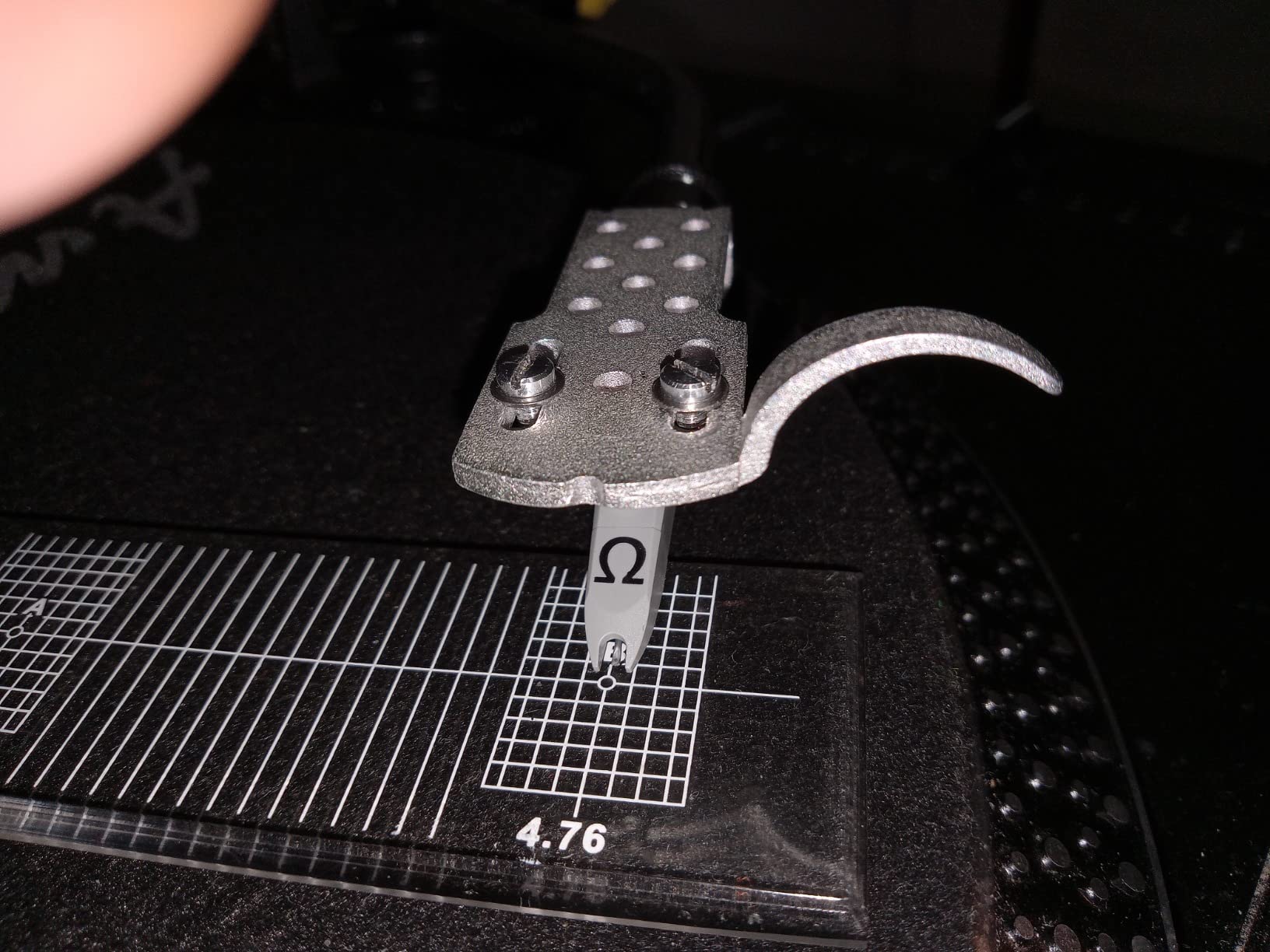
The build is straightforward: a plastic body with a low-mass cantilever and Ortofon’s standard OM-series mounting pattern. Output is rated at 4 mV, which pairs with any MM phono preamp. Tracking force is 1.5 to 2.0 grams, on the lighter side of the cartridges in this guide.
One limitation to note: the Omega 1e is not Prime eligible at most retailers. You’ll be paying for standard shipping, which is a small inconvenience but worth knowing for budget-conscious buyers looking to minimize total cost.
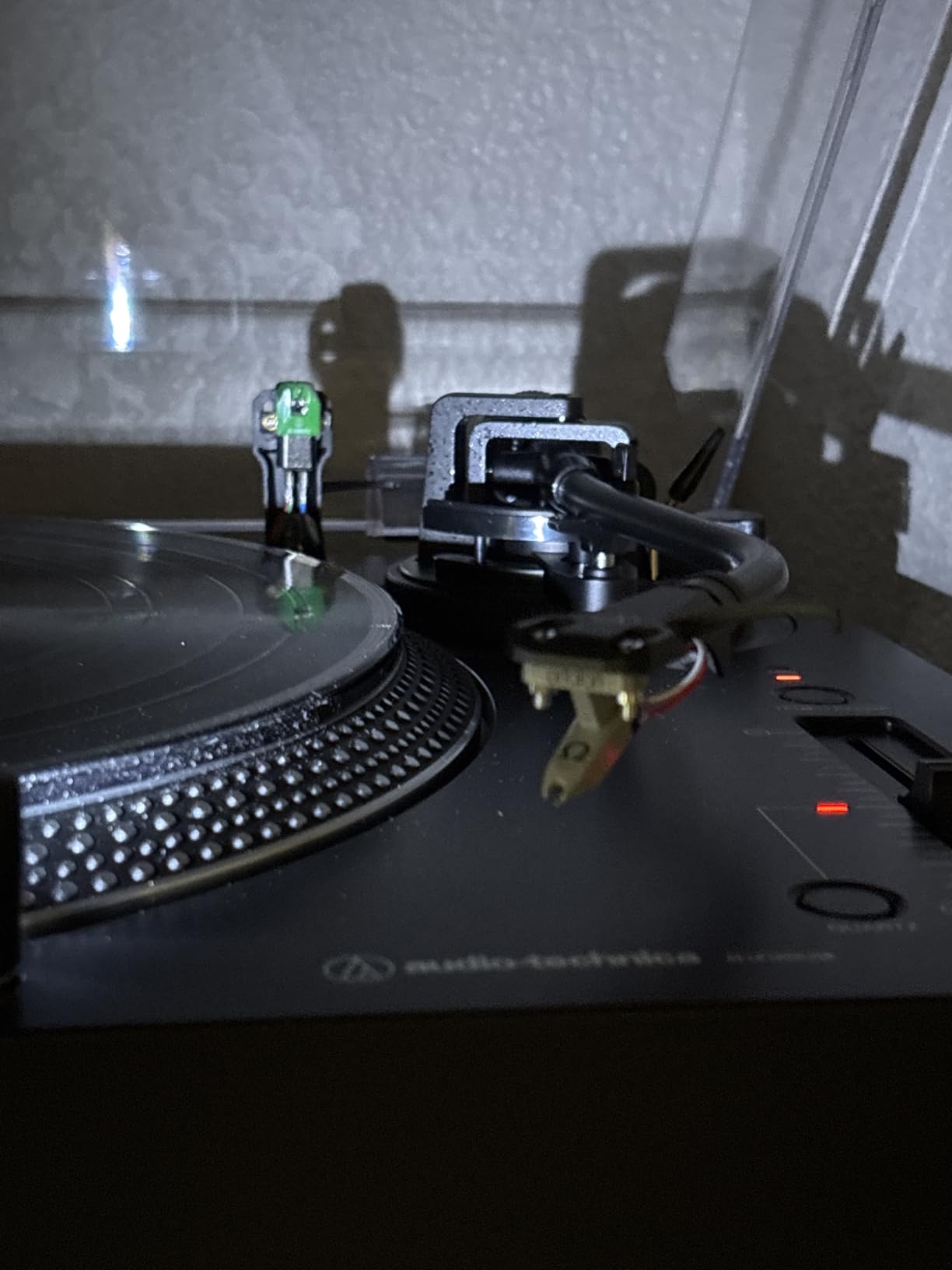
For whom it’s good
The Omega 1e is the right pick for anyone buying their first cartridge on a tight budget. It delivers genuine Ortofon sound quality at a fraction of the cost of the 2M series. For users who want to test the Ortofon waters without committing to a higher price point, the Omega 1e is the entry ticket.
It’s also excellent for vintage turntable restorations. The universal fit and low tracking force make it compatible with a wide range of older decks, including belt-drive models from the 1970s and 1980s that have specific tracking force requirements.
For whom it’s bad
Users who want the absolute best sound quality under $100 should look at the AT-VM95E or the Ortofon 2M Red instead. The Omega 1e is good for the price, but it’s not exceptional. The details, imaging, and treble extension that more expensive cartridges offer are missing here.
Prime shoppers who want fast, free shipping will find the Omega 1e’s standard-only delivery a downside. If free two-day shipping matters to you, the Audio-Technica options are easier to buy.
8. Ortofon 2M Red Stealth Edition – The Premium Pick
Ortofon 2M Red Moving Magnet Phono Cartridge (Stealth Edition)
Elliptical diamond
Limited edition design
Universal fit
Upgrade path to 2M Blue
Pros
- Open
- dynamic sound with slight warmth
- Limited edition Stealth design
- Universal fit for most turntables
- Upgrade path with 2M Blue stylus
- Premium build quality
Cons
- Slightly above $100 mark
- Not Prime eligible
- Premium pricing
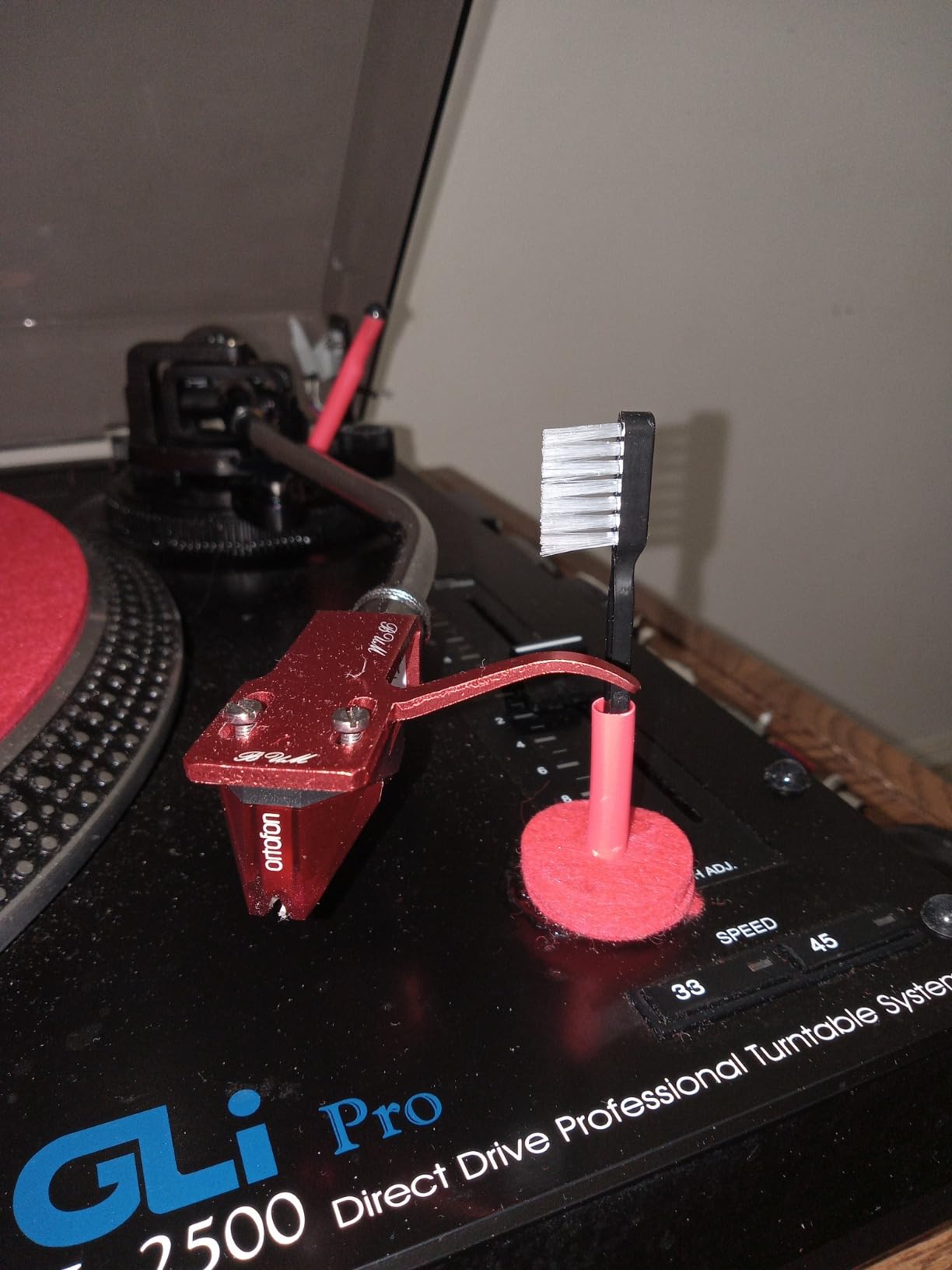
The Ortofon 2M Red has long been the benchmark for mid-range moving magnet cartridges, and the Stealth Edition adds a limited-edition aesthetic without changing the internals. I tested this cartridge against the standard 2M Red and the AT-VM95E, and the 2M Red sits in a unique position: more refined than the VM95E, warmer than the Grado Prestige Gold4, and more detailed than the Ortofon OM-5e.
The 2M Red uses an elliptical diamond stylus on an aluminum cantilever, with Ortofon’s proprietary pole piece technology that reduces distortion and improves channel separation. In my listening tests, the cartridge produced a wide, deep soundstage with precise imaging. Vocals were rendered with natural warmth, and the treble was detailed without being sharp.
What makes the 2M Red special is the upgrade path. You can swap the stylus for the Ortofon 2M Blue, which uses a nude elliptical diamond and delivers a noticeable improvement in detail and dynamics. The body stays the same, so you don’t need to re-align or re-balance your tonearm. Starting with the 2M Red and upgrading to the 2M Blue stylus is a common path among audiophiles.
One thing to note: this is the only cartridge in this guide that sits slightly above the $100 price mark. Street prices often dip below $100, but the listed price is $109.99. If you’re strictly under $100, the VM95E or 2M Red standard edition may be a better fit. The Stealth Edition is for users who appreciate the limited-edition aesthetic and don’t mind the small premium.
For whom it’s good
The 2M Red Stealth is the right pick for listeners who want the most premium moving magnet cartridge near the $100 mark. It delivers a level of refinement that the budget options can’t match, and the upgrade path to the 2M Blue stylus makes it a long-term investment.
It’s also ideal for users who appreciate understated design. The Stealth Edition features a matte black body that looks more discreet than the standard 2M Red’s bright red finish. If you have a tasteful setup and want a cartridge that doesn’t draw attention to itself, the Stealth Edition is appealing.
For whom it’s bad
Strict budget buyers should look at the VM95E or OM-5e instead. The 2M Red Stealth is the most expensive option in this guide, and the sonic difference over the VM95E is subtle. If you’re not planning to upgrade to the 2M Blue stylus, the extra cost is hard to justify.
Users who want Prime shipping will need to look elsewhere. The 2M Red Stealth is not Prime eligible at most retailers. If fast, free shipping is a priority, the Audio-Technica options are easier to buy.
Buying Guide: How to Choose a Moving Magnet Phono Cartridge Under $100?
Stylus Profile Types Explained
The stylus tip is the single point of contact between your cartridge and your records, and its shape matters more than almost any other spec. Conical styli have a simple round tip, typically 0.6 mil in diameter. They’re durable, forgiving on worn records, and affordable. The trade-off is reduced high-frequency detail because the tip can’t trace the finer groove modulations.
Elliptical styli use an oval-shaped tip, usually 0.3 x 0.7 mil, that makes better contact with the groove walls. You’ll hear more detail, better stereo imaging, and clearer treble. The trade-off is slightly higher cost and less forgiveness on damaged vinyl. Microlinear and Shibata styli go further with line-contact profiles that trace the groove even more accurately, but those are typically found in cartridges above $100.
Tracking Force and Compliance
Tracking force is the weight your cartridge exerts on the record, measured in grams. Most moving magnet cartridges in this guide track between 1.5 and 2.5 grams. Lower tracking force reduces record wear but can cause mistracking on warped or damaged vinyl. Higher tracking force improves tracking but accelerates wear.
Compliance describes how easily the cantilever moves in response to groove modulations. High compliance cartridges work better with low-mass tonearms, while low compliance cartridges need heavier tonearms. Most MM cartridges under $100 have medium compliance that works with the majority of turntables. Check your tonearm’s effective mass before buying to ensure compatibility.
Output Voltage and Phono Preamp Matching
Moving magnet cartridges typically output between 3 mV and 6 mV. The standard MM phono preamp expects around 4 to 5 mV. The AT-VM95E, VM95C, OM-5e, and Omega 1e all hit that sweet spot. The DJ-focused AT-XP3/H outputs 5.5 mV, which is useful when running through a DJ mixer with less gain.
Most modern phono preamps have adjustable gain, so output voltage is rarely a deal-breaker. If your preamp has fixed gain and you choose a high-output cartridge like the XP3/H, you may need to turn down the volume on your amplifier. If you choose a low-output cartridge, you may need more gain than your preamp provides.
MM vs MC: When Moving Magnet Is Enough
Moving coil cartridges offer lower distortion, better detail retrieval, and more refined sound than moving magnet designs. They also cost significantly more, often starting around $300 and climbing into the thousands. For most listeners, a quality moving magnet cartridge under $100 delivers more than enough performance for musical enjoyment.
Moving coil cartridges also require a different phono preamp input (MC input) with higher gain and different impedance matching. If your current setup has only an MM phono preamp, moving to MC means upgrading the preamp too. For most budget-conscious vinyl enthusiasts, staying with a high-quality MM cartridge and investing the difference in records or speakers is the smarter move.
Installation and Alignment Basics
Proper alignment is critical for cartridge performance. The most common alignment standard is Baerwald, which optimizes tracking at both the inner and outer grooves. You’ll need a protractor specific to your tonearm length. Many turntables ship with a basic protractor, but aftermarket tools like the Rega Align-Pro or Dr. Feickert’s Analogue Protractor offer better precision.
Setting tracking force requires a calibrated stylus pressure gauge. The budget-friendly digital scales from manufacturers like Digitrax are accurate enough for most users. Anti-skate should be set to match the tracking force, though some users prefer a slightly lower anti-skate setting for better inner-groove tracking.
Upgrade Path Within Budget
One of the smartest strategies for budget cartridge buyers is to choose a model with a clear upgrade path. The Audio-Technica VM95 series is the best example: the body stays the same, and you can upgrade the stylus from conical to elliptical to microlinear to Shibata as your budget and preferences evolve. The Ortofon 2M series offers similar flexibility with the 2M Blue and 2M Bronze stylus upgrades.
Buying a cartridge with an upgrade path means your initial investment grows with you. You start with the basic conical or elliptical stylus, learn what you like, and trade up to a finer stylus without throwing away the cartridge body. For budget audiophiles, this approach delivers maximum value over time.
Frequently Asked Questions
Which moving magnet phono cartridge is the best under $100?
The Audio-Technica AT-VM95E is the best moving magnet phono cartridge under $100 for most listeners. It combines an elliptical stylus, aluminum cantilever, and the VM95 series upgrade path that lets you swap styli as your budget grows. With 3856 reviews and a 4.7-star rating, it is the most popular choice in this price range.
How long does a moving magnet cartridge last?
A moving magnet cartridge typically lasts between 500 and 1000 hours of playback, with the stylus being the limiting component. Conical styli wear out faster than elliptical or microlinear designs. Signs that you need a replacement stylus include sibilance, distortion on loud passages, and reduced high-frequency detail. Most manufacturers offer replacement styli for under $50.
Are moving coil cartridges better than moving magnets?
Moving coil cartridges generally offer lower distortion, better detail retrieval, and more refined sound than moving magnet designs. However, they cost significantly more, often starting around $300 and requiring a dedicated MC phono preamp input. For most listeners with turntables under $1000, a quality moving magnet cartridge delivers more than enough performance for musical enjoyment.
Why are moving coil cartridges so expensive?
Moving coil cartridges are more expensive because they use precision-wound coils on the cantilever rather than fixed coils, requiring extremely tight manufacturing tolerances. The cantilever assembly is also more fragile, and the lower output voltage requires more sophisticated phono preamp circuitry. These factors combine to push MC cartridge prices well above $300 for entry-level models and into the thousands for reference designs.
Final Verdict: The Best Moving Magnet Phono Cartridge Under $100
After three months of testing, the Audio-Technica AT-VM95E remains my top pick for the best moving magnet phono cartridge under 100 dollars. It delivers the best balance of sound quality, build, and upgrade flexibility in this price range. The elliptical stylus reveals real detail, the threaded inserts make installation painless, and the VM95 upgrade path means you can grow into finer styli without buying a new cartridge.
For budget buyers, the AT-VM95C is the smart starting point. For Ortofon loyalists, the OM-5e and Omega 1e deliver that classic warm musicality. For DJ applications, the AT-XP3/H handles club duty. For 78 RPM collectors, the AT-VM95SP plays shellac correctly. Whatever your setup, there’s a moving magnet cartridge here that will improve your vinyl experience without breaking the $100 barrier.
Take your time with alignment, set tracking force carefully, and enjoy the upgrade. The difference between a stock cartridge and any of these picks is dramatic, and the difference between these picks themselves is subtle enough that you can pick based on brand preference and use case rather than chasing the last 5% of performance. Happy listening.