
The most common complaint on every RV forum we read is the same: the air conditioner was running fine on shore power, then someone unhooked the cord, cranked the generator, hit the AC button, and the compressor either stuttered and tripped or never started at all. That failure is almost never a broken generator. It is a wattage mismatch between the running and starting demands of an RV air conditioner and the capacity of the machine you brought along.
That is the problem this roundup is built to solve. We compared the best portable RV generators for air conditioners currently on the market, sorting eight models by the only numbers that matter when an AC compressor is involved: rated running watts, starting or peak watts, whether the unit can burn propane, and how loud it is at a full load. We also worked out the sizing math in plain numbers so you can check your own rig before you buy anything.
A note on freshness: this list was assembled and reviewed for October 2026. The generator category moves fast, and several guides still floating around the internet are listing models that disappeared years ago. Everything below is a currently available configuration with a live review base, and every rating and review count shown is the real one from the product listing, not an estimate. If you want a broader look at generators for camping rather than AC specifically, our RV camping generator guide covers the non-air-conditioning use case in more depth.
Table of Contents
Top 3 Picks for Running an RV Air Conditioner in 2026
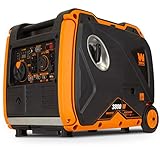
WEN 56380i 3800W RV-Ready Inverter
- 3400 running watts
- 3800 surge
- Native TT-30R RV outlet
- 8.5 hour half-load runtime

DuroMax XP5500EH Dual Fuel
- 4500 running watts
- 5500 surge
- Gasoline or propane
- 30A twist-lock outlet

A-iPower SUA4300iD Dual Fuel Inverter
- 3450 running watts on gas
- 3100 on propane
- 30A L5-30R outlet
- 54.8 pounds
Best Portable RV Generators for Air Conditioners (October 2026)
Every number below is taken from the manufacturer’s listed specification for that model. Where a manufacturer publishes two figures for one measure, we show both and tell you which load the number applies to. Noise is the single hardest spec to compare because brands rate it at different loads and distances, so we have kept the measurement detail attached to each entry rather than pretending a dBA value transfers cleanly between machines.
| Product | Specs | Action |
|---|---|---|
| WEN 56380i 3800W RV-Ready Inverter |
|
Check Latest Price |
| DuroMax XP5500EH Dual Fuel |
|
Check Latest Price |
| A-iPower SUA4300iD Dual Fuel Inverter |
|
Check Latest Price |
 Champion 4000W RV-Ready Inverter Champion 4000W RV-Ready Inverter |
|
Check Latest Price |
 GENMAX GM5500iHD Hybrid Inverter GENMAX GM5500iHD Hybrid Inverter |
|
Check Latest Price |
 PowerSmart 3800W Dual Fuel Inverter PowerSmart 3800W Dual Fuel Inverter |
|
Check Latest Price |
 WEN 56360i 3600W RV-Ready Inverter WEN 56360i 3600W RV-Ready Inverter |
|
Check Latest Price |
 Oxseryn 4400W Open Frame Inverter Oxseryn 4400W Open Frame Inverter |
|
Check Latest Price |
1. WEN 56380i – Best Overall for a Rooftop RV Air Conditioner
WEN Super Quiet 3800-Watt RV-Ready Portable Inverter Generator with Fuel Shut-Off and Electric Start (56380i)
3400 running watts
3800 surge watts
TT-30R RV outlet
2.2 gallon tank
99.2 pounds
Pros
- 3400 rated watts comfortably covers a rooftop AC plus household loads
- Native NEMA TT-30R RV receptacle for direct hookup
- Clean inverter power for sensitive electronics
- Fuel shutoff drains carburetor fuel and extends engine life
- Digital load and fuel display
Cons
- Heaviest unit in the group at 99.2 pounds
- Gasoline only with no propane capability
- Larger footprint than the compact inverters here
We kept coming back to this one during the comparison. The 212cc four-stroke under the hood puts out 3,400 rated watts and 3,800 surge watts, and that combination is the sweet spot for a 13,500 BTU rooftop unit without tipping you into a machine heavy enough to need two people to load it into a bed.
It has a genuine NEMA TT-30R receptacle on the panel rather than an adapter or a household socket, so the connection to a 30 amp RV is a plug and a twist. Alongside it sit two 120V household outlets, a 12V DC receptacle and a USB port, which means you can charge a phone without a separate adapter.
The inverter output is clean enough for laptops, tablets and other sensitive electronics, which matters more than it sounds when your coach is full of a router, a CPAP machine and a dozen chargers. Half-load runtime is listed at up to 8.5 hours on the 2.2 gallon tank, and a fuel shutoff mechanism drains the carburetor before shutdown so the engine does not gum up between trips.
Across 2,459 reviews the rating sits at 4.7, with 84 percent five-star and 9 percent four-star. Buyers single out the low operating noise, the clean power and the native RV outlet as the reasons they are satisfied.
What 3,400 running watts actually covers
That figure gives a 13,500 BTU rooftop unit roughly 400 to 900 watts of headroom once the compressor settles into its steady draw, and the 3,800 watt surge figure is enough to absorb the startup inrush on a normal day. Add a 12V fridge and battery charging and you are still inside the rated capacity.
The margin thins in two situations. Extreme heat makes a compressor work harder and hold a higher draw for longer, and a coach running a 15,000 BTU unit will be closer to the ceiling. If you camp in the desert in July, look at the 4,500 running watt option instead.
When the 99-pound frame works against you
This is the heaviest model we tested at 99.2 pounds, and the single most common complaint in the reviews. Electric start helps with cold mornings, but the lift into a generator compartment is still a two-person job on anything mounted higher than the ground.
The other limitation is fuel flexibility. It runs gasoline only, so if your storage plan relies on an RV propane tank you are carrying a separate gas can. Our general-purpose picks, such as our portable generator guide for job sites, cover the trade-off between the two fuel types in more detail.
2. DuroMax XP5500EH – Best Headroom for a 50 Amp Coach
DuroMax XP5500EH 5,500-Watt Dual Fuel Portable Generator – Gas & Propane, Electric Start, RV & Emergency Ready
4500 running watts
5500 starting watts
Gasoline or propane
30A twist-lock
124 pounds
Pros
- 4500 running watts gives real headroom for large rooftop air conditioners
- Dual fuel so you can burn the RV propane tank
- MX2 switching provides 120V and 240V output options
- Owners report multi-year reliability and good cold storage recovery
- Electric start with a battery included
Cons
- Open frame design is noticeably louder than enclosed inverters
- Heaviest model here at 124 pounds
- Wheels and handles need assembling on arrival
- Manual documentation is inaccurate about included accessories
This is the model to buy if your question is not whether one air conditioner will run, but whether you can also have a second zone going, a microwave cycling, and the refrigerator running at the same time. 4,500 rated watts and 5,500 starting watts is the only genuinely oversized configuration in this group, and it is the one that removes the guesswork from compressor startup.
It is also the only large open-frame dual-fuel machine here that gives you a 30A twist-lock outlet alongside household GFCI receptacles and 12V DC charging posts. The MX2 system lets you take 120V only at full power or run 120V and 240V together when you need the higher output.
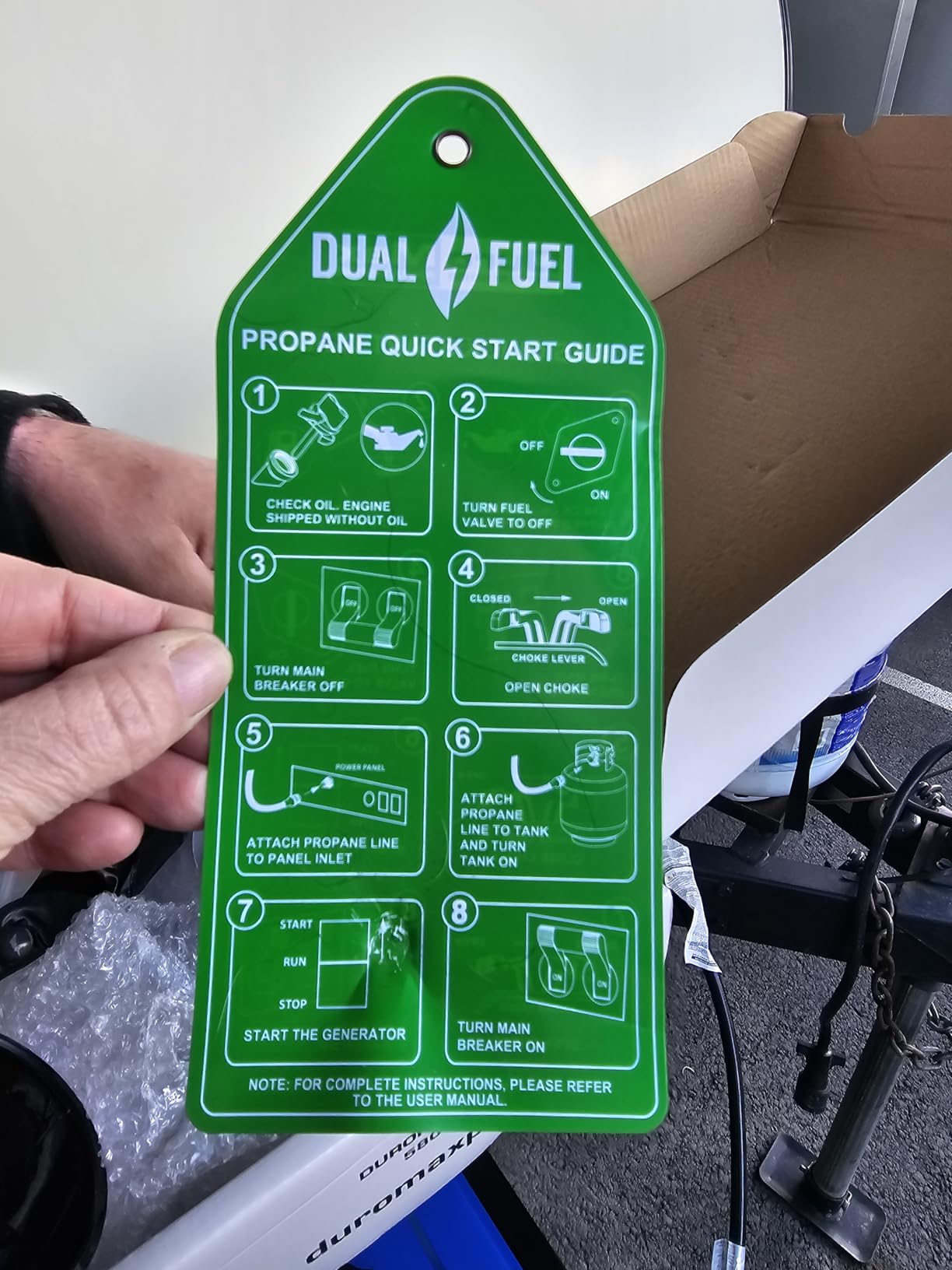
Owners in the 2,129-review base describe running a large portable air conditioner, a refrigerator, a chest freezer and a dehumidifier on this unit without a stall, which is the kind of load stacking that stops smaller machines in their tracks. Runtime at a 50 percent load is listed at 9 hours on gasoline and 8 hours on propane from the 3.96 gallon tank.
Several reviewers also report starting it successfully after nearly three years of storage with treated fuel, which is a meaningful reliability signal for anyone who stores a coach over winter.

Why 4,500 running watts changes the conversation
Headroom is the whole point. With a 1,000 watt cushion above the combined draw of a rooftop unit and your household loads, a compressor starting on a hot afternoon does not push you toward the edge of the machine’s capability, which is where voltage dips, frequency sag and nuisance breaker trips come from.
It is also the configuration most likely to handle two air conditioners. We would still keep one of them on a lower fan setting or close the door between zones, but the wattage is there, and users in large-class coaches report running two of three units with a door closed.
The open-frame noise and weight trade-off
The open frame is the price you pay for that capacity. An exposed frame has no acoustic enclosure, and the reviews are consistent that it runs louder than the enclosed inverter units in this roundup, which matters in a campground where other campers have reported being shut down over noise complaints.
At 124 pounds this is the heaviest model we included, and the wheels and handles are not fitted in the box. If lifting capacity is a real constraint at your campsite, the A-iPower below gives you most of the same output in a much smaller package.
3. A-iPower SUA4300iD – Lightest Dual-Fuel Inverter With a 30 Amp Outlet
A-iPower 4300W Gas Propane Inverter Generator, Lightweight, Fuel Sense
3450 running watts on gas
3100 on propane
30A L5-30R outlet
54.8 pounds
1.6 gallon tank
Pros
- Dedicated 30A L5-30R RV outlet built into the control panel
- Lightest dual-fuel option here at 54.8 pounds with handle and flat-free wheels
- 3 percent THD clean power is safe for sensitive electronics
- Parallel cables included for doubling output with a matching unit
- CO sensor indicator light included
Cons
- Propane running output drops to 3100 watts
- Recoil start only on this model
- Small 1.6 gallon tank limits gasoline runtime
At 54.8 pounds with a telescoping handle and flat-free wheels, this is the model we would hand to a couple travelling in a small trailer who want to run a rooftop air conditioner off their existing propane tank. You get 3,450 running watts on gasoline and a proper 30A L5-30R RV outlet in the panel.
The 149cc four-stroke is smaller than the engines in the two picks above, and that shows up in the output numbers, but 3,450 rated watts is still a comfortable match for a 13,500 BTU rooftop unit on a normal day. Output is listed at 3 percent total harmonic distortion, which is inverter-grade clean power.

Parallel cables ship in the box, so a second matching machine can be linked to double the output. That is a real option for a two-zone coach, and it costs you two oil changes and two air filters instead of one, as any owner of paired machines will tell you.
The rating across 2,376 reviews is 4.3, with 70 percent five-star and 13 percent four-star. We would flag that 10 percent one-star share is the second highest in this group, so it is worth reading the critical reviews for your specific use case rather than taking the average alone.
Reading the propane output drop honestly
On propane this machine drops from 3,450 to 3,100 running watts, and starting capacity falls from 4,300 to 3,900. A roughly 10 percent loss in output is the normal direction of travel when a generator runs on propane, and it is exactly the kind of margin that decides whether a borderline compressor starts cleanly.
For a 13,500 BTU unit, 3,100 running watts on propane is workable. For a 15,000 BTU unit in a coach that is also running a microwave, we would size up. If you mostly run on propane, factor that lower figure into your decision rather than the headline gas number.
Where recoil start and the small tank bite
There is no electric start on this model, so you are pulling a cord in the cold, which is the least convenient part of the package. The 1.6 gallon tank is small for a machine in the 4,000 watt surge class, and it means more fuel stops on a long run than the WEN 56380i requires.
Neither issue affects whether the air conditioner runs. Both affect how often you are standing in the dark at 6am before coffee, which for many full-time travellers is the deciding factor.
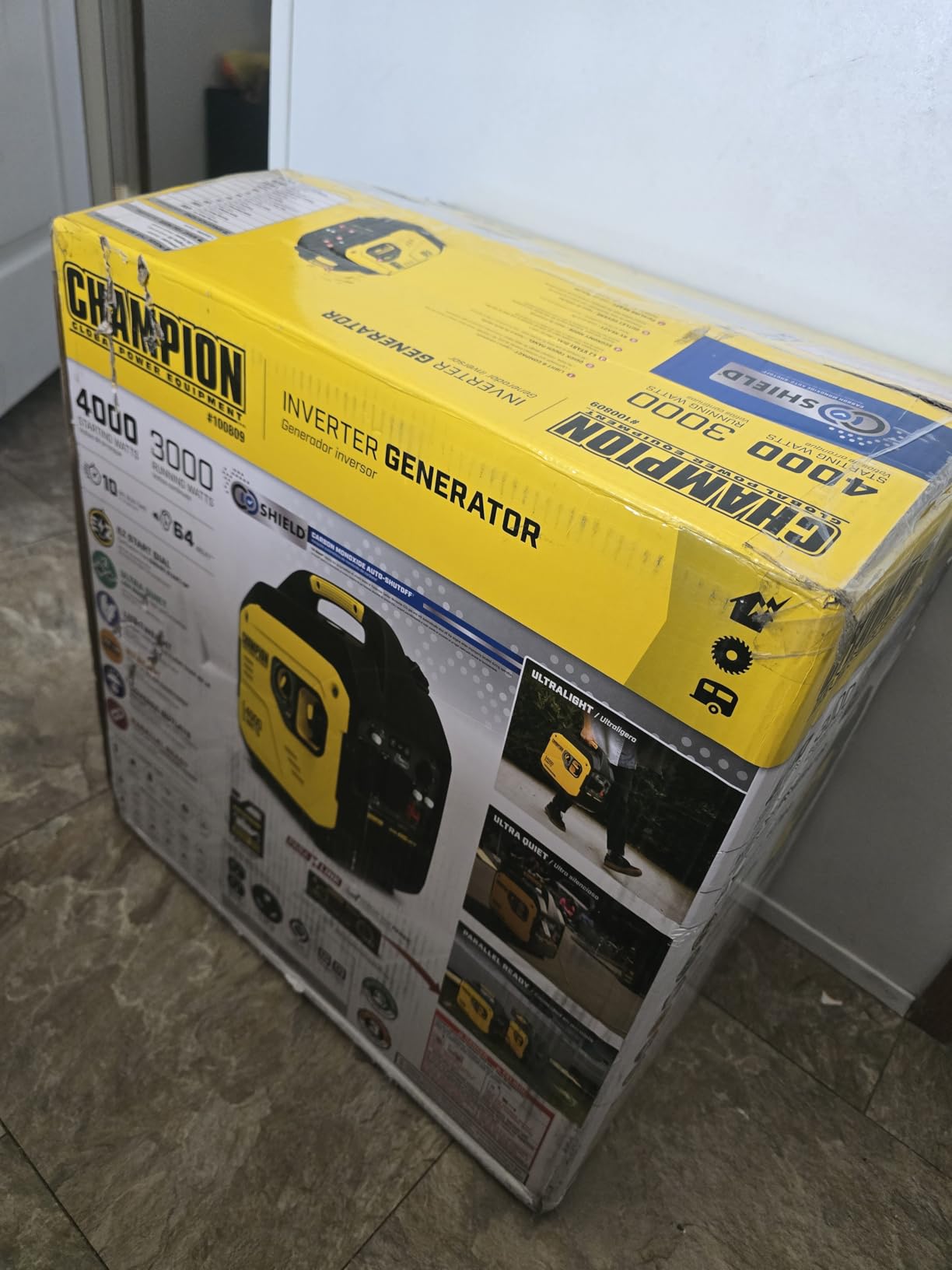
4. Champion 4000-Watt – Best Lightweight Pick for a Smaller Rig
Champion 4000-Watt RV Ready Portable Inverter Generator
3000 running watts
4000 surge watts
64 dBA at 23 feet
48.1 pounds
CO Shield
Pros
- Lightest 4000 watt inverter here at 48.1 pounds
- Native 120V 25A TT-30R outlet for direct RV hookup
- CO Shield carbon monoxide auto shutoff adds a safety layer
- Less than 3 percent THD keeps electronics happy
- Three-year warranty with free lifetime technical support
Cons
- 3000 rated watts is a tight ceiling for a rooftop air conditioner
- Gasoline only with no propane capability
- Recoil start rather than electric start
- Parallel kit sold separately
Weight is the deciding factor for plenty of buyers, and at 48.1 pounds this is the lightest 4,000 watt class inverter we included. One person can lift it into a compartment, and the 64 dBA rating measured from 23 feet is a genuinely quiet operating figure.
The output panel includes a 120V 25A TT-30R RV outlet, a 120V 20A duplex receptacle and a 12V automotive outlet, so the hookup to a 30 amp coach is direct. A CO Shield sensor will shut the engine down if carbon monoxide levels climb.
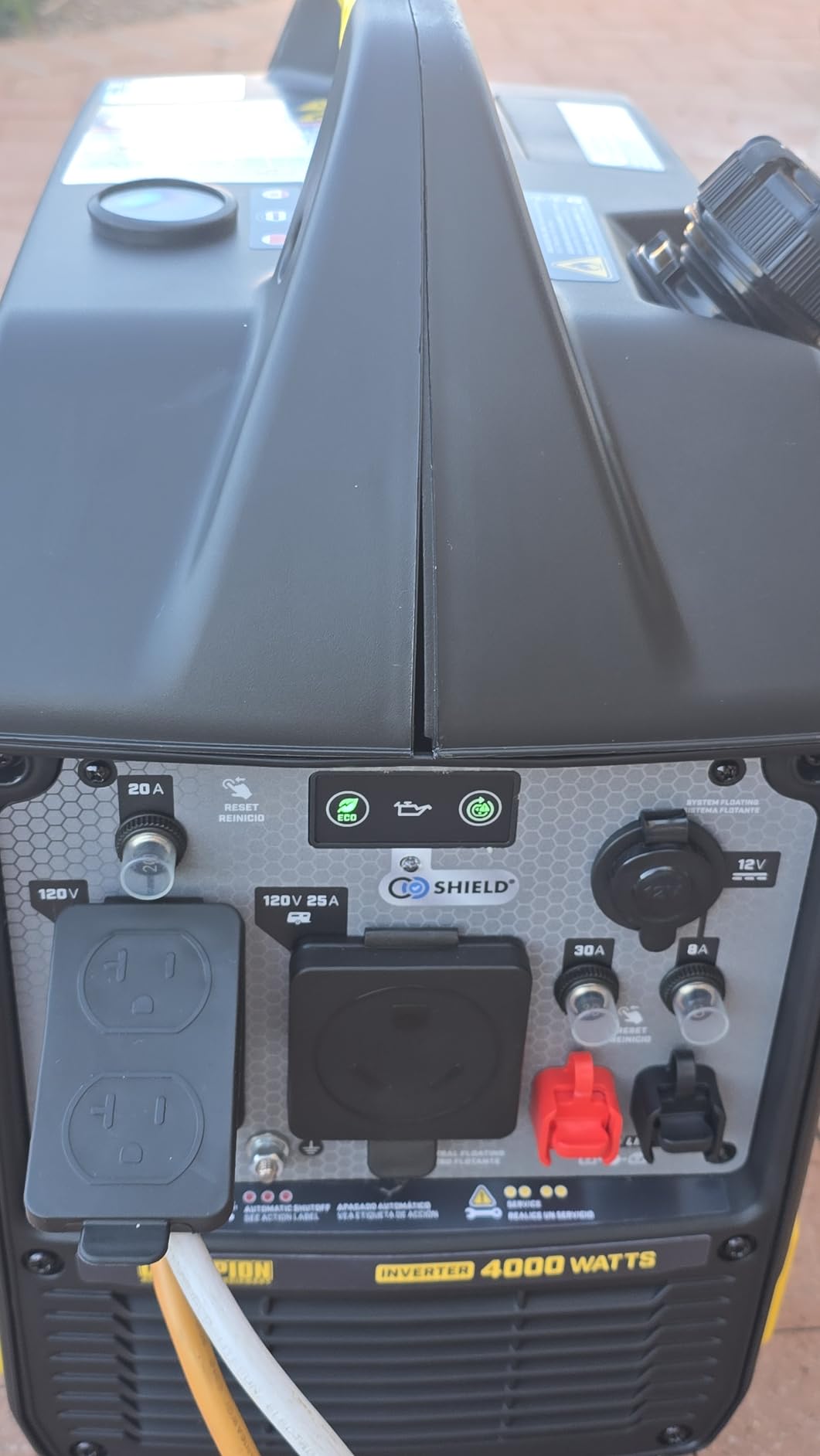
Output is listed at less than 3 percent THD, which is the clean power spec that protects a laptop or a sensitive medical device. Parallel operation with a second matching Champion inverter is supported through an optional kit.
Its 680-review base is the smallest here, though the distribution is strong at 84 percent five-star and 7 percent four-star for a 4.6 overall rating. Owners emphasise low weight, quiet operation and the included RV outlet.
When 3,000 running watts is enough
It is enough for a 13,500 BTU rooftop unit on its own, or for a portable air conditioner running alongside a refrigerator and battery charging with comfortable room to spare. This is the configuration most 30 amp travel trailer owners are actually running, and it is a good match for the 30 amp service standard.
It is enough for one AC, not two. Trying to cover two compressors on 3,000 rated watts is where people report the generator bogging down the moment the second unit starts.
The ceiling that decides your compressor start
The gap between 3,000 rated watts and 4,000 peak watts is the only surge headroom you get, and it is a narrower margin than the WEN 56380i offers. On a mild afternoon that is fine. On a hot afternoon with a cold evaporator coil and a 13,500 BTU unit, the start is closer to marginal.
If you are buying for a coach that will sit in summer heat, treat the 3,000 watt figure as a working ceiling rather than a comfortable capacity, and consider whether the extra weight of a 3,400 watt machine is a trade you would take. Buyers who value the lowest weight in class consistently accept this compromise knowingly.
5. GENMAX GM5500iHD – Best Surge Headroom for Two Air Conditioners
GENMAX 5500W Portable Hybrid Inverter Generator 2026,3800W Rated / 5500W Peak, Hybrid Boost Technology, CO Sensor, EPA Certified, Ultra-Quiet for RV Camping&Home Backup Emergency Power(GM5500iHD)
3800 rated watts
5500 peak watts
300W battery-only mode
56.7 pounds
3 percent THD
Pros
- Hybrid boost design delivers 5500W peak from a 3800W rated engine
- Vendor states it can start a 15000 BTU and a 10000 BTU air conditioner together
- 300W battery-only mode runs devices with the engine off
- Detachable 144Wh battery works as a standalone power bank
- Compact at 56.7 pounds
Cons
- Lowest average rating in the group at 4.2 with a 13 percent one-star share
- Gasoline only
- Newer hybrid architecture has a smaller long-term track record
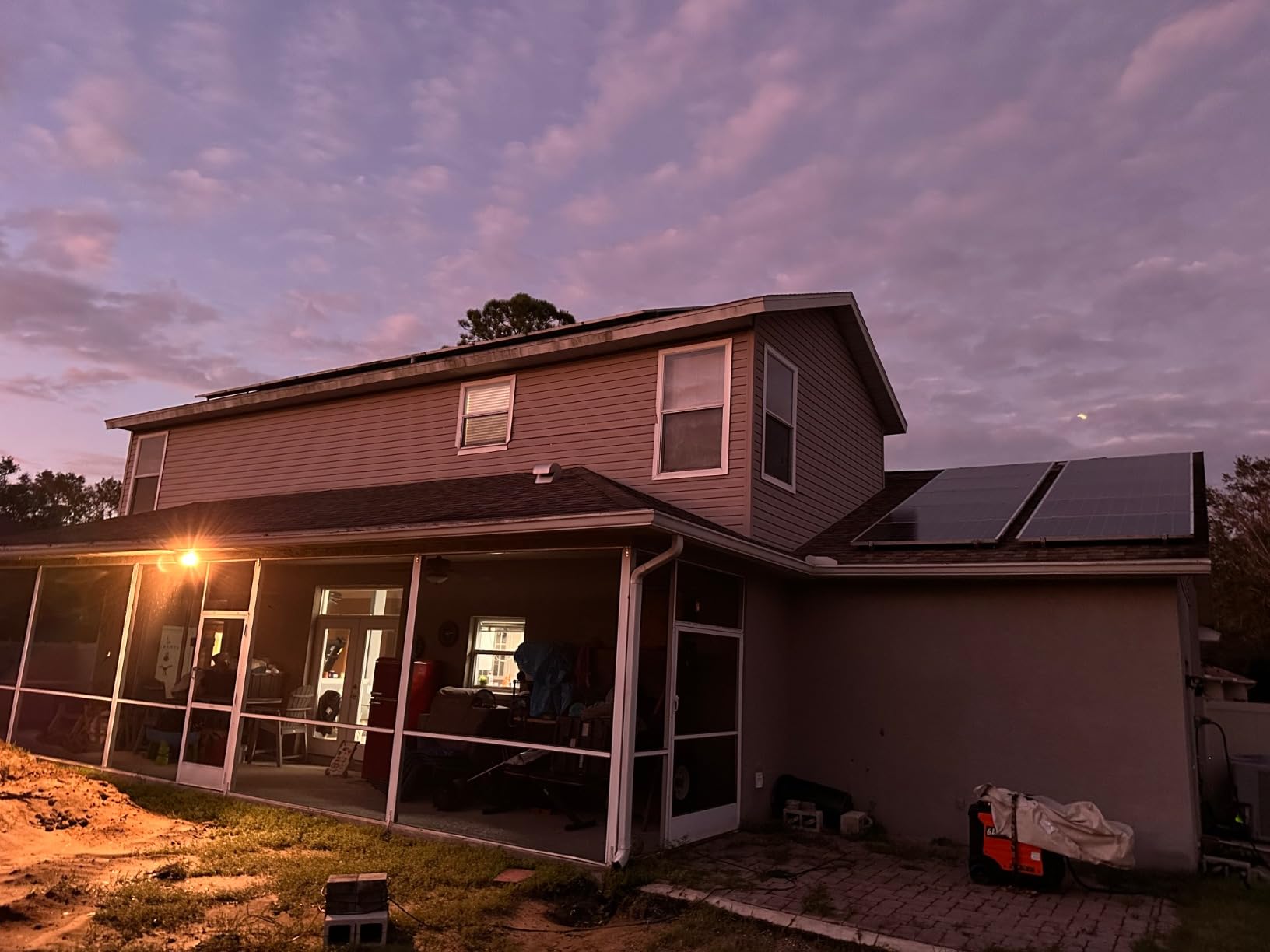
This is the most interesting engineering in the group. Instead of relying on a bigger engine for peak capacity, the GM5500iHD pairs a 3,800 watt rated gasoline engine with a detachable battery that adds assist for startup, producing 5,500 watts of peak output. That is the largest surge figure here from the smallest engine.
The manufacturer states it can start a 15,000 BTU and a 10,000 BTU air conditioner at the same time, which is precisely the two-zone scenario most of the other machines here cannot claim.
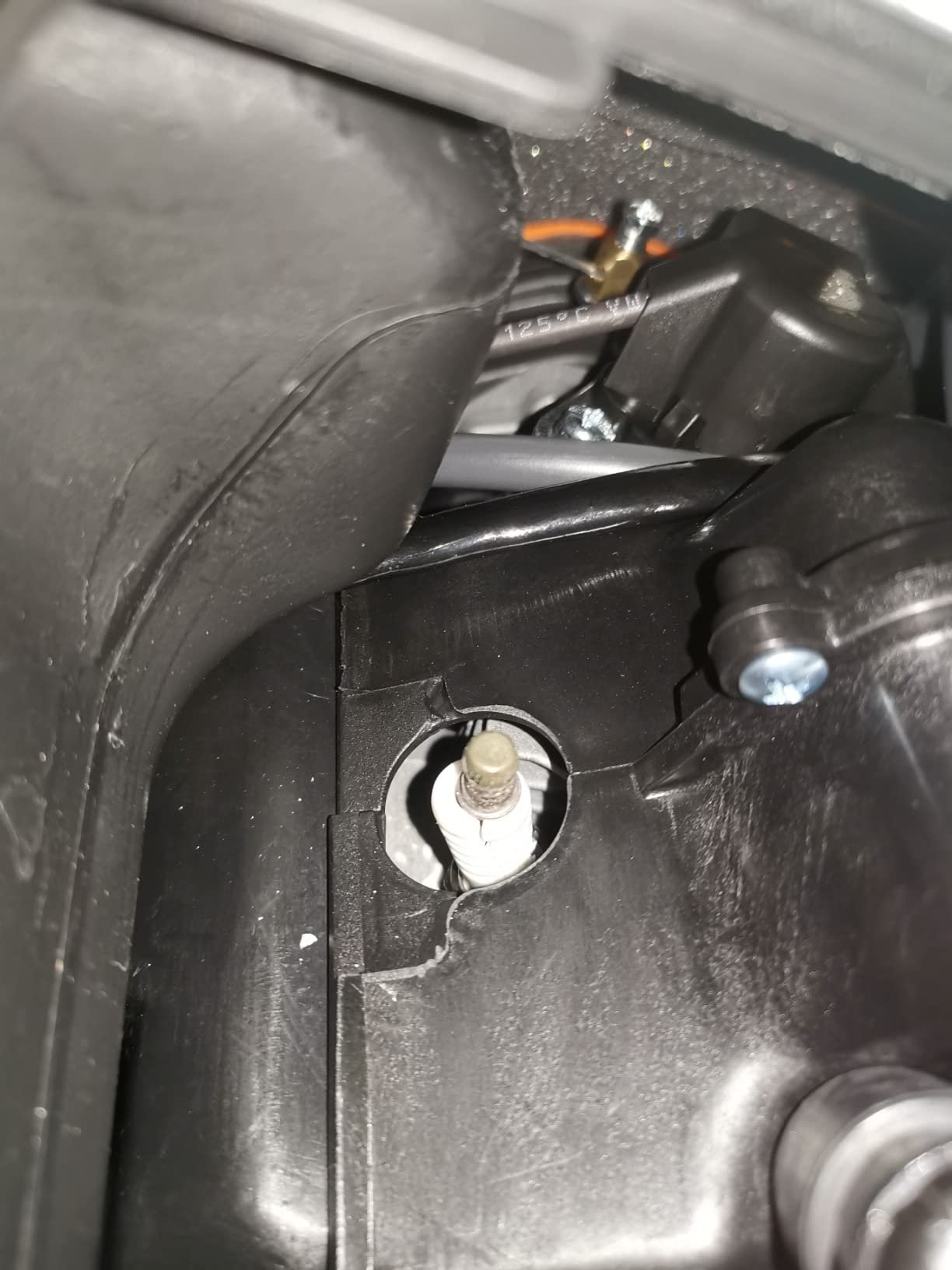
The battery also does something no other generator on this list does. In a 300W battery-only mode you can run a laptop, a phone or a small device with the engine completely off, which means genuine silence overnight if your coach stays cool enough on its own. The 144Wh pack detaches and works as a standalone power bank with USB-C recharging, and it tops up automatically when voltage drops below 16V.
Output is pure sine wave at 3 percent THD or less, there is a built-in CO sensor, and an NEMA L14-30P bonding plug is included. At 56.7 pounds it stays portable.
How the hybrid battery adds startup surge
Compressor startup is a brief, high-current event, and that is exactly the kind of load a battery assist handles well. The engine supplies steady running power while the battery covers the inrush, which is why the peak number sits so far above the rated number.
For a coach with two rooftop units this is the capability that matters. Rather than accepting one zone or throttling a compressor, you have the surge available when both machines kick on together.
Weighing the weakest rating against the biggest peak number
Be clear-eyed here. The 4.2 rating across 2,531 reviews is the lowest in this roundup, with a 13 percent one-star share, the highest of the group. Some buyers report startup and reliability frustrations, and the hybrid architecture is a newer design with a shorter service history than a conventional inverter.
What you are trading is proven-track-record certainty for the best surge capacity and the quietest battery-only operation available here. If you can accept a design with a shorter track record in exchange for starting two compressors, this is the only machine in the group that clearly can.
6. PowerSmart 3800W Dual Fuel – Best Value per Watt
PowerSmart 3800 Watt Dual Fuel Inverter Generator for Camping or Home Use
3300 running watts on gas
3100 on propane
59 dBA in Eco Mode
50.7 pounds
parallel ready
Pros
- Strongest running watts per dollar in this group
- 59 dBA at 25 percent load in Eco Mode
- Up to 24 hours on a standard 20 pound propane tank
- Parallel ready for doubling output with a matching unit
- Overload
- short circuit
- CO sensor and low oil shutdown
Cons
- Small 1.3 gallon gasoline tank needs refills
- Service panels require a Phillips screwdriver
- Display panel is poorly documented and awkward to read
- Recoil start only
The PowerSmart is the value pick in a way that survives scrutiny, because the numbers are not hollow. 3,300 running watts on gasoline and 3,100 on propane, a 30A L5-30R twist-lock outlet in the panel, parallel ready, and a 149cc four-stroke. That is a complete RV-capable configuration at 50.7 pounds.
What stands out is the noise figure. 59 dBA at 25 percent load in Eco Mode is the lowest number we could verify in this roundup, and Eco Mode throttles the engine down when the load is light, which is exactly how you run an air conditioner most of the time.
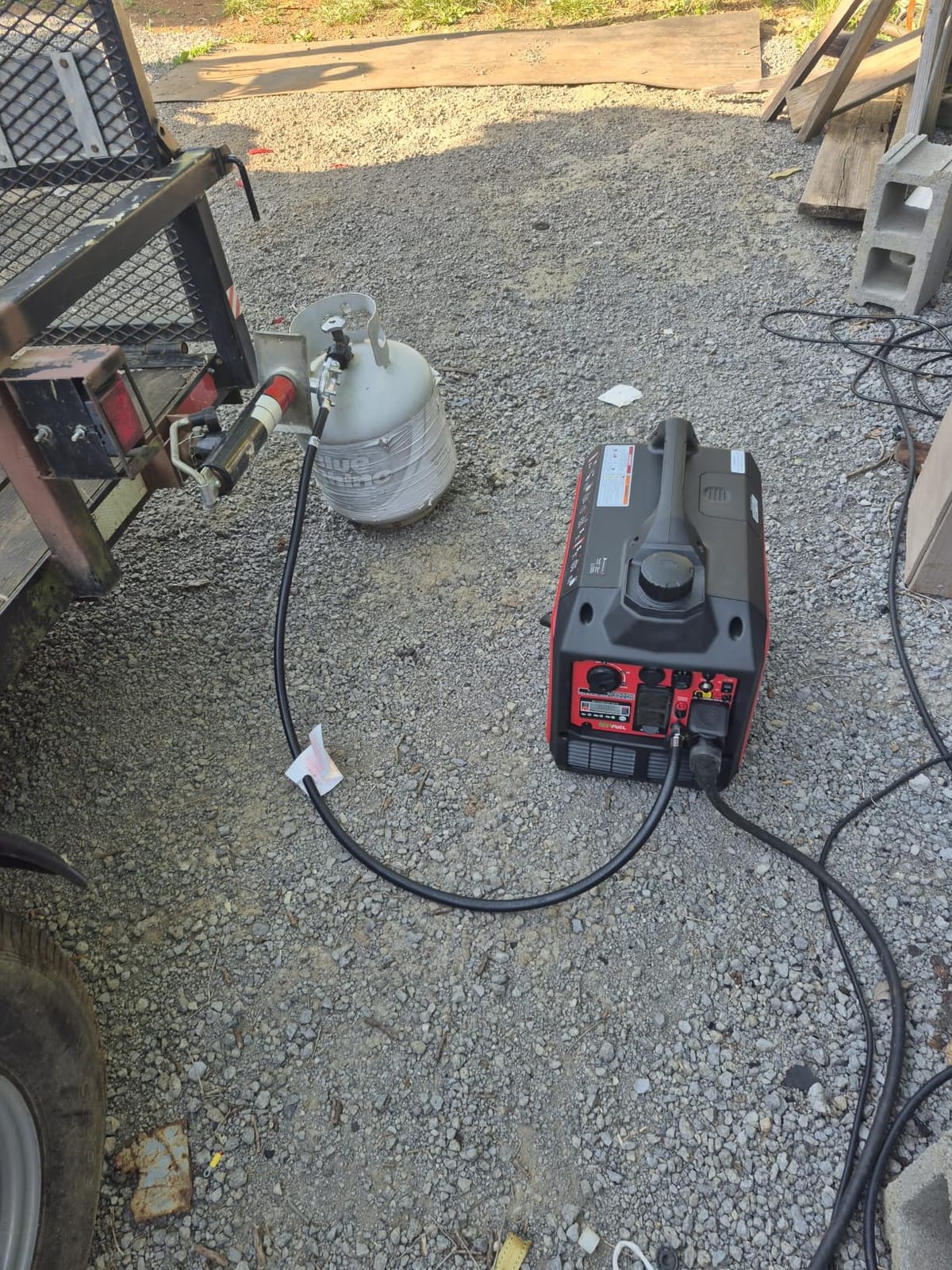
Owners also report running portable air conditioners off this machine to offset utility costs, and the runtime claim of up to 24 hours on a standard 20 pound propane tank is the longest stated figure in the group. Gasoline runtime is listed at 8 hours at 25 percent load on the 1.3 gallon tank.
Safety provision is thorough for a machine at this level: overload protection, short circuit protection, a carbon monoxide sensor and low oil shutdown, certified to ANSI/PGMA G300 and ANSI/UL2201 as well as EPA standards.
59 dBA Eco Mode and the 24 hour propane claim
An air conditioner cycling on and off is a light, intermittent load, and Eco Mode responds to that by slowing the engine to match demand. In practice you spend most of your runtime in that low-load state rather than at full throttle, which is why the 25 percent load measurement is the one that predicts the experience.
Note the load qualifier, though. The 59 dBA figure is measured at 25 percent load. At full output this machine is not going to be as quiet as an enclosed inverter, and a campground rule that counts maximum noise is counting the wrong number for a machine running an AC.
Servicing details that decide whether you keep it
Access panels and the oil change door need a Phillips screwdriver, and the manual does a poor job explaining the display panel, which reviewers describe as awkward to read at ground level. If you are the kind of owner who does your own seasonal service, those small frictions add up.
There is also a small share of buyers who found it hard to start or who struggled to reach customer support for warranty service. The 2-year warranty is shorter than the three-year coverage on the WEN models, and worth factoring into the calculation.
7. WEN 56360i – Most Versatile for Smaller Air Conditioners
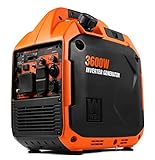
WEN 3600-Watt Portable Inverter Generator, RV-Ready, Quiet and Lightweight with Fuel Shut Off (56360i)
2900 running watts
3600 surge watts
TT-30R RV outlet
46.3 pounds
5 hour runtime
Pros
- Second-lightest model here at 46.3 pounds
- Native TT-30R RV receptacle for a direct hookup
- Fully enclosed inverter design keeps operating noise low
- Clean power output protects sensitive electronics
- Fuel shutoff drains the carburetor to extend engine life
Cons
- 2900 rated watts is the lowest running figure in the roundup
- Gasoline only
- Recoil start only
- 5 hour runtime is the shortest stated gasoline runtime here
At 46.3 pounds this is the second-lightest machine here, and the fully enclosed inverter body keeps operating noise down in a way an open frame cannot. The 149cc engine delivers 2,900 rated watts with 3,600 surge watts, and the panel carries a TT-30R RV receptacle alongside two household outlets, a 12V DC port and two USB ports.
Be clear about the ceiling. 2,900 rated watts is the lowest continuous figure in this roundup, and it is genuinely tight for a 13,500 BTU rooftop unit once you add a refrigerator and battery charging.
Where it does work well is a smaller coach running a portable or window air conditioner in the bedroom zone. Owners running an 8,000 BTU portable unit off a machine like this get a comfortable margin, and the clean inverter output keeps a laptop and a fan running safely alongside it.
Across 609 reviews it holds a 4.4 rating with 75 percent five-star and 13 percent four-star. The three-year limited warranty is the longest standard coverage among the gasoline-only models in this group.
Why 2,900 watts is a real limit for a rooftop unit
The arithmetic is straightforward. A 13,500 BTU rooftop unit can draw around 2,500 to 3,000 running watts depending on conditions, which means the compressor alone could consume most or all of this machine’s rated capacity. The moment you add a 12V fridge and battery charging, you are past the ceiling.
Going over does not damage the generator, but it causes the frequency dip that makes the compressor trip its own breaker mid-cycle. That is the failure people describe when they say the generator will not run their air conditioner.
A 46-pound frame and a three-year warranty
The physical package is the appeal. A 46-pound enclosed inverter is easy to load, easy to reposition away from the coach wall, and quiet enough that neighbours rarely notice it. Fuel shutoff drains the carburetor on shutdown, which protects the engine between trips.
The trade-off is runtime and fuel. Five hours on the 1.6 gallon tank is the shortest stated gasoline figure in this group, and a recoil start is the least convenient option on a cold morning. For a weekend trip with a small portable AC, that is a fine arrangement. For summer boondocking, it is not.
8. Oxseryn 4400-Watt – Best Entry-Level Open-Frame Unit
Oxseryn Power Equipment 4400 Watts Inverter Generator Gas Powered, Portable Open Frame Generator, Low Noise with ECO Mode, RV Ready, Emergency Home Backup
3400 running watts
4400 peak watts
RV port
56 pounds
14 hour ECO runtime
Pros
- 3400 running watts matches larger machines in the group
- RV port plus two 120V AC outlets and a 12V DC port
- Claimed 14 hour runtime at 25 percent load in ECO mode
- Only 56 pounds
- Lowest one-star review share in the roundup at 5 percent
Cons
- Open frame is louder than enclosed inverter units
- Under 72 dBA at 23 feet is the highest noise figure here
- Gasoline only
- Only a 1 year manufacturer warranty
Most of the value of this machine is arithmetic. You get 3,400 running watts with 4,400 peak watts, an RV port, two 120V AC outlets and a 12V DC port, for less money than anything else in this roundup. That running wattage is identical to the WEN 56380i.
There is a fuel gauge, cold start technology, low oil shutdown and overload protection, and the 208cc engine is a sensible size for the output. Runtime is claimed at up to 14 hours at 25 percent load with ECO mode engaged on the 2 gallon tank.
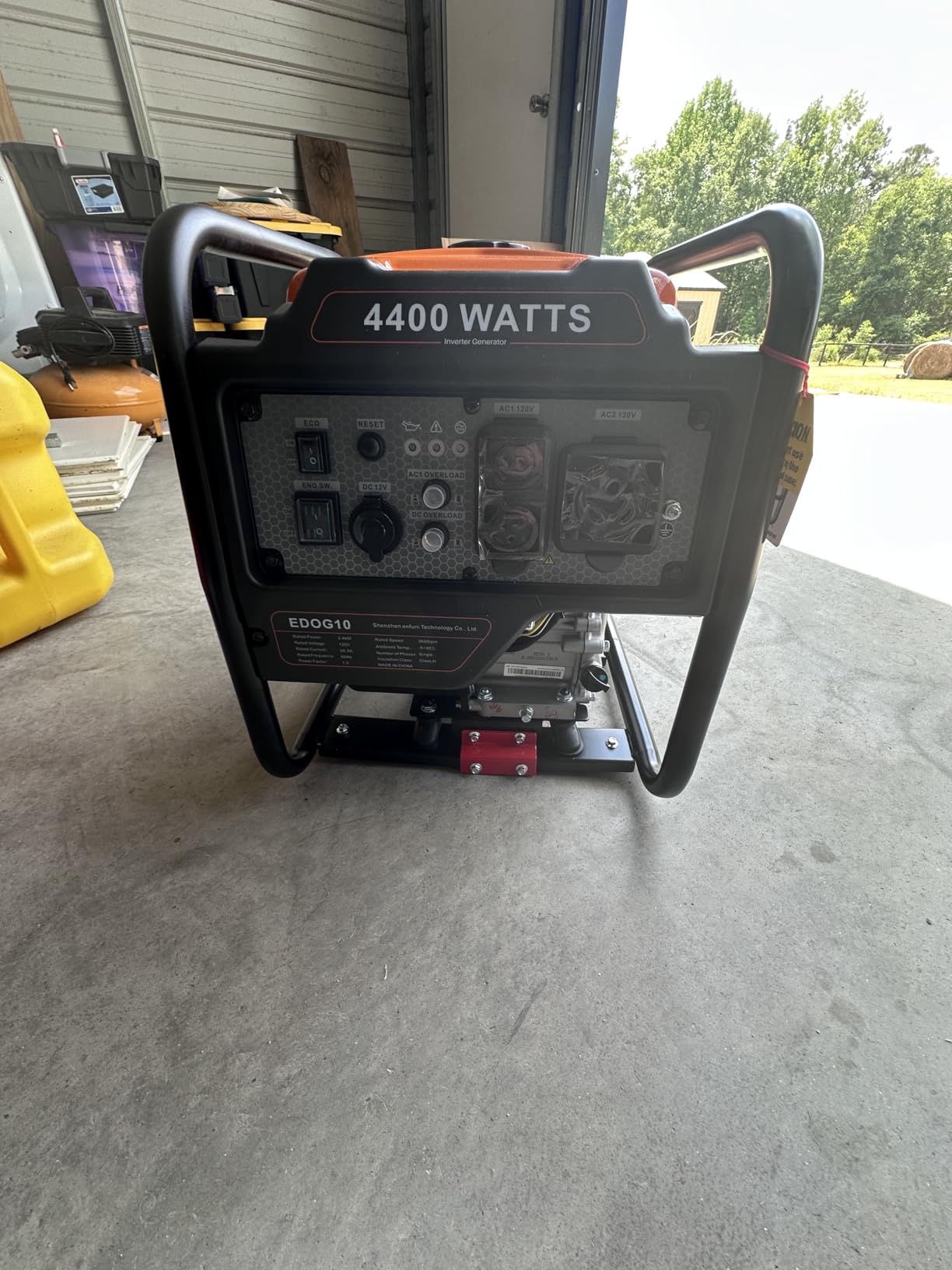
The 4.5 rating across 785 reviews comes with the most favourable distribution here: 73 percent five-star, 15 percent four-star and only 5 percent one-star. Buyers treat it as a budget pick and appreciate the RV port and the light weight.
Worth knowing before you order: every unit is functionally tested in the factory, so a faint fuel smell on first use is normal rather than a fault.
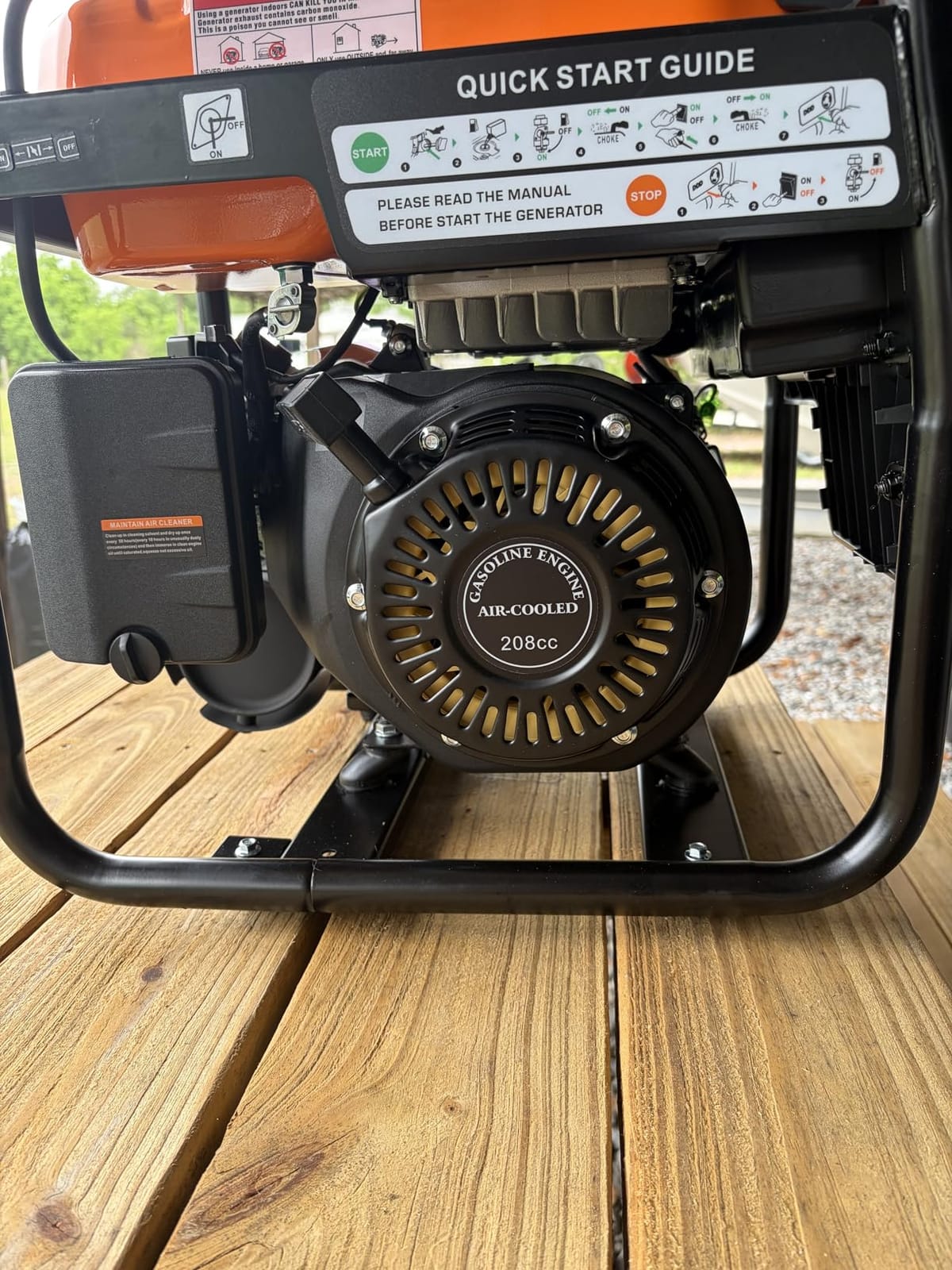
Matching the 72 dBA open frame to campground rules
Under 72 dBA measured from 23 feet is the highest noise figure in this group, and it comes from the open frame design. Noise measurement is always tied to a specific load, and this figure is a maximum rather than an Eco Mode reading, so a real comparison against an enclosed inverter at the same load is not like for like.
What matters is your campsite. Campers have reported being shut down after noise complaints, and several parks and national parks enforce decibel limits during quiet hours. If you are parked next to people rather than at a dispersed site, an enclosed inverter is the safer choice.
The one-year warranty and first-run fuel odor
A single-year manufacturer warranty is the shortest here, and warranty length is a fair proxy for how long the brand expects the machine to last. Compare it with the three-year coverage on the WEN models and the three-year warranty on the Champion and A-iPower, and factor it into the ownership calculation over a multi-year ownership horizon.
Beyond that, the main practical issue is the small 2 gallon tank against a 14 hour claim that only holds at 25 percent load. Run a rooftop air conditioner and the load is rarely at 25 percent, so plan refills accordingly.
How to Choose a Portable RV Generator for Your Air Conditioner
Start with running watts, not the big number on the box. Peak or starting wattage tells you what the machine can absorb in a brief moment; rated running watts tell you what it can sustain for hours. Every sizing decision should start from your air conditioner’s BTU rating, then add 25 to 30 percent for startup headroom, then add the running draw of your refrigerator, battery charger and anything else that stays switched on.
Inverter versus conventional. An inverter generator uses a digital conversion stage to produce a pure sine wave, which is what electronics want. A conventional open-frame unit produces a coarser waveform that is fine for a power tool but noisier and less tolerant of sensitive devices. For an air conditioner, either will physically run the compressor, but the inverter models here are quieter and safer for the laptop, phone and CPAP machine in the same coach.
Fuel type and the propane output drop. Gasoline gives the highest output and the cheapest fuel per hour, but it has a limited shelf life and you carry a heavy can. Propane stores indefinitely and is already on your RV, but running output falls. Across the dual-fuel models here, the drop is roughly 10 to 12 percent: the A-iPower goes from 3,450 to 3,100 running watts, and the PowerSmart from 3,300 to 3,100. That is a real sizing consideration, not a rounding error, if you intend to run on propane a lot.
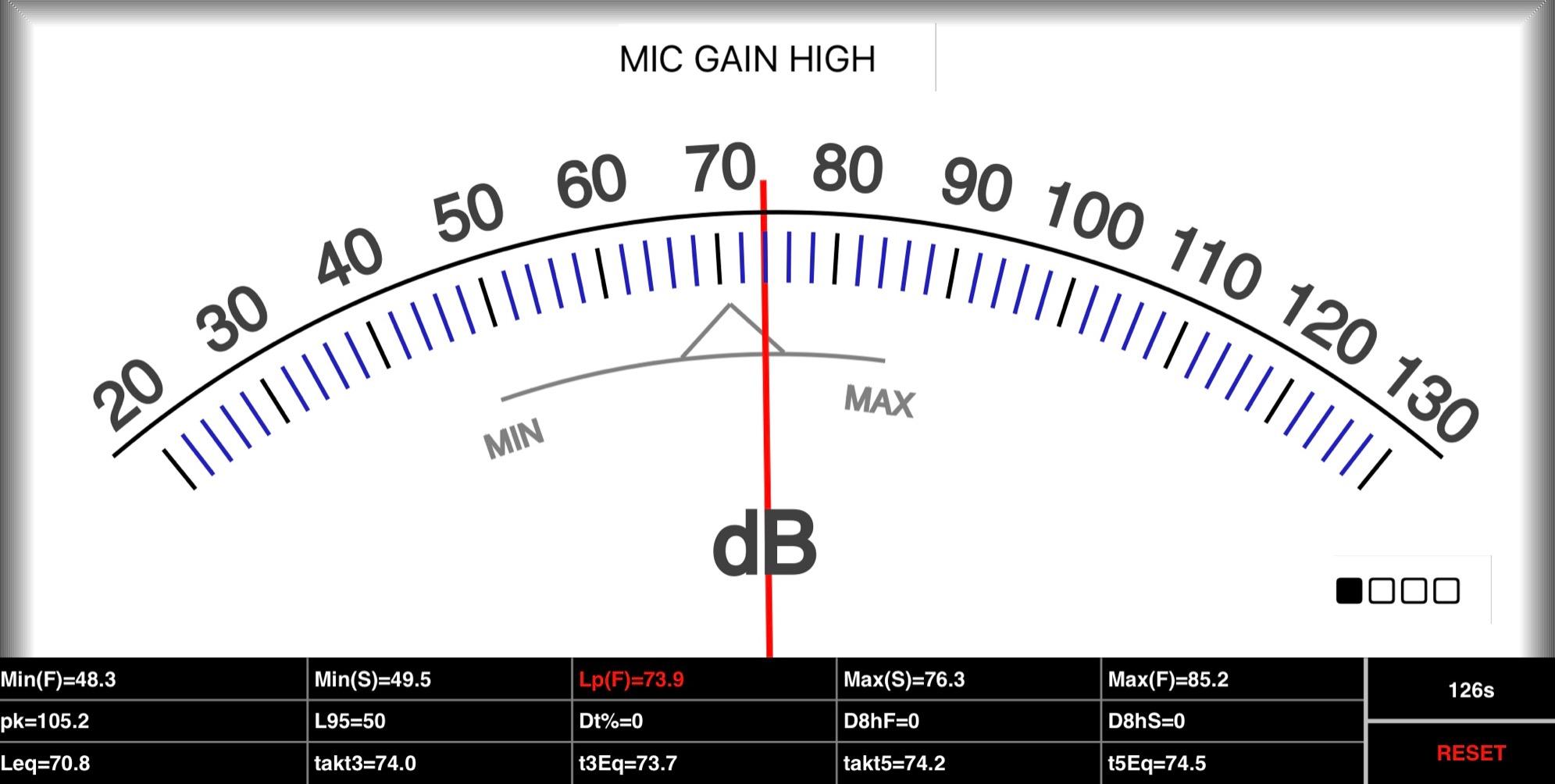
Noise and campground rules. dBA is measured at a specific load and distance, so compare like with like. The 59 dBA Eco Mode figure on the PowerSmart and the 64 dBA at 23 feet on the Champion are the two verifiable low-load numbers here, while the Oxseryn’s 72 dBA is a maximum. Practical noise reduction: place the unit as far from the coach as the cord allows, keep it at ground level rather than in an elevated compartment, put an anti-vibration mat underneath, avoid a full reflective wall between the machine and your neighbours, and never run an AC at night at full fan with the generator outside a bedroom wall.
30 amp versus 50 amp service. A 30 amp RV connection is the common standard and a TT-30R or L5-30R outlet on the generator covers it. A 50 amp coach draws more and pairs with a larger twist-lock; the DuroMax MX2 system is the only one here that offers 120V and 240V output options. If your coach has two air conditioners and you want both running, 50 amp context is the relevant one.
Safety and placement. Carbon monoxide is the reason a CO sensor matters, and four of the machines here have one, including the Champion CO Shield auto shutoff and the GENMAX built-in sensor. Run the generator outdoors, never in a generator compartment that vents into the coach, and never in an enclosed pop-top or under a slide-out. Keep it away from open windows and doors, keep the exhaust pointed away from occupants, and never refuel a hot engine.
Parallel operation. Both the A-iPower and the PowerSmart ship with parallel capability, and the Champion supports it through an optional kit. Linking two inverter machines doubles available output, but you now have two engines to service, two fuel systems to fill and two machines exposed to theft. Good Sam’s ownership diary makes the case that one larger machine is simpler if you can lift it.
Generator versus portable power station. A lithium power station gives you total silence and zero combustion, but the capacity needed for a rooftop air conditioner is large and recharging depends on solar or shore power. Forum consensus is around 1,000 watts of solar as a starting point for AC use, and even that may not be enough. For overnight AC in hot weather, a generator remains the practical answer; for a quiet night with a smaller portable unit, a power station is worth a look. We covered whole-room options in our portable air conditioner guide, bedroom units in our window air conditioner guide, and fixed-duct splits in our mini split air conditioner guide if you are choosing a smaller unit to pair with a compact generator.
High altitude. Air density drops with elevation and a gasoline engine loses roughly 3 percent of its output per 1,000 feet. A 3,000 watt unit that starts an air conditioner comfortably at sea level can struggle in the Tetons or Yellowstone, where owners have reported exactly that. If you camp at elevation, size up rather than assuming the label wattage still applies.
Maintenance. Change the oil after the first 20 to 30 hours and then on the interval in your manual, run a fuel stabiliser if gasoline sits over winter, keep the air filter clean, and check the spark plug annually. A fuel shutoff mechanism, which both WEN models here have, is the single best protection against a gummed carburetor after storage.
Frequently Asked Questions
What size generator is needed to run an RV air conditioner?
A 13,500 BTU rooftop RV air conditioner needs roughly 2,500 to 3,000 running watts and about 3,500 to 4,000 starting watts. Add your refrigerator and battery charging and you should look for a generator rated between 3,400 and 4,000 running watts with a TT-30R or L5-30R outlet. A 15,000 BTU unit or two rooftop air conditioners need 4,500 running watts or more.
Can I run my RV air conditioner with a generator?
Yes, as long as the generator’s running watts cover the compressor’s steady draw and its starting watts cover the startup surge. A rooftop unit on a properly sized portable generator will run all night. If the compressor trips a breaker or the engine bogs the moment the AC starts, the generator is undersized for that unit or has too little starting headroom.
Will a 4000 watt generator run an RV air conditioner?
It depends on whether those 4,000 watts are rated running watts or peak watts. A generator with 3,400 rated watts and 3,800 peak watts, such as the WEN 56380i, handles a 13,500 BTU rooftop unit comfortably. A unit with only 3,000 rated watts will run one rooftop AC but leaves little margin on a hot day.
Can I run my RV AC with a 2000 watt generator?
Not with a 13,500 BTU rooftop unit. A 2,000 watt generator is genuinely workable for a 5,000 to 8,000 BTU window or portable air conditioner plugged through a proper adapter, with plenty of room left for a refrigerator. For a rooftop unit you want at least 3,400 rated watts, and for a 15,000 BTU unit or two air conditioners you want 4,500.
Will a 5000 watt generator run 2 RV AC units?
Only if those are running watts rather than peak watts, and only if other loads stay low. Two rooftop compressors starting together need roughly 4,500 rated watts plus surge capacity. The DuroMax XP5500EH at 4,500 running and 5,500 starting watts is the realistic option here, and the GENMAX GM5500iHD uses a hybrid battery to reach 5,500 peak watts from a smaller engine. Keeping one bedroom door closed also reduces the load.
What is the quietest generator for an RV air conditioner?
Among units with verifiable noise figures, the PowerSmart 3800W dual fuel model is quoted at 59 dBA at 25 percent load in Eco Mode, and the Champion 4000-Watt inverter at 64 dBA from 23 feet. Noise is always rated at a specific load and distance, so compare like with like, and check the rated load rather than the maximum. The enclosed inverter designs are quieter than open-frame units such as the DuroMax and Oxseryn.
How do I make my inverter generator quieter?
Four things help most. Place the generator as far from the coach as your power cord allows, keep it on the ground rather than in an elevated compartment, put a rubber anti-vibration mat underneath it, and avoid positioning a trailer wall or vehicle between the machine and your neighbours. Running in ECO mode at a moderate fan setting instead of high also keeps the engine off full throttle. If you are at a park with a decibel limit, check the current rule before you set up.
What should I look for in a portable generator for a 30 amp RV?
Look for at least 3,400 rated running watts, a native TT-30R or L5-30R RV receptacle so you need no adapter, and a pure sine wave inverter output if you run laptops or other sensitive electronics. A carbon monoxide sensor with auto shutoff is worth having. Check the weight, because you lift this machine into a compartment on every trip, and confirm the half-load runtime matches how long you camp.
Bottom Line: Which Portable RV Generator Should You Buy?
For most 30 amp RVers running a single 13,500 BTU rooftop unit, the WEN 56380i is the pick: 3,400 rated watts, a native TT-30R receptacle, clean inverter power and the highest rating in this roundup at 4.7 across 2,459 reviews. The 99-pound frame is the compromise you accept for that combination of capacity and outlet.
If you need more, the DuroMax XP5500EH at 4,500 running watts is the honest answer for a 50 amp coach or a two-zone setup. If weight decides it, the Champion 4000-Watt at 48.1 pounds handles one rooftop AC with a narrower margin. And if you need to start two compressors at once, the GENMAX GM5500iHD is the only machine here built for it, at the cost of the weakest rating and the shortest track record.
Check your air conditioner’s BTU rating, add your other loads, and buy the running watts rather than the headline peak number. That single habit is the difference between a generator that runs your AC all night and one that does not.