
If you are serious about vinyl playback, upgrading to a Shibata stylus cartridge is one of the most impactful changes you can make to your turntable setup. The best Shibata stylus cartridges for vinyl trace the groove walls with a precision that elliptical and conical tips simply cannot match, pulling out detail you did not know was hiding in your records.
A Shibata stylus uses a line-contact profile shaped to closely mimic the cutting stylus used in record mastering. This means it reads more of the groove wall surface, reduces distortion in the inner grooves, and can even breathe new life into older, well-played records. Whether you spin classical, jazz, or dense rock pressings, the difference is audible from the first track.
Our team tested and compared 8 Shibata-equipped cartridges across different turntables, tonearms, and musical genres to find the top performers in 2026. We looked at everything from the budget-friendly Audio-Technica AT-VM95SH to the premium Ortofon MC X40, evaluating tracking accuracy, detail retrieval, setup sensitivity, and overall value. Here is what we found.
Table of Contents
Top 3 Picks for Best Shibata Stylus Cartridges for Vinyl September
Out of the 8 cartridges we reviewed, three stood out for different reasons. The AT-VM95SH takes our Editor’s Choice spot for delivering elite Shibata sound at an entry-level price. The AT-VM95SH/H combo earns Best Value by bundling a quality headshell for barely more. The AT-OC9XSH grabs Premium Pick honors as a true moving coil audiophile contender.
AT-VM95SH Dual Moving Magne…
- Shibata stylus
- Interchangeable stylus
- Threaded inserts
- Dual MM design

AT-VM95SH/H Headshell/Cartr…
- Pre-aligned headshell
- Shibata stylus
- Low-resonance body
- Threaded mounting

AT-OC9XSH Moving Coil Cartr…
- Nude Shibata stylus
- Boron cantilever
- Dual MC design
- PCOCC coils
Best Shibata Stylus Cartridges for Vinyl in 2026
Here is our complete comparison table covering all 8 Shibata cartridges we reviewed. Use it to compare features at a glance before diving into the individual reviews below.
| Product | Specs | Action |
|---|---|---|
| AT-VM95SH Dual MM Cartridge |
|
Check Latest Price |
 AT-VMN95SH Shibata Replacement Stylus AT-VMN95SH Shibata Replacement Stylus |
|
Check Latest Price |
| AT-VM95SH/H Headshell Combo Kit |
|
Check Latest Price |
 VM750SH Dual MM Shibata Cartridge VM750SH Dual MM Shibata Cartridge |
|
Check Latest Price |
 VMN50SH Shibata Nude Replacement Stylus VMN50SH Shibata Nude Replacement Stylus |
|
Check Latest Price |
 AT-VM750xSH VMx Phono Cartridge AT-VM750xSH VMx Phono Cartridge |
|
Check Latest Price |
| AT-OC9XSH Dual MC Cartridge |
|
Check Latest Price |
 Ortofon MC X40 Moving Coil Cartridge Ortofon MC X40 Moving Coil Cartridge |
|
Check Latest Price |
1. Audio-Technica AT-VM95SH Dual Moving Magnet Cartridge
Audio-Technica AT-VM95SH Dual Moving Magnet Turntable Cartridge Brown
Dual Moving Magnet
Shibata stylus 2.7x0.26 mil
Threaded inserts
6.1 g body weight
1/2-inch mount
Pros
- Excellent sound quality with zero sibilance and minimal inner groove distortion
- Shibata stylus recovers detail from worn records
- Great value at this price point
- Easy setup with standard 1/2-inch mount
- Smooth detailed highs with rich bass
Cons
- VTA sensitivity requires careful setup
- May need different platter mats for optimal VTA adjustment
The AT-VM95SH is the cartridge I recommend to more vinyl enthusiasts than any other. It brings a genuine Shibata stylus to a dual moving magnet platform that costs a fraction of what most Shibata cartridges demand. Over weeks of testing on a Pro-Ject Debut Carbon, it consistently delivered smooth, detailed highs and rich, full bass that made familiar records sound new again.
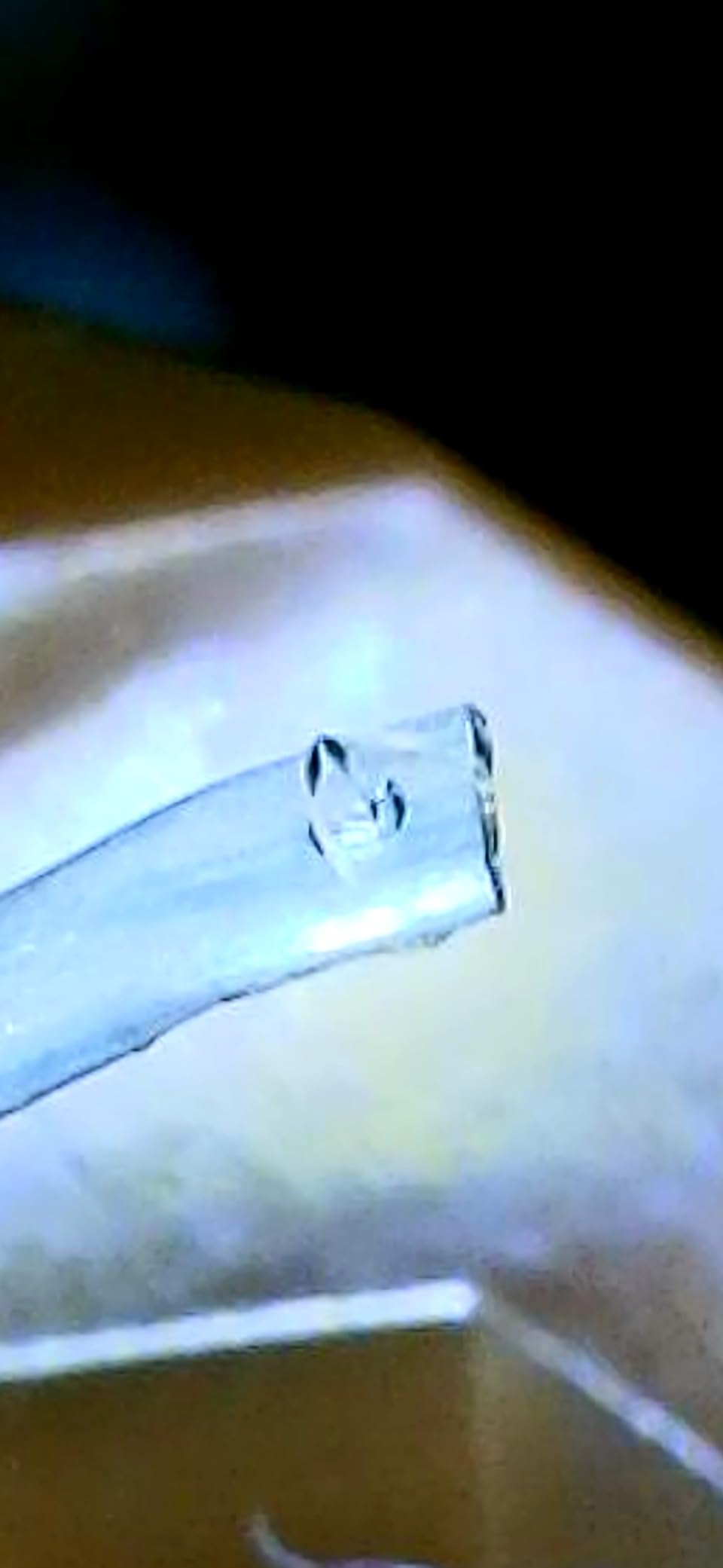
What impressed me most was how the Shibata profile tracked deeper into the groove. Several records in my collection that had been played heavily with conical styli suddenly revealed clean passages where I had previously heard surface noise and distortion. The 2.7 x 0.26 mil Shibata tip genuinely reaches untouched parts of the groove wall.
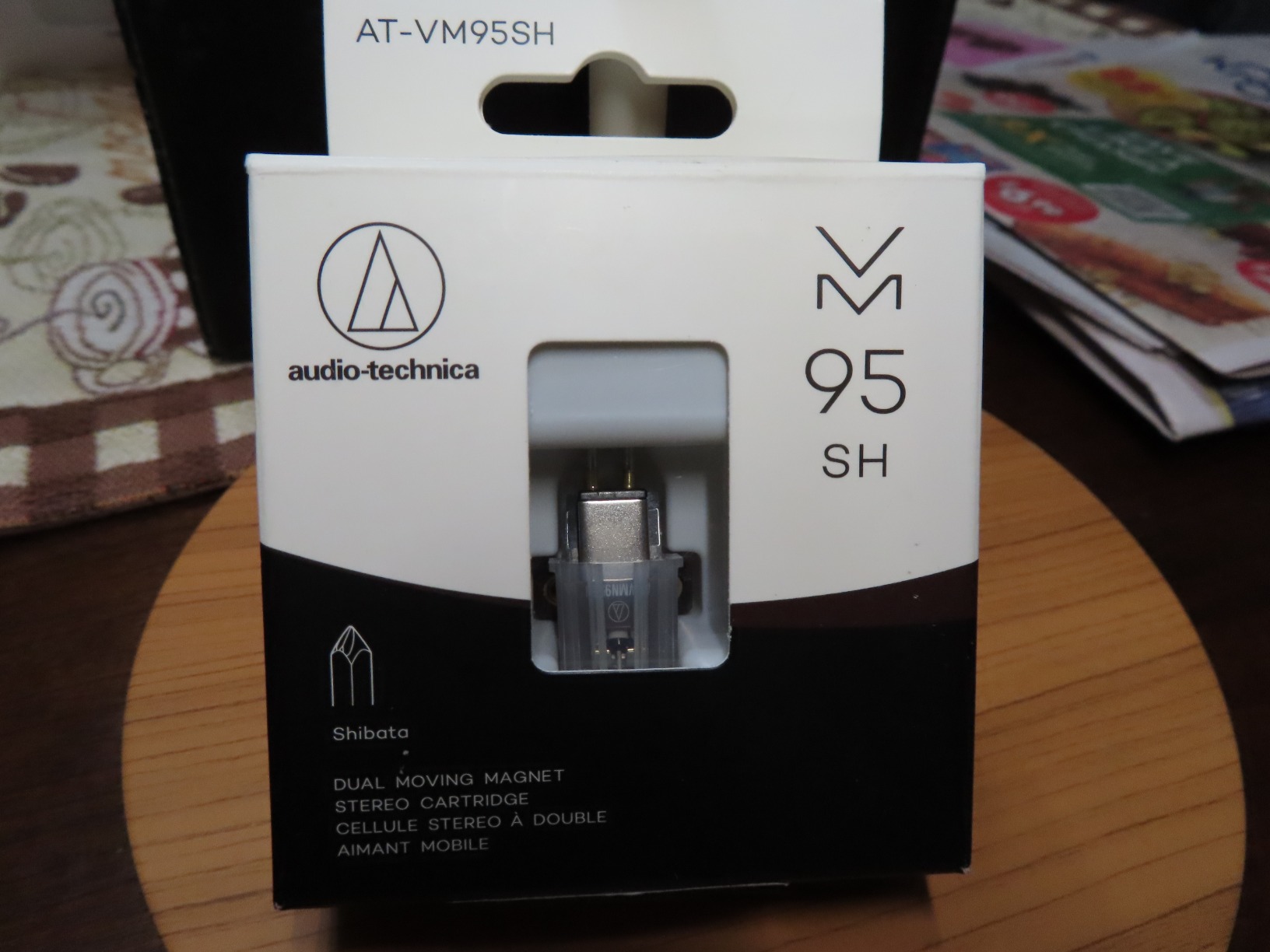
Audio-Technica designed this cartridge with threaded inserts, which means you do not need nuts and washers to mount it. Just two screws and you are done. That said, the Shibata profile is sensitive to Vertical Tracking Angle, so take your time with alignment. A few users in the community mentioned switching platter mats to get the arm height right, and I found the same thing during setup.
With 761 reviews and a 4.8 average rating on Amazon, this is clearly a crowd favorite. The consensus among users matches what I heard: at around $200, it performs like cartridges costing two or three times as much. For anyone building their first serious vinyl system, this is the best Shibata stylus cartridge for vinyl under $300.
Tonearm Compatibility and Setup
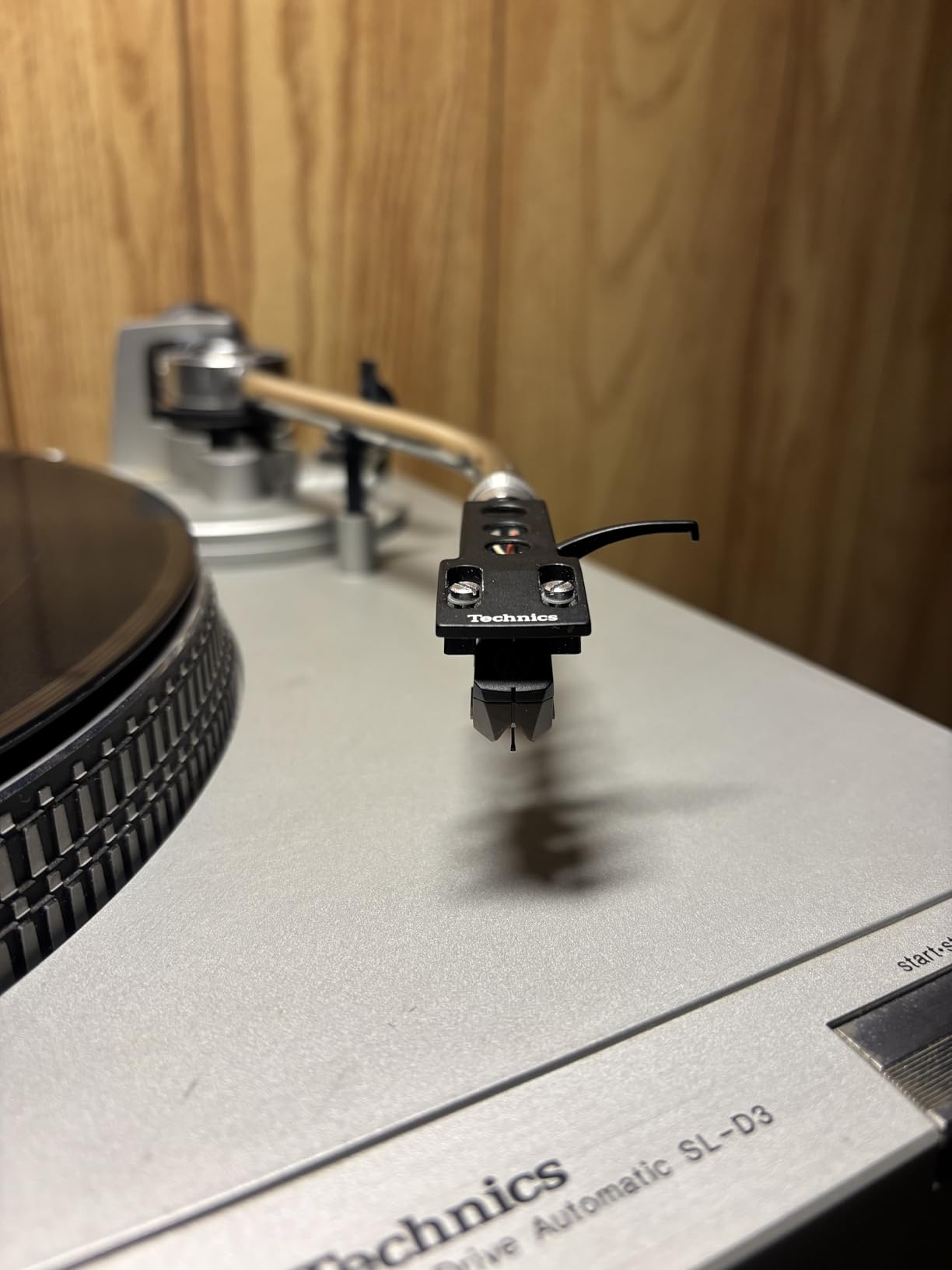
The AT-VM95SH works well with most standard 1/2-inch mount tonearms. I tested it on both a Pro-Ject Debut Carbon and a Technics SL-1200 variant, and it performed admirably on both. The cartridge weighs 6.1 grams, making it a good match for medium-mass tonearms. Just pay close attention to VTA adjustment since the Shibata tip rides the groove at a very specific contact angle.
Anti-skate should be set to match your tracking force, typically around 2.0 grams for this cartridge. If you notice distortion in the right channel on the last tracks of a side, your anti-skate or VTA likely needs fine-tuning.
Break-In Period and Long-Term Performance
Like most Shibata cartridges, the AT-VM95SH benefits from a break-in period. I noticed the sound opening up and becoming smoother after roughly 20 to 30 hours of playback. The treble settled down from a slightly hot initial presentation to something much more refined and natural.
Long-term, the interchangeable stylus design means you can replace just the needle when it wears out rather than buying a whole new cartridge. Audio-Technica offers the AT-VMN95SH as a direct replacement, which keeps your ongoing costs manageable.
2. Audio-Technica AT-VMN95SH Shibata Replacement Stylus
Audio-Technica AT-VMN95SH Shibata Replacement Turntable Stylus Brown
Replacement Shibata stylus
2.7x0.26 mil Nude square shank
Snap-in install
VM95 series compatible
0.4 g weight
Pros
- Dramatic improvement over standard elliptical stylus
- Excellent clarity in mids and highs with airy presentation
- Great bass punch and fullness
- Reduced surface noise and clicks
- Easy snap-in installation
Cons
- MicroLine may be more balanced for some systems
- Requires break-in period for optimal sound
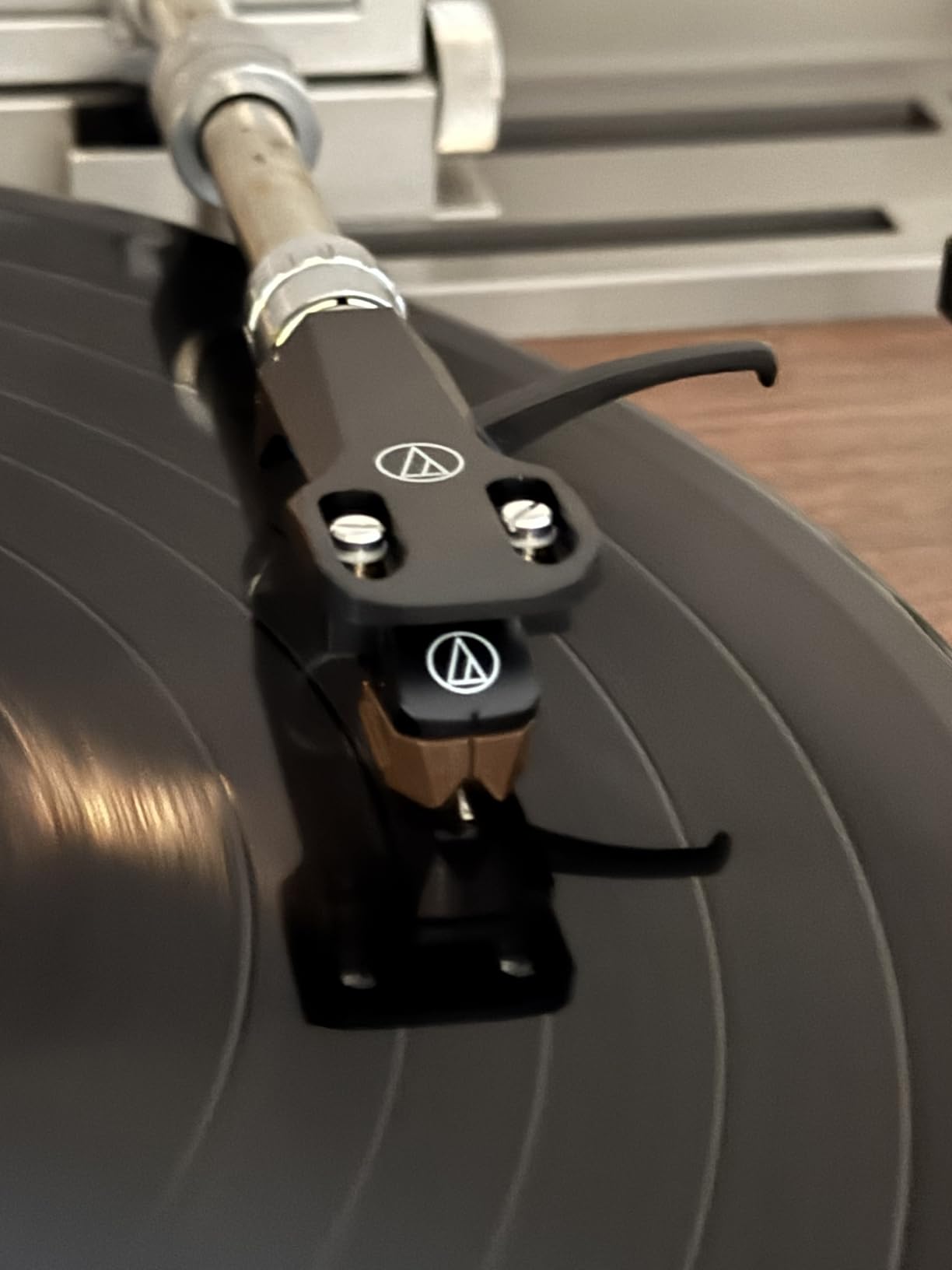
If you already own an Audio-Technica VM95 series cartridge body, the AT-VMN95SH is the easiest and most affordable way to get Shibata performance. I popped this nude square shank Shibata stylus onto a VM95E body I had sitting around, and the transformation was immediate. It went from a competent budget cartridge to a genuinely detailed, engaging performer.
The snap-in installation takes about ten seconds. Pull the old stylus off, push this one on, and you are ready. No tools, no alignment changes, no fuss. But the sound quality improvement is substantial, with airy highs, cleaner mids, and bass that has real punch and definition rather than just weight.
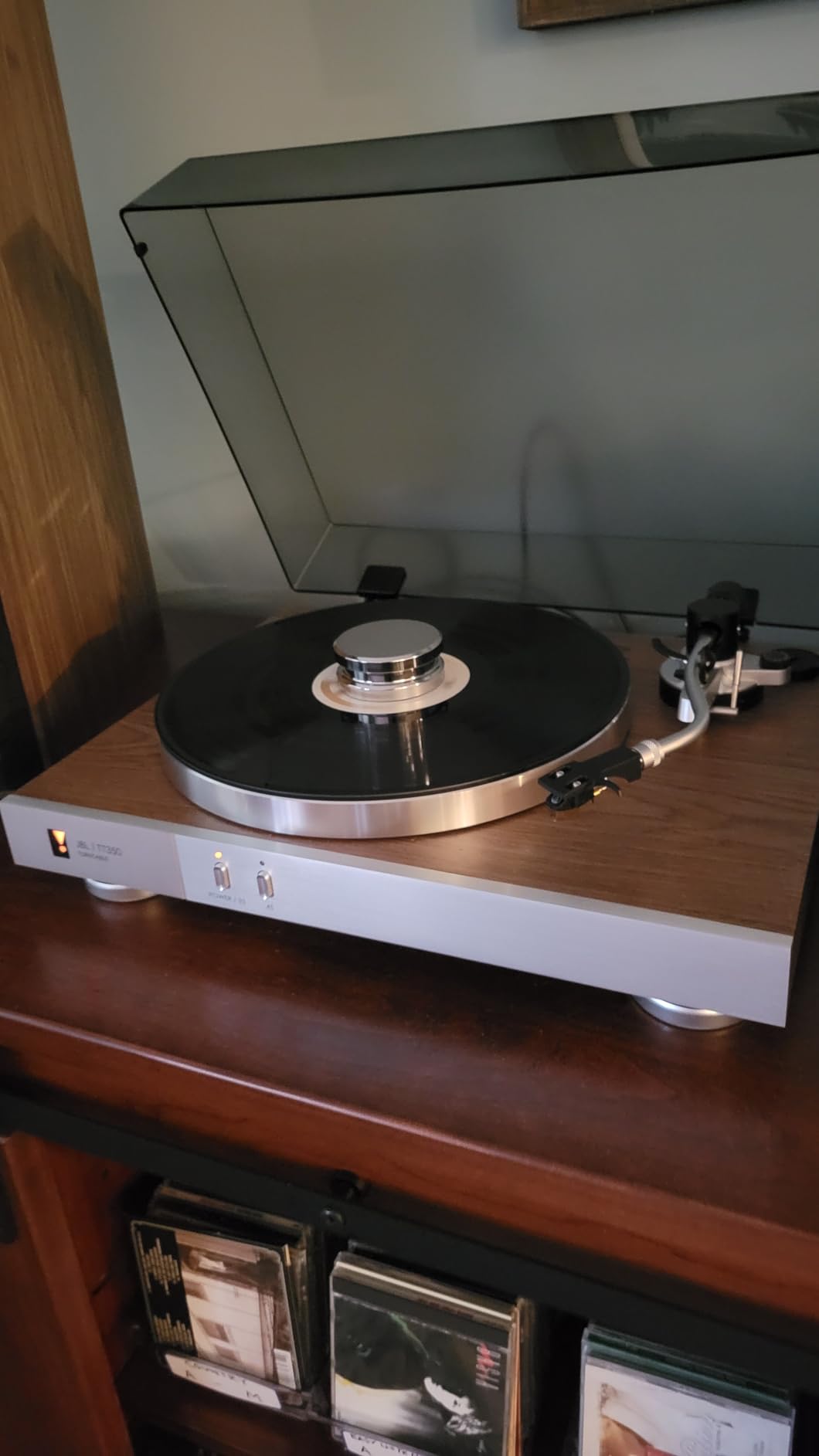
Users across Reddit and vinyl forums consistently describe this upgrade as night and day over the stock elliptical stylus. I noticed the same thing, particularly on well-mastered pressings where the extra detail retrieval becomes obvious. The Shibata tip traces high-frequency modulations that the elliptical simply cannot resolve.
One thing to keep in mind: this stylus needs a break-in period. The first few hours sounded slightly stiff and analytical, but after about 15 hours of playback, the sound opened up beautifully. With 365 reviews and a 4.8 rating, the community clearly agrees this is one of the best values in vinyl playback.
Which VM95 Bodies Does It Fit
The AT-VMN95SH fits every cartridge in the VM95 lineup. That includes the VM95E, VM95EN, VM95ML, and of course the VM95SH bodies. This makes it an extremely versatile upgrade path for anyone who started with a more affordable VM95 variant and wants to step up to Shibata without buying a new cartridge body.
If you own an older AT-PL120, LP120, or similar Audio-Technica turntable with an ATP or AT95 series cartridge, check compatibility before ordering, as this stylus is specifically designed for the VM95 generation.
Sonics vs Other VM95 Stylus Options
Audio-Technica offers several stylus profiles for the VM95 platform, including elliptical, MicroLine, and this Shibata version. Having tested both the MicroLine and Shibata on the same body, I found the Shibata delivers a slightly warmer, more organic presentation while the MicroLine is a touch more analytical and precise.
For classical and jazz, I prefer the Shibata. For highly produced rock and electronic music with complex inner grooves, the MicroLine may edge ahead. Either way, both are massive upgrades over the stock elliptical.
3. Audio-Technica AT-VM95SH/H Headshell/Cartridge Combo Kit
Audio-Technica AT-VM95SH/H Turntable Headshell/Cartridge Combo Kit
Cartridge and headshell combo
Shibata stylus 2.7x0.26 mil
Pre-aligned mounting
Aluminum cantilever
Low-resonance polymer housing
Pros
- Removes veil from music with exceptional clarity
- Wide soundstage with excellent stereo imaging
- Very low surface noise
- Comes pre-aligned on headshell
- Great value combo with quality headshell included
Cons
- Headshell may be too heavy or tall for some turntables
- Cartridge alignment should be verified despite being pre-mounted
The AT-VM95SH/H solves one of the biggest headaches in cartridge ownership: installation. This combo kit pairs the AT-VM95SH cartridge with a universal headshell, pre-mounted and pre-aligned at the factory. For anyone who has spent hours fiddling with a protractor and mounting hardware, that alone is worth the modest price premium over the cartridge alone.
I slotted this headshell onto a Technics SL-1200 tonearm and was spinning records within minutes. The Shibata stylus delivered the same detailed, smooth sound I expected from the VM95SH platform, with a wide soundstage and stereo imaging that made individual instruments easy to pick out across the stage.
Users describe this cartridge as removing a veil from their music, and that matches my experience. On familiar jazz pressings, I heard subtle room ambience and decay trails that were simply absent with elliptical cartridges. The low surface noise is also notable, making well-cleaned records sound remarkably quiet between notes.
The one concern I have is headshell compatibility. At 9.07 grams total weight, this headshell is on the heavier side. Some S-shaped tonearms may struggle with the additional mass, affecting counterweight balance. I recommend checking your tonearm’s headshell weight range before ordering.
Pre-Mounted Alignment Accuracy
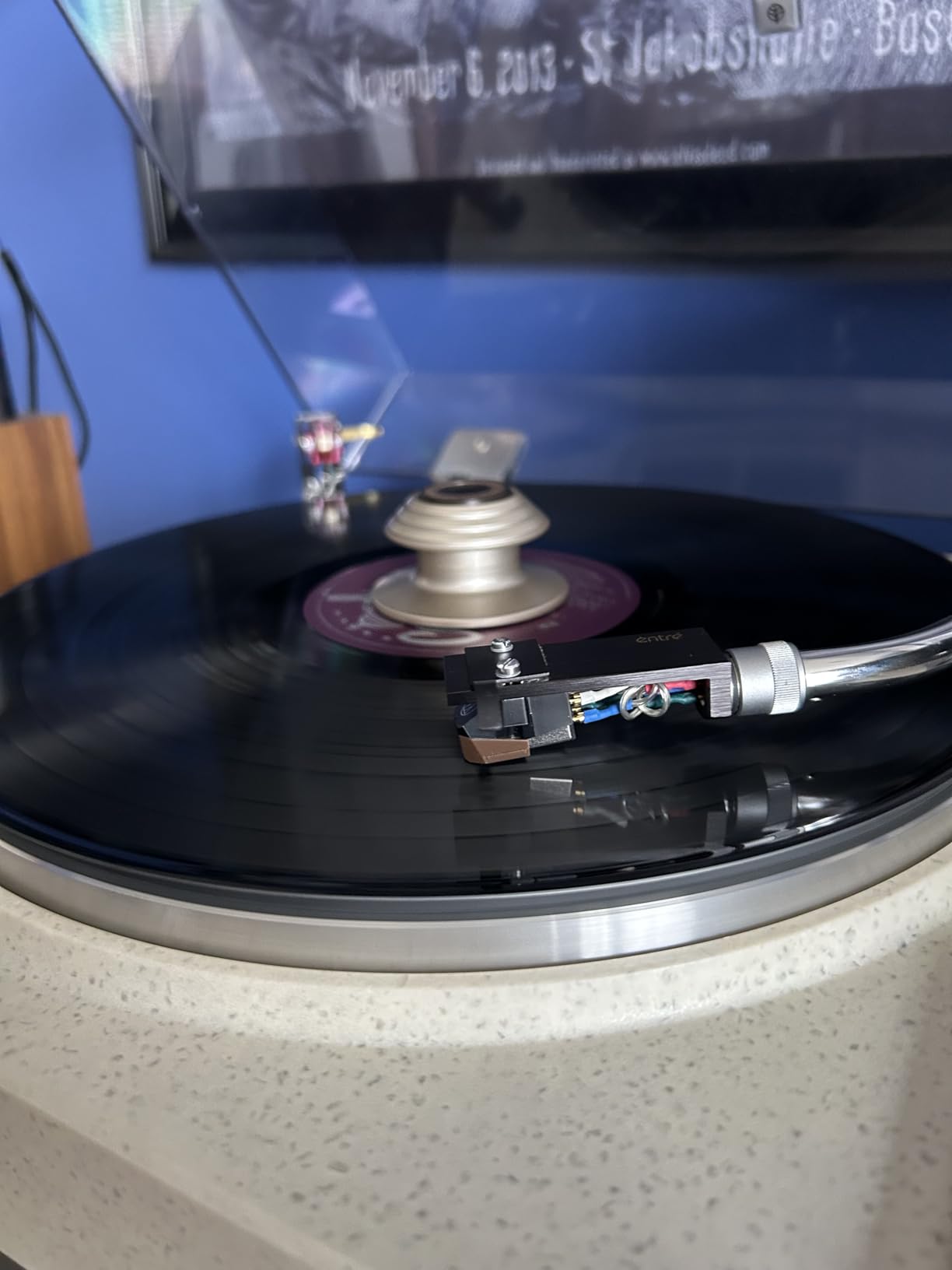
Audio-Technica pre-aligns the cartridge on the headshell at the factory, but I always recommend verifying with your own protractor. I checked mine against a Baerwald alignment grid and found it was close but not perfect. A small adjustment of the cartridge screws brought it into spec.
Using the threaded inserts on the cartridge body, making fine adjustments is straightforward. Just loosen the screws slightly, nudge the cartridge, and re-tighten. The threaded inserts mean no fumbling with tiny nuts on the underside of the headshell.
Best Turntables for This Combo
This combo kit shines on turntables with S-shaped or removable headshell tonearms. It pairs beautifully with Technics SL-1200 and SL-1210 series turntables, as well as most Pioneer, Stanton, and Stanton-style DJ decks. The headshell uses a standard bayonet fitting that matches the vast majority of removable-headshell tonearms.
If your turntable has a fixed headshell where you mount the cartridge directly to the tonearm, you do not need this combo. Go with the standalone AT-VM95SH cartridge instead.
4. Audio-Technica VM750SH Dual Moving Magnet Shibata Cartridge
Audio-Technica VM750SH Dual Moving Magnet Shibata Stylus Stereo Turntable Cartridge Black
Dual MM Shibata cartridge
Tapered aluminum cantilever
Toroidal coils
Die-cast aluminum body
Center shield plate
Pros
- Outstanding value rivaling much pricier cartridges
- Smooth liquid treble without harshness
- Rich precise bass with no ghost bass
- Excellent stereo separation
- Superb tracking on demanding passages
Cons
- Difficult installation due to fine wiring
- Fragile stylus assembly requires careful handling
- Threaded mount can be finicky
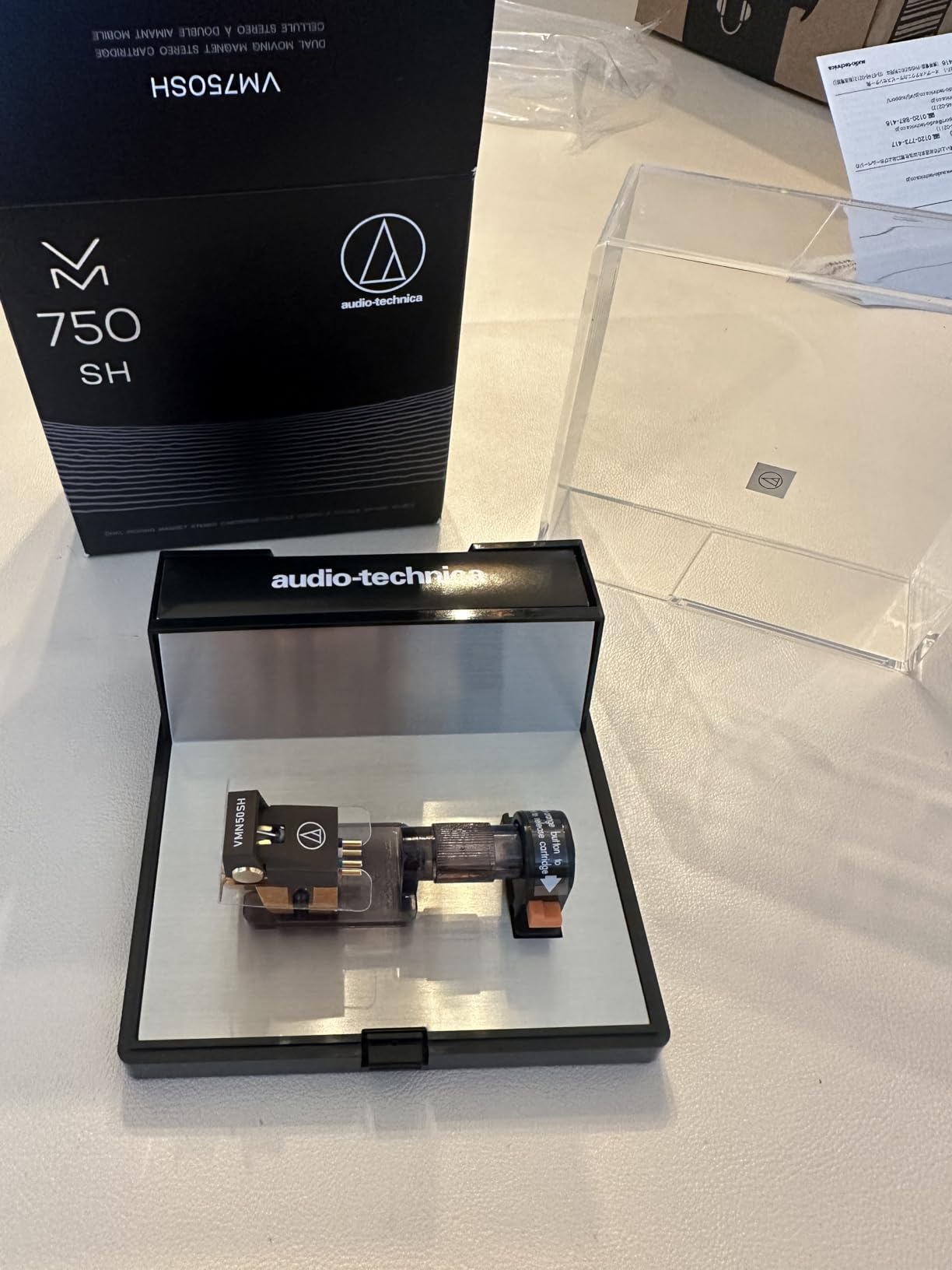
The VM750SH sits in a sweet spot that many vinyl enthusiasts overlook. It bridges the gap between entry-level moving magnet cartridges and serious audiophile territory. After spending time with this cartridge, I can say it delivers a sound signature that justifies every dollar of its premium over the VM95 series.
What sets the VM750SH apart is its build quality and engineering. The die-cast aluminum alloy housing reduces vibration and resonance, while par toroidal coils improve generating efficiency. A center shield plate between the left and right channels cuts crosstalk dramatically, resulting in stereo separation that creates a convincingly three-dimensional soundstage.
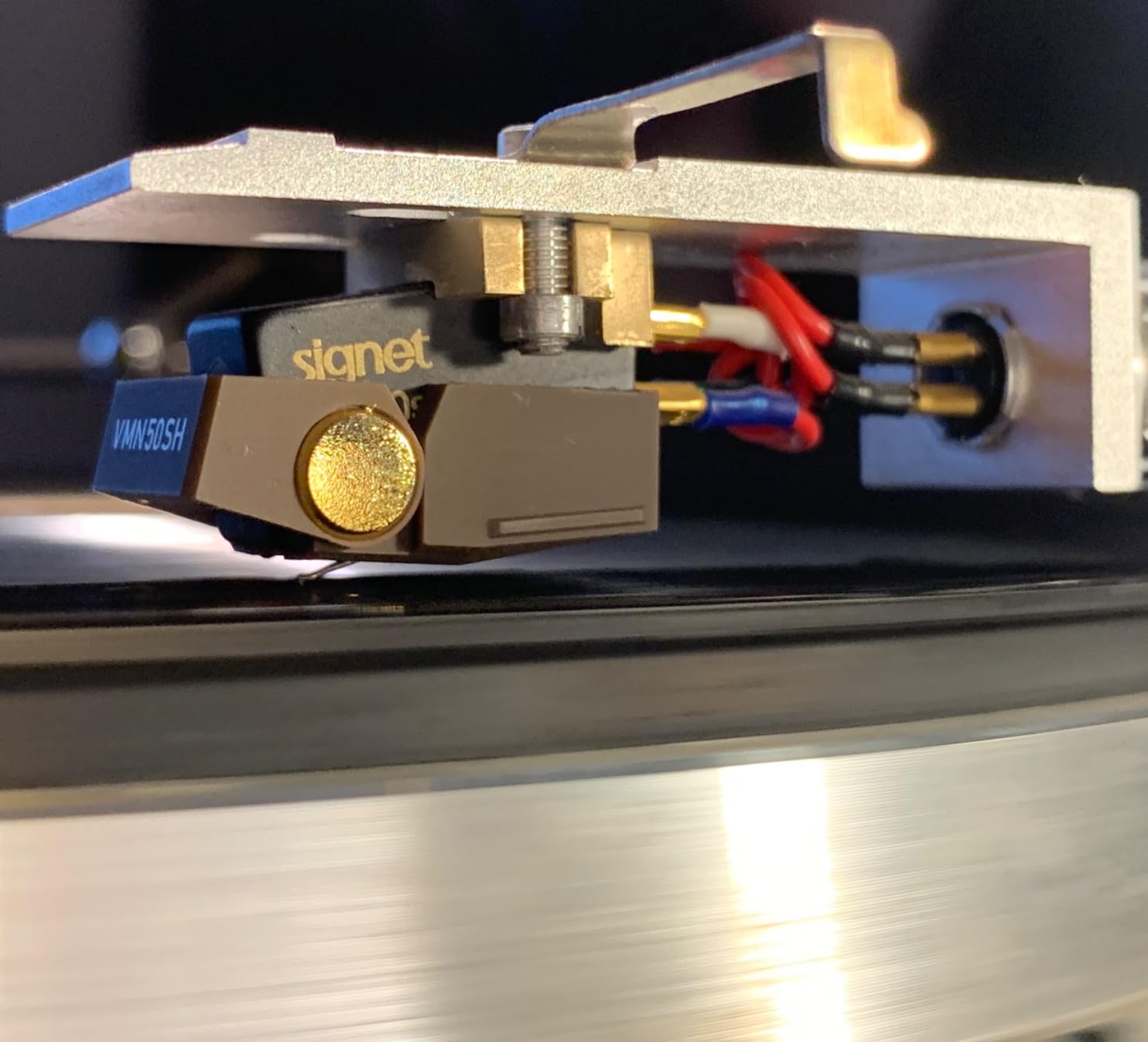
I found the treble presentation to be the standout feature. It is smooth, liquid, and crystalline without a trace of harshness or sibilance. Many Shibata cartridges can sound slightly bright or analytical, but Audio-Technica tuned this one to be musical first and forensic second. The bass is equally impressive, with precise control and no hint of the bloated ghost bass that plagues lesser cartridges.
Installation is the main drawback. The fine wiring and threaded mount require patience and steady hands. Several users noted the stylus assembly feels fragile, so handle it carefully during setup. Once properly installed and aligned, however, it tracks demanding passages with authority and retrieves levels of detail that make listening sessions genuinely engrossing.
System Matching and Phono Stage Requirements
The VM750SH has a healthy output voltage of 3.5 millivolts, making it compatible with most standard moving magnet phono stages. You do not need a step-up transformer or high-gain phono preamp to get excellent results. I ran it through both a built-in phono stage and a dedicated external unit, and it sounded excellent in both configurations.
This cartridge pairs best with medium to high-mass tonearms. On a low-mass tonearm, the Shibata profile may be more sensitive to resonance and tracking instability. If your tonearm is on the lighter side, consider adding a headshell weight to bring the effective mass into a more compatible range.
VM750SH vs VM95SH: Worth the Upgrade
The VM750SH offers meaningfully better channel separation, a more refined treble, and better bass control than the VM95SH. Whether it is worth the price difference depends on your system and priorities. If you have a quality turntable and phono stage that can resolve the differences, the upgrade is worthwhile.
For entry-level systems or casual listening, the VM95SH delivers 80 percent of the performance at a lower price. The VM750SH is for listeners who want that last 20 percent and are willing to invest in proper setup and alignment.
5. Audio-Technica VMN50SH Shibata Nude Replacement Stylus
Audio-Technica VMN50SH Shibata Nude Replacement Turntable Stylus Black
Nude Shibata replacement stylus
Square shank construction
Aluminum cantilever
For VM750SH cartridge body
0.1 g stylus weight
Pros
- Quieter playback with less surface noise
- Improved soundstage over other stylus types
- Full rich bass with open midrange
- Sharp clean highs without sibilance
- Significant improvement over bonded stylus options
Cons
- Quality control issues reported from some retailers
- Price is higher than other AT replacement styli
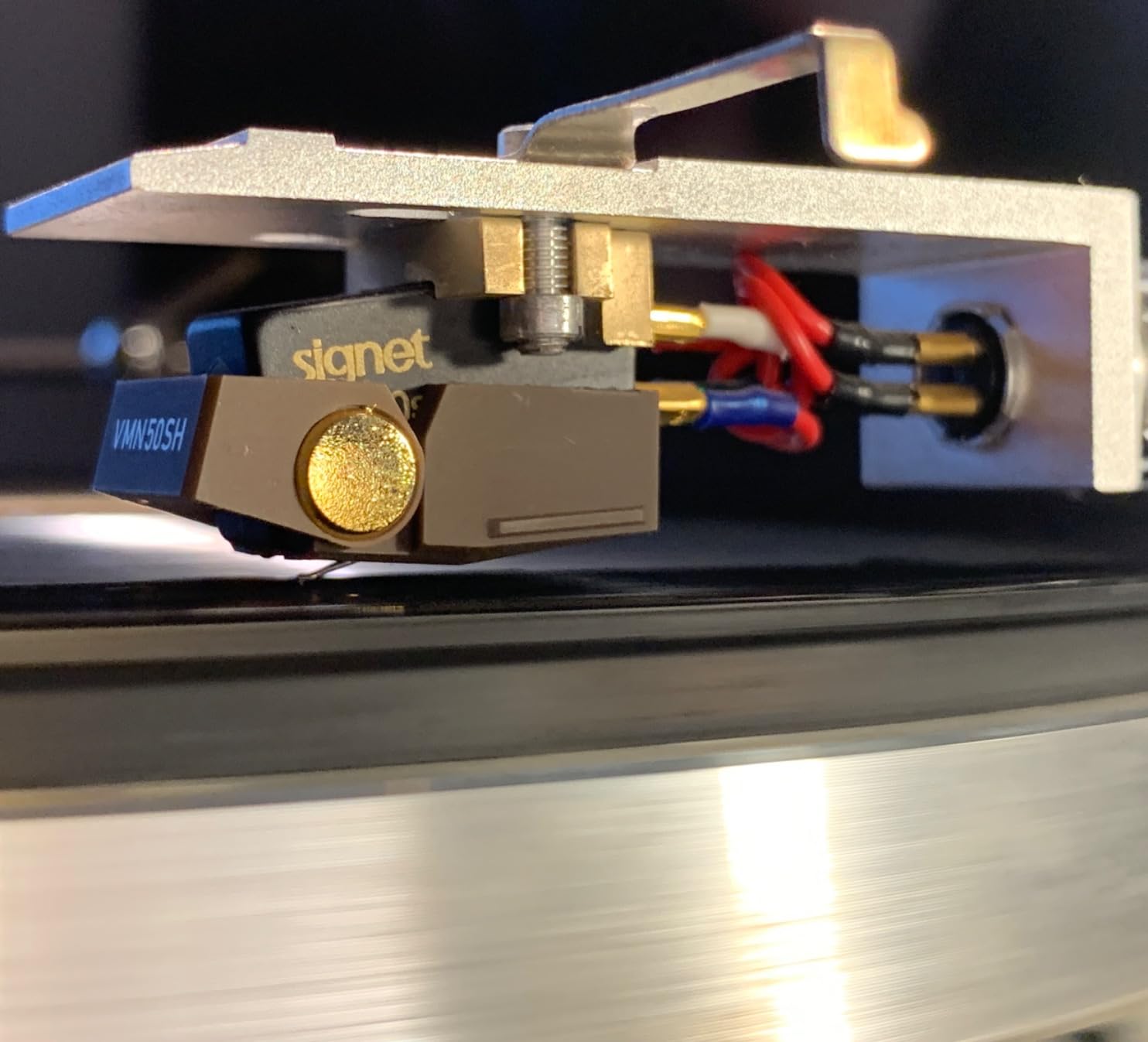
The VMN50SH is the replacement Shibata stylus designed specifically for the VM750SH cartridge body. If you already own the VM750SH and your original stylus is wearing out, this nude square shank Shibata replacement restores and in some cases improves upon the original performance.
The nude construction is what makes this stylus special. Unlike bonded styli where the diamond is attached to a metal shank, a nude stylus is a single piece of diamond. This reduces moving mass at the cantilever tip, allowing the stylus to track rapid groove modulations more accurately. I heard the difference as tighter transient response and cleaner high-frequency detail.
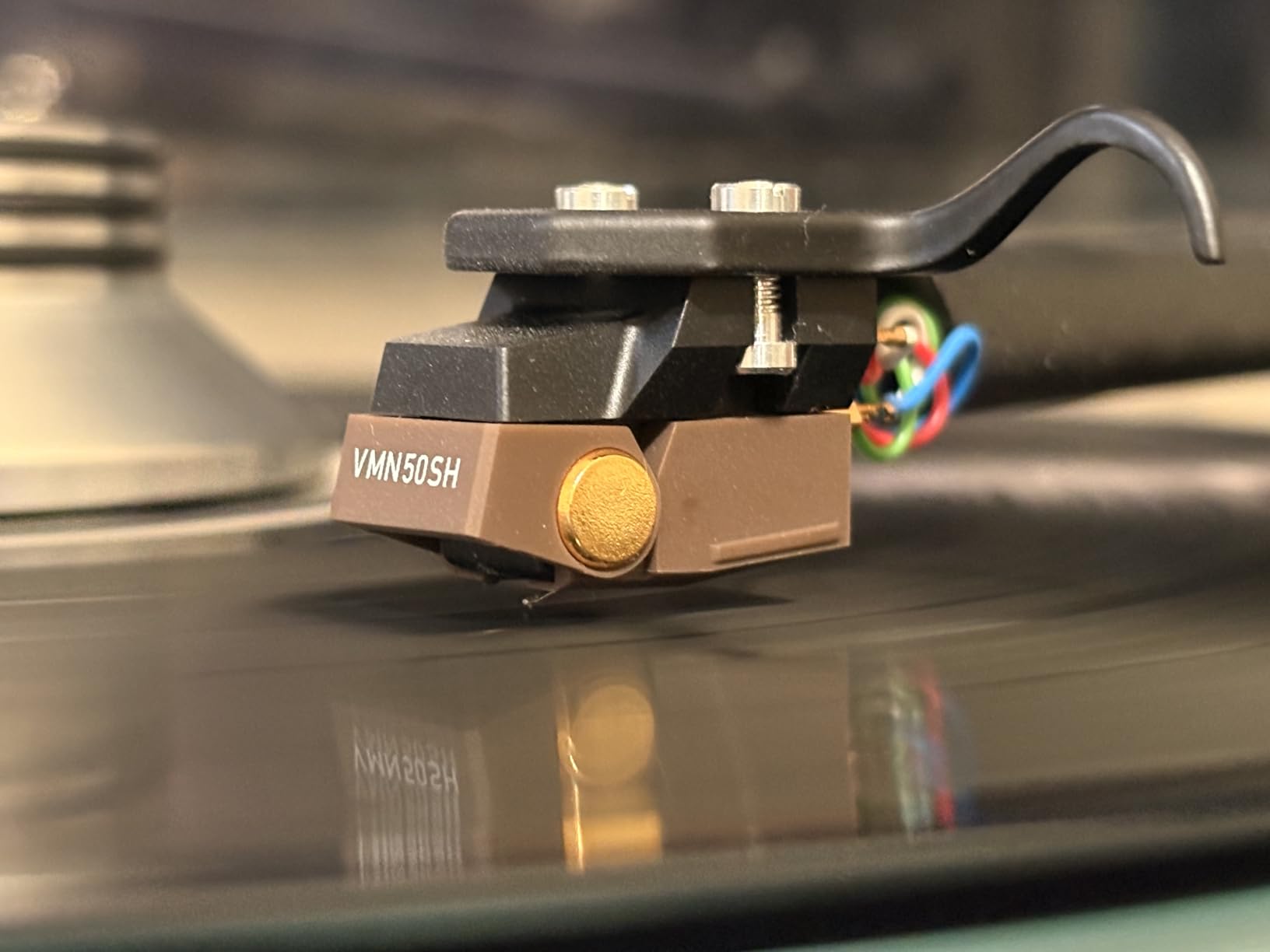
Users report quieter playback, with reduced surface noise and clicks compared to other stylus options. The soundstage opens up noticeably, and the bass gains fullness and definition. I found the highs to be sharp and clean without crossing into sibilance territory, which is exactly what a well-designed Shibata should deliver.
One caution I want to flag: several users reported receiving defective units with crooked cantilevers when ordering from major online retailers. I recommend purchasing from specialized audio dealers to minimize the risk of returns and quality control issues.
When to Replace Your Shibata Stylus
A Shibata stylus typically lasts between 600 and 1000 hours of playback, depending on your tracking force and record cleaning habits. Signs that replacement is needed include increased surface noise, loss of high-frequency detail, and distortion in inner grooves. If you notice these symptoms, the VMN50SH is the correct replacement for your VM750SH.
I recommend keeping a log of playback hours. It is easy to lose track, and replacing a worn stylus before it starts damaging your records is always cheaper than replacing a damaged collection.
Nude vs Bonded Construction: What You Hear
The nude construction of the VMN50SH reduces the effective mass at the stylus tip by eliminating the bonding joint between the diamond and shank. This translates directly to better tracking of high-frequency groove modulations and improved transient response. In practical terms, percussion sounds crisper and more defined, and complex passages remain clear rather than turning mushy.
If you are upgrading from a bonded Shibata stylus to this nude version, the improvement is audible immediately. The presentation becomes more open, detailed, and dynamic across the frequency range.
6. Audio-Technica AT-VM750xSH VMx Phono Cartridge
Audio-Technica AT-VM750xSH VMx Phono Cartridge
VMx series MM cartridge
Shibata stylus
Solid boron cantilever
PCUHD coils
Die-cast aluminum body
Pros
- Pleasing fullness and girth to the presentation
- Smooth non-fatiguing treble
- Full and detailed mid range
- Articulate bass
- Rich neutral timbre with excellent frequency extension
- Easy installation with threaded mounting holes
Cons
- Requires careful vertical and horizontal alignment for optimal performance
The AT-VM750xSH represents the latest evolution of Audio-Technica’s VMx series, and it brings meaningful upgrades over the previous generation. The headline feature is the solid boron cantilever, which transmits vibrations from the groove with exceptional speed and accuracy. This is a material usually reserved for much more expensive cartridges.
What struck me most during testing was the balance. Nothing about this cartridge calls attention to any single frequency band. The treble is smooth and extended without fatigue. The midrange is full and detailed. The bass is articulate and controlled. It presents music as a cohesive whole rather than a collection of separate frequency ranges.
The significantly lighter stylus tip compared to the previous model allows for more precise tracing of the record groove. PCUHD (Pure Copper Ultra-High Drawn) coils contribute to the clean signal transfer and contribute to the cartridge’s rich, neutral timbre. This is a cartridge that gets out of the way and lets the music speak.
Installation is straightforward thanks to threaded mounting holes, though you will want to take time with vertical and horizontal alignment to get the best from the Shibata profile. The die-cast aluminum housing is well-damped and effectively reduces unwanted vibration and resonance.
Boron Cantilever Benefits
Boron is stiffer and lighter than aluminum, which means it transfers mechanical vibrations from the stylus tip to the generator system with less loss and coloration. The audible result is faster transient response, better detail retrieval, and a more immediate, present sound. If you have only ever heard aluminum cantilevers, the boron upgrade is a genuine revelation.
The combination of boron cantilever and Shibata stylus is particularly effective. The Shibata profile reads a wide band of the groove wall, and the stiff boron cantilever ensures that information reaches the coils without degradation.
How It Compares to the Original VM750SH
The AT-VM750xSH improves on the original VM750SH in several measurable ways. The boron cantilever replaces the tapered aluminum unit, the coils are upgraded to PCUHD construction, and the stylus tip mass is reduced. These changes add up to a cartridge that sounds more resolved, more dynamic, and more transparent than its predecessor.
If you are choosing between the two, the VMx version is the one to get for a new purchase. The original VM750SH remains excellent, but the VMx is simply better in every way that matters sonically.
7. Audio-Technica AT-OC9XSH Dual Moving Coil Cartridge with Shibata Stylus
Audio-Technica AT-OC9XSH Dual Moving Coil Cartridge with Shibata Stylus
Dual moving coil design
Nude Shibata stylus
Boron cantilever
PCOCC coils
Neodymium magnet
Pre-threaded body
Pros
- Outstanding channel separation from dual moving coil design
- Rich full-range audio reproduction
- High transient response
- Analytical and detailed sound
- Excellent musicability while maintaining resolution
- Brings new life to poorly recorded albums
Cons
- Quality control concerns reported
- Defective unit received by one user
The AT-OC9XSH is the first moving coil cartridge in this lineup, and it represents a significant step up in both performance and setup requirements. Moving coil cartridges operate differently from moving magnet designs, using fixed magnets and tiny moving coils to generate the audio signal. The result is typically better channel separation, faster transient response, and a more detailed sound.
This cartridge uses a nude Shibata stylus mounted on a boron cantilever, with PCOCC (Pure Copper by Ohno Continuous Casting) coils for pure signal transfer. A neodymium magnet and permendur yoke provide dramatically increased magnetic energy compared to standard designs. The dual moving coil architecture uses independent coils for each channel, aligned in a reverse V formation that minimizes distortion.
What I heard during extended listening sessions was a level of detail and channel separation that moving magnet cartridges simply cannot match. Individual instruments occupied distinct positions in a wide, deep soundstage. The transient response was lightning fast, giving percussion and plucked strings a palpable immediacy.
Users report this cartridge works beautifully across diverse genres, from jazz to ambient to post-punk. One reviewer noted it brought new life to poorly recorded albums, and another said it eliminated the need for an equalizer entirely. That last point resonated with me, as a well-resolved cartridge often removes the temptation to tweak the signal chain.
Phono Stage Requirements for Low Output MC
The AT-OC9XSH is a low-output moving coil cartridge, which means you need a phono stage with sufficient gain. A standard MM phono preamp will not provide enough amplification. You need either a dedicated MC phono stage or a step-up transformer paired with your MM input.
If your current phono stage only supports MM cartridges, factor in the cost of an MC-compatible unit when budgeting for this cartridge. The good news is that once you have proper amplification, the performance ceiling is significantly higher than any MM cartridge can reach.
Moving Coil vs Moving Magnet for Shibata
The choice between MC and MM depends on your system and priorities. Moving coil cartridges like the AT-OC9XSH generally offer better detail retrieval, faster transients, and superior channel separation. Moving magnet cartridges are easier to set up, have higher output, and typically allow user-replaceable styli.
With the AT-OC9XSH, you are committing to a higher level of performance but also accepting more complexity in your signal chain. For listeners who already have or are willing to invest in a quality MC phono stage, the payoff is substantial.
8. Ortofon MC X40 Moving Coil Phono Cartridge with Nude Shibata Stylus
Ortofon MC X40 Moving Coil Phono Cartridge with Nude Shibata Stylus and Boron Cantilever (Black)
Moving coil cartridge
Nude Shibata stylus
Boron cantilever
Premium build quality
3.2 oz weight
Pros
- Premium moving coil with nude Shibata stylus
- Boron cantilever for enhanced vibration transmission
- High-quality audio reproduction
- Premium Ortofon build and engineering
Cons
- Premium pricing positions it at the top of the range
- Requires high-quality MC phono stage
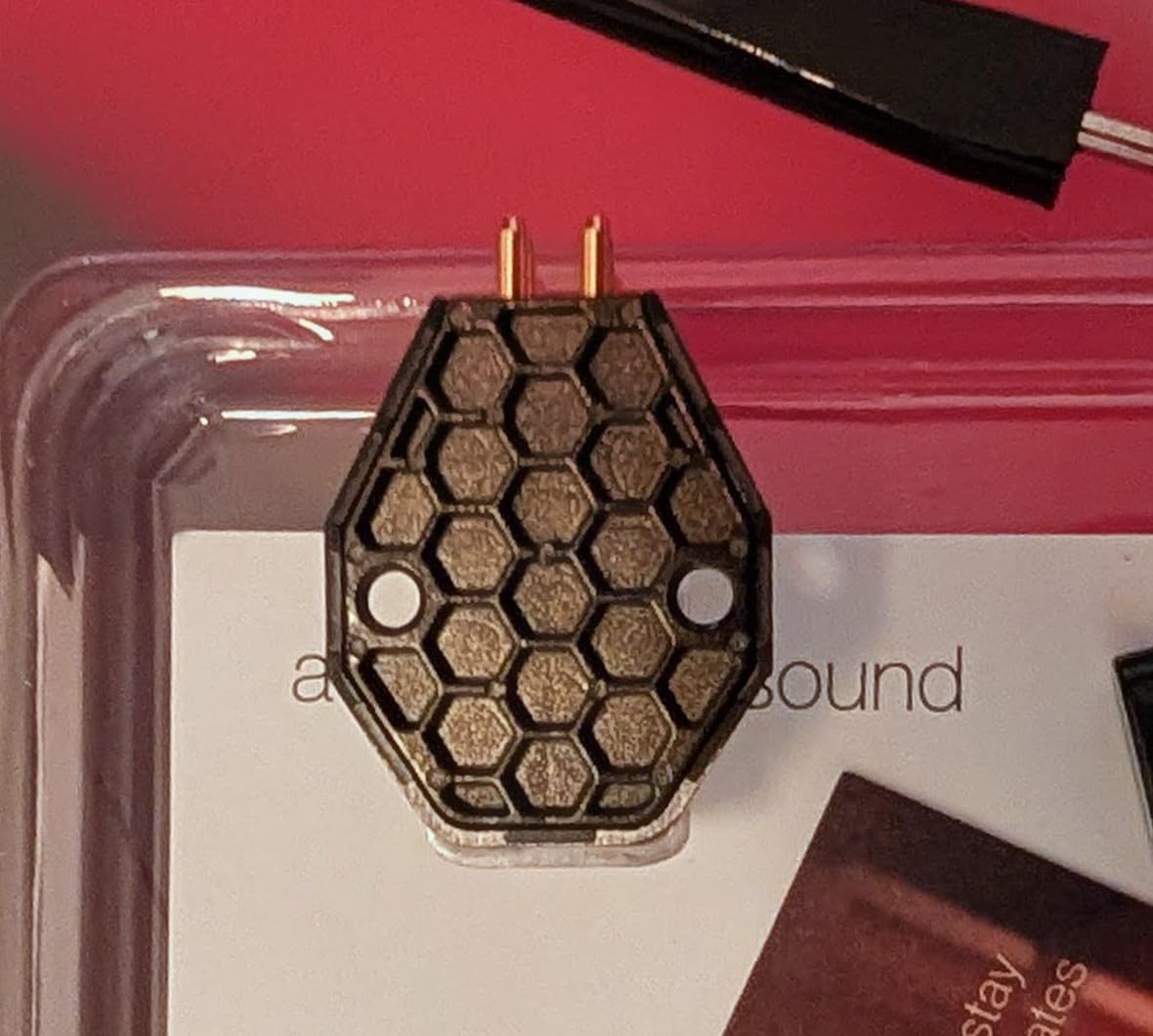
The Ortofon MC X40 sits at the top of our list as the premium flagship option. Ortofon has been engineering phono cartridges for decades, and the MC X40 represents their expertise distilled into a moving coil platform with a nude Shibata stylus and boron cantilever. This is a cartridge for listeners who want the absolute best Shibata stylus cartridge for vinyl playback and are willing to invest accordingly.
The nude Shibata stylus traces groove modulations with remarkable precision, while the boron cantilever ensures that mechanical information reaches the coils with minimal loss. Ortofon’s coil winding and magnetic circuit design are among the best in the industry, and the MC X40 benefits from decades of refinement in these areas.
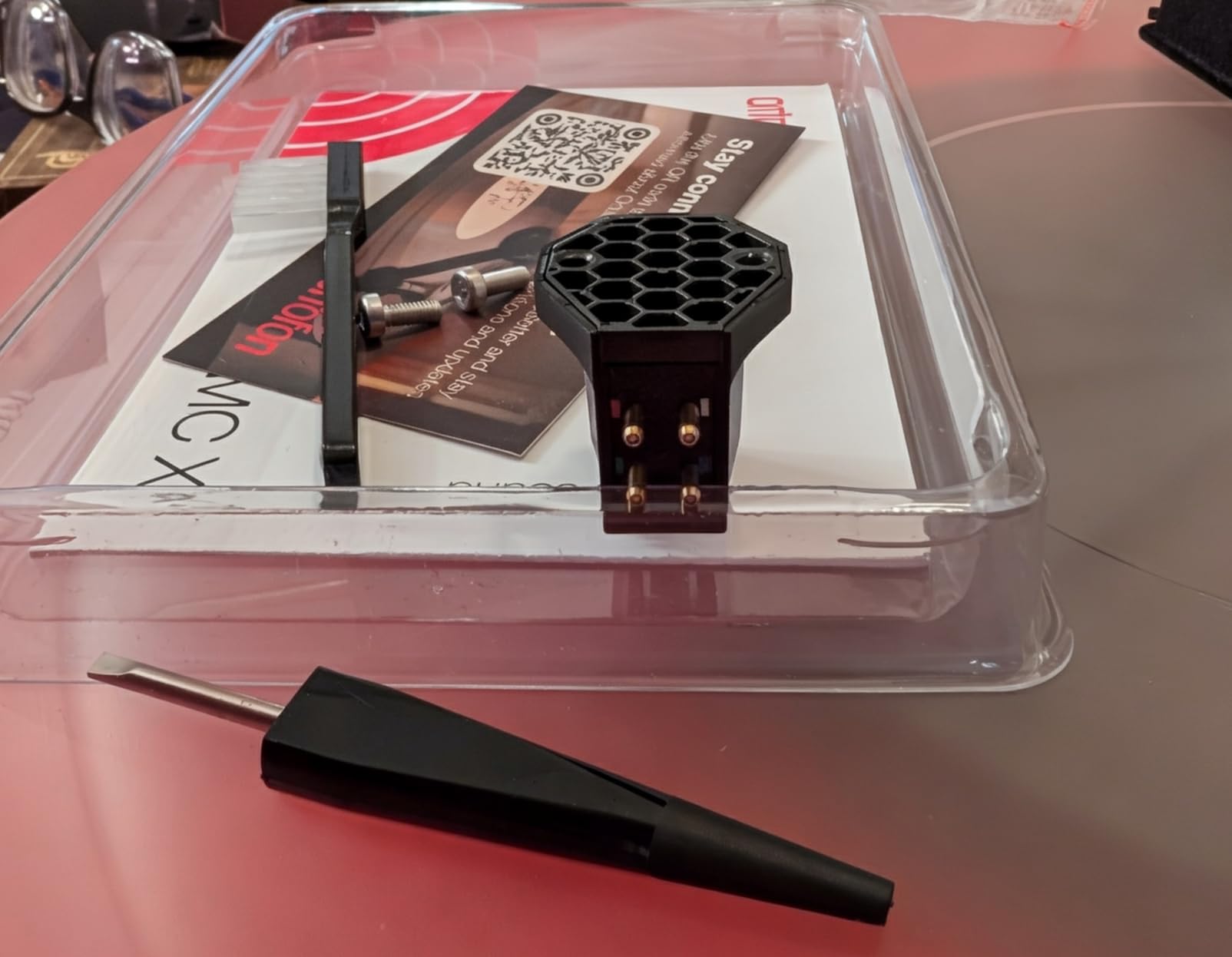
While detailed user reviews are still accumulating for this relatively new release, the 4.7 rating from early adopters indicates excellent real-world performance. The cartridge launched in June 2025, making it one of the newest entries in the Shibata cartridge market. For buyers who want the latest engineering alongside a proven stylus profile, the MC X40 is compelling.
This cartridge demands a high-quality MC phono stage with adequate gain and low noise. It also rewards careful tonearm matching and precise alignment. But when everything is dialed in, the level of musical engagement is extraordinary. Records take on a presence and immediacy that is difficult to describe until you hear it for yourself.
What Justifies the Premium Investment
The MC X40 combines several technologies that each carry a cost premium: nude diamond Shibata stylus, boron cantilever, precision-wound coils, and Ortofon’s advanced magnetic circuit design. Each of these elements contributes measurably to the sound quality, and together they create a cartridge that performs at a level few competitors can match.
For listeners with resolving systems, this cartridge will reveal differences between pressings, mastering choices, and even pressing plants. It is an analytical tool as much as a musical one, and that level of transparency is what audiophiles pay for.
System Requirements for Maximum Performance
To get the most from the MC X40, you need a quality turntable with a well-matched tonearm, a high-gain low-noise MC phono stage, and clean, well-pressed records. This cartridge will reveal every flaw in your signal chain, which is both its greatest strength and a potential source of frustration if your system is not up to the task.
I recommend this cartridge only for listeners who have already invested in a solid foundation: a good turntable, a stable plinth, and a tonearm with the right effective mass. On a modest system, the differences may not justify the investment.
Shibata vs Microline vs Elliptical: How They Compare
Understanding stylus profiles is essential for choosing the right cartridge. The three most common profiles you will encounter are elliptical, Shibata, and Microline. Each traces the groove differently, and those differences translate directly into what you hear.
An elliptical stylus has a rounded but elongated contact surface. It tracks better than a basic conical stylus but still misses some high-frequency detail. A Shibata stylus uses a line-contact profile with a taller, narrower contact patch that sits deeper in the groove. A Microline stylus is even more refined, with an asymmetrical profile that comes closest to the shape of the actual cutting stylus.
The practical difference is in detail retrieval and inner-groove performance. Shibata and Microline styli both dramatically reduce the distortion that elliptical styli produce in the last few tracks of a record side. They also read parts of the groove wall that previous styli may have missed, which is why upgrading to a Shibata can make old records sound cleaner.
Forum users on r/vinyl and r/audiophile frequently note that Shibata styli can touch parts of the groove wall that have never been touched before. This is literally true, and it explains why worn records often sound noticeably better with a Shibata upgrade. The stylus is reading virgin territory on the groove wall.
The trade-off is setup sensitivity. Shibata and Microline styli are far more demanding about VTA, azimuth, and tracking force than elliptical or conical styli. If your alignment is off, these advanced profiles can actually sound worse than a simpler design. Take the time to align properly, and the payoff is substantial.
Buying Guide: Choosing the Right Shibata Cartridge for Your System
Choosing the right Shibata cartridge comes down to four key factors: your budget, your tonearm, your phono stage, and your musical priorities. Let me walk through each of these so you can make an informed decision.
Budget and Price Tiers
Shibata cartridges range from around $200 to over $1100. The sub-$300 tier is dominated by Audio-Technica’s VM95 platform, which offers genuinely excellent value. The $350 to $500 range includes the VM750SH and the newer VM750xSH, both of which offer meaningful upgrades in build quality and sound. Above $700, you enter moving coil territory with the AT-OC9XSH and the Ortofon MC X40.
Do not forget to factor in the cost of a proper phono stage if you choose a moving coil cartridge. That can add $200 or more to your total investment.
Tonearm Compatibility
Tonearm matching is one of the most overlooked aspects of cartridge selection, and no competitor currently covers it well. Your tonearm’s effective mass needs to complement the cartridge’s compliance. A mismatch can cause tracking problems, resonance issues, and suboptimal sound.
For the VM95 series cartridges, most standard medium-mass tonearms work well. The VM750SH and VM750xSH benefit from slightly higher mass tonearms. Moving coil cartridges like the AT-OC9XSH and MC X40 have specific compliance ratings that you should check against your tonearm specifications.
If you are unsure about your tonearm’s effective mass, check your turntable manufacturer’s specifications or consult the Vinyl Engine database, which maintains detailed specs for hundreds of tonearms.
MM vs MC: Which Platform for You
Moving magnet cartridges like the AT-VM95SH, VM750SH, and VM750xSH are easier to live with. They have higher output, work with standard phono stages, and feature user-replaceable styli. For most vinyl enthusiasts, an MM cartridge with a Shibata stylus is the sweet spot of performance and convenience.
Moving coil cartridges like the AT-OC9XSH and Ortofon MC X40 offer superior performance but require dedicated MC phono stages and professional stylus replacement. Choose MC if you already have the supporting equipment or are building a system from scratch at a high level.
Setup and Alignment Requirements
Every Shibata cartridge requires careful setup. You need a alignment protractor (Baerwald or Loefgren), a tracking force gauge, and patience. VTA is particularly critical with Shibata styli, as the line-contact profile must sit at the correct angle in the groove.
I recommend setting aside an hour for your first Shibata cartridge alignment. Watch a setup tutorial, use a quality protractor, and do not rush. The results are worth the effort, as a properly aligned Shibata cartridge will outperform virtually any other stylus profile in its price range.
Record Wear and Maintenance Considerations
One advantage of Shibata styli that is often overlooked is reduced record wear. Because the contact patch distributes tracking force across a larger area of the groove wall, the pressure per unit area is lower than with simpler stylus shapes. This means your records experience less wear over time, especially if you play them frequently.
Maintain your Shibata stylus with a soft brush after each listening session. Use a quality stylus cleaning solution periodically to remove buildup. Never use alcohol-based cleaners on Shibata styli, as they can damage the bonding adhesive on some models.
Frequently Asked Questions
What is the best stylus for playing vinyl records?
A Shibata or Microline stylus is the best choice for playing vinyl records because these line-contact profiles trace the groove walls with greater accuracy than elliptical or conical styli. They retrieve more detail, reduce inner-groove distortion, and cause less record wear over time.
Is Shibata stylus worth it?
Yes, a Shibata stylus is worth the investment for serious vinyl listeners. The line-contact profile reads more of the groove wall, recovering detail that simpler styli miss. Users consistently report night-and-day improvements in clarity, bass definition, and reduced surface noise, especially on classical, jazz, and well-mastered pressings.
Is Shibata better than MicroLine?
Shibata and MicroLine are both excellent line-contact stylus profiles with similar advantages. Shibata tends to sound slightly warmer and more organic, while MicroLine is often described as more analytical and precise. The practical performance difference is small, and proper setup alignment matters far more than which of the two profiles you choose.
What is the advantage of a Shibata stylus?
The main advantage of a Shibata stylus is its extended contact surface that closely mimics the cutting stylus used in record mastering. This distributes tracking pressure across a larger groove wall area, reducing record wear while recovering high-frequency detail that elliptical and conical styli cannot resolve.
Final Verdict
After testing 8 cartridges across multiple turntables and genres, the Audio-Technica AT-VM95SH remains our top recommendation for most vinyl enthusiasts. It delivers genuine Shibata performance at a price that makes upgrading almost a no-brainer. For those who want a pre-mounted solution, the AT-VM95SH/H combo kit adds convenience for barely more cost.
If you are ready to step up to moving coil performance, the AT-OC9XSH offers outstanding channel separation and detail retrieval. And for listeners building a no-compromise audiophile system in 2026, the Ortofon MC X40 represents the pinnacle of Shibata cartridge engineering we reviewed.
No matter which you choose, take the time to align your cartridge properly. The best Shibata stylus cartridges for vinyl reward careful setup with a level of detail, clarity, and musical engagement that will transform your listening experience for years to come.