
Start with what is already on your roof, not with a brand logo. If your SUV has factory crossbars, a clamp-on roof carrier works immediately, and the Yakima PowderHound 6 is the one we trust most after looking at hundreds of owner reviews. If it has only raised side rails, you need crossbars first. If it has nothing at all, or you would rather not touch the roof paint, a hitch carrier solves it without using any of your dynamic roof rating.
That is the whole decision in three lines, and it is the decision most buyers get wrong. Ski racks are cheap compared to the bars and fit kit underneath them, so people buy a beautiful carrier, then discover the adapters do not match their crossbar shape or that the plastic factory rails were never meant to hold a load. Get the roof configuration right first and the rest becomes straightforward.
We compared ten ski racks for SUVs across every mounting style: six crossbar carriers, three hitch carriers, and one budget dual rack that fits an unusual number of SUVs. Each one below carries a clear verdict on who it suits and who should skip it. All of them need the vehicle roof to already have crossbars unless we say otherwise.
Table of Contents
Top 3 Ski Rack Picks for SUVs in 2026


Thule Ski and Snowboard Rack
- Lock cores included
- Aluminum at 6.9 lb
- 6 pairs or 4 boards
- Universal hardware
Leader Accessories Dual Rack
- Two carrier racks included
- 6 pairs or 4 boards
- Integrated lock
- -40F rubber padding
The Yakima PowderHound 6 takes the top slot because it has the deepest owner history in this group and it does the unglamorous things well: it clamps firmly, the lock is built in, and the button works with a glove on. Thule’s universal carrier is the lighter, neater alternative with lock cores in the box. Leader Accessories covers the pair of skis case at the entry level.
Best Ski Racks for SUVs at a Glance in 2026
| Product | Specs | Action |
|---|---|---|
| Yakima PowderHound 6 |
|
Check Latest Price |
| Thule Ski and Snowboard Rack Carrier |
|
Check Latest Price |
| Leader Accessories Dual Roof Rack |
|
Check Latest Price |
 Yakima FatCat EVO 6 Yakima FatCat EVO 6 |
|
Check Latest Price |
 Tyger Auto Folding Hitch Rack Tyger Auto Folding Hitch Rack |
|
Check Latest Price |
 BougeRV Lockable Sliding Rack BougeRV Lockable Sliding Rack |
|
Check Latest Price |
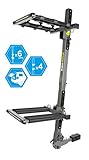 BUZZRACK BUZZSKI Hitch Rack BUZZRACK BUZZSKI Hitch Rack |
|
Check Latest Price |
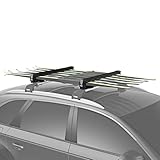 Thule SnowPack Large Thule SnowPack Large |
|
Check Latest Price |
 Thule Tram Hitch Carrier Thule Tram Hitch Carrier |
|
Check Latest Price |
 Kuat Switch 6 Kuat Switch 6 |
|
Check Latest Price |
1. Yakima PowderHound 6 – the most proven roof carrier for an SUV
Yakima PowderHound 6 Ski & Snowboard Car Roof Rack for Crossbars
Alloy steel
6 ski pairs or 4 boards
8.2 pounds
136 pound load rating
Pros
- Deepest owner history in the group at 1133 reviews
- Integrated SKS locks with keys
- Large glove-friendly access button
- Handles wide factory bars such as the Nissan Xterra
Cons
- Noticeable wind noise when empty above 40 to 60 mph
- Some plastic parts rather than metal throughout
- Requires existing crossbars
This is the carrier we keep coming back to for a reason: 1133 owner reviews averaging 4.3 stars is a sample size most products in this category never reach. Owners repeatedly describe the same experience, and the pattern is consistently positive. Clamps on, load goes on, gear stays put through a season of highway speeds and rough mountain roads.
Capacity is 6 pairs of traditional skis or 4 snowboards, though wide powder skis can eat into that number faster than you would expect. The construction is alloy steel, which explains why it weighs 8.2 pounds without feeling like a liability on the roof. The listed load rating of 136 pounds is well above what a rack of skis and boards will ever weigh.
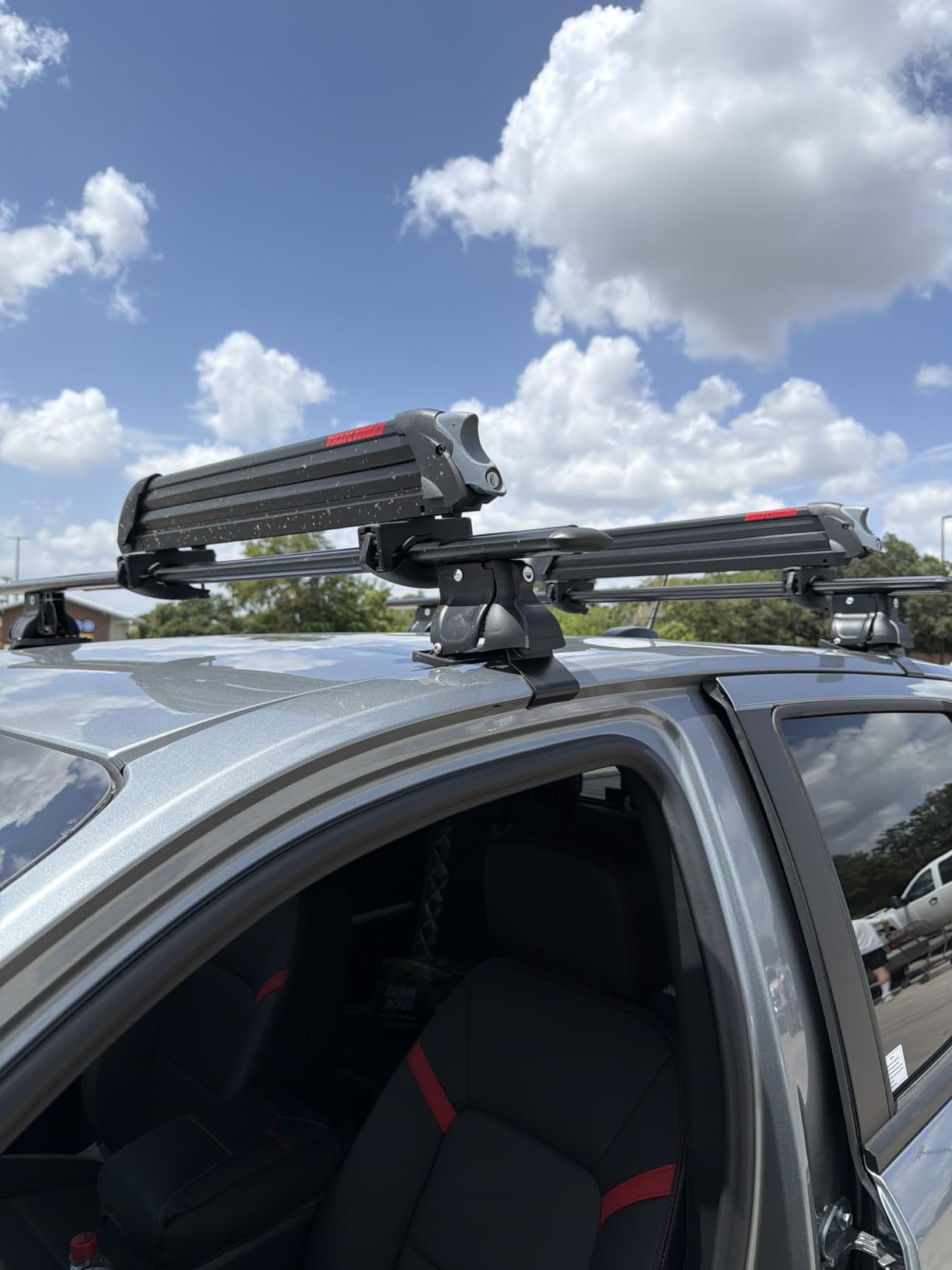
The single-button release is genuinely usable in gloves, which sounds minor until you are standing at a resort lot at four in the afternoon. Integrated SKS locks come with keys, so nothing extra has to be bought. On a vehicle with square factory bars or a wide OEM bar, owners report it fits without drilling or power tools, and that includes the chunky bars on older SUVs.
Warranty is limited lifetime, which is one reason this carrier shows up on rental fleets and family vehicles that get handed down. If your SUV already wears crossbars, this is the least risky purchase in the group.
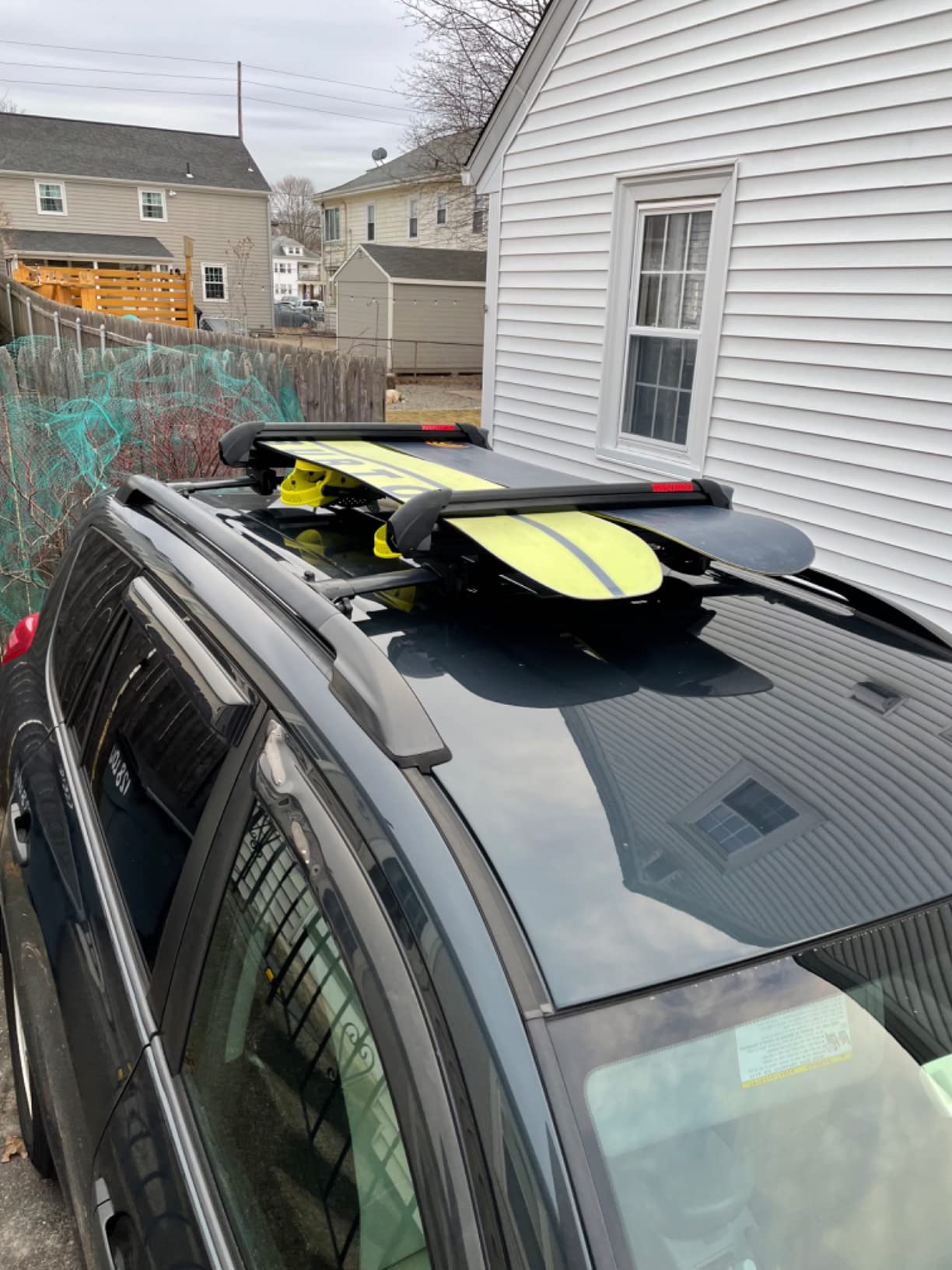
How it fits an SUV with existing crossbars
Nothing about this rack is SUV-specific. It is a universal clamp that grips the bar and holds gear by the edges of the bindings. That means it works equally well on a wagon or a truck, which is both its strength and its limitation. It gives you no help if your roof is bare.
Fitment is the thing to check before you order. Confirm your crossbars are in the size range the clamp accepts and that the rack is not sitting over a panoramic glass panel where you would struggle to tighten it. Owners using it on factory bars report no drilling and no paint damage, provided the rubber contact points are seated properly.
Where the PowderHound 6 falls short
Wind noise is the recurring complaint. Empty, the carrier is a flat plate across the roof, and owners report obvious noise above roughly 40 to 60 mph. Loaded with skis, that complaint largely disappears, so it matters most if you also use the bars for boxes or cargo.
A smaller number of buyers report integrated locks freezing or failing on first use in deep cold, and some note that a few components are plastic rather than metal. Neither complaint is common, but both show up if you buy in late season and store the rack through a hard freeze before first use.
2. Thule Ski and Snowboard Rack Carrier – locks included, light on the roof
Thule Ski & Snowboard Rack Carrier
Aluminum construction
6.9 pounds
33 x 6 x 7 inches
Limited lifetime warranty
Pros
- Lock cores included in the box
- Lightest roof carrier here at 6.9 pounds
- Universal hardware fits most factory rack systems
- Glove friendly oversized push buttons
Cons
- Needs a separately sold adapter for Thule Rapid Aero bars
- Requires a compatible crossbar system
At 4.4 stars across 452 reviews, this carrier rates a fraction below the FatCat EVO 6 in the same group while keeping the load noticeably lighter. Thule’s universal mounting hardware is the reason it holds that rating. It fits Thule systems and most factory roof rack setups without a vehicle-specific fit kit, which is exactly where a lot of the money quietly disappears for other buyers.
Weight is the headline number at 6.9 pounds, comfortably the lightest roof carrier here, and that matters more than people expect on an SUV where roof load is already spoken for. Capacity is 6 pairs of skis or 4 snowboards, and boards can be loaded base to base to use the platform fully.
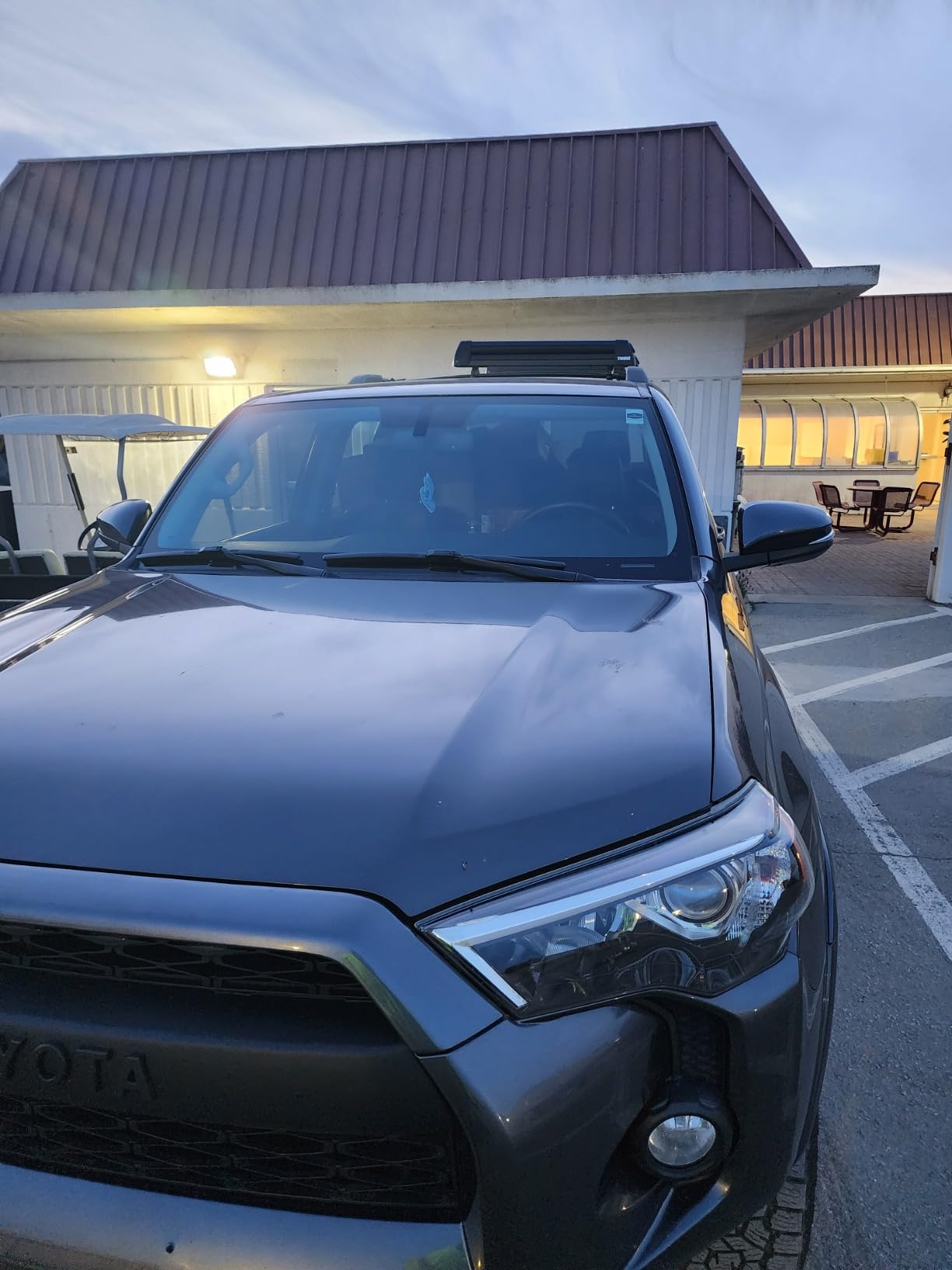
The lock cores are in the box. That is a bigger deal than it sounds, because a lock-ready carrier with cores sold separately is one of the most common owner frustrations in this category, and forum threads about adapter gaps and missing cores come up repeatedly. Here you unlock and go.
Buyers also like the oversized push buttons, which open wide enough to work with winter gloves on. Snowboarders loading base to base to squeeze in an extra board get the same glove-friendly access, which is not always true on hinged designs.
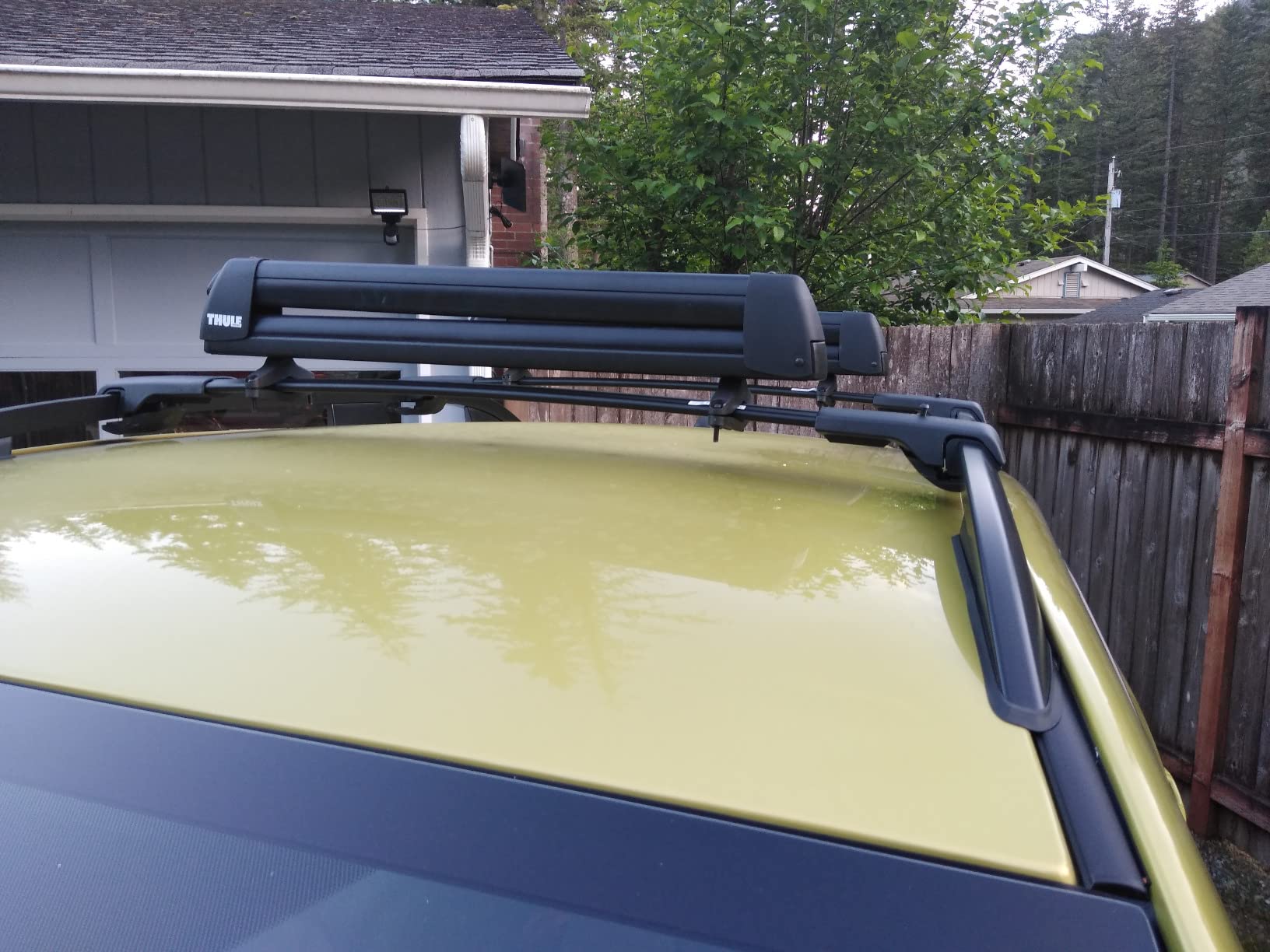
Which SUV roofs it suits
This is the carrier to pick when your SUV has factory crossbars and you do not want to research a fit kit. The mounting hardware travels with it, so the install is a matter of positioning and torque rather than parts hunting. For a vehicle with crossbars already fitted by the factory, that is the cleanest path we found.
It also suits owners who split their roof time between skis and other cargo, since it is light enough to leave mounted without feeling the weight every time you open the hatch. Compare the width against your planned load if you ride very wide skis, since a narrow platform is where six pairs becomes four.
Where it falls short
The one real catch is Thule Rapid Aero load bars, which need a separately sold xadapt7 adapter. If you run that specific bar system, budget for the extra piece or choose a different carrier. This is exactly the adapter gap that shows up over and over in owner discussions about racks arriving with the wrong hardware.
Second, it still needs a compatible crossbar system installed on the vehicle. There is no version of this carrier that grips bare paint or side rails on its own, so an SUV without crossbars needs a separate solution.
3. Leader Accessories Ski and Snowboard Roof Rack – the cheapest way to get skis up there
Leader Accessories Ski & Snowboard Roof Rack, Fits 6 Skis or 4 Snowboards
Aluminum dual rack
9.7 pounds
Rated to 150 pounds
Rubber padding to -40F
Pros
- Two carrier racks in one package
- Capacity for 6 pairs or 4 boards
- Integrated metal lock with large button
- Rubber padding rated to -40F
Cons
- Will not fit round crossbars
- 4.1 rating shows more variability in fit and finish
- Longer assembly than tool-free designs
This is a two-pack, and that single fact changes the math for anyone carrying more than two pairs. You get two complete carrier racks with two integrated locks, rated for 6 pairs of skis or 4 snowboards across the pair, for less than one premium carrier. For a family of four with two adults and two teenagers skiing, that is the practical answer.
Construction is aluminum with rubber padding on every contact point, and that padding is rated down to minus 40 degrees. Cold-flexible padding is not a marketing line. Rubber that stiffens in deep cold can scratch base edges and topsheets, and owners specifically call this padding out as staying flexible through a full winter.
The integrated metal lock with a large opening button works with gloves, and the whole thing assembles with a single hex wrench. It is not tool-free, and reviewers note the assembly takes longer than a snap-on design, but the hardware list is short and there is no proprietary adapter to source.
Rust resistance comes from the aluminum alloy body, which is the right material choice for a carrier that sits through wet spring months on a roof. The listed load capacity of 150 pounds per rack is far more than skis will ever need, which tells you the rating is not the limiting factor on any realistic load.
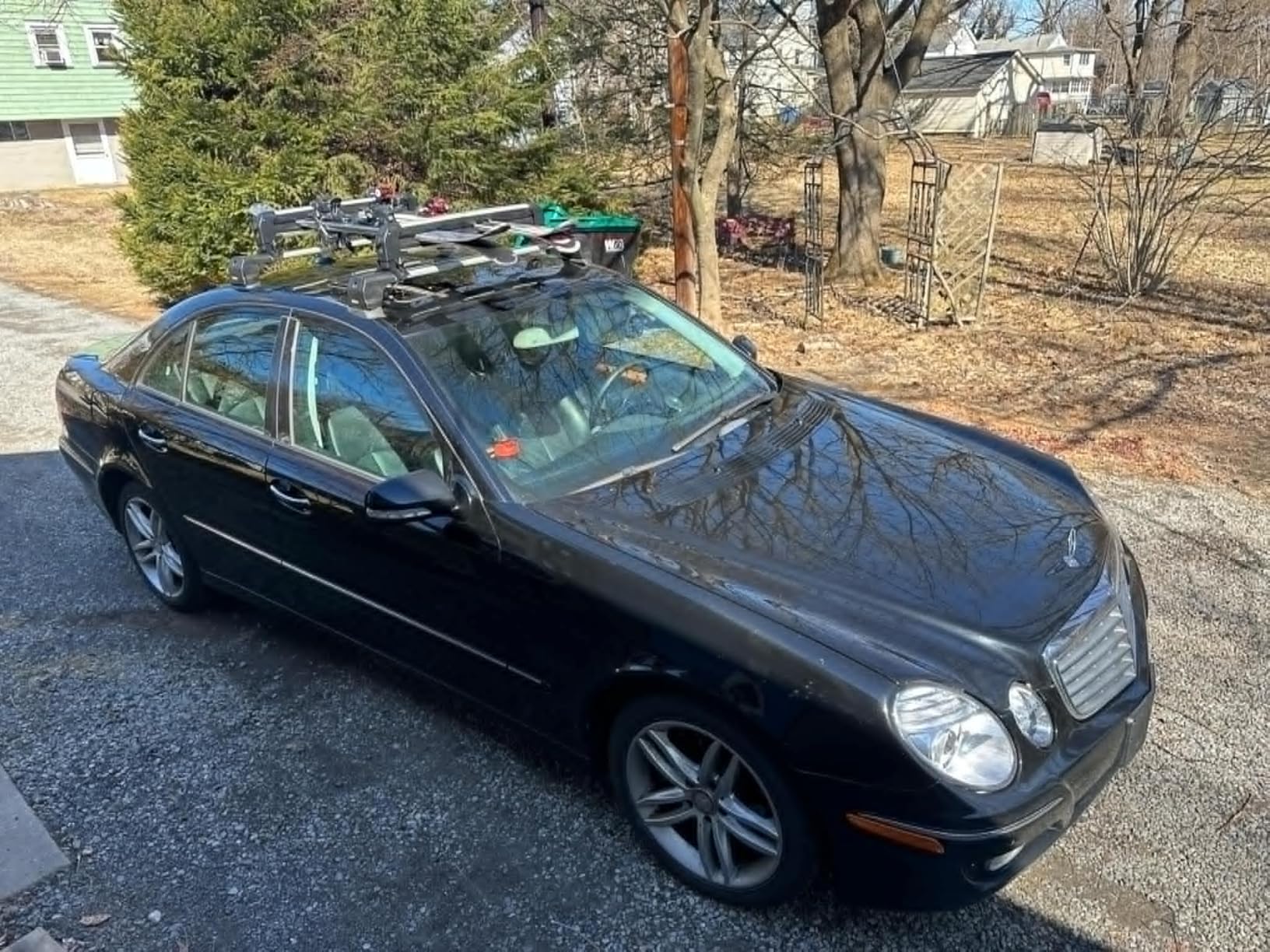
Who gets the most out of it
Owners with two vehicles, or one vehicle that alternates between skis and boards, get double value from the two-pack since the racks move between bars. It is also the pick for a first ski season, where the goal is getting gear to the mountain without a research project.
Fitment covers most non-round crossbars, including square factory bars and aerodynamic bars, which is the majority of modern SUVs. If your bars are square or aero, this mounts without a fit kit. It is also a reasonable second carrier to stack alongside a roof box on a long crossbar setup, as long as your bars are rated for the combined load.
Where it falls short
It will not fit round crossbars, and that is a hard stop rather than a caution. Round bars are rare on modern SUVs but not extinct, particularly on older models and some 4×4 trim packages, so check the shape of your bars before you commit.
The 4.1 average is lower than the rest of this list, and buyers describe more variability in fit and finish than they see from the premium brands. It is a working carrier rather than a polished one, and the hex-wrench assembly is the step most likely to annoy you on a cold driveway.
4. Yakima FatCat EVO 6 – the widest platform for six pairs of modern skis
Yakima FatCat EVO 6 Ski & Snowboard Roof Rack Mount for 6 Pairs of Skis or 4 Snowboards, Black – Aerodynamic Car Rooftop Carrier, Universal Mounting, Lockable with Lift Clearance
40.5 inches wide
6 pairs up to 136mm tips
12.8 pounds
Tool-free mounting
Pros
- Widest platform here at 40.5 inches
- Quiet aerodynamic profile at highway speed
- Tool-free fit across flat and round bars
- Integrated SkiLift hardware for tall bindings
Cons
- Plastic swivel screws can strip under firm tightening
- Red logo decal peels within a few seasons
- Takes practice to close the rack
This is the highest-rated carrier in the group at 4.5 stars from 304 reviews, with roughly four in five reviews landing at five stars. The reason is width. At 40.5 inches across, it is the largest platform here, and it holds 6 pairs of skis measured at up to 136mm wide at the tip, which is genuinely wide by modern standards.
Modern skis got wide. A family of four with four pairs of powder planks will not fit 6 pairs on a narrower carrier, and this is the model that solves that. Boards get 4 per load, and the DoubleJoint hinge is designed to swallow thicker skis and boards without forcing the latch.
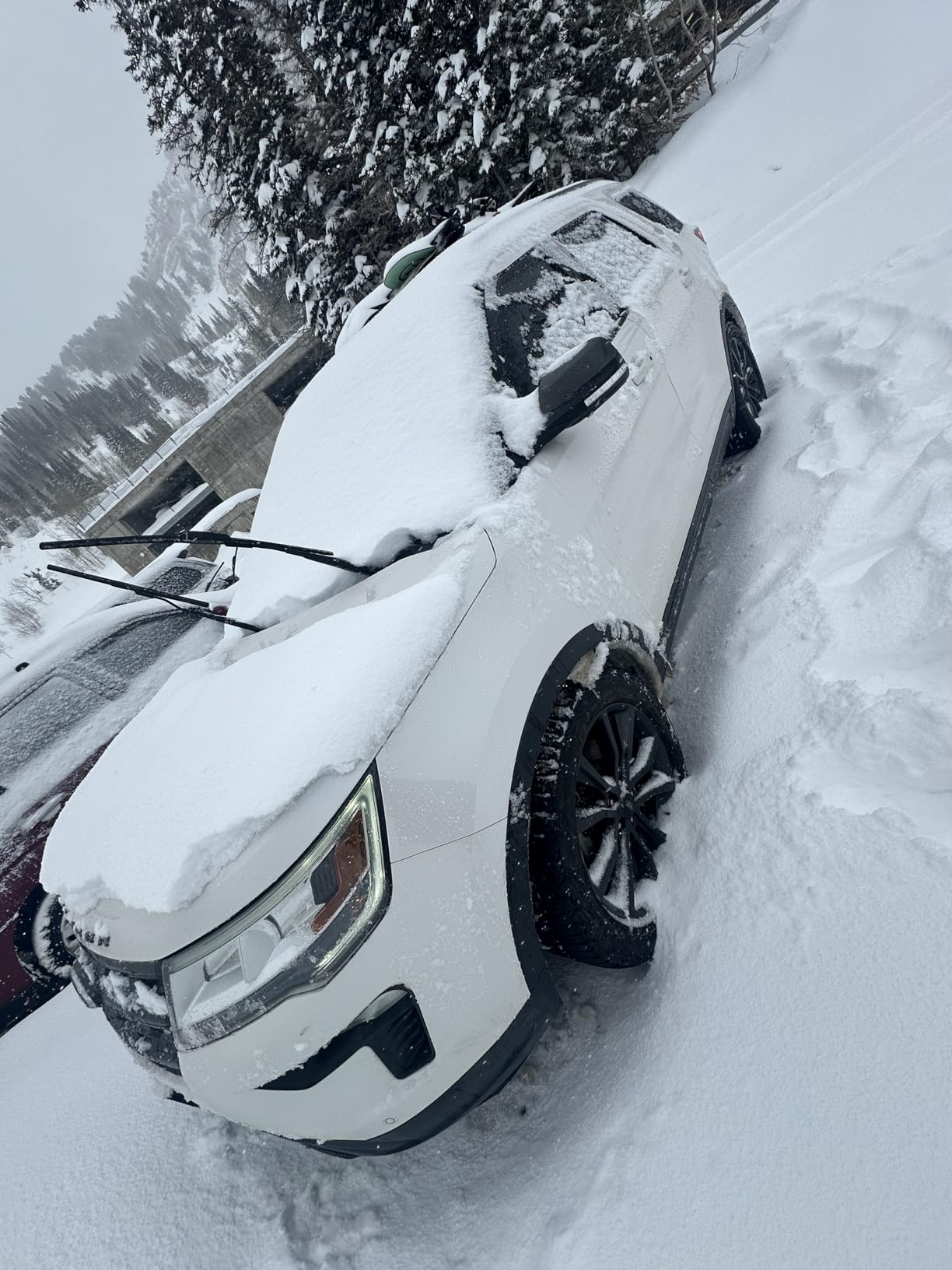
The aerodynamic profile is the second reason owners like it. This is a low-profile design that produces a quiet ride at highway speed, and that directly addresses the wind noise complaint that shows up with flatter carriers. If your roof carries gear on long motorway runs, the difference is audible.
Installation is tool-free and fits nearly any crossbar style, flat or round, using the OverHang clamp. Integrated SKS locks are standard, and the SkiLift hardware adds clearance so tall snowboard bindings clear the roof. You also get a mirror black finish that looks considerably more expensive than the entry-level racks.
When the extra width is worth it
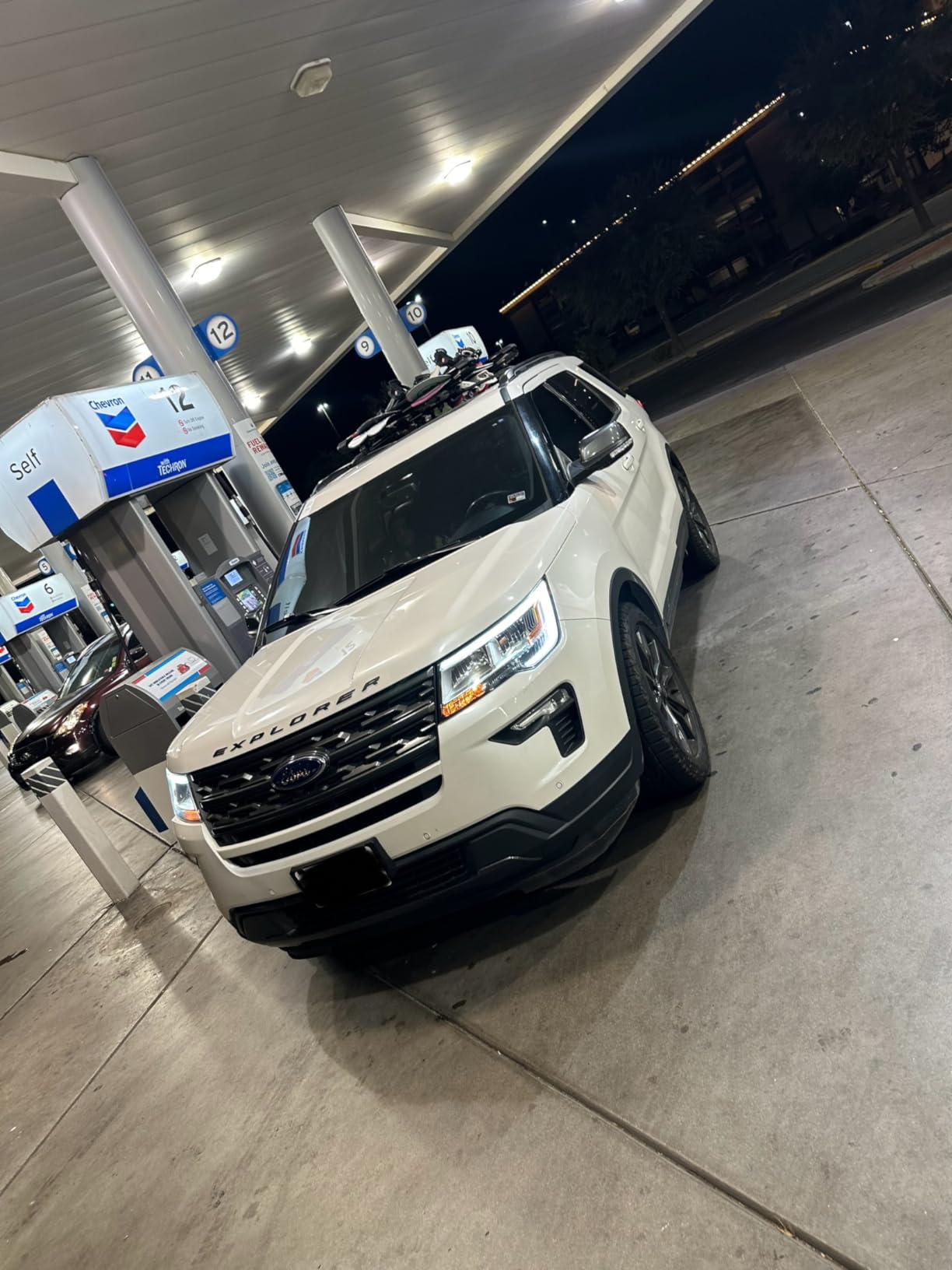
Riders with wide modern skis, a mixed load of skis and boards, or a full car heading to a resort where gear racks run out first. It is the carrier to pick when capacity is the binding constraint rather than price, because at 4.5 stars it also has the strongest rating in the group.
Owners stacking a roof box on a long bar setup also like the low drag when the ski rack is folded into its running position. A roof box already creates drag. Adding a flat plate on top makes it worse, and this is the least bad option for that combination.
Where it falls short
Some plastic swivel screws can strip or tear if you overtighten them, and that is a real risk on a part you are responsible for snugging down. There is a learning curve to closing the rack, and the first few attempts are where most people scratch their gear or give up and read the instructions properly.
Oddly, for the widest carrier here, very wide modern skis can still limit how many pairs fit in practice. Owners also report the red Yakima logo decal peeling within a few seasons, which is cosmetic but annoying on a product that otherwise looks premium.
5. Tyger Auto Folding Hitch Ski Rack – ground-level loading, no roof load used
Tyger Auto TG-RK1B707B Folding Hitch-Mounted Ski/Snowboard Rack Fits 2″ or 1.25″ Receiver Carries 6 Pair Skis or 4 Snowboards | Key Lock | Security Strap | Vertical Adjustable | Tilt Access
Steel construction
34.8 pounds
Fits 1.25 and 2 inch receivers
120 degree tilt
Pros
- Gear loads at ground level with no climbing
- Steel build with powder E-Coating for rust resistance
- Hitch lock and three safety straps included
- Folds flat when not in use
Cons
- Slower loading due to knobs and straps
- Key cannot be removed when unlocked
- Adhesive pads can peel in cold wet conditions
Hitch carriers solve a problem roof carriers cannot, and this is the one to consider if your SUV has a receiver. Everything happens at ground level. No stool, no kneeling on a wet roof in gloves, no passing skis up to a partner. On a tall SUV that difference is bigger than it sounds.
It also keeps your roof completely free, which matters if you already own a roof box or a luggage basket and simply ran out of bar space. Capacity is 6 pairs of skis, 4 snowboards, or a mix of 2 boards and 3 pairs. The build is steel with a black powder E-Coating for rust resistance, and it carries a listed load of 130 pounds.
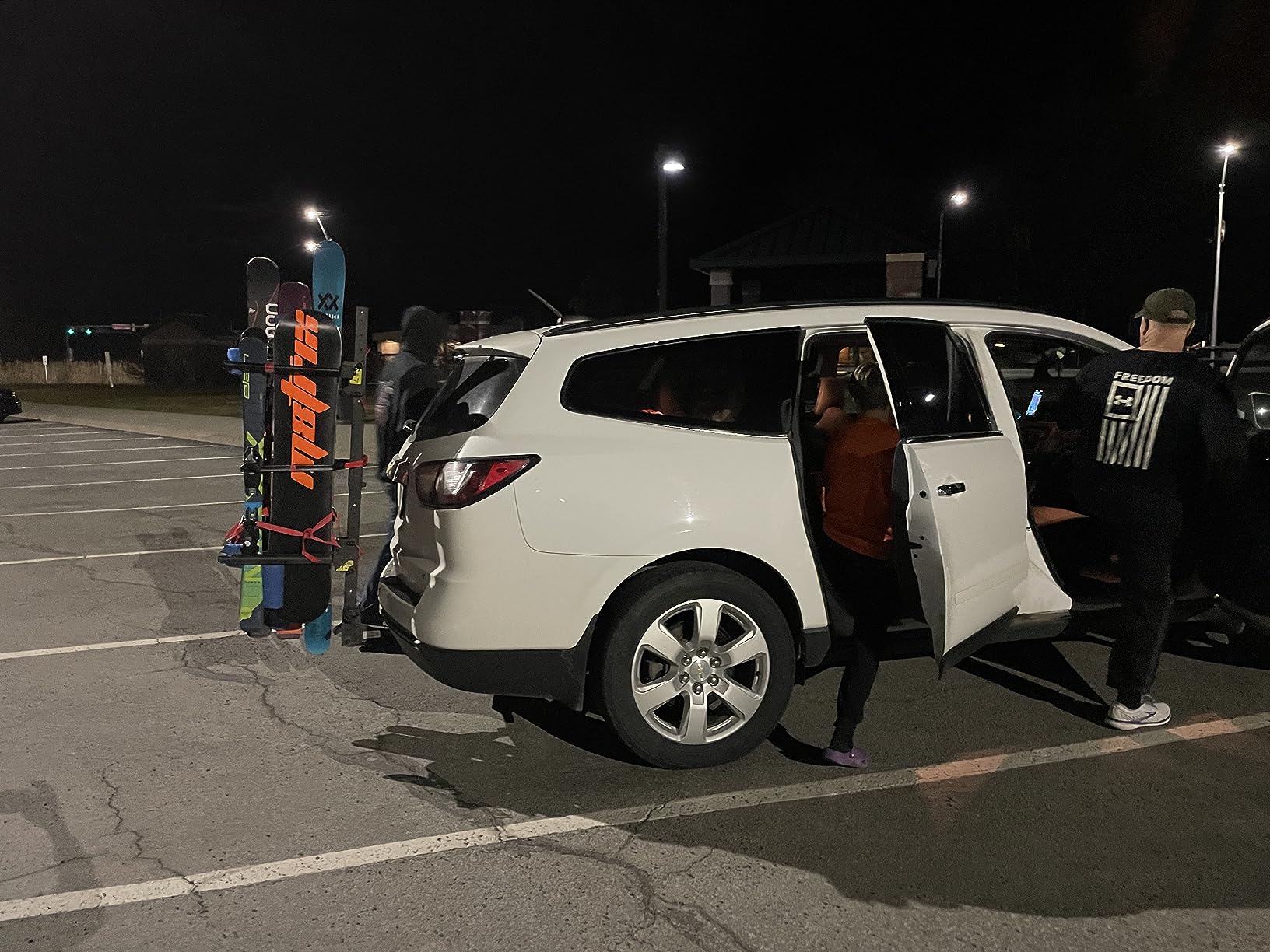
Fitting is straightforward. It takes both 1.25 inch and 2 inch receivers, which covers the vast majority of SUVs with a hitch, and a hitch lock is included. Dual anti-theft key locks secure the rack, and three safety straps come in the box, so the basic security kit is complete out of the packaging.
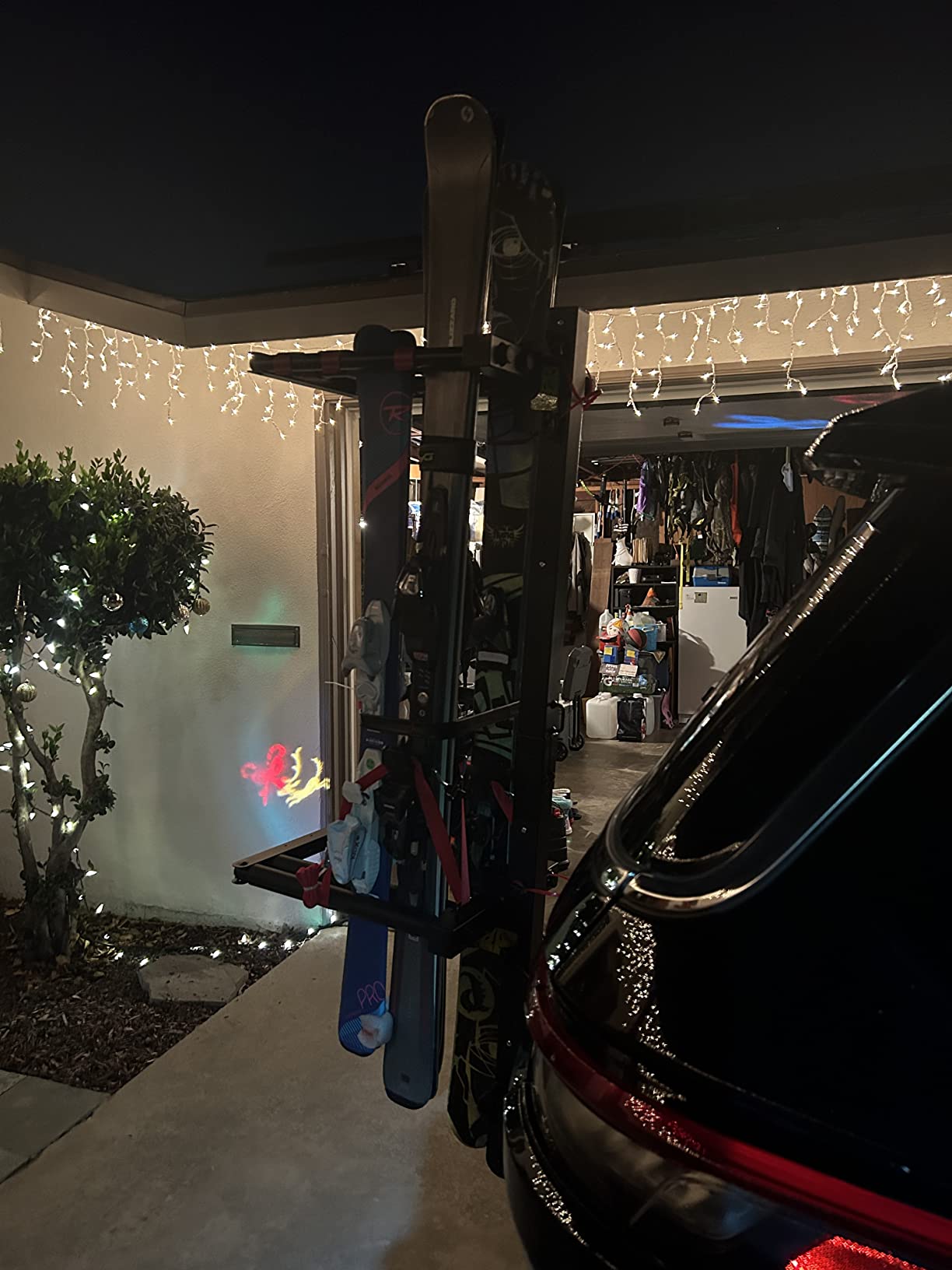
Height-adjustable rack plates let you dial the tray to your gear, and a 120 degree tilt folds the loaded rack away for tailgate clearance. Owners confirm it does not wobble when the supplied pin bolt is installed as instructed, which is worth saying because fore-aft rocking is the most common hitch rack complaint in general.
Who should switch to a hitch carrier
Anyone on a tall SUV who has ever dropped a ski while wrestling it onto a roof rack, and any family where the person loading gear is not the tallest person in the group. It is also the right answer for a vehicle with no roof rails where you refuse to drill or clamp anything to the paint.
It handles a mixed load well, and the folding design means it disappears when you are not skiing. The manufacturer lists a limited warranty, and because the gear sits behind the car it stays out of road spray and grime, which keeps topsheets looking new.
Where it falls short
Loading is genuinely slower. Multiple locking knobs and three straps turn a one-minute roof load into a five-minute ritual, and that friction is the reason plenty of owners move back to the roof after a season.
The key cannot be removed when the lock is unlocked, which forces a re-lock sequence to open and close the rack. There is also meaningful plastic in the build, including adhesive-backed pads that owners report peeling in cold wet conditions, and on some vehicles it partially blocks the backup camera or limits hatch opening even with the tilt deployed.
6. BougeRV Lockable Sliding Ski Rack – side-loading for grime and long skis
BougeRV Lockable Ski Racks with Sliding Extension for Car Roof, Black
Aluminum and plastic
28 inch loading width
35.83 inches long
12 month warranty
Pros
- Sliding bar lets you load from the side instead of over the roof
- One key turn locks all four mounting supports
- Crab mounts fit aero oval and square bars
- Ultra-soft hollow rubber stays flexible in cold
Cons
- 28 inch width limits very wide boards
- Fit depends on per-bar dimension limits
- Slider can feel stiff at first
The idea here is simple and genuinely useful. Instead of reaching over the roof and sliding skis down onto a fixed bar, the crossbar extends sideways so you load from the side of the vehicle. That keeps dirty sleeves off your car, stops you from dropping a ski on your head, and makes loading long skis feel controlled rather than awkward.
Owners consistently single out the sliding extension and the locking system as the reasons they bought it. The modified lock is the detail worth noting: one key turn releases all four mounting supports, and one turn again locks all of them. Individual per-mount locks are where racks usually get fussy, and this removes that step entirely.
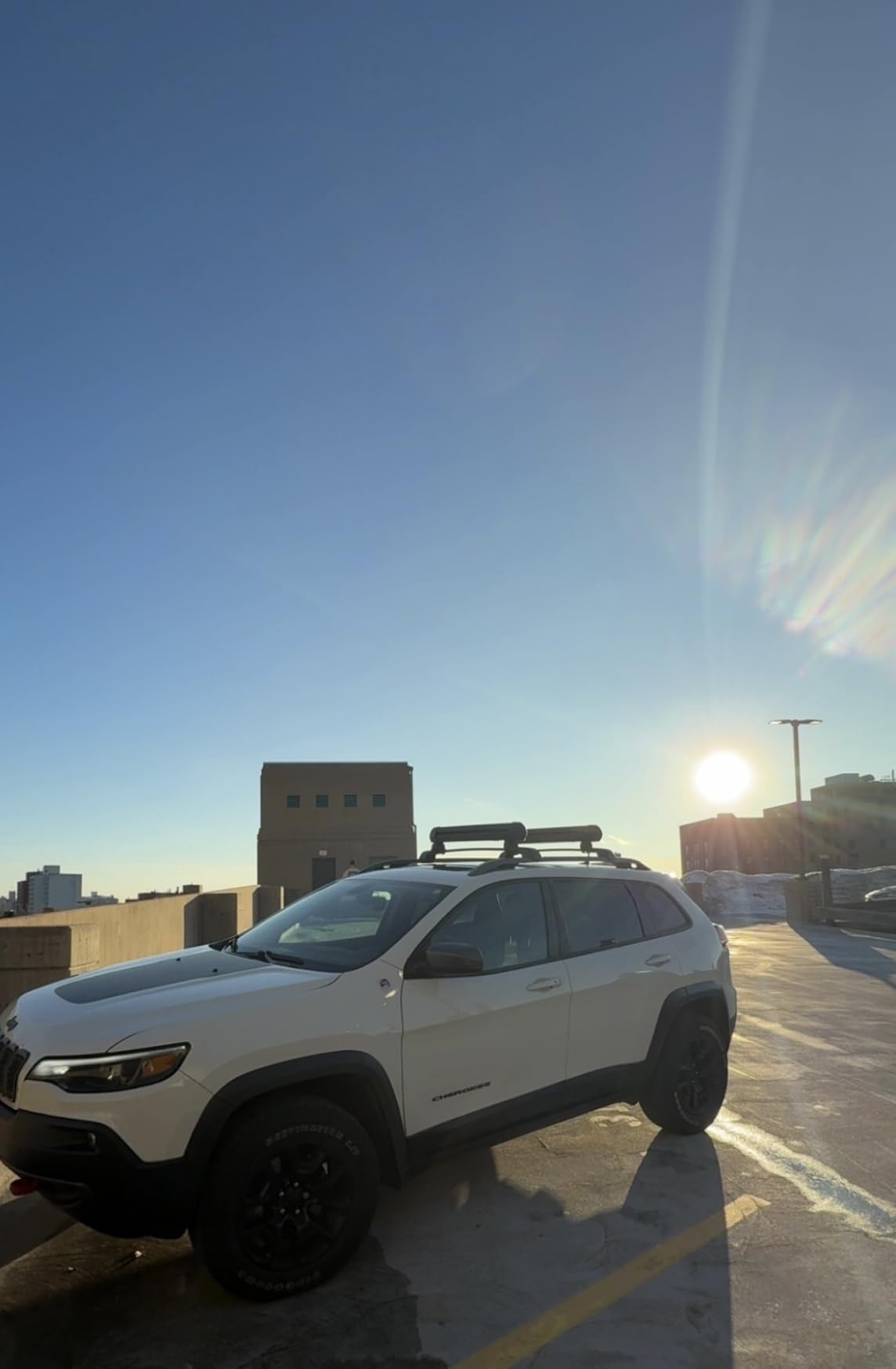
The crab-shaped mounting supports clamp firmly with rubber padding to protect your crossbars, and they fit most aero, oval and square bars within the stated dimension limits. That is a wide compatibility net compared to carriers that ship with an adapter for exactly one shape.
Capacity covers 6 pairs of skis or 4 snowboards, plus the usual overflow items people actually carry, including fishing rods, paddles, poles and water skis. The frame is aluminum with plastic elements, which resists rust and corrosion through wet spring storage.
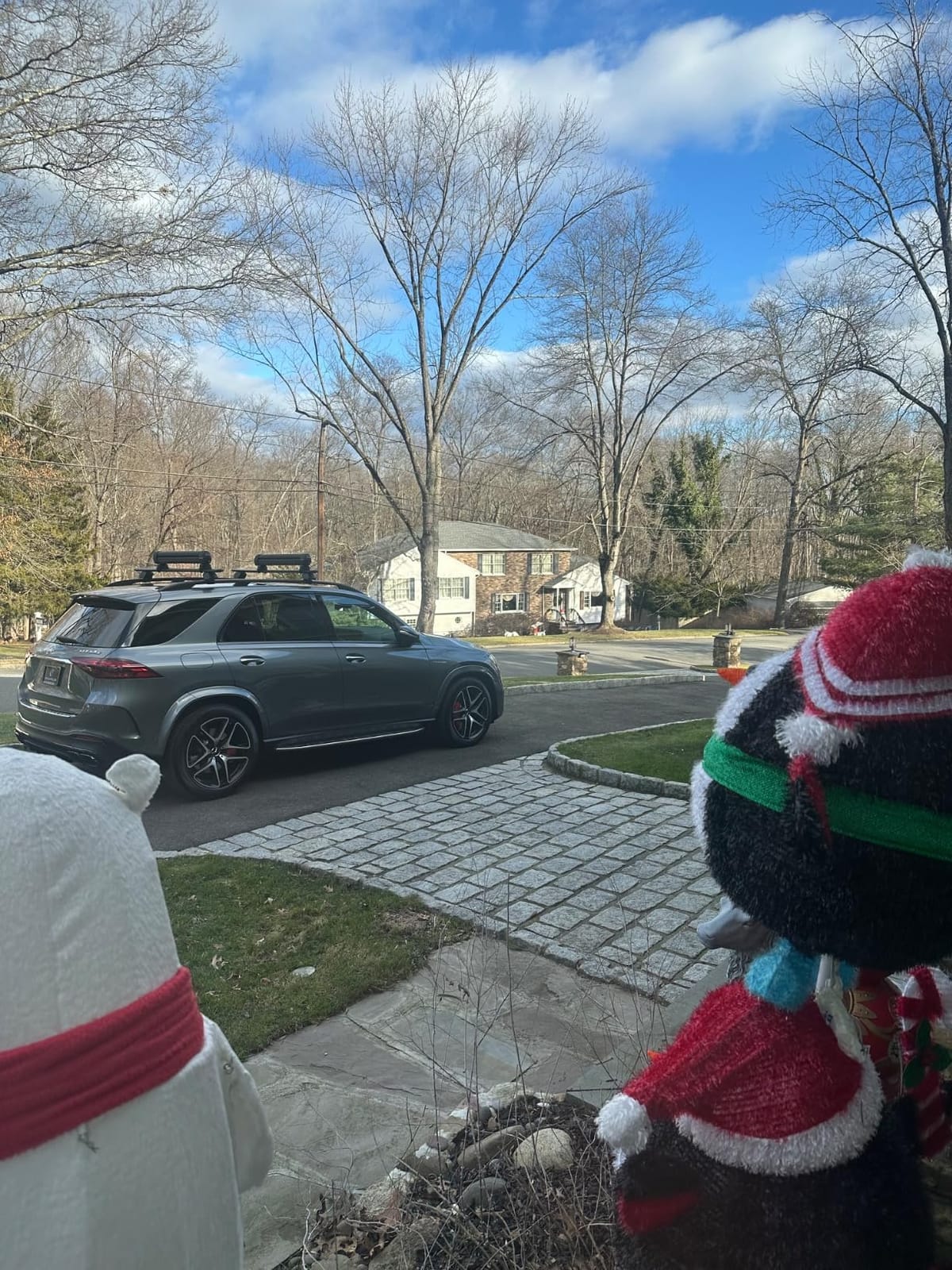
Best for mixed families and long skis
Side-loading earns its keep when you are loading a mixed group at once. Four people handing skis up one at a time turns into a much calmer process, and nobody has to lean over a glass roof panel to guide a ski into place.
Riders with longer skis who park in tight spots also benefit, because you can load from the side of a parking space rather than needing clearance above the car. The oversized button works with gloves, and there is 12 months of tech support behind the product.
Where it falls short
The 28 inch loading width is the hard limit. Very wide boards, and some modern powder skis with big shovels, will not sit in the tray even though the pair count says 6. Measure your widest ski or board before buying this over a wider platform.
Fit is also subject to per-bar dimension limits, so crossbars outside the range will not clamp. Some owners find the slider mechanism stiff for the first few uses while the moving parts break in.
7. BUZZRACK BUZZSKI – the quiet hitch carrier
BUZZRACK BUZZSKI – Hitch Mounted Ski & Snowboard Rack | Fits 2″ or 1.25″ Receivers | Tilting Away
Metal and steel build
34.6 pounds
99.2 pound load rating
Fits 1.25 and 2 inch receivers
Pros
- Completely silent and fuel efficient with nothing on the roof
- Tilts away with skis loaded for tailgate access
- Height adjustable trays fold flat when unused
- Hitch pin lock and straps included
Cons
- Tilt needs a hinge bolt unscrewed each time
- 2 inch receiver adapter allows some side-to-side wobble
- Not rated for trailers RVs or campers
This is the hitch carrier to pick if your priority is silence and fuel economy over fast loading. With nothing mounted on the roof, there is no crossbar profile to push air over the cabin. Owners describe it as a strong, silent alternative to a roof rack, and it keeps gear out of road spray and grime at the same time.
Capacity is 6 pairs of skis or 4 snowboards, or 2 boards plus 3 pairs of skis, and the listed load rating is 99.2 pounds. The support trays are height adjustable to suit different gear sizes, and they fold vertical when you are not using the rack, so the footprint drops considerably in the parking lot.
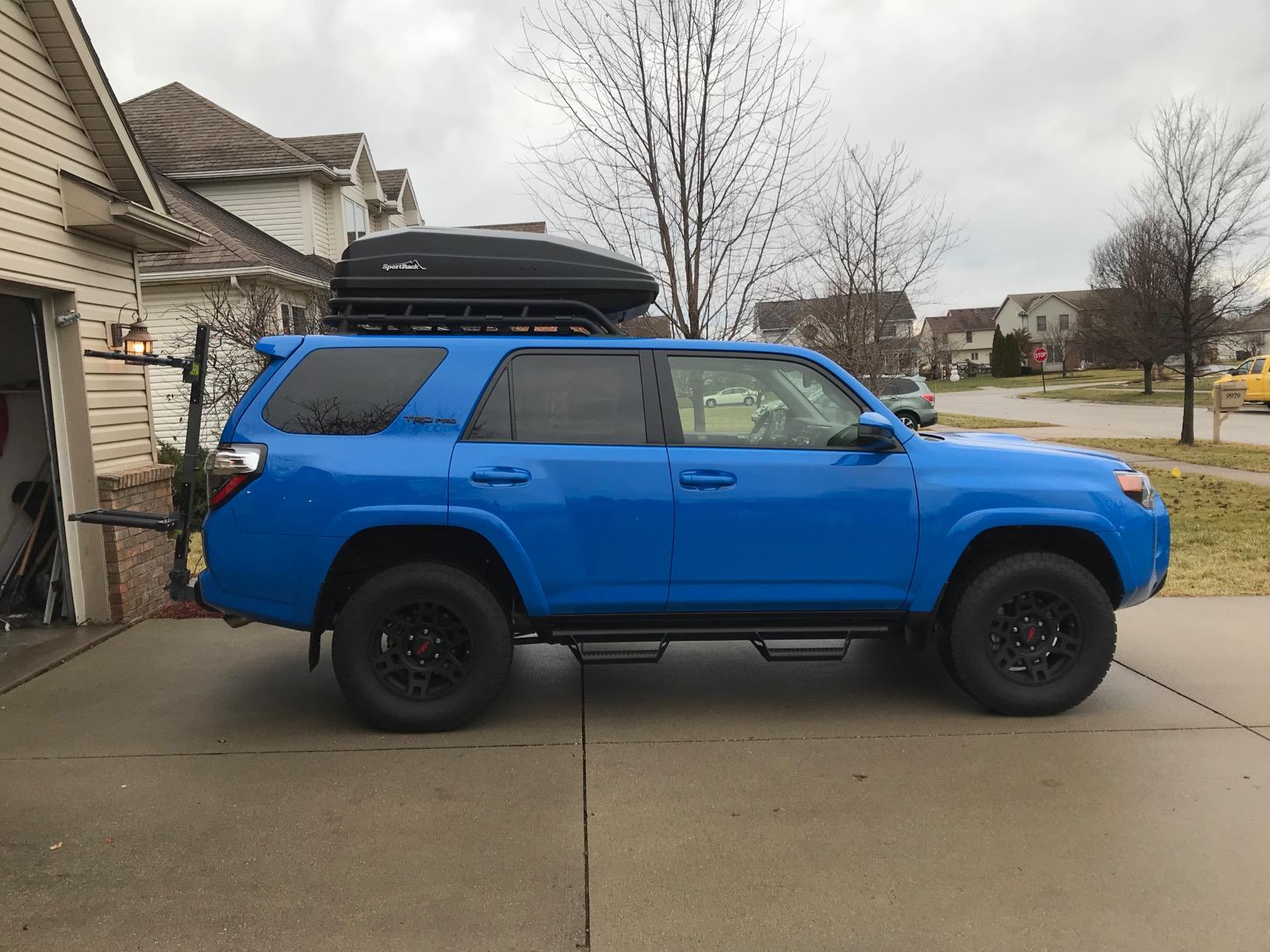
The tilt is the useful part. It tilts away with skis still loaded, which gives you tailgate access without unpacking anything. A hitch pin lock and securing straps are included, and the steel hitch and rack build holds firm at highway speeds and on rough roads, which is the environment that shakes cheap carriers loose.
Assembly is straightforward despite a manual that owners describe as intimidating. At 34.6 pounds it is not a one-person lift in a hurry, so plan the install as a two-person job or set it up before a trip rather than in a resort parking lot.
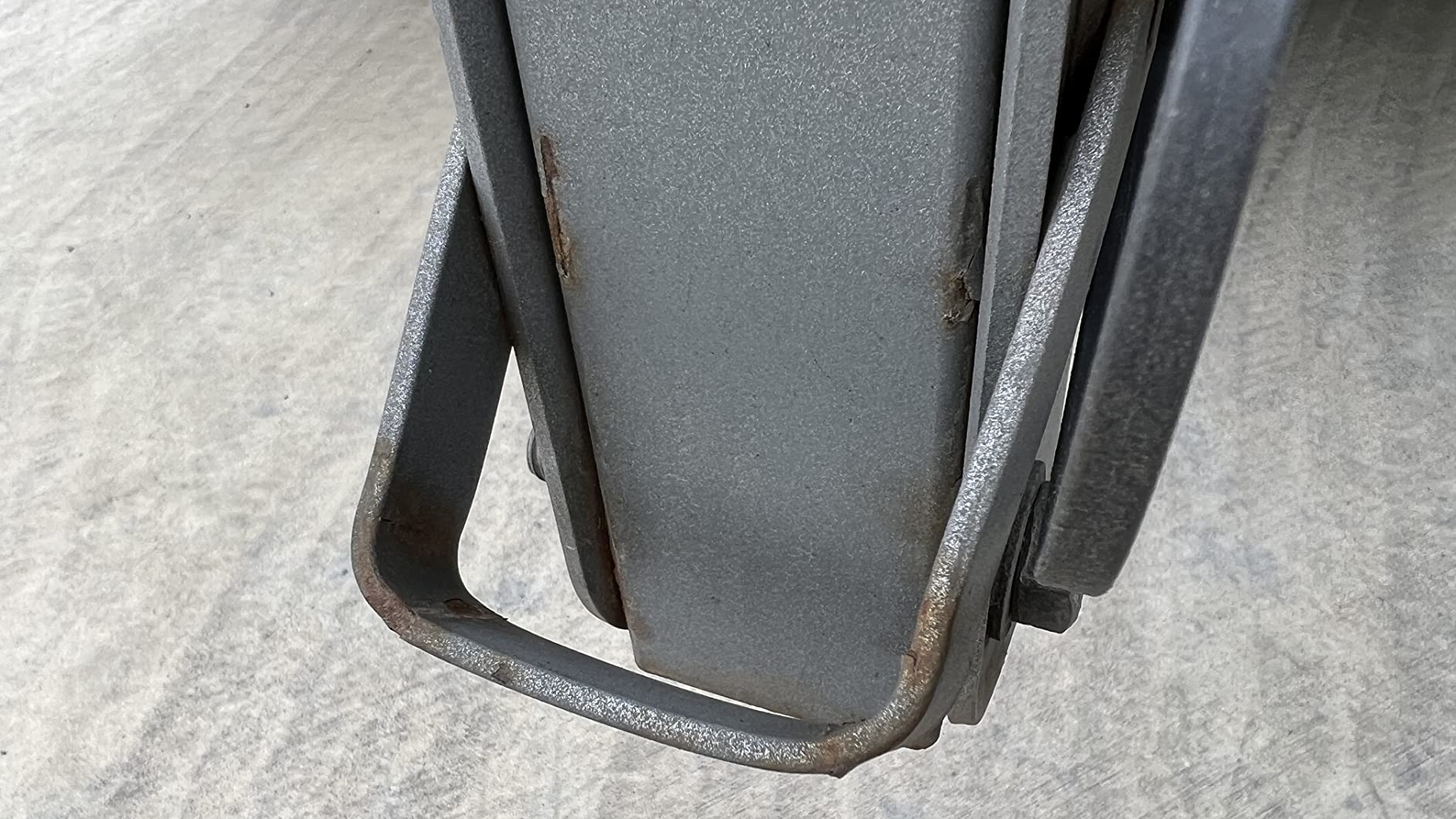
Long-distance carriers and load limits
This suits people driving long motorway distances to a resort who care about cabin quiet. Wind noise and drag are the two most common complaints about roof carriers, and a hitch carrier removes both. Your SUV keeps its stock aerodynamics on the highway.
It also suits owners who carry bulky gear, since vertical tray adjustment handles mixed ski and board loads well. The included hitch pin lock addresses the security concern that makes some people nervous about hitch-mounted gear, which is fair, since the carrier is at bumper height.
Where it falls short
The tilt function requires unscrewing and re-screwing a hinge bolt every single time, which is the single most repeated complaint in owner feedback. It works, it is just not quick, and doing it in a car park is the situation you will end up doing it in.
The 2 inch receiver adapter allows some side-to-side wobble, and a hitch tightener may be needed on some vehicles. The locking mechanism also has to be re-locked to release the key, and the product is for passenger cars only, with no trailer, motor home, RV or camper use.
8. Thule SnowPack – the premium roof carrier for long highway days
Thule SnowPack Ski/Snowboard Rack, Large (6 Pr/4 Boards), Black
Aluminum and plastic
14.2 pounds
29.5 inch loading width
Limited lifetime warranty
Pros
- Aerodynamic profile cuts noise and drag
- Vertical spring system grips thicker skis and boards
- Anti-theft system locks gear to carrier and carrier to rack
- Extension feet add binding clearance
Cons
- Heaviest roof mounted option here at 14.2 pounds
- Some factory racks need T-Track or around-the-bar hardware
- Premium spend for the category
Thule built this one for people who drive a long way with gear on the roof. The aerodynamic profile is the point. At 4.4 stars across 143 reviews with 77 percent of ratings at five stars, owners consistently mention a quiet ride, which is the opposite of what we hear about flatter carriers in this category.
The vertical spring system is what holds it. Rather than a fixed jaw, sprung rubber arms grip each ski by its edges and adapt to thicker skis and snowboards. The arms are ultra-soft rubber, so gear gets held without scratching bases or topsheets, which matters on an expensive new pair.
Security is handled properly. The anti-theft system locks the skis to the carrier and the carrier to the rack, so one key covers the whole chain. That is a level of security none of the cheaper racks here offer, and it is worth something if your gear stays on the roof overnight at a trailhead.
Where the SnowPack earns its price
It suits a roof setup with longer bar spacing and a vehicle where noise genuinely bothers occupants, particularly on motorway commutes. Extension feet raise the carrier for extra clearance with tall snowboard bindings, which solves the collision problem that ends up scratching bases on lower racks.
Installation is tool-free and compatible with Thule systems, round bars and most factory racks. Capacity is 6 pairs of skis or 4 snowboards, with a 29.5 inch loading width. The warranty is limited lifetime.
Where it falls short
At 14.2 pounds this is the heaviest roof-mounted option in our group, and you feel that both during installation and on every roof rating calculation. If your SUV has a modest dynamic load limit and you carry passengers, weight is a factor you should account for rather than ignore.
Some factory racks need T-Track or around-the-bar mounting hardware that is not in the box, which is the adapter gap problem showing up on a premium product. It is also the most expensive roof carrier in this roundup, and the aerodynamic gain is real but incremental rather than dramatic.
9. Thule Tram Hitch Ski Carrier – for owners who already run a Thule hitch bike rack
Thule Tram Hitch Ski Carrier
Aluminum construction
8 kg listed weight
165 pound load rating
29 inch loading width
Pros
- Ground-level loading suits tall SUVs
- Ultra-soft rubber arms avoid scratching
- Two one-key locks included
- Works with the tilt on a host hitch bike rack
Cons
- Needs a separate Thule hanging hitch bike rack
- Not compatible with Thule Helium Helium Aero or Camber
- Large and heavy to handle and store
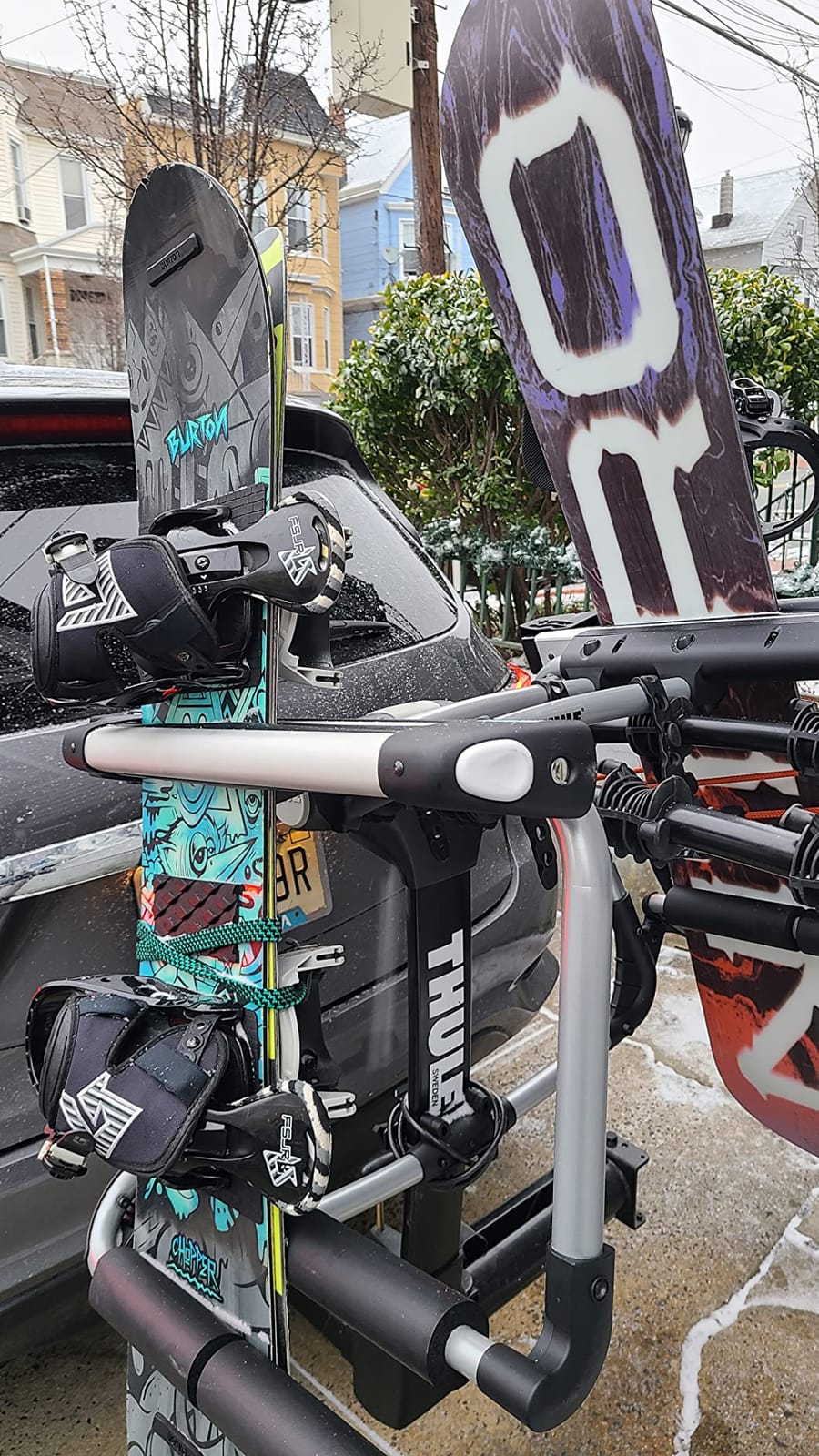
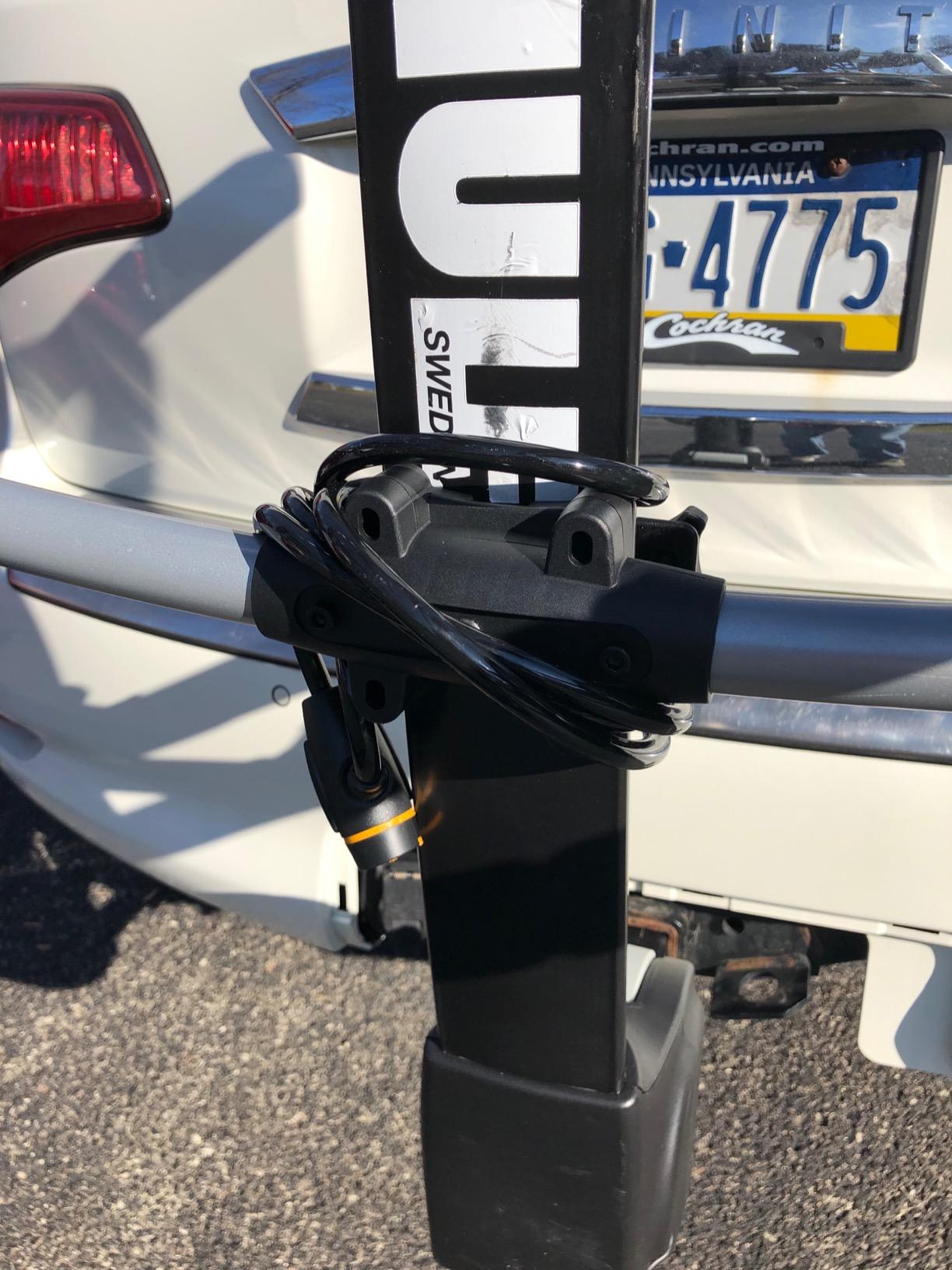
Read the requirements before anything else with this one. The Tram does not attach to a hitch receiver directly. It requires a separate Thule hanging hitch bike rack, and it is not compatible with the Thule Helium, Helium Aero or Camber bike racks. If you do not already own a compatible hanging rack, you are buying two things.
For owners who do have that rack, the payoff is real. Skis sit at ground level, which makes loading on a tall SUV far easier, and the carrier works with the tilt function of the host bike rack for hatch access. Two one-key locks are included, and the listed load rating is 165 pounds, the highest number on any carrier in this group.
Capacity depends on your receiver. On a 2 inch class two receiver you get 6 pairs of skis or 4 snowboards. On a 1.25 inch receiver, or with the Thule Spare Tire carrier, that drops to 4 pairs or 2 snowboards. The loading width is 29 inches.
Who this is genuinely for
Households with bikes and skis on the same vehicle who already committed to a hanging hitch bike rack. The ski carrier slides on, the bike rack tilts, and you carry both without a second vehicle. That combination is the reason to own this rather than one of the dedicated hitch racks above.
Owners report it holds up well over long trips, rough dirt roads and twisty mountain routes, and the ultra-soft rubber arms grip without marking ski and board surfaces. If you keep gear on the roof already, this is a way to consolidate onto one system.
Where it falls short
The 4.1 average is the second lowest here, and the critical reviews cluster around the same issues. It is large and heavy at a listed 8 kg, which makes handling and off-vehicle storage genuinely difficult for one person.
Because it mounts vertically, you must lift and hold skis in position to close the clamp arms, which partly defeats the easy-loading argument. The narrow clamp spacing also means bulky mid-ski bindings stop you pairing skis back to back, and the compatibility exclusions with newer Thule bike racks are not always made clear in listing text.
10. Kuat Switch 6 – the fold-down carrier that disappears into the roofline
Kuat Switch Ski/Snowboarding Rack with Integrated Locks, Switch 6-6 Skis
Fold-down design
14 pounds
40 inches long
Fits bars 2 to 5 inches tall
Pros
- Folds flat into an aerodynamic position when empty
- Integrated lock with keys included
- Universal mounts for round square and aero bars
- Quick-release system speeds up loading
Cons
- Tied for heaviest roof carrier at 14 pounds
- Crossbar size limits of 4.25 inch wide and 2 to 5 inch tall
- Smaller owner review base
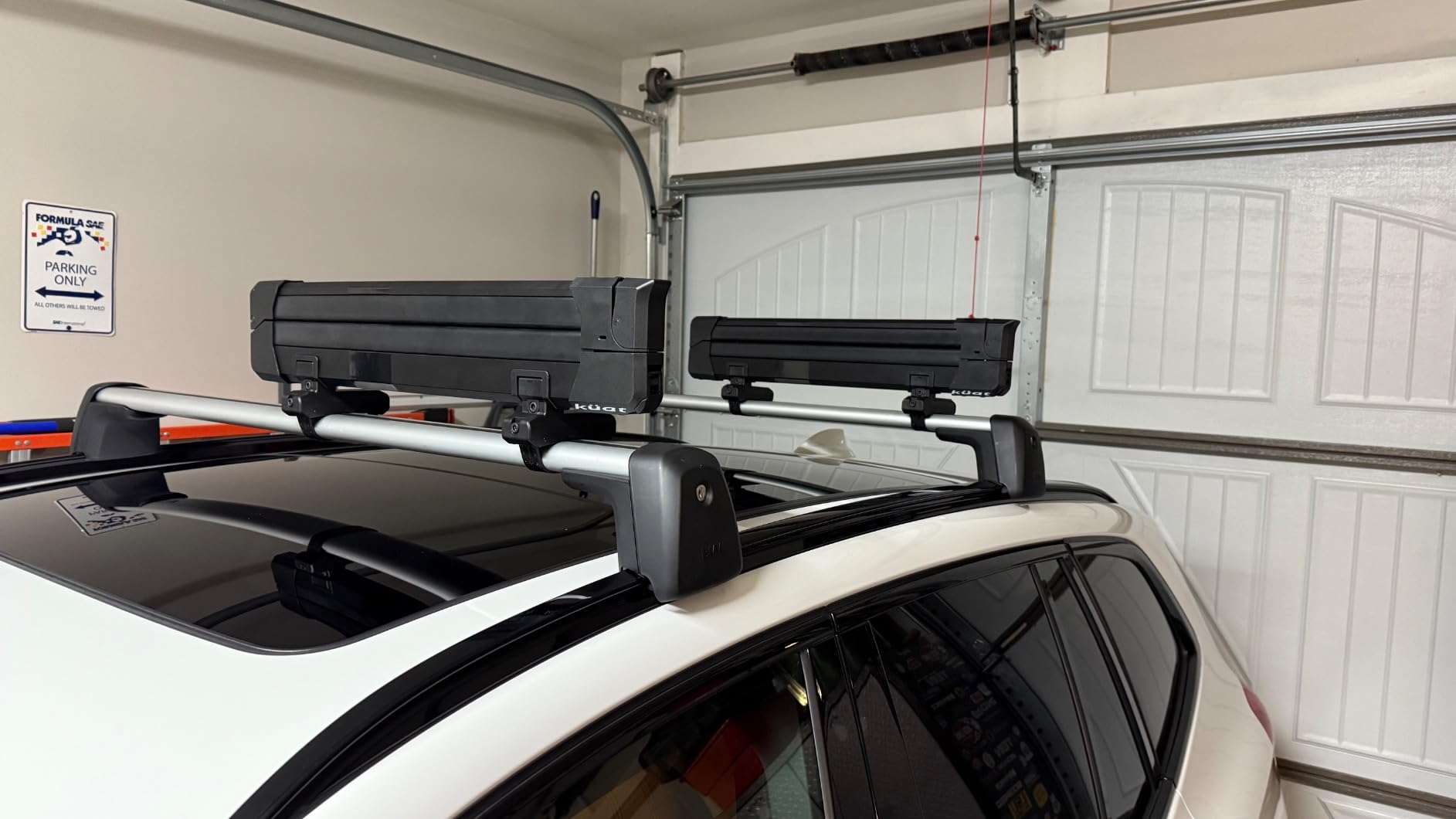
The Switch is the one that solves the wind noise problem properly. Instead of sitting flat across your roof, it folds down into a low-profile aerodynamic position when you are not carrying gear. If you share your crossbars with a box, a basket or nothing at all, that is the difference between a permanently noisy roof and a quiet one.
At 4.5 stars from 83 reviews, it is tied for the highest rating in this group, and owners highlight the fold-down profile, the integrated locks and the quick-release access. The quick-release system is what makes a fold-down design practical day to day, because you are not fighting a hinge every time you load.
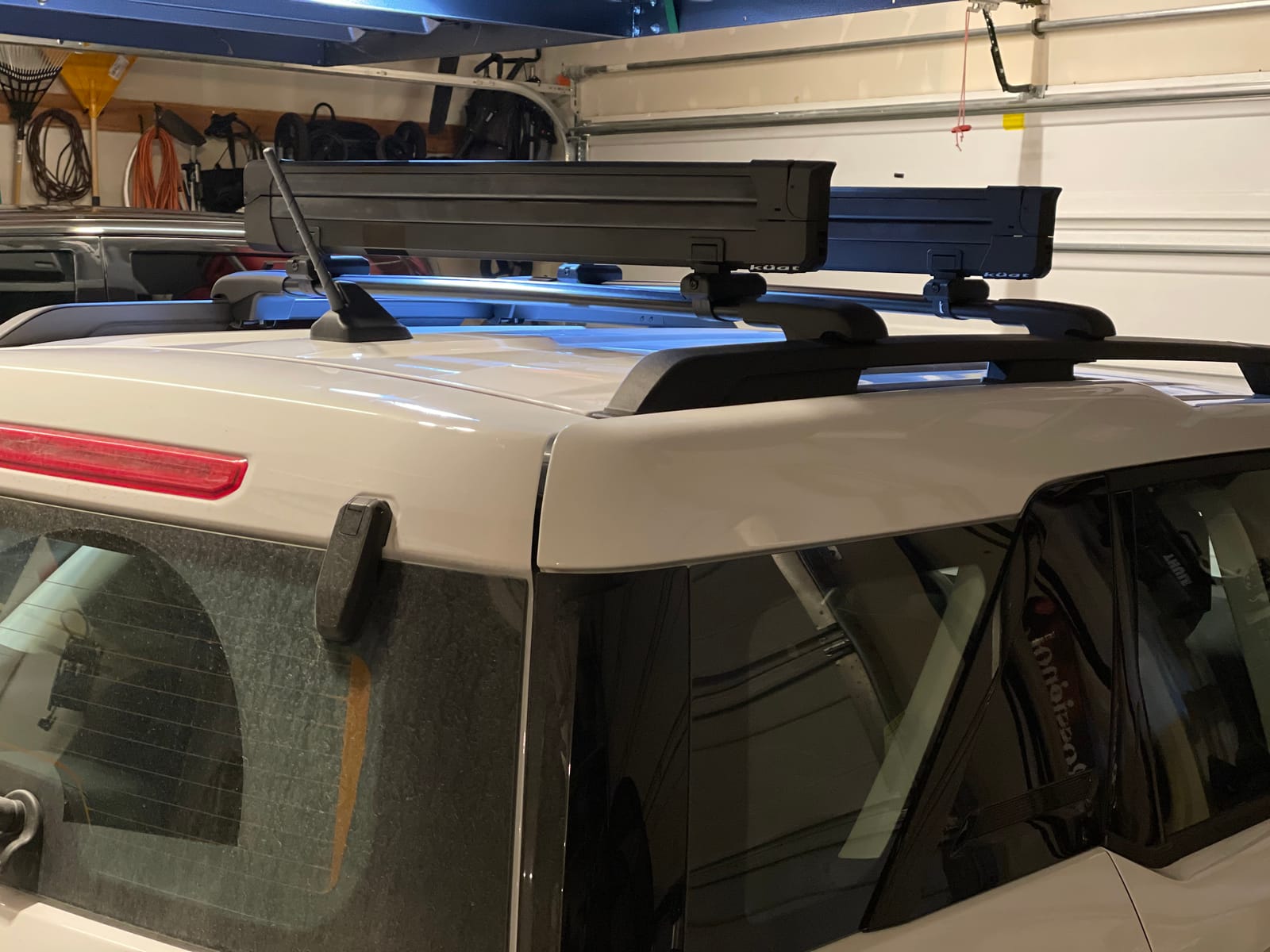
Security is built in rather than sold separately, with keys included. The universal security mounts fit most round, square and aero roof bars, which covers the three most common crossbar shapes on modern SUVs. Capacity is 6 sets of large skis or 4 snowboards, and the Switch 4 variant exists if you never carry more than two pairs plus boards.
Where folding down changes the driving
Anyone who runs other roof gear sees the benefit every single drive, not just on ski days. The empty folded position reduces wind resistance, which addresses the noise complaint that flat carriers draw from owners at highway speed.
It also suits owners who care about how the roof looks when the car is doing ordinary things. The matte black finish blends into the roofline, and the quick-release system means you can drop it flat in seconds. Manufacturers and reviewers both single out the fit and finish as a step above the category norm.
Where it falls short
Weight is 14 pounds, effectively tied with the Thule SnowPack for the heaviest roof option here, and that adds to installation effort and to your roof load math. The crossbar limits are specific: up to 4.25 inches wide and between 2 and 5 inches tall, and bars outside that range will not mount.
The review base is also the smallest in this group at 83 ratings. That is not a defect, but it means less long-term evidence of how the plastic components hold up over a decade, which is exactly the question owners ask about hinges and latches after two seasons.
How to Choose a Ski Rack for Your SUV
Start with a thirty-second inspection of your roof, because this single check eliminates most wrong purchases. Look up. Do you have two bars running front to back across the roof? That is a crossbar setup, and almost every roof carrier here will clamp straight on. Do you have raised side rails running front to back with nothing across the top? You need load bars or crossbars before a carrier is an option. Do you have a bare roof? You need a full system, and you need to think hard about whether you want to drill.
A warning that catches experienced owners too: factory plastic roof rails and plastic crossbars are structural trim, not load bars. They are generally not rated to carry a ski carrier, and forcing one on is a common and expensive discovery made after purchase. Aftermarket load bars resting on raised rails are what owners on model-specific forums tend to recommend, and it is why a vehicle-specific fit kit shows up in so many totals.
Then pick an orientation. Roof carriers hold skis vertically, edge to edge, bindings facing outward, which is how every rack in this list works. Storing skis vertically on the roof keeps the profile low and stops bases from rubbing together. Horizontally flat on a rack or in a box inside the vehicle is a different method entirely and takes up far more space.
Next, size the capacity to the group. Two pairs covers a couple or a solo rider with a board. Four pairs is the family standard and the sweet spot, since most carriers here do 4 pairs or 6 pairs. Six pairs only makes sense for two cars heading to the same mountain, or a group with four adults and mixed boarders, and it comes with a width caveat worth measuring.
Locking is the last decision and it is where the money leaks. A lock-ready carrier without cores means a second purchase later. The Yakima PowderHound 6, the Thule universal carrier, the Yakima FatCat EVO 6 and the Kuat Switch all include the locking hardware, and the Thule SnowPack locks gear to carrier and carrier to rack in one step.
If you are still deciding between the premium names, the honest answer is that Thule and Yakima are close enough that fit should decide, not loyalty. On forums, Thule is frequently called top notch and Yakima is called good quality, with Thule often recommended specifically for vehicles that already have rails. Kuat is the well-regarded alternative, and its selling point here is the fold-down profile. Our wider guides on the best roof racks for SUVs and the best bike racks for SUVs cover the bar and hitch decisions that sit underneath these carriers.
Installation Checks That Keep Your Gear on the Roof
Crossbars should sit toward the front half of your roof rails, and the gap between them matters more than most buyers expect. Leave roughly 24 to 30 inches of space between the two bars, enough for the ski carrier to sit level without the front bar blocking your access to the tailgate. Forum guidance consistently points toward the front half of the rails for a reason: it keeps the load over the front seats rather than behind the rear axle.
Check your SUV door jamb for the roof load rating before you install anything. That number is the maximum total roof load including the crossbars, the carrier, your gear, and everything in the cabin that presses on the roof. Roof ratings are dynamic, which means they fall as passengers and cargo are added, and passengers sitting in the rear seat are already part of that calculation before you add a single ski.
Torque the mounting feet to the specified value and then check them again after ten miles. Vibration loosens hardware, and re-torquing is the single highest-value habit a roof carrier owner can have. Do it every time you load up for a trip rather than trusting a setting from last season.
Finally, think about the vehicle you drive every day, not just the ski trip. A loaded roof adds height, and that matters for parking garages, drive-throughs and automatic car washes with low clearance. Measure your vehicle with the rack installed and folded before you assume a route is clear. If you also carry a roof box, our rooftop cargo bag guide covers the weight stacking side of that decision.
One more thing worth planning: how long the rack stays on. Leaving a ski carrier mounted all year exposes plastic latches and lock cores to a second summer of sun and freeze-thaw cycles, and that is when the freezing lock complaints on the PowderHound show up. If you are not using it, take it off. New skiers can also check our ski boots guide for beginners while they sort out the rest of the kit.
Frequently Asked Questions
What is the best roof rack for an SUV?
The best roof rack system for an SUV is a set of vehicle-specific load bars with feet that match your rails, paired with a clamp-on carrier like the Yakima PowderHound 6 or the Yakima FatCat EVO 6. For an SUV that already has factory crossbars, you can skip straight to a carrier. For raised side rails only, aftermarket load bars are the standard route because factory plastic rails usually cannot carry a ski carrier. For a bare roof, a full system with a fit kit is required.
What type of ski rack is suitable for a car without roof rails?
Three mounting styles work without roof rails. Hitch carriers clamp to a 1.25 inch or 2 inch receiver and keep gear at ground level, which is the most common answer for SUVs. Suction cup racks grip the roof directly with no drilling and are treated by owners as a rental or temporary solution rather than a permanent one. A full roof system with load bars and a vehicle-specific fit kit is the third option and the most expensive.
What is the difference between roof rails and cross bars?
Roof rails run front to back along the sides of the roof and are usually raised above the roofline, sometimes with a gap underneath. Crossbars run left to right across the roof and are what actually carries a load. On many SUVs the rails are plastic trim that cannot take a carrier, while the crossbars are aluminium or steel. Crossbars clamp onto rails, and the ski carrier clamps onto the crossbars.
Should skis be stored vertically or horizontally?
Roof-mounted ski carriers hold skis vertically, edge to edge, with bindings facing outward, which keeps the wind profile low and stops bases from rubbing together. Horizontal flat storage works inside a roof box or a bed-mounted rack, but it needs far more space and usually a separate rack. For SUV roof carriers, vertical is the only practical orientation, and it is why base-to-base board loading is a useful capacity trick on wider models.
How much weight can an SUV roof rack hold?
Use the roof load rating printed on the driver door jamb, not the capacity number printed on the rack. Most SUVs rate somewhere in the region of 100 to 165 pounds for the whole roof, and that total covers the crossbars, the carrier, your gear, and the weight of passengers and cargo pressing on the roof. The rating is dynamic, so available capacity falls as you add people and luggage inside the cabin.
Which Ski Rack Should You Buy
Match the pick to your roof and nobody gets shortchanged. If your SUV already has crossbars, the Yakima PowderHound 6 is the safest buy in 2026 because it has the deepest owner history here and the locks are built in. If you want the lightest load on the roof and the widest crossbar compatibility, take the Thule universal carrier. If six pairs of wide modern skis is the real requirement, the FatCat EVO 6 is the one built for it.
No crossbars and no interest in drilling? Take a hitch carrier. The Tyger Auto model loads fastest at ground level, the BUZZSKI is the quietest on the motorway, and the Thule Tram is the answer if you already run a compatible hanging Thule hitch bike rack. One trip a year on a borrowed vehicle is a rental situation, and owners on r/xcountryskiing point to a suction cup ski rack as the inexpensive short-term option.
Whatever you land on, the carrier is the cheap part of the bill. The crossbars, the feet and the fit kit are what actually drive the total, which is the single most repeated frustration from people who have done this install before. Work out your roof configuration first, confirm the adapter situation for your crossbar shape, and check the door jamb rating with your real passenger load in mind. Those three steps prevent nearly every expensive mistake in this category.