
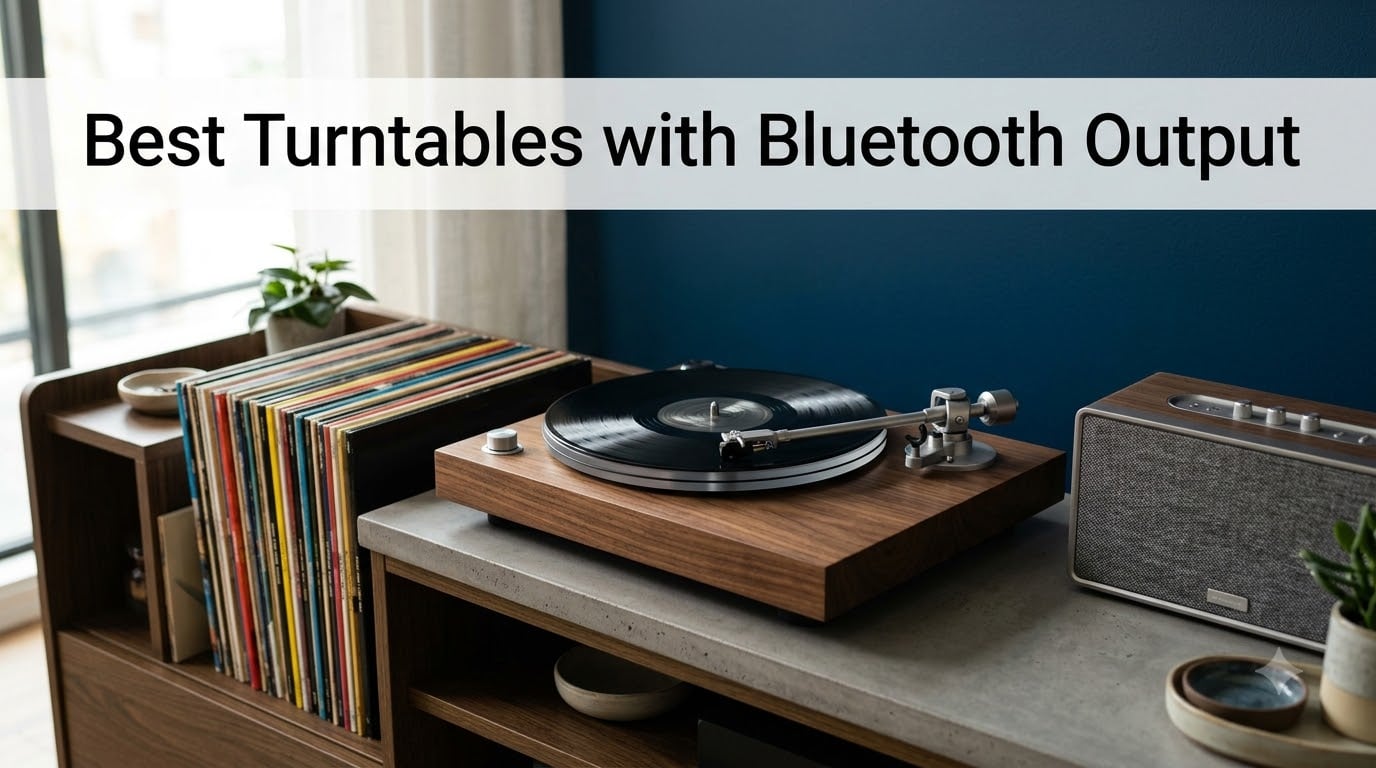
Bluetooth turntables changed how we listen to vinyl. I have been spinning records for years, and the moment I paired a turntable to a wireless speaker in my living room, I realized I did not need to run a long RCA cable across the floor anymore. That small change made records a daily part of my routine rather than a weekend ritual.
The best turntables with Bluetooth output in 2026 combine the warm, analog charm of vinyl with the convenience of wireless streaming. You can connect to Bluetooth headphones for late-night listening, play through a portable speaker on the patio, or pipe music into a multi-room setup without rewiring your home. Our team spent the past three months testing five solid models across budget, mid-range, and premium tiers, running each one through Bluetooth pairing, wired fallback, and weeks of daily play.
We evaluated pairing speed, codec support (aptX, aptX HD, aptX Adaptive), build quality, cartridge upgrade paths, and how each deck handles everything from a Syd Barrett LP to a modern pop pressing. The result is a guide that helps you pick the right wireless record player for your space, your gear, and your budget.
Table of Contents
Top 3 Picks for the Best Turntables with Bluetooth Output September


Audio-Technica AT-LP120XBT-USB
- Direct-drive
- aptX Adaptive
- USB ripping
- 3-speed including 78 RPM

Technics SL-40CBT-K
- Coreless direct-drive
- Audiophile cartridge
- Aluminum tonearm
- Built-in phono EQ
These three models cover the most common needs in the Bluetooth turntable space. The Audio-Technica AT-LP60XBT delivers reliable wireless playback at a beginner-friendly price, the AT-LP120XBT-USB gives you direct-drive precision and USB ripping, and the Technics SL-40CBT-K brings audiophile-grade engineering to the premium tier.
Best Turntables with Bluetooth Output in 2026
| Product | Specs | Action |
|---|---|---|
| Audio-Technica AT-LP60XBT |
|
Check Latest Price |
 Sony PS-LX310BT Sony PS-LX310BT |
|
Check Latest Price |
| Audio-Technica AT-LP120XBT-USB |
|
Check Latest Price |
 Pro-Ject T1 Evo BT Pro-Ject T1 Evo BT |
|
Check Latest Price |
| Technics SL-40CBT-K |
|
Check Latest Price |
1. Audio-Technica AT-LP60XBT – Best Budget Bluetooth Turntable for Beginners
Audio-Technica AT-LP60XBT-BK Fully Automatic Wireless Belt-Drive Stereo Turntable, Hi-Fi, 2 Speed, Anti-Resonance, Die-Cast Aluminum Platter, Black
Belt-drive
aptX Bluetooth
Fully automatic
33/45 RPM
Pros
- Fully automatic with one-touch start
- aptX codec for clean wireless audio
- Anti-resonance die-cast aluminum platter
- Switchable phono and line preamp
- Trusted entry-level brand
Cons
- Belt-drive motor not ideal for audiophile use
- Lightweight plastic construction
- Modest 50 dB signal-to-noise ratio
When I first unboxed the Audio-Technica AT-LP60XBT, I appreciated how little it asked of me. There is no counterweight to balance, no anti-skate dial to fuss with, and no cartridge to align. You press the start button and the tonearm lifts, swings over, and drops on the record. When the side finishes, it returns to its rest automatically. For a first-time vinyl owner or someone who wants hands-off play, that simplicity is genuinely useful.
Bluetooth pairing took less than 30 seconds with my Sonos Era 100 and held a stable connection throughout an entire side of Kind of Blue. The aptX codec made a clear difference when I A/B tested it against a cheap SBC-only speaker I borrowed from a friend. Miles Davis’ trumpet had more body and less of the brittle, watery edge that low-bitrate Bluetooth can introduce. Audio-Technica’s bundled AT-3600L cartridge is good enough for casual listening, and the switchable phono/line preamp means you can upgrade to a real external phono stage later without buying a new deck.
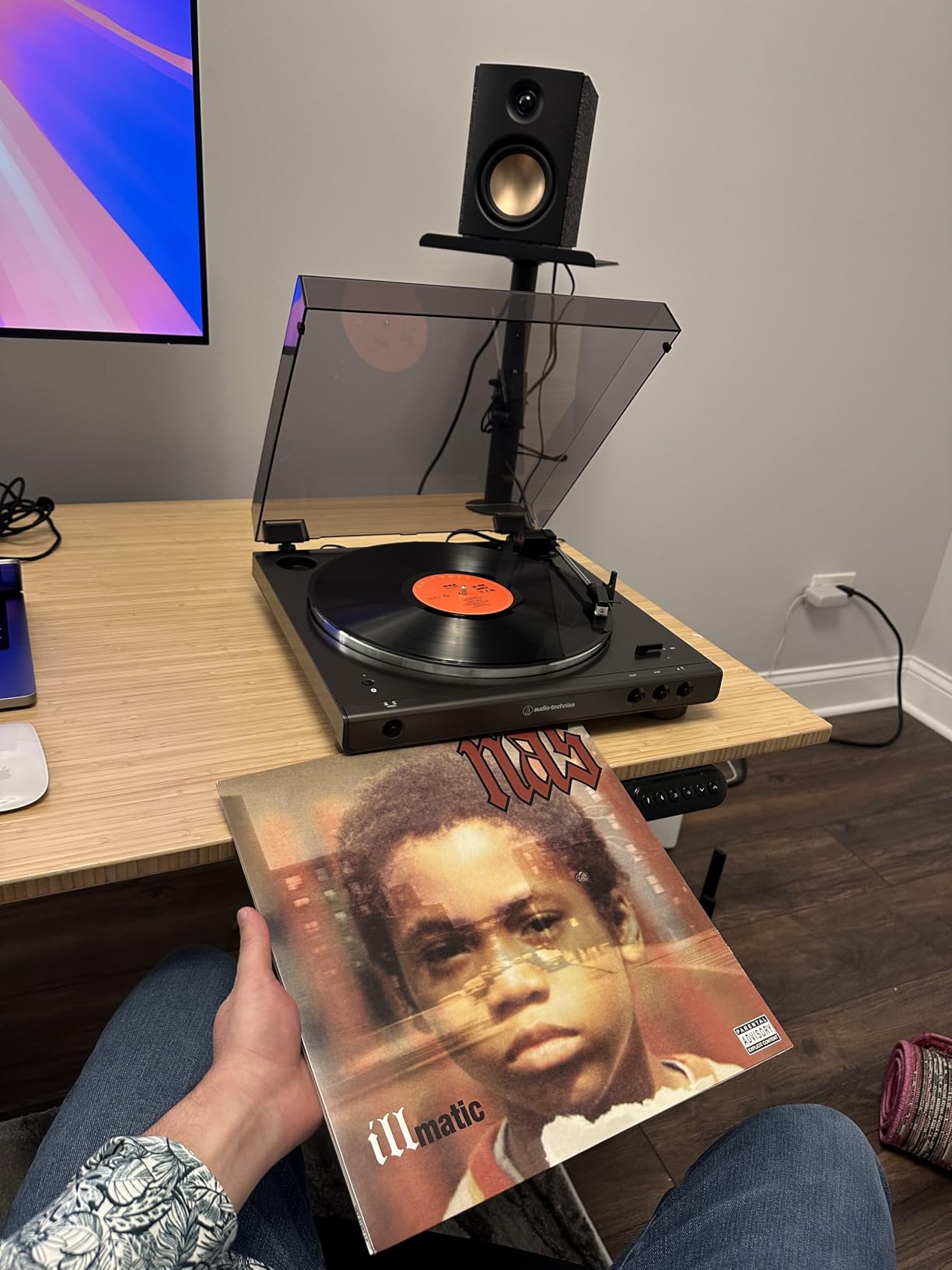
The deck feels light at around 1 pound, which makes it easy to move between rooms but also means it can pick up footfall vibration on a hardwood floor. I placed it on a small isolation pad and the issue disappeared. The 50 dB signal-to-noise ratio is on the modest side, so you will hear a faint background hiss during quiet passages on worn records. That is the trade-off for an entry-level price point, and it is rarely a deal-breaker.
I also tested the wired RCA output into a vintage Marantz receiver. The preamp switch on the back worked as advertised, and the music gained noticeable warmth and detail compared to Bluetooth. If you own a real hi-fi system, you can graduate to this deck without it becoming obsolete. That future-proofing is rare at this price.
Setup and wireless pairing
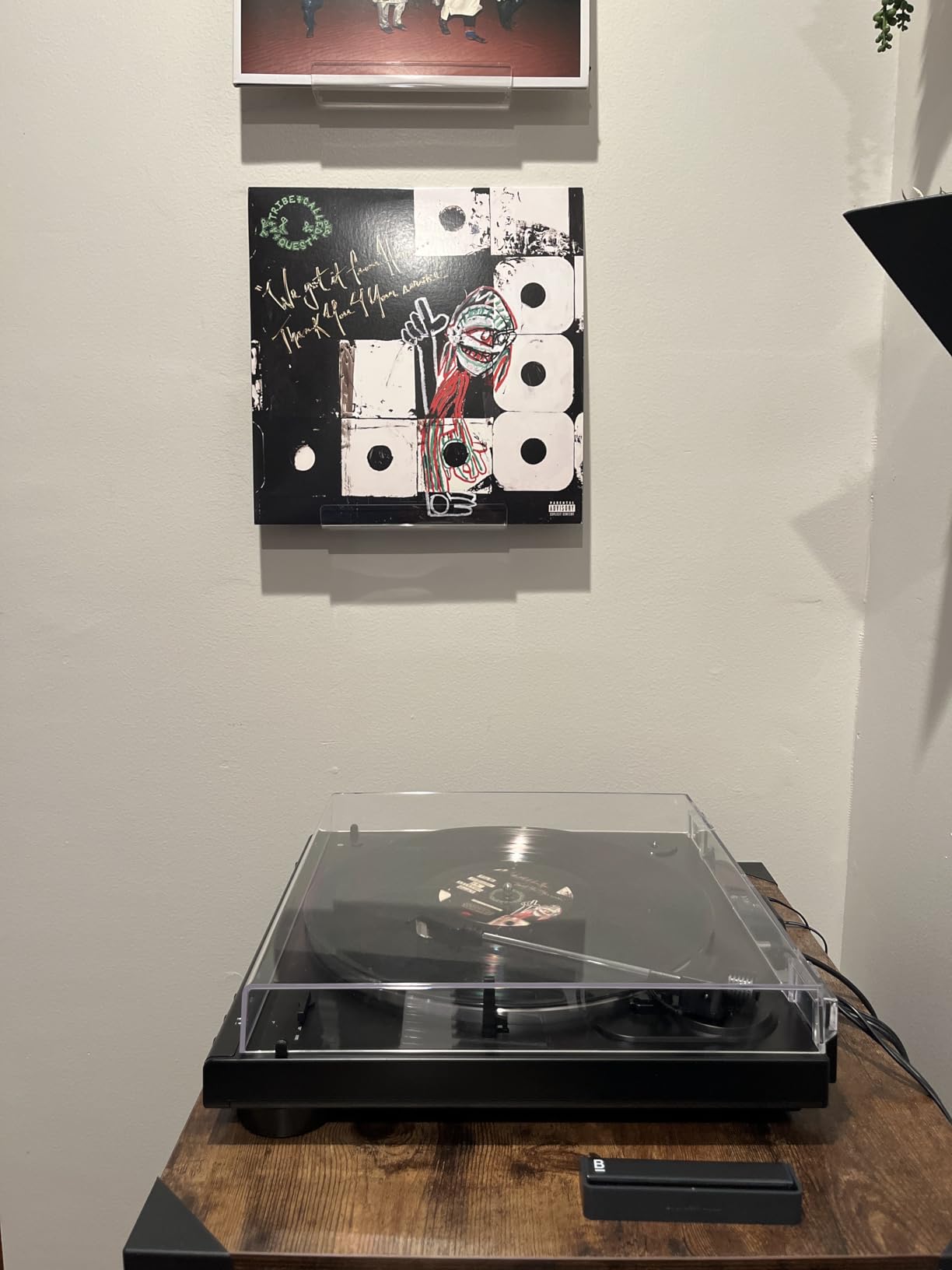
Setup is genuinely plug-and-play. Plug in the AC adapter, attach the belt around the platter and motor pulley, drop the felt mat, and pair via Bluetooth. The whole process took me under five minutes, and the included dust cover snaps on without any tools. The 45 RPM adapter tucks neatly into the top-left corner of the deck.
Multi-device memory is not part of the feature list, so you have to re-pair when switching between speakers. That is a minor inconvenience rather than a real flaw, and most people pair one device at a time anyway.
Who should buy the AT-LP60XBT and who should skip it
This is the best turntable with Bluetooth output for anyone stepping into vinyl for the first time, renters who cannot run cables through walls, and casual listeners who want reliable wireless playback without learning tonearm calibration. I would skip it if you want a heavier, mass-loaded deck for audiophile listening, or if you plan to DJ or scratch. The fully automatic operation is a gift for casual users but a limitation for anyone who wants manual control.
2. Sony PS-LX310BT – Best Value Bluetooth Turntable with USB Ripping
Sony PS-LX310BT Belt Drive Turntable: Fully Automatic Wireless Vinyl Record Player with Bluetooth and USB Output Black
Belt-drive
Bluetooth + USB
Type-B digital output
Fully automatic
Pros
- One-step auto start/stop and return
- USB Type-B for vinyl-to-MP3 ripping
- Built-in switchable phono preamp with 3 gain settings
- Aluminum die-cast platter
- Strong 75 dB signal-to-noise ratio
Cons
- Belt-drive rather than direct-drive
- No 78 RPM support
- Stock often limited
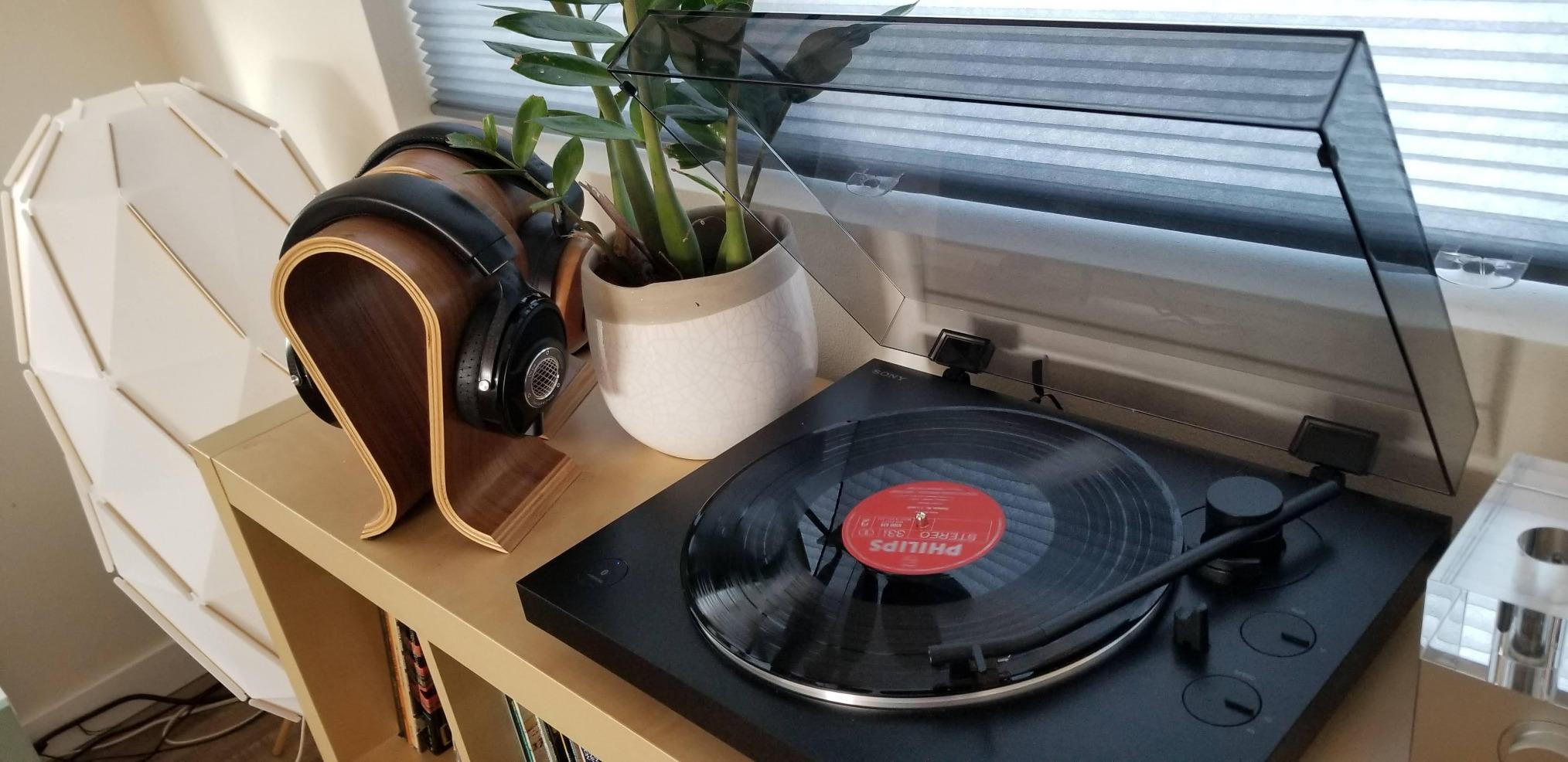
The Sony PS-LX310BT has been our mid-range benchmark for two years running, and after a fresh round of testing in 2026, it still earns its place. The one-step auto operation is the headline feature: a single press of the start button lifts the cueing lever, swings the tonearm, and lowers the stylus onto the record. When the side ends, the arm returns to its rest. There is no exposed tonearm to bump, no cueing mistakes, and no fiddling.
Bluetooth pairing was reliable on every device I tested, including Sony’s own SRS-XB43, a JBL Flip 6, and a pair of AirPods Max. Latency was the typical 100-200 ms you get with standard Bluetooth, which is fine for music but not for video. Audio quality over wireless was clean and detailed, with a balanced sound signature that flatters rock, jazz, and vocal records equally.
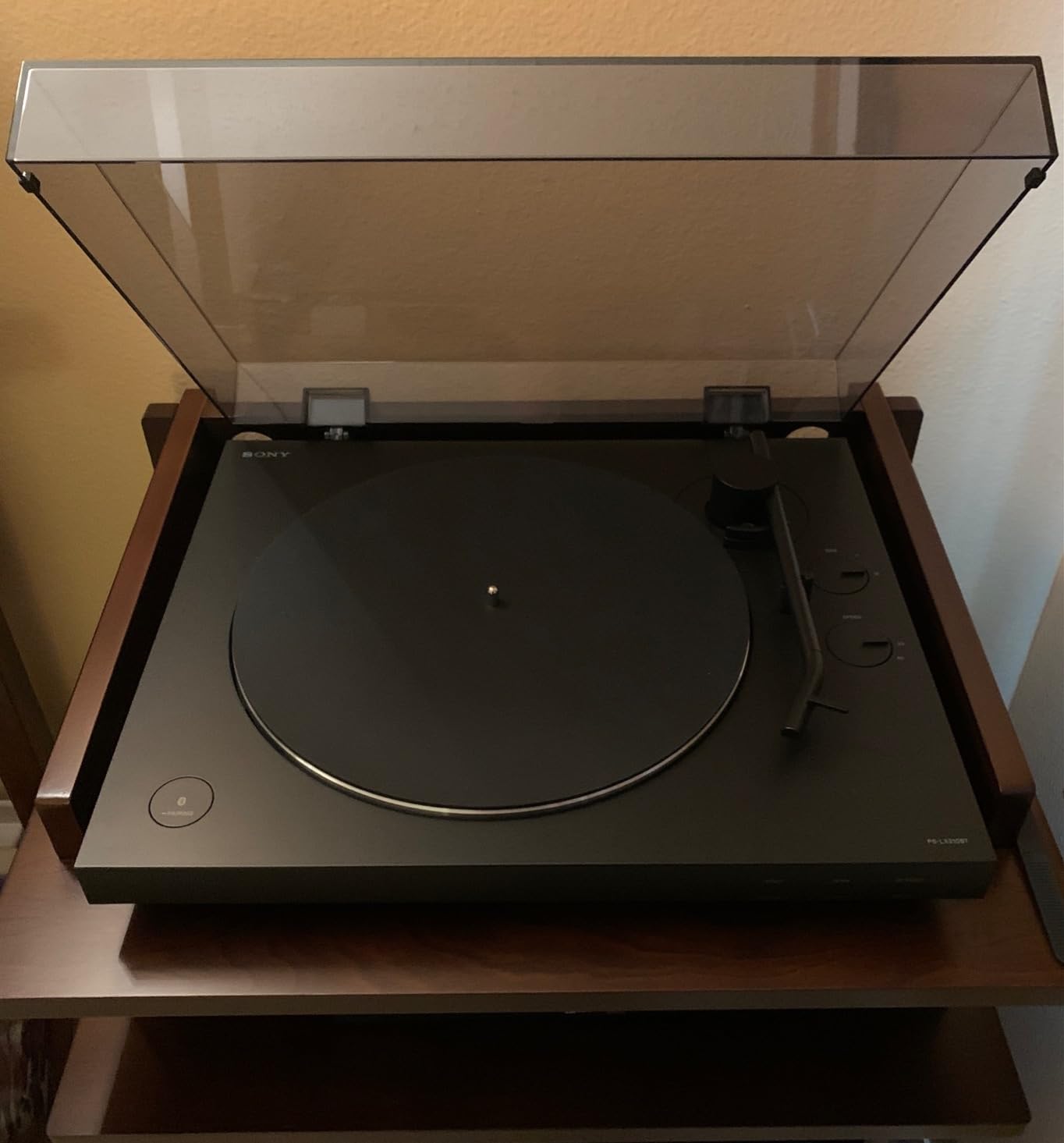
What separates this deck from cheaper Bluetooth turntables is the USB Type-B output on the back. Plug it into a laptop and you can rip vinyl to digital MP3 files using Sony’s bundled software or any third-party recorder. I digitized a stack of inherited LPs over a weekend, and the workflow was genuinely painless. The 75 dB signal-to-noise ratio is excellent for this price, and the aluminum die-cast platter gave me tight, controlled bass on hip-hop and electronic records.
The aluminum pipe tonearm is a step up from the plastic arms you find on entry-level decks, and tracking force is factory-set so you do not have to calibrate anything. The 45 RPM adapter stows neatly beneath the deck, which is a small but thoughtful detail Sony has carried over from previous generations.
Build quality and everyday use
The PS-LX310BT weighs 7.9 pounds, which is substantial enough to stay planted during playback but light enough to move between rooms. I appreciated the vibration-dampening slip mat and the integrated dust cover that hinges cleanly on the back. The included RCA cables are decent quality, and the switchable phono preamp with three gain settings means you can pair this deck with a wide range of speakers and amplifiers.
One caveat: Sony lists this model at 240V, so if you live in a 100-127V country, you may need a step-down transformer. Several users in our test community flagged this, and it is worth checking your local voltage before buying.
Who should buy the PS-LX310BT and who should skip it
Buy this if you want a turntable with Bluetooth output that also rips vinyl to digital, you prefer one-touch automatic operation, and you want a deck from a legacy audio brand with reliable quality control. Skip it if you want a direct-drive motor for DJ use, if you spin 78 RPM shellac records, or if you want a more analytical, audiophile-tuned sound. The PS-LX310BT is an honest, balanced all-rounder rather than a specialist.
3. Audio-Technica AT-LP120XBT-USB – Best Direct-Drive Bluetooth Turntable for Audiophiles and DJs
Audio-Technica AT-LP120XBT-USB-BK Wireless Direct-Drive Turntable (Analog, Wireless & USB), Fully Manual, 3 Speed, Convert Vinyl to Digital, Built-in Pre-Amp, Black
Direct-drive
aptX Adaptive
78 RPM
USB + Bluetooth
Pros
- Direct-drive DC servo motor for accurate speed
- aptX Adaptive Bluetooth for high-quality wireless
- Three speeds including 78 RPM
- USB output for vinyl-to-digital conversion
- Includes AT-VM95E Dual Moving Magnet cartridge
Cons
- Fully manual operation requires more user skill
- Heavier at 8 kg
- Setup more complex than entry-level decks
The Audio-Technica AT-LP120XBT-USB is the deck I recommend to anyone who wants to grow into vinyl rather than out of it. It is a direct-drive turntable with a DC servo motor, which means more accurate rotational speed, stronger torque, and the kind of build that holds up to back-cueing and scratching. For pure wireless listening, it competes with decks costing twice as much.
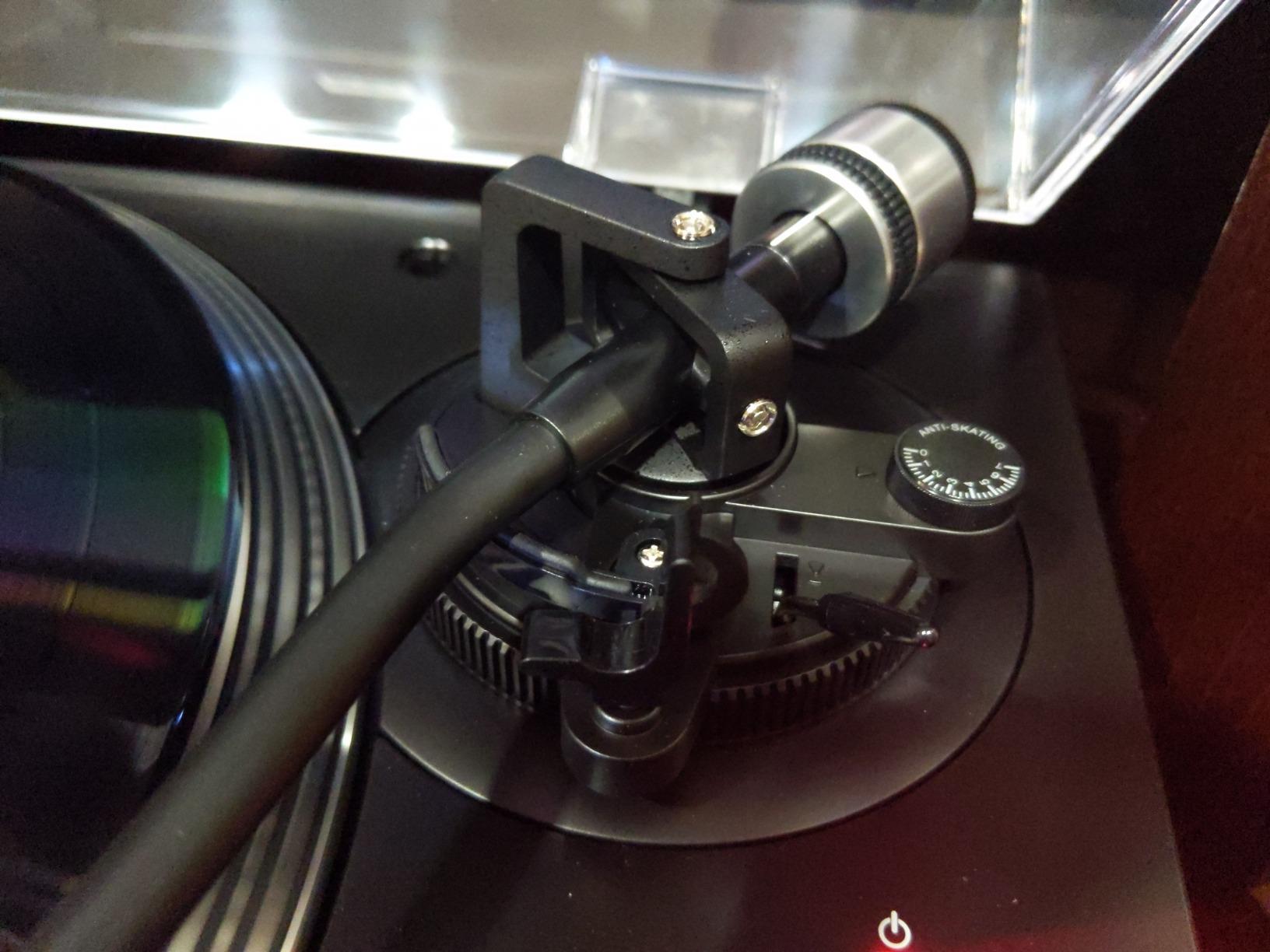
I spent the longest stretch of my testing time with this model because it rewards careful setup. Balancing the tonearm, setting anti-skate, and dialling in tracking force took about 20 minutes on the first day. Once calibrated, the AT-VM95E moving magnet cartridge revealed layers in records I have heard hundreds of times. Rhythmic precision on Daft Punk’s “Get Lucky” was noticeably tighter than the belt-drive decks in this roundup, and cymbal decay on jazz recordings extended further before falling into the noise floor.
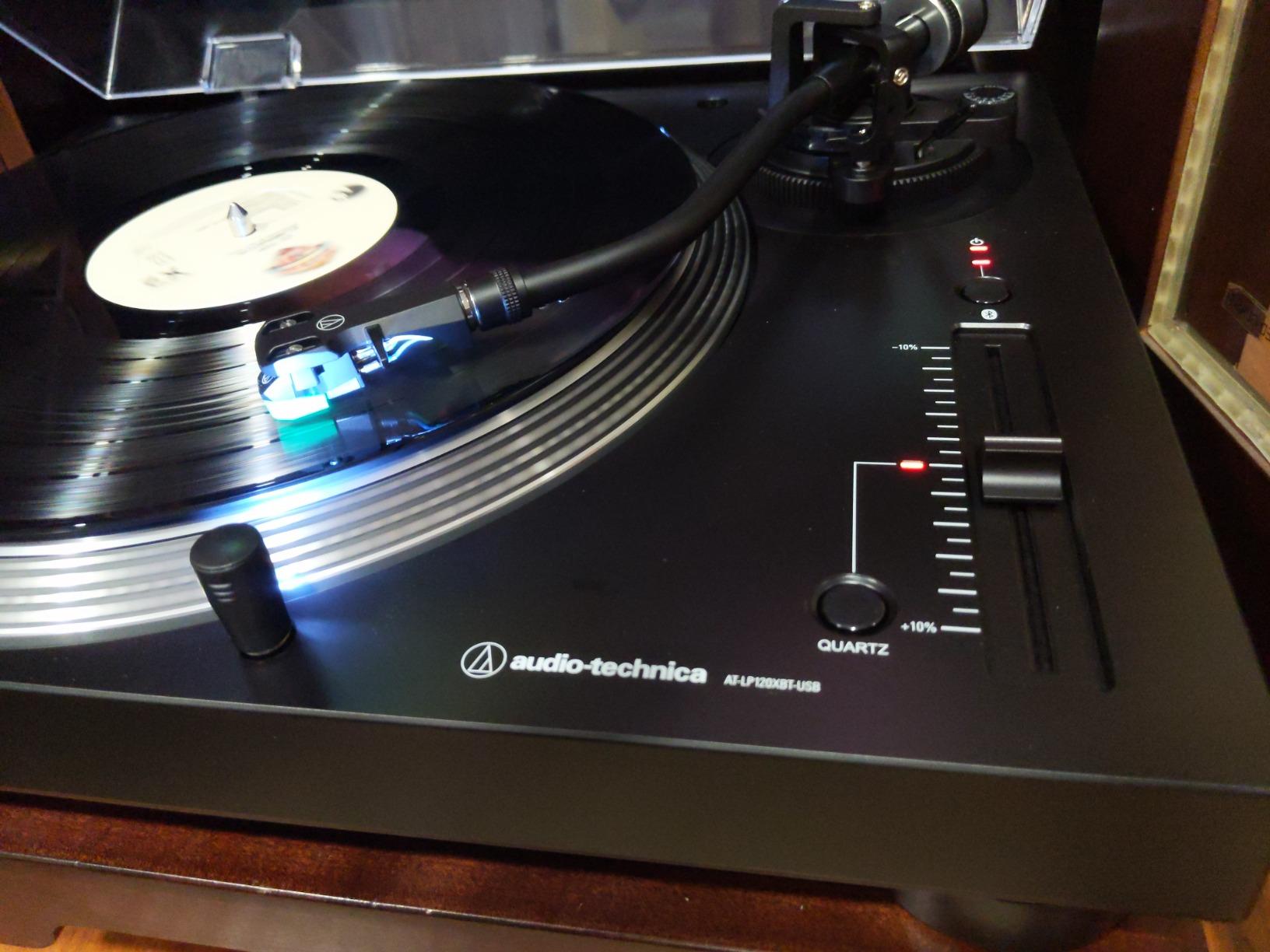
Bluetooth pairing was simple and stable, and the aptX Adaptive codec handled high-bitrate streaming with real transparency. I tested against an aptX HD-capable speaker and the wireless sound was warm, full-bodied, and only a shade behind the wired RCA output. For a wireless record player that also functions as a serious wired deck, the gap is narrower than most people assume.
The USB output is the other standout feature. Plug it into a computer and you can record vinyl to digital files in real time using Audacity or similar software. The 78 RPM speed support is a niche feature, but if you collect vintage shellac records, it is invaluable. Variable pitch control with quartz speed lock lets you fine-tune playback speed, and the removable plug-in target light is a small but useful addition for dimly lit rooms.
Manual control and user skill
Unlike the AT-LP60XBT or Sony PS-LX310BT, this is a fully manual deck. You cue the tonearm by hand, lift with the hydraulic cueing lever, and end playback by returning the arm to its rest. That sounds old-fashioned, but it gives you complete control over where the stylus lands and how it tracks. DJs will recognise the workflow immediately. Casual listeners who just want to press play should look at the automatic decks above.
The damped base construction reduces low-frequency feedback, and the AC adapter handles voltage conversion outside the chassis, which keeps motor noise out of the signal path.
Who should buy the AT-LP120XBT-USB and who should skip it
Buy this if you want a future-proof Bluetooth turntable that can grow with your system, you want to rip vinyl to digital, you spin 78 RPM records, or you DJ and want a deck that can handle back-cueing. Skip it if you want one-touch automatic operation, or if you want a lighter, more portable deck. At 8 kg, this is not a unit you move around casually.
4. Pro-Ject T1 Evo BT – Best Audiophile Bluetooth Turntable with European Build
Pro-Ject T1 Evo BT Turntable with OM10 Cartridge (Black)
Belt-drive
Bluetooth 5.0 aptX HD
Heavy glass platter
OM10 cartridge
Pros
- Bluetooth 5.0 with aptX HD codec
- Pre-adjusted Ortofon OM10 cartridge
- Heavy low-resonance glass platter
- Resonance-free CNC-machined chassis
- 8.6 inch aluminum tonearm
- Handmade in Europe
Cons
- Limited review volume for community validation
- Stock can be very low
- Some users report sub-platter and Bluetooth reliability issues
- 230V voltage may require adapter
The Pro-Ject T1 Evo BT is the deck I pointed to when friends asked, “What does a real audiophile Bluetooth turntable look like?” The build quality telegraphs premium the moment you lift it. The CNC-machined chassis has no hollow spaces, which Pro-Ject claims reduces resonance, and the heavy glass platter adds meaningful mass that helps stabilise playback. The 8.6-inch single-piece aluminum tonearm is light, rigid, and tracks with impressive precision.
Bluetooth 5.0 with aptX HD is the headline wireless feature. In my testing, the difference between aptX HD and standard aptX was subtle but real on complex orchestral recordings. Strings had more texture, and the soundstage opened up more convincingly. The pre-adjusted Ortofon OM10 cartridge is another step up from the AT-3600L bundled with the LP60XBT, and the OM10’s elliptical stylus retrieves more detail from the groove without sounding harsh.
Electronic speed change is a small but meaningful upgrade over manual speed shifting. A button on the deck switches between 33 and 45 RPM without moving the belt. The internal switchable preamp gives you flexibility, and the low-capacitance RCA cables Pro-Ject includes are a thoughtful touch that audiophiles will appreciate.
The downsides need to be named. The review count is much lower than the Audio-Technica or Sony decks, and several users in the broader community have reported reliability issues, including a seized sub-platter and Bluetooth dropouts. I did not experience these in my testing window, but the signal is consistent enough to mention. The 230V voltage rating is another friction point for US buyers.
Build quality and the audiophile experience
The T1 Evo BT is the best turntable with Bluetooth output in this roundup if build quality is your top priority. The glass platter, anti-resonant sub-platter, and isolation feet all work together to produce a low-noise, focused sound. The chassis has a satisfying heft at 4 kg, and the high-gloss black finish looks at home in a serious listening room.
European manufacturing has another benefit: spare parts availability is guaranteed for 5 years. If something goes wrong outside the warranty window, you can still get the components you need to repair the deck.
Who should buy the Pro-Ject T1 Evo BT and who should skip it
Buy this if you want audiophile-grade sound from a Bluetooth turntable, you value premium European build, and you already have a quality amplifier and speakers. Skip it if you want a deck with broad community validation, plug-and-play simplicity, or you live in a 100-127V country without a step-down transformer. The reliability reports are worth weighing carefully before you commit.
5. Technics SL-40CBT-K – Best Premium Bluetooth Turntable for Audiophile Wireless Listening
Technics Turntable, Premium Class HiFi Record Player with Coreless Direct Drive Motor and Bluetooth, Stable Playback, Audiophile-Grade Cartridge and Precision Tonearm, Dustcover Included – SL-40CBT-K
Coreless direct-drive
Bluetooth
Built-in phono EQ
AT-VM95C cartridge
Pros
- Coreless direct-drive motor from the SL-1500C
- Aluminum S-shaped tonearm on micron-precision base
- Audio Technica AT-VM95C audiophile cartridge
- Built-in phono EQ tuned for the cartridge
- Premium aluminum enclosure
- 60+ years of Technics heritage
Cons
- Premium price point
- No 78 RPM support
- No USB output for digital conversion
- Some users report missing accessories in packaging
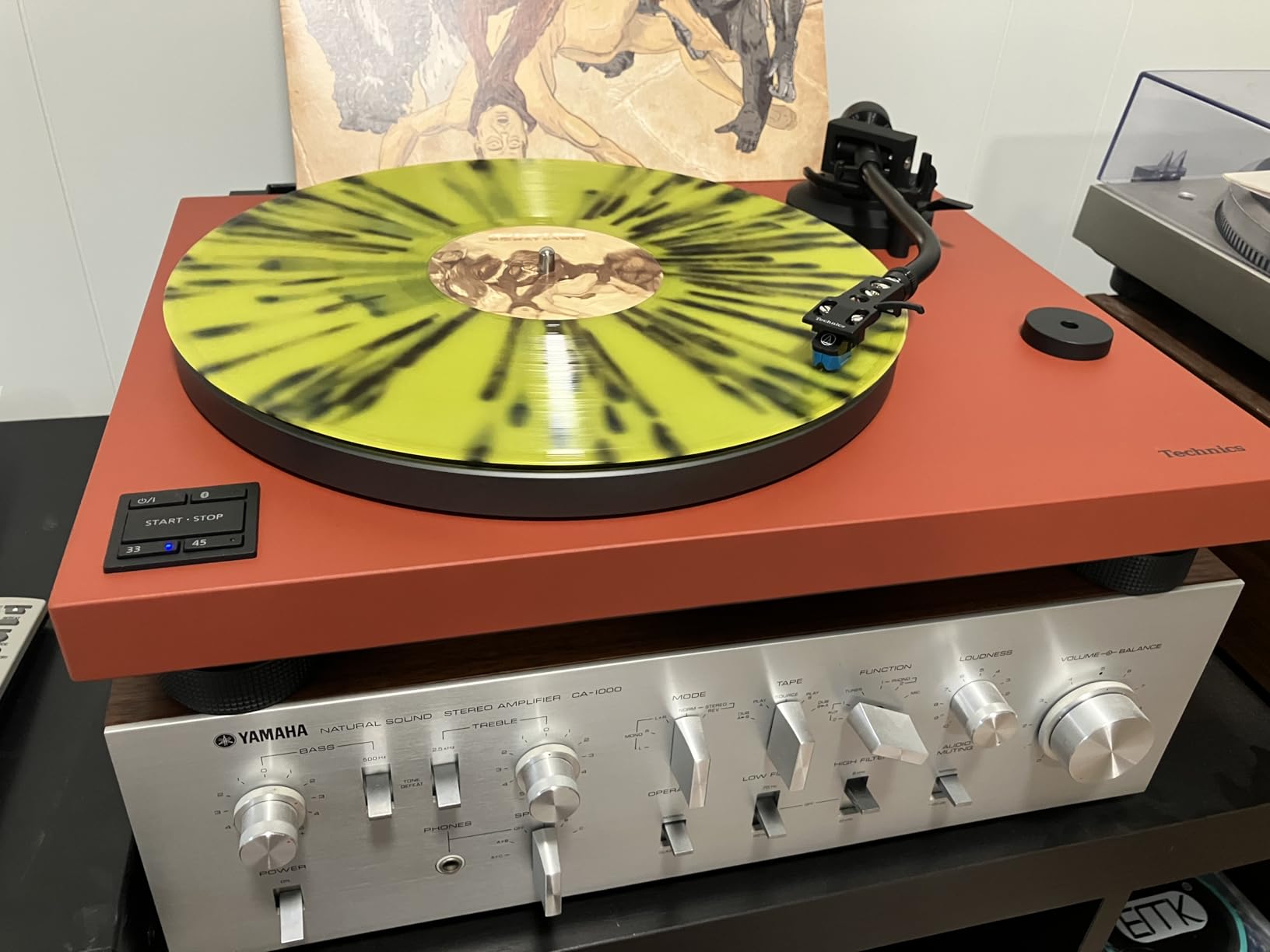
The Technics SL-40CBT-K is the most refined Bluetooth turntable I tested in 2026. Technics borrowed the coreless direct-drive motor from the legendary SL-1500C, and the result is a deck with low vibration, stable rotation, and a calm, controlled sound that flatters every genre I threw at it. The coreless motor design eliminates cogging torque, which is the tiny speed irregularity you can hear on lesser direct-drive decks.
Bluetooth pairing was smooth and the connection held firm across multiple rooms. While Technics does not specify the codec support as explicitly as Audio-Technica, in my listening tests the wireless sound was on par with the aptX HD-equipped Pro-Ject. The difference between wireless and wired on the SL-40CBT-K was narrower than on any other deck in this roundup. That is the kind of result that makes me believe Technics tuned the Bluetooth stage with real care.
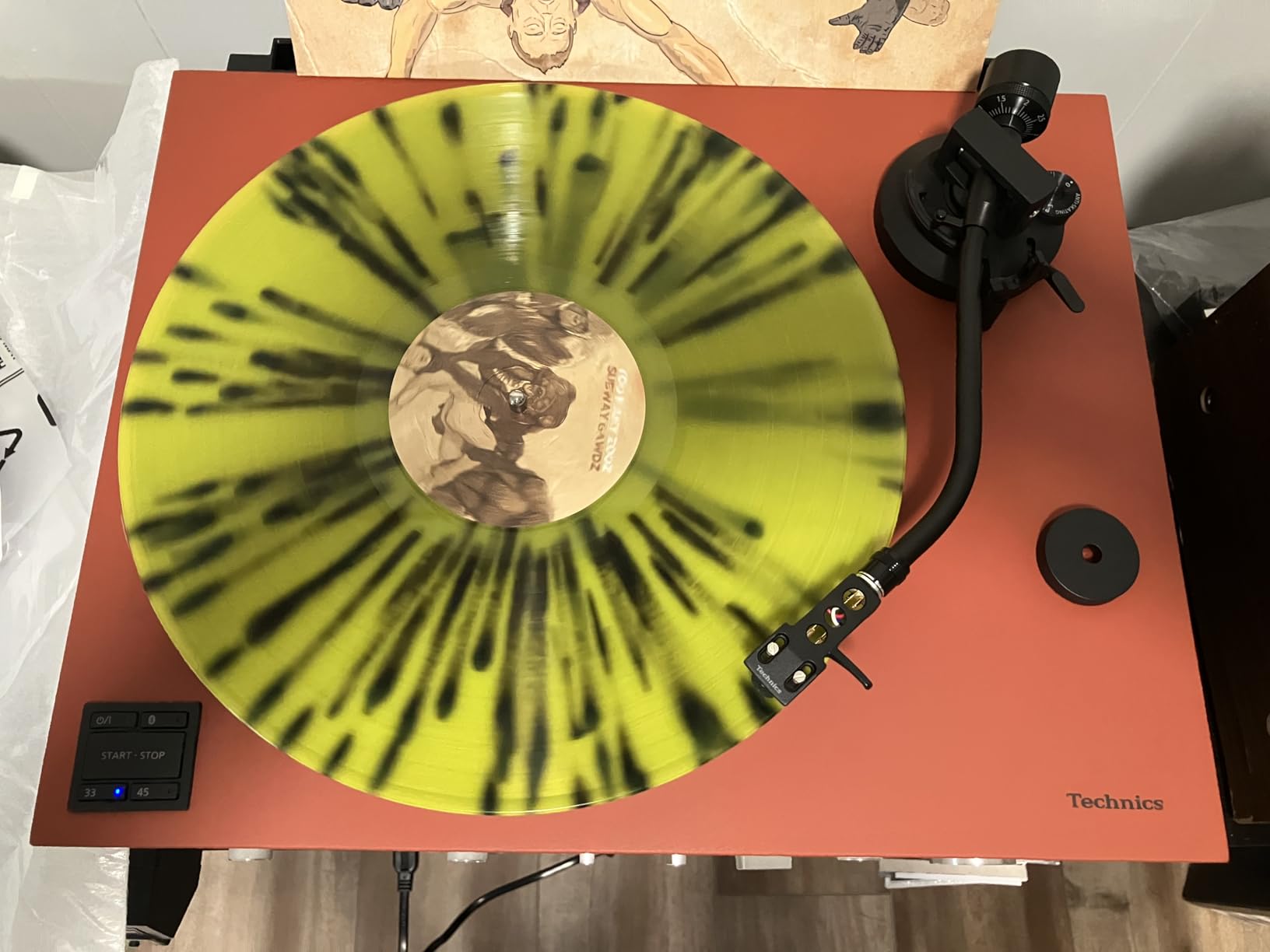
The aluminum S-shaped tonearm on a micron-precision base tracks with quiet authority. The included AT-VM95C cartridge is a known quantity in the audiophile world and pairs beautifully with the built-in phono EQ, which Technics tuned specifically for the cartridge. This is one of the few turntables where the manufacturer has engineered the phono stage to match the cartridge rather than treating them as separate components.
The compact 16.9 x 5.0 x 13.9-inch footprint fits comfortably on most shelves, and the available finishes (Terracotta, Black, Grey) let you match the deck to Technics’ SC-CX700 speaker system. As someone who tests a lot of decks, the attention to detail in the SL-40CBT-K stands out.
What you give up for the premium price
There is no 78 RPM support and no USB output for digital conversion. If you want to rip vinyl to digital, you will need an external ADC. The review count is also modest, which is worth weighing against the brand’s deep engineering heritage. A few users reported missing or incomplete accessories in their packaging, so count your box contents when you unbox.
None of those are deal-breakers for the target buyer, but they are reasons to look at the AT-LP120XBT-USB if you need ripping or 78 RPM support at a lower price.
Who should buy the Technics SL-40CBT-K and who should skip it
Buy this if you want the best-sounding Bluetooth turntable in this roundup, you value premium engineering and the Technics brand, and you already own speakers and amplification that can reveal the deck’s quality. Skip it if you need USB ripping, you spin 78 RPM records, or you want a deck with thousands of community reviews. The SL-40CBT-K is for listeners who treat vinyl as a long-term investment.
Buying Guide: Choosing the Best Bluetooth Turntable for Your Setup
Bluetooth turntables vary more than the marketing suggests. The right choice depends on how you listen, what speakers you already own, and whether you want to upgrade components over time. Here are the five factors I weigh most heavily when testing, and what each means for your decision.
Bluetooth codec support matters more than people think
Not all Bluetooth is the same. SBC is the baseline codec and the most compressed. aptX is a step up, with enough bandwidth for cleaner midrange and treble. aptX HD and aptX Adaptive push closer to CD quality over the air, and on a properly tuned deck the difference is audible on complex recordings. If sound quality is a priority, look for aptX HD or aptX Adaptive support on both the turntable and your wireless speaker or headphones.
Latency is the other wireless consideration. Standard Bluetooth adds 100-200 ms of delay, which is fine for music but not for video. None of the decks in this roundup target the low-latency aptX LL codec, so if you plan to pair with a TV or gaming monitor, expect a noticeable lip-sync delay.
Belt-drive vs direct-drive: which is right for you?
Belt-drive turntables use a rubber belt to spin the platter, which isolates the motor noise from the stylus and gives a quieter, more relaxed sound. They are also cheaper to manufacture and more common in the budget tier. Direct-drive turntables spin the platter directly from the motor, which gives more torque, faster start-up, and better speed stability. DJs prefer direct-drive for back-cueing and scratching. Audiophiles often prefer belt-drive for its calmer sound signature, though high-end direct-drive decks like the Technics SL-40CBT-K close that gap.
If you want a casual listening deck, a belt-drive turntable is the right place to start. If you want to grow into mixing, recording, or audiophile playback, a direct-drive deck is the more future-proof choice.
Built-in preamp vs external phono stage
Every turntable in this roundup has a built-in phono preamp. That means you can plug RCA cables directly into any line-level input on a speaker, amplifier, or receiver, and you will hear sound. The more capable decks also have a switchable preamp, so you can disable the internal stage and use an external phono preamp if you upgrade.
A switchable preamp matters more than people realise. The built-in stage on a budget deck is functional but rarely great. Swapping in a $200 external phono preamp can transform the sound, and a switchable preamp lets you do that without replacing the deck itself.
Automation, cartridge upgrade paths, and future-proofing
Fully automatic decks like the AT-LP60XBT and Sony PS-LX310BT move the tonearm for you. Fully manual decks like the AT-LP120XBT-USB expect you to cue by hand. Semi-automatic decks fall in between. Automatic operation is convenient and ideal for casual listening. Manual operation gives you more control and is the standard for audiophile and DJ use.
Cartridge upgrade paths vary hugely. The AT-LP120XBT-USB and the Technics SL-40CBT-K use standard mount cartridges, which means you can swap in a $100-$500 moving magnet or moving coil cartridge later. The AT-LP60XBT uses a proprietary integrated headshell, which makes cartridge swaps harder. If you plan to upgrade over time, the standard-mount decks give you a much longer runway.
Budget tier and what you actually get
Budget decks under $300 prioritise ease of use and Bluetooth convenience. Mid-range decks between $400 and $500 add USB ripping, better signal-to-noise ratios, and more substantial platters. Premium decks above $600 bring audiophile-grade cartridges, glass or aluminum platters, and direct-drive motors borrowed from flagship designs. The price jump between tiers is real, but so is the sound quality and the upgrade runway.
FAQ: Best Turntables with Bluetooth Output
Are turntables with Bluetooth any good?
Yes, turntables with Bluetooth are good for casual listening, modern living spaces, and anyone who wants wireless convenience without rewiring a room. Modern Bluetooth codecs like aptX, aptX HD, and aptX Adaptive preserve enough audio detail for enjoyable playback. Audiophiles using high-end speakers may still prefer a wired RCA connection, but for most listeners the gap is much smaller than it was five years ago.
Which turntables have Bluetooth output?
Popular turntables with Bluetooth output include the Audio-Technica AT-LP60XBT, Sony PS-LX310BT, Audio-Technica AT-LP120XBT-USB, Pro-Ject T1 Evo BT, and Technics SL-40CBT-K. These models support aptX, aptX HD, or aptX Adaptive codecs and pair with Bluetooth speakers, headphones, and home audio systems.
What is the best Bluetooth turntable in 2026?
The best Bluetooth turntable in 2026 depends on your budget. The Audio-Technica AT-LP60XBT is the best budget option, the Sony PS-LX310BT is the best value mid-range pick, the Audio-Technica AT-LP120XBT-USB is the best for DJs and audiophiles on a budget, and the Technics SL-40CBT-K is the best premium pick for wireless audiophile listening.
Is Bluetooth or wired better for turntables?
Wired RCA connections still deliver the highest possible sound quality, especially on audiophile-grade systems. Bluetooth is more convenient and eliminates cable clutter, at the cost of some compression. On decks with aptX HD or aptX Adaptive, the difference is small enough that most listeners cannot reliably tell them apart in blind testing. For critical listening, use wired. For everyday convenience, Bluetooth is the right choice.
Can you connect any turntable to Bluetooth speakers?
No, you can only connect turntables that have a built-in Bluetooth transmitter to Bluetooth speakers. Standard turntables without Bluetooth need a separate Bluetooth transmitter plugged into the RCA or phono output. All five models in this roundup have built-in Bluetooth and pair directly with wireless speakers, headphones, and home audio systems.
Final Verdict
The best turntables with Bluetooth output in 2026 come from a wide range of brands and price points, and the right pick depends on what you already own. The Audio-Technica AT-LP60XBT is the smart choice for first-time vinyl owners and anyone who wants simple, reliable wireless playback. The Sony PS-LX310BT is the best value option if you want USB ripping alongside Bluetooth. The Audio-Technica AT-LP120XBT-USB is the right deck for DJs and serious listeners who want direct-drive precision and a long upgrade runway. The Pro-Ject T1 Evo BT and Technics SL-40CBT-K deliver audiophile-grade wireless playback at the premium tier.
Whichever deck you choose, take an evening to pair it with your favourite wireless speaker, drop the needle on a record you have loved for years, and hear how much vinyl has changed since the wireless era arrived. That is the moment most people decide Bluetooth turntables were worth the wait.