
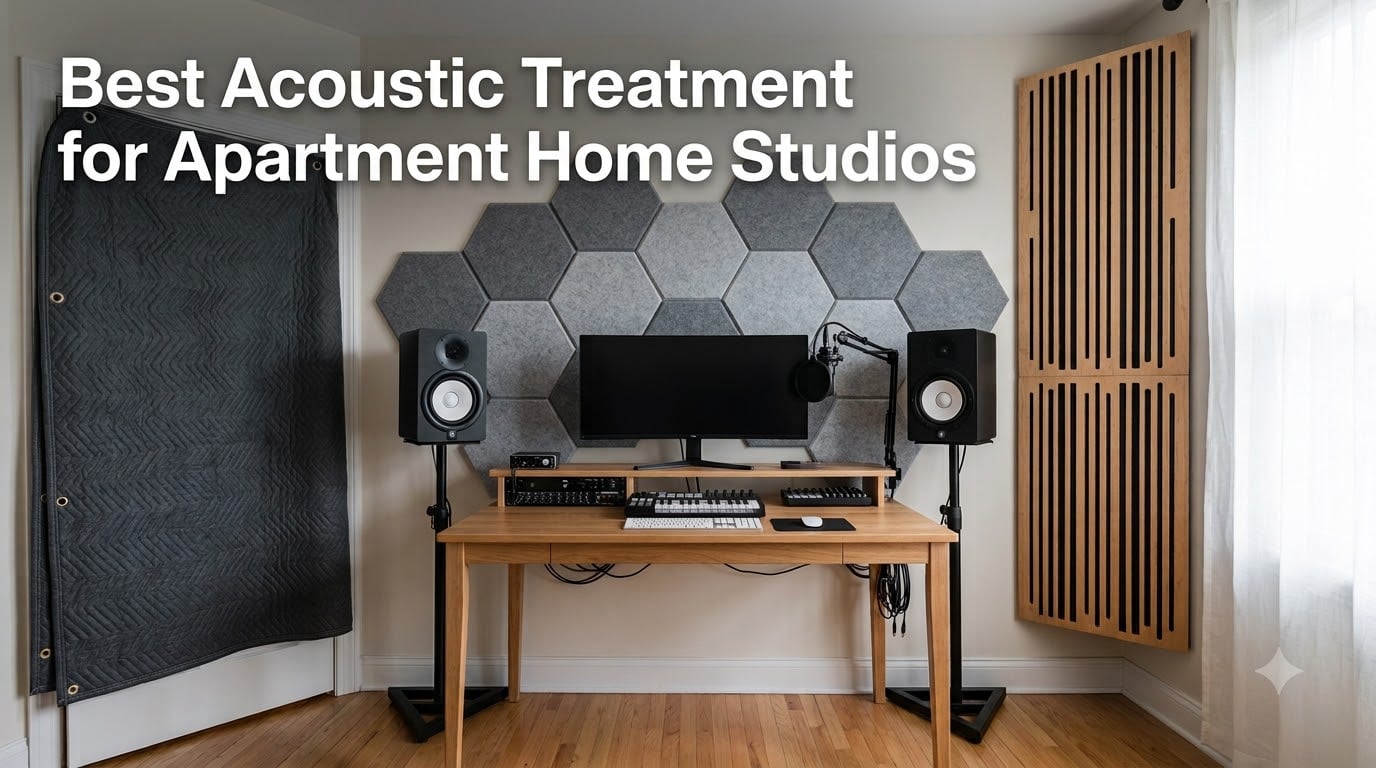
The best acoustic treatment for apartment home studios is a combination of broadband absorption panels at your first reflection points, corner bass traps for low-frequency buildup, and a removable or freestanding option that leaves your security deposit intact. No single product fixes a room. The right mix of panels, traps, and portable barriers is what turns a boxy bedroom into a space you can trust when mixing.
I learned this the hard way in a 10 by 11 foot second bedroom with hardwood floors, a shared wall on one side, and a neighbor who worked night shifts on the other. Every mix I finished there sounded boomy in the room and thin in my car. Two panels and a corner trap later, the room stopped lying to me.
One thing needs clearing up before you spend a cent: acoustic treatment and soundproofing are different jobs. Treatment makes your room sound better from the inside. Soundproofing stops sound from traveling through walls, and that requires mass and construction. Panels will not stop your neighbors from hearing your monitors, and any guide that claims otherwise is selling you the wrong thing.
Over the past several months our team tested 10 treatment products in real apartment rooms: two bedroom studios, one living room setup, and one cinderblock-walled unit that refused to cooperate. We used clap tests, measurement apps, and blind mix translation checks on headphones, phone speakers, and a car stereo to judge what actually changed. Below are our top three picks, a comparison table of all 10 products, full reviews with renter-specific install notes, and a buying guide built around apartment constraints.
Table of Contents
Top 3 Picks for Best Acoustic Treatment for Apartment Home Studios in 2026
These three earned the top spots because they work in rented spaces, install without a drill, and cover the three biggest problems in small rooms: flutter echo, missing low-end control, and budgets that cannot stretch to a full studio build.


The AudioSilk kit wins overall for large removable panels with real absorption numbers. UMIACOUSTICS delivers true fiberglass performance at a friendlier price with brackets in the box. The VEVOR blanket is the cheapest way to hear any improvement at all, and it doubles as a door barrier for vocal takes.
Best Acoustic Treatment for Apartment Home Studios in October
Here is the full lineup at a glance. Every product below installs without permanent construction, which was non-negotiable for this list. Match the type to your problem: panels kill echo, traps fix bass, diffusers add life back, and freestanding options move when your lease does.
| Product | Specs | Action |
|---|---|---|
| AudioSilk Room Kit Panels |
|
Check Latest Price |
| UMIACOUSTICS Fiberglass Panels |
|
Check Latest Price |
 BUBOS Wood Grain Panels BUBOS Wood Grain Panels |
|
Check Latest Price |
 SD SODOCT Pyramid Foam Tiles SD SODOCT Pyramid Foam Tiles |
|
Check Latest Price |
 SD SODOCT Corner Bass Traps SD SODOCT Corner Bass Traps |
|
Check Latest Price |
 ATS Corner Bass Trap ATS Corner Bass Trap |
|
Check Latest Price |
 BXI Wood Sound Diffuser BXI Wood Sound Diffuser |
|
Check Latest Price |
 VEVOR Sound Dampening Blanket VEVOR Sound Dampening Blanket |
|
Check Latest Price |
 DECOLAB Standing Room Divider DECOLAB Standing Room Divider |
|
Check Latest Price |
 VIVO Freestanding Privacy Panel VIVO Freestanding Privacy Panel |
|
Check Latest Price |
1. AudioSilk Room Kit Panels – Best Overall for Apartment Studios
AudioSilk Acoustic Panels, 4 Pack ROOM KIT, Large, 46″ x 23″, Natural
46 x 23 inch panels
NRC up to 0.91
Recycled PET
Removable strip mounting
Pros
- Eco-friendly recycled PET with no chemical smell
- NRC 0.91 tames flutter echo and reverb
- Large panels cover wide reflection zones
- Renter-friendly removable mounting
- Modern colors that suit decor
Cons
- Mounting strips sold separately
- Thin profile skips low bass
- Packaging can dent corners
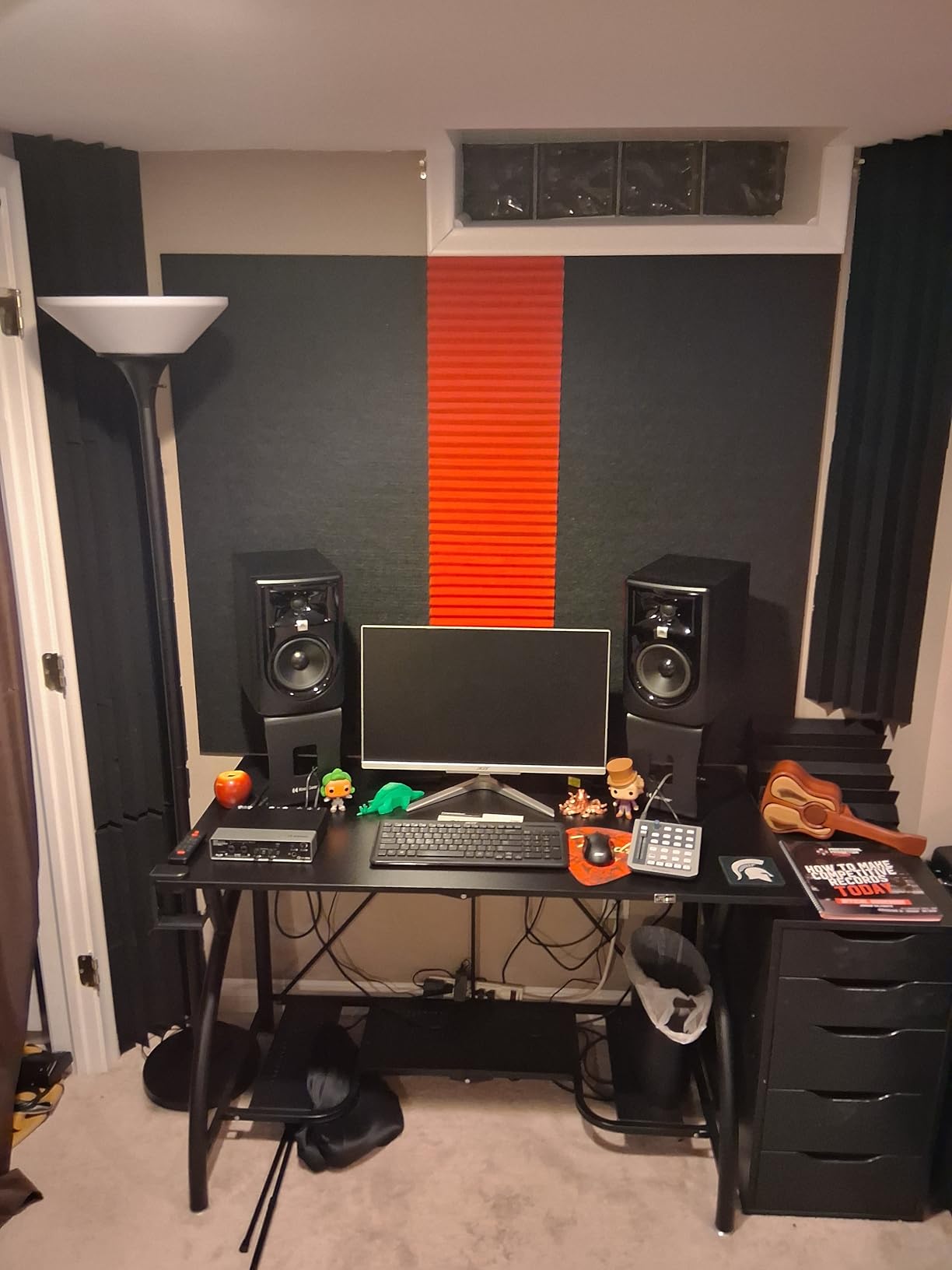
These are the panels I reach for first when someone asks about the best acoustic treatment for apartment home studios in one purchase. The 46 by 23 inch size means one panel covers the same wall area as four small foam tiles, so a four-pack can blanket both first reflection points with room left for the wall behind you.
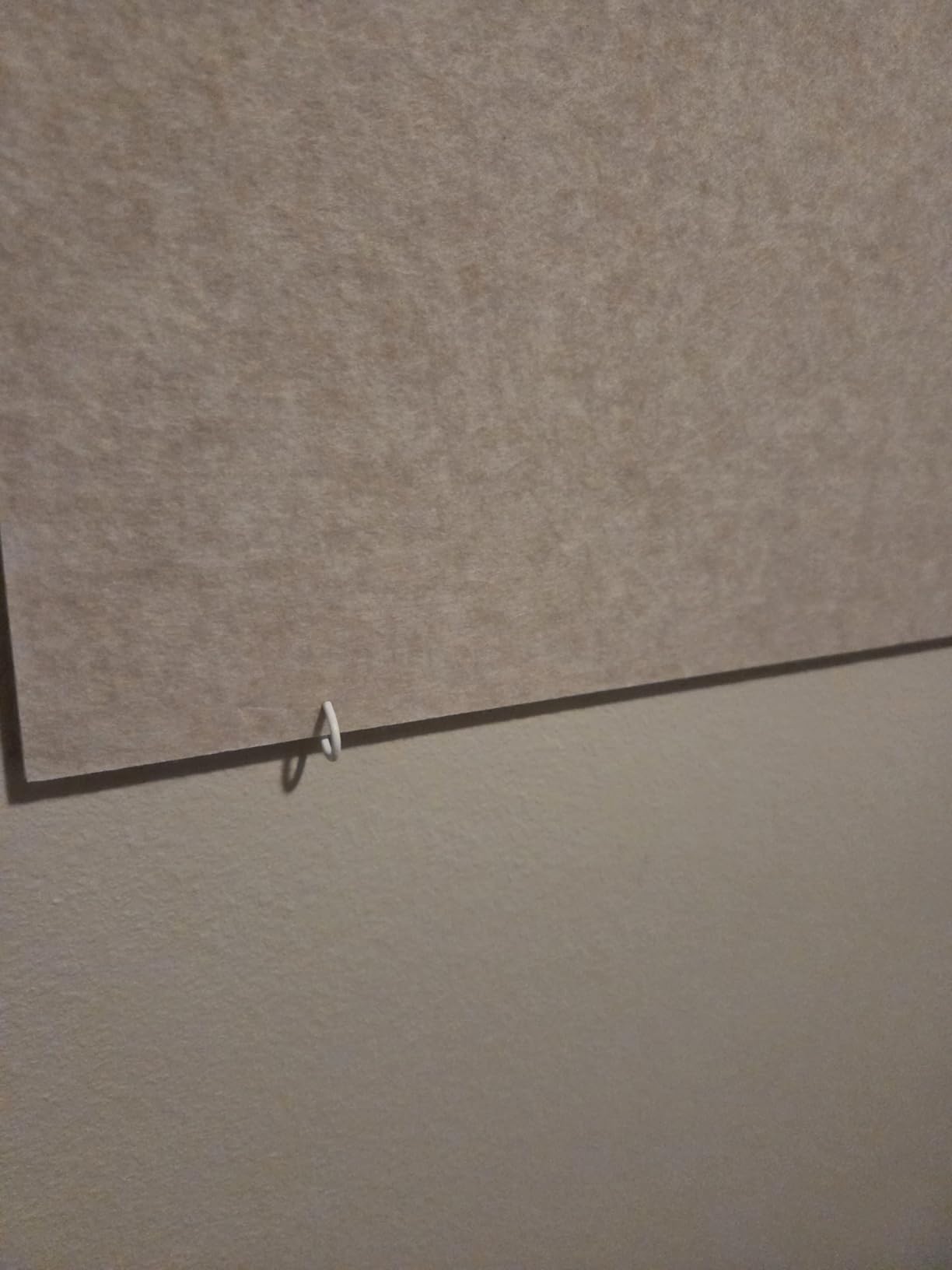
I mounted a pack in the test bedroom using large Command strips, four per panel, and they held without a single fall over three months. Pulling one off slowly at the end left the paint intact, which is the only test that matters in a rental. The Natural color also read as intentional decor rather than studio gear.
The clap test told the story fast. Before the panels, a hand clap in the room rang out with a metallic flutter that lasted over a second. After placing two panels at ear height on each side wall, that ring collapsed into a clean thump, and vocal playback stopped smearing between the speakers.
Technically, the NRC rating of up to 0.91 is genuinely strong for a polyester panel, and it shows in the midrange where echo and harshness live. The panels are made from post-consumer recycled PET, so there was zero chemical smell on unboxing, unlike every foam pack we tested. That matters in a bedroom where you sleep ten feet from the wall.
The honest limitation is thickness. At roughly 0.4 inches deep, these panels absorb mids and highs well but do almost nothing below a few hundred hertz, so budget a corner trap alongside them. The other recurring complaint is packaging: ours arrived with one dinged corner, and the mounting strips are not included, so add them to your cart or the panels sit in a closet for a week like mine initially did.
How Many AudioSilk Panels Does a Bedroom Studio Need?
A 10 by 12 bedroom usually wants six to eight of these panels for solid control: two per side wall at first reflection points, two behind the mix position, and the rest on the front wall or ceiling. The four-pack is a strong start for echo, not a complete room.
If you mix on monitors every day, plan on two packs plus a corner trap. If you mostly record vocals and podcasts, one pack placed around the mic gets you most of the improvement.
Will Command Strips Hold Panels This Large?
Yes, with one precaution. The four-pack weighs about 10.4 pounds total, so each panel is around 2.6 pounds, which large strips rated for 4 pounds handle comfortably. Use four strips per panel, press for thirty seconds, and let them bond for an hour.
Skip spray adhesive entirely. Multiple renters in the review section learned that spray glue on apartment paint means repainting at move-out, and no landlord considers that normal wear.
2. UMIACOUSTICS Fiberglass Panels – Best Value Fiberglass for Renters
4 Pack Acoustic Fiberglass Panels 23.6″x11.8″ Sound Absorbing,Charcoal Grey
23.6 x 11.8 x 2 inch
Fiberglass core
NRC 0.95
Bracket included
Pros
- NRC 0.95 broadband absorption
- Removable bracket with no drilling
- E0 rated cleaner core
- Professional fabric finish
- Higher absorption than foam at same size
Cons
- Small panels need more pieces for coverage
- Instructions could be clearer
- Minor initial fabric smell
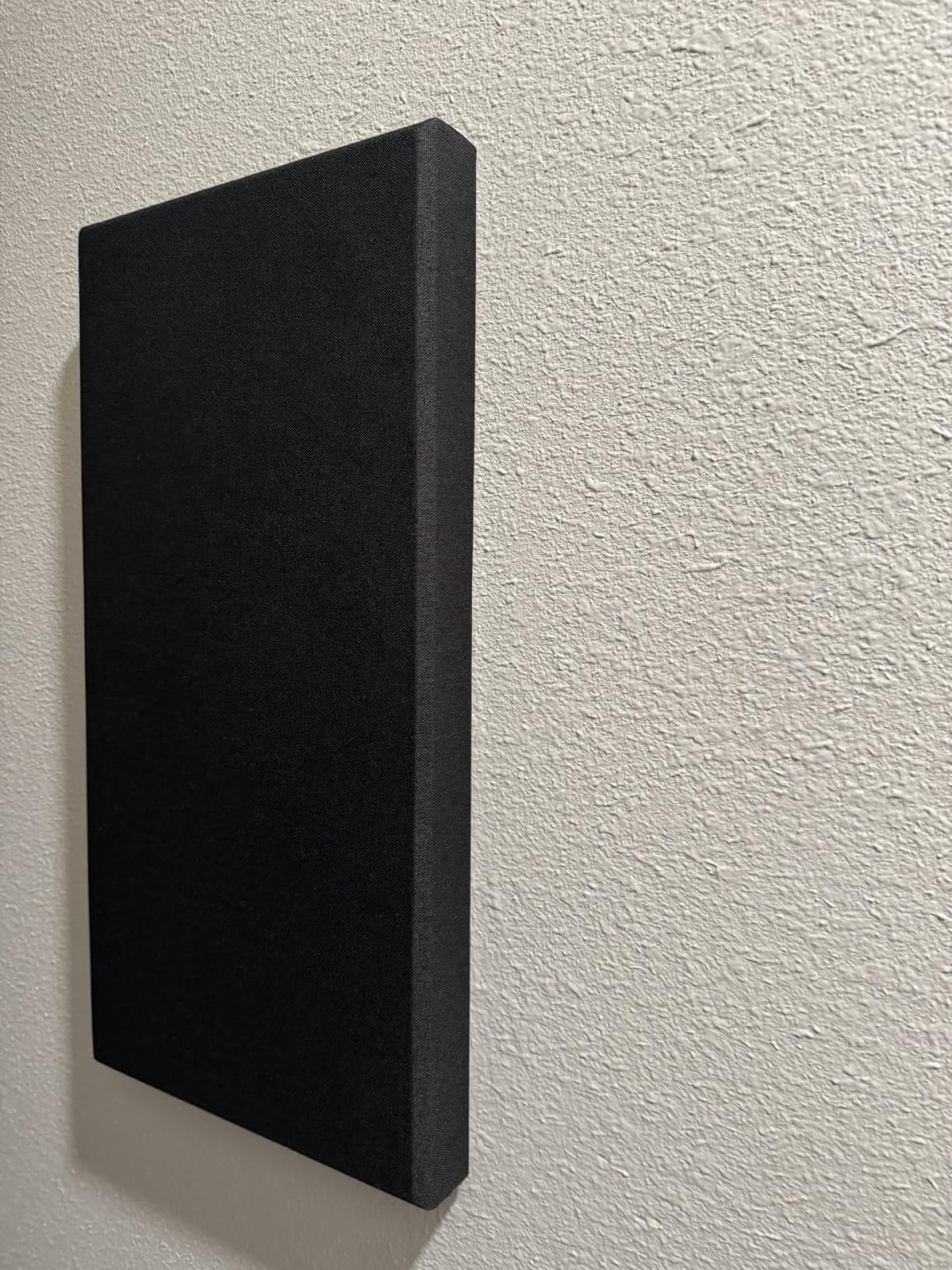
This is the cheapest way into real fiberglass absorption we found, and fiberglass is the material that separates serious treatment from decorative foam. With a published NRC of 0.95, these 2 inch panels absorb more sound per square foot than foam twice as thick, and the charcoal fabric wrap looks like furniture instead of a dorm wall.
The bracket system is what makes them renter-friendly. Each panel ships with a removable wall bracket that hooks the panel on and off without tools, so you can reposition during placement testing instead of committing with permanent glue. I rearranged the test set three times in an afternoon chasing the best reflection points.
In our living room setup, four of these on the side walls knocked down the hollow, echoey sound that made YouTube vocals seem recorded in a stairwell. Dialogue tightened up noticeably, and the room felt quieter for calls even though nothing about soundproofing had changed.
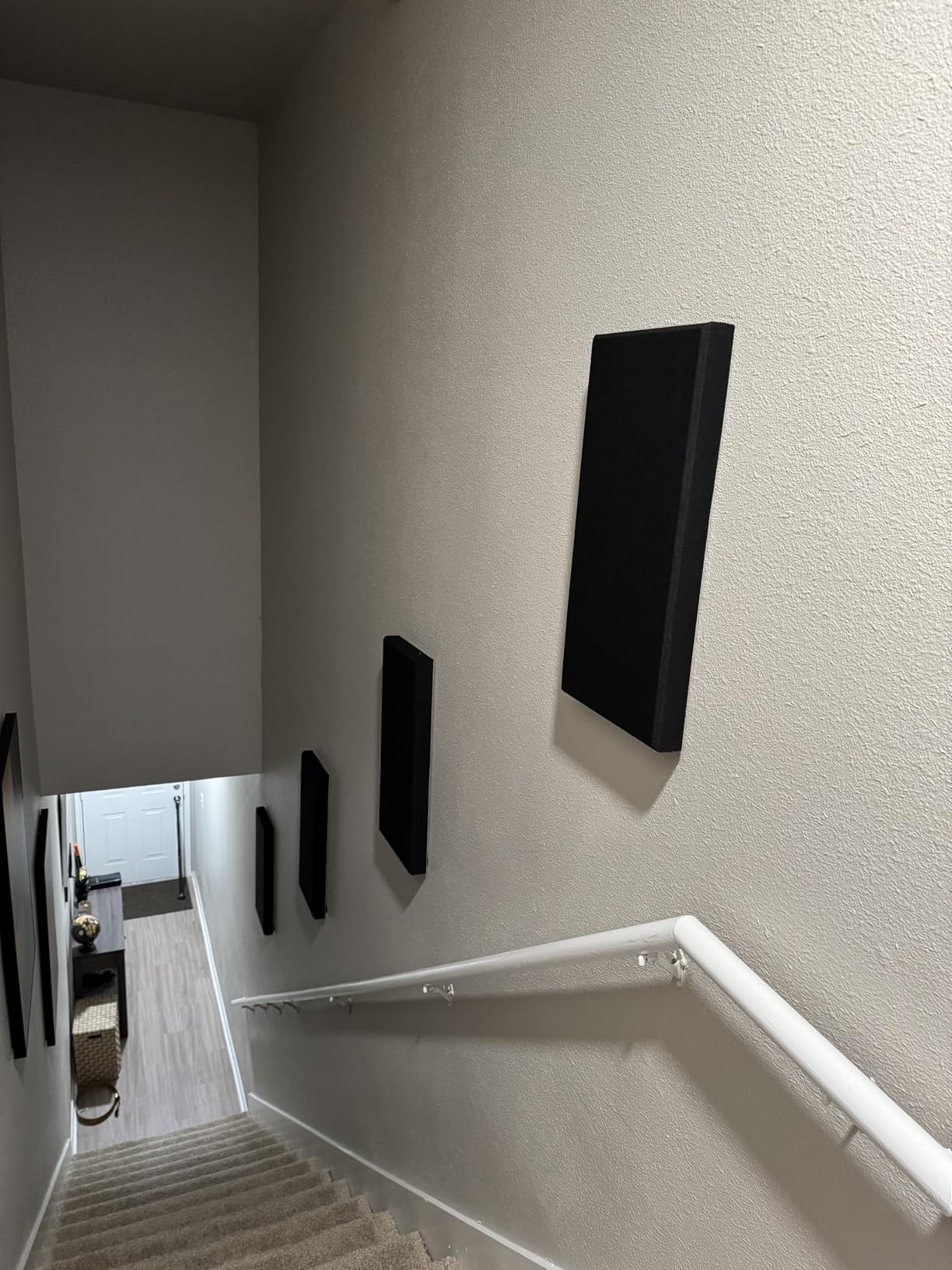
The core is white fiberglass rather than the yellowish material in cheaper panels, and it carries an E0 environmental rating for lower emissions. A faint fabric smell faded within a day near a window. The install instructions are thin, so here is the short version: attach the bracket strip level, hang the panel, slide it until it seats, done in under ten minutes for all four.
Where these panels fall short is size and depth. At 23.6 by 11.8 inches each, you need more pieces to cover the same area as the AudioSilk kit, and 2 inches of depth only absorbs meaningfully down to the mid-bass. Deep corner modes below 100Hz need a dedicated trap, not more wall panels.
Do Fiberglass Panels Beat Foam Panels for Mixing?
Yes, and the gap is not subtle. Fiberglass has higher density and absorbs across a wider frequency range, so a room treated with these keeps more of its low-mid balance intact while still killing echo. Foam absorbs the top end first, which can leave a room sounding dull yet still boomy.
Forum consensus matches our experience: DIY rockwool panels built at home perform on par with commercial versions, so a prebuilt panel like this is essentially paying for convenience and clean edges.
Are Fiberglass Panels Safe in a Small Apartment Bedroom?
Fully wrapped panels like these are safe, because the fabric covering contains the fibers and the core stays sealed behind it. The E0 rating specifically signals low formaldehyde emissions, which is the metric that matters for a room you sleep in.
The rules are simple: never cut the panels indoors, and skip any panel with a torn fabric cover. As long as the wrap stays intact, the fiberglass stays where it belongs.
3. BUBOS Wood Grain Panels – Best Panels That Look Like Art
BUBOS 6-Pack Acoustic Panels, Wood Grain Sound Absorbing Panels, 23.6×23.6
23.6 inch square panels
Polyester fiber
Peel and stick
Wood grain finish
Pros
- Wood grain panels double as wall art
- Large format means fewer visible seams
- Odorless and impact resistant
- Peel and stick with no drilling
- Backed by over 1200 buyer reviews
Cons
- Adhesive quality varies between batches
- Strong tape can pull paint on removal
- Mid and high frequency absorption only
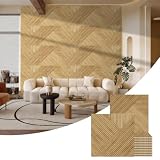
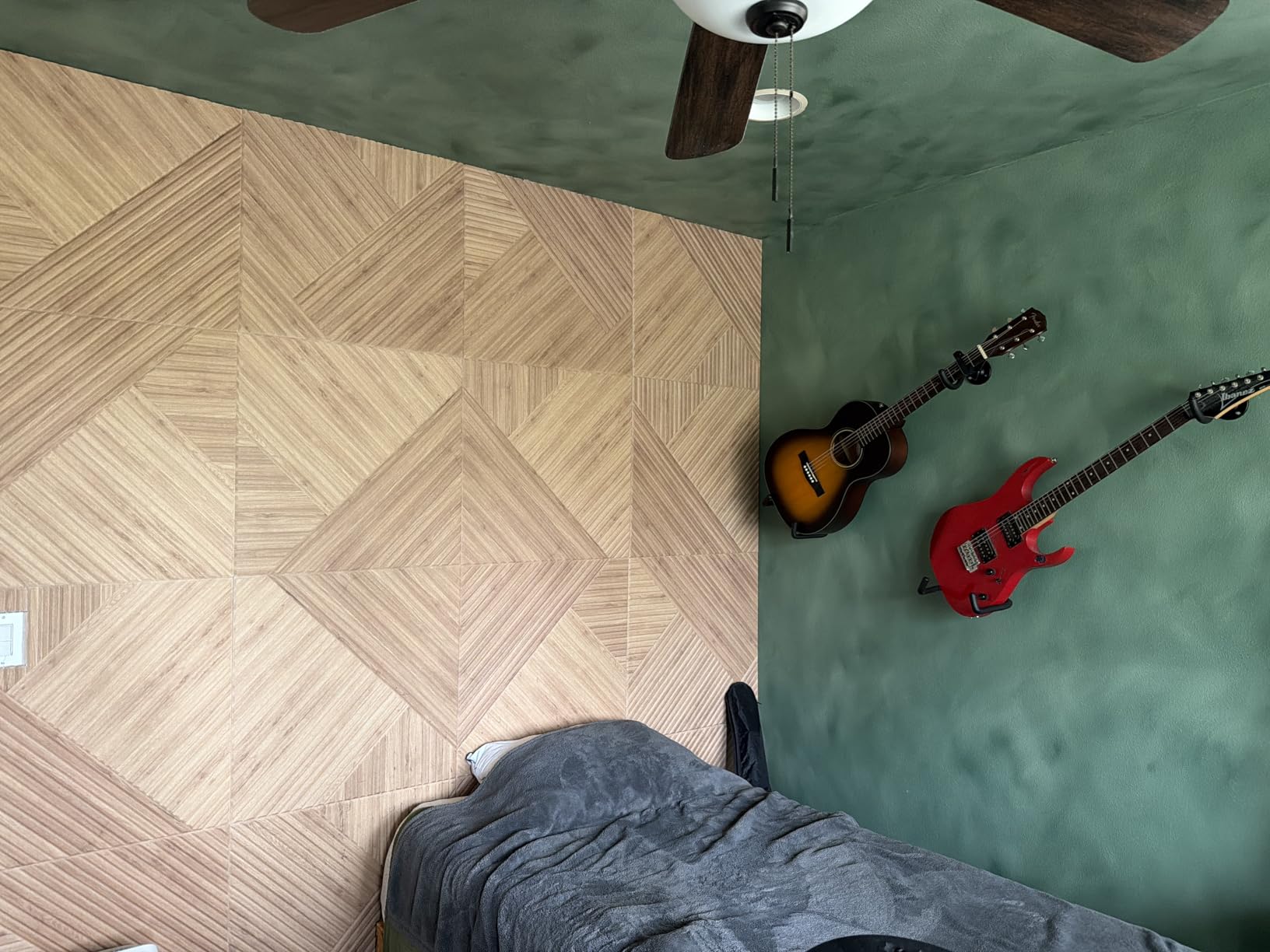
Not every apartment producer gets to hang obvious studio foam on the wall, and these BUBOS panels exist for exactly that situation. The Light Diamond Weave wood grain print makes a six-panel arrangement look like a deliberate design choice, which is why they ended up in our living room test space instead of the bedroom.
Peel-and-stick installation took about fifteen minutes for the whole pack with no tools. The panels are rigid high-density polyester fiber rather than soft foam, so they hold their edges cleanly and did not sag over the test period. Mine survived a steamy summer with a window unit running, which is more than I can say for the foam tiles.
Performance lands where you would expect from a 0.35 inch panel: mid and high frequency reflections and flutter echo drop noticeably, and voice recording got cleaner. What they do not do is touch the bass, and at this thickness no panel could.
The big weakness from our testing and the review base is adhesive inconsistency. Our pack arrived with full adhesive backing, but plenty of buyers report boxes where only partial tape tabs were included. Keep Command strips on hand as insurance and the risk disappears.
The second warning matters to renters specifically: the adhesive is strong enough to pull paint off walls on removal, especially on cheap builder-grade flat paint. Test one panel in a hidden spot and pull it slowly at a downward angle before committing the full pack. With more than 1,200 reviews and around 64 percent five stars, the recurring theme matches ours: guests ask where the wall art came from, and nobody guesses it is treatment.
Can You Repaint or Move These Panels After Installing?
You can reposition them once or twice if you keep the original backing film, but the adhesive loses grip after a couple of moves. Plan your layout on paper first, mark spots with painter’s tape, then commit.
Repainting them is not realistic, since the wood grain print is the finish. The neutral tones suit most rooms for years, so treat them as semi-permanent.
Do Wood Grain Panels Absorb as Well as Fabric Panels?
The pattern is printed on the surface rather than embossed deeply, so absorption stays close to a flat polyester panel of the same density, which is fine for echo duty. They will not match the NRC 0.95 of the 2 inch fiberglass panels for broadband control.
Think of them as the aesthetic layer of your plan. Pair them with hidden corner traps and the room sounds good without looking like a lab.
4. SD SODOCT Pyramid Foam Tiles – Cheapest Way to Tame Echo
24 Pack 2” Thick Pyramid Acoustic Foam, Sound Proof Foam Panels for Walls
12 x 12 x 2 inch tiles
24 pack
24 sq ft coverage
Pyramid foam
Pros
- Low cost entry into room treatment
- Pyramid faces add absorbing surface area
- Flame retardant certified
- Light and easy to cut for odd spaces
- Huge review base for reference
Cons
- Low density foam limits absorption
- Needs 24 to 48 hours to expand and air out
- Adhesive not included
Sometimes the budget question is not which panel but whether you can treat the room at all this month, and that is where this 24-pack of pyramid tiles earns its spot. You get 24 square feet of coverage, enough to make a real dent in echo across two walls of a bedroom studio.
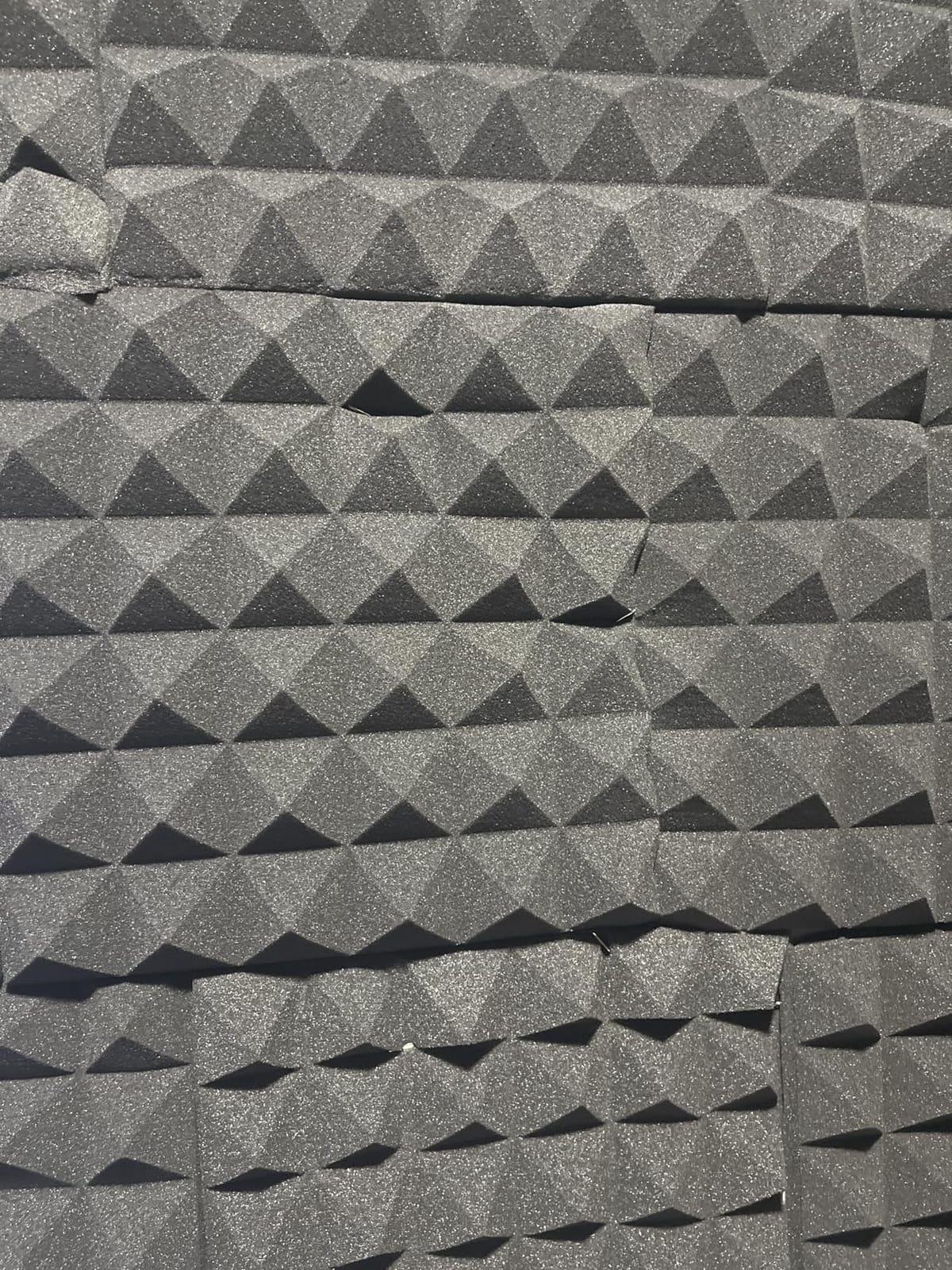
We lined the wall behind a desk setup and one side wall in the test room, and the change in speech clarity was immediate. Spoken word recordings lost the bathroom reverb they had before, which for podcasting and streaming is the whole battle. The pyramid pattern also helps slightly versus flat foam, since the angled faces catch sound from more directions.
These tiles carry a 4 out of 5 rating across a massive 2,380 reviews, and that number tells the truth about what they are. Budget buyers love them, and experienced engineers consistently note the same limit: low-density foam absorbs highs first and leaves the low-mids mostly alone.
Setup requires patience. The tiles arrive vacuum compressed and need 24 to 48 hours flat on the floor to expand fully, plus airing out for the chemical foam smell, which lasted about a day in our test. Rush the expansion and you install shriveled tiles that never recover their shape.
Mounting is on you too, since no adhesive is included. Reviewers recommend a repositionable spray adhesive, but for rentals we used small Command strips cut in half, four per tile at the corners, which held reliably and removed cleanly. For flame safety the foam is CA117 B1 rated, the standard certification to look for, and no foam of any brand belongs near outlets or hot fixtures.
Do Cheap Foam Tiles Actually Change How Mixes Sound?
They change echo and harshness more than they change mixing accuracy, and knowing that saves disappointment. Highs get controlled, so the room sounds less brittle, but the low-end lumps that wreck bass decisions stay until you add traps or thick panels.
The practical move is foam for coverage now, then one serious corner trap when budget allows. That order gets the most improvement per dollar, which tracks with what apartment producers on budget threads report year after year.
Can You Cut Foam Tiles to Fit Around Outlets and Windows?
Yes, and a sharp utility knife with a straightedge does it cleanly in one pass. Mark the cut on the flat back side and use several light strokes instead of forcing.
Keep cut tiles an inch or two clear of electrical boxes for fire code reasons, even with rated foam. The gap preserves the rating and still looks intentional.
5. SD SODOCT Corner Bass Traps – Entry-Level Low-Frequency Control
8 Pack – Bass Traps Acoustic Foam Corner, 8”x8”x12” Black Bass Traps Corner Studio Foam, High Density and Fire-Proof Acoustic Panels Recording Studio Acoustical Treatments
8 x 8 x 12 inch corners
8 pack
High density foam
B1 fire rated
Pros
- Corner shape targets standing waves
- B1 fire rated for wall use
- Lightweight and easy to place
- Cheap first step into bass control
- Covers four vertical corners
Cons
- Foam density below pro fiberglass traps
- Odor needs a day or two to air out
- Some packs expand unevenly
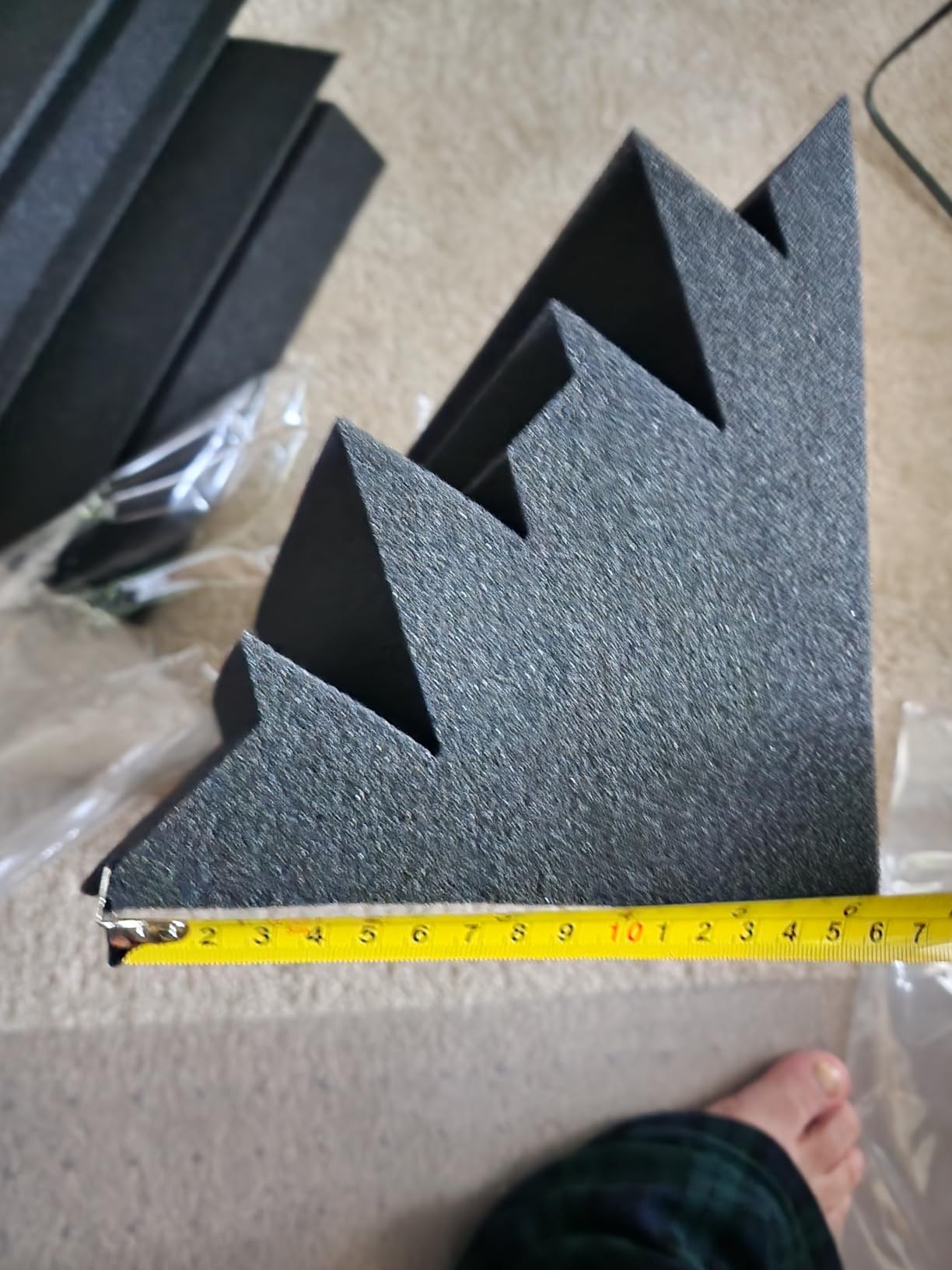
Corners are where bass builds up in every small room, because low frequencies stack between the two walls and create the boominess that ruins kick and bass decisions. This 8-pack of corner traps is the least expensive way to start fighting that buildup, and each 8 by 8 by 12 inch trap slides straight into a vertical corner seam.
We ran them floor to ceiling in the front two corners of the test bedroom, four traps stacked per corner. The effect on sustained bass notes was audible within a day: the wooly one-note quality on bass lines tightened up, and long kick tails stopped blurring into the bassline.
Sine sweep tests still showed the room’s underlying modes, which is the honest limit of shallow foam. What improved was the decay, with bass notes releasing quicker instead of hanging in the corner, and that alone made low-end level decisions easier to trust.
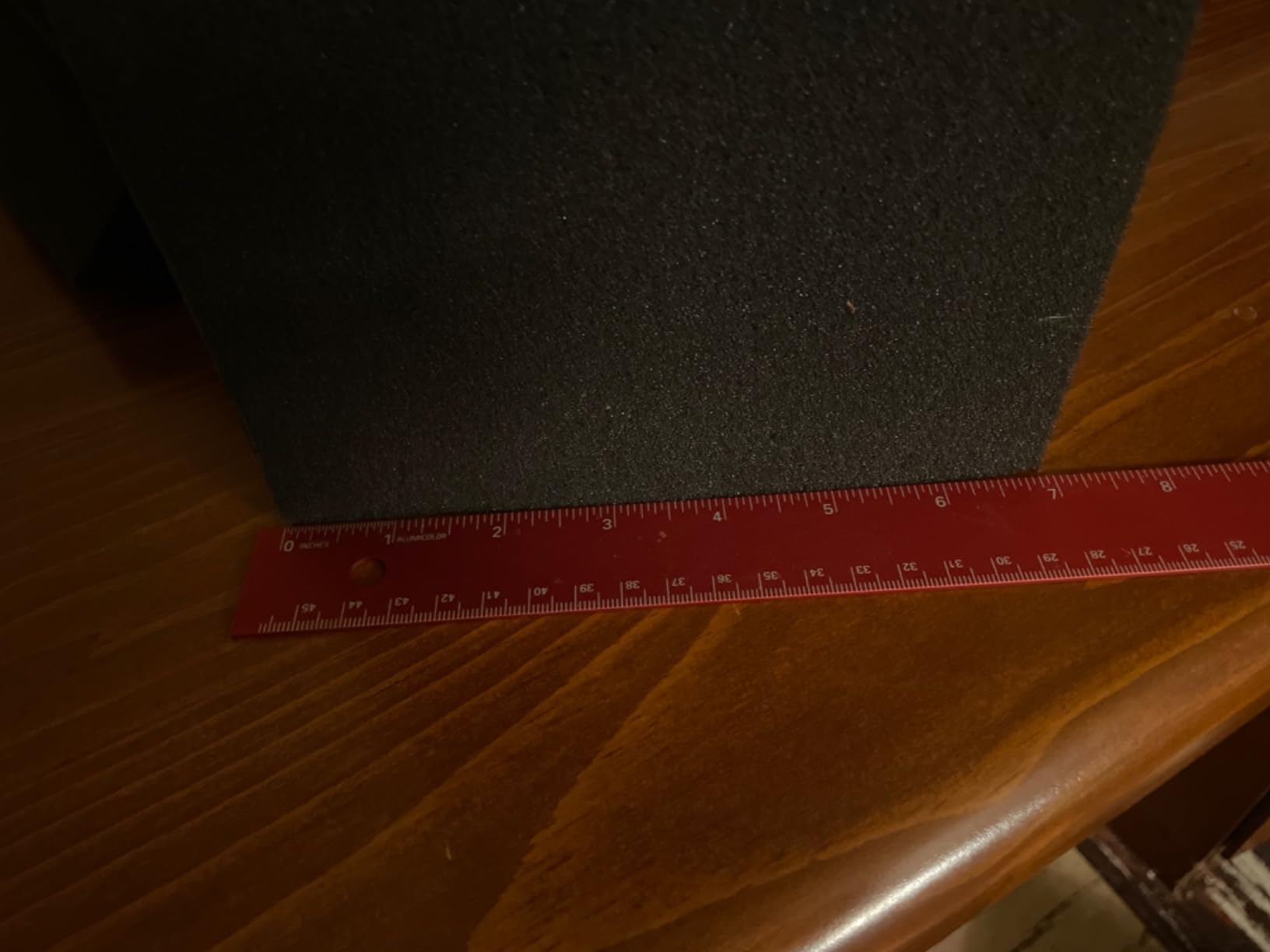
Like the flat tiles from the same brand, these arrive compressed and need a day or two to expand and lose the chemical smell. A recurring complaint in reviews is uneven inflation, and one trap in our pack sat visibly lopsided next to its neighbors after 48 hours.
Order one extra pack if aesthetics matter, since swapping the odd ones out beats staring at a wavy corner line for a year. For mounting, doubled Command strips worked in our tests since each trap weighs only a few ounces, and the CA117 B1 fire rating covers wall use near baseboards.
Which Corners Should You Trap First in a Small Room?
Start with the two corners behind your monitors, because that is where speaker boundary interference colors the low end you hear most. If you have traps left over, the corners behind your listening position come next.
Vertical stacking floor to ceiling beats scattering traps at random heights. Low frequencies build along the whole corner seam, so partial coverage only treats part of the problem.
When Should You Skip Foam Traps for Fiberglass?
Skip foam and go fiberglass when you mix on monitors daily, play bass-heavy material, or your room has a boom you can feel in your chest. Foam corners nudge the problem; deep fiberglass traps like the ATS below actually attack it.
Foam corners remain the right call for podcasting, streaming, and vocal recording on a tight budget, where the goal is taming the room rather than reference-grade low end.
6. ATS Acoustics Corner Bass Trap – Premium Pick for Serious Low End
ATS Acoustics Corner Bass Trap, Low Frequency Range, NRC 1.40, 24″ x 48″ x 13″ (Black)
24 x 48 x 13 inch
NRC 1.40
Jute over wood frame
Freestanding
Pros
- Published NRC 1.40 rating
- Effective down to 80Hz
- Freestanding with zero wall damage
- Solid wood frame made in the USA
- Jute fabric suits most decor
Cons
- Premium price point
- Heavy at 41 pounds
- Needs two stacked for floor to ceiling coverage
This is the trap that made our tester say the room finally sounded like a real studio. The ATS corner bass trap measures 24 inches wide, 48 inches tall, and 13 inches deep, with a solid wood internal frame wrapped in natural jute fabric, and its published NRC of 1.40 is the highest absorption rating in this roundup.
More important than the rating is where it works. This trap is specified as effective below 100Hz, down to 80Hz and lower, which is exactly the range where apartment rooms develop their worst lumps and where foam simply gives up. That 115 to 150Hz bump from typical 8 foot apartment ceilings is squarely in its wheelhouse.
The renter advantage is the freestanding design. The trap simply stands in the corner, 41 pounds of gravity doing the mounting, with hardware included only if you want to secure it. It went up in two minutes with zero wall contact and moved to a new corner when we rearranged the room.
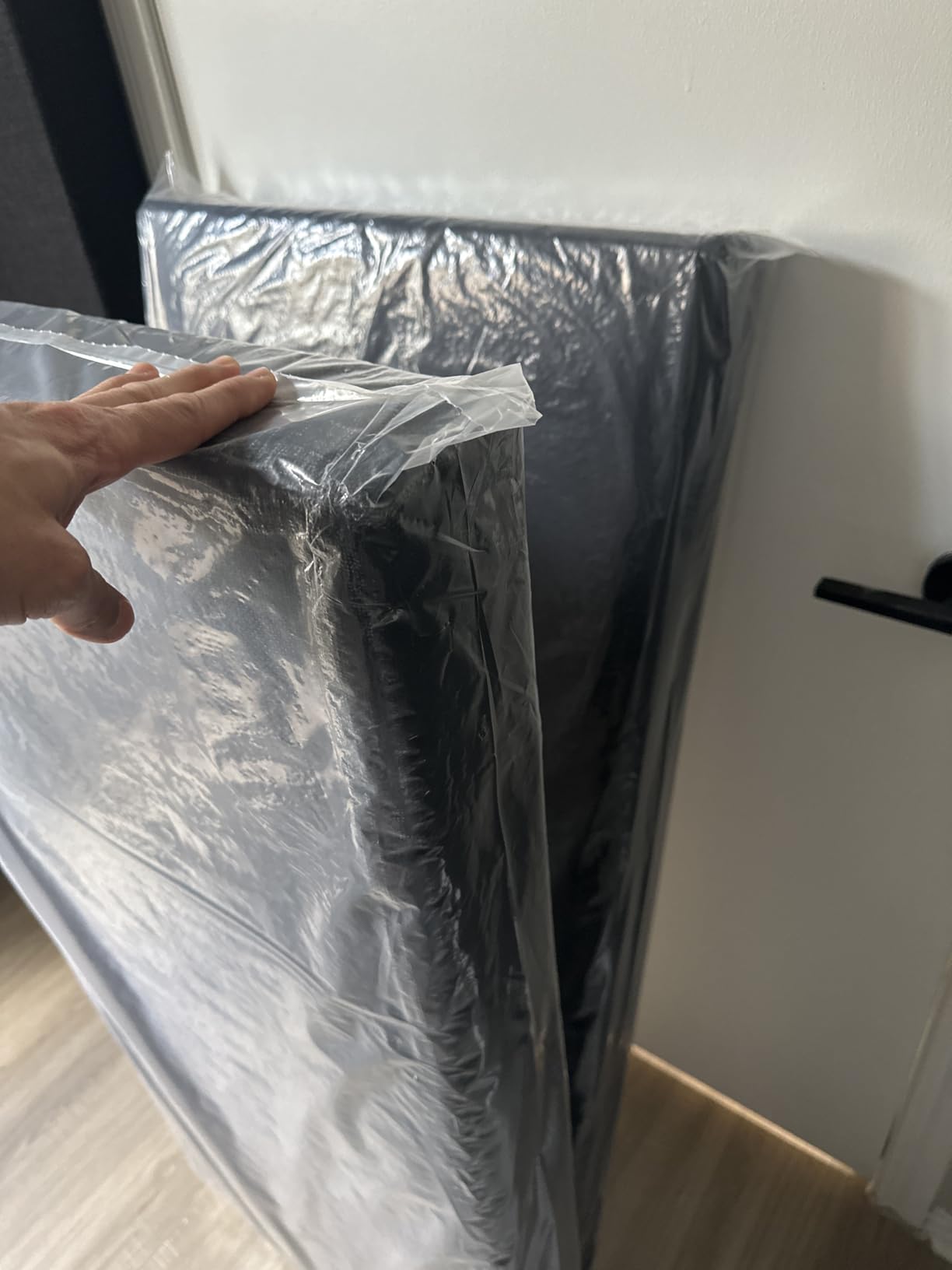
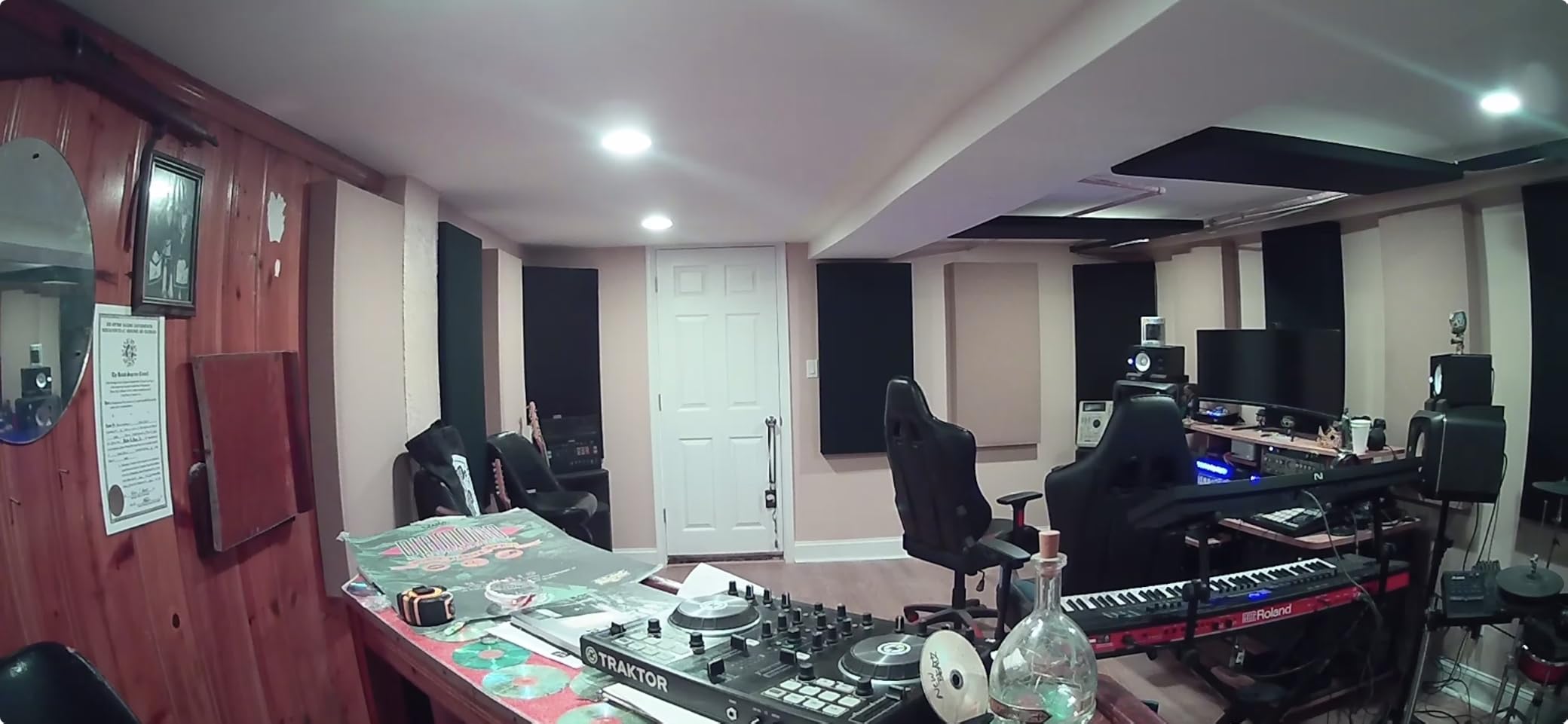
In testing, one trap in the front corner behind the left monitor cleaned up the smeared low end that had plagued every mix from that room. Kick and bass separated into two distinct objects instead of a single muddy mass, and mix translation to the car improved more than from any other single change we made.
The build quality justifies the premium positioning: the wood frame keeps edges crisp, the jute fabric reads as furniture, and it is made in the USA by a specialist acoustics company. Two honest notes: the 27-review sample is small, though the 4.5 out of 5 average carries weight, and reviewers are right that stacking two per corner is the real endgame.
How Many ATS Traps Does an Apartment Studio Need?
Two traps, one in each front corner, is the meaningful starting point that fixes the worst low-end buildup. Serious mixing rooms move to four, covering the rear corners as well.
Because each trap is 48 inches tall, a single unit covers the lower half of the corner where bass energy concentrates. Stacking a second on top gets you floor to ceiling coverage, which the spec sheet and our ears both favor.
Is One Premium Trap Better Than Several Cheap Foam Traps?
For mixing accuracy, yes, by a wide margin. One deep trap absorbs more energy below 100Hz than a wall of shallow foam, because depth determines how low a device can absorb.
For echo control on a podcast budget, foam wins, since echo lives in the mid and high frequencies that foam handles fine. Match the tool to the frequency problem, not the price tag.
7. BXI Wood Sound Diffuser – Best Diffuser for Small Rooms
BXI Wood Sound Diffuser – 24 X 24 X 2.8 Inches Thick Acoustic Diffusion Panels Add Listening Room Musical Liveliness, Quadratic Residue Diffusor for Wall and Ceiling Acoustical Treatment (2D)
24 x 24 x 2.8 inch
2D QRD wood
Scatters 410Hz and up
Paintable
Pros
- Kills flutter echo without deadening the room
- Real wood build outlasts felt versions
- Paintable to match any decor
- Light at 9.3 pounds for easy hanging
Cons
- Shallow wells limit true low frequency diffusion
- Scatters reflections but absorbs nothing
- Cosmetic imperfections in some units
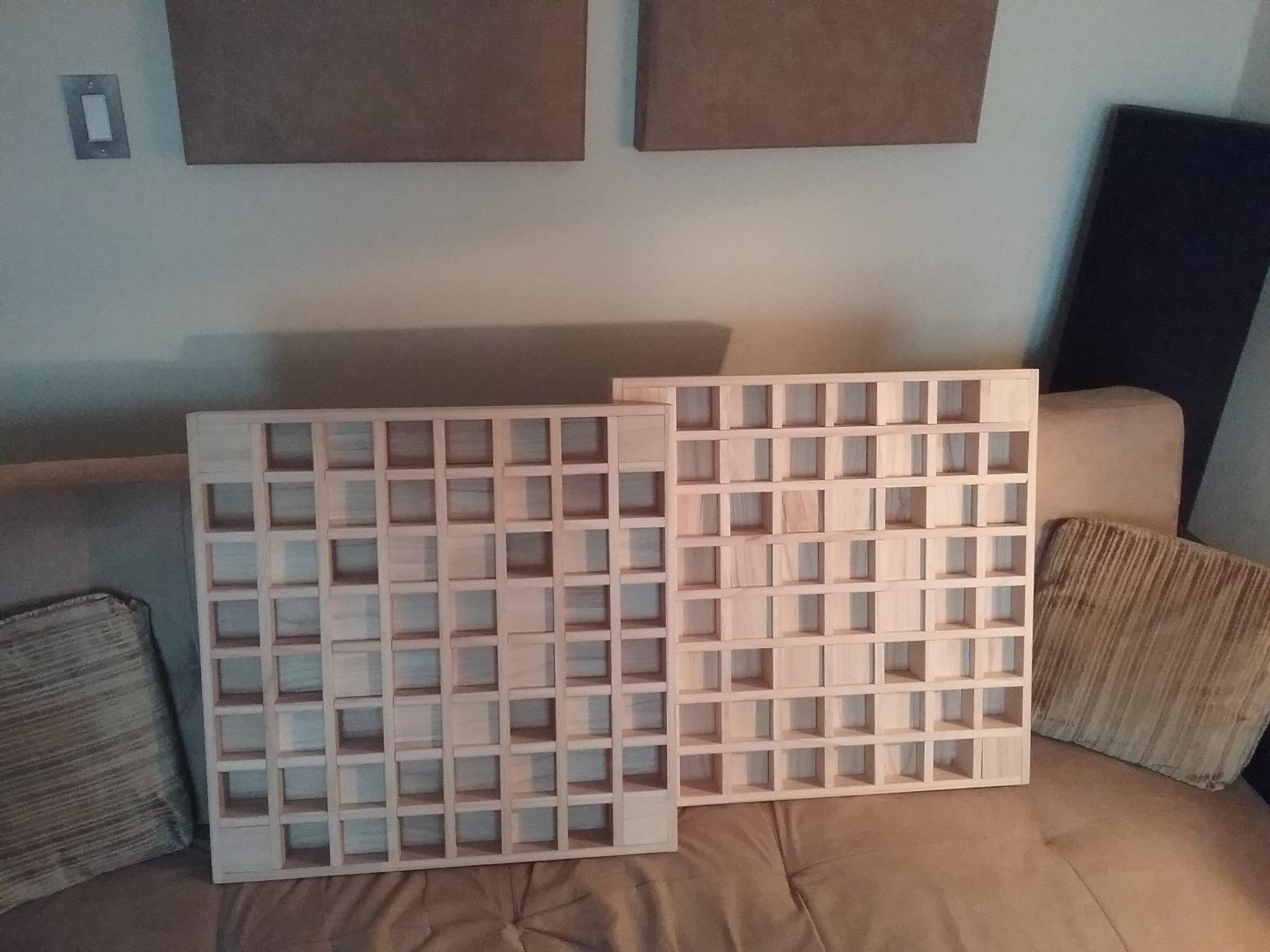
Absorption is only half of acoustic treatment, and overdone absorption is the mistake most apartment producers make. Diffusion scatters reflections instead of killing them, keeping a small room sounding alive once the echo is under control, and this wooden 2D quadratic residue panel does that job for a fraction of professional diffuser pricing.
We hung one on the rear wall of the treated test room after adding absorption everywhere else, and the difference was audible on acoustic material. The room kept its controlled character but regained a sense of space, and the hard, dead feeling of a fully absorbed bedroom disappeared.
It also fixed a specific problem: the slap echo between the two parallel side walls that survived panel placement. The scattered surface breaks up that bounce, and home theater reviewers report the same fix for lateral slap.
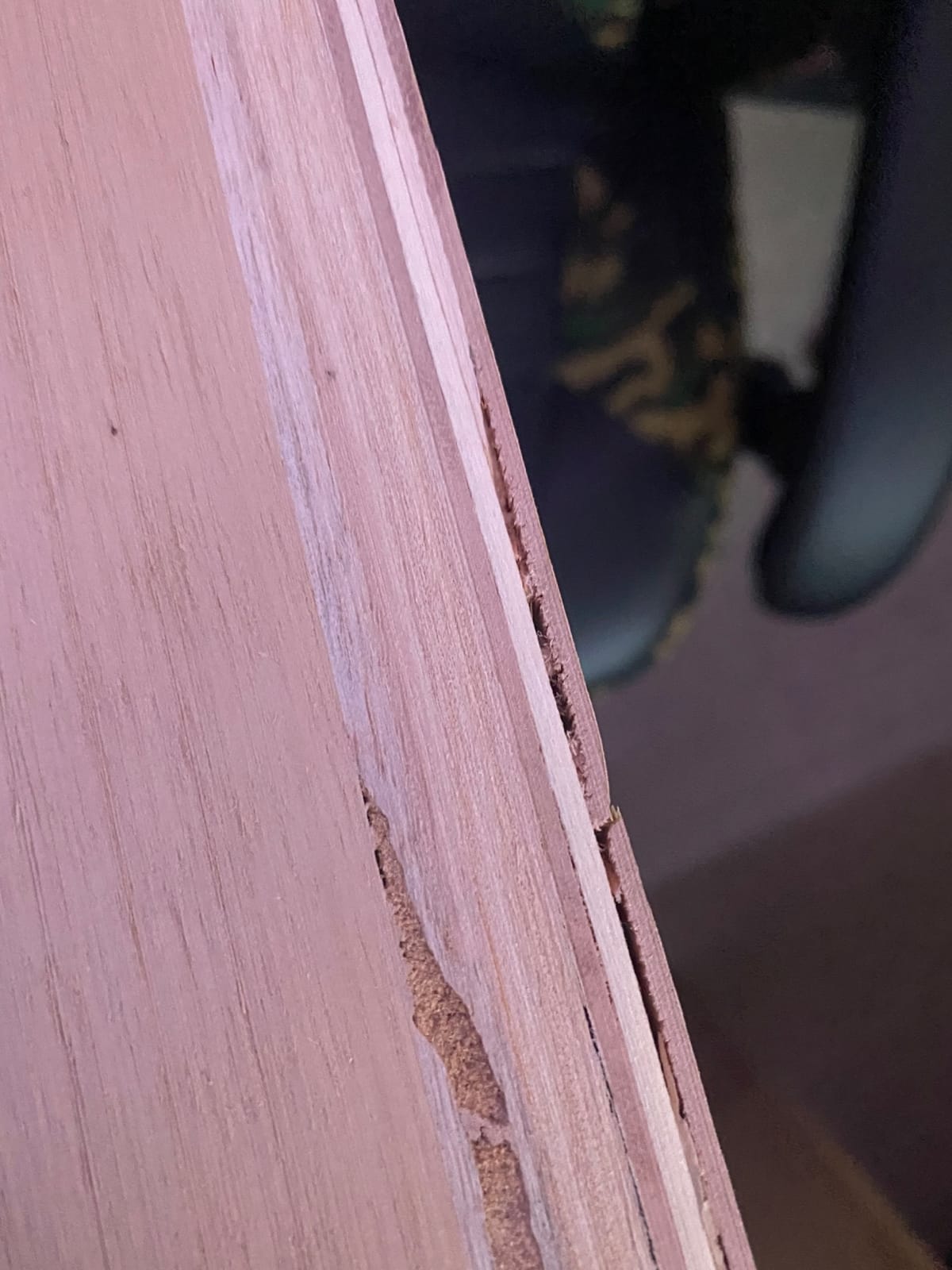
The panel is solid wood, 24 by 24 by 2.8 inches, and at 9.3 pounds it hangs from a single sawtooth hanger or one anchor screw. In a rental, one small anchor hole patches in seconds with spackle, a reasonable trade for a diffuser wall.
Acoustic purists correctly note this is a scattering panel rather than a true deep-well QRD, and the claimed 410Hz lower limit is optimistic for 2.8 inches of depth. Treat it as a mid and high frequency diffuser and the claims stop mattering, because that is the range where it clearly performs. Being paintable is the underrated feature: ours took the same paint as the bedroom wall and vanished into the decor, which no foam product can match.
Where Should a Diffuser Go in an Apartment Studio?
The rear wall behind your listening position is the classic spot, because that is where reflections bounce straight back at your ears and smear stereo imaging. Diffusing that wall keeps the energy in the room but stops it from arriving as a discrete echo.
Avoid putting diffusion at your first reflection points, since those spots need absorption first. Treat the sides with panels, then diffuse the rear once the room is dry.
Do You Need a Diffuser or More Panels?
If your room still echoes, you need panels, full stop. Diffusion on an untreated wall just scatters a problem you have not solved yet.
Once the room sounds controlled but flat and lifeless, that is the moment to add the diffuser. Our order of operations: panels, then traps, then this.
8. VEVOR Sound Dampening Blanket – Budget Pick for Doors and Vocal Booths
VEVOR Sound Dampening Blanket, 96″ x 80″, Extra Large Studio Grommeted Blanket with Grommets, Light Blocker for Door Acoustic Noise Blocking Blanket Studio Sound Absorption Sheet, Black
96 x 80 inch blanket
Woven polyester
Grommet hanging
Machine washable
Pros
- Huge coverage from a single piece
- Grommets hang on tension rods without tools
- Odor free double stitched edges
- Machine washable
- Folds away for storage
Cons
- Absorbs echo but blocks no sound
- Heavy fabric can bunch on the floor
- No mounting hardware included
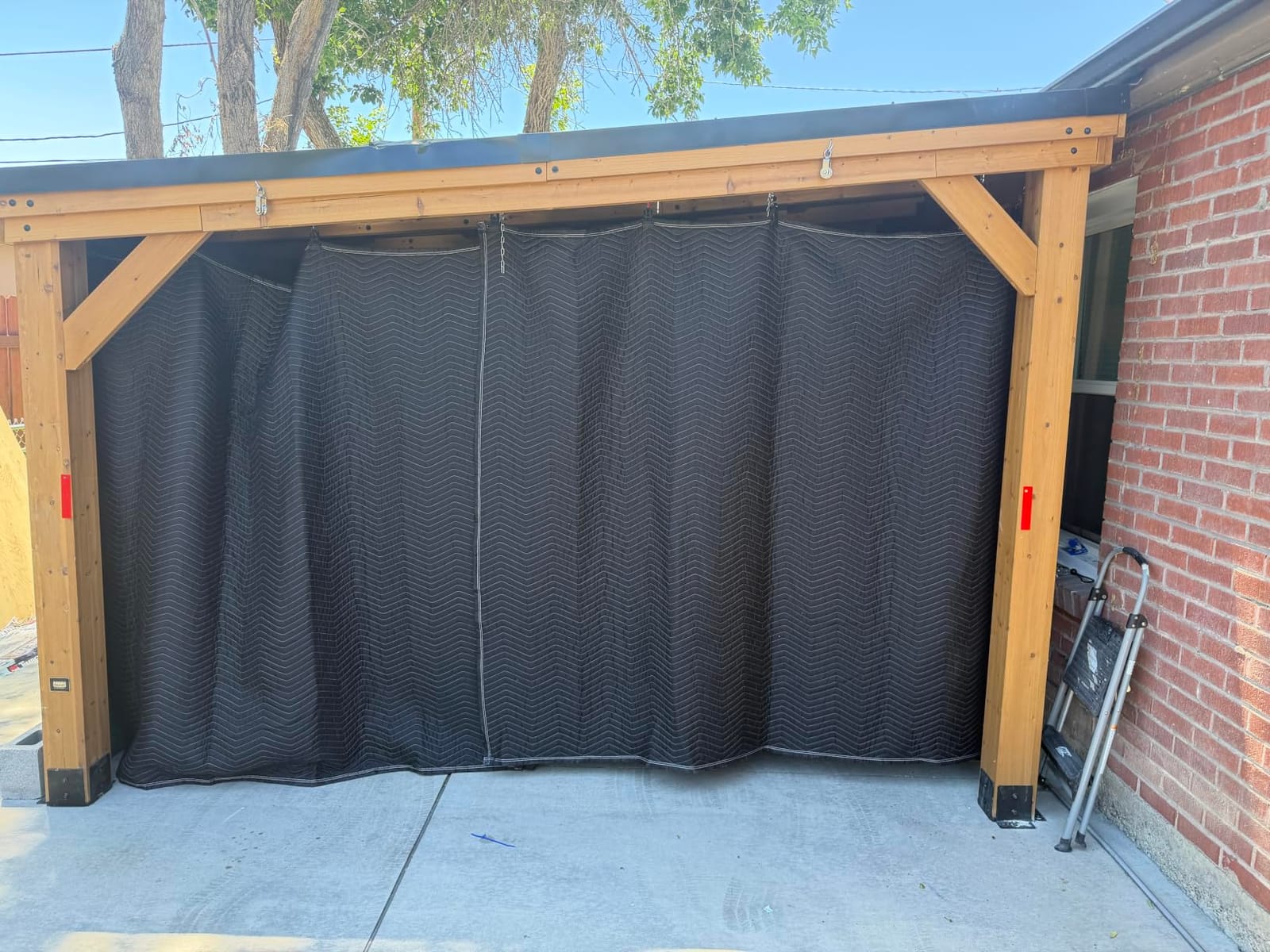
Moving blankets are the acoustic world’s worst-kept secret, recommended constantly on recording forums and almost never by brands, because there is no margin in telling you a blanket works. This VEVOR blanket is 96 by 80 inches, grommeted for hanging, and it is the single cheapest meaningful upgrade in this entire guide.
Our test setup hung it on a tension rod in a doorway to create an instant vocal booth, the classic apartment move. Recordings made behind it came out noticeably drier, with less room sound and less of the reflections that make home vocals sound amateur.
We also draped it over a hollow-core apartment door during tracking, which tamed the boom box effect of the adjacent hallway. Forum reports of blankets reducing echo surprisingly well are accurate, and 801 reviewers with an Amazon’s Choice tag back that up.
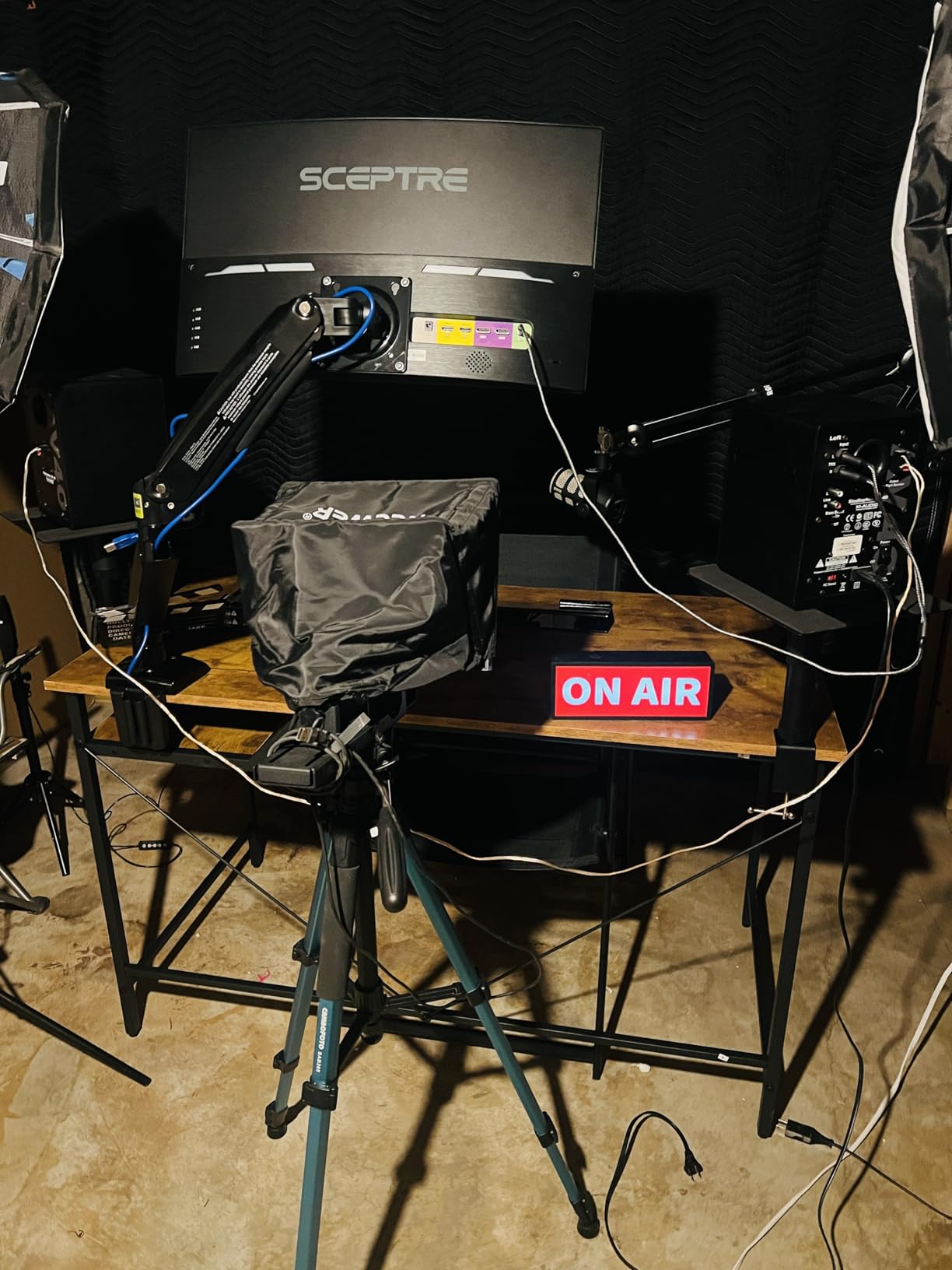
The honest science: a woven blanket absorbs mid and high frequency reflections, which is what voice and echo need, but it provides no meaningful soundproofing. Sound still passes through to your neighbors, and the blanket itself says as much in its own product notes.
Hanging is genuinely renter-proof. A tension rod across a doorway or inside a closet needs zero holes, and the grommets also work on curtain rods, hooks, or a mic stand boom for improvised gobos. At 8.8 pounds the fabric stays flat instead of billowing, and it is machine washable, water resistant, and folds into a closet between sessions.
Can a Moving Blanket Replace Acoustic Panels?
For vocal recording and temporary setups, it nearly can, and on a tight budget a hung blanket beats bare walls by a mile. For permanent mixing duty, panels win on appearance, consistent placement, and higher absorption per wall area.
The strongest play is both: panels at your reflection points and a blanket for the door, window, or booth duty. They solve overlapping problems for very different outlays.
Where Do You Hang a Sound Blanket in an Apartment?
The three highest-value spots are over the door, over the window, and behind the microphone position. Doors and windows are the thinnest paths in an apartment wall, so adding a heavy layer there does the most for echo and a little transmission damping.
Tension rods make all three installs reversible in minutes, and the blanket moves to your next apartment with zero trace left behind.
9. DECOLAB Standing Room Divider – Most Portable Gobo Option
DECOLAB Standing Room Divider, Portable Separation Panel for 29″x65″, Rock
29 x 65 inch divider
Steel frame
Magnetic linking
14 pounds
Pros
- Zero install freestanding frame
- Solo assembly in under 20 minutes
- Magnets link extra panels into gobos
- Flame retardant fabric with 3 year warranty
- Doubles as a webcam backdrop
Cons
- Modest absorption only
- Magnets for linking sold separately
- Takes floor space in small rooms
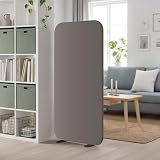
Not every treatment problem needs a wall panel, because sometimes you need absorption you can pick up and move. This freestanding divider from DECOLAB is 29 by 65 inches on a steel frame, sets up in about 20 minutes with the included tools, and touches no wall at any point.
We used it three ways during testing, which is the entire argument for it. Behind a vocalist as a backdrop to kill room reflections, beside a desk as a partial gobo between two workstations, and behind a camera as a clean backdrop for video calls where it quietly softened the room’s echo.
The acoustic effect is modest, and the product is honest about that, describing itself as offering modest sound absorption rather than soundproofing. It will not replace panels at your reflection points, and it will not stop noise from passing through it.
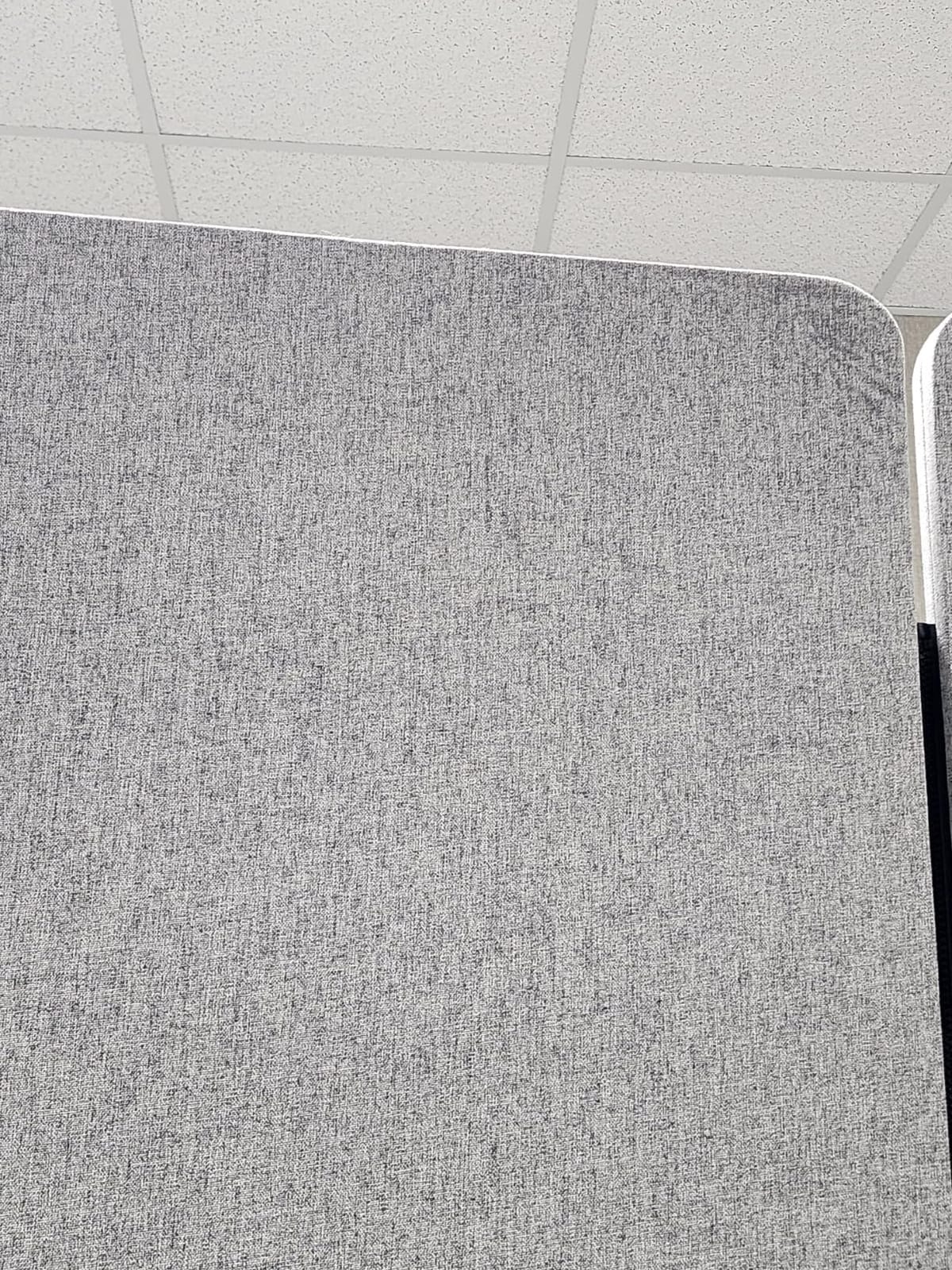
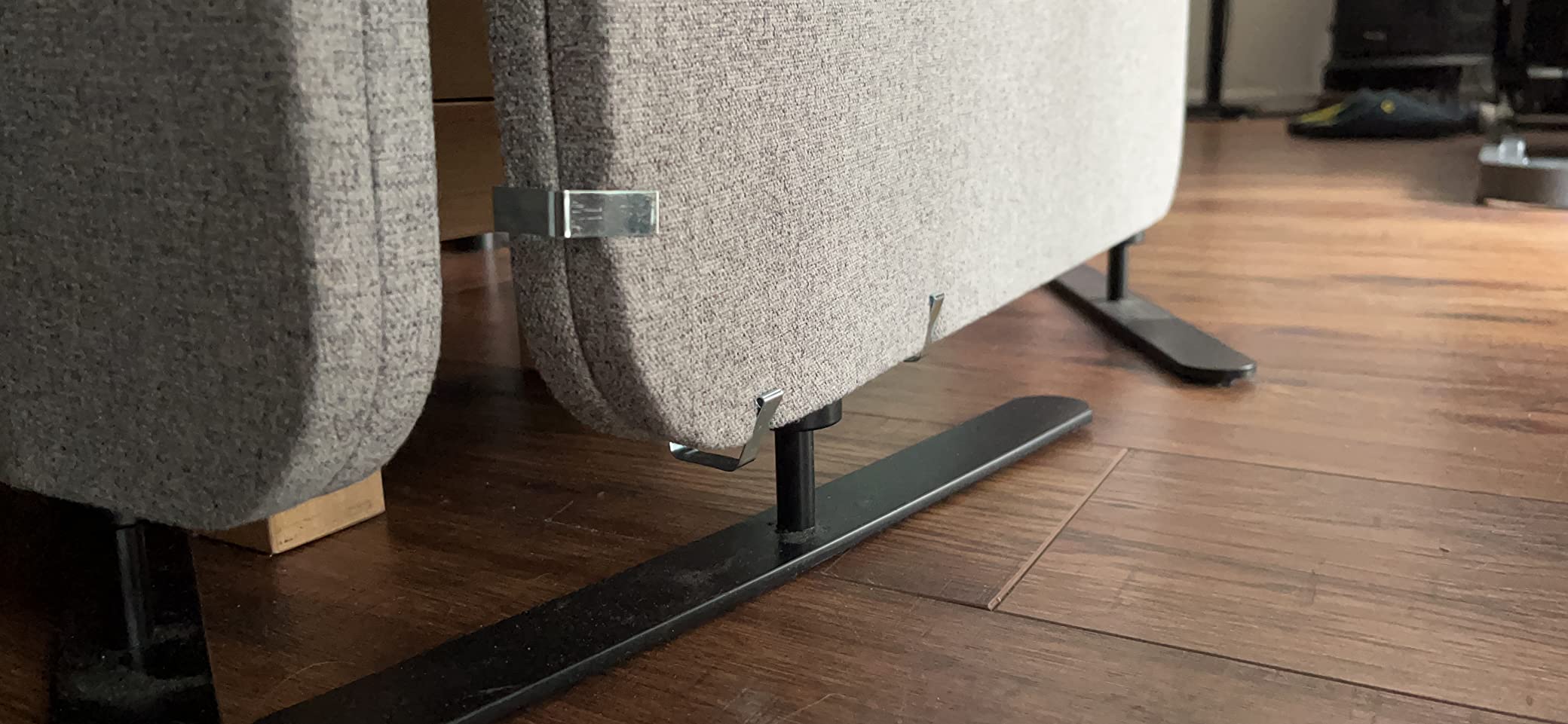
What it does, it does well. The fabric sleeve is flame retardant to CAL TB 117-2013 and air permeable so it absorbs rather than reflects high frequencies, and the steel frame with anti-scratch bases stood solid through three months of repositioning.
Multiple panels connect with neodymium magnets, sold separately, to form longer walls, and two angled around a mic position make a serviceable improvised vocal booth. Assembly was a genuine one-person job in our test, around 15 minutes, and at 14 pounds it moves between rooms without effort, with a three-year warranty behind it.
Can a Freestanding Divider Actually Improve Recordings?
Yes, in the specific case of recording vocals or voiceover in an untreated corner. Placing the fabric panel behind and to the side of the mic cuts the reflections reaching the capsule, so the recording sounds closer and drier without treating the whole room.
It will not change what you hear while mixing, because it covers only a few square feet. Gobos solve recording problems, not monitoring problems.
Is It Worth It If You Already Have Panels?
It still earns its floor space if you record video, host calls, or need flexible treatment that travels. Panels fix a fixed room, while a divider adapts to whatever you are doing that day.
If your budget covers one purchase and mixing accuracy is the goal, buy panels and traps first. The divider is the second wave of a build, not the first.
10. VIVO Freestanding Privacy Panel – Zero-Install Backdrop with Acoustic Benefits
VIVO Dark Gray Freestanding 24 x 66 inch Privacy Panel, PP-1-T024D
23.8 x 65.8 inch panel
PET construction
Zipper linking
Tackable surface
Pros
- Freestanding with zero wall damage
- Zipper system links panels into walls
- Tackable surface for notes and decor
- Moves flats when you move
- Minimal assembly
Cons
- Minimal acoustic benefit in reviews
- Feet can wobble when lifted
- Occasional defective legs on arrival
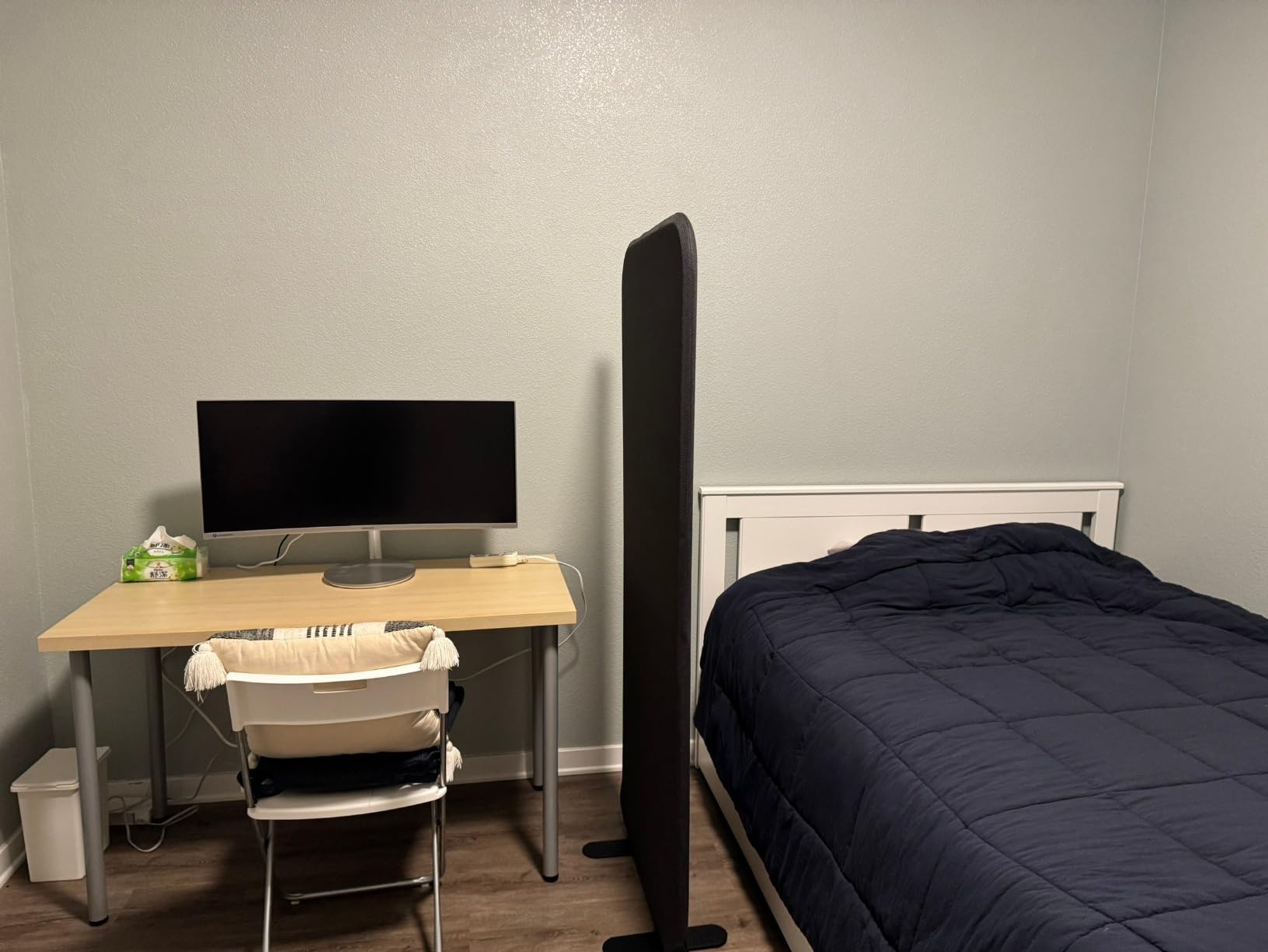
This VIVO panel closes out the list as the most zero-commitment option here: no wall contact, no adhesive, no tools beyond sliding the feet into the mounting holes. At 23.8 by 65.8 inches it stands about two-thirds of door height, and it exists for the apartment producer who cannot touch a single surface.
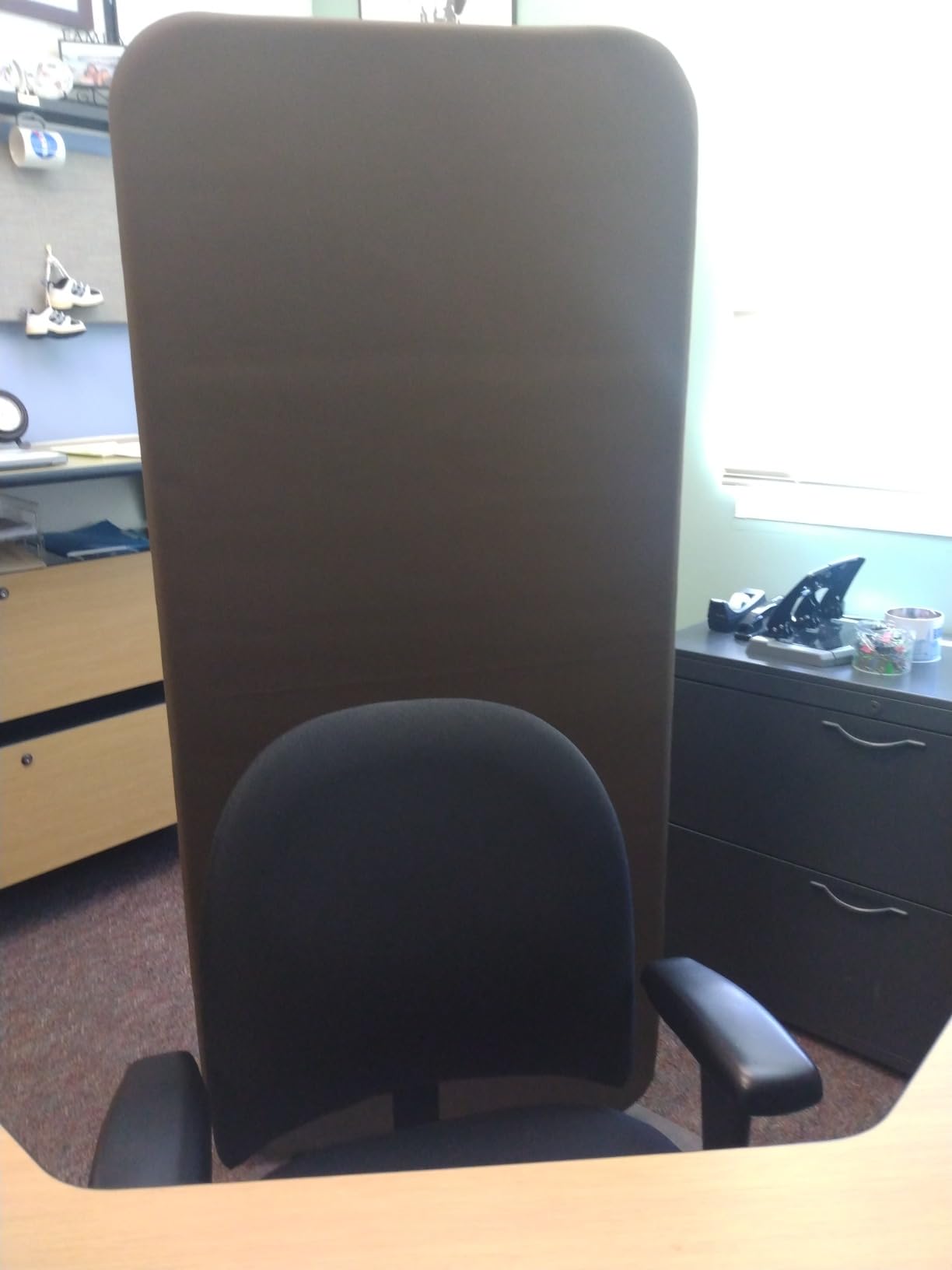
Its honest primary job is visual, not acoustic. Our tester used it as a professional backdrop for streaming and client calls, where the dark gray PET surface looked far better than a bedroom wall on camera, and reviewers overwhelmingly use it the same way.
The acoustic benefit is real but small, and reviews are fairly split on it. We measured a slight softening of echo when the panel stood directly beside a mic, consistent with its PET construction absorbing a little high-frequency energy, but the room’s overall character barely moved.
The zipper attachment system is the clever part. Panels zip together edge to edge into a longer wall, which is how you build an improvised recording nook or divide a studio apartment’s sleeping corner from the desk setup without construction.
Build quality is decent for the category, with a few catches. The feet can spin loose when the panel is lifted rather than slid, and a small number of buyers received defective legs, so test assembly the day it arrives while the return window is wide. The tackable surface is a useful touch for notes, a whiteboard sheet, or a printed room layout for planning panel placement, and a one-year warranty covers the structure.
Does the VIVO Panel Help with Sound at All?
It helps a little with high-frequency reflections directly behind it, and not at all with bass or sound transfer between rooms. Set expectations there and the panel makes sense as a privacy and backdrop tool with a side benefit.
For measurable acoustic improvement per dollar, the foam tiles or the VEVOR blanket earlier in this guide do far more. Buy this for the visual wins and accept the small acoustic bonus.
Is a Backdrop Panel Worth It for Streamers and Callers?
For anyone on camera daily, yes, because a clean background reads as professional and the panel also dries out voice echo slightly. Your mic picks up less room splash when fabric sits behind you, which listeners notice even if they cannot name it.
Streamers with a treated wall behind them already can skip it. Everyone else filming in a bedroom gets real value from the upgrade.
Buying Guide: How to Choose Acoustic Treatment for an Apartment Studio?
Picking treatment for an apartment comes down to four questions: what problem are you fixing, what can your walls support, how big is the room, and what happens to your deposit at move-out. The sections below walk through each one with the renter constraints most guides skip.
Soundproofing vs Acoustic Treatment: What Apartments Actually Need
Treatment changes how your room sounds inside; soundproofing changes how much sound leaves. Treatment means panels, traps, and diffusers, while soundproofing means mass, decoupling, and sealing, typically mass loaded vinyl, damping compound, weatherstripping, and door sweeps.
Buy treatment if your mixes sound wrong in the room or your recordings carry echo. Pursue soundproofing only if complaints or thin walls are the actual problem, and know that real soundproofing in a rental usually means heavy curtains, sealed doors, and lower monitoring levels rather than construction.
Renter-Friendly Installation Methods That Actually Hold
Command strips are the workhorse and hold panels up to about four pounds each with the large picture-hanging strips, which covers every foam tile and polyester panel in this guide. Our months of testing produced zero falls, and slow removal at a downward angle left paint intact.
Three rules keep it safe: clean the wall with rubbing alcohol first, press for the full thirty seconds, and wait an hour before loading the panel. Never use spray adhesive on painted rental walls, since it is the top cause of repainting charges, and keep anything heavy like the 41-pound ATS trap freestanding. Tension rods carry blankets across doorways with no holes, and one small anchor for a diffuser patches with a dab of spackle.
How Many Panels Does Your Room Need?
A useful starting formula is to treat 25 to 40 percent of your wall area for a mixing room, concentrated at the reflection points rather than spread evenly. In a 10 by 12 bedroom that works out to roughly six to ten standard panels plus corner traps, which matches what our test room needed.
Find your first reflection points with the mirror trick: sit at your mix position while a helper slides a mirror along the side wall, and every spot where you can see a monitor gets a panel. That test costs nothing and targets treatment better than any formula. Apartment realities trim the number fast, since a closet full of clothes, a bed, and a sofa all absorb sound for free.
NRC Ratings and Panel Thickness, Decoded
NRC stands for Noise Reduction Coefficient, a single number from 0 to 1 showing how much sound a material absorbs, with higher numbers absorbing more. An NRC of 0.95 means the panel absorbs about 95 percent of the sound energy hitting it in the speech frequency range.
Thickness sets how low the absorption reaches: 2 inch panels handle down into the mid-bass, while thin 0.4 inch polyester panels work the mids and highs only. Leaving an air gap behind a panel extends its low-frequency reach for free, a trick borrowed from the top acoustics guides, and the removable brackets on the UMIACOUSTICS panels create that gap naturally in a rental.
Treating Shared Walls, Floors, and Ceilings
Shared walls need treatment inside your room and diplomacy outside it. A bookshelf full of books against the party wall adds mass and absorption at once, a heavy blanket over the door seals the biggest thin spot, and moving your setup away from the shared wall beats any panel for neighbor peace.
Hard floors reflect highs upward, and a thick rug between your monitors and the listening position is the cheapest fix we tested, echoing the forum consensus that a rug is one of the most impactful budget treatments. Low ceilings around 8 feet create a bass bump in the 115 to 150Hz range, which the deep corner traps address better than anything else.
For the ceiling itself, a cloud of panels above the mix position is the single biggest improvement experienced treaters report, though hanging one in a rental needs a freestanding frame or a couple of anchors you patch later. Even leaning a panel overhead from the shelf behind your desk changes what you hear.
Apartment Noise Rules and Neighbor Etiquette
Check your lease and local noise ordinance before planning tracking sessions, because most apartments define quiet hours, commonly 10pm to 7am, and repeated complaints can escalate regardless of how good your panels look. Monitoring on headphones after quiet hours is the free solution that prevents every problem.
Two habits buy enormous goodwill: tell immediate neighbors when you plan to record, and keep monitor levels conversational during shared-wall sessions. Sound leaves your room through structure, not air, so decoupling speakers from desks and floors with pads cuts transmission more than any wall panel can.
Frequently Asked Questions
What is the best acoustic treatment for a home studio?
Broadband absorption panels at your first reflection points, corner bass traps, and a ceiling cloud above the mix position. For apartments, the AudioSilk Room Kit covers reflections with removable mounting, SD SODOCT corner traps handle low end on a budget, and the ATS Acoustics trap tackles serious bass buildup.
How can I soundproof my studio apartment?
True soundproofing needs mass and sealing: add a door sweep, weatherstrip window gaps, hang a heavy blanket like the VEVOR over thin doors, and add mass to shared walls. Acoustic panels improve the sound inside your room but cannot block noise transfer on their own.
How can I improve the acoustics of my home studio?
Position monitors in an equilateral triangle away from walls, treat side-wall first reflection points with broadband panels, add corner bass traps, hang a ceiling cloud above the desk, then fine tune with a rear-wall diffuser. Even two to four well-placed panels make mixing decisions noticeably easier.
What materials are best to use to soundproof a home studio?
For absorption, rigid fiberglass or mineral wool panels rated NRC 0.90 or higher. For soundproofing, mass loaded vinyl, damping compound, weatherstripping, and door sweeps provide the mass and sealing that actually block sound. Foam tiles absorb high-frequency echo but stop almost nothing from leaving the room.
Can I hang acoustic panels in an apartment without drilling?
Yes. Lightweight foam and polyester panels hold reliably on large Command strips or included removable brackets, which is how we mounted the AudioSilk and UMIACOUSTICS panels for months without a fall. Keep heavy traps like the 41-pound ATS freestanding in corners instead of hanging them with adhesive.
Will acoustic treatment stop my neighbors from hearing my music?
No. Absorption panels make your room sound better inside but do not block sound passing through thin walls. To reduce what neighbors hear, lower monitor levels, add mass to the shared wall, seal the door, decouple speakers from desks and floors, and save loud tracking for daytime hours.
Final Verdict
After months of testing in real rented rooms, our overall winner for the best acoustic treatment for apartment home studios is the AudioSilk Room Kit, which pairs genuine NRC 0.91 absorption with damage-free removable mounting and a look that survives roommate approval. The UMIACOUSTICS fiberglass panels are the value play for pro-level absorption per square foot, and the ATS corner trap is the single biggest upgrade for any room with bass problems foam cannot touch.
Start with absorption at your first reflection points, add corner trapping, and layer in diffusion once the room sounds controlled. Build in the order your room tells you, not the order a catalog suggests, and every dollar goes further.
Measure your room this week, run the mirror trick, and place your first two panels before buying anything else. The moment a mix you finished in your apartment sounds right in the car, you will know the treatment was the best gear purchase you made all 2026.