
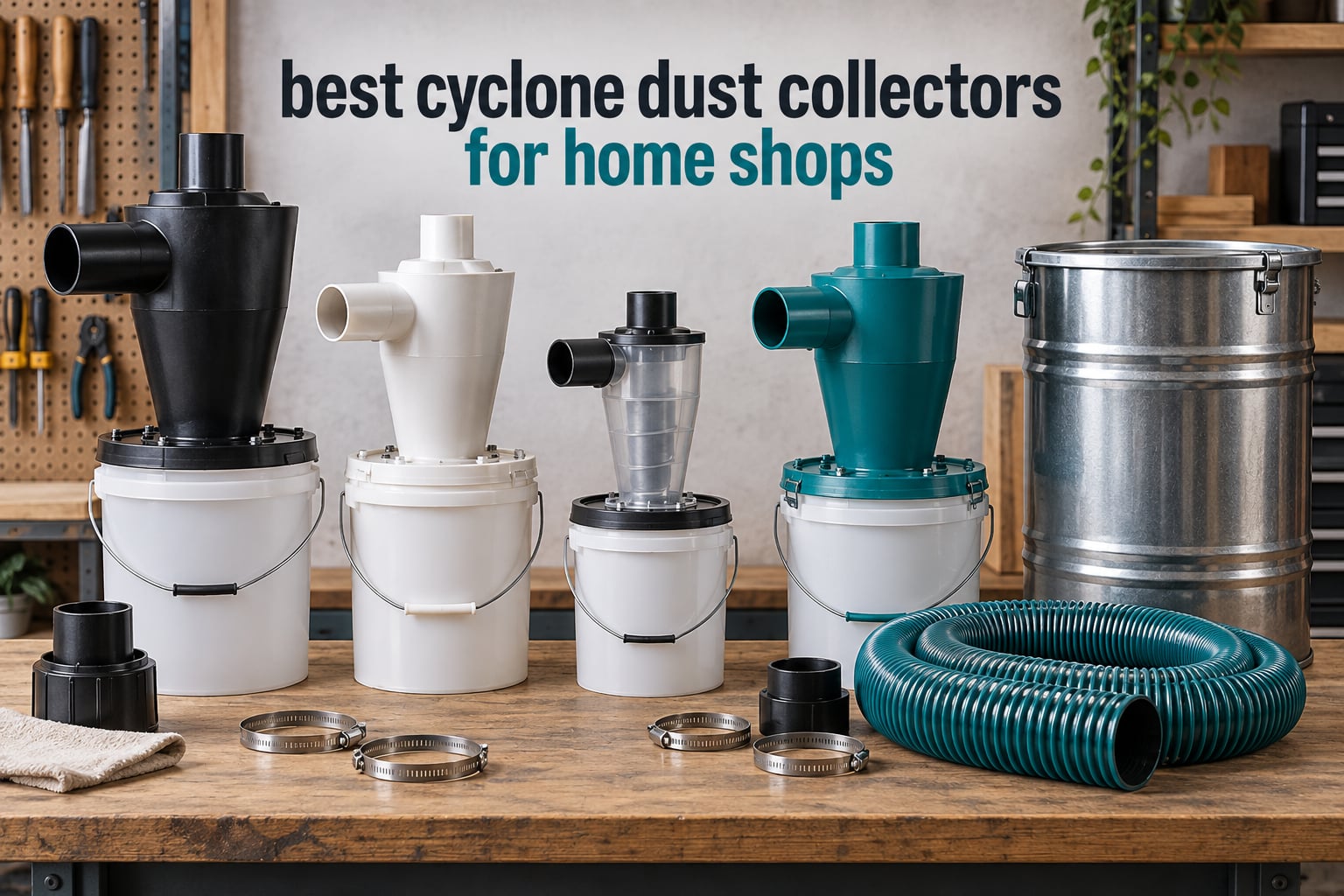
Wood dust is the quiet by-product of almost every home shop, and it settles into the rafters, coats the tops of your cabinets and follows you into the house. The fix is a cyclone dust collector, a device that spins heavy chips into a drum and sends only fine dust onward to a filter. Picking the best cyclone dust collector for home shops is less about horsepower than most roundups suggest, and more about which vacuum you already own and how big a drum you can squeeze into the corner.
We spent six weeks working through the separators and kits that actually show up in home garages, running them on shop vacs, on single-stage collectors and on corded tools, and reading what owners report after months of use rather than days. What follows covers twelve options across the full price spectrum, from a sub-10 dollar chip catcher to a machined aluminium separator from a European tool maker. Every figure in each review comes from the manufacturer listing and the verified review data, not from marketing copy.
One warning before we start. Almost nothing in this category publishes an honest airflow figure, and practitioner forums have said so for years. Owners on WoodNet and Sawmill Creek routinely post that they doubt the printed CFM numbers on their machines, and that sentiment has not changed. So instead of ranking on horsepower, we rank on the things you can verify: port diameter, seal quality, container compatibility and how much suction survives the trip through the separator. If you want the broader picture on larger collector machines, our guide to dust collectors for woodworking shops covers the motorised tier.
Table of Contents
What Is the Best Cyclone Dust Collector for a Small Shop?
The best cyclone dust collector for a small shop is the Oneida Air Systems Dust Deputy DIY. It captures up to 99.9 percent of dust before it reaches your vacuum filter, costs less than a lunch, takes minutes to fit to any wet or dry vacuum, and has accumulated more than four thousand reviews that keep describing the same result: the bag stays clean and the suction stays strong.
Runners-up depend on what you own. A Dustopper PRO suits anyone with a strong vacuum and a heavy-duty pail. The Peachtree 4-inch kit is the pick for shops that already run 4-inch hose. The Festool CT CYCLONE is the only option here made for a specific extractor platform rather than a general vacuum.
Top 3 Cyclone Dust Collectors For Home Shops (October 2026)

Oneida Dust Deputy DIY
- Captures up to 99.9% of dust before the filter
- Neutral Vane technology adds 20% separation
- Fits any wet or dry vacuum via tapered 2 inch ports
- Made in the USA

Dustopper PRO
- Third-party tested by Aerodyne Environmental
- Preinstalled EPDM gasket seals to a 5 gallon pail
- Two high flow sweep elbows included
- Anti-static resin body
POWERTEC Low Profile Separator
- Complete kit with hose
- elbow and adapters
- Low profile lid fits under a bench
- Works with 2-1/4
- 2-1/2 and 4 inch systems
- Dual latches hold the seal
Cyclone Dust Collectors for Home Shops in 2026
Every separator below is rated on the same five things: what it separates, what it fits onto, what it includes, what the reviews complain about, and who it suits. Two numbers worth learning before you read on are port diameter, which is the single most important compatibility fact, and container size, which decides how often you walk dust to the bin.
| Product | Specs | Action |
|---|---|---|
| Oneida Dust Deputy DIY |
|
Check Latest Price |
| Dustopper PRO |
|
Check Latest Price |
| POWERTEC Low Profile |
|
Check Latest Price |
 Festool CT CYCLONE Festool CT CYCLONE |
|
Check Latest Price |
 Oneida Dust Deputy 2.5 Deluxe Oneida Dust Deputy 2.5 Deluxe |
|
Check Latest Price |
 Oneida 4/5 DIY Retrofit Oneida 4/5 DIY Retrofit |
|
Check Latest Price |
 POWERTEC 6 Gallon Kit POWERTEC 6 Gallon Kit |
|
Check Latest Price |
 Mullet Cyclone Separator Mullet Cyclone Separator |
|
Check Latest Price |
 VEVOR Metal Tank Separator VEVOR Metal Tank Separator |
|
Check Latest Price |
 Woodstock Mini 2 Stage Woodstock Mini 2 Stage |
|
Check Latest Price |
 Peachtree 4 Inch Kit Peachtree 4 Inch Kit |
|
Check Latest Price |
 Cikawit 5 Gallon Separator Cikawit 5 Gallon Separator |
|
Check Latest Price |
1. Oneida Air Systems Dust Deputy DIY – Best Overall Cyclone Dust Collector for Home Shops
Oneida Air Systems Dust Deputy DIY Anti-Static Retrofit Cyclone Separator for Wet/Dry Shop Vacuums (DD DIY)
Captures up to 99.9% of dust
2 inch tapered inlet and exhaust ports
Neutral Vane technology
15.5 x 9.3 x 7.4 inches
Pros
- Keeps dust out of the vacuum filter and bag
- Suction stays close to a direct hose connection
- Handles wood dust
- drywall
- metal shavings and cooled ash
- Made in the USA with an unchanged design
Cons
- No hoses or adapters included
- Tapered 2.0 inch ports can catch long splinters
- You have to fabricate and seal the lid yourself
The Dust Deputy is the unit most home woodworkers end up with, and it earns that position by being almost impossible to get wrong. The kit ships with the cyclone body, a gasket and the mounting hardware. Everything else, the waste container, the hose, the lid you drill yourself, is deliberately left out, which is why it sits at the very bottom of the price spectrum.
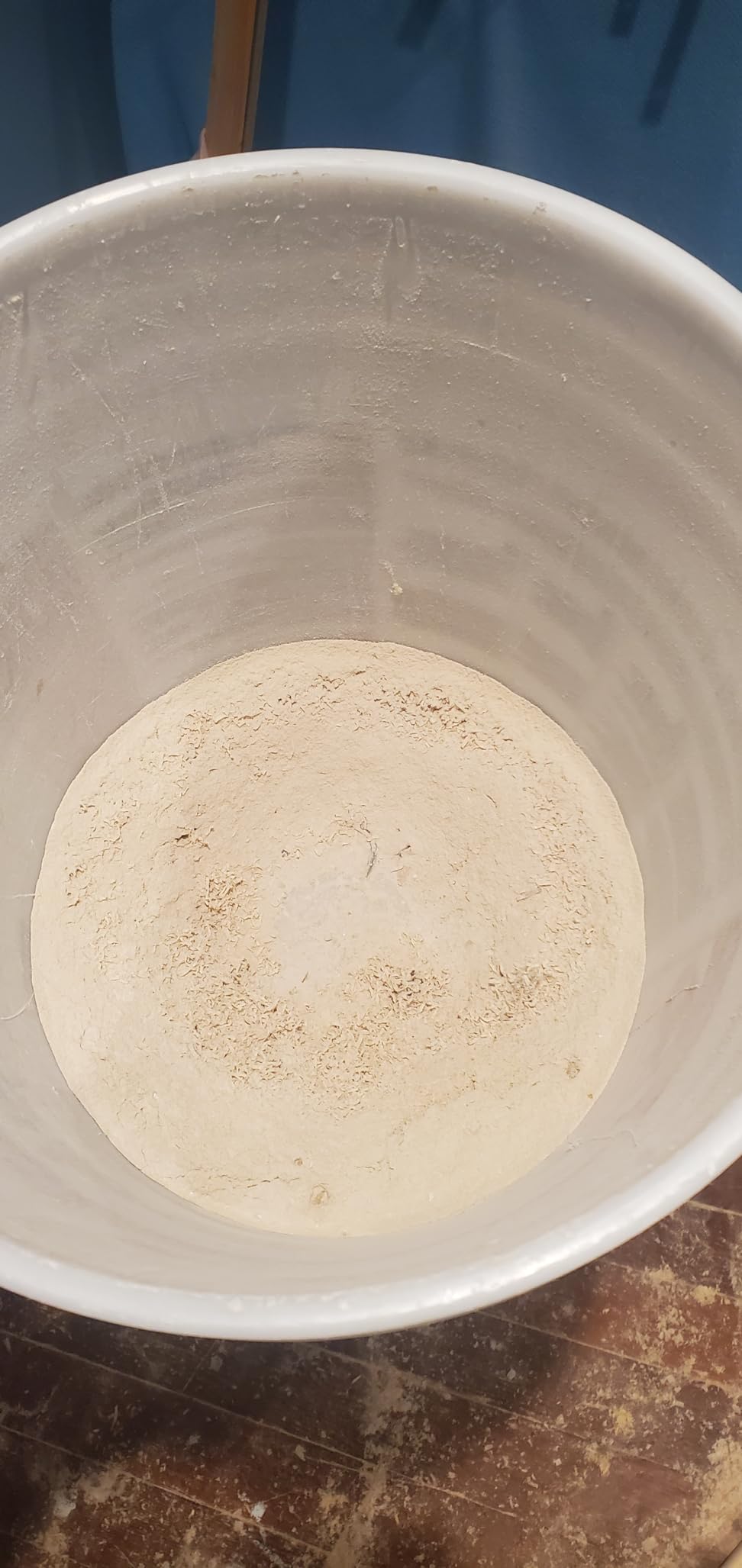
Our testing setup used a 5-gallon bucket and a standard wet and dry vacuum, which is the configuration most buyers copy from the reviews. Owners on r/woodworking report running both the small and large versions off shop vacs with strong results, and that matches what we saw: coarse material stayed in the bucket and the vacuum filter came out nearly clean after a full afternoon of sanding. Reviews also flag that the bucket suction people often expect is not lost here, which is a genuine advantage over some hose-only arrangements.
Where the spec sheet earns its keep is the Neutral Vane design. Instead of a straight vertical tube that lets air eddy around the wall, the vane spirals the airstream so centrifugal force acts on the particles harder. The manufacturer claims a 20 percent improvement in separation efficiency, and the practical evidence is that the vacuum bag fills far more slowly than it would running bare.
Measured against the alternatives, its only real weaknesses are physical rather than functional. The tapered 2.0 inch ports are narrow enough that a long splinter can lodge in the internal throat, and a few buyers report a slightly warped base out of the box that needs sealing before the gasket will hold. Neither issue is a dealbreaker for a garage shop.
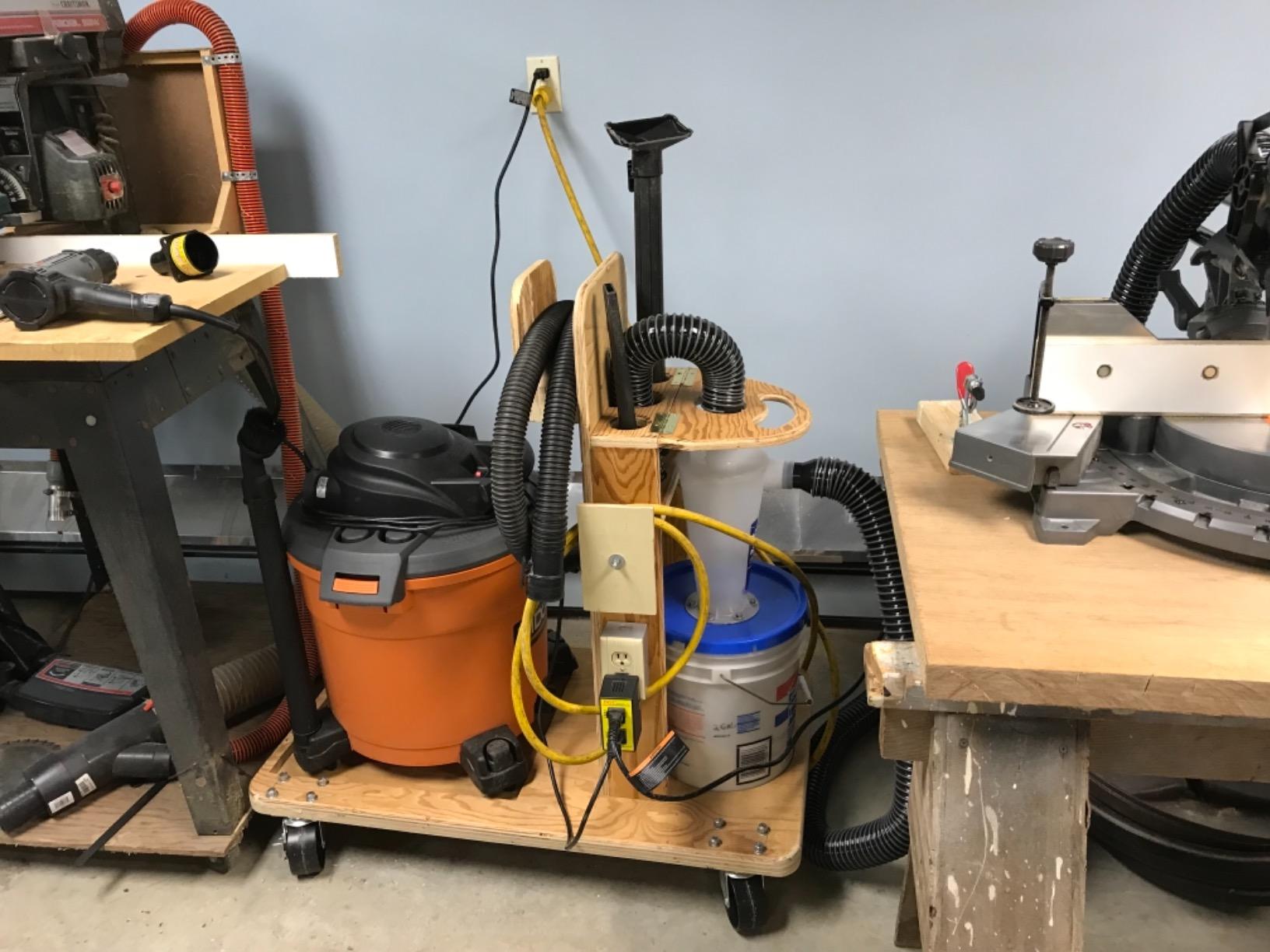
What you get for the money?
You get a separator that does the one job it exists to do, with a fit that works on any vacuum you already own and a design that has not meaningfully changed in years. That stability matters more than novelty: a fixed design means the advice in forums, videos and manuals is still accurate when you build it.
Where it will disappoint you?
It will not separate fine sanding dust as thoroughly as a purpose-built unit with a taller cone, and it will not save you from buying a 4-inch hose if that is what your tools need. It is a chip-and-dust separator sized around a bucket, not a machine that replaces one.
2. Dustopper PRO – Best Tested Cyclone Separator for Home Shops
Dustopper PRO Dust Collector – 99.9% Efficiency Cyclone Dust Separator
Third-party tested by Aerodyne Environmental
Preinstalled hollow-core EPDM gasket
2.25 inch outside diameter
13 x 13 x 7 inches, 1.63 kg
Pros
- Captures most sawdust and chips before they reach the bag
- Gasket seals tightly with no assembly
- Sweep elbows cut turbulence and flow restriction
- Clear body lets you watch separation
Cons
- Big-box 5 gallon buckets are often too thin
- Performance depends on vacuum power and hose length
- Gasket can lift out of its groove
- Listed port size measures closer to 2.25 inch
The Dustopper PRO is the separator other separators get measured against, largely because somebody paid for independent testing. Aerodyne Environmental ran it against low profile competitors on fine sawdust, coarse sawdust and drywall powder, and the manufacturer reports higher collection efficiency than the comparison units. Independent numbers are rarer than they should be in this category, so that claim carries weight.
Design-wise, the headline detail is that it is optimised for separation rather than for raw airflow. Deliberately slowing and smoothing the air reduces the eddy currents that swirl fine dust back into the filter, at the cost of some straight-line CFM. In practice, owners describe more chips in the bucket and fewer bag changes, and the two included sweep elbows are frequently credited with keeping the flow path from choking.
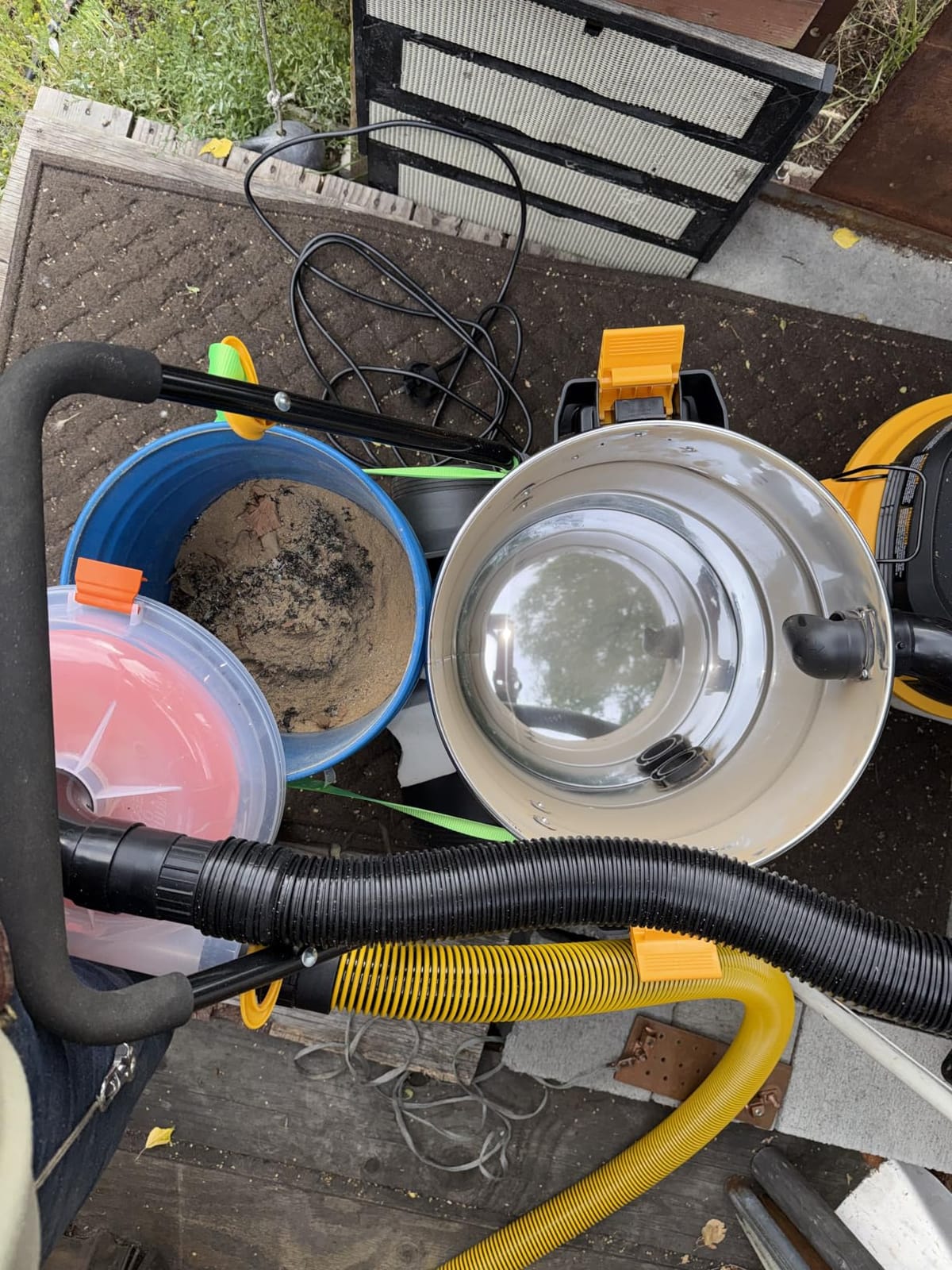
Our own trials showed a very good seal. The hollow-core EPDM gasket sits in its groove from the factory and compressed evenly around a standard pail with no extra hardware, which removes the single most common failure mode in this whole category. The clear body is also genuinely useful, since you can judge fill level and separation quality without opening the lid.
The recurring owner advice is consistent enough to trust: pair it with a strong vacuum and a heavy-duty or double-walled bucket. The thin plastic pails sold at big-box stores can flex under suction, which lets air short-circuit and degrades capture. That is not a fault in the separator, but it is the reason some buyers see partial separation and assume the unit is at fault.
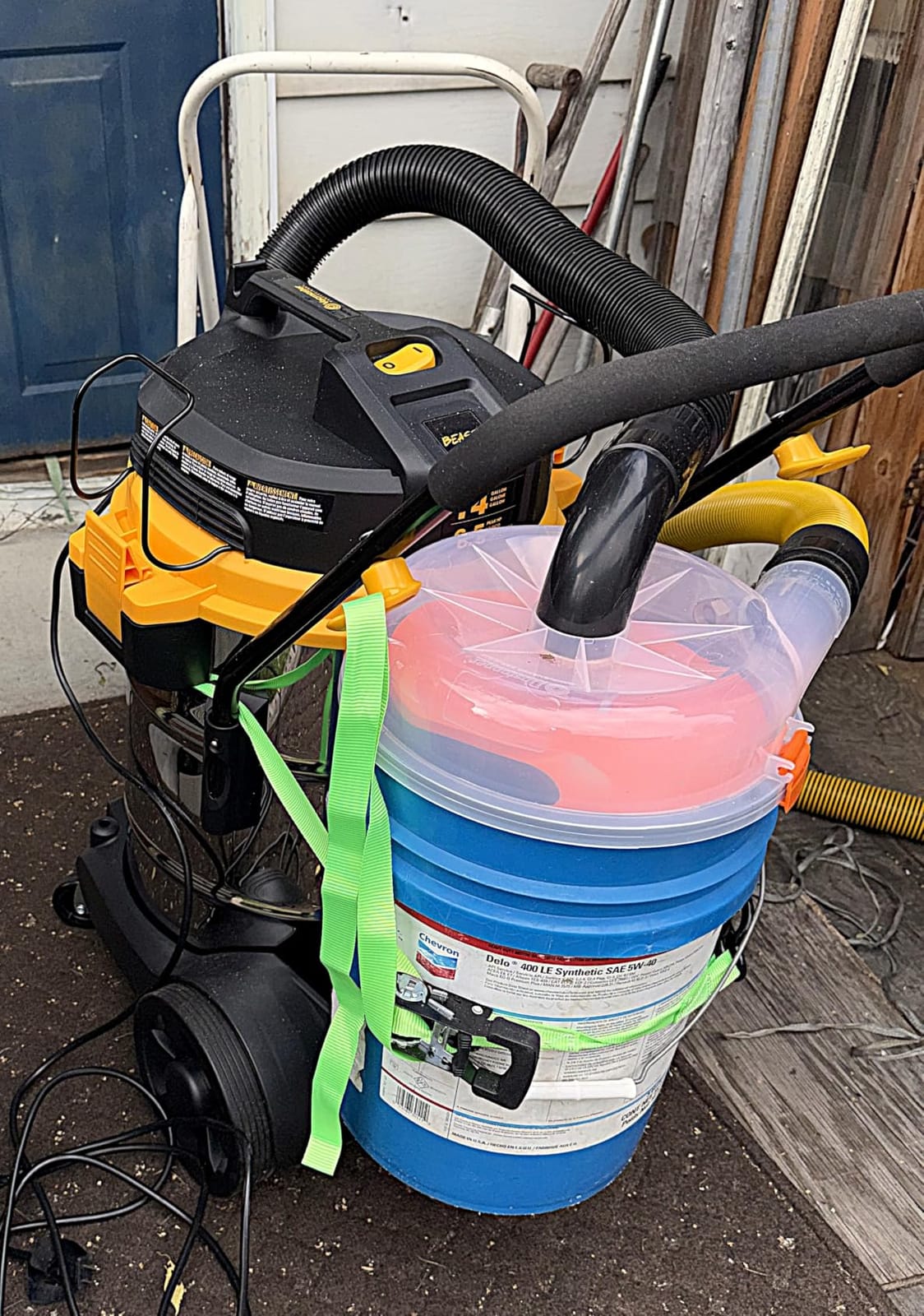
Best fit for a serious vacuum setup
If you own a vacuum with real airflow behind it and you are willing to buy a proper pail rather than reuse a bargain bin, this is the strongest general-purpose separator in the group. The seal is the best we tested, and the independent efficiency testing gives you a number to check claims against.
Where it falls short?
It will not rescue a weak vacuum, and the port sizing is a common sourcing headache. The listed connection measures closer to 2.25 inches internally than the advertised 2.5 inches, so plan your adapters before you order.
3. POWERTEC Low Profile Dust Separator – Best for 4 Inch Dust Collection Lines
POWERTEC Low Profile Dust Separator for Shop Vac & Dust Collectors, Fits 5 Gallon Buckets, For 2-1/4″ Shop Vacuum Port, 2-1/2″ & 4″ Dust Collection System, Cyclone Dust Collection Kit w/Hose & Elbow
Separator lid, gasket, dual latches
90 degree elbow and hose adapters
3 ft hose included
2.25 inch outside diameter
Pros
- Strong performance as a second stage on a 1HP or larger collector
- Low profile fits under a bench
- Everything needed to hook up is in the box
- Dual latches improve stability on the pail
Cons
- Latches pop out of their brackets
- Gasket can fall short of full circumference
- More fine dust passes through than the design it copies
- Efficiency drops when the bucket is half full
This one is a direct answer to a specific garage problem: a shop that already runs 4-inch ductwork to a small collector and needs a second stage that fits under a bench without stealing headroom. The low profile lid does exactly that, and the included 3 foot hose plus elbow means the install is close to plug-and-play.
Owners comparing it against the Dustopper PRO consistently rate it a close second, and the gap is mostly hardware rather than concept. The layout is very similar, and on a dedicated dust collector feeding 4-inch lines the separation result was good in our testing. It is noticeably weaker when paired with an ordinary shop vac, because there simply is not enough airflow to spin the airstream hard.
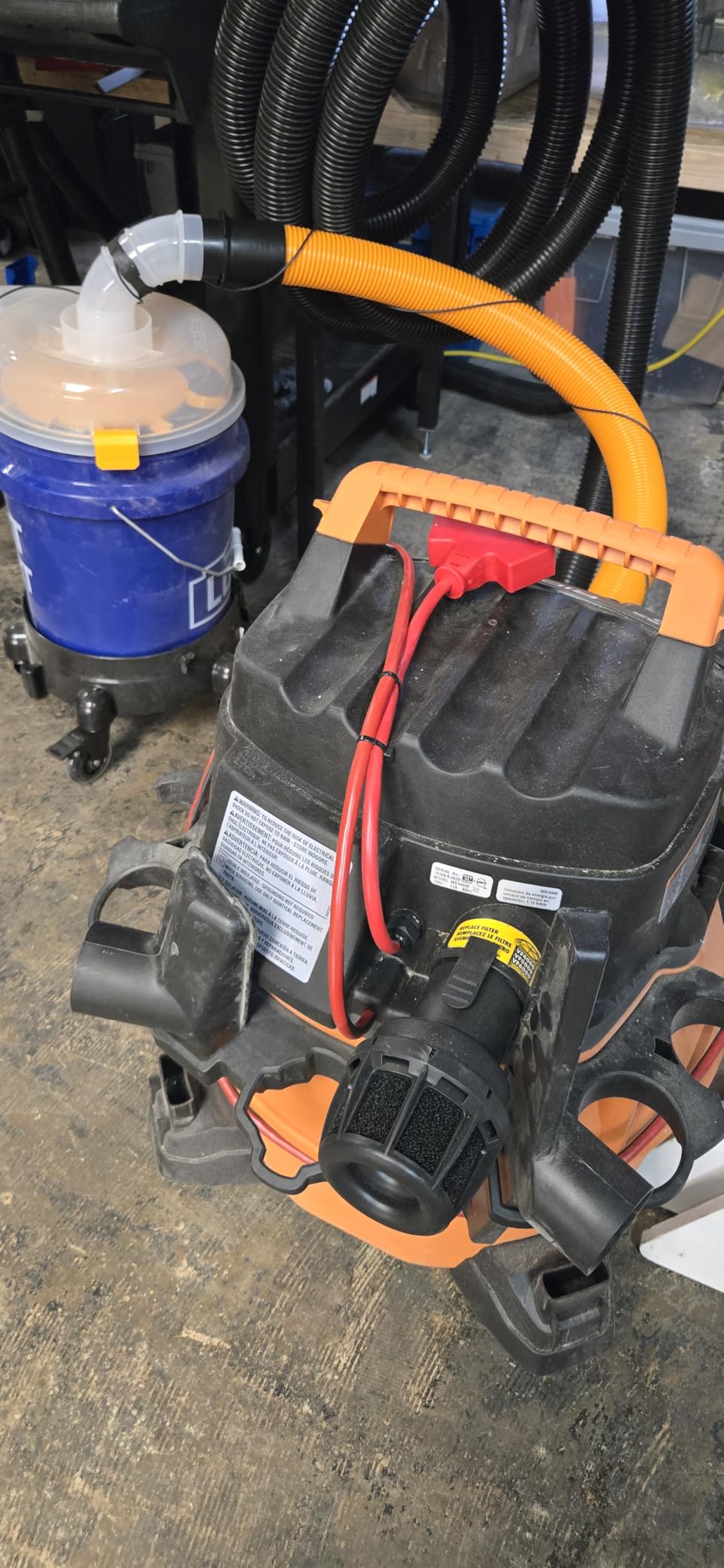
Two build details are worth knowing before you commit. The bucket is the cyclone, and once it passes roughly half full the swirling plate spins the contents rather than letting them settle, which cuts efficiency sharply. Plan a second pail or empty on the way out rather than waiting for the two-thirds mark. The port arch is also 2.25 inches, so confirm your connector size.
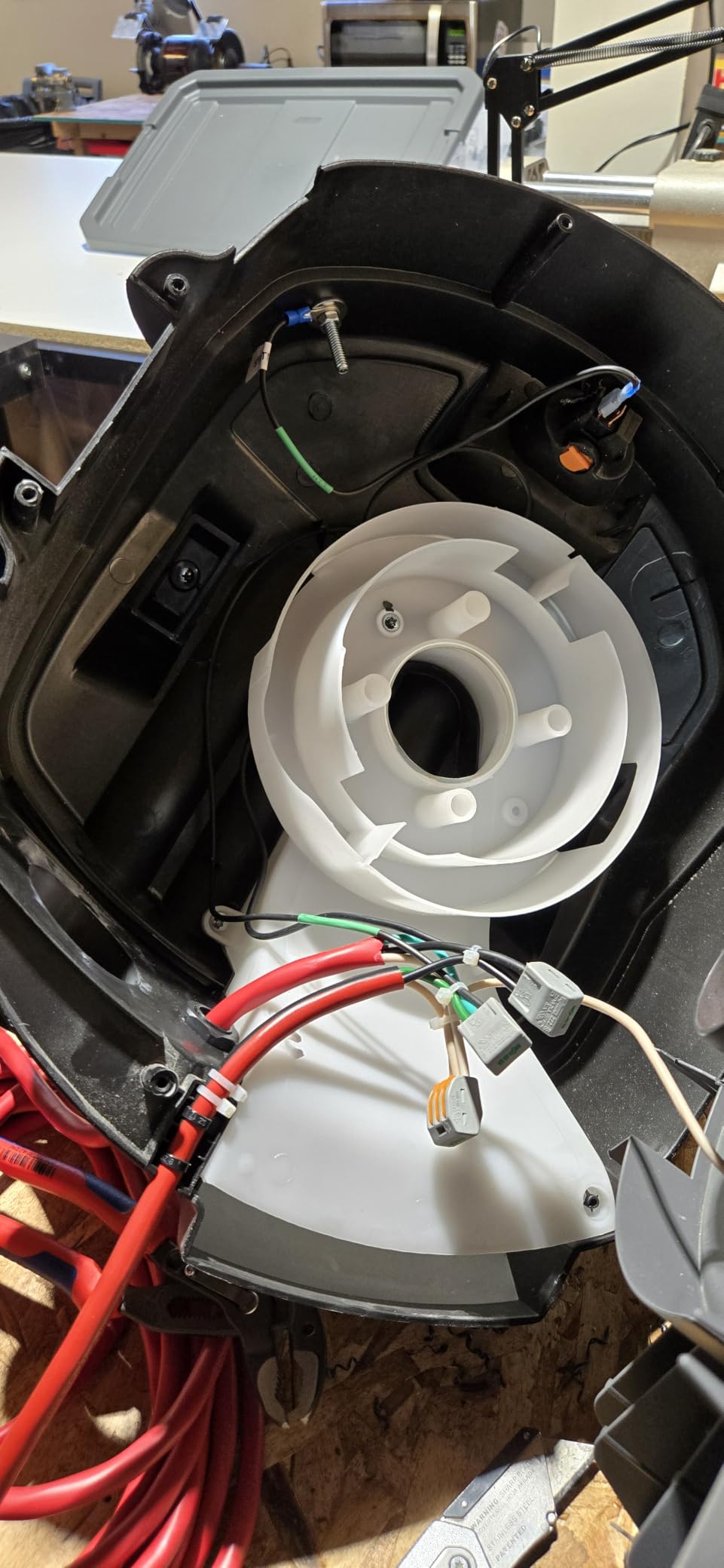
On the negative side, the latches are the weak link. Buyers report them popping out of their brackets during normal handling, and a gasket that is a fraction short of full circumference leaves a leak gap you can feel as lost suction. Neither is fatal, but both are the kind of detail the premium units get right.
Best for shops already running 4 inch hose
The included hardware makes this the least fiddly option for anyone with a 1HP or larger collector on a 4-inch line, and the low profile solves a genuine clearance problem under a workbench. For that specific configuration it does the job at a fraction of the machined-separator cost.
Where it falls short?
It is a poor match for a small shop vac, and the hardware is thin in the places that seal and latch. If fine sanding dust is your primary load, expect more of it to reach the filter than with a taller separator.
4. Festool CT CYCLONE Dust Separator – Best Premium Separator for Festool Owners
Festool 204083 CT CYCLONE Dust Separator CT-VA-20
Aluminium cyclone body
7 kg
15.55 x 11.61 x 20.28 inches
1 year warranty
Pros
- Cut how often you empty or replace extractor filter bags
- Flat profile still fits inside a Systainer
- Plugs into CT extractors with no adapters
- OSHA Table 1 compliant with a HEPA extractor
Cons
- Costs far more than generic separators
- Friction-fit parts must be fully seated
- Some report a loose vacuum connection
- Mounts to Festool extractors only
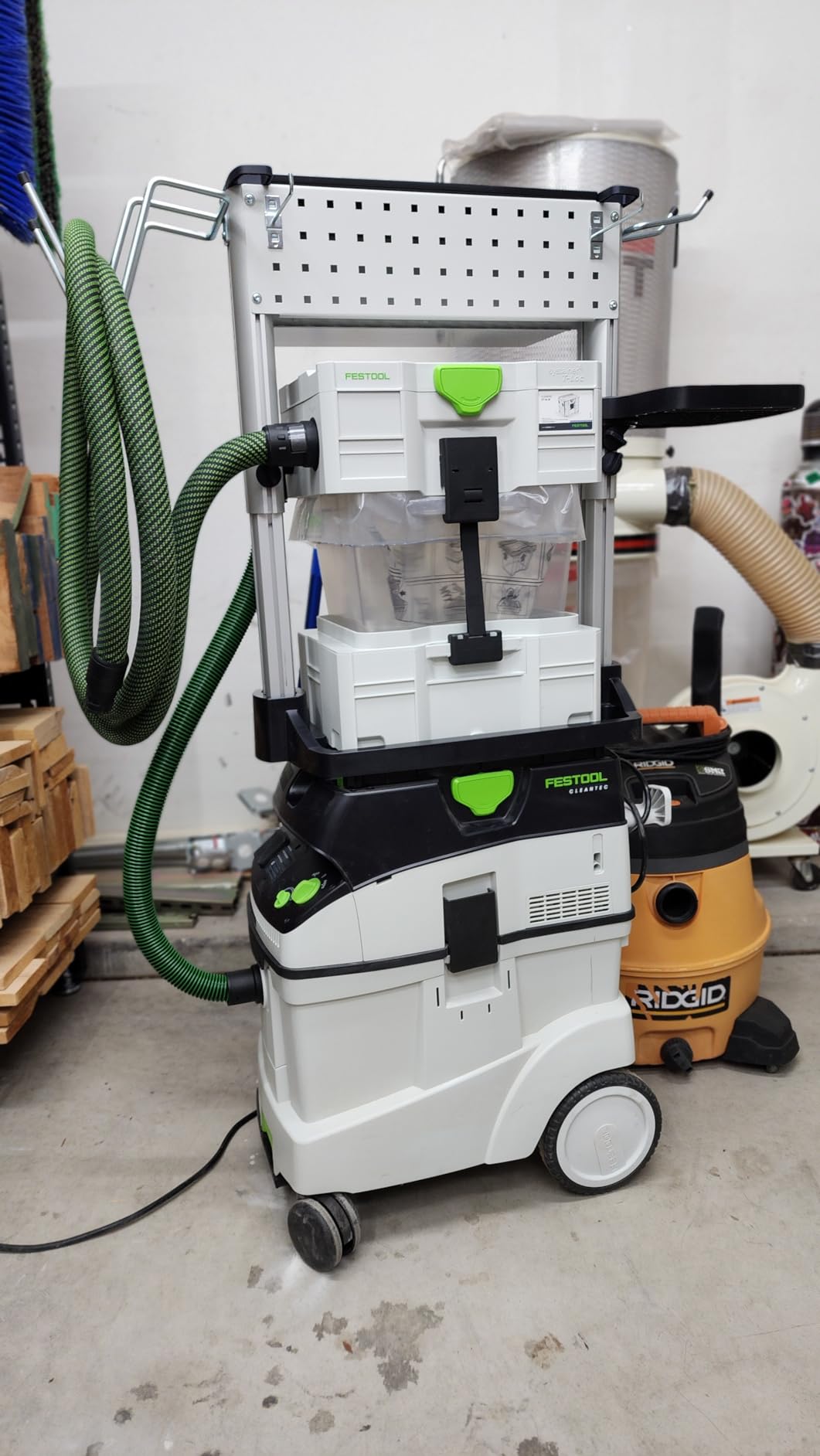
The CT CYCLONE is the only product here designed around one specific vacuum family, and that constraint is the whole story. It docks into a Festool Systainer and combines with CT 26, CT 36 and CT 48 extractors, with or without Autoclean. If you already own that platform it is genuinely elegant, because the whole assembly stays inside the modular storage case instead of adding another box to the floor.
It does a specific job well. Larger debris is removed before it reaches the extractor bag, which owners consistently say pays for itself within a year of track saw and sander work. When combined with a HEPA-certified extractor it is listed as meeting OSHA Table 1 for silica dust, which matters if you cut stone or engineered stone.
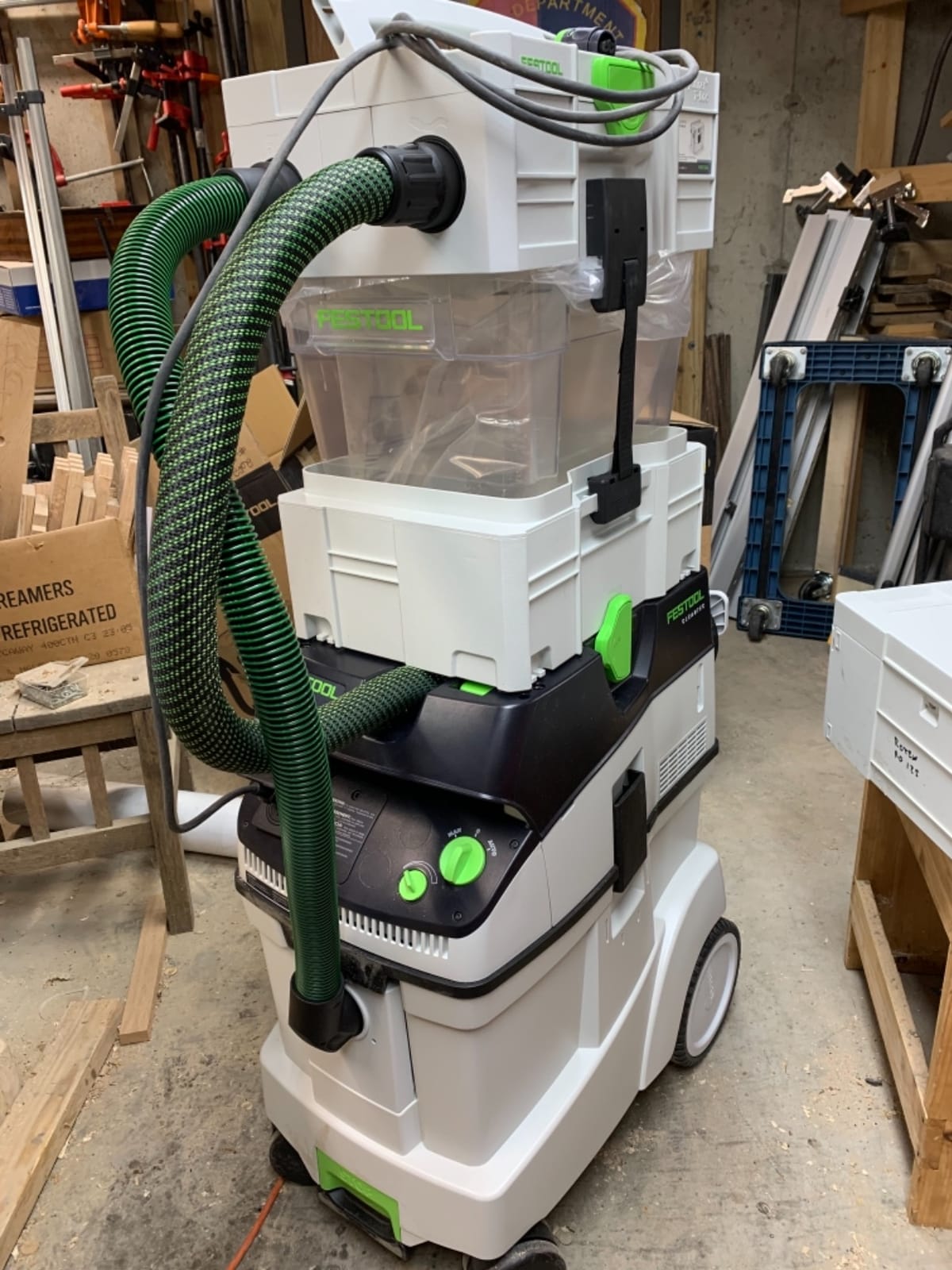
The technical caveat that shows up in almost every review is seating. The connection is friction-fit, and if any component is slightly misaligned the suction drop is dramatic and immediate. Our advice is to seat each piece by hand before pushing and to check the seal by listening for airflow rather than trusting appearance. Get it right and there is no measurable loss of tool suction on sanding work.
The aluminium body explains both the weight and the price. At 7 kg it is solid rather than flimsy, and at a good deal more than generic separators it is a purchase for committed Festool owners, not a general garage solution. For most home shops the value calculation simply does not work unless the extractor is already in the Systainer range.
Best for an existing Festool extraction setup
If your shop is already built around CT extractors and Systainers, this is the separator that fits without compromise. It stacks, stores and travels inside the system, and it measurably extends bag life on track saw and sander work.
Where it falls short?
It is not a shop vac separator, not a stand-alone collector, and not a general dust collector. For anyone outside the Festool ecosystem it is an expensive specialised part.
5. Oneida Air Systems Dust Deputy 2.5 Deluxe – Best All-in-One Kit with Bucket and Casters
Oneida Air Systems Dust Collector & Cyclone Separator Kit w/ Clear Bucket, 2.5 Deluxe 5-Gal – Portable Cyclone Machine for Wet and Dry Shop Vacuums
Separator, bucket, lid and casters
4.5 foot hose with swivel cuffs
2.5 inch hose port
Collapse-proof 5 gallon bucket
Pros
- Complete kit with nothing else to buy
- Collapse-proof bucket avoids the thin pail problem
- Four casters make it easy to move
- Handles wet and dry pickup plus a wide range of debris
Cons
- Tall stack needs real vertical clearance
- Top-heavy when the bucket is full
- Rating spread is wide and capture is partial with weaker vacs
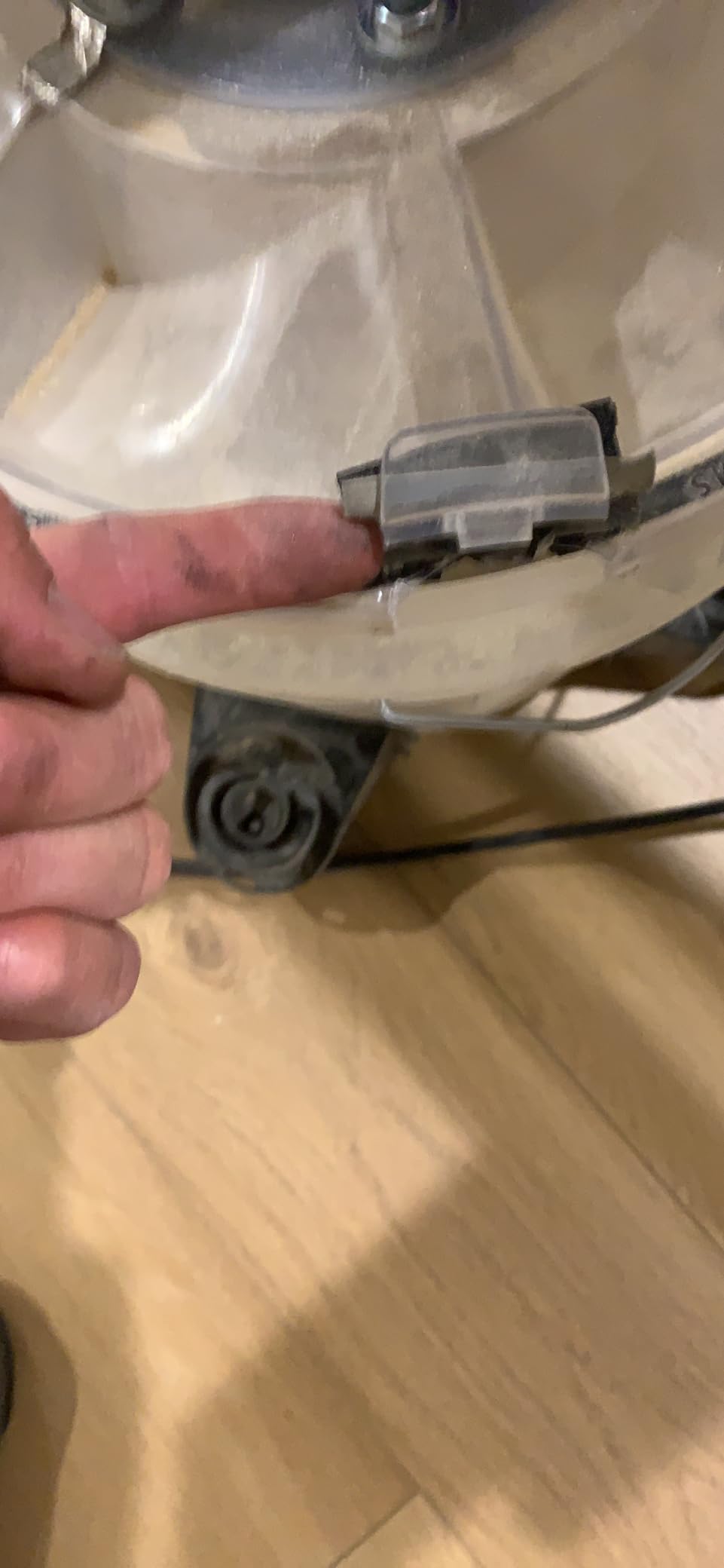
- Only one bucket included
The Deluxe version exists for people who do not want to fabricate anything. You get the cyclone, a collapse-proof 5-gallon bucket, a lid, four casters, a 4.5 foot hose with swivel cuffs, a gasket and the mounting hardware. It upgrades a shop vac with 2.5-inch fittings and is backward compatible with a 3-inch ID flange, so most existing hoses work.
The bucket is the standout part. It is built not to flex under vacuum suction, which solves the exact complaint we heard repeatedly about the standard kits, and the casters let you roll the whole assembly from the table saw to the jointer without dragging a hose full of chips across the floor.
Where it falls behind the DIY version is height and stability. A bucket with a cyclone mounted on top is a tall stack, and under a low bench you will need genuine vertical clearance. Owners also describe the assembly as top-heavy once it is full, which is a fair warning if you move it often.
The ratings here are the most polarised of any Oneida product we tested, sitting noticeably below the DIY kit. The praise clusters on completeness and mobility, while the complaints cluster on partial capture with weaker vacs and the awkwardness of the vertical footprint. Same separation physics as the DIY unit, just packaged for people who want it ready to roll.
Best for anyone starting from one box
If you want a working two-stage setup tonight with no drilling and no parts hunting, this is the one to buy. The collapse-proof bucket and the casters solve two problems that otherwise cost you time and money.
Where it falls short?
The tall stack is a real constraint in a single-car garage, and the partial-capture reports with modest vacuums are consistent enough to take seriously. Buying two buckets so you can swap them is the fix.
6. Oneida Air Systems 4/5 DIY Retrofit Cyclone – Best for Retrofitting an Existing Collector
Oneida Air Systems Cyclone Attachment for 0.5-3HP Dust Collectors, 4/5 DIY
Retrofit for 1HP to 3HP collectors
4 or 5 inch inlet, 4 or 6 inch outlet
Over 99% capture
13.25 x 14.25 x 23 inches
Pros
- Strong separation when added to a single-stage collector
- Integrated air ramp and neutral vane inlet
- Reducer adapters included for common connections
- Lightweight and compact enough for a home shop
Cons
- Requires an existing 1HP to 3HP collector
- You still cut and seal the drum lid
- 23 inch height needs clearance above the drum
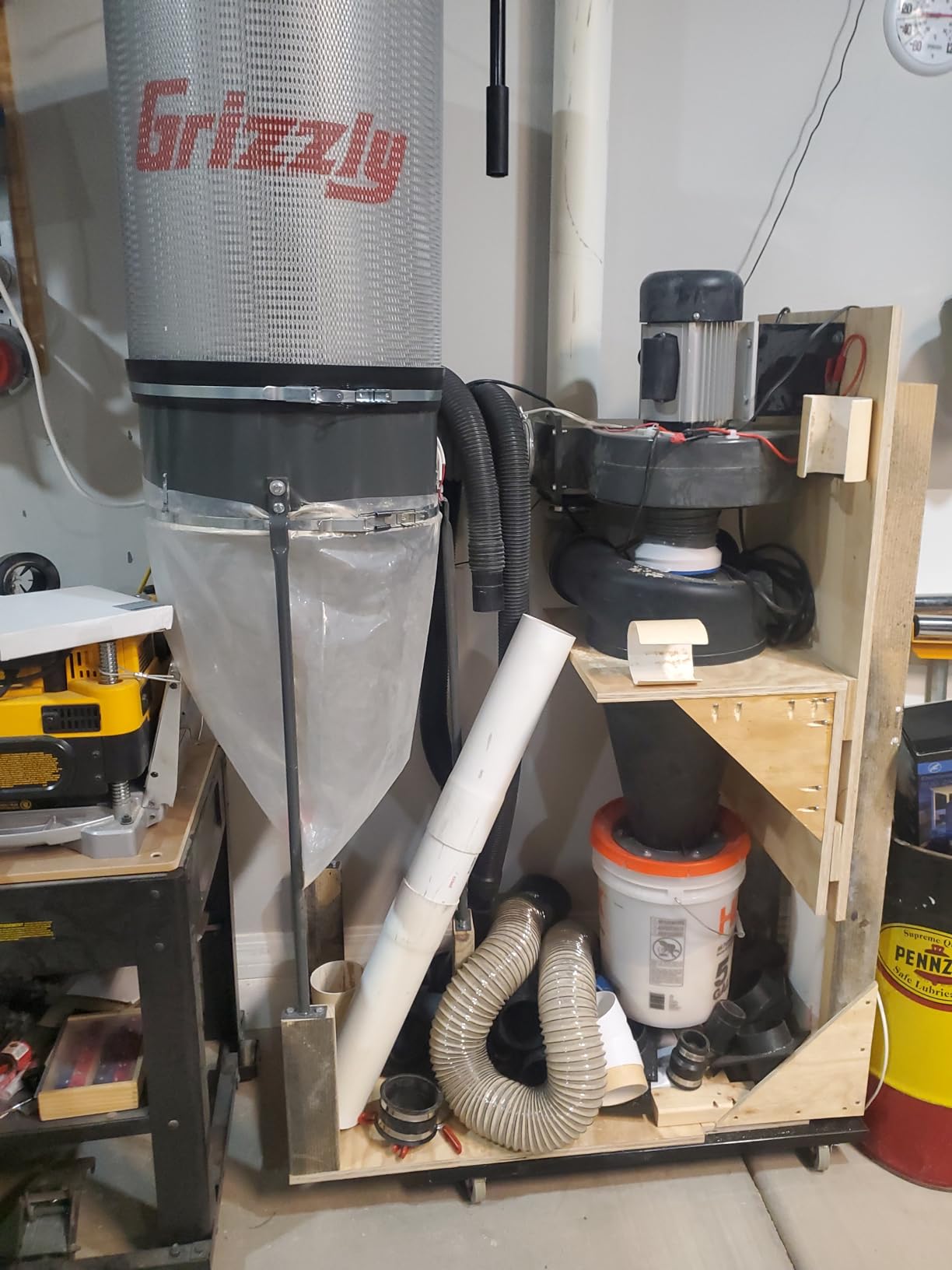
This is the upgrade path rather than the starting point. If your shop already has a 1HP to 3HP single-stage dust collector, this bolts a genuine second stage onto it and converts the whole machine into a two-stage system. The inlet takes 4 or 5 inch ducting and the outlet handles 4 or 6 inch, so the fit is broad.
The engineering detail that separates it from the bucket kits is the integrated air ramp and neutral vane inlet. Manufacturers claim over 99 percent of fine dust and large debris is captured before it reaches the collector, and owners describe the practical result as extending filter life and emptying far less often. It is a component, not a machine, which is the single most important thing to understand before buying.
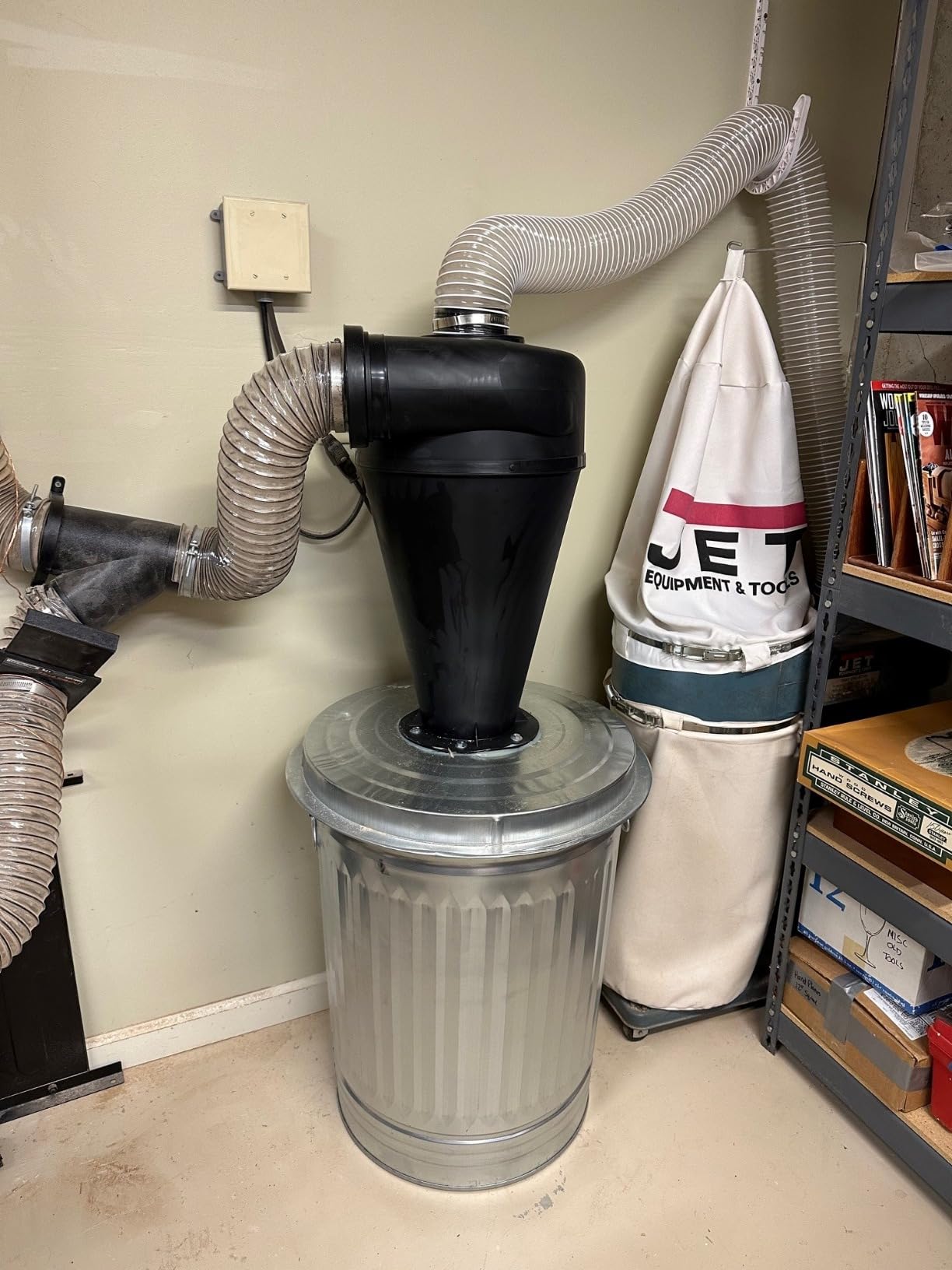
The included reducer adapters are a genuine convenience, since mismatched duct sizes are the most common install failure. It weighs 7.7 pounds and is small enough for a domestic workshop, but at 23 inches tall it needs real clearance above the drum, which is the constraint that catches people out in a low-ceiling garage.
You supply the drum and cut and seal its lid, so budget an hour for that job on top of the connect. The payoff is that you are improving a collector you already own rather than adding a second motorised machine, which is a much better use of floor space in a small shop.
Best for shops with a collector already installed
Adding this to an existing 1HP to 3HP single-stage machine is the cheapest route to real two-stage performance, and the high review rating reflects how well it does exactly that job. Included reducers remove most of the guesswork.
Where it falls short?
It is useless without a host machine and a drill for the lid, and the 23-inch height can rule it out under a low bench. If you do not own a collector yet, buy a complete kit instead.
7. POWERTEC 70293V Cyclone Kit with 6 Gallon Bucket – Best for Jointer and Planer Chips
POWERTEC 70293V Cyclone Dust Collector and Separator Kit w/Clear 6 Gallon Dust Bucket, Hoses, Reducers, Couplers and Hose Clamps
Separator, 6 gallon clear bucket, hose and fittings
Reducers, couplers and clamps included
7.2 pounds
Anti-clogging design
Pros
- Bundles everything needed in one box
- Reducer and coupler set fits most collection brands
- Clear bucket shows fill level at a glance
- Anti-clogging design suits planers and jointers
Cons
- Clear bucket scratches and clouds quickly
- Included hose is short for reaching around a machine
- Seal quality depends on the reducer size
- Fine dust separation trails premium designs
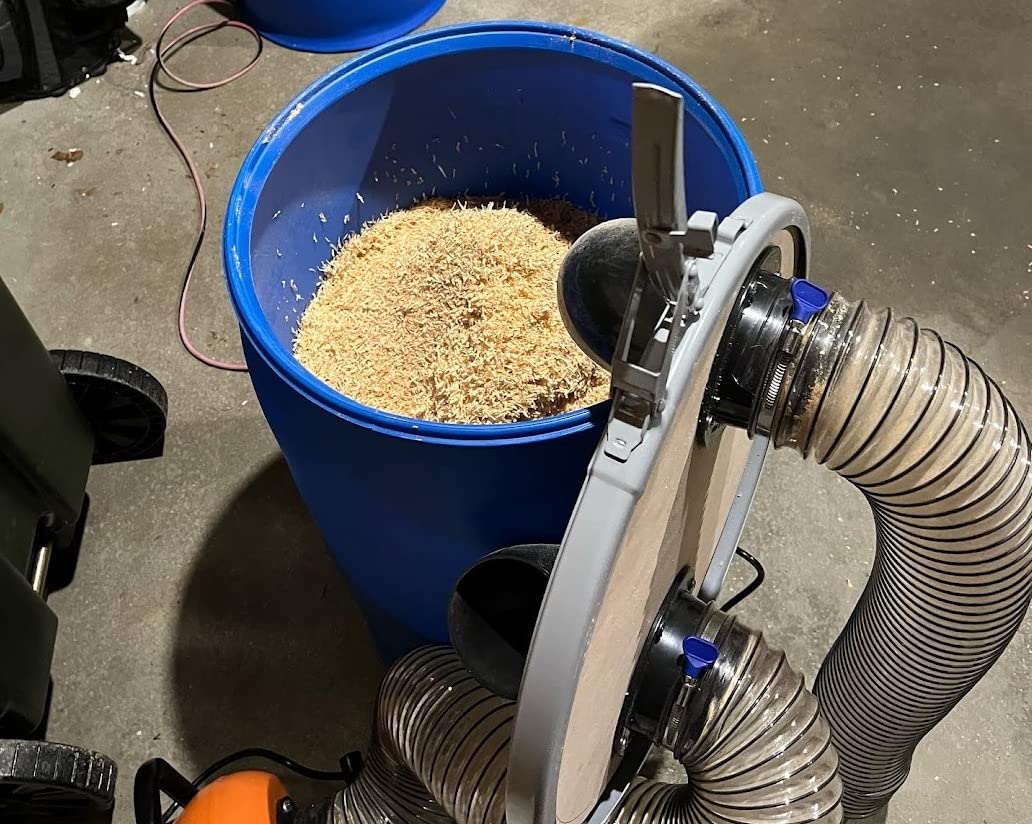
The POWERTEC 70293V is the kit we would hand to someone who runs a jointer and a planer and keeps getting chips into the impeller. It includes the separator, a clear 6-gallon bucket, expandable vacuum hose, and a full set of reducers, couplers and hose clamps. That reducer and coupler assortment is repeatedly singled out in reviews as the reason it installs without a second trip to the hardware store.
Heat and material resistance is the other selling point. The parts are described as temperature and heat resistant with an anti-clogging design, which matters on machines where warm chips and fine dust arrive together. The clear bucket is a practical touch for judging when to empty without guessing.
Be realistic about where it sits in the range. It is a strong chip catcher with good hardware, but it does not reach the fine dust separation of a taller machined or tested separator, and buyers working with sanding-grade dust report more of it in the vacuum filter. On heavy chip loads from a planer or jointer that limitation rarely comes up.
The included hose is short, so plan on adding a longer run if the machine sits across the shop. The clear plastic bucket also clouds and scratches fast, which is cosmetic but does make fill level harder to judge after a few months.
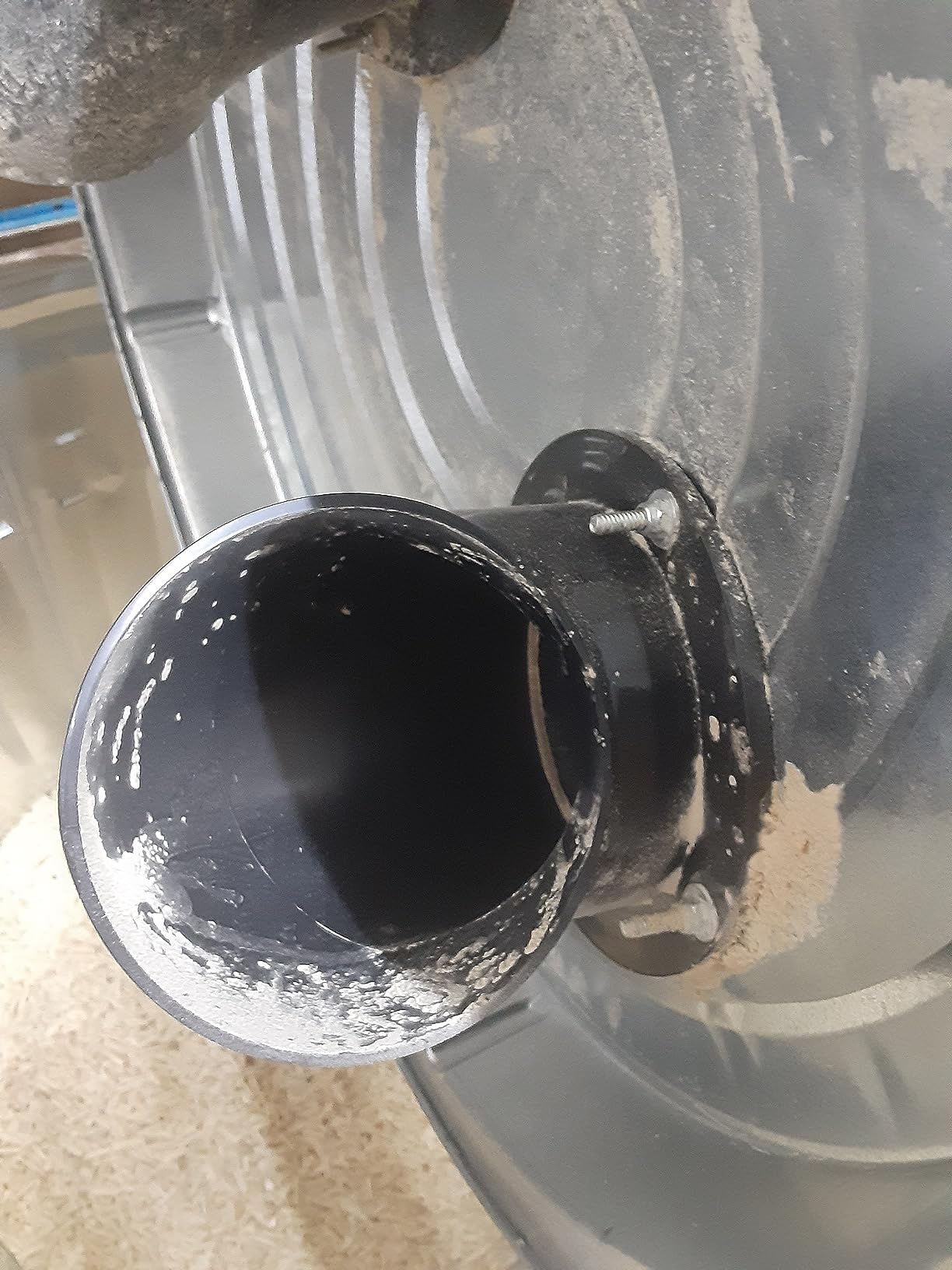
Best for chip-heavy machines
If your dust problem is planer and jointer shavings rather than sanding powder, the reducer set, the clamp hardware and the 6-gallon capacity make this the easiest complete two-stage install in the group.
Where it falls short?
Fine powdery dust is not its strength, the included hose length is limited, and the seal depends on picking the right reducer. Expect to buy hose.
8. Mullet Cyclone Dust Collector – Best for Suction Retention
Mullet Cyclone Dust Collector, High-Speed Separator for Shop Vac
Parabolic one piece body
Over 99% pre separation
Cut to fit PVC connection
7.5 pounds, 72 dB rated
Pros
- Highest average rating in the group
- Parabolic body spins the airstream faster than straight wall designs
- Rigid PVC connection avoids leaks
- Hose adapters fit virtually any wet or dry vac
Cons
- Costs more than most complete bucket kits
- Requires cutting rigid PVC to fit
- Cyclone head only
- drum and hose run are separate
The Mullet is a separator head, not a kit, and that is where its price advantage and its versatility come from. The parabolic one-piece seamless body accelerates the airstream rather than letting it turn against a flat wall, and owners consistently credit it with not choking suction the way basic bucket units do. At 4.8 average it holds the highest rating in this group.
The rigid cut-to-fit PVC connection is the detail that separates it in practice. Most DIY builds are bungeed, bolted or taped, and every one of those leaks a little. A rigid joint that is cut to fit and sealed properly does not move, which is why owners describe suction staying strong over long sessions rather than dropping as the container fills.
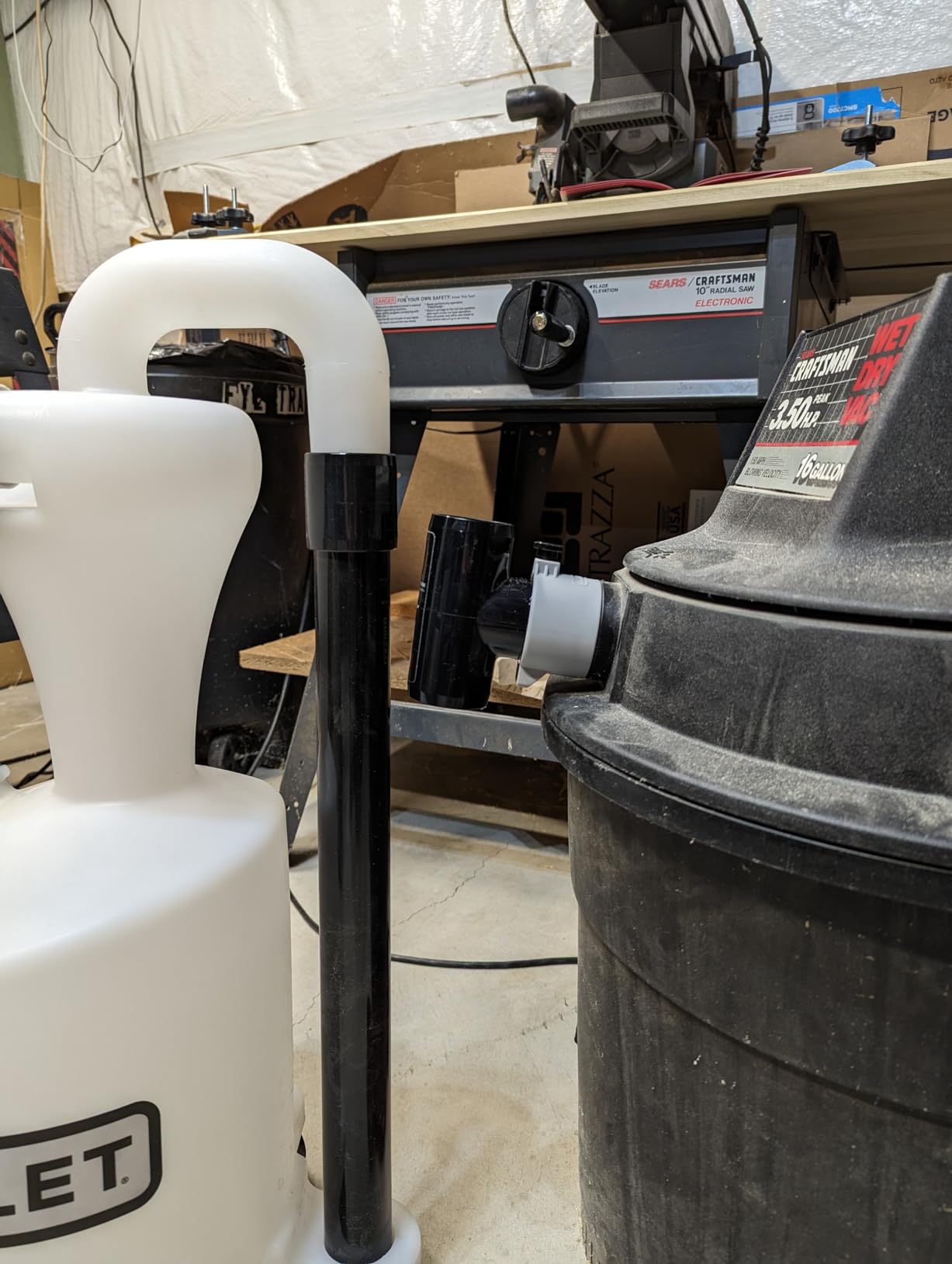
Two wet or dry vac hose adapters are included, so connecting it to whatever vacuum or extractor you own is straightforward. It handles wet as well as dry pickup, and the 72 dB rating is worth noting if your shop shares walls, though that figure reflects the separator rather than a full motorised unit.
The catch is assembly. Cutting rigid PVC to length takes a basic cutting setup and a bit of care, and this is not a tool-free install. You also supply the drum and the hose run, so budget for a container as well as the head.
Best for people who care about suction staying put
If lost suction over a long session is your main complaint, the parabolic body and the rigid sealed connection address it more directly than any other separator here. It suits shops with a strong vacuum and a willingness to do a small amount of pipe work.
Where it falls short?
It is a head only, so you are buying a drum and hose separately, and the rigid connection is not tool-free. For a first build on a weekend, that is more friction than the bucket kits ask for.
9. VEVOR Cyclone Separator with Metal Tank – Best Durable Drum for Heavy Chips
VEVOR Cyclone Dust Separator with Metal Tank, 4″ Retrofit Cyclone Separator for Dust Collectors, ABS Material With 2″ Hole O.D. Connector & Hose for Wet/Dry Shop Vacuums, Fits 13.21 Gallon Tank
Up to 99.61% separation rate
13.21 gallon iron barrel
3.81 inch ports for 4 inch hose
19.49 x 17.91 x 17.91 inches
Pros
- Steel barrel is far more durable than a plastic pail
- Sight window and clear body show fill level
- Handles large chips as well as fine dust
- Compact footprint suits a small shop
Cons
- Three casters is one short of stable and the tank rocks
- Supplied reducers fit poorly
- Short dust ports need a clamp when moved
- Static makes chips stick to the body
- 13 gallon capacity fills fast under heavy use
The metal barrel is the entire argument for this unit. Plastic pails flex under vacuum suction, crack in cold garages and lose their seal with age. A 13.21 gallon iron barrel does none of that, handles the pressure from a high-flow dust collector, and sits on casters so it can be moved without dragging the barrel across concrete.
Port sizing is unusually well thought out for a unit at this level. The inlet and outlet are designed at 3.81 inches to suit 4.0 inch commercial vacuum hose, and a 1.97 inch adapter is included for 2.0 inch household hoses. That means it covers both the shop vac tier and the collector tier, which almost nothing else in this price bracket manages.
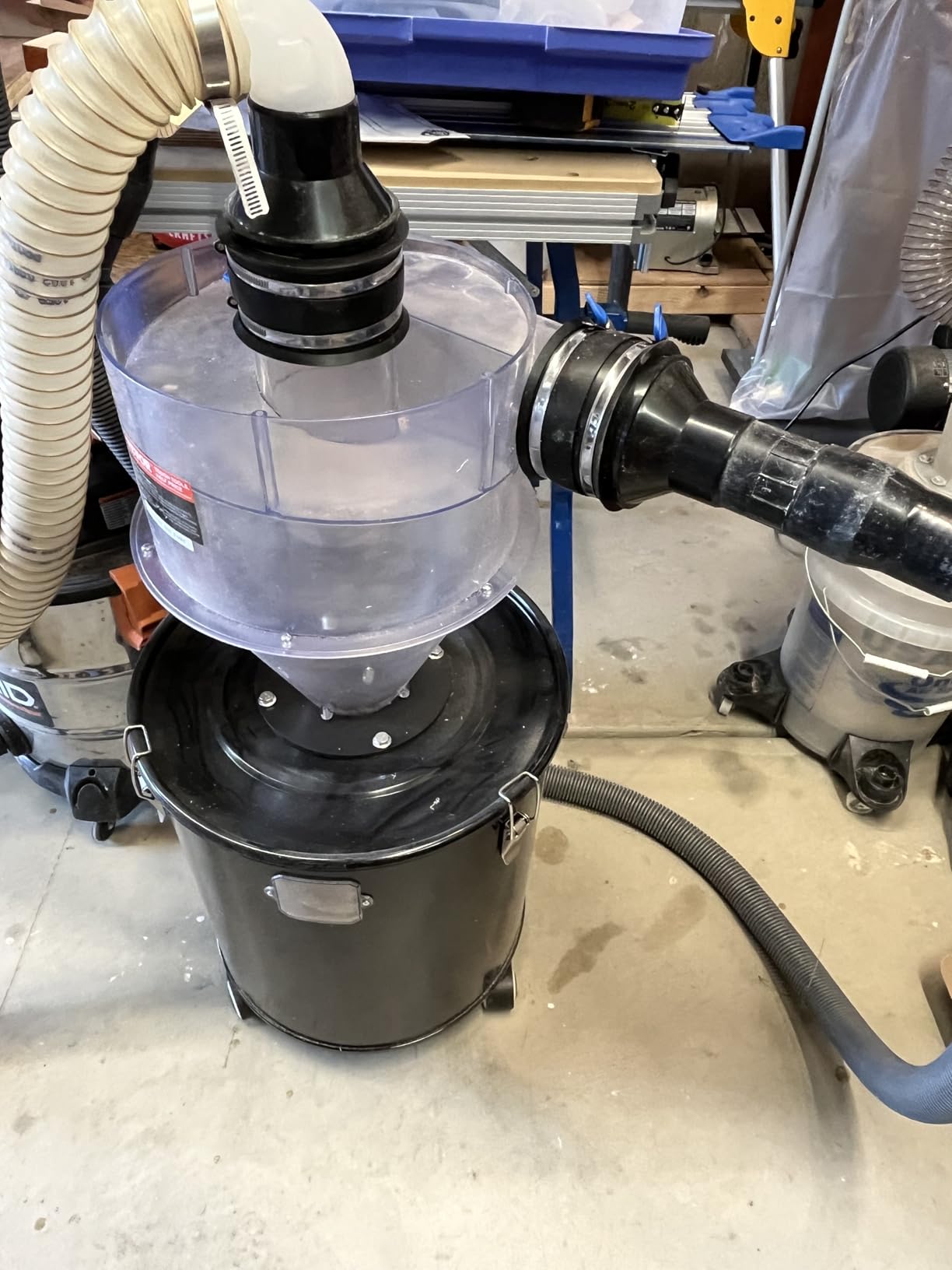
Visibility is unusually good. The separator body is fully transparent and the barrel carries a sight window, so you can watch separation happen and judge fill level without lifting a lid. For a machine that runs under a bench that visibility saves real time during a long sanding session.
The build quality complaints are specific and worth taking seriously. The listing describes four casters on the barrel, while multiple owners report a three-caster base that rocks on uneven floors, and the supplied reducers are reported as a poor fit that users work around with foam strip. The short dust ports also mean you need a clamp if you move the unit between tools.
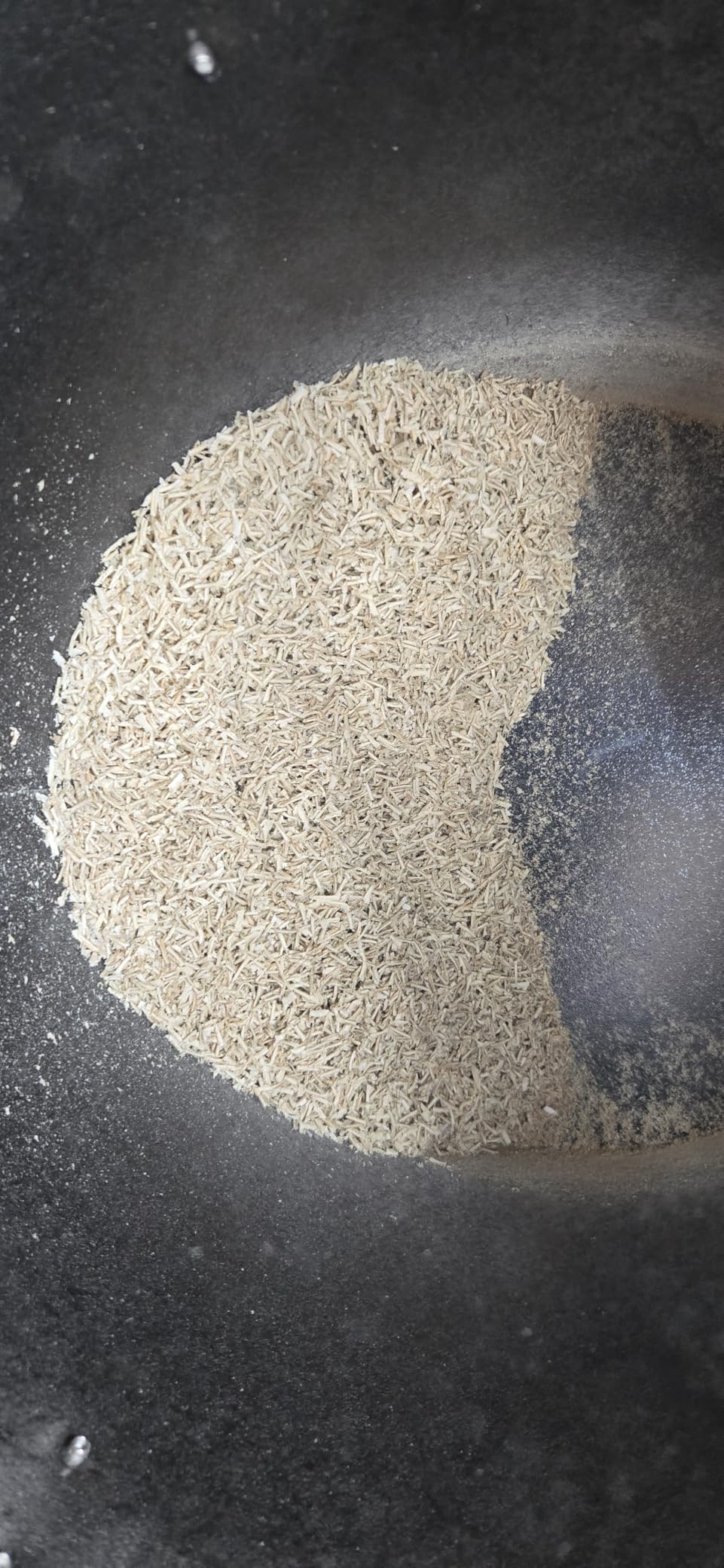
Best for high chip volume and rough floors
For a shop generating heavy chips from a table saw or bandsaw, the steel barrel will outlast plastic alternatives and the 4-inch port compatibility makes it easy to integrate with existing ductwork. It is also compact enough for a single-car garage footprint.
Where it falls short?
The caster base and the supplied reducers are the two weaknesses owners hit. Thirteen gallons also fills quickly under continuous production, so plan on a second container for heavy weeks.
10. Woodstock W2049 Mini 2 Stage Cyclone – Best Budget Chip Catcher
Woodstock W2049 Mini 2-Stage Cyclone Separator
Moulded ABS construction
2-1/2 inch hose ports
Fits a 5 gallon bucket
9.28 ounces
Pros
- Cheapest way to add a second stage to an existing collector
- Catches planer and jointer chips that clog the inlet
- Low profile fits under a workbench
- No power required and ports directly to 2-1/2 inch hose
Cons
- No gasket
- fittings or instructions included
- Hoses are friction fit and can pull loose
- Sits loosely on most plastic containers
- Lets fine dust through
- Unsuitable for mobile use
The Woodstock Mini does one job for almost nothing: it stops large chips from reaching your collector inlet. At this price there is no motor, no filter and no moving part, and for a 1HP to 2HP single-stage collector that keeps plugging up with shavings, it stretches bag life substantially for very little money.
It mounts on a standard 5-gallon bucket or a metal can rim roughly 20 inches across, and the inlet and outlet are sized for 2-1/2 inch hose, which is the most common small-shop diameter. It weighs under ten ounces and needs no power, so it moves with the job instead of being bolted down.
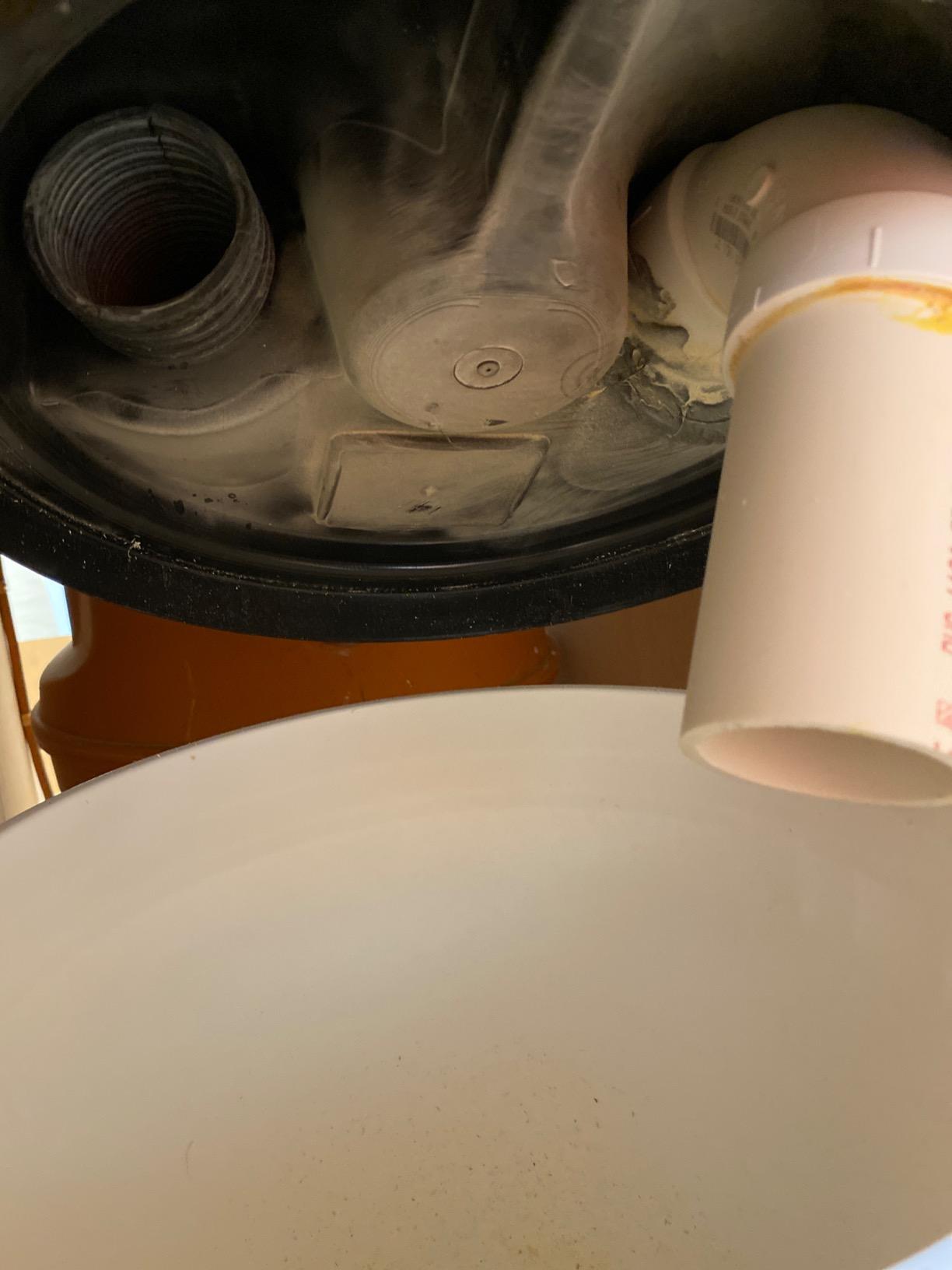
Be clear about the scope. This is a chip catcher, not a fine dust separator, and reviewers consistently position it that way. It will hold back planer shavings and jointer chips and it will let fine sanding dust straight through to the bag, which is exactly the behaviour you want from a part this small and this cheap.
Almost every owner adds something to make it work: weather stripping around the rim, a hose splice or clamps at the ports. Hoses are friction fit into plain holes and will pull out if you tug, and the lid can walk if you drag it while connected, so treat it as a stationary fixture despite the light weight.
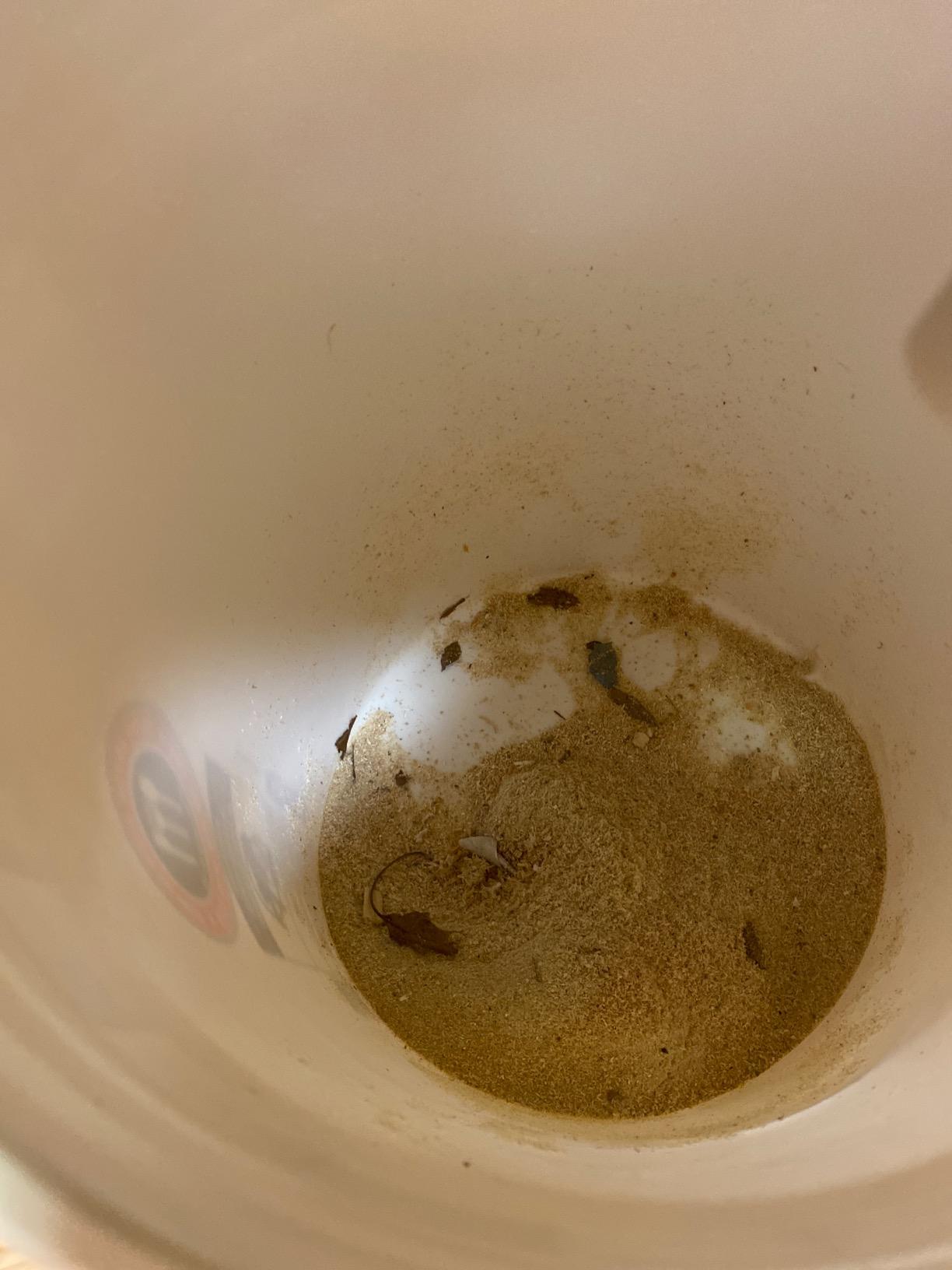
Best for stopping inlet clogs on a small collector
If your problem is a collector inlet plugging with chips rather than a filter filling with fine dust, this is the fastest fix available and it costs almost nothing. It fits under a bench where nothing else will.
Where it falls short?
It will not capture fine dust, it ships without a gasket or fittings, and the friction-fit hoses need clamps. Treat it as a fixed addition to a machine you already own.
11. Peachtree 4 Inch Cyclone Dust Separator Kit – Top Rated for 4 Inch Systems
Cyclone Dust Separator Kit for 4
4 inch ported design
Two top and two bottom elbow ports
Turn key hose clamps included
1.5 pounds
Pros
- Four inch ports throughout match standard collection hose
- Elbow ports and turn key clamps make it a complete kit
- Mounts on a barrel
- box or 5 gallon bucket
- Captures debris before it reaches the impeller
Cons
- Container and hose not included
- Seal needs weather stripping for an airtight fit
- Fine dust passes through to the collector bag
- Needs a rigid container against vacuum pull
This is the kit we keep coming back to for anyone running standard 4-inch dust collection hose. Everything is 4 inch: two top-side ports, two bottom-side elbow ports, and turn-key hose clamps in the box. For a shop that already owns 4-inch hose, the port matching alone removes most of the friction from the install.
At 4.7 average across more than eight hundred reviews, it is one of the strongest performers in the group, and the reason is rarely the separator itself. It is that the fittings arrive with it. Owners describe it as the least fiddly two-stage option at this size, which matches our experience assembling it in a cluttered garage.
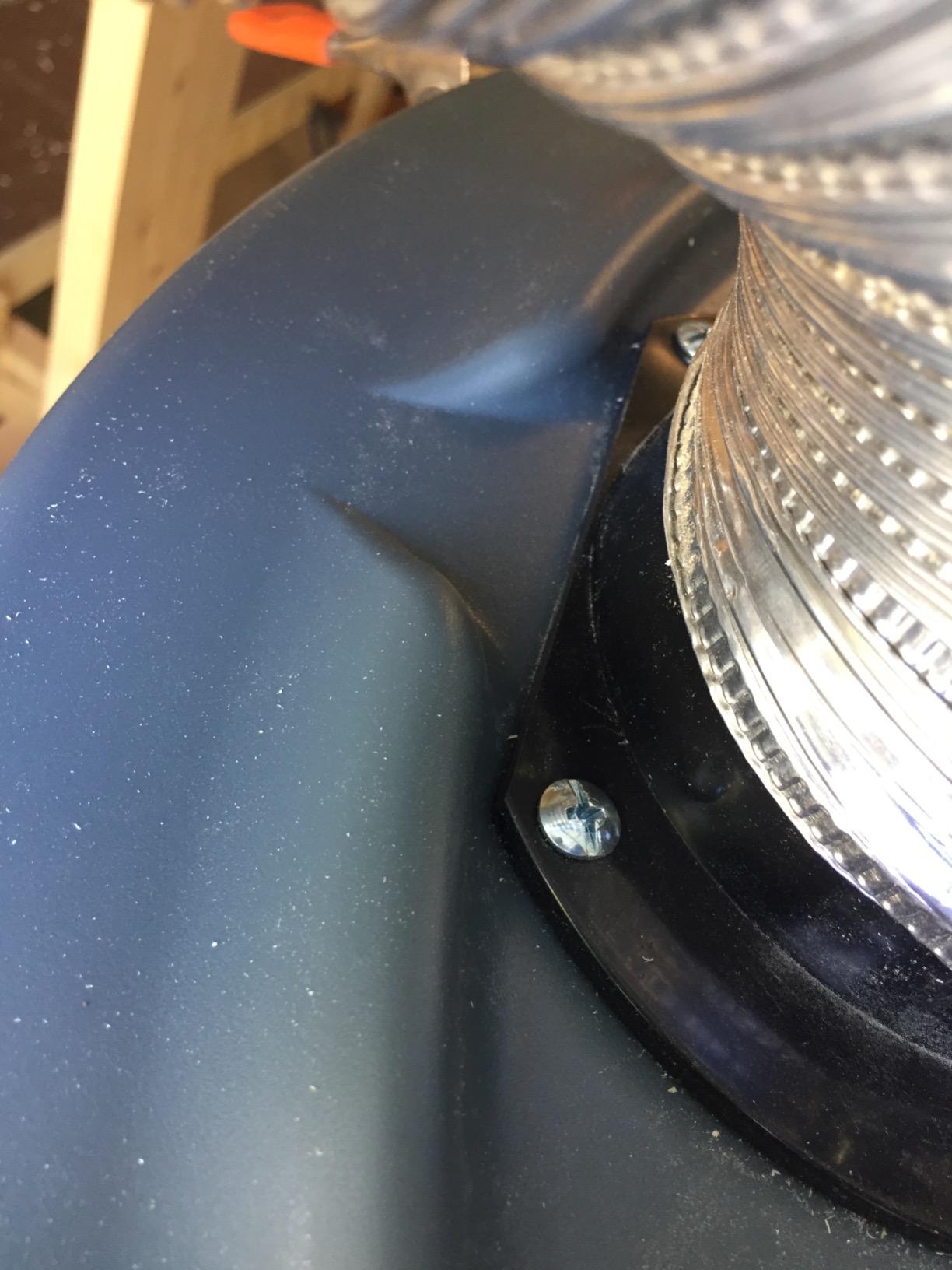
The mounting flexibility is useful too. It fits on any box, barrel or 5-gallon bucket, so you can use a large steel drum for volume or a bucket for mobility. Capturing chips before they reach the collector or shop vacuum protects the impeller, which is a cheaper repair than replacing one.
Its limits are consistent across reviews. It catches chips and shavings well and passes fine dust through to the bag, and the seal is only as good as the weather stripping you add. It also needs a rigid or braced container, because vacuum pull will shift a lightweight one and break the seal.
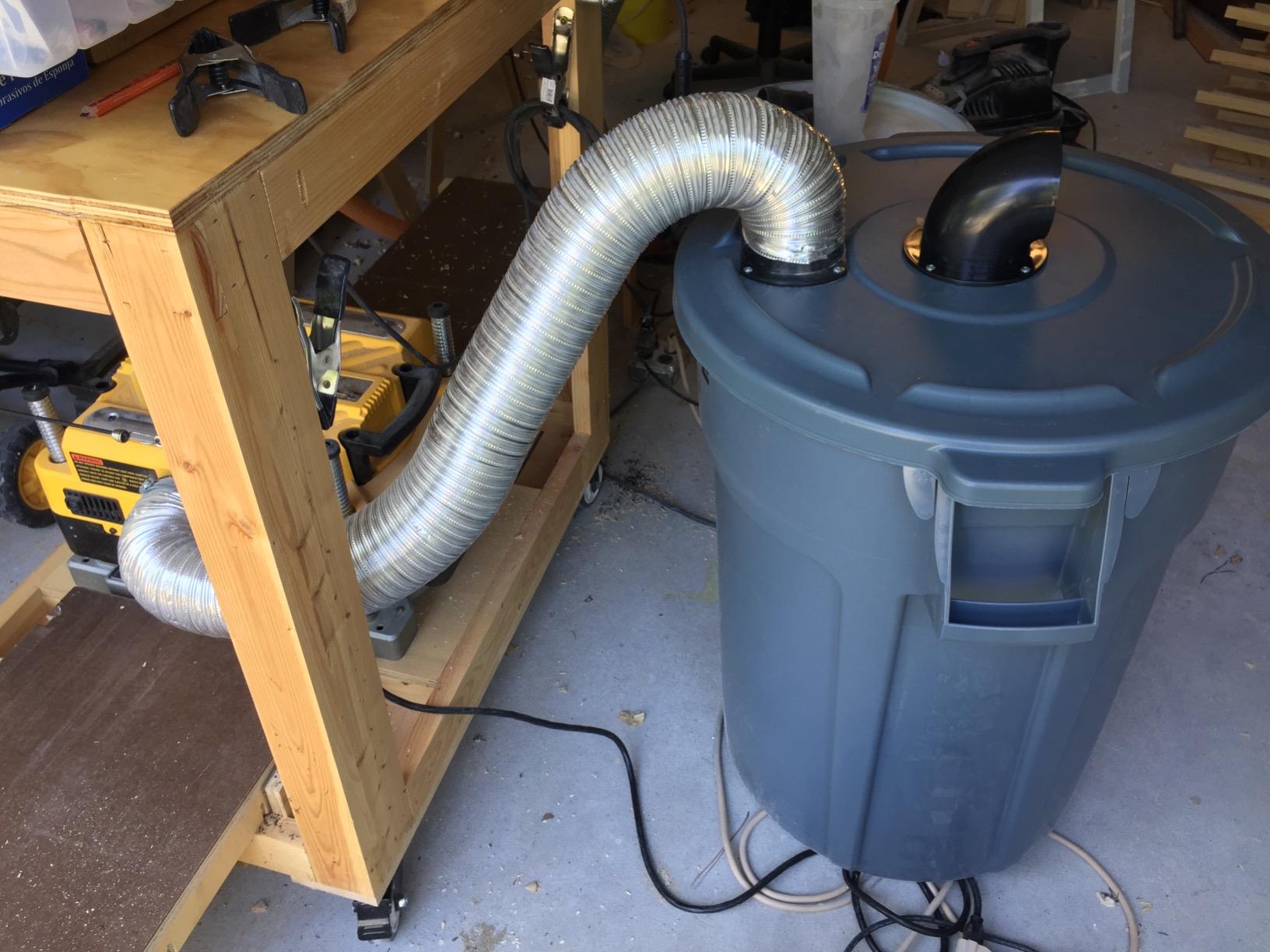
Best for 4 inch shops without a complete kit
With clamps and elbows included, this is the least fiddly way to add a second stage to a 4-inch single-stage collector or shop vac line. It scales to whatever container you already own.
Where it falls short?
You are buying hose and a container separately, fine dust still reaches the bag, and the mount will drift unless the container is rigid and braced.
12. Cikawit High Efficiency Dust Separator – Best Starter Kit for Low Volume Shops
Cikawit Dust Separator – High-Efficiency Cyclone Dust Separator, Dust Separator for Standard 5 Gallon Buckets, Wet & Dry Debris, Includes 90° Elbows & 2-1/2” Hose
Separator, two 90 degree elbows, connectors and hose
Pre-installed thickened gasket
12.2 inch low profile body
2.99 pounds
Pros
- Complete kit with elbows
- connectors and hose included
- Pre-installed gasket seals well with no assembly
- Compact body fits under a workbench
- Handles wet and dry pickup
Cons
- No baffle
- so fine powdery dust reaches the filter
- Gasket can detach from its adhesive
- Bucket tilts under strong suction without weight
- Slow settling of fine dust in the bucket
This is the simplest complete kit on the list for a shop doing occasional work. You get the separator, two 90 degree elbows, two connectors and a length of 2-1/2 inch hose, plus a pre-installed thickened gasket. There is no assembly step beyond putting it on a bucket, which matters if you are setting up between other jobs rather than dedicating a Saturday.
On chips and shavings it performs in line with units costing considerably more, and owners report a clear drop in how often shop vac bags are replaced. The low profile body fits under a workbench, which is the usual complaint about taller bucket assemblies, and it handles wet as well as dry debris.
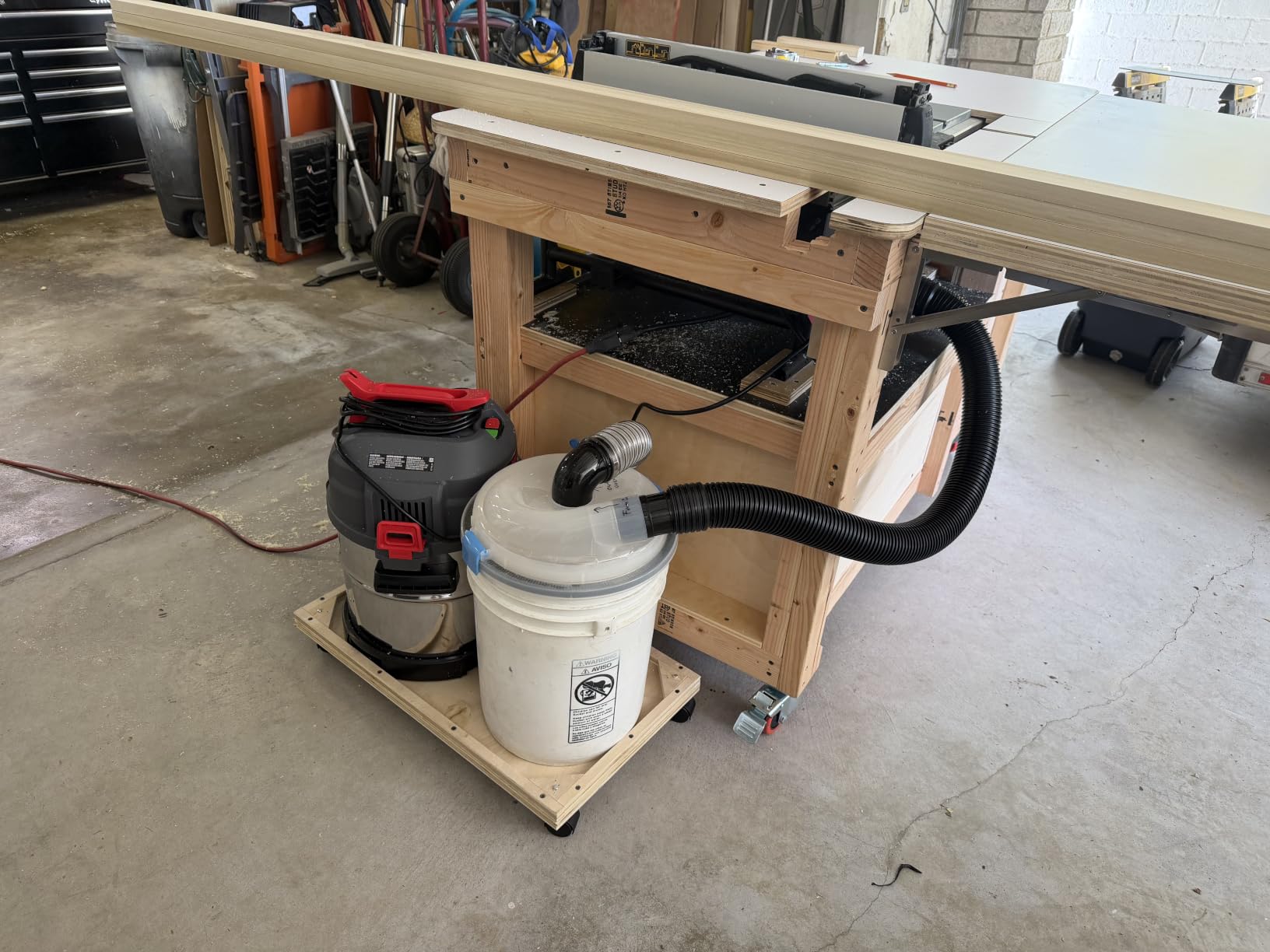
The reason it sits low in the ranking is the missing baffle. Reviewers who tested it specifically on drywall and sanding powder found most of that fine dust still reaching the vacuum filter. That is exactly what you want from a chip catcher and exactly what you do not want if your main dust source is a random orbital sander.
Two smaller hardware notes. The rubber gasket can come loose from its adhesive, and one owner reported a split seal on arrival, so check it before relying on it. The bucket also tends to tilt when the vacuum pulls hard unless you weight it down.
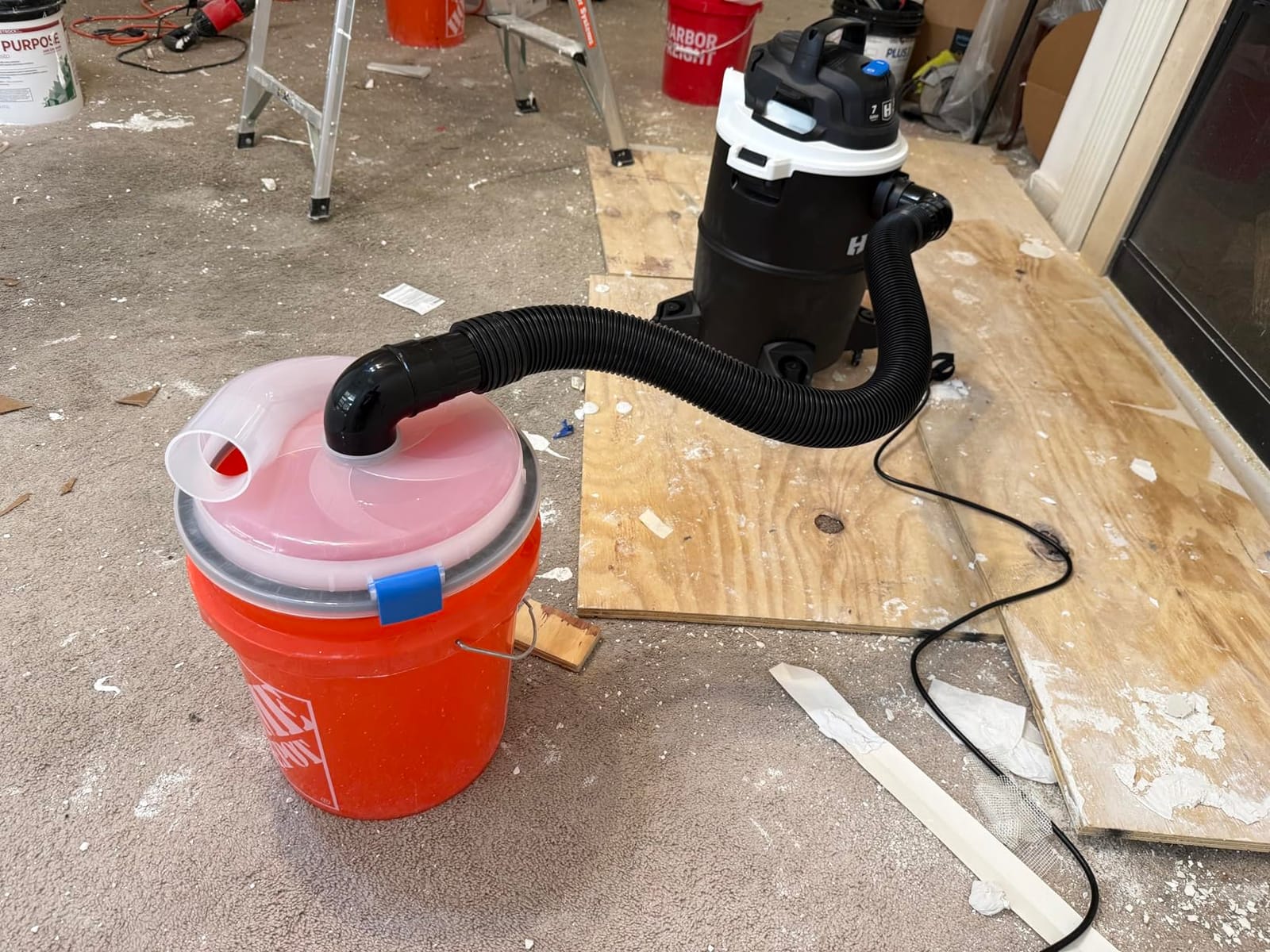
Best for occasional shop work in a tight space
If you use a shop vac a few times a month, mostly for chips, and your bench height is limited, this gets you a working second stage in minutes with nothing extra to buy.
Where it falls short?
Fine powdery dust passes straight through to the filter, so it is the wrong tool for sanding-heavy work. Check the gasket on arrival and weight the bucket if suction pulls hard.
How to Choose a Cyclone Dust Collector for a Home Shop?
Start with the machine you are connecting to, not the separator. Every product above is a second stage that bolts, clamps or screws onto something else, so the first question is whether that something is a shop vac, a portable extractor or a single-stage dust collector. Buying a 4-inch kit for a machine with a 2-1/2 inch outlet is the most common wasted purchase in this category, and it is entirely avoidable.
Match the port diameter first
Ports in this group cluster around three sizes: 2 inch and 2-1/4 inch for shop vacs, 2-1/2 inch for small collectors, and 4 inch for full ductwork. Measure the outside diameter of your hose cuff before you order anything, because the listing number and the measured number do not always agree. The Dustopper, for example, is listed at 2.5 inch but measures closer to 2.25 inch internally, and several buyers report sourcing trouble because of it.
Think about static pressure honestly
Here is the objection that comes up most often in woodworking forums, and it deserves a straight answer. A cyclone adds a component to the air path, and any added component costs static pressure. Long discussion threads on WoodNet and Sawmill Creek have argued for years that this is why some published airflow figures feel optimistic, and that a plain bag collector can move more air through the same ductwork for less money.
That is true, and it is why we have not ranked these on airflow. What the pressure cost buys you is filter life and bag life. A separator that strips chips before the filter or bag keeps it open when a plain collector would already be choking, which is a trade you want when your filter changes are constant and your machine is older. It is a trade you do not want if your priority is peak suction at the tool and your filter is relatively new.
Choose a container you can actually empty
Capacity decides how often you walk dust to the bin, and it also decides whether the assembly stays stable. Five-gallon buckets are the most common and the easiest to swap, six gallons gives some margin, and a metal drum in the low teens is the answer to heavy chip volume. Two containers beat one large one, because you can swap rather than shuffle.
Account for noise and clearance
Forum owners with attached garages describe some collectors as deafening and some as whistling, and both reports are worth taking seriously in a space that shares a wall with living space. Separators themselves add little noise; the sound comes from the vacuum or collector behind them. The real constraint in a single-car garage is vertical clearance, as several taller kits in this group make clear in owner reviews.
Expect a DIY step in almost every option
Even the “complete” kits usually want a drilled or cut lid, weather stripping or clamps somewhere. Budget an evening. If you want no fabrication at all, the Dust Deputy 2.5 Deluxe and the Peachtree kit are the two closest to a ready system, and the second one only needs hose and a container.
DIY Cyclone Kits vs Full Dust Collector Machines
The honest dividing line is between a separator that improves something you already own and a complete machine that brings its own motor, filter and drum. For a home shop, the separator route wins on almost every practical measure. You are not adding a second motorised appliance to a room that is already short on space and power, and you are not paying twice for airflow capacity that you may never use.
A DIY cyclone kit gives you a separator body, usually a bucket or drum, and some hose. The complete kits here bundle casters, hose and clamps so you can finish in one evening. The retrofit route, such as the Oneida 4/5 DIY, is the cheapest of all because the machine it upgrades is already in your garage, but it only makes sense if you own a 1HP to 3HP single-stage collector.
A full dust collector machine only wins when you run two or three machines simultaneously on one central system, or when your dust load is heavy enough to justify a dedicated filter and drum. Many home shops never reach that point, which is why the forums lean so heavily toward kits. If you do need larger machines rather than separators, our woodworking dust collector roundup covers that tier, and our multiprocess welder picks cover the other major shop extraction problem.
Frequently Asked Questions
Are cyclone dust collectors worth it?
For a home shop, yes, and the reason is filter and bag life rather than raw airflow. A cyclone strips chips and coarse dust before they reach the filter or bag, so the filter stays open and you change consumables less often. The trade is that any added component costs some static pressure, so peak suction at the tool may drop slightly compared with running the vacuum bare. Shops with heavy chip loads from a table saw, planer or jointer get the biggest return, while shops doing only light sanding may notice less difference.
What is the best cyclone dust collector for a small shop?
The Oneida Air Systems Dust Deputy DIY is the best cyclone dust collector for most small shops. It captures up to 99.9 percent of dust before it reaches the vacuum filter, fits any wet or dry vacuum through tapered 2 inch ports, and has the deepest review base in this group. For 4-inch ductwork, the Peachtree 4 inch kit is the stronger choice, and for Festool CT extractors the Festool CT CYCLONE is the only unit designed for that platform.
What are the disadvantages of using a cyclone dust collector?
Static pressure loss is the main one, because every extra part in the air path reduces airflow, and published CFM figures in this category are widely distrusted. Cyclones also cost more up front than running a bare vacuum, take more vertical clearance than a simple hose, and most kits need a little fabrication such as a drilled or cut lid and weather stripping. Fine powdery dust still passes through many low profile separators to the filter, and a separator cannot help at all if it has no vacuum behind it.
What is the best DIY dust collection system for a small shop?
For most single-machine shops, the best DIY system is a separator mounted on a bucket, fed by hose sized to your existing vacuum port. The Dust Deputy DIY is the simplest version because it needs no power and no motor, while the Peachtree 4 inch kit is the better choice if you already run 4 inch hose. Upgrade the container to metal if you generate heavy chips, and keep a second bucket so you can swap instead of shuffling.
Do I need a HEPA filter for a home woodshop?
For ordinary wood dust, no. A cyclone plus a pleated cartridge or bag filter handles typical hardwood and softwood dust at home without an expensive HEPA stage. HEPA filtration becomes relevant when you generate crystalline silica from cutting stone, tile, engineered stone or concrete, where respirable particles are a documented health hazard. If that describes your work, use a HEPA-certified extractor and check its OSHA Table 1 compliance for silica before you buy. The Festool CT CYCLONE is listed as compliant when paired with a HEPA-certified extractor.
Which cyclone dust extractor is the best?
A dust extractor and a cyclone dust collector are usually different products. Extractors are portable HEPA-class units that you strap to a machine and run for sanding and finishing, while a cyclone dust collector separates heavy debris into a drum. Within the cyclones in this roundup, the Dust Deputy DIY is the best general choice, and a dust extractor is worth pairing with it if your main dust source is a random orbital sander.
The Verdict for Home Shop Owners
If you take one recommendation from this roundup, take the Dust Deputy DIY. It is the simplest unit to install, it works on whatever vacuum you already own, and the review history behind it is longer and more consistent than anything else in the group. Fit it to a bucket with a gasket, seal the lid and connect a hose to your existing shop vac port.
Beyond that, match the port to your hose rather than the other way round. Choose the Peachtree kit for 4-inch systems, the Dustopper PRO if you want the best-tested separation with a strong vacuum, the VEVOR metal tank for heavy chip volume, and the Oneida 4/5 retrofit if a collector is already in your garage. Whatever you choose, measure the port first and pick a container you can empty without moving the whole shop. That is where the best cyclone dust collectors for home shops separate themselves from the cheap imitations.