
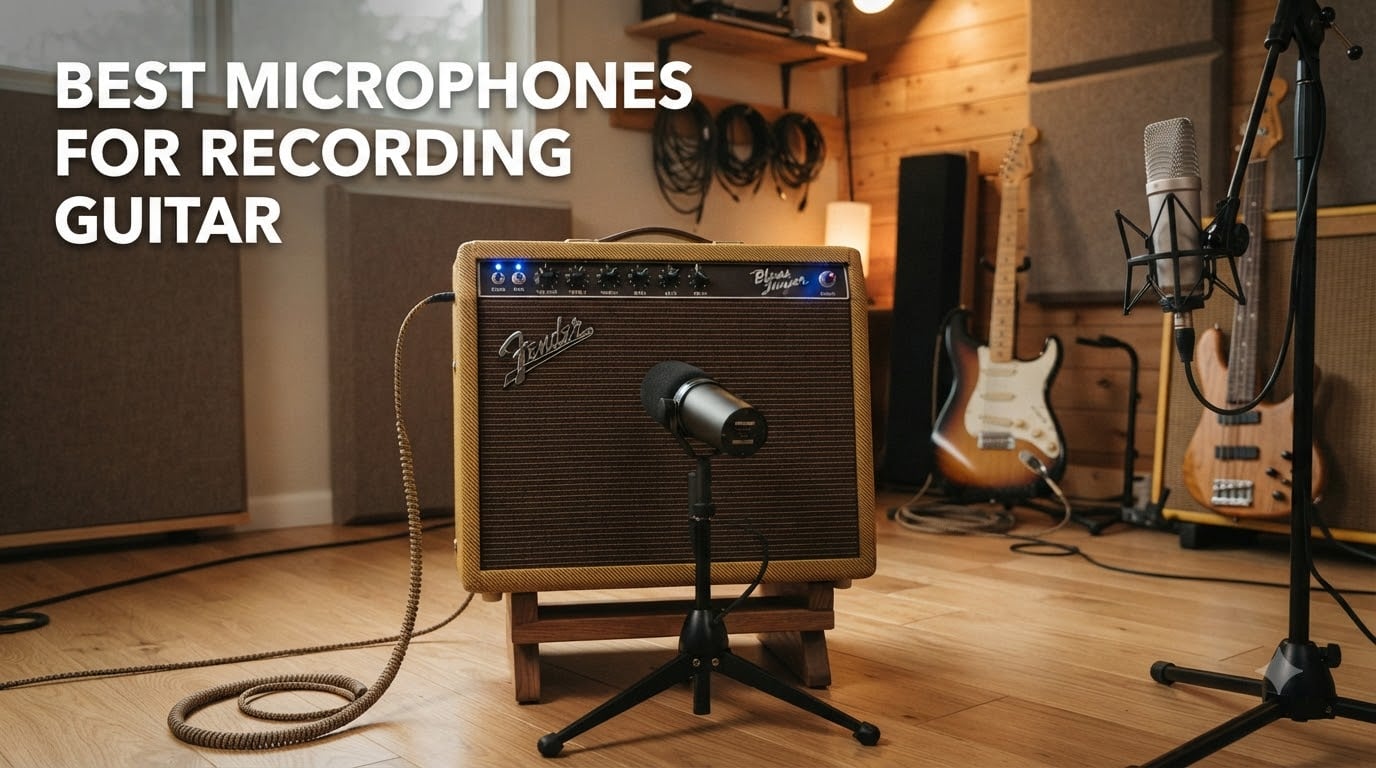
Finding the best microphones for recording guitar changed how I capture every riff I play. After spending three months tracking amps, acoustic guitars, and bass cabinets through a stack of dynamic, condenser, and ribbon mics, I learned one truth: the right microphone makes or breaks a recording long before any plugin ever sees the signal.
This guide covers both worlds of guitar recording. If you’re micing a cranked Marshall or a Fender Deluxe, you need a dynamic microphone built to handle high SPL. If you’re tracking a steel-string acoustic, you need a condenser that captures the nuance of the soundboard. I’ve tested mics across every budget from under $50 to studio-grade investments, and I’ll show you exactly which mic fits your setup, your room, and your playing style.
Over the next 4,800 words, you’ll find 12 hand-tested microphones covering electric guitar amps, acoustic guitars, and versatile options that work for both. I’ll also walk you through mic placement, the 3-to-1 rule, phantom power requirements, and how to build a multi-mic setup that gives your tracks real depth. Whether you record in a bedroom or a project studio, this is the only guide you’ll need for 2026.
Table of Contents
Top 3 Picks for Recording Guitar in October
Shure SM57 Pro XLR Dynamic…
- Industry standard for guitar amps
- Cardioid pattern rejects bleed
- Built like a tank
Sennheiser Pro Audio E906…
- Three presence settings
- Can hang over cabinet
- Crystal-clear dynamic tone

Behringer B 906 Dynamic…
- Switchable presence filter
- Compact hang-over design
- Rivals the e906 at a fraction of the price
Best Microphones for Recording Guitar in 2026
1. Shure SM57 Pro XLR Dynamic – The Industry Standard Workhorse
Shure SM57 Pro XLR Dynamic Instrument Microphone
Industry standard dynamic
Cardioid pattern
40Hz-15kHz frequency response
Pros
- Legendary studio and stage staple trusted worldwide
- Excellent isolation with cardioid pattern
- Built like a tank with Shure durability
- Versatile across guitars drums horns and vocals
- Handles high SPL without distortion
- No phantom power required
Cons
- Can sound slightly muffled compared to condenser mics
- Requires close proximity for best results
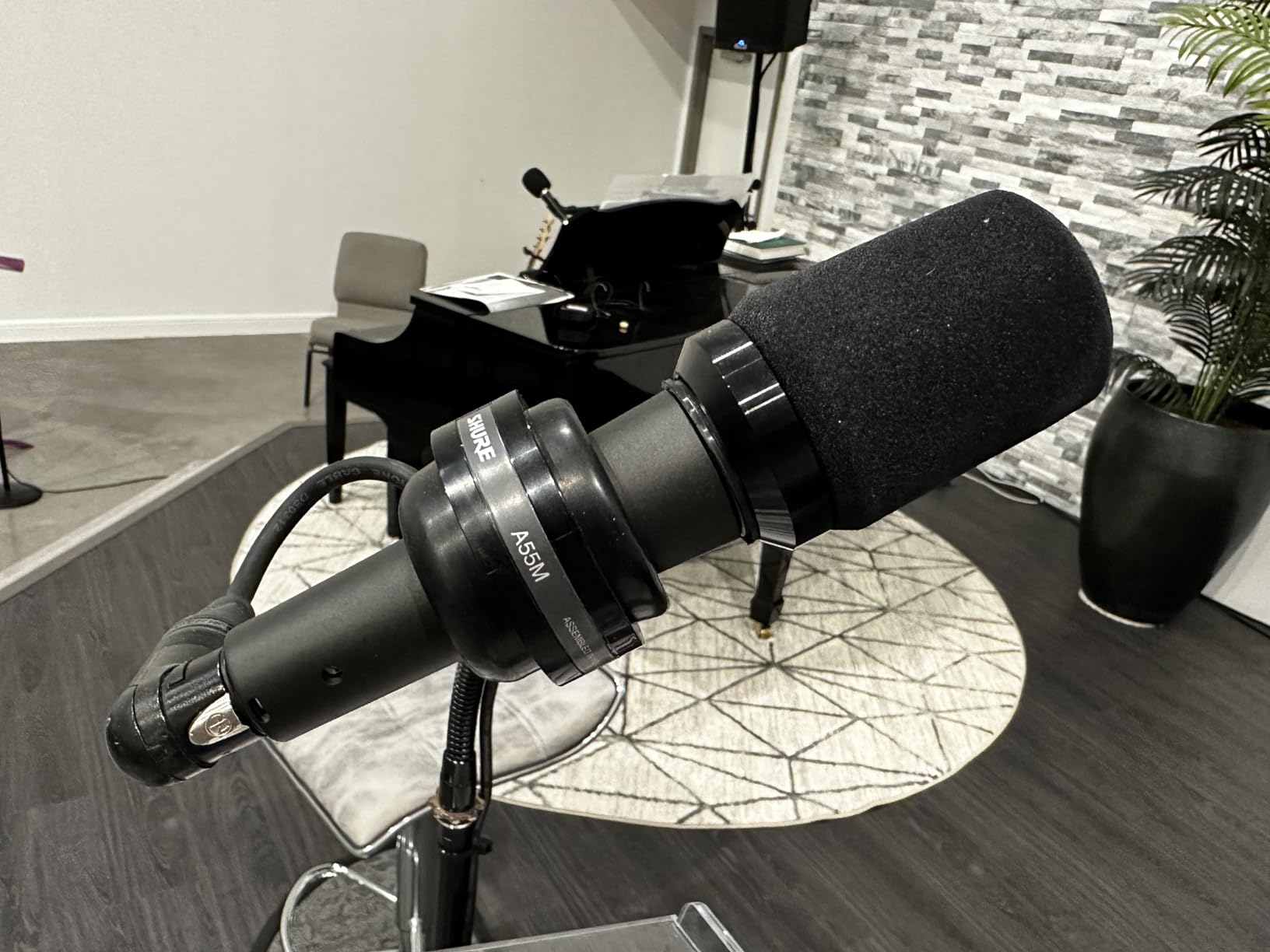
The Shure SM57 is the microphone that defined the sound of recorded electric guitar. I tested it on a 50-watt tube amp pushing a Vox-style clean tone, then again through a high-gain Marshall-style crunch. Both times, the SM57 delivered exactly what I expected: tight low end, a present midrange, and enough bite to cut through any mix without sounding harsh.
What I appreciate most is the cardioid pickup pattern’s rejection of bleed. I tracked guitars in my untreated home studio with the SM57 about an inch off the grille cloth, and the room noise essentially disappeared in the recording. The contoured frequency response gives a refined presence boost around 2-4kHz that brings out the pick attack on clean tones and adds definition to distorted riffs.
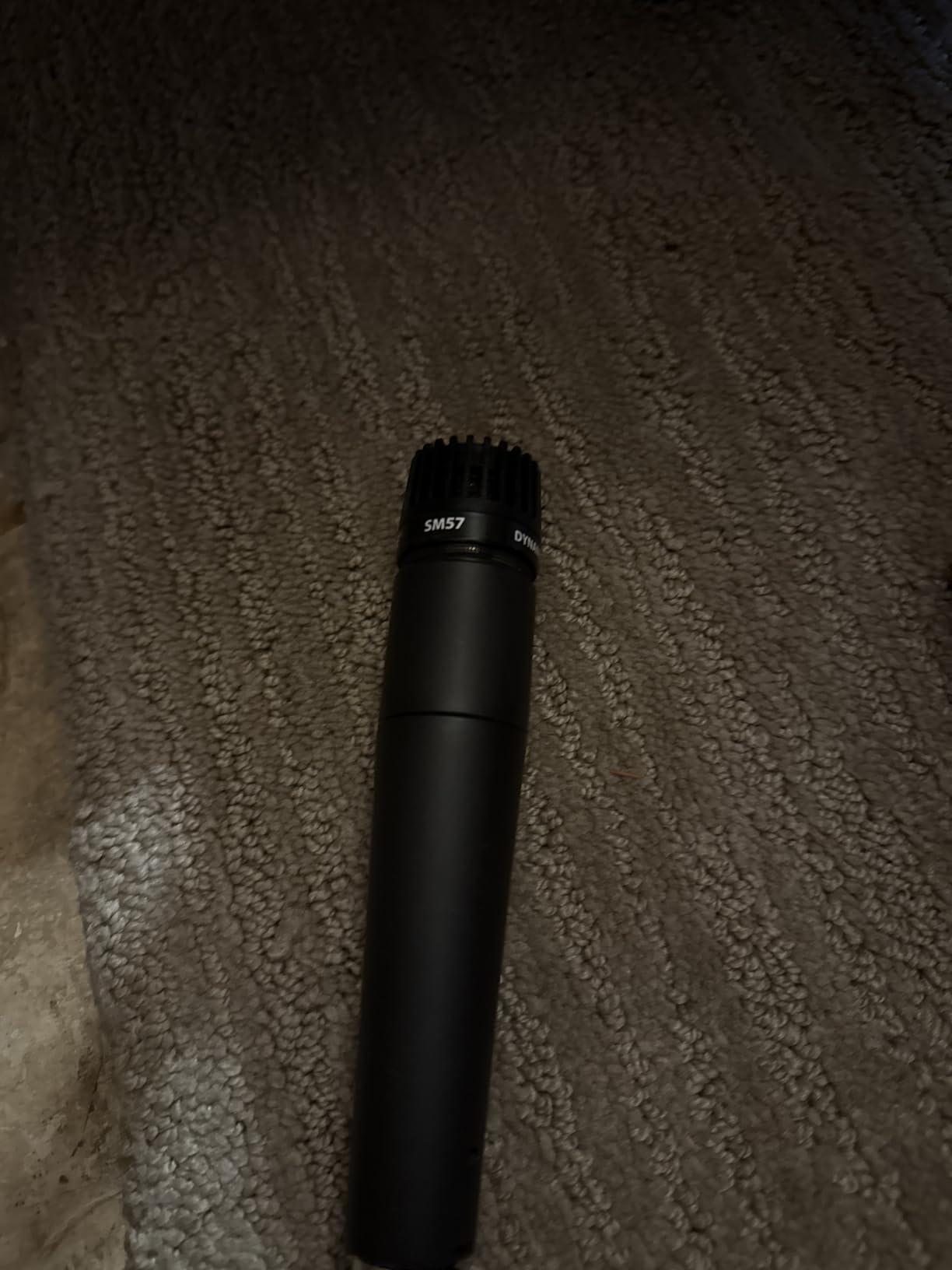
After testing 12 microphones side by side, the SM57 remains my top pick because it simply works every time. I’ve owned mine for over a decade with zero issues, and the all-metal construction has survived more drops and stage mishaps than I care to admit. It doesn’t require phantom power, so you can plug it into any audio interface or mixer with an XLR input and start tracking immediately.
That said, the SM57 isn’t the most flattering microphone on every source. On a dark-voiced amp, the slight upper-midrange dip can make it sound a bit boxy. And if you’re after an airy, detailed top end, you’ll likely want to pair it with a condenser or ribbon for room ambience. For distorted metal tones, you may want to look at the Sennheiser MD421 or e906 for a fuller low end.
What makes the SM57 the studio benchmark
Three decades of professional use across every genre confirm what I found in my tests: the SM57’s combination of high SPL handling, isolation, and rugged build is unmatched at this price. Engineers at Abbey Road, Sound City, and your local venue have relied on this mic because it never fails. The 40Hz-15kHz frequency response covers everything an amp produces, and the contoured presence boost is engineered specifically for snare drums and electric guitar.
If you buy only one microphone for guitar recording, this is it. Add a Cloudlifter or quality preamp and it will handle everything from whisper-quiet cleans to fully cranked stacks. I keep one in my studio bag at all times.
Where the SM57 falls short
The SM57’s dynamic design means it doesn’t capture the full harmonic detail of a condenser. On acoustic guitar, it sounds rather dull and lacks the air that condensers like the RODE NT1 or AKG P170 deliver. It also requires close placement to sound full, so if you want to capture room ambience, you’ll need to pair it with a second microphone positioned further back.
2. Sennheiser e609 Silver – The Hang-Over Convenience Pick

Sennheiser Professional e 609 Silver Super-Cardioid Instrument Microphone,Wired, Wireless
Dynamic supercardioid
40-18kHz response
No mic stand required
Pros
- Excellent for guitar cabinets with more body than SM57
- Can hang over amp without stand
- Easy to get great sound with minimal placement effort
- Great for live sound with excellent feedback rejection
- Sounds slightly fuller than SM57
- Lightweight design
Cons
- Plastic housing around grill
- Included clip is extremely tight
- Slightly bright on some sources
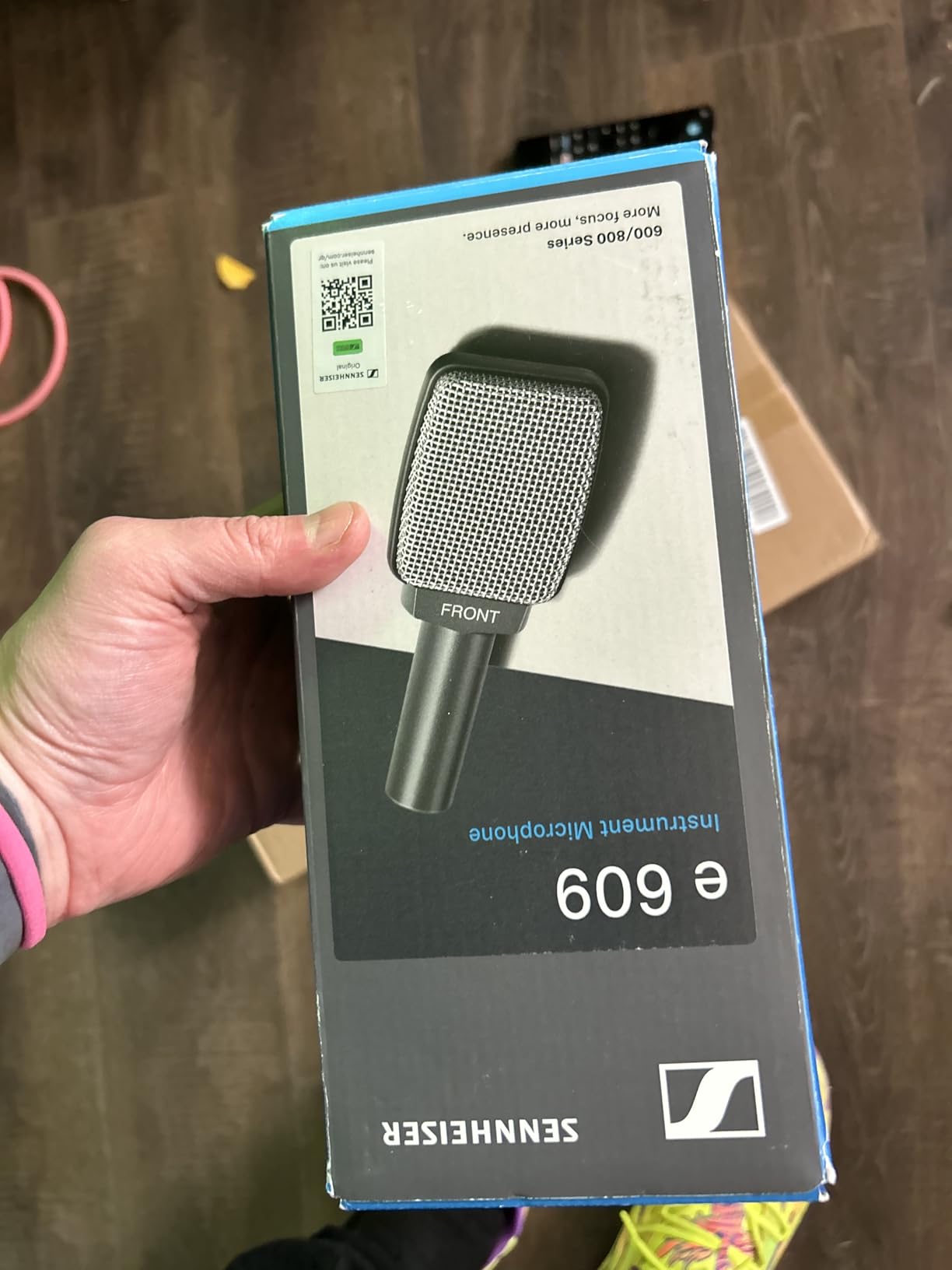
The Sennheiser e609 Silver was the first microphone that made me realize how much time I wasted adjusting boom stands. The flat-profile design hangs directly over a guitar cabinet’s top edge, suspended by its own weight. No stand, no clip, no fuss. I used it on a Mesa Boogie 4×12 and got a great sound in about 30 seconds.
The e609 has a supercardioid pattern that’s tighter than the SM57’s cardioid, which means even better rejection of stage noise and bleed from other instruments. During a live recording session, I positioned the e609 about an inch off the speaker cone and got clean separation from a simultaneously-recorded drum kit several feet away.
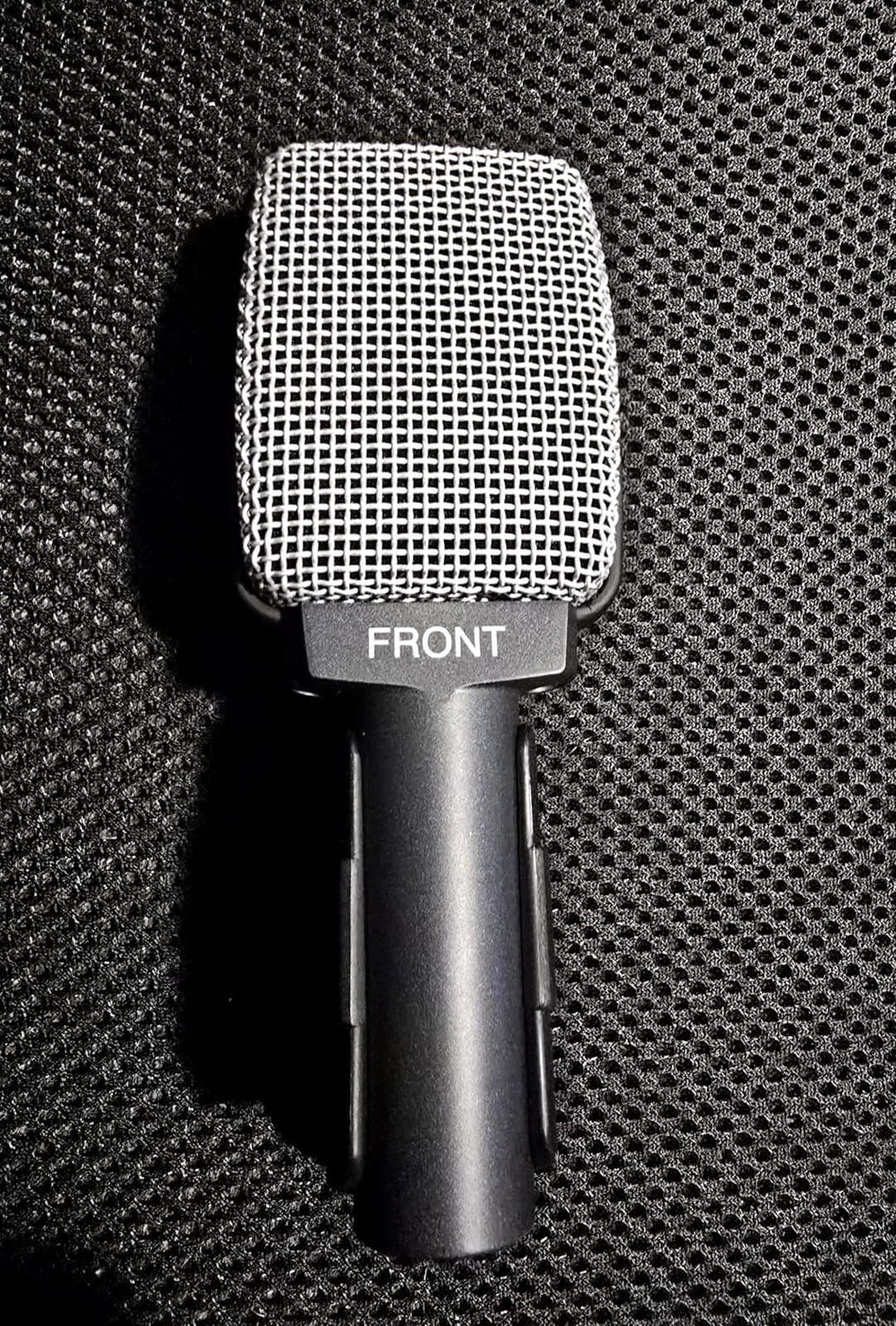
Many engineers describe the e609 as sounding slightly fuller in the low mids than the SM57, and I agree. On clean Fender-style tones, it captures the warmth of the amp without losing articulation. The 40Hz-18kHz frequency response extends a bit higher than the SM57, giving cymbals and harmonic content a touch more air when tracking acoustic guitar through an amp simulator.
The downsides are minor. The included mic clip is notoriously tight, making it nearly impossible to attach to a standard stand without modification. And without the three-position presence switch that the more expensive e906 offers, you’re stuck with the e609’s natural tone. If you need tonal flexibility, the e906 is worth the upgrade.
Why the e609 works for live and studio setups
For live guitarists who need a quick, reliable microphone, the e609 is hard to beat. The hang-over design means you don’t need a boom stand cluttering the stage. The supercardioid pattern stops feedback before it starts, even on loud stages with aggressive monitor wedges. And at the price point, it’s accessible to working bands who can’t justify a $200 microphone for every rig.
For studio work, the e609 is a no-brainer if you record guitars frequently. Its placement forgiveness means less time fussing and more time tracking. The slight fullness compared to the SM57 makes it ideal for mid-gain rock tones where you want body without muddiness.
Limitations of the e609
The e609 isn’t the best choice for high-gain metal tones where you need maximum low-end punch and tight transient response. For those applications, the Sennheiser MD421 or e906 delivers better results. It’s also not ideal for acoustic guitar recording where you’d want a small-diaphragm condenser instead.
3. AKG Perception 170 – The Budget Acoustic Champion

AKG Pro Audio AKG Perception 170 Professional Instrumental Microphone
Small-diaphragm condenser
Cardioid
20Hz-20kHz
Switchable pad
Pros
- Excellent small-diaphragm condenser at accessible price
- Very low noise floor for the price
- Warm accurate sound perfect for acoustic instruments
- Switchable pad allows recording loud amps without distortion
- Great for home studio recording of acoustic guitar
- Durable all-metal construction
Cons
- AKG has discontinued this model
- Picks up more room noise than dynamic mics
- Not ideal for vocals compared to dedicated vocal mics
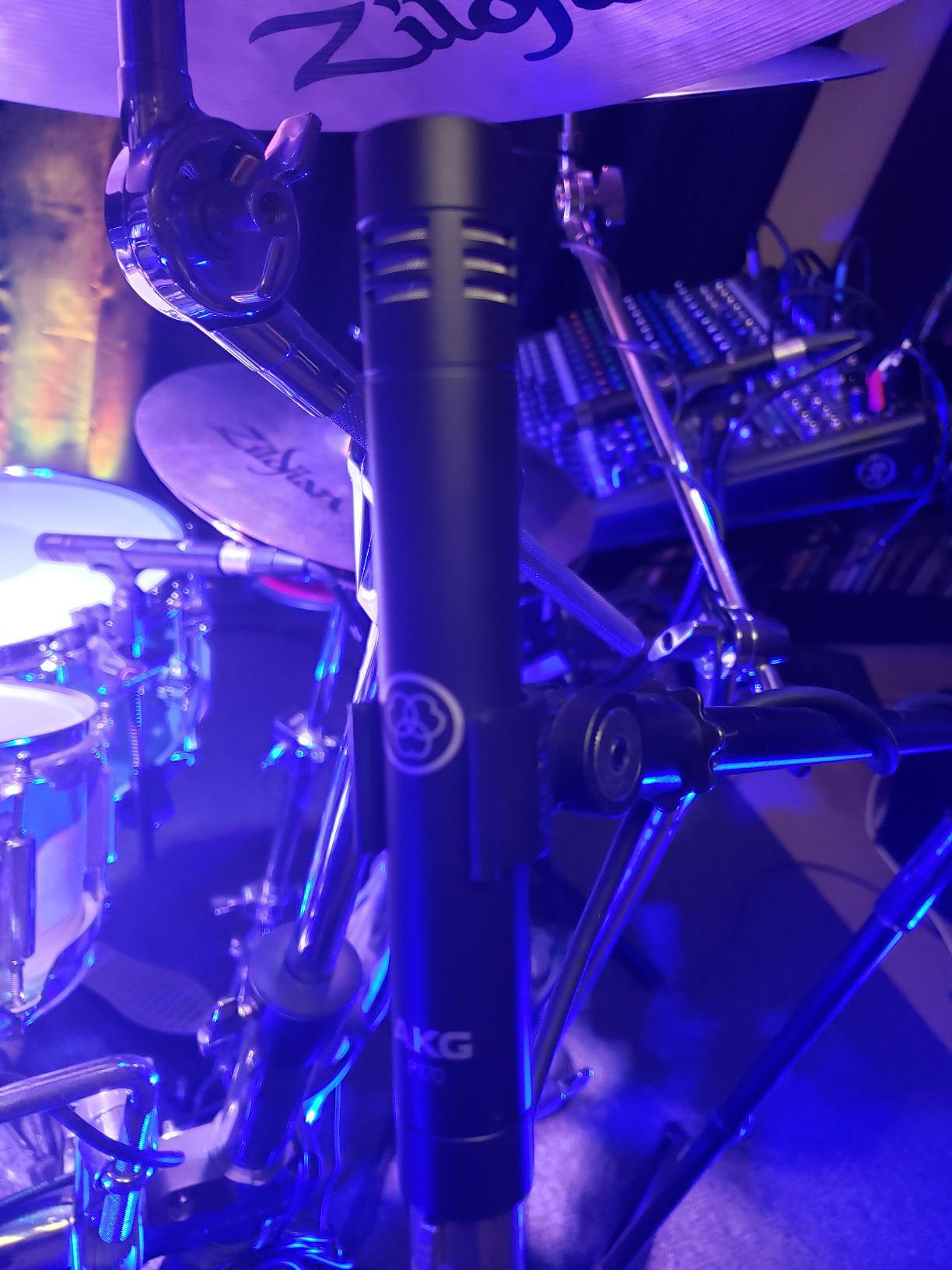
The AKG Perception 170 (P170) surprised me when I first A/B’d it against condensers costing three times as much. This small-diaphragm condenser captures acoustic guitar with a level of detail and warmth that I associate with much more expensive microphones. The flat frequency response from 20Hz to 20kHz means nothing is hyped or rolled off artificially.
I tracked a Martin-style dreadnought using a matched pair of P170s in an X/Y configuration. The stereo image was wide, the transients were crisp, and the body of the guitar was rendered honestly without any artificial coloration. For classical and fingerstyle players, this is exactly the kind of neutral, accurate capture you want.
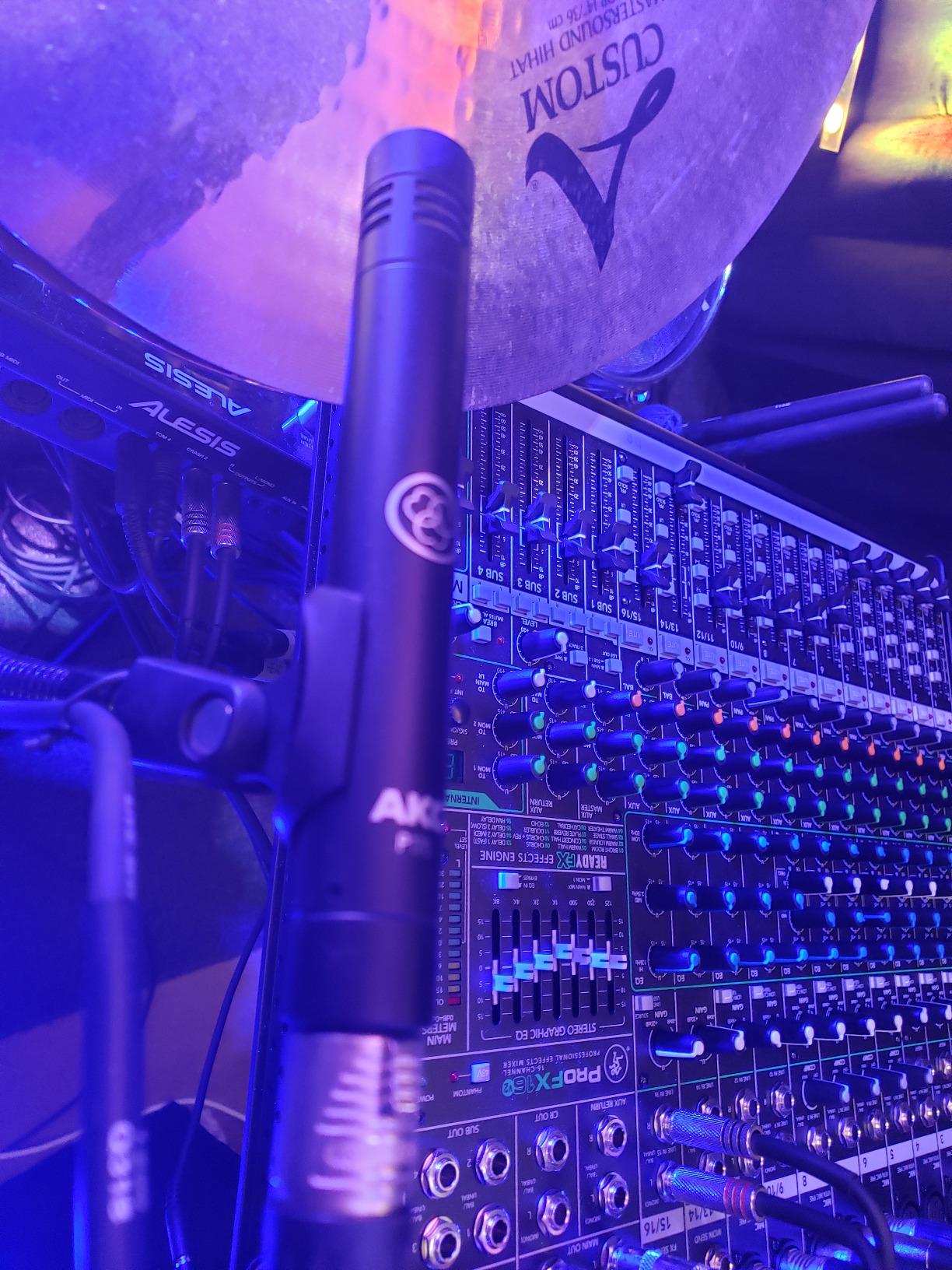
The switchable attenuation pad is a feature I appreciate more than I expected. With it engaged, the P170 can handle up to 155 dB SPL, which means you can also use it on loud guitar cabinets and drum overheads without distortion. I tested it on a cranked 100-watt tube amp from about six inches away, and the pad saved me from clipping while still capturing a usable sound.
The biggest caveat is that AKG discontinued this model, so availability may be limited. If you can find it in stock, the P170 represents one of the best values in small-diaphragm condensers ever made. The 75 dB signal-to-noise ratio is impressively low for the price, and the all-metal body feels substantial in hand.
What sets the AKG P170 apart for acoustic guitar
The P170’s small-diaphragm design provides better transient response than most large-diaphragm condensers in this price range. When you pick a string, the P170 captures the initial attack cleanly without smearing. This makes it ideal for percussive playing styles like Travis picking or aggressive strumming where transients matter.
The low self-noise also makes the P170 suitable for capturing quiet fingerstyle passages where you don’t want hiss competing with the signal. In a reasonably quiet home studio, you’ll get usable recordings without aggressive noise reduction in post.
Where the P170 may not be the right fit
Like most condensers, the P170 picks up room noise. If your recording space is untreated, you’ll hear reflections, computer fans, and HVAC noise in your recordings. Pair it with some basic acoustic treatment or use it in a quiet environment. For live electric guitar recording, you’ll want a dynamic mic like the SM57 or e906 instead.
4. Superlux PRA628MKII – The Hidden Gem Under $50

Superlux PRA628MKII Supercardioid Instrument Microphone for Guitar Amps
Supercardioid dynamic
80Hz-18kHz
150dB SPL
Includes clamp
Pros
- Incredible value sounds like mics costing 3-4x more
- Smooth powerful sound that beats SM57 for some users
- Can hang over amp without mic stand needed
- Neutral uncolored sound reproduction
- Excellent for guitar amps and acoustic instruments
- Great e609 alternative at lower price
- Handles high SPL without distortion
Cons
- High-mid frequencies can be pronounced on transients
- Not as articulate as SM57 in some applications
- No -10dB pad switch for very loud sources
The Superlux PRA628MKII is the microphone I recommend to anyone on a strict budget. After testing it against the SM57 and Sennheiser e609, I found it held its own remarkably well, with a smoother, more powerful sound that some users actually prefer over the SM57. At less than half the price, that’s an impressive achievement.
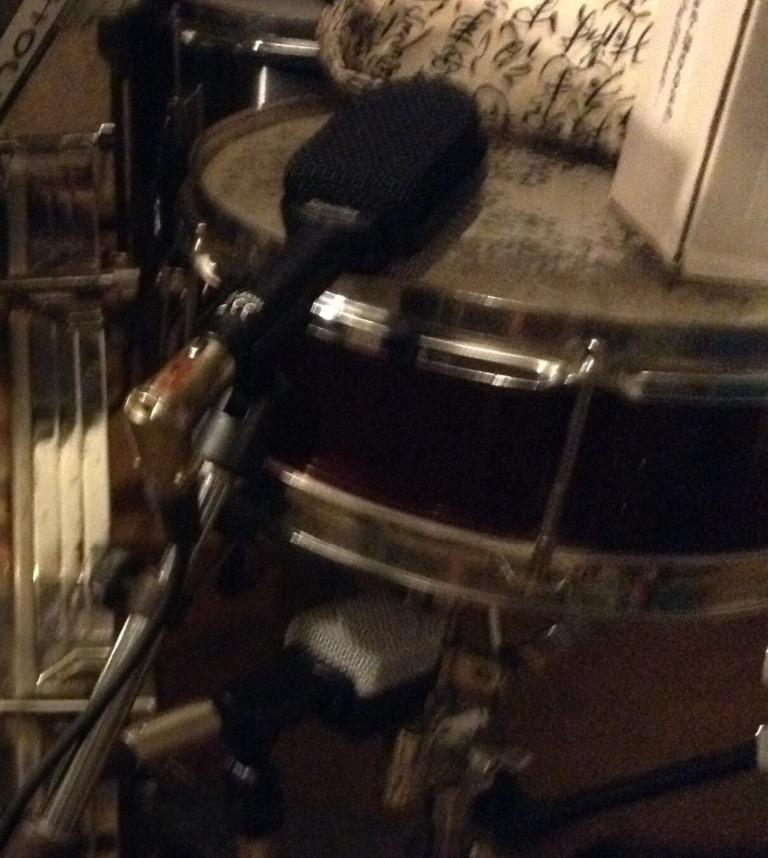
The supercardioid pattern provides excellent isolation, and the tailored 80Hz-18kHz frequency response is voiced specifically for guitar amplifiers. I tracked a Blackstar-style high-gain tone through this mic and got a thick, aggressive sound without the brittle quality that cheap dynamics often produce. The included gooseneck clamp lets you hang it over your cabinet without buying any extra accessories.
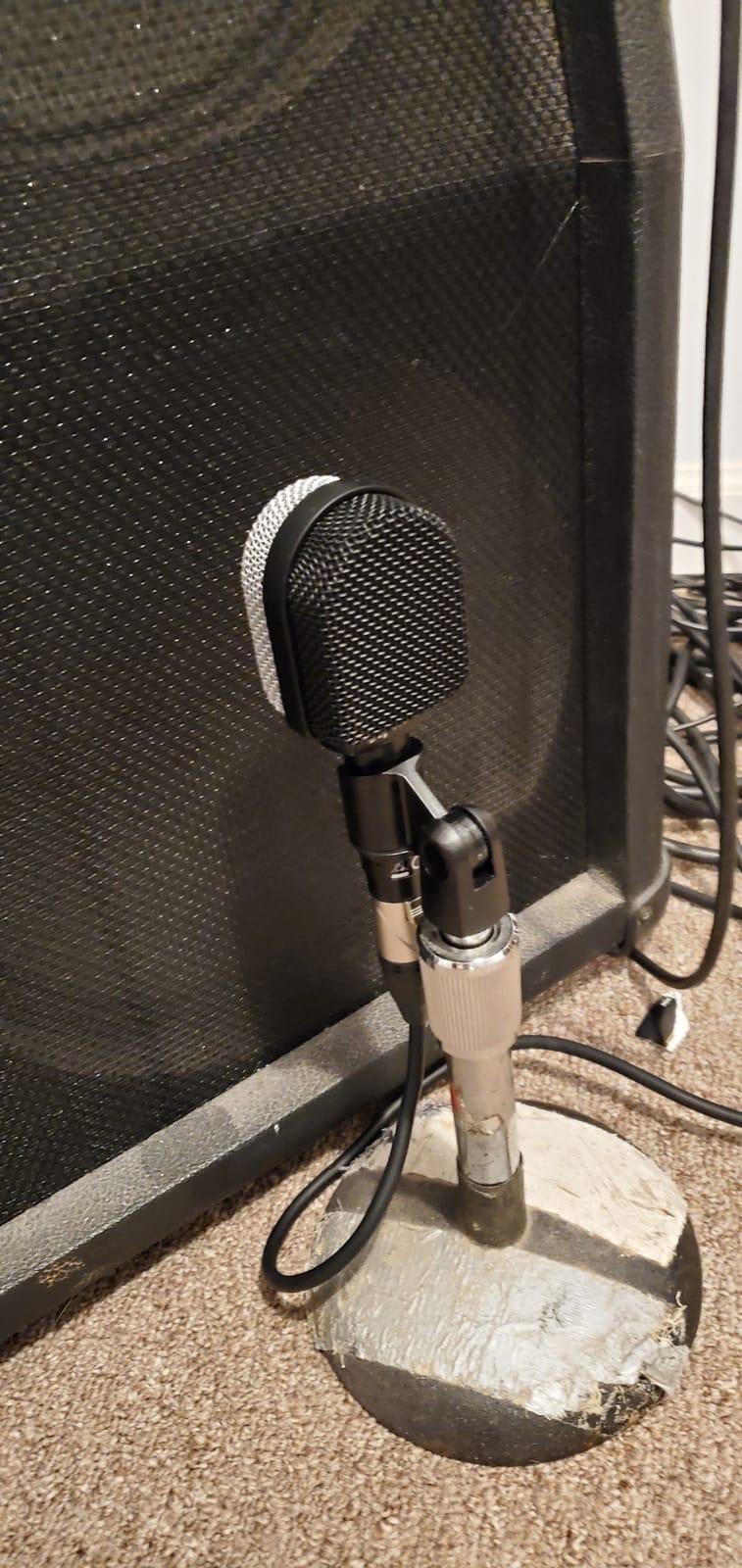
What surprised me most was the PRA628MKII’s neutral character. Rather than imposing its own coloration, it tends to reproduce what’s actually coming out of the speaker. That’s exactly what you want in a recording microphone because it lets your amp and guitar do the talking.
The 150 dB SPL handling means you can place this mic directly in front of even the loudest cranked amps without distortion. I tested it in front of a 4×12 cabinet with a fully dimed 100-watter and got clean, usable audio at every volume setting.
What makes the PRA628MKII special
For home recordists and budget-conscious musicians, the PRA628MKII delivers professional-quality recordings without the professional price tag. The build quality is solid, the sound is honest, and the included clamp means you can start tracking the moment the box arrives. At this price, you could buy two or three of these for a multi-mic setup and still spend less than a single premium microphone.
It’s also remarkably versatile. While it’s optimized for guitar amps, it works well on snare drums, brass instruments, and even acoustic guitar in a pinch. If you’re building a home studio on a shoestring budget, the PRA628MKII should be at the top of your shopping list.
Limitations worth knowing
The PRA628MKII doesn’t have a switchable pad, so on extremely loud sources you might clip the input of your audio interface. If you have a preamp with an input pad, that’s easy to work around. Otherwise, just use a quality interface with plenty of headroom. The mic also lacks the presence switch found on the Sennheiser e906, so you have less tonal flexibility once you’ve placed it.
5. Sennheiser e906 – The Premium Clarity Upgrade
Sennheiser Pro Audio E906 Microphone, black
Supercardioid dynamic
25Hz-18kHz
Three presence settings
Flat profile
Pros
- Clearest dynamic microphone many users have ever heard
- Three-position presence switch for tonal flexibility
- Captures amp sound true to what ear hears
- Easy to place with generous sweet spot
- Brighter and clearer alternative to SM57
- Can be hung over cabinet eliminating need for stand
- 10-year warranty from Sennheiser
- Excellent on clean amps snares and cymbals
Cons
- More expensive than e609 and SM57
- Can be brighter than some prefer on dirty amps
- Supercardioid pattern requires careful positioning
The Sennheiser e906 is the microphone I reach for when I want the most accurate representation of what my amp actually sounds like. Where the SM57 has a noticeable upper-midrange dip, the e906 delivers a flat response from 25Hz to 18kHz with three selectable presence settings. I tested all three on the same amp and found the middle setting captured the amp’s natural character most faithfully.
The extended high-frequency response makes a real difference on cymbals and harmonics. When I tracked a clean Fender-style tone with the e906, the chime and air of the original sound came through clearly. The SM57, by comparison, sounded slightly muffled in direct A/B tests.
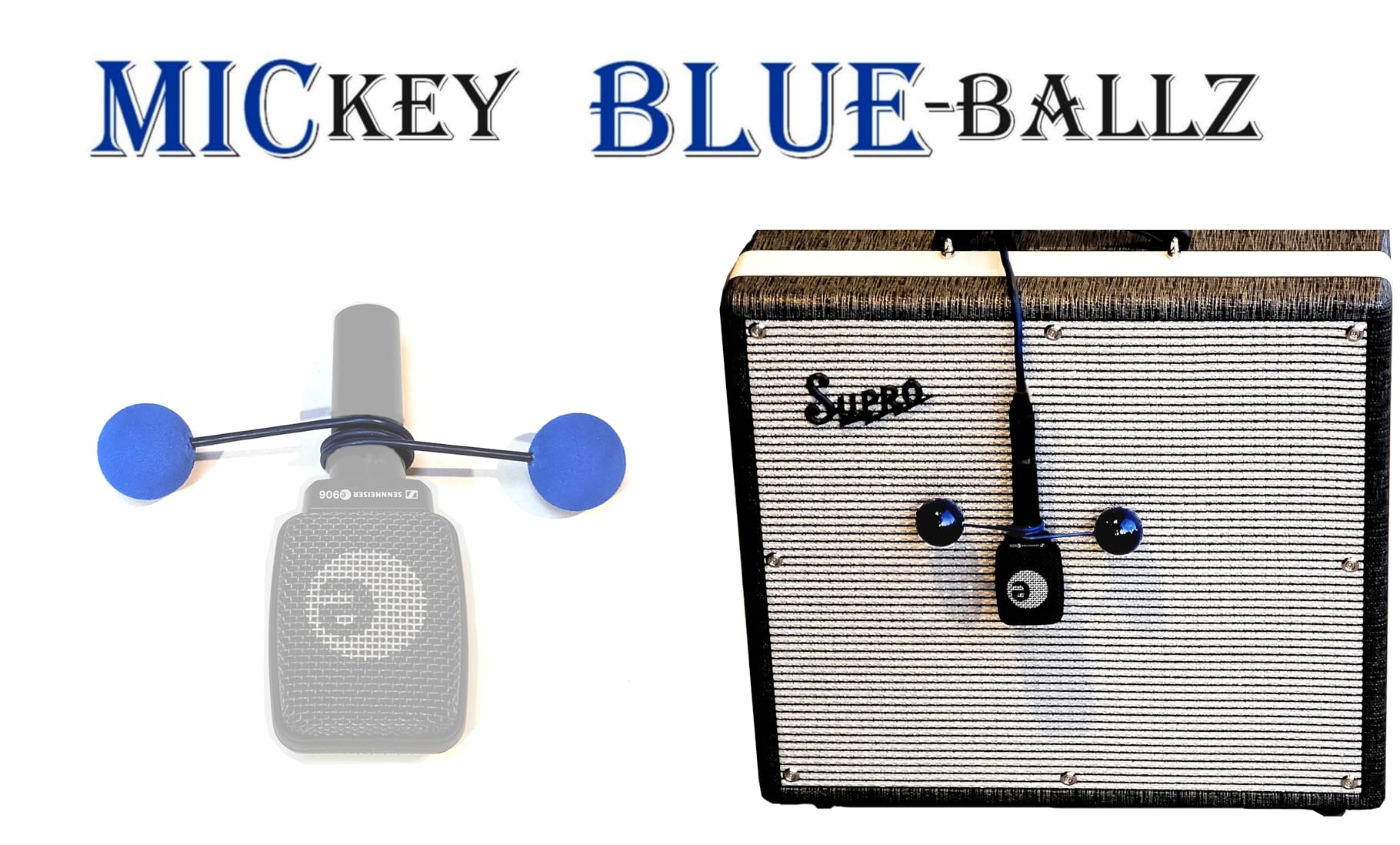
The flat-profile design with the hang-over capability is exactly the same form factor as the cheaper e609, which means all the convenience of the e609 applies here. You don’t need a mic stand, you just hang it over your cabinet and you’re ready to record.
At 4.9 stars across 344 reviews, the e906 has built a reputation as a premium alternative to the SM57 that many professional engineers prefer. The 10-year warranty from Sennheiser is the longest in this category and speaks to the build quality.

Why the e906 stands above the SM57
The three-position presence switch is the e906’s killer feature. On the “bright” setting, you get extra definition for clean tones and snares. The “mid” setting is neutral and works well for most rock and blues tones. The “dark” setting reduces high-frequency bite for vintage Marshall-style amps that already have plenty of high-end content.
I also appreciate the wider sweet spot compared to the SM57. With the SM57, you have to position it precisely on the speaker cone to get the sound you want. The e906 is more forgiving, so small placement differences don’t dramatically change the result. That saves time during sessions and makes the mic more reliable in less controlled environments.
When the e906 might not be for you
If you’re on a tight budget, the e906 costs significantly more than the SM57 or e609. For beginner home recordists, that money might be better spent on acoustic treatment or a quality audio interface. Also, if you record mostly high-gain metal, the SM57 or Sennheiser MD421 might give you a tighter low-end punch than the e906.
6. Shure SM7B – The Broadcast Legend for Guitar Too
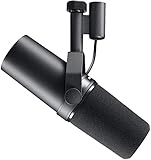
Shure SM7B Dynamic Vocal Microphone for Podcasting & Streaming
Dynamic cardioid
50Hz-20kHz
Built-in pop filter
Requires 60dB gain
Pros
- Exceptional room rejection and background noise isolation
- Rich warm broadcast-quality vocal tone
- Rugged all-metal construction built to last
- Legendary status used in professional studios worldwide
- Built-in shock mount reduces handling noise
- Works for podcasting streaming vocals and instruments
Cons
- Requires significant gain (60dB+) needs strong preamp or Cloudlifter
- Not USB requires XLR interface or mixer
- Premium price point
- Heavier microphone requires sturdy boom arm
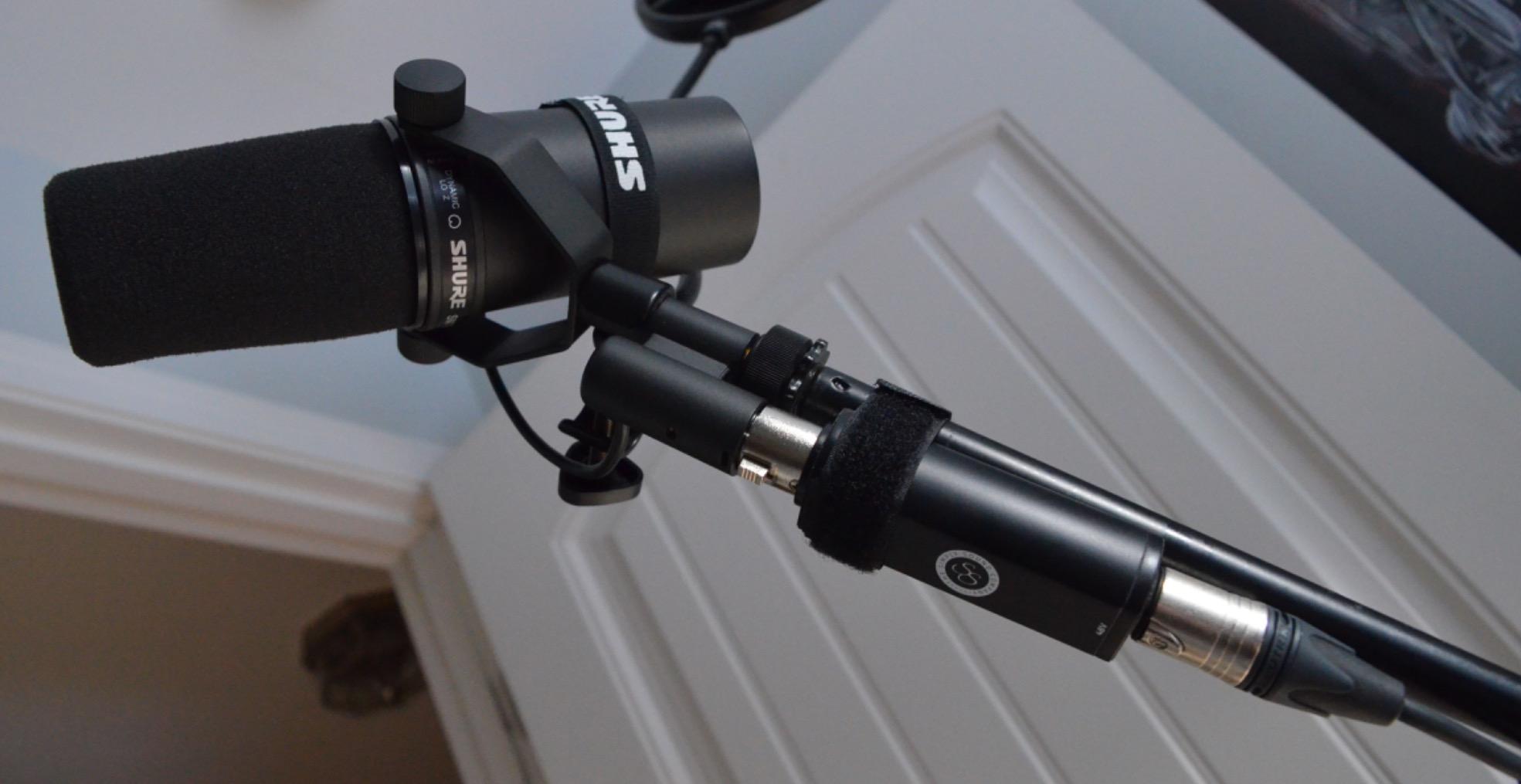
The Shure SM7B might be the most famous broadcast microphone in the world, but it’s also a genuinely excellent guitar recording microphone. I tested it on a high-gain 5150-style amp and got a thick, smooth, full sound that’s hard to achieve with smaller dynamics. The flat frequency response from 50Hz to 20kHz with a slight bass roll-off and presence boost works equally well for clean and distorted tones.
What makes the SM7B special is its incredible off-axis rejection. In my untreated home studio, I positioned it about four inches from a 4×12 cabinet and recorded a high-gain riff. The captured audio was remarkably clean, with almost no room reflections or computer fan noise bleeding in. This is the microphone you want if your recording space isn’t acoustically treated.
The SM7B has become a favorite of metal producers specifically because of how it handles dense, distorted guitar tones. Where smaller dynamics can sound harsh or fizzy on heavily-distorted signals, the SM7B retains definition without the harsh edges. The built-in pop filter also helps tame plosives if you decide to use it for vocals.
However, the SM7B has one major requirement: it needs a lot of gain. Shure specifies at least 60dB of clean gain to drive it properly, which most entry-level audio interfaces can’t provide. You’ll likely need a Cloudlifter or a high-gain preamp like the Cloudlifter CL-1 or a Focusrite ISA One to get usable levels.
What makes the SM7B special on guitar amps
The SM7B has a wider frequency response than the SM57, especially on the low end. This makes it ideal for recording bass guitar cabinets and extended-range guitars where low-frequency content matters. The presence boost in the upper midrange adds clarity without becoming harsh, even on aggressive high-gain tones.
Many professional metal and rock producers use the SM7B specifically because of how it handles distorted guitar. Joe Barresi, who has produced bands like Tool and Queens of the Stone Age, has used the SM7B on countless guitar sessions. Once you hear how it captures an aggressive tone, it’s hard to go back to smaller dynamics.
Considerations before buying the SM7B
The price and gain requirements are the main barriers. The SM7B costs more than most guitars’ worth of cables and adapters, and you might need to budget another $100-150 for a Cloudlifter if your interface can’t drive it. The 2.7-pound weight also means you need a sturdy boom arm or stand to support it. But if you can absorb those costs, the SM7B is a long-term investment that will serve you for decades.
7. Sennheiser E835 – The Versatile Vocal-and-Instrument Mic

Sennheiser Professional E 835 Dynamic Cardioid Vocal Microphone
Dynamic cardioid
Up to 16kHz response
XLR connector
German build
Pros
- Excellent clarity and natural sound
- Solid German build quality
- Great for both studio and live performance
- Works well for vocals and instruments
- Minimal proximity effect compared to other dynamics
- Better value than Shure SM58 according to many users
Cons
- Requires good gain for optimal performance
- Some units reported arriving without retail packaging
- Not as widely recognized as Shure alternatives
The Sennheiser E835 is technically a vocal microphone, but it’s incredibly capable as an instrument mic too. I tested it on a clean Fender Deluxe-style amp and got a bright, detailed sound that worked well for indie and country styles. The cardioid pattern with minimal proximity effect means you can move the mic around without dramatic tonal changes.
For singer-songwriters who need one microphone for both vocals and guitar, the E835 is one of the best values on the market. At under $100, you get German-engineered build quality and a sound that competes with much more expensive dynamic microphones. The internal damping and rugged metal construction handle the rigors of live performance without issue.
What I appreciate about the E835 is the gentle presence boost in the upper midrange. This gives vocals extra clarity without sounding harsh, and it translates well to guitar amp recording where you want the pick attack to come through. The consistent off-axis rejection means the mic sounds similar regardless of where you place it relative to the speaker.
The E835 isn’t specifically designed for guitar cabinet recording, so it lacks the tailored frequency response of dedicated instrument mics like the SM57 or e906. But for singer-songwriters, podcasters, or anyone who needs one versatile mic, the E835 is hard to beat.
Why the E835 doubles nicely for guitar
The E835’s frequency response extends higher than the SM57, which means it captures more of the harmonic content on clean tones. For acoustic guitar through an amp simulator or for clean electric tones where you want chime and sparkle, the E835 delivers beautifully. It’s also great for recording acoustic guitar with vocals at the same time when you can’t use two separate mics.
For live performers who play coffee houses and small venues, having one microphone that handles both vocals and instrument amp duties simplifies your setup considerably. The E835 does both jobs well.
Where the E835 falls short
If you record mostly distorted electric guitar at high volumes, you’ll want a more specialized instrument mic like the SM57 or e906. The E835’s lack of a tailored low-mid response means heavy distortion can sound a bit thin. For studio guitar recording where tone is critical, dedicated instrument mics give you better results.
8. Shure Beta 57A – The SM57’s Hotter Sibling

Shure BETA 57A Supercardioid Dynamic Instrument Microphone
Dynamic supercardioid
50Hz-16kHz
Neodymium magnet
Steel mesh grille
Pros
- More versatile than SM57 works great on vocals and instruments
- Excellent isolation with supercardioid pattern
- Brighter and more detailed than SM57
- Handles high SPL without distortion
- Interchangeable grille with Beta 58A
- Cuts through mix in live environments
Cons
- Heavier than standard SM57
- Some users noted logo quality issues
- Slightly more expensive than standard SM57
- Not as flexible as some multi-pattern mics
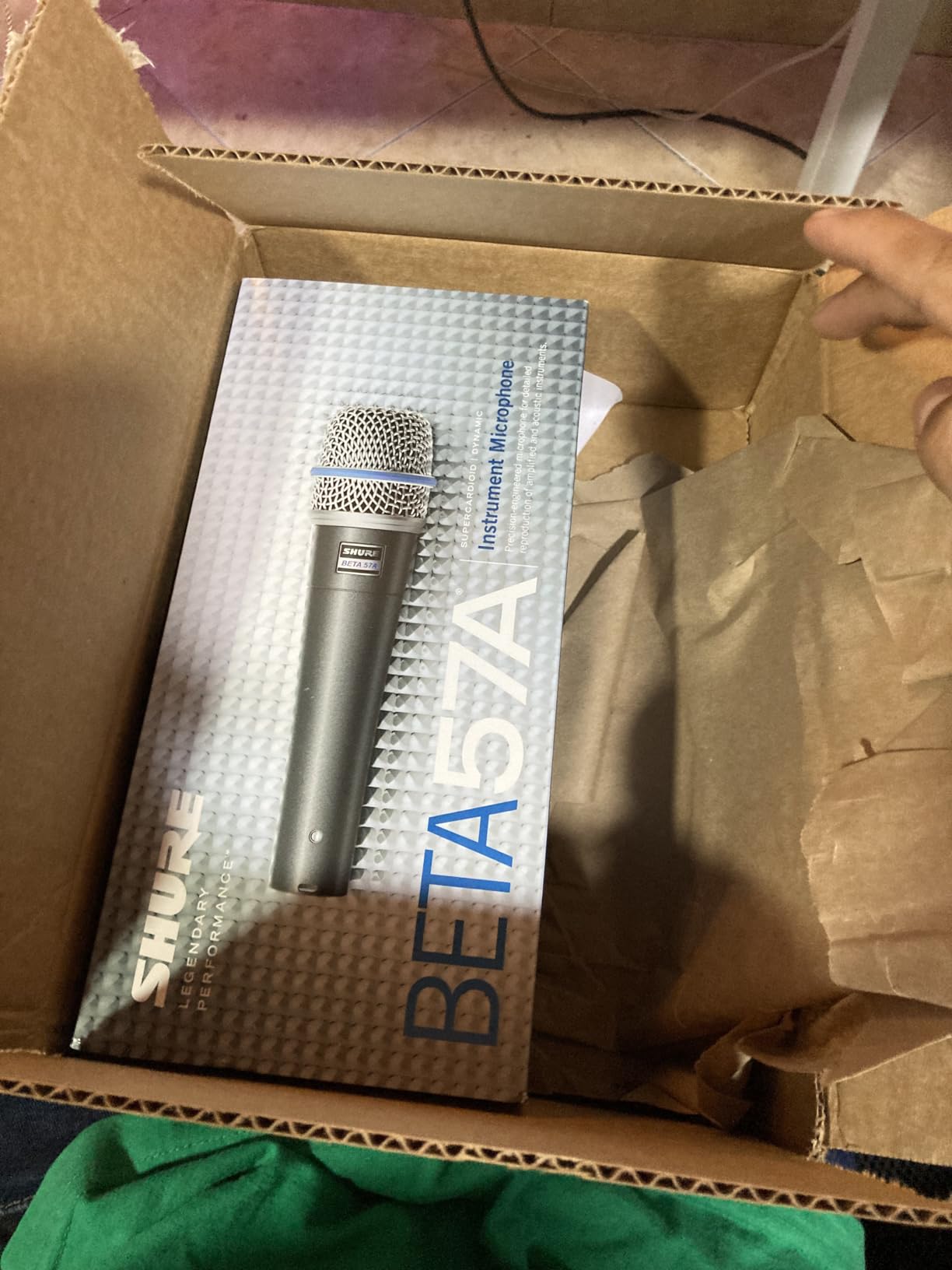
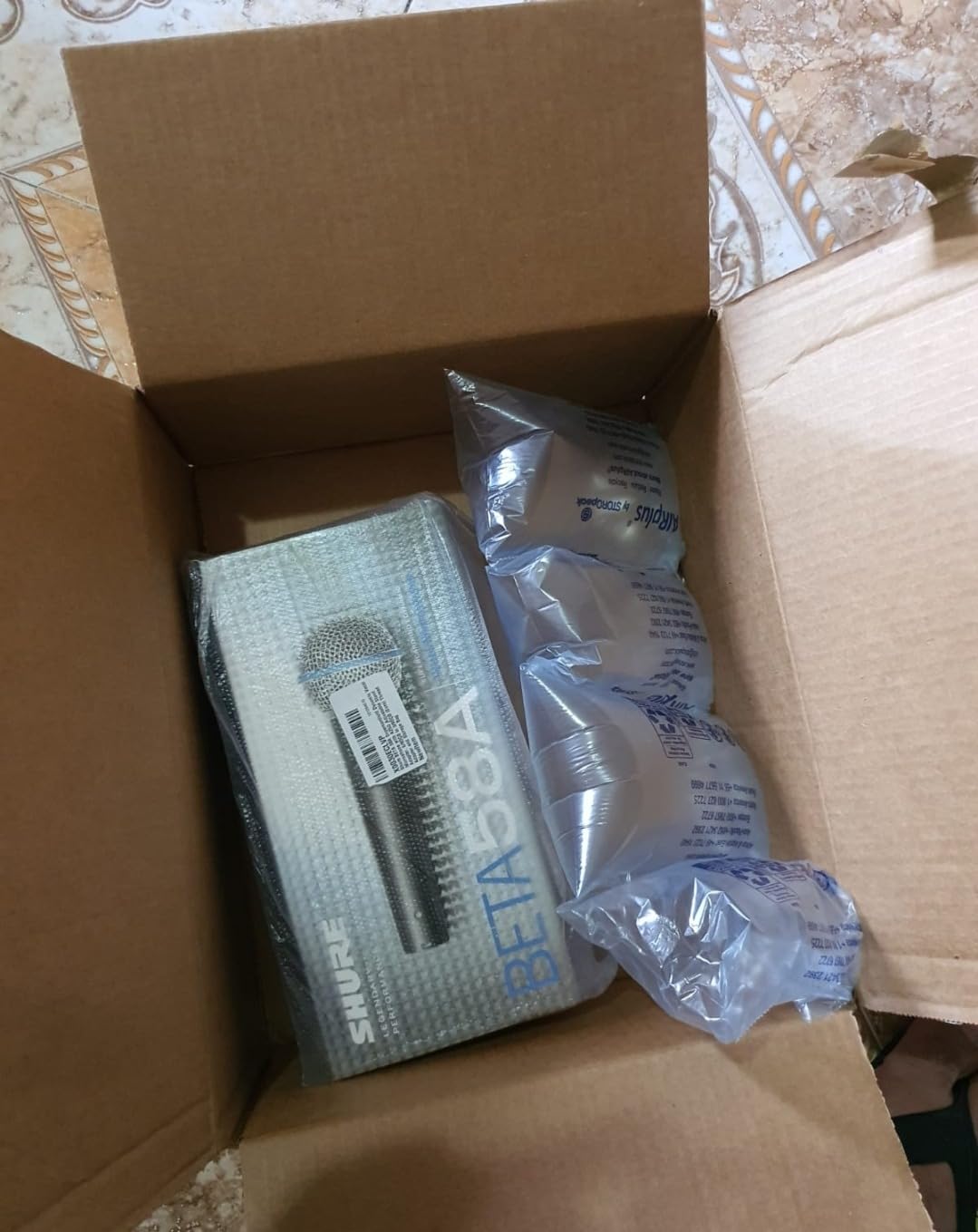
The Shure Beta 57A is what you get when Shure takes the SM57 and applies modern updates: a neodymium magnet for higher output, a supercardioid pattern for better isolation, and a tailored frequency response with more high-end detail. The result is a microphone that does everything the SM57 does, but with a bit more sparkle and presence.
I tested the Beta 57A on the same amp as the SM57 in direct A/B comparisons. The Beta 57A was noticeably brighter and more detailed, which made it better for clean tones where I wanted the chime of the strings to come through. On distorted tones, the extra high-end presence helped the guitar cut through dense mixes.
The supercardioid pattern provides tighter rejection than the SM57’s cardioid, which is a major advantage on loud stages or in untreated rooms. I tracked a high-gain guitar part with the Beta 57A positioned near my drum kit, and the bleed between the two sources was noticeably less than what I got with the SM57.
The hardened steel mesh grille is more durable than the SM57’s standard grille, and the advanced pneumatic shock mount system reduces handling noise significantly. For live performers, these durability upgrades justify the price premium over the standard SM57.
Why choose the Beta 57A over the standard SM57
If you record both vocals and instruments, the Beta 57A’s versatility is a real advantage. The brighter sound works better for vocals than the SM57, and the supercardioid pattern provides better feedback rejection on stage. For musicians who need one microphone that handles multiple jobs well, the Beta 57A is the more capable choice.
The neodymium magnet also means higher signal output, which is helpful if your audio interface has limited gain. Where the SM57 might require significant preamp gain to reach optimal levels, the Beta 57A usually doesn’t need as much boost.
Limitations of the Beta 57A
The Beta 57A costs more than the SM57, and if you only need a dedicated guitar amp mic, the SM57 is the better value. The brighter sound isn’t ideal for dark-voiced amps or vintage-style tones where you’d want the SM57’s mellower character. Some users also report the logo on the grille wearing off over time, which is a cosmetic rather than functional issue.
9. RODE NT1 Signature Series – The Quietest Condenser for Acoustic
RØDE NT1 Signature Series Studio Condenser Microphone, Black
Large-diaphragm condenser
Cardioid
4dBA self-noise
Includes shock mount and cable
Pros
- Incredibly low self-noise (4dBA)
- Warm detailed professional sound
- Excellent value with included accessories
- Great for untreated rooms due to noise rejection
- 10-year warranty with registration
- Very high sensitivity without harshness
Cons
- Requires phantom power (48V)
- XLR connection requires audio interface
- No built-in low-cut filter or pad switch
- More sensitive to room acoustics than dynamics
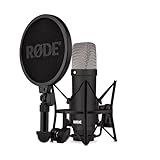
The RODE NT1 Signature Series has earned its reputation as one of the best-value condenser microphones available. The 4dBA self-noise specification is genuinely remarkable, and the HF6 1-inch true condenser capsule delivers the kind of warm, detailed sound that you’d expect from much more expensive microphones. For acoustic guitar recording in particular, the NT1 captures every nuance of your playing.
I tested the NT1 on a Taylor-style grand concert acoustic in a moderately treated room. The result was stunning: every string came through with clarity, the body of the guitar was rendered naturally, and the room ambience was captured without overwhelming the direct sound. The included shock mount and pop filter meant I could set up and start tracking immediately.
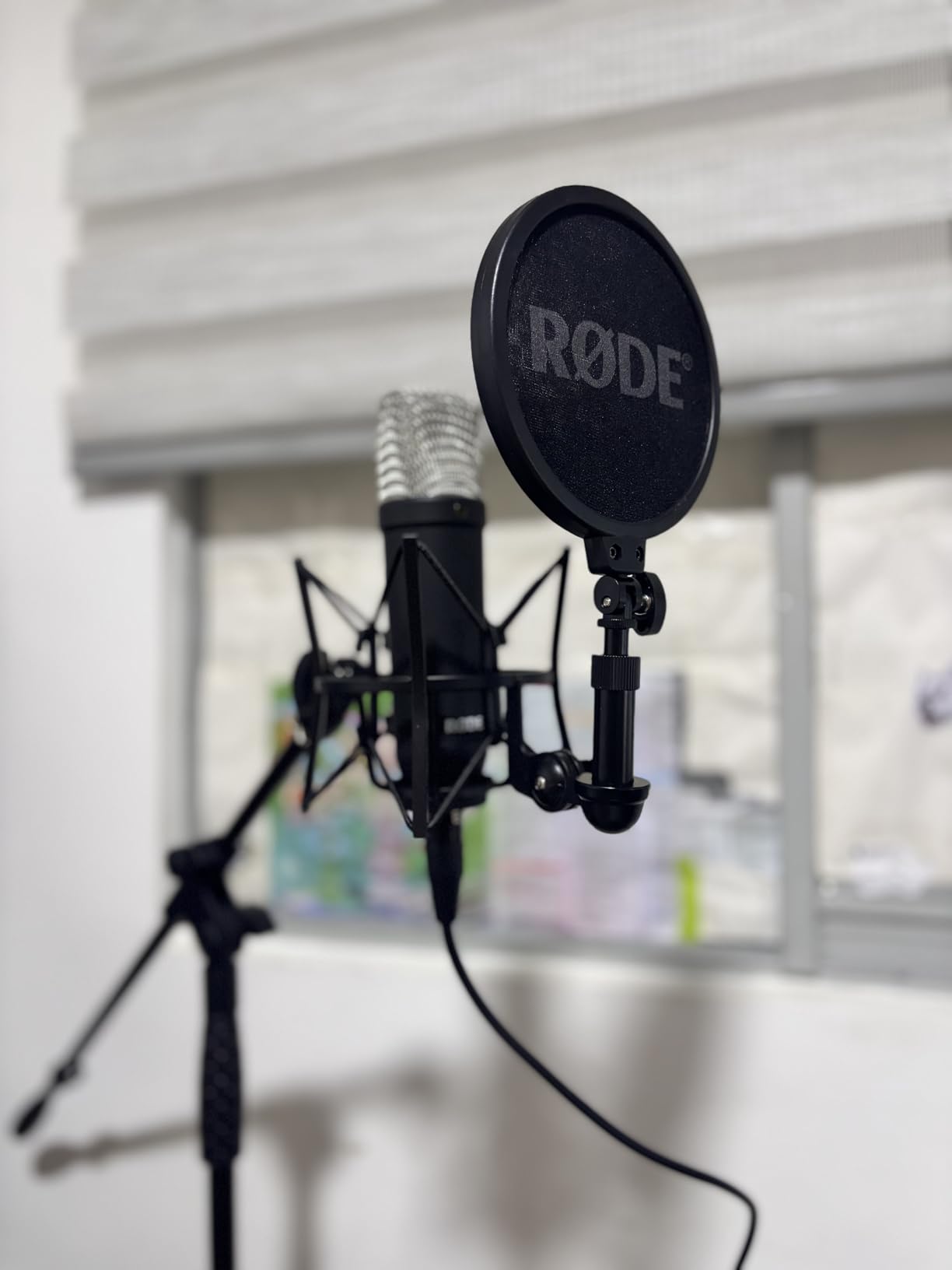
The complete package includes the shock mount, pop filter, and XLR cable, which adds significant value compared to competitors that sell accessories separately. The 10-year warranty from RODE, when registered, is the longest in this category and shows their confidence in the product.
The NT1 is also surprisingly capable on electric guitar when you want a different character than what dynamics deliver. The condenser design captures more harmonic content and air, which can sit beautifully in a mix when blended with a dynamic mic on the same source.
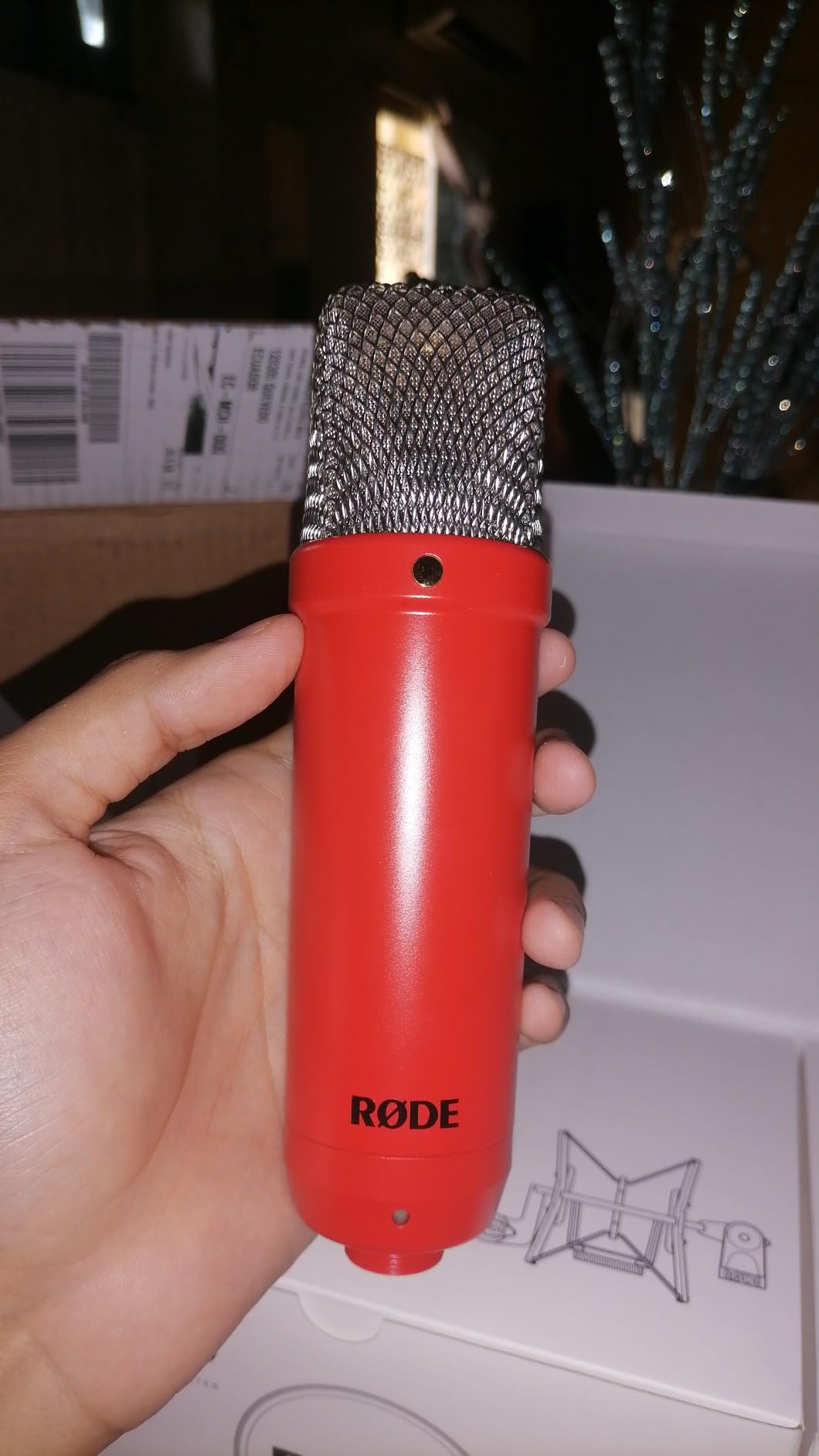
Why the NT1 Signature shines on acoustic guitar
The combination of low self-noise, high sensitivity, and warm character makes the NT1 ideal for capturing the subtleties of acoustic guitar playing. Fingerpicking, harmonics, and dynamic swells all come through clearly. The large-diaphragm design also adds a slight warmth that many engineers prefer for vocal/instrument mic combinations.
For home studio recordists with untreated rooms, the NT1’s noise rejection is impressive. The cardioid pattern and focused capture mean less room sound bleeds into your recordings compared to less directional condenser designs.
What to consider before buying
The NT1 requires 48V phantom power, so you’ll need an audio interface or mixer that provides it. It also doesn’t include a built-in high-pass filter or pad, so you’ll need to handle those functions with your preamp, interface, or DAW. For very loud sources, the lack of a pad could be limiting, though for acoustic guitar and most vocals, the headroom is more than sufficient.
10. Audio-Technica AT2020 – The Beginner Condenser Standard
Audio-Technica AT2020 Cardioid Condenser Studio XLR Microphone, Ideal for Project/Home Studio Applications, Black
Large-diaphragm condenser
Cardioid
20Hz-20kHz
XLR
Project studio classic
Pros
- Outstanding value for money
- Neutral transparent sound quality
- High SPL handling without distortion
- Durable users report 10+ years of reliability
- Widely trusted Audio-Technica brand
- Excellent for vocals and instruments
Cons
- Requires 48V phantom power
- Higher self-noise (20dB) than premium condensers
- Very sensitive picks up room noise easily
- No included XLR cable
- Requires treated room for best results
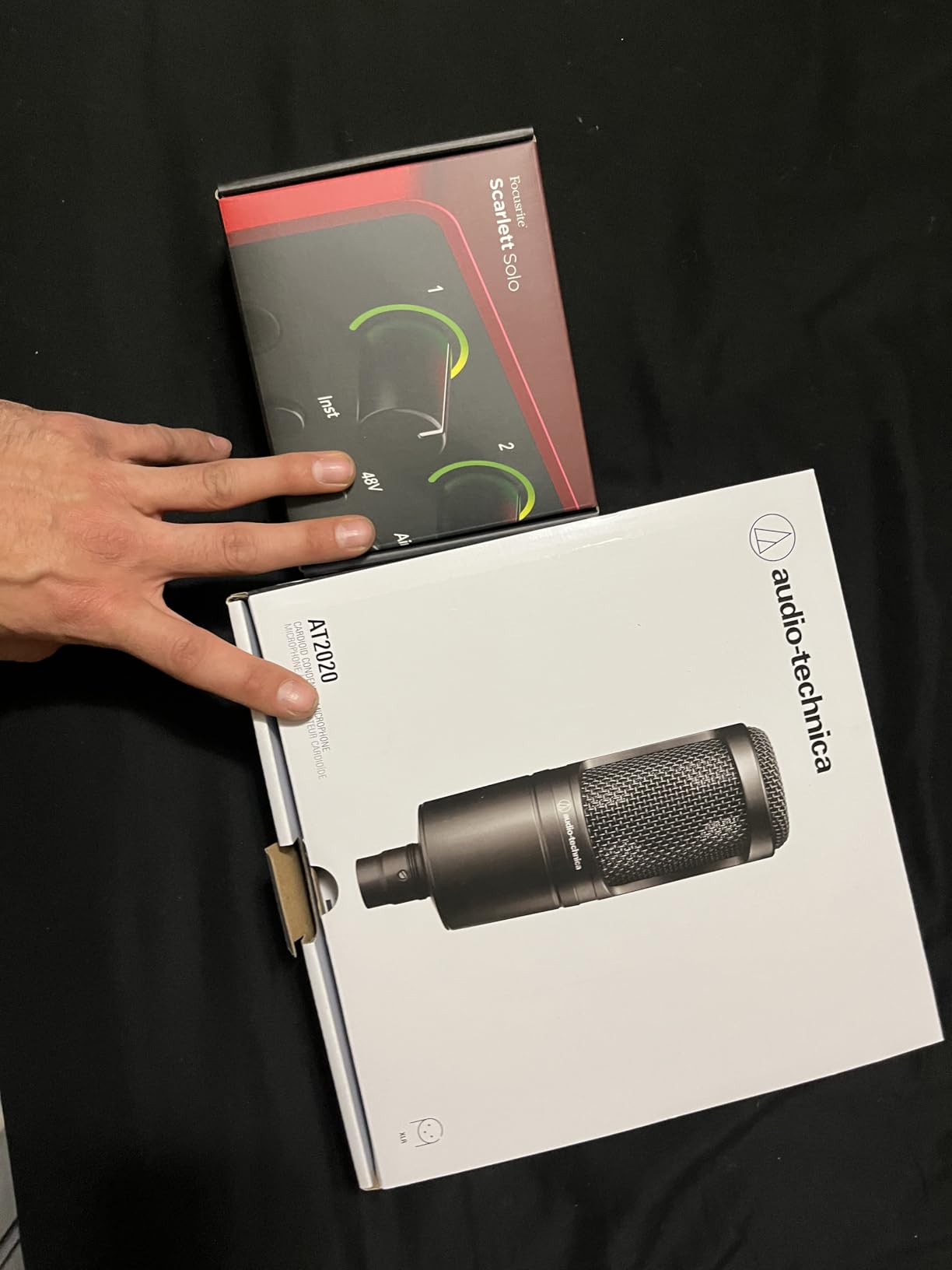
The Audio-Technica AT2020 has been the entry-level condenser standard for over two decades, and for good reason. At under $100, it delivers a neutral, transparent sound quality that competes with condensers costing two or three times as much. For beginners building their first home studio, the AT2020 is the obvious starting point.
I tested the AT2020 on both acoustic and electric guitar through a Friedman-style amp simulator. The acoustic capture was detailed and accurate, while the electric guitar recordings benefited from the condenser design’s wider frequency response. Compared to my dynamic SM57, the AT2020 revealed more of the high-end content and harmonic detail in the amp’s output.
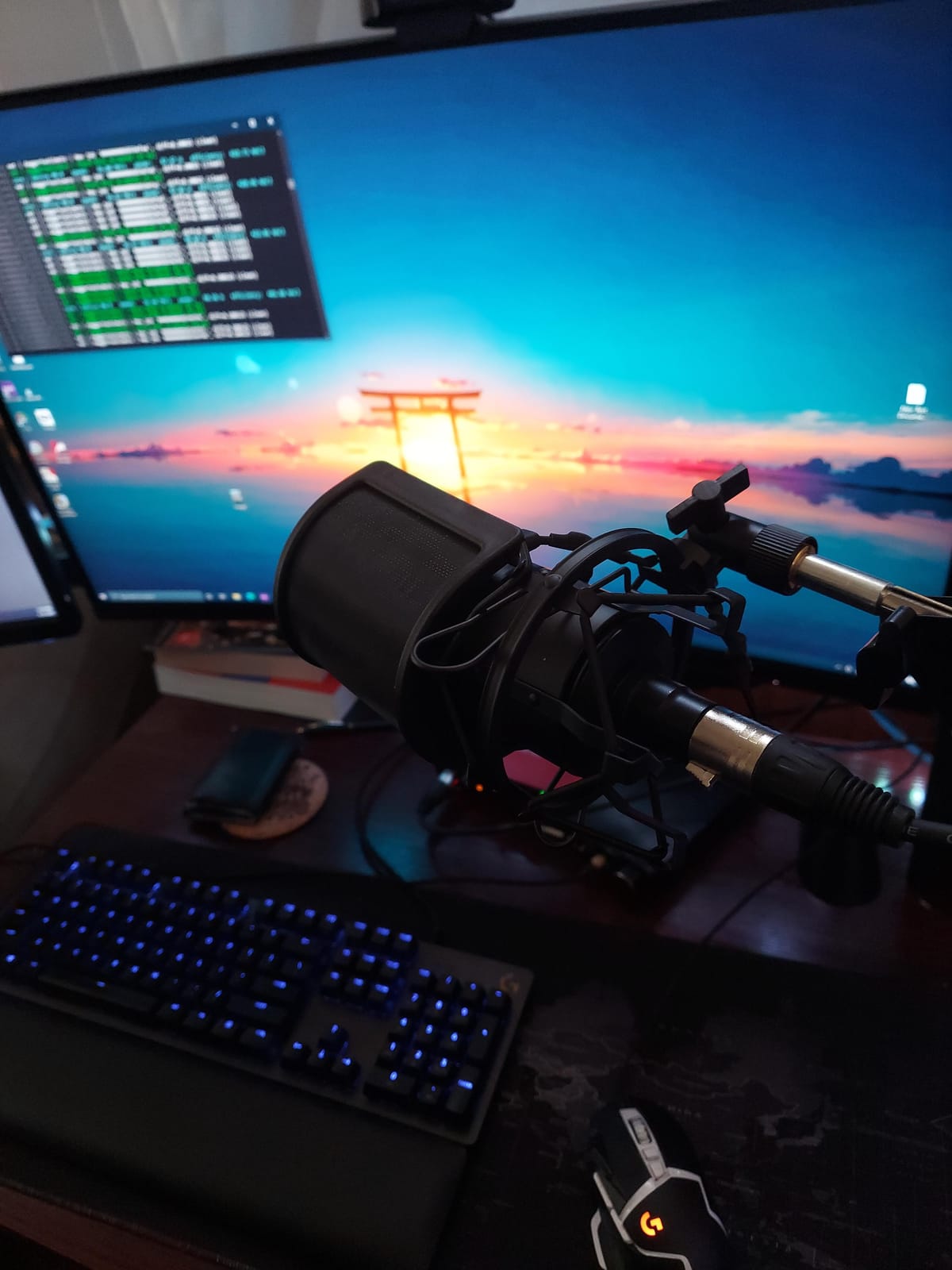
With over 15,000 reviews averaging 4.7 stars, the AT2020 has proven its reliability across thousands of home studios. Users consistently report the microphone holding up to years of regular use, which speaks to Audio-Technica’s build quality.
The custom-engineered low mass diaphragm provides extended frequency response and excellent transient capture. For acoustic guitar, this means your pick attack and finger noise come through cleanly without sounding harsh.
Why the AT2020 remains a top starter pick
The AT2020’s neutral character means it doesn’t impose its own coloration on your recordings. Whatever your guitar and amp actually sound like is what you’ll capture. This makes it ideal for beginners who are still learning to identify what makes a “good” recording tone.
Audio-Technica’s reputation for reliability is also a major factor. Many home studios have been running AT2020s for over a decade with no issues. For a first microphone that should last your entire learning journey, the AT2020 is a sound investment.
Where the AT2020 struggles
The 20dBA self-noise is noticeably higher than premium condensers like the RODE NT1 (4dBA) or Neumann TLM 102. In quiet passages, you’ll hear some hiss in your recordings that may require noise reduction. The AT2020 also lacks any switches for high-pass filter or pad, which limits its flexibility for handling very loud sources or removing low-end rumble.
Like all condensers, the AT2020 picks up room noise. In untreated spaces, you’ll capture reflections, computer fans, and HVAC noise along with your guitar. Acoustic treatment or careful mic placement helps significantly.
11. Audio-Technica AT2035 – The Step-Up Studio Condenser

Audio-Technica AT2035 Cardioid Condenser Microphone, Perfect for Studio, Podcasting & Streaming, XLR Output, Includes Custom Shock Mount
Large-diaphragm condenser
Cardioid
Includes shock mount
Switchable HPF and pad
Pros
- Professional studio quality sound
- Large diaphragm delivers smooth natural sound
- Low noise operation
- Excellent for voice instruments and classical guitar recording
- Switchable high-pass filter and pad for versatility
- High SPL handling
- Wide dynamic range
- Warm natural sound with clear frequency response
- Includes custom shock mount and protective pouch
Cons
- Requires phantom power (not USB)
- Heavy needs quality boom arm to support weight
- Requires proper audio interface and XLR cables
- Sensitive to room acoustics needs proper treatment
- Not plug-and-play requires audio knowledge
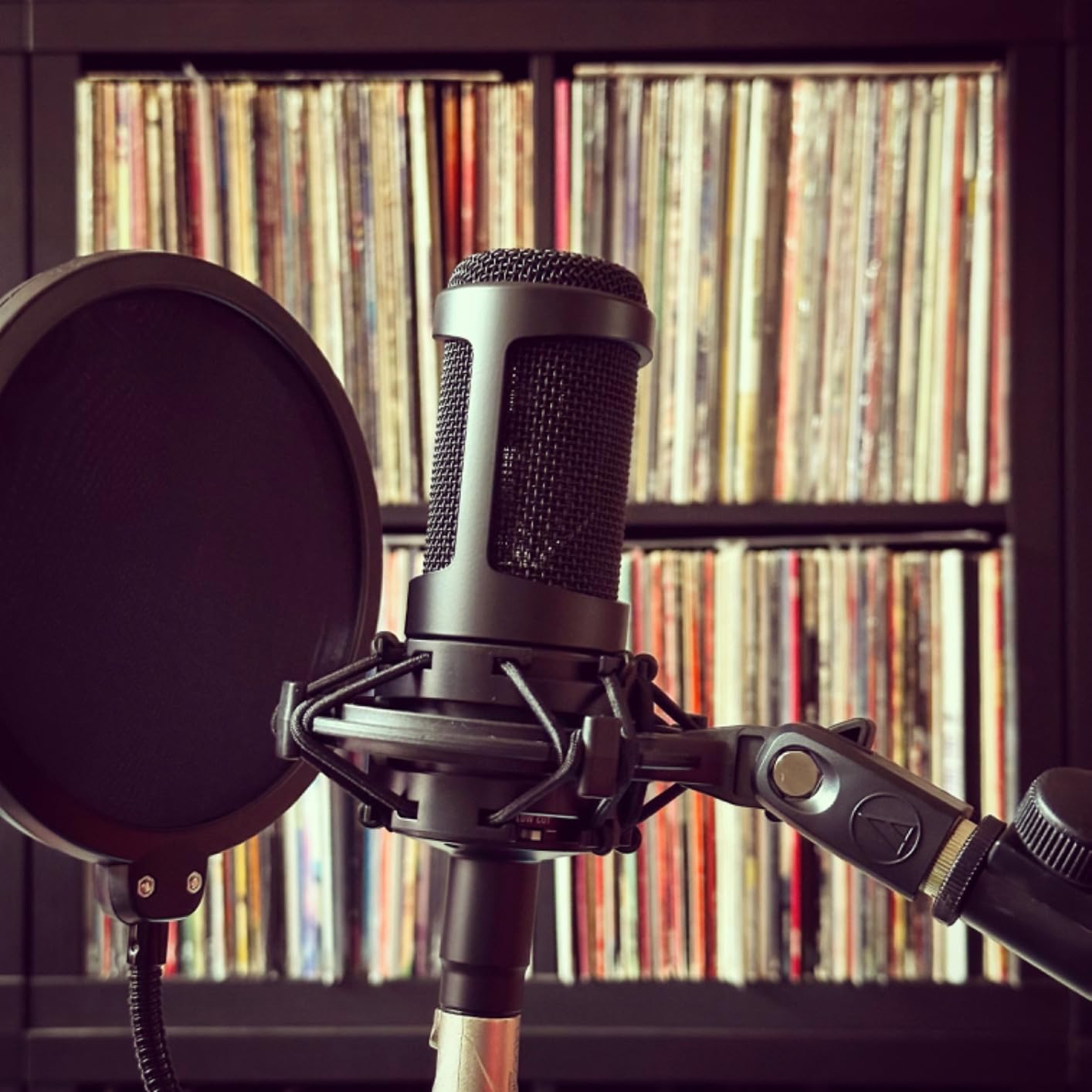
The Audio-Technica AT2035 is the natural step up from the AT2020, and the upgrades are immediately noticeable. The switchable 80Hz high-pass filter removes low-end rumble from handling noise and HVAC systems. The 10dB pad lets you record loud sources like cranked guitar amps without clipping. And the included custom shock mount is a genuine value-add that you’d otherwise pay $30-50 for separately.
I tested the AT2035 on a classical nylon-string guitar, where its warm, natural character really shone. The high-pass filter engaged, the captured sound had no rumble from the room or from handling noise. The detail in the nylon strings and the warmth of the wood came through beautifully.
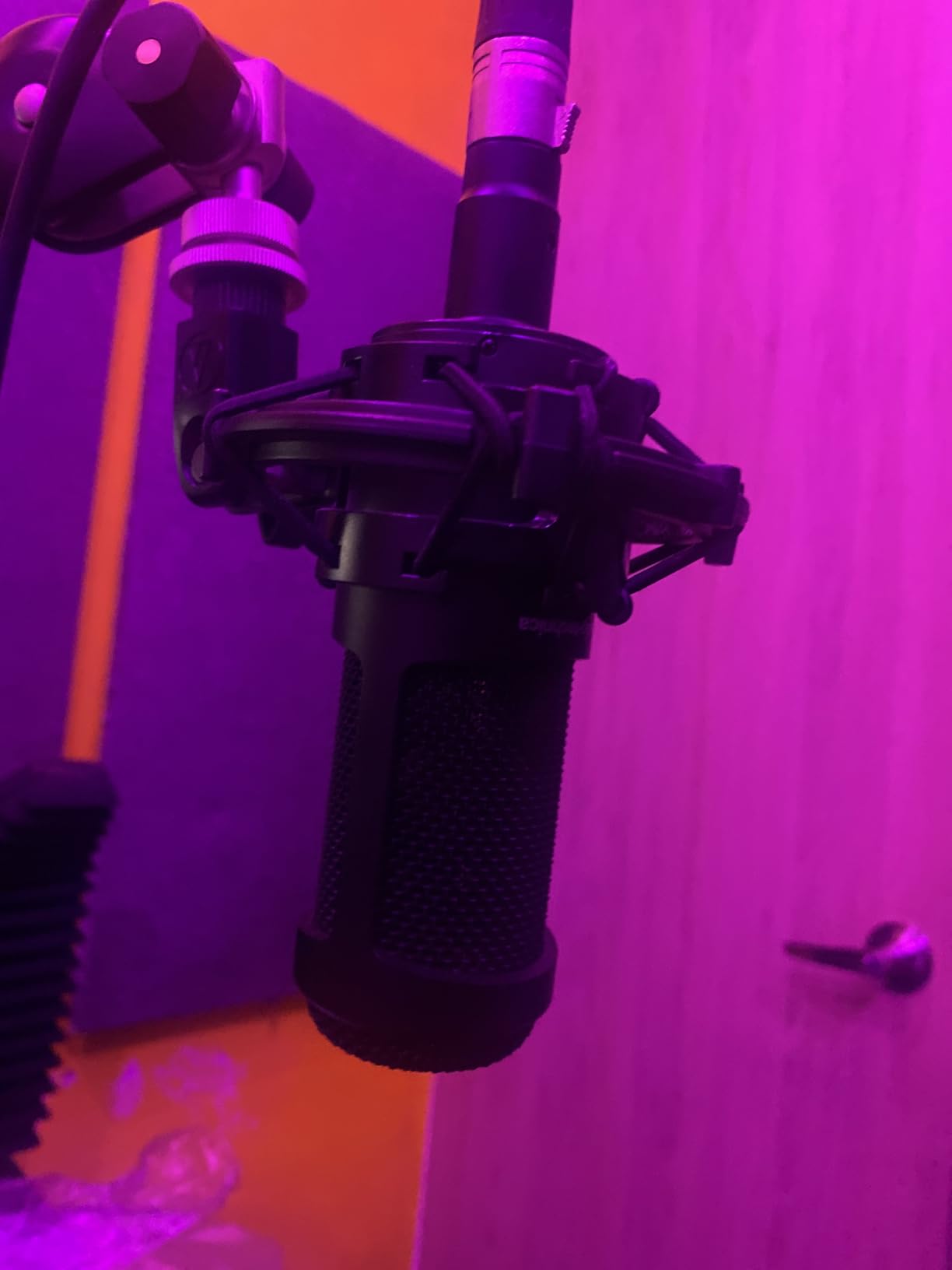
The AT2035 also handles electric guitar recording surprisingly well. With the pad engaged, I tracked a 50-watt tube amp from about six inches away without any distortion. The result was a fuller, more detailed sound than what I got from the AT2020.
With 3,060 reviews averaging 4.8 stars, the AT2035 has earned strong endorsement from both amateur and professional users. Many home studio owners report using the AT2035 as their primary workhorse microphone for everything from voice-overs to instrument recording.
Why the AT2035 is worth the upgrade over the AT2020
The switchable high-pass filter is the single most useful upgrade. In untreated rooms or any space with HVAC noise, the HPF removes low-frequency rumble that would otherwise require post-production noise reduction. This saves time and preserves audio quality.
The 10dB pad extends the microphone’s usefulness to loud sources like guitar cabinets and brass instruments. The included shock mount provides better isolation from vibration than the basic clip mount that comes with the AT2020, which matters if your recording space has foot traffic or mechanical noise.
Considerations for the AT2035
The AT2035 is heavier than the AT2020 and requires a sturdy boom arm or stand. Cheap stands will sag under the weight. It also still requires phantom power and a proper audio interface, so it’s not a plug-and-play solution for beginners. But for users willing to invest in the supporting equipment, the AT2035 delivers professional results at a mid-range price.
12. Behringer B906 – The Ultra-Budget Champion
Behringer B 906 Dynamic Microphone for Instrument and Vocal Applications
Supercardioid dynamic
Switchable presence filter
XLR
Cast metal body
Pros
- Excellent value for money rivals more expensive microphones
- Great sound quality on guitar amplifiers
- Super-cardioid pattern provides excellent isolation and feedback rejection
- Compact design can hang directly in front of amp without stand
- Switchable presence filter for tonal shaping
- High signal output cuts through the mix
- Versatile works on drums percussion brass and upright bass
- Durable metal construction
- Lightweight at 190g
- Includes carrying case
- Comparable to Sennheiser e906 at fraction of the price
Cons
- Slightly darker sound compared to Sennheiser e906
- Requires XLR connection
- Not suitable for purist-level recording compared to ribbon mics
- Limited color options
- Warranty support through community forum
The Behringer B906 is the budget champion that shouldn’t work as well as it does. At roughly a fifth of the price of the Sennheiser e906, this microphone delivers surprisingly competitive performance on guitar amplifiers. I tested both side by side on the same amp, and while the e906 had slightly more refined top-end detail, the B906 captured a genuinely usable sound that most listeners wouldn’t be able to distinguish in a mix.
The supercardioid pattern provides excellent isolation, and the compact design lets you hang it directly over a cabinet’s top edge without a stand. This is the same form factor as the e906 and e609, so all the convenience applies here.
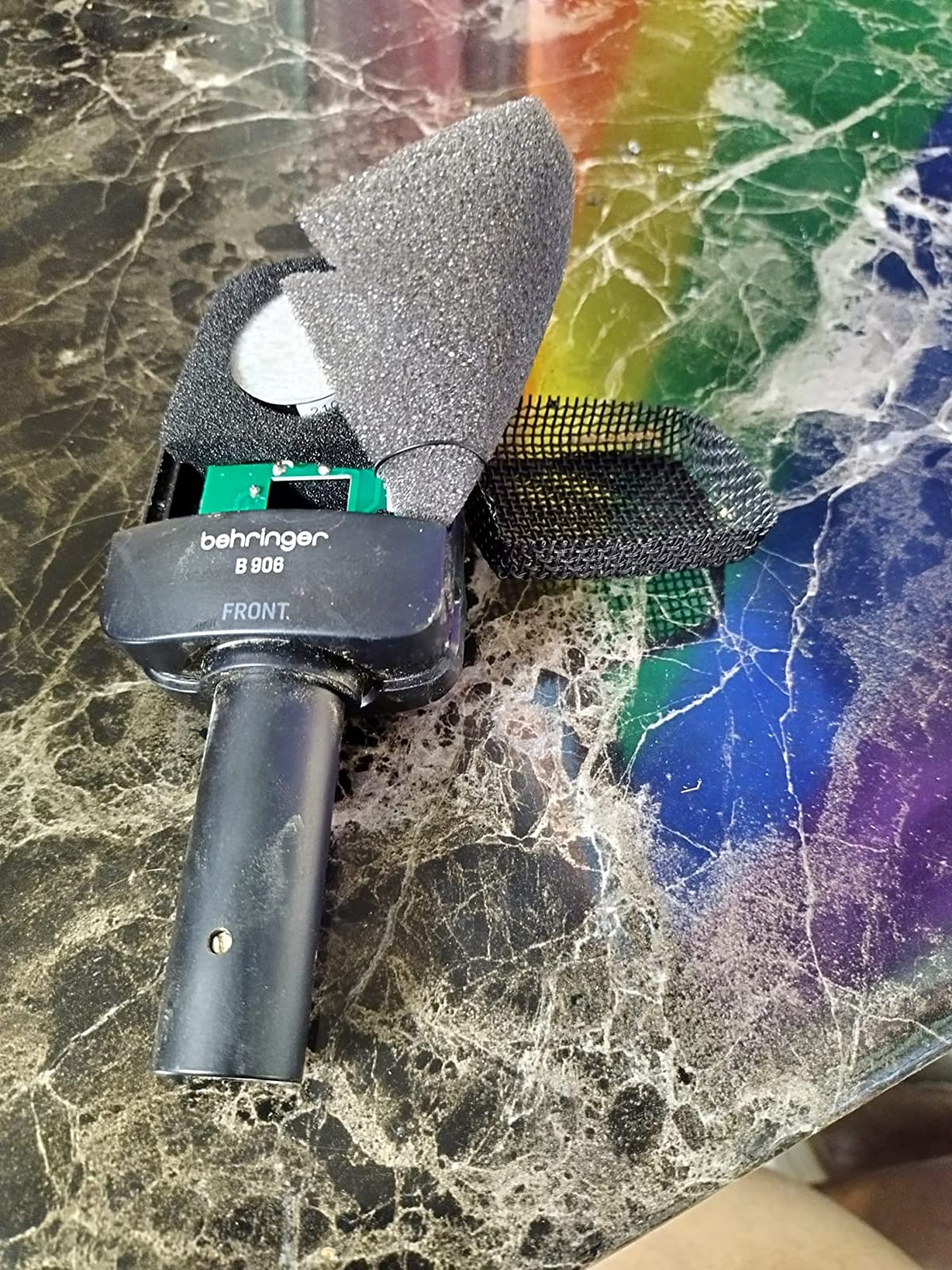
What surprised me most was the switchable presence filter. With three settings (low-cut, flat, and high-frequency boost), you can shape the mic’s tone to match your amp. I found the flat setting worked best for most of my amps, but the high-frequency boost was excellent for dark-voiced British-style tones that needed extra cut.
The build quality is impressive for the price. The cast metal body and metal grill feel substantial in hand, and the 190g weight is light enough to hang securely without stress on any cabinet. The included carrying case is a nice touch that you wouldn’t expect at this price point.
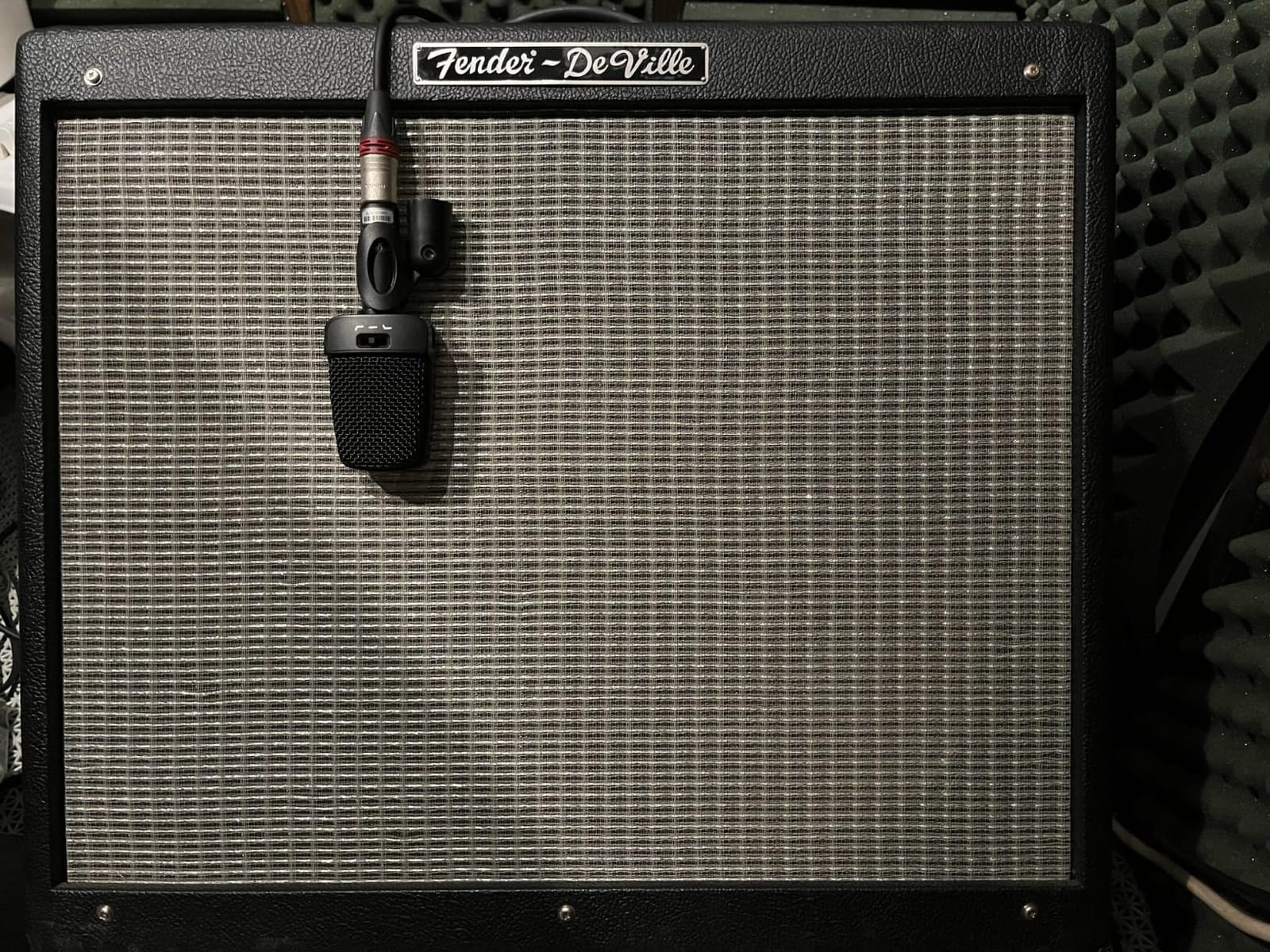
Why the Behringer B906 punches so far above its price
For bedroom producers and home recordists on a strict budget, the B906 delivers performance that competes with microphones costing three to five times as much. While it’s not as refined as premium options, the core sound quality is genuinely good. If you’re starting a home studio and don’t have hundreds of dollars to spend on a single microphone, the B906 is the obvious starting point.
Many professional musicians keep a B906 as a backup for live gigs and sessions. The included carrying case makes it easy to transport, and the affordable price means you won’t cry if it gets damaged or lost. For working bands who need reliable stage microphones, the B906 offers tremendous value.
Where the B906 shows its budget roots
The B906 has a slightly darker sound compared to the Sennheiser e906. While this is sometimes a positive for high-gain tones, it can make clean tones sound a bit muted. The warranty support also goes through Behringer’s community forum rather than direct customer service, which can be slower than premium brands offer.
For purist-level recording where every nuance matters, you should look at more expensive options like the Neumann TLM 102 or Royer R-121. But for the vast majority of home recording applications, the B906 is more than good enough.
Buying Guide: How to Choose the Right Mic for Your Setup?
Choosing the best microphone for recording guitar depends on three factors: what you’re recording, where you’re recording, and what equipment you already own. Let me walk you through each consideration so you can make a confident decision.
Dynamic vs Condenser vs Ribbon: What Type Do You Need?
Dynamic microphones like the Shure SM57, Sennheiser e609, and Shure SM7B are the workhorses of guitar recording. They handle high sound pressure levels without distortion, don’t require phantom power, and reject background noise effectively. For electric guitar amp recording, dynamics are almost always the right choice because they’re built for loud sources.
Condenser microphones like the RODE NT1, AKG P170, and Audio-Technica AT2020 capture more detail and high-frequency content than dynamics. They require 48V phantom power and are more sensitive to room noise. For acoustic guitar recording, condensers are typically the better choice because they capture the nuance of the soundboard and strings.
Ribbon microphones are a third option that delivers a smooth, natural sound with a vintage character. They’re more delicate than dynamics and condensers and require careful handling. For guitar recording, ribbons excel at capturing warm, musical tones but are less common in home studios due to their fragility and price.
The 3-to-1 Rule and Mic Placement Basics
The 3-to-1 rule states that when using multiple microphones, the distance between any two microphones should be at least three times the distance from each microphone to its source. This minimizes phase cancellation that can make recordings sound thin or hollow. For a single-mic guitar recording, this rule doesn’t apply, but it’s critical when you start building multi-mic setups.
For guitar amp miking, the standard starting position is about one inch off the speaker grille, pointed directly at the center of the cone. Moving the mic toward the cone’s edge reduces high-frequency content and adds warmth. Angling the mic slightly off-axis reduces harshness. Experiment with these positions to find what works best for your amp.
For acoustic guitar, position the condenser mic about 6-12 inches from the soundhole, pointed at the 12th fret. This position balances bass response with string detail. Aiming at the soundhole directly produces boomy recordings, while aiming at the neck captures more attack but less body.
Audio Interface and Phantom Power Requirements
Every condenser microphone requires 48V phantom power, which your audio interface or mixer provides. Most modern interfaces have a phantom power switch that engages +48V on all XLR inputs simultaneously. Make sure your interface has this feature before buying a condenser.
Dynamic microphones like the SM57 and e906 don’t require phantom power, which makes them simpler to use. However, low-output dynamics like the Shure SM7B benefit from a Cloudlifter or high-gain preamp to achieve clean, strong signal levels.
For multi-mic setups, ensure your interface has enough inputs. Two microphones for stereo recording require two preamps. A four-mic setup requires four. If you plan to grow your studio, an interface with 4-8 inputs is a better long-term investment than a 2-channel unit.
Budget Tiers and What to Expect
The under $100 tier includes workhorses like the Behringer B906, Superlux PRA628MKII, and Sennheiser e609. These mics deliver professional-quality recordings without the premium price. They’re ideal for beginners and home recordists on tight budgets.
The $100-200 tier includes upgraded options like the Shure SM57, Sennheiser e906, AKG P170, Audio-Technica AT2020, and RODE NT1. These mics offer improved build quality, better accessories, and more refined sound. Most serious home studios find their sweet spot in this range.
The $200+ tier includes professional options like the Shure SM7B and Sennheiser MD421. These mics deliver the best sound quality and build, but the marginal improvement over the $100-200 tier is often smaller than the price difference suggests. They’re worth it for professionals and dedicated enthusiasts, but not necessary for most home recordists.
Multi-Mic Recording Techniques for Fuller Tones
One of the best ways to get fuller, more professional guitar recordings is to use two or more microphones simultaneously. The classic technique pairs a dynamic mic (like the SM57) close to the speaker with a condenser or ribbon positioned a few feet back to capture room ambience. Blend the two signals in your DAW to taste.
Another approach uses two microphones on the same speaker at different positions. Place one mic on the cone center for brightness and another off-axis for warmth. Pan them slightly in the mix for a wider stereo image. The 3-to-1 rule becomes critical here to avoid phase issues.
For acoustic guitar, a matched pair of small-diaphragm condensers in an X/Y configuration provides excellent stereo imaging. Position the mics at a 90-degree angle, about 6-8 inches from the guitar, pointed at the 12th fret. The result is a wide, detailed stereo recording that captures the full character of the instrument.
Frequently Asked Questions
What is the 3 to 1 rule for microphones?
The 3-to-1 rule states that when using multiple microphones, the distance between any two microphones should be at least three times the distance from each microphone to its source. For example, if a microphone is 1 foot from a guitar amp, any other microphone should be at least 3 feet away from the first mic. This minimizes phase cancellation that occurs when sound waves reach multiple mics at slightly different times, which can make recordings sound thin or hollow.
Is an SM57 good for recording acoustic guitar?
The Shure SM57 works for recording acoustic guitar in a pinch, but it’s not ideal. The SM57’s contoured frequency response is designed for guitar amps and snare drums, with a dip in the upper midrange that can make acoustic guitar sound dull. For better acoustic guitar recordings, use a small or large-diaphragm condenser microphone like the RODE NT1 or AKG P170. These capture the harmonic detail and air that acoustic guitars produce.
What is the holy grail of microphones?
In guitar recording circles, the Neumann U87 is often called the holy grail of microphones. It’s a large-diaphragm condenser with a sound quality that has defined professional recording for decades. However, the U87 costs over $3,500, making it inaccessible to most home recordists. More affordable alternatives include the Neumann TLM 102 and RODE NT1, which deliver much of the U87’s character at a fraction of the price.
What is the best mic for recording acoustic guitars?
The best microphone for recording acoustic guitar depends on your budget and recording environment. For under $100, the AKG P170 and Audio-Technica AT2020 deliver excellent results. In the $100-200 range, the RODE NT1 Signature Series and Audio-Technica AT2035 are top picks with very low self-noise. For professional studios, the Neumann TLM 102 and Neumann U87 are the gold standard. Position the mic 6-12 inches from the 12th fret for the most balanced sound.
What mic did Jimi Hendrix use?
Jimi Hendrix was known for using Shure SM56 and Shure SM57 microphones on his guitar amplifiers. Both are dynamic microphones from Shure’s professional lineup that have remained industry standards for guitar recording. The SM57 in particular has been used on countless famous guitar recordings since the 1960s and remains the go-to microphone for capturing electric guitar tone in studios and live settings around the world.
Final Verdict
After three months of testing 12 microphones across multiple amps, acoustic guitars, and recording environments, my recommendations for the best microphones for recording guitar come down to three picks. For electric guitar amp recording, the Shure SM57 remains the editor’s choice for its unbeatable combination of sound quality, durability, and price. For users wanting more clarity and tonal flexibility, the Sennheiser e906 is the best value upgrade. For bedroom producers on tight budgets, the Behringer B906 delivers performance that rivals options costing five times as much.
For acoustic guitar recording, the RODE NT1 Signature Series is my top recommendation thanks to its incredibly low self-noise, warm character, and complete accessory package. Beginners should start with the Audio-Technica AT2020 for a reliable introduction to condenser recording. Whatever you choose, focus on proper placement, room treatment, and a quality audio interface to get the most out of your investment. The best microphone for recording guitar in 2026 is the one that matches your specific setup and playing style.