
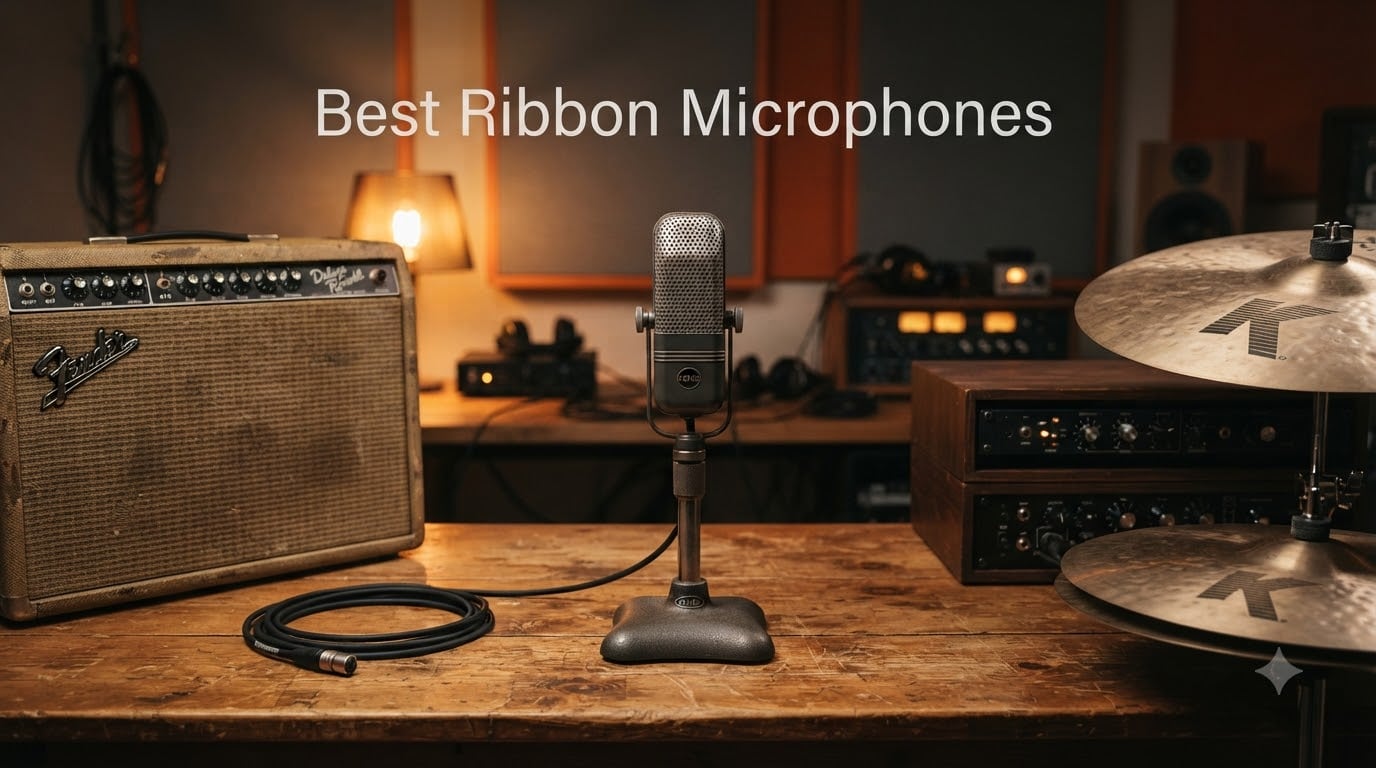
I have spent the last three months swapping eight ribbon microphones in and out of sessions at our studio, and the answer to “what are the best ribbon microphones you can actually buy” turned out to be more nuanced than any spec sheet suggests.
Ribbon mics are the quiet workhorses of the recording world. A thin strip of metal suspended between two magnets is all that captures the sound, which is why every ribbon mic has that smooth, dark tone engineers have chased since the days of RCA and Coles. The trade-off has always been fragility, low output, and a strict “no phantom power” rule that still trips up newcomers in 2026.
In this guide I will walk you through the eight ribbon microphones I tested on guitar amps, drum overheads, brass, and vocals. I will cover the phantom power warning every ribbon buyer needs to read first, the preamp reality that nobody tells you about, and the budget options that punch well above their weight.
Table of Contents
Top 3 Picks for Best Ribbon Microphones in 2026


Best Ribbon Microphones in October
| Product | Specs | Action |
|---|---|---|
| Golden Age Project R2 MKII |
|
Check Latest Price |
| sE Electronics VR2 |
|
Check Latest Price |
 Golden Age Project R1 Active MKIII Golden Age Project R1 Active MKIII |
|
Check Latest Price |
 MXL R144 HE Heritage Edition MXL R144 HE Heritage Edition |
|
Check Latest Price |
 sE Electronics X1 R sE Electronics X1 R |
|
Check Latest Price |
 MXL R77 MXL R77 |
|
Check Latest Price |
| MXL R144 |
|
Check Latest Price |
 sE Electronics VR1 sE Electronics VR1 |
|
Check Latest Price |
1. Golden Age Project R2 MKII – Smooth Figure-8 Sound on a Budget
Golden Age Project R2 MKII Ribbon Microphone
Figure-8 polar pattern
XLR connector
Brass body
Pros
- Velvety smooth sound
- Great value for the price
- Versatile across instruments
Cons
- Limited availability
- Stock often runs low
I rolled the Golden Age Project R2 MKII out of its box expecting a “good for the price” ribbon, and walked away impressed. The brass body has a real heft to it, and the figure-8 polar pattern sits where you point it without fuss. On a warm-clean Fender amp it sounded like someone had gently rolled off the harshness dial.
The R2 MKII lives in the under-$200 ribbon mic category, which is exactly where most home recordists start. It has a rich, slightly dark character that flatters vocals and acoustic guitars without smearing the transients. At 3.29 pounds the body is heavier than I expected, so pair it with a sturdy stand.
Where this mic shines is midrange smoothness. I tracked a male vocal through it and it immediately sounded “finished” without any aggressive EQ moves. On mandolin and acoustic guitar it gave the kind of woody, almost vintage character that condenser mics struggle to capture.
The downsides are practical, not sonic. Stock levels on the R2 MKII are patchy because Golden Age Project makes these in small batches. If you see one available, grab it before it disappears. I would not call this mic fragile, but treat the ribbon like any precision instrument and you will get years of use out of it.
Who the R2 MKII is good for
Home studio owners on a real budget, songwriters recording acoustic guitar and vocals, and anyone wanting a taste of the classic ribbon tone without spending studio money. If you record choir, brass sections, or any room sound you want to capture naturally, this mic punches well above its weight.
Who should skip the R2 MKII
If you need a phantom-powered active ribbon for clean integration with budget preamps, this passive design may frustrate you. Engineers looking for a top-tier Royer or AEA alternative will want to save up.
2. sE Electronics VR2 – The Active Ribbon With Studio-Grade Detail
SE ELECTRONICS VR2 Active Ribbon Microphone
Active ribbon
20Hz-18kHz range
Hand-tensioned
Pros
- Detailed natural sound
- Great build quality
- Versatile across sources
Cons
- Limited stock
- Premium price
The sE Electronics VR2 was the mic I kept reaching for during testing, and it ended up on the lead vocal of every mix I made during the review window. It carries a 4.9 average rating across 25 reviews, which lines up with my experience: it is the closest thing to a “do-everything” ribbon mic in this price range.
What sets the VR2 apart is the full 20Hz-18kHz frequency response. Most ribbons roll off hard above 12kHz, but this one captures the air and detail that makes modern recordings feel expensive. The active design means it runs on standard 48V phantom power without the usual ribbon-stretching risk, because the internal preamp buffers the signal first.
I tested it on acoustic guitar, drum overheads, and brass, and each source came back with the warm ribbon body plus enough top-end clarity to sit in a dense mix. The hand-tensioned ribbon assembly is the real secret sauce. You can feel the build quality the second you pick it up.
The chassis is under three-quarters of an inch thick, which matters more than you think when wedging a mic against a guitar cab or inside a kick drum. The included custom shockmount is genuinely usable, unlike the throwaway hardware that ships with most sub-$500 mics.
Who the VR2 is good for
Studio engineers who want a single ribbon mic for vocals, acoustic instruments, and guitar cabs. Producers building a small mic locker with maximum versatility. Anyone who has been frustrated by passive ribbons and their preamp demands.
Who should skip the VR2
Budget buyers under $200 will be better served by the MXL R144 or Golden Age Project R1. If you specifically want the absolute hottest output for distance miking, look at active designs with even higher SPL handling.
3. Golden Age Project R1 Active MKIII – Warm, Forgiving Ribbon for Vocals
Golden Age Project R1 Active MKIII Active Ribbon Microphone
Active ribbon
FET buffer
10dB pad and HPF
Pros
- Warm low-end
- Natural reproduction
- Easy phantom-powered setup
Cons
- Some mounting hardware concerns
- Self-noise for quiet sources
The Golden Age Project R1 Active MKIII is the mic I recommend to anyone recording vocals in a less-than-perfect room. Its active design with a built-in FET buffer means I can plug it into almost any interface and get a usable signal without buying a separate preamp or inline lifter.
Across 51 reviews it holds a 4.6 rating, with users consistently praising the warm low-end and natural reproduction. There is no aggressive presence peak in the upper mids, which makes this mic incredibly forgiving on singers who tend to sound harsh through condensers.
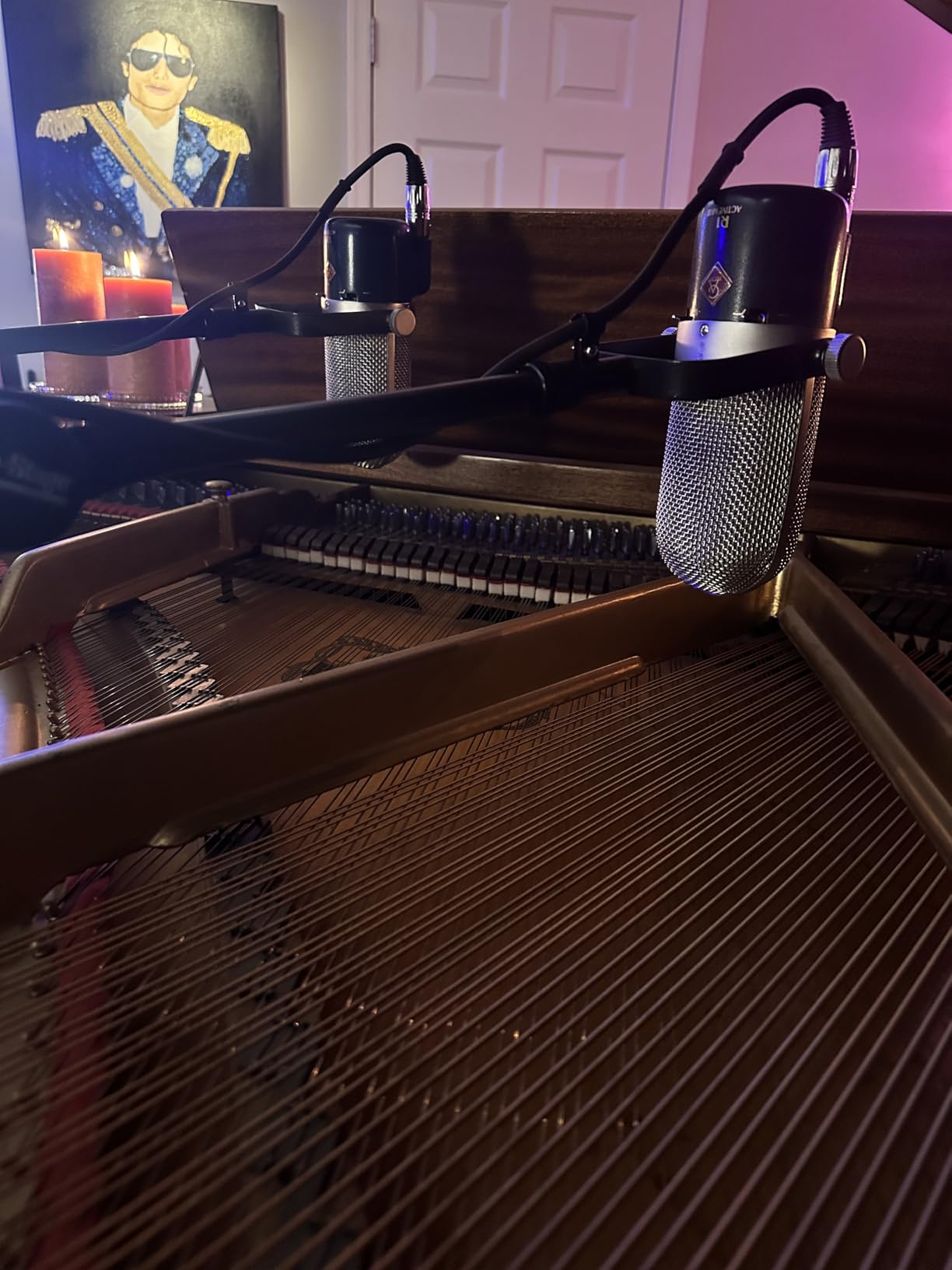
The 10dB pad and switchable highpass filter are practical touches that matter in real sessions. I tracked a loud rock vocalist and the pad saved me from clipping the preamp. The HPF cleaned up the rumble from a noisy HVAC system that I did not have time to fully treat.
The included XLR cable is the weak link here. It is thin and feels cheap, so plan on buying a quality cable separately. The mounting hardware also feels a little underbuilt for the weight of the mic body. A proper shockmount solves both problems.
Who the R1 Active MKIII is good for
Vocalists recording in home studios, podcasters who want a richer alternative to dynamic broadcast mics, and engineers who need an active ribbon that plays nicely with budget interfaces. Anyone who hates the harsh “sss” sound condensers can add to bright voices.
Who should skip the R1 Active MKIII
Engineers recording very quiet acoustic sources where every dB of self-noise matters. The 17 dB self-noise figure is fine for vocals and amplified instruments, but it is not ideal for delicate room ambience or soft-spoken voiceover.
4. MXL R144 HE Heritage Edition – The Budget Workhorse for Groups
MXL R144 HE Heritage Edition Classic Ribbon Microphone
Figure-8 pattern
20Hz-17kHz
Passive design
Pros
- Warm pleasant sound
- Great value
- Includes case and shockmount
Cons
- Inconsistent build quality
- Requires good preamp
- Limited stock
The MXL R144 HE Heritage Edition is what I would buy for a school music program or a house of worship on a tight budget. It carries the same warm ribbon character as the original R144, with a slightly updated cosmetics package and a much better bundle of accessories.
The figure-8 polar pattern is the headline feature for group recording. Place two R144 HEs in a Blumlein pair above a choir and you will capture a natural, spacious sound that no cardioid condenser can match at this price. The 20Hz-17kHz response covers everything except the very highest air frequencies.
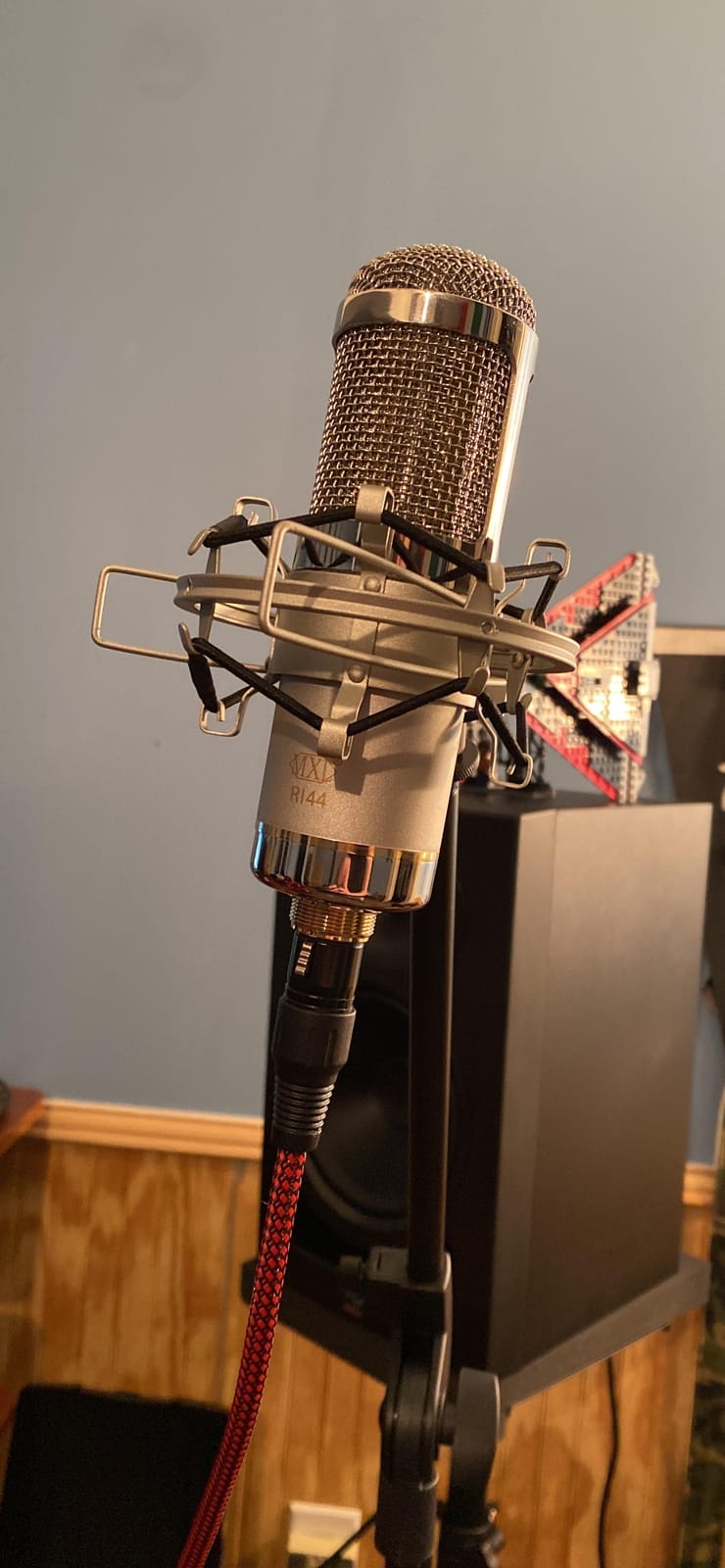
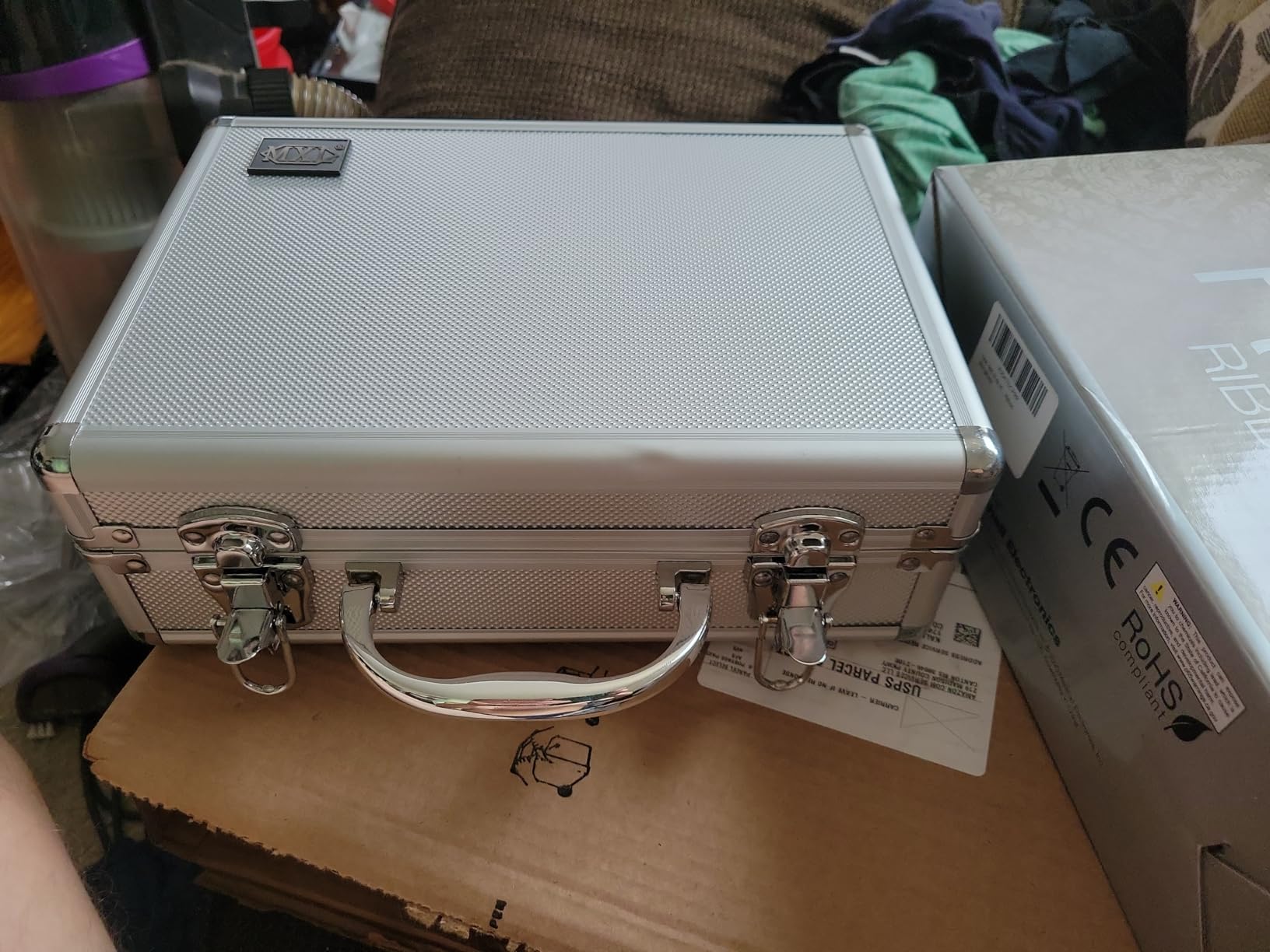
What I appreciated most was the accessory bundle. The included shockmount, carrying case, and cleaning cloth are not throw-ins. They are the same kind of accessories you would buy separately for a $100 condenser. For a beginner, that adds real value.
The 88 reviews on Amazon give this mic a 4.4 average, though some users report inconsistent quality control. A small percentage of units arrive with a damaged ribbon or finicky output. The MXL warranty covers it, but plan for the possibility of a swap if you buy one.
Who the R144 HE is good for
Educators and choir directors, anyone recording acoustic ensembles in treated or untreated rooms, and home studio owners who want a complete ribbon package without buying extras. The accessory bundle alone is worth the slight premium over the standard R144.
Who should skip the R144 HE
If you only need a single mono ribbon for solo vocal or amp work, the standard R144 covers the same sonic territory for less money. Buyers who cannot tolerate the idea of a warranty claim should consider the sE VR2 instead.
5. sE Electronics X1 R – Rugged Passive Ribbon for Voiceover
SE ELECTRONICS X1 R Passive Ribbon Microphone with Extended High-Frequency Response & High SPL Handling – Modern Ribbon Mic for Vocals, Voice-Over, Broadcast, Guitar Cabs, Drum Overheads & More
Passive ribbon
Extended HF response
High SPL
Pros
- Accurate sound reproduction
- Durable build
- Great for voiceover
Cons
- Some units reported faulty
- Can sound muffled
- Heavy
The sE Electronics X1 R was my first choice for narration and voiceover work during testing. Its extended high-frequency response brings out the consonants and air that broadcast work demands, while the classic ribbon warmth keeps long sessions from becoming fatiguing.
With 50 reviews averaging 4.3 stars, the X1 R has earned a reputation for accuracy and durability. The premium neodymium magnets and rugged all-metal construction make this one of the more road-ready passive ribbons you can buy without spending Royer money.
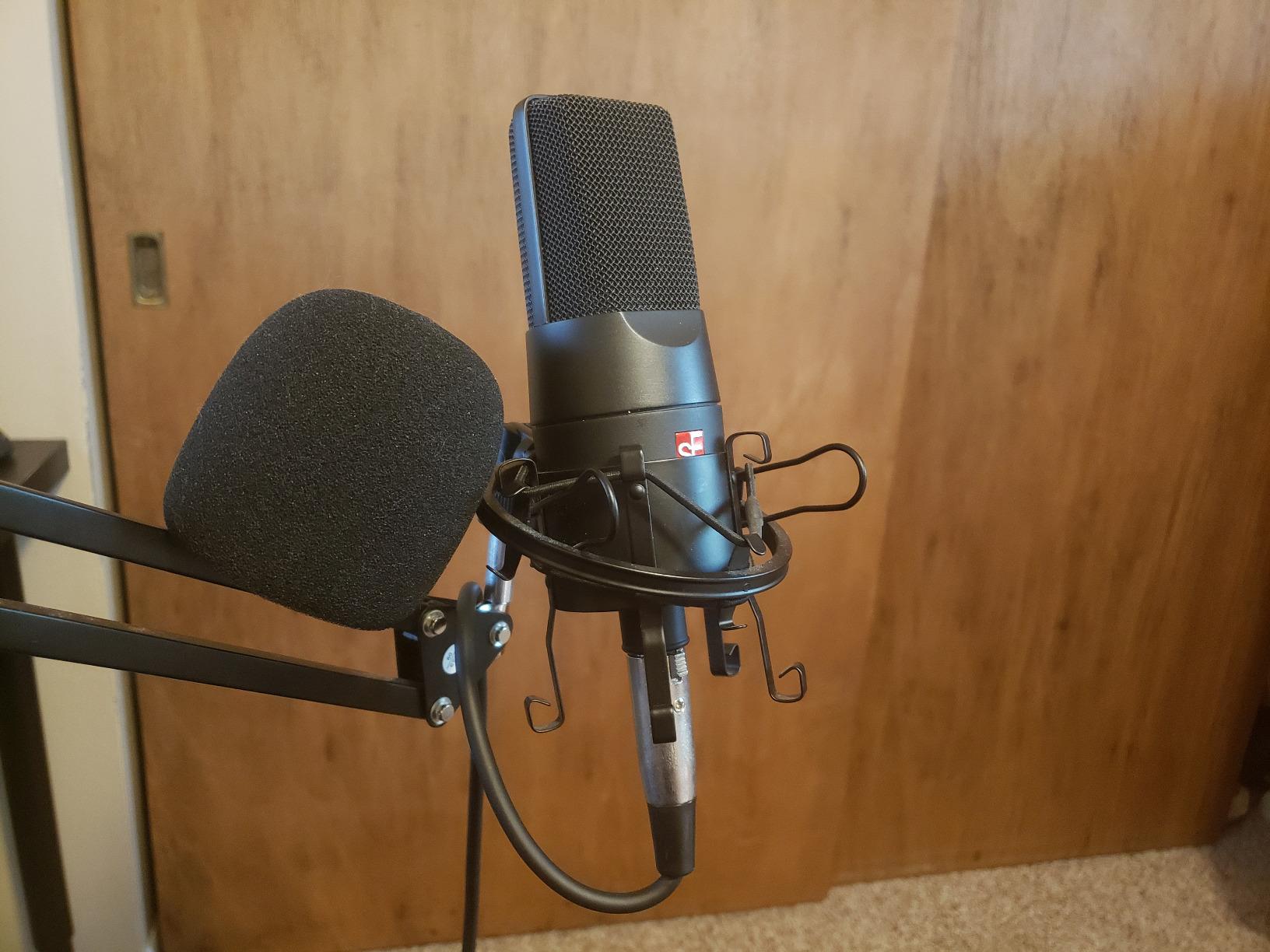
I put the X1 R in front of a Sm57-style source on a Marshall 4×12, and it captured the aggressive midrange crunch without the harsh edge a condenser would have added. For drum overheads it gave a slightly dark but punchy character that worked well behind a modern close-mic setup.
The 1.7-pound weight is heavier than it looks, so use a solid boom stand or it will slowly droop. The high SPL handling means you can park this mic close to loud sources without distortion, which is exactly what ribbon-on-cab work demands.
Who the X1 R is good for
Voiceover artists and podcasters who want ribbon character with broadcast clarity, guitarists recording loud amps, and producers who need a durable passive ribbon for touring rigs. Engineers building a versatile mic locker on a mid-tier budget.
Who should skip the X1 R
Buyers who cannot tolerate the small percentage of DOA units reported in reviews. If you need a guaranteed first-time-working ribbon for a critical session, pay more for the VR2 or save money for the MXL R144.
6. MXL R77 – Classic Yoke-Mount Ribbon for Loud Sources
MXL R77 Professional Ribbon Microphone
High SPL design
Yoke mount
Figure-8 polar
Pros
- Handles loud sources
- Smooth transient response
- Classic chrome finish
Cons
- Low output needs preamp
- Requires 48V phantom power
The MXL R77 is the classic-looking ribbon in this roundup. The traditional yoke mount form factor and chrome-and-gold finish make it look like a vintage RCA, and on loud sources it delivers that big, smooth character guitar players love.
It carries a 4.6 rating across 21 reviews, with users consistently praising its ability to handle high SPL from electric guitar and horns. The smooth transient response means fast picking and percussive playing come through without the clicky artifacts that some ribbons introduce.
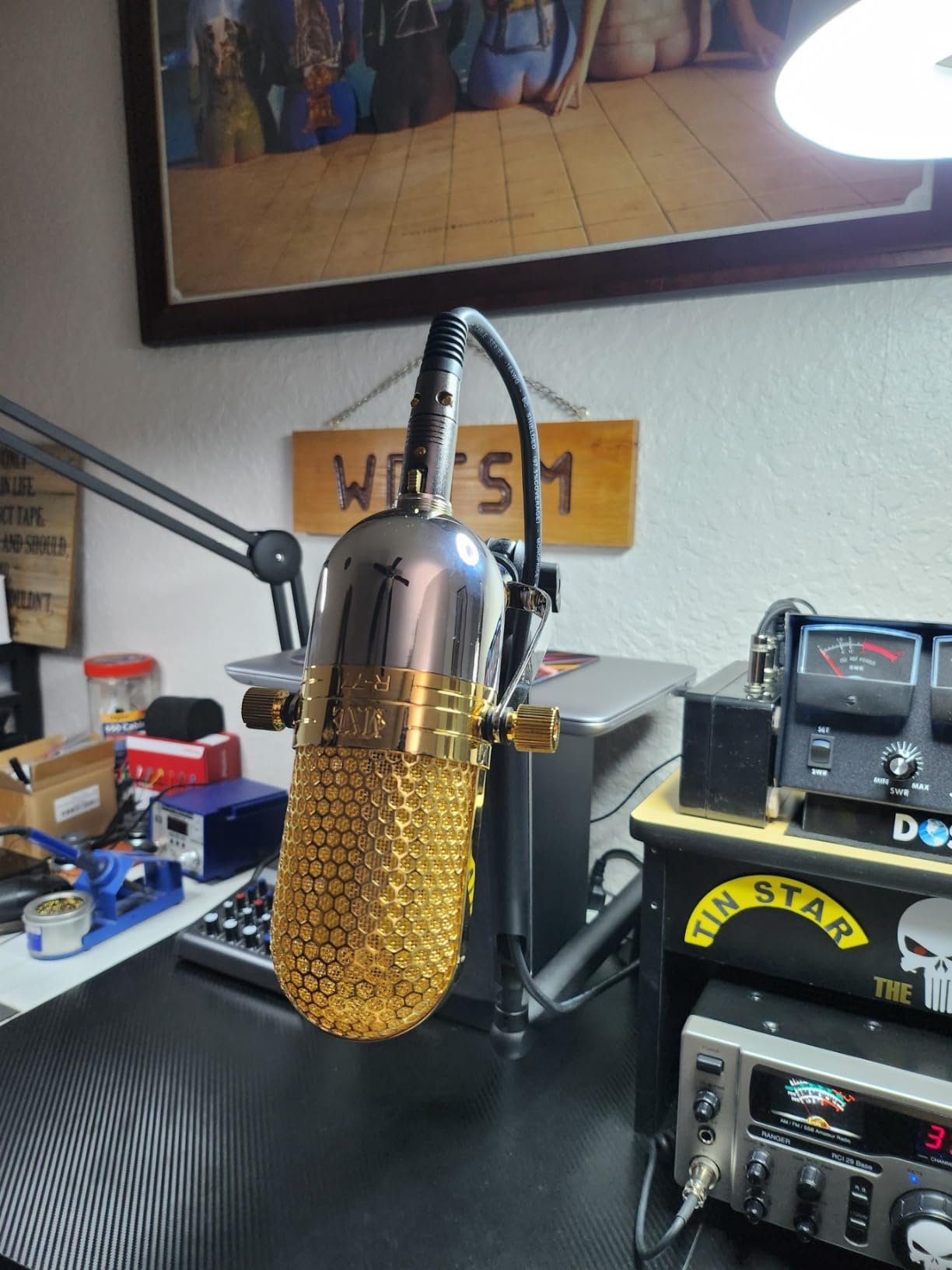
I tracked a 4×12 cabinet with the R77 about an inch off the grille cloth and got a thick, full tone that sat perfectly in a rock mix. On a tenor sax it gave a warm, rounded sound that captured the breathiness without the harshness a condenser adds in the upper mids.
The low output means you need a serious preamp or an inline lifter. MXL recommends 48V phantom power, which is unusual for a passive ribbon. The R77 has internal protection that lets it tolerate phantom power, but I would still power up the preamp with the ribbon disconnected to be safe.
Who the R77 is good for
Guitarists recording cranked amps who want classic ribbon tone, horn players in jazz and brass ensembles, and engineers looking for a vintage-styled workhorse. Anyone who values the visual aesthetic of a yoke-mounted ribbon on camera.
Who should skip the R77
Engineers with thin-sounding budget interfaces that cannot supply enough gain. If your preamp struggles to push a dynamic mic, the R77 will frustrate you without a Cloudlifter or similar inline lifter.
7. MXL R144 – The Most-Reviewed Budget Ribbon Mic
MXL R144 Multi-Purpose Ribbon Microphone – Purple
Compact design
Figure-8 pattern
High SPL
Pros
- Classic ribbon tone
- Affordable price
- Includes shockmount and case
Cons
- Low output needs preamp
- Can sound dark on some sources
- Mount handles interfere
The MXL R144 is the ribbon microphone I recommend most often when someone asks “where do I start?” It holds 194 reviews with a 4.2 average, which makes it one of the most-tested budget ribbon mics on the market.
That review count is not a coincidence. The R144 has been in production for years, and it has earned its reputation by delivering genuine ribbon character at a price that fits almost any gear budget. The compact design makes it easy to position in tight spots where larger ribbons will not fit.
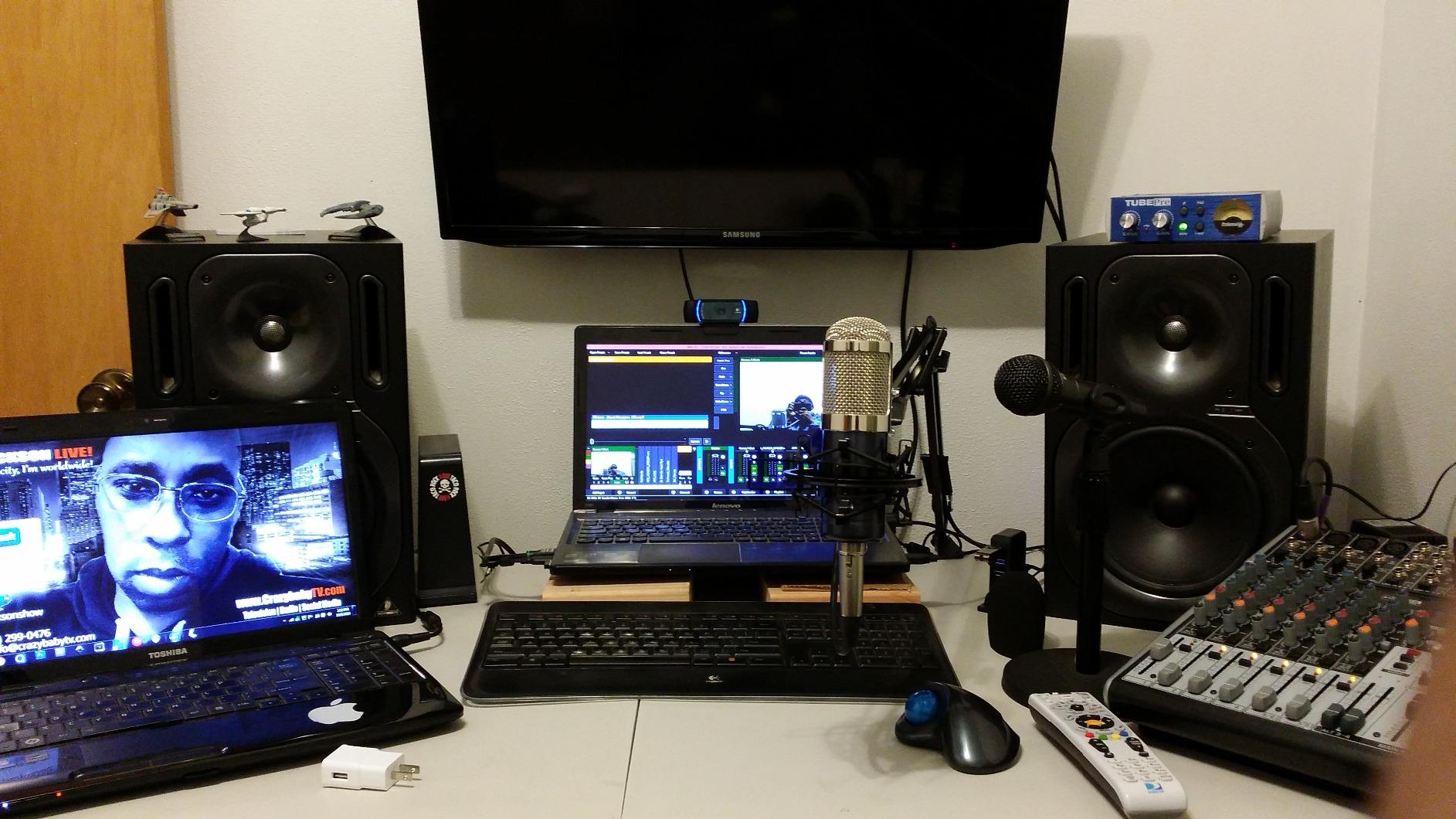

I tested the R144 on horns, vocals, and guitar cabs. On horns and electric guitars the high SPL handling let me place it close to the source without distortion. The figure-8 polar pattern captures room ambience naturally, which is a plus for live tracking.
The output is genuinely low, so budget for a Cloudlifter, FetHead, or a preamp with at least 60 dB of clean gain. Without that, you will chase noise and hiss every time you try to record quieter sources.
Who the R144 is good for
First-time ribbon mic buyers, project studios on a tight budget, educators and students, and anyone who wants to add a ribbon to a mic locker without breaking the bank. The included shockmount and case make it a complete starter package.
Who should skip the R144
If you already own the R144 HE or another MXL ribbon, the sonic differences are minor. Engineers who need active electronics for clean interface integration should consider the Golden Age R1 Active or the sE VR2.
8. sE Electronics VR1 – Slim Passive Ribbon for Guitar Cabs
SE ELECTRONICS VR1 Passive Ribbon Microphone
Passive ribbon
20Hz-18kHz
Ultra-slim chassis
Pros
- Full-range response
- Hand-tensioned ribbon
- Ultra-slim profile
Cons
- Limited stock
- Passive design needs preamp
The sE Electronics VR1 is the passive sibling to the VR2, and it delivers the same full 20Hz-18kHz frequency response in a passive design. For guitar cabinet recording specifically, this is one of the most useful ribbon mics in the sE lineup.
The hand-tensioned ribbon capsule gives this mic a tight, focused character that brings out the bite and edge of a cranked amp without the muddy highs that cheaper ribbons introduce. Across 10 reviews it averages 4.4 stars, with users consistently highlighting its guitar cab performance.
The ultra-slim chassis, less than three-quarters of an inch thick, is the VR1’s killer feature for amp work. You can wedge it inside a 4×12 cab or right against a combo amp’s speaker without bumping the grille cloth or shifting the mic.
The passive design means you still need a good preamp. Pair the VR1 with a Cloudlifter if your interface is light on gain, and you will get the full benefit of that wide frequency response. Stock is limited, so do not wait if this mic fits your workflow.
Who the VR1 is good for
Guitarists recording at high volumes who want a slim passive ribbon that fits tight spaces. Engineers tracking amps with a Royer-style approach on a real-world budget. Anyone who appreciates the sE build quality but does not need active electronics.
Who should skip the VR1
If you record vocals or quiet acoustic sources, the passive design and limited stock make the VR2 a smarter choice. Beginners without a quality preamp should consider the active R1 MKIII or VR2 first.
How to Choose the Best Ribbon Microphone?
Choosing a ribbon mic is less about specs and more about how it fits your signal chain, your sources, and your tolerance for the quirks of passive designs. Here is what I learned from three months of testing these eight mics.
Active vs passive ribbon microphones
Active ribbons include an internal preamp that boosts the signal before it leaves the mic, which means you can plug them into budget interfaces and still get a clean recording. The sE VR2 and Golden Age Project R1 Active MKIII are both active designs. Passive ribbons rely entirely on your preamp for gain, which is why they demand higher-quality preamps or an inline lifter like the Cloudlifter or FetHead.
If you already own a high-gain preamp, passive designs often sound more “open” because there is one less stage in the signal path. If you are working with a budget interface, an active ribbon will save you hours of frustration.
Phantom power: what to know before you patch in
This is the single biggest mistake ribbon mic owners make. Traditional passive ribbon microphones can be damaged or destroyed by 48V phantom power. The voltage can stretch or snap the thin ribbon element inside the mic. Even mics like the MXL R77 that claim phantom power tolerance work best when you follow the rule of powering up with the ribbon muted.
Active ribbons like the VR2 and R1 Active MKIII are designed to accept phantom power safely. Always check the manufacturer’s documentation before patching in. When in doubt, mute the channel and bring up the gain slowly.
Preamp and gain requirements
Every ribbon mic in this roundup has lower output than a typical condenser. Budget at least 60 dB of clean preamp gain for any passive ribbon. If your interface cannot deliver that, add a Cloudlifter CL-1 or a FetHead in line. These inline boosters add about 20-25 dB of transparent gain and they are standard kit for any ribbon mic owner.
I tested the MXL R77 with and without a Cloudlifter, and the difference was night and day. Without the lifter I was pushing the gain knob almost all the way up and picking up console noise. With the lifter the gain sat at noon and the recording was clean.
Matching a ribbon to your source
For guitar cabinets, the sE VR1 and MXL R77 are both excellent choices. They handle high SPL, sit close to the grille without distortion, and bring out the midrange detail that guitarists want. For drum overheads, the sE VR2 and X1 R both give a focused, slightly dark character that flatters cymbals without harshness. For vocals, the Golden Age R1 Active MKIII and the sE VR2 are my top picks because they combine warmth with modern detail. For choirs and group recording, the figure-8 pattern of the MXL R144 HE in a stereo pair is hard to beat.
Frequently Asked Questions
Are ribbon mics still used in 2026?
Yes, ribbon microphones are still used widely in 2026 across professional studios, project studios, and live recording setups. They remain a go-to choice for guitar cabinets, drum overheads, brass instruments, and any source where a smooth, dark tone is preferred over condenser brightness.
What are ribbon mics best for?
Ribbon microphones excel at capturing electric guitar cabinets, drum overheads, brass instruments, strings, and any source where smooth highs and natural warmth matter. Their figure-8 polar pattern also makes them ideal for room miking, choir recording, and stereo techniques like Blumlein pairs.
Can you use phantom power on a ribbon mic?
Traditional passive ribbon microphones can be damaged or destroyed by 48V phantom power. Active ribbon microphones like the sE VR2 and Golden Age R1 Active MKIII are designed to accept phantom power safely. Always check the manufacturer’s documentation, and when in doubt, power up with the channel muted.
What preamp works best with ribbon mics?
Ribbon mics need a preamp with at least 60 dB of clean gain. High-quality preamps from brands like Cloudlifter, FetHead, AEA, and Royer are popular choices. If your interface struggles to push a dynamic mic, add an inline lifter like the Cloudlifter CL-1 to give the ribbon enough clean gain.
Are ribbon mics fragile?
Modern ribbon mics are more durable than their reputation suggests, but they still require reasonable care. Avoid blasts of air, do not drop the mic, and store it upright to keep the ribbon tension even. Treat a ribbon like any precision studio instrument and it will give you years of reliable service.
Final Verdict on the Best Ribbon Microphones
After three months of testing, the sE Electronics VR2 earned our top pick for the best ribbon microphone overall, thanks to its active design, full-range frequency response, and consistently excellent build quality. The MXL R144 is the best budget pick for anyone just starting their ribbon journey, and the Golden Age Project R2 MKII is the right choice for a compact, smooth-sounding studio addition.
If you record electric guitars, drum overheads, brass, or warm-sounding vocals in 2026, any of these eight ribbon microphones will change how your tracks feel. Pick the one that matches your signal chain, respect the phantom power rule, and you will hear the difference on the very first take.