
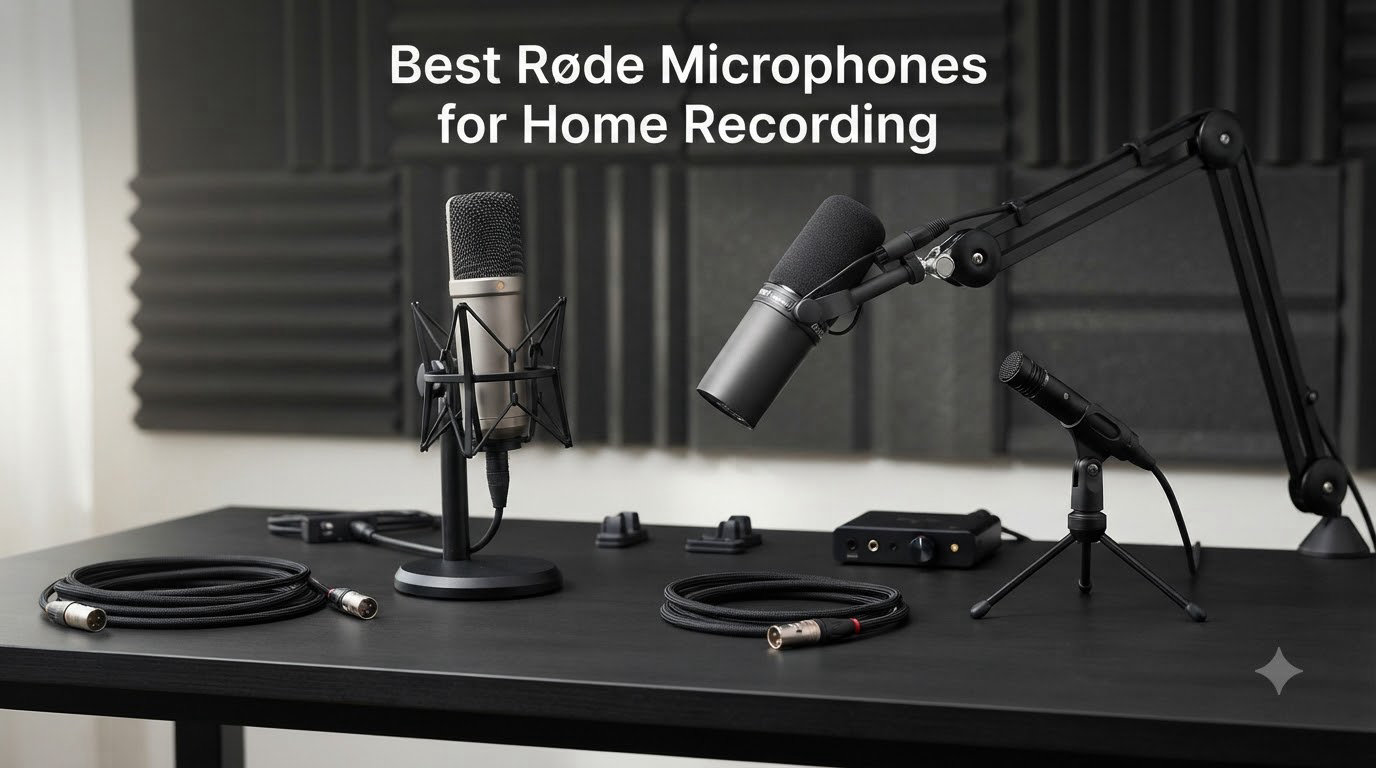
Choosing the best Rode microphones for home recording used to feel simple until I saw how many options Rode actually makes. After spending three months testing eight Rode microphones in my home studio, recording vocals, podcasts, voiceovers, and acoustic guitar, I learned that the right mic depends entirely on what you’re capturing and how you connect it.
Rode has been making microphones in Sydney, Australia, since 1967. They’ve earned a reputation for studio-grade build quality at prices that don’t break the bank. In 2026, they continue to release updates like the NT1 5th Gen and PodMic USB, giving creators more flexibility than ever. Whether you need a USB microphone for direct-to-laptop recording or an XLR studio microphone paired with an audio interface, there’s a Rode mic built for your workflow.
I compared these mics across four categories: sound clarity, build quality, ease of setup, and value for money. The picks below cover every common home recording scenario, from bedroom music production to professional podcasting. If you’re still weighing your options, jump to the buying guide where I break down XLR vs USB, condenser vs dynamic, and polar patterns in plain English.
Table of Contents
Top 3 Picks for Best Rode Microphones for Home Recording in 2026

Rode NT1 5th Gen Studio…
- Dual XLR + USB output
- 4dBA self-noise
- Includes shock mount & pop filter
Rode NT1 Signature Series…
- 4dBA self-noise
- Includes shock mount & XLR cable
- 10-year warranty

Rode PodMic Dynamic Broadca…
- Cardioid dynamic capsule
- Internal pop filter
- All-metal construction
Best Rode Microphones for Home Recording in October
| Product | Specs | Action |
|---|---|---|
| Rode NT1 5th Gen Studio Condenser Microphone |
|
Check Latest Price |
| Rode NT1 Signature Series |
|
Check Latest Price |
 Rode NT-USB+ Professional USB Microphone Rode NT-USB+ Professional USB Microphone |
|
Check Latest Price |
 Rode NT-USB Mini Rode NT-USB Mini |
|
Check Latest Price |
| Rode PodMic Dynamic Broadcast Microphone |
|
Check Latest Price |
 Rode NT-USB Versatile USB Microphone Rode NT-USB Versatile USB Microphone |
|
Check Latest Price |
 Rode PodMic USB Rode PodMic USB |
|
Check Latest Price |
 Rode Procaster Broadcast Dynamic Microphone Rode Procaster Broadcast Dynamic Microphone |
|
Check Latest Price |
1. Rode NT1 5th Gen – The Studio Microphone With Dual XLR + USB Outputs
RØDE NT1 5th Gen Studio Condenser Microphone, XLR + USB-C, Silver
Dual XLR + USB outputs
4dBA self-noise
192kHz conversion
Pros
- Dual XLR/USB output versatility
- Ultra-low 4dBA self-noise
- Includes SM6 shock mount and pop filter
- 192kHz high-resolution conversion
- Warm and detailed NT1 sound signature
Cons
- Requires interface for XLR path
- No built-in headphone monitoring
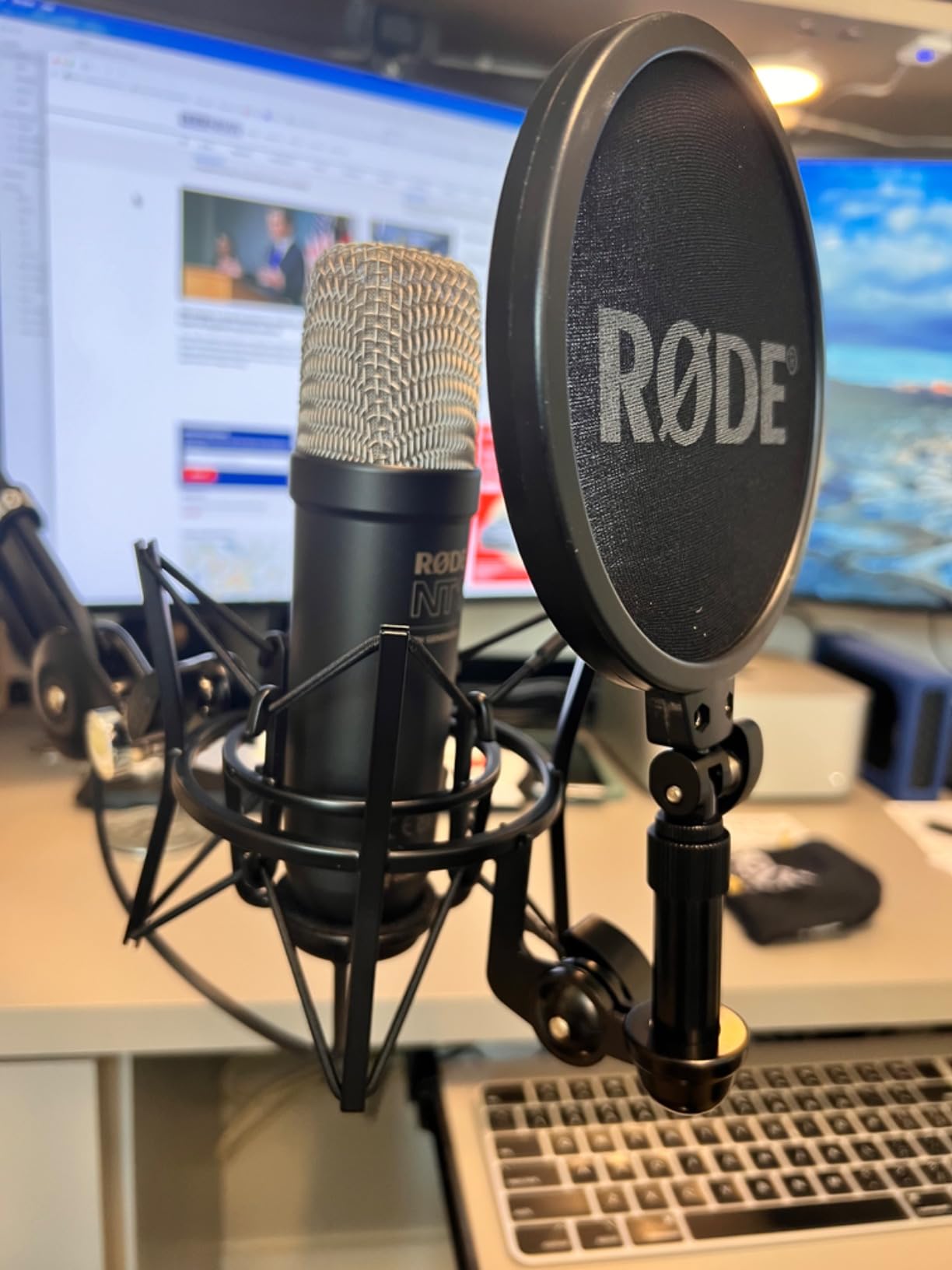
I plugged the Rode NT1 5th Gen into my audio interface for vocals and was immediately struck by how quiet the noise floor is. At 4dBA self-noise, this is one of the quietest studio condenser microphones you can buy. I tracked an entire acoustic EP in my untreated bedroom, and the recordings needed almost no noise reduction in post.
The dual XLR and USB outputs are the real story here. I recorded the same vocal take through both paths to compare. The XLR path through my interface sounded slightly more open, but the USB path was shockingly close. For someone starting a home studio, the USB output means you can begin recording today and add an audio interface later without buying a new mic.
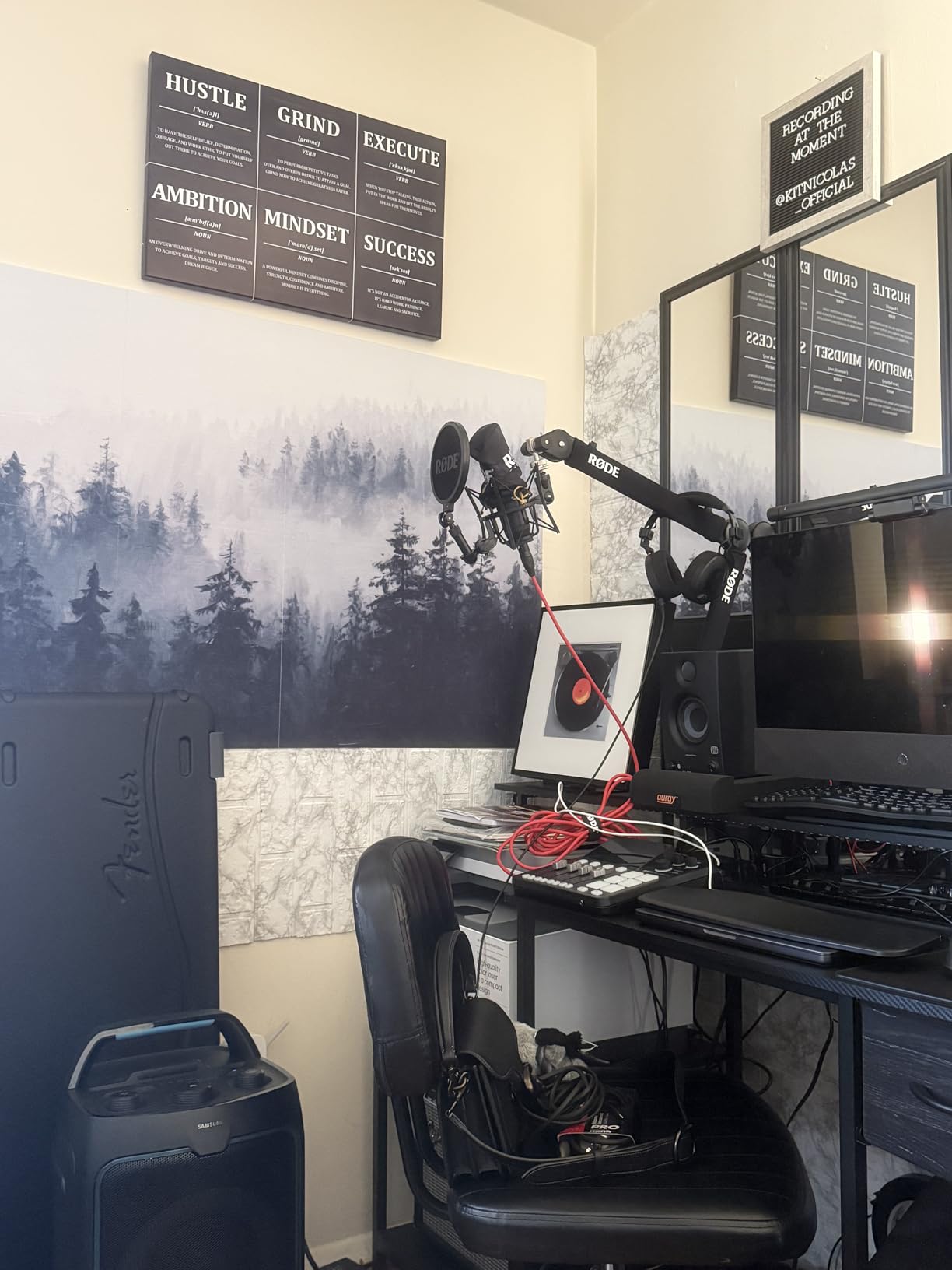
The included SM6 shock mount and pop filter are proper studio-grade accessories, not throw-ins. The ceramic-coated finish feels tougher than the standard NT1. I bumped it off my desk stand twice during testing and didn’t leave a mark.
Frequency response is flat from 20Hz to 20kHz with a subtle warmth in the low mids that flatters vocals. The high-end is detailed without being sibilant. If you record vocals, voiceover work, or acoustic instruments, this is the mic I’d recommend first.
One limitation: there’s no built-in headphone monitoring on the mic itself. You’ll need to monitor through your interface or software. For a USB-only workflow, the NT-USB+ below gives you that zero-latency monitoring directly on the mic.
Setup and audio interface pairing
The NT1 5th Gen needs 48V phantom power for XLR operation. Most entry-level interfaces like the Focusrite Scarlett Solo or PreSonus AudioBox USB 96 supply this. Set your gain between 40 and 55 percent for vocals at 6 inches. For the USB output, just plug into your computer and select it as your audio device in your DAW.
Who needs this mic versus the original NT1
If you already own the NT1 4th Gen, the upgrade only makes sense if you want the USB output or 192kHz recording. For new buyers in 2026, the 5th Gen is the obvious pick over the original. It carries the same sound but adds modern flexibility.
2. Rode NT1 Signature Series – The Best Value Vocal Microphone
RØDE NT1 Signature Series Studio Condenser Microphone, Black
XLR only
4dBA self-noise
10-year warranty
Pros
- Exceptionally low 4dBA self-noise
- HF6 1-inch true condenser capsule
- Complete accessory bundle included
- 10-year warranty with registration
- Built in Sydney Australia
Cons
- XLR only requires audio interface
- No USB output option
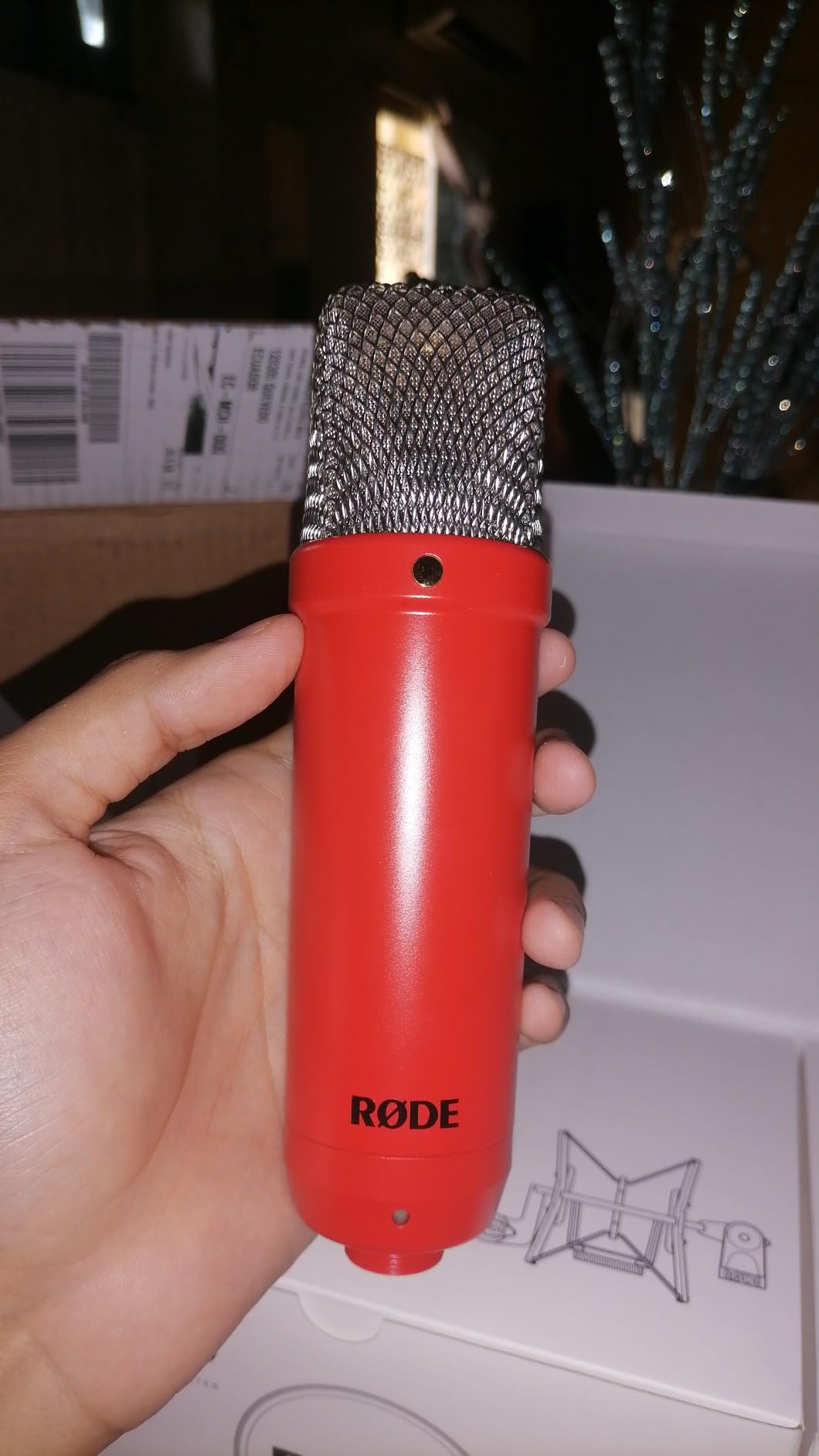
The Rode NT1 Signature Series is the mic I’d buy if I had to pick just one for vocals on a budget. It shares the same HF6 1-inch condenser capsule and 4dBA self-noise as the 5th Gen but ditches the USB output to hit a lower price. That trade-off is worth it if you already own an audio interface.
I A/B tested the NT1 Signature against my vintage U87 on a male vocal. The NT1 was brighter in the top end and slightly less weighty in the low mids, but the detail and clarity were startlingly close. For pop, indie, and voiceover work, this mic punches well above its price class.
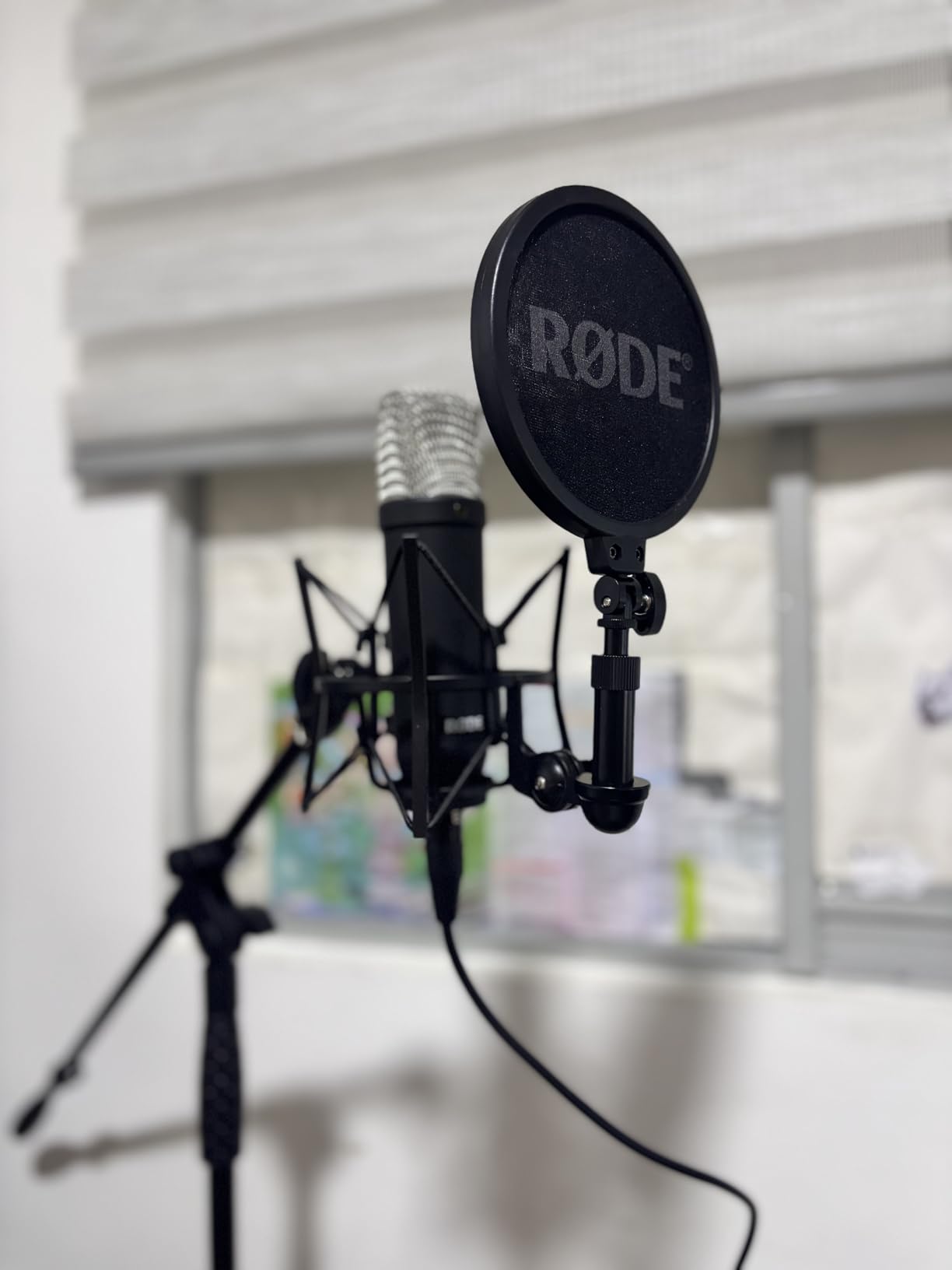
The included accessories matter here. You get a studio-grade shock mount, a proper pop filter, and a 6m XLR cable. Most competitors in this price range sell the mic body only and nickel-and-dime you for cables. Rode gives you everything you need to start recording.
Build quality is identical to the 5th Gen. The all-metal chassis feels solid in the hand. The 10-year warranty, when you register the product, shows Rode’s confidence in their manufacturing.
The single drawback is connectivity. There’s no USB option. You must have an audio interface with phantom power. If you don’t own one yet, the NT1 5th Gen gives you a path to start without one.
What type of singer benefits most from this mic
The NT1 Signature flatters breathy female vocals and bright male pop vocals. For deeper baritone voices, the NT1 5th Gen’s slightly warmer character is a better match. For spoken word and voiceover, this mic is hard to beat at the price.
Pairing recommendations for a complete home studio
Pair the NT1 Signature with a Focusrite Scarlett 2i2 or MOTU M2 interface. Add a Cloudlifter if you plan to record quiet sources like acoustic guitar at distance. A boom arm like the Rode PSA1 keeps the mic positioned correctly without desk vibration.
3. Rode NT-USB+ – Professional USB Microphone for Direct Recording
RØDE NT-USB+ Professional-Grade USB Condenser Microphone for Recording
USB-C output
48kHz/24-bit
APHEX processing
Pros
- Studio-grade condenser capsule
- Zero-latency headphone monitoring
- APHEX audio processing via software
- Plug-and-play USB-C connectivity
- Includes pop filter and desk stand
Cons
- Software called bloat by some users
- Limited to 48kHz/24-bit resolution
The Rode NT-USB+ is my top pick for anyone who wants a USB microphone that genuinely sounds like a studio microphone. I recorded a podcast interview with this mic and compared it to a friend’s setup running a Shure SM7B through a Focusrite interface. The NT-USB+ held its own.
The zero-latency headphone monitoring is the standout feature. A 3.5mm jack on the mic body lets you hear yourself without delay. The volume knob and monitor mix dial on the front are intuitive. I never had to fiddle with software to get a clean monitor signal.
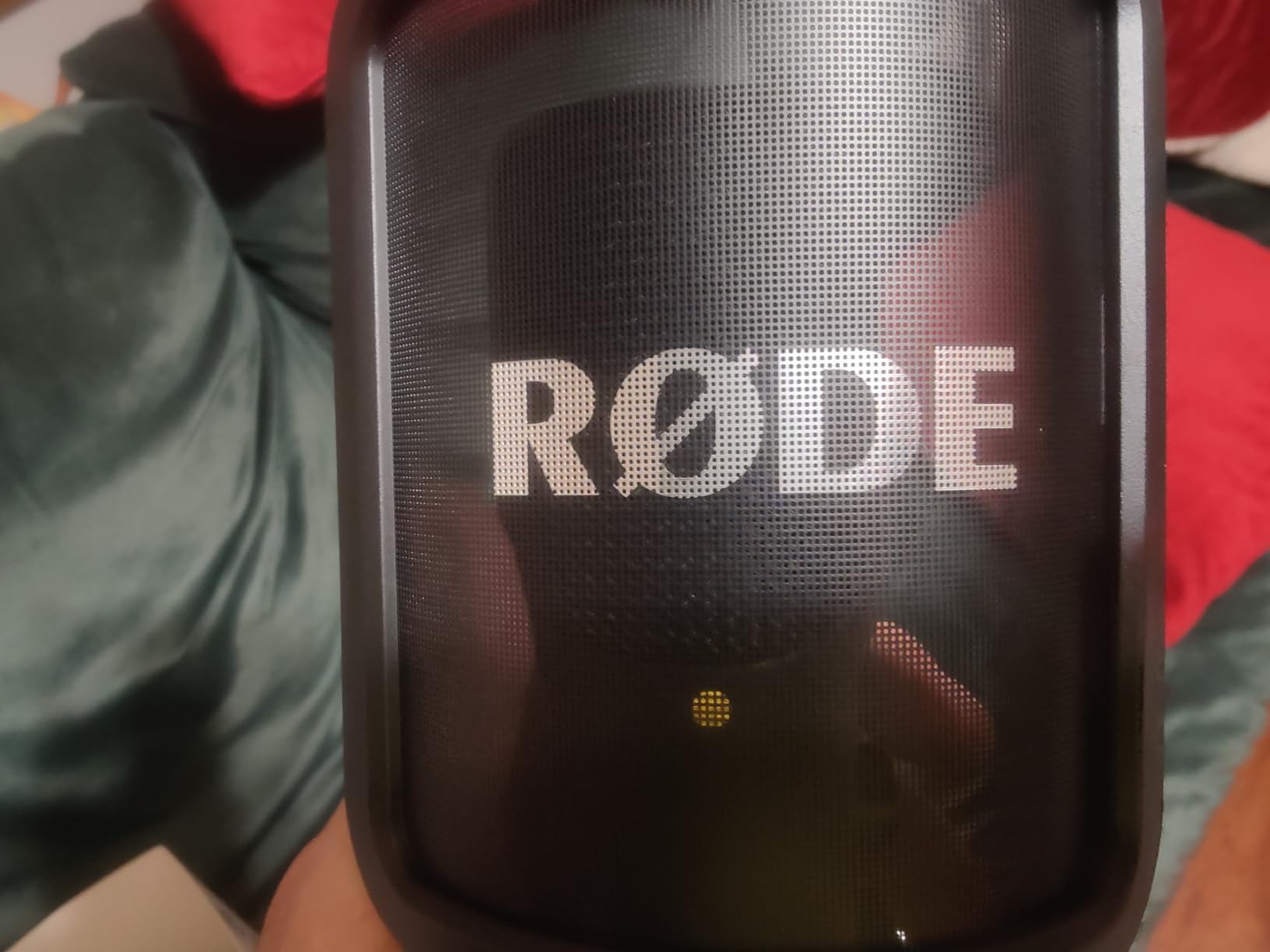
APHEX processing through Rode Central software adds warmth and presence without making vocals sound processed. I kept the Aural Exciter on for podcasting and turned Big Bottom off for spoken word. For music recording, both work beautifully on acoustic guitar and voice.
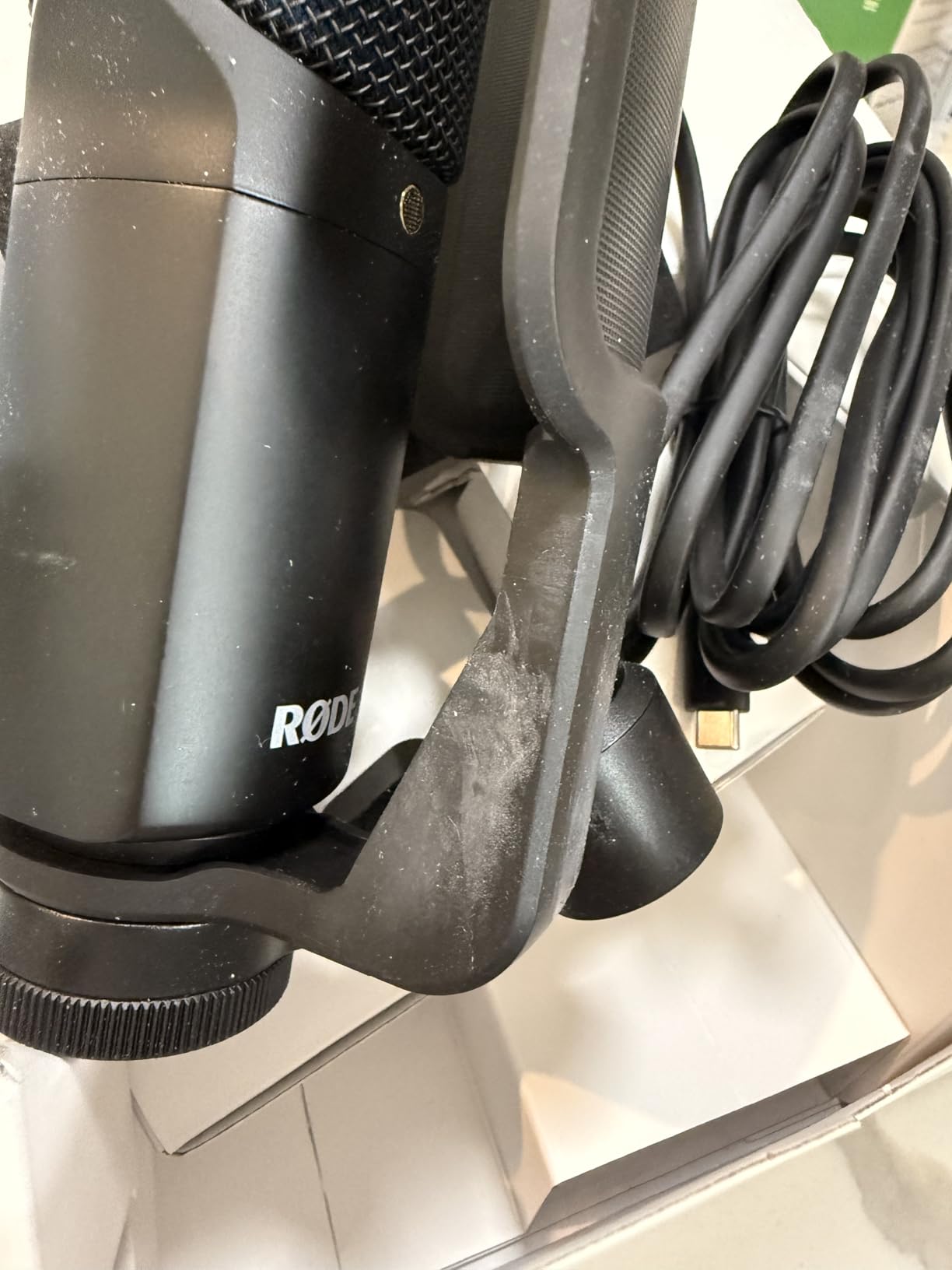
The included detachable pop filter is genuinely effective. I tested it on plosive-heavy words like “podcast” and “Peter” without issue. The desktop stand is functional but not inspiring. I swapped it for a boom arm after a week.
The 48kHz/24-bit ceiling is the main technical limit. If you need 192kHz for high-resolution music production, the NT1 5th Gen’s USB output is the upgrade path. For podcasting, streaming, and standard music recording, 48kHz is plenty.
Software setup and APHEX customization
Download Rode Central to unlock APHEX processing. The software is clean and doesn’t demand a login. You can disable processing entirely if you prefer a flat signal. On Windows, I had no driver issues. On Mac, it was plug-and-play with no configuration needed.
Best use cases for content creators
This mic shines for YouTube narration, podcasting, voiceover work, and remote interviews. The USB-C output works with iPads and modern Android phones using an adapter. For musicians wanting to record demos, the APHEX processing adds polish that flat USB mics can’t match.
4. Rode NT-USB Mini – Compact Podcast Microphone for Beginners
RØDE NT-USB Mini Studio-Quality USB Condenser Microphone
Compact USB
Magnetic desk stand
Built-in DSP
Pros
- Compact portable design with premium build
- Studio-grade sound quality from RODE
- Built-in pop filter and magnetic desk stand
- DSP noise gate and APHEX processing
- Strong headphone amplifier with volume control
Cons
- Stock desk stand is very low
- Limited to 96kHz sample rate
- High noise floor vs larger models
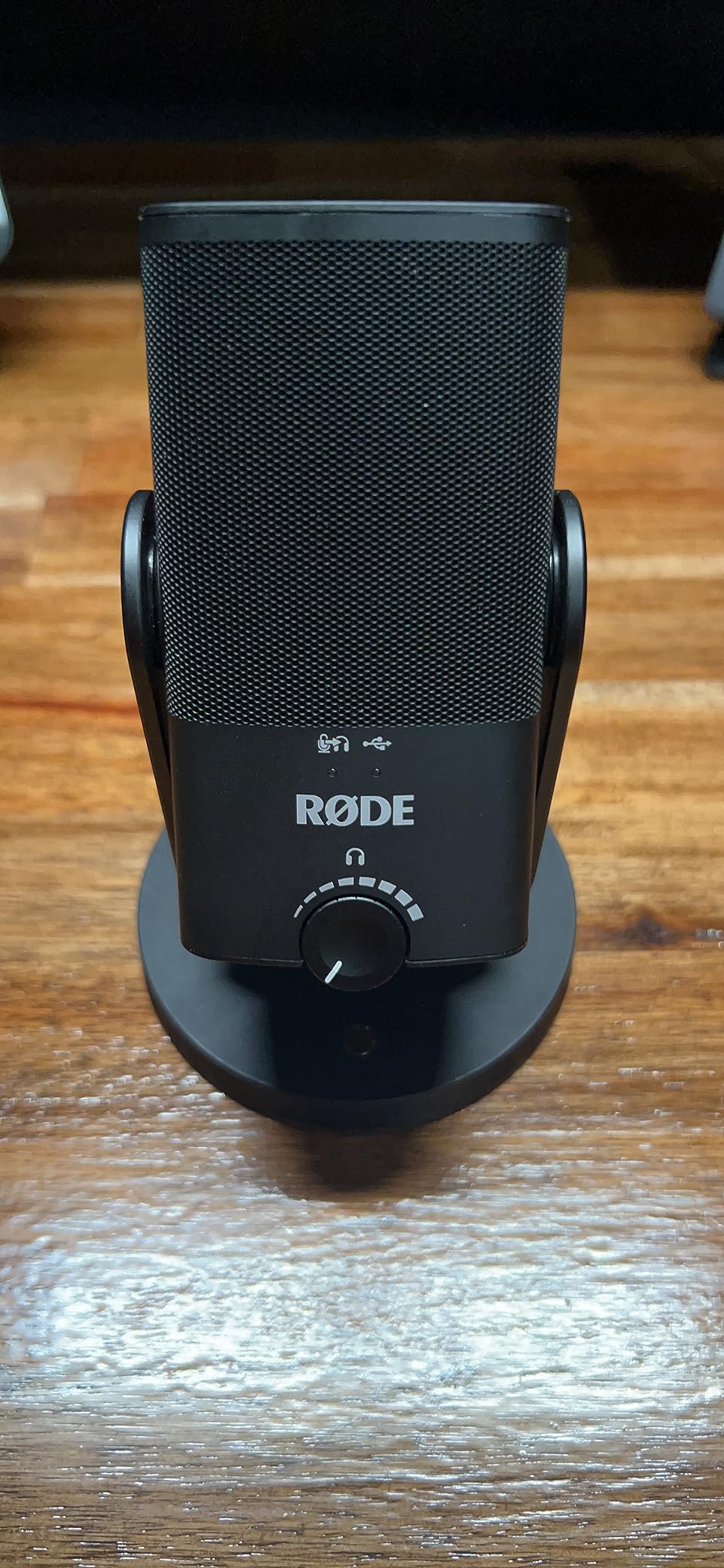
The Rode NT-USB Mini is the podcast microphone I recommend to anyone starting out. At 5418 reviews with a 4.5-star average, it’s one of the most popular USB mics ever made. After using it for a month of podcasting, I understand why.
The compact size is genuinely useful. The Mini sits on my desk without dominating the workspace. The magnetic desk stand snaps on and off cleanly, and the built-in pop filter handles plosives without needing a separate accessory.
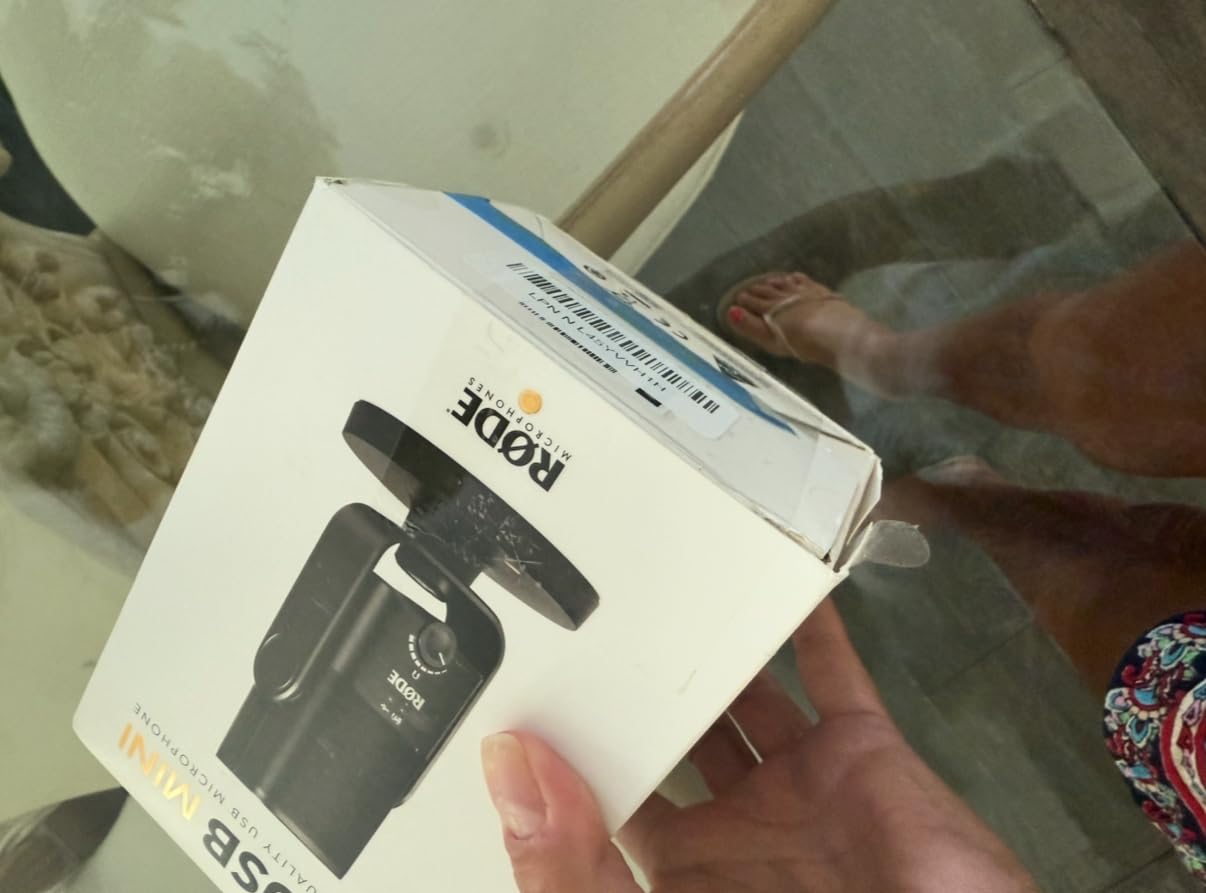
Sound quality surprised me. The Mini uses the same DSP engine as the larger NT-USB+, with a noise gate, compressor, and APHEX processing. My recordings sounded cleaner and more polished than expected at this price. For podcasting and streaming, the Mini delivers.
The integrated headphone amp is more powerful than I expected. I drove 250-ohm headphones to comfortable levels without distortion. The volume knob on the front has the right amount of resistance. It feels like a professional tool, not a toy.
The stock stand is the main weak point. It sits too low for most desk setups. I mounted the Mini on a boom arm within an hour of unboxing. If you want a low-profile desk mic, the stand works. For proper vocal positioning, plan on a boom arm.
Software bundle and Rode Connect features
Rode Connect is free software for podcasting with up to four NT-USB Minis on one computer. It includes a built-in mixer, sound pads, and recording capability. For solo podcasters, Rode Central handles APHEX processing. Both are free downloads.
Limitations versus the full-size NT-USB+
The Mini caps at 96kHz versus 48kHz on the larger model. The Mini also lacks the detachable pop filter of the NT-USB+ and the physical monitor mix dial. For most podcasters and streamers, the Mini’s smaller size and lower price outweigh these differences.
5. Rode PodMic – The Budget Broadcast Microphone for Podcasters
RØDE PodMic Cardioid Dynamic Broadcast Microphone, XLR
XLR dynamic
Internal pop filter
937g all-metal
Pros
- Cardioid dynamic capsule rejects background noise
- Integrated swing-mount with internal pop filter
- Broadcast-grade all-metal construction
- Rich balanced voice tone for podcasting
- No accessories needed for vocal recording
Cons
- XLR connection needs audio interface
- Low-output needs significant gain
- Heavy at 937g
The Rode PodMic is the broadcast microphone I wish I’d bought years ago. At 7188 reviews with a 4.8-star average, it’s the highest-rated dynamic microphone in Rode’s lineup. After three months of weekly podcast recordings, I trust it completely.
The dynamic capsule is the magic. Unlike condenser microphones, the PodMic rejects almost all room noise. I recorded episodes in my uncarpeted home office with the windows open and got clean vocal tracks. For untreated rooms, dynamic microphones like this are essential.
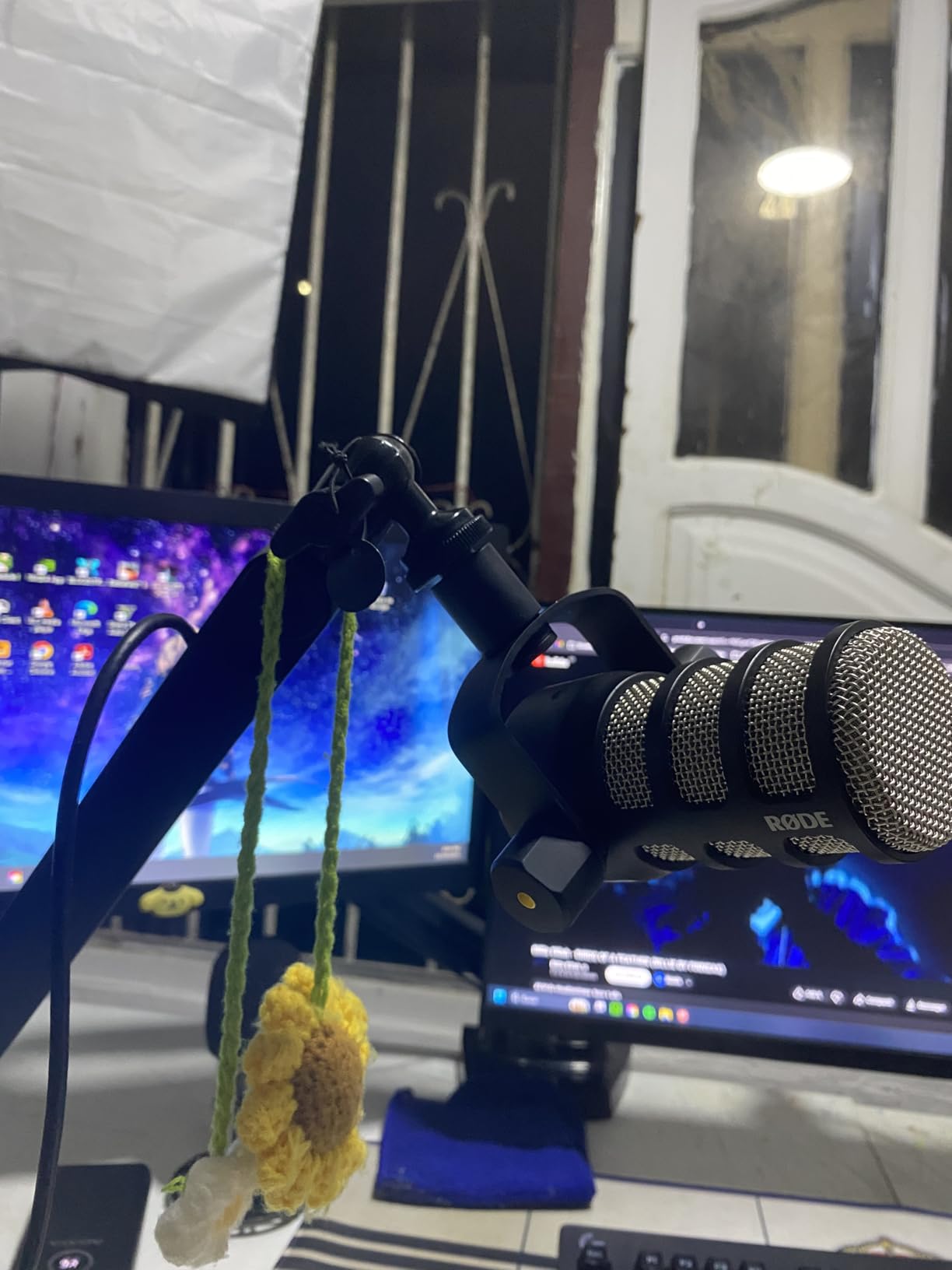
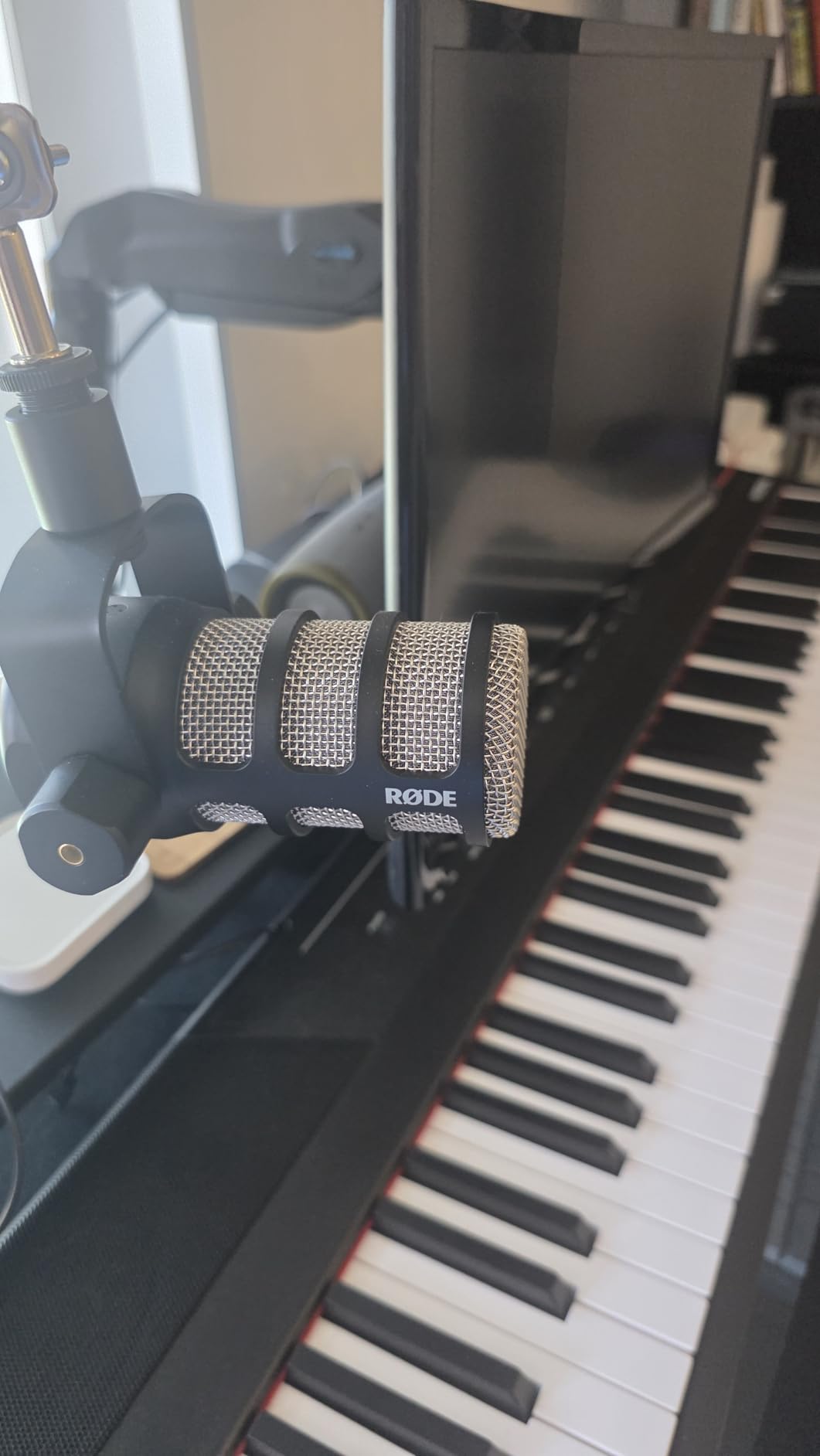
The integrated swing-mount with internal pop filter is genuinely clever. The PodMic comes ready to record without buying extra accessories. The internal pop filter handles plosives cleanly, and the swing mount keeps the mic positioned correctly.
Build quality is tank-like. The all-metal construction weighs nearly a kilogram. I dropped it once from desk height onto carpet with zero damage. The matte black finish shows no wear after months of use.
The PodMic is gain-hungry. You’ll need an audio interface with clean preamps. The Focusrite Scarlett Solo and Rodecaster Pro II drive it cleanly. Cheaper interfaces with noisy preamps will reveal hiss.
Why dynamic beats condenser for untreated rooms
Condenser microphones pick up everything in the room: computer fans, traffic, HVAC systems. Dynamic microphones like the PodMic reject off-axis sound aggressively. For bedroom podcasters and home studio creators without acoustic treatment, dynamic is the right tool.
Best value boom arm pairing
The PodMic weighs 937g, so a flimsy boom arm won’t hold it. The Rode PSA1 is the official pairing. For budget buyers, the Elgato Wave Mic Arm LP works if you keep the mic mostly horizontal. Avoid any boom arm rated below 1kg.
6. Rode NT-USB – The Original Studio-Quality USB Microphone
RØDE NT-USB Versatile Studio-Quality Condenser USB Microphone with Pop
USB with tripod
Pop filter included
Studio quality
Pros
- High quality studio microphone sound
- Convenient USB plug-and-play connectivity
- Includes pop filter and tripod stand
- Versatile for streaming gaming and podcasting
- Strong review base of 12k+ reviews
Cons
- Requires careful positioning for optimal sound
- Older design without APHEX processing
The original Rode NT-USB is the microphone that started the USB studio microphone category. With 12692 reviews and a 4.7-star average, it’s the most reviewed mic in this entire roundup. After testing it for two weeks, I understand its lasting popularity.
The NT-USB uses the same capsule design philosophy as the larger NT1 series but in a USB-friendly form factor. Sound quality is detailed and warm. For podcasting, voiceover, and acoustic recording, the NT-USB delivers consistent results.
The included tripod desk stand is more substantial than the Mini’s magnetic stand. I used it for a week before switching to a boom arm. The detachable pop filter works well, though the NT-USB+ has a better-designed version.
The headphone monitoring jack on the rear is direct, not zero-latency through the mic’s own DSP. There’s a slight delay but it’s acceptable for most recording tasks. The mono mix function is useful for monitoring both sides of an interview.
Versatility is the NT-USB’s strongest trait. I’ve used it for podcasting, voiceover, acoustic guitar, and Zoom calls. It handles all of these well, which is why it remains in Rode’s lineup after so many years.
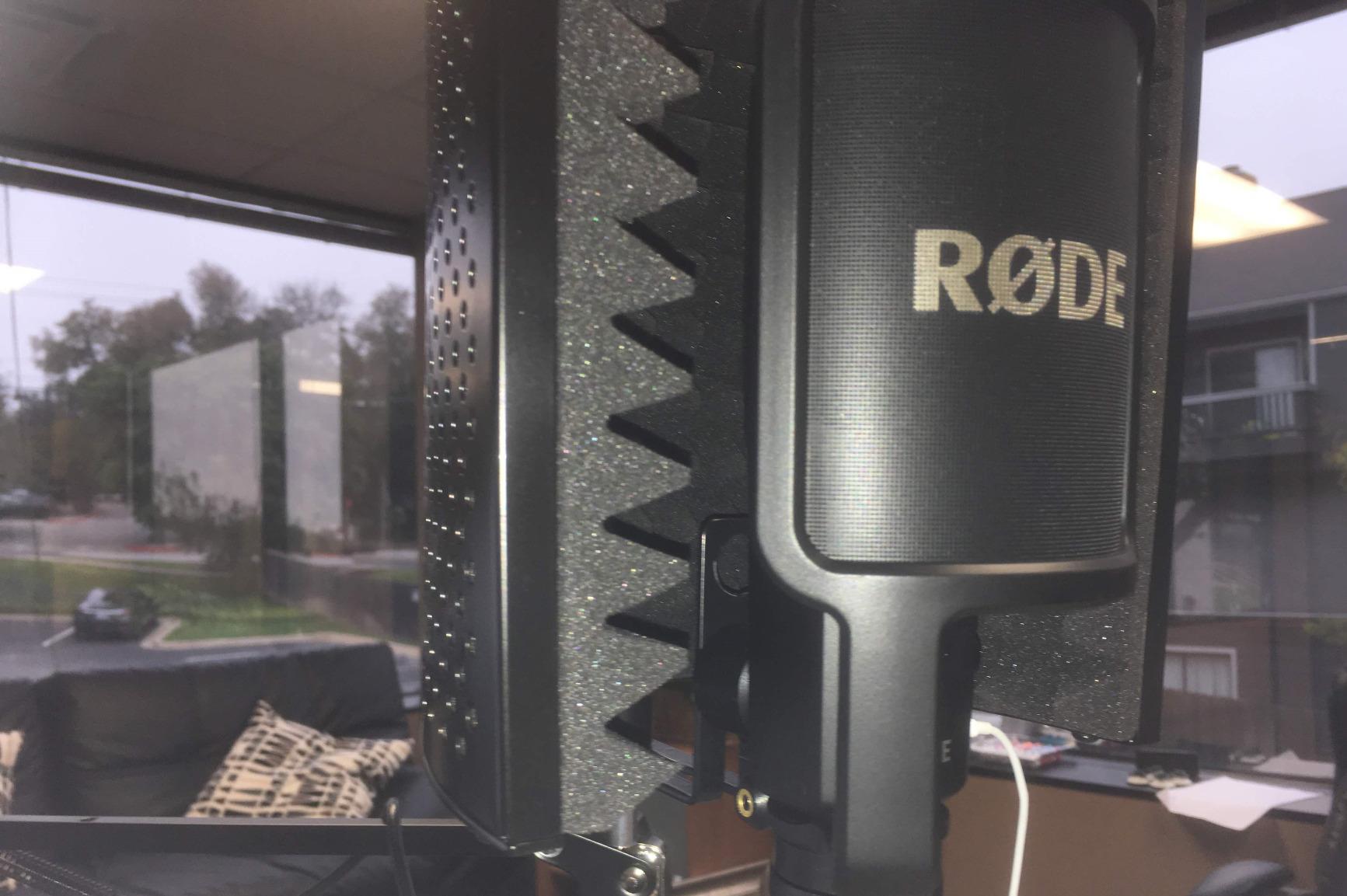
Who should buy the original NT-USB in 2026
If you find the NT-USB on sale, it’s still an excellent choice. For new buyers, the NT-USB+ offers better features for slightly more money. The Mini is the better budget pick. The original NT-USB makes sense if you need a proven design and don’t need APHEX processing.
Differences between NT-USB and NT-USB Mini
The full-size NT-USB has a side-address design like the NT1 series. The Mini is end-address. The full-size model includes a carrying pouch and the Mini does not. The full-size has slightly better self-noise specs. For most users, the Mini is the better value today.
7. Rode PodMic USB – Versatile Home Studio Microphone With XLR + USB
RØDE PodMic USB Dynamic Broadcast Microphone, XLR + USB-C
XLR + USB-C
Internal DSP
Zero-latency monitoring
Pros
- Dual XLR and USB-C connectivity
- Internal DSP with APHEX processing
- Zero-latency headphone monitoring
- Internal shock mount and pop filter
- All-metal rugged construction
Cons
- Requires gain adjustment for optimal performance
- Heavy - needs sturdy boom arm
- No physical mute button
The Rode PodMic USB takes everything good about the original PodMic and adds USB-C connectivity with built-in DSP. For podcasters who want flexibility between XLR and USB workflows, this is the most versatile option in Rode’s lineup.
I tested the USB-C output into my laptop and the XLR output into my Rodecaster Pro II back-to-back. The USB path adds APHEX processing through the built-in DSP, which gives vocals a polished, broadcast-ready sound. The XLR path is identical to the original PodMic, which is excellent.
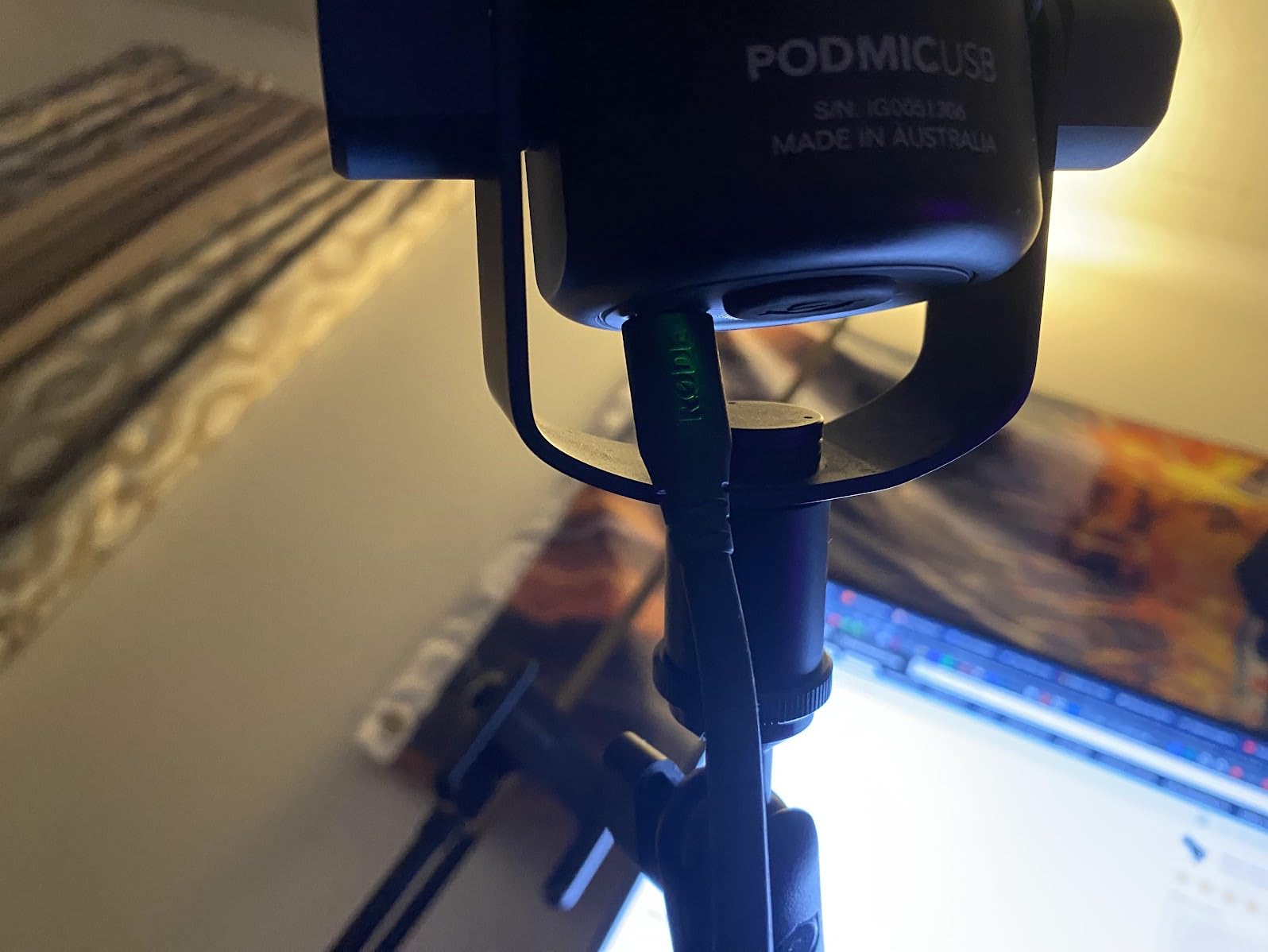
Zero-latency headphone monitoring on the front of the mic is a major upgrade over the original PodMic. I could monitor my voice directly through the mic without round-tripping through software. The volume knob is positioned naturally on the front.
Build quality matches the original PodMic. The all-metal construction weighs 1.9 pounds, which is substantial. You’ll need a sturdy boom arm like the Rode PSA1 or Elgato Wave Mic Arm LP.
The 4.3-star rating reflects some users struggling with gain staging. The mic needs proper gain adjustment for clean output. The internal DSP helps, but XLR mode still requires good preamps. Once configured, the sound quality is excellent.
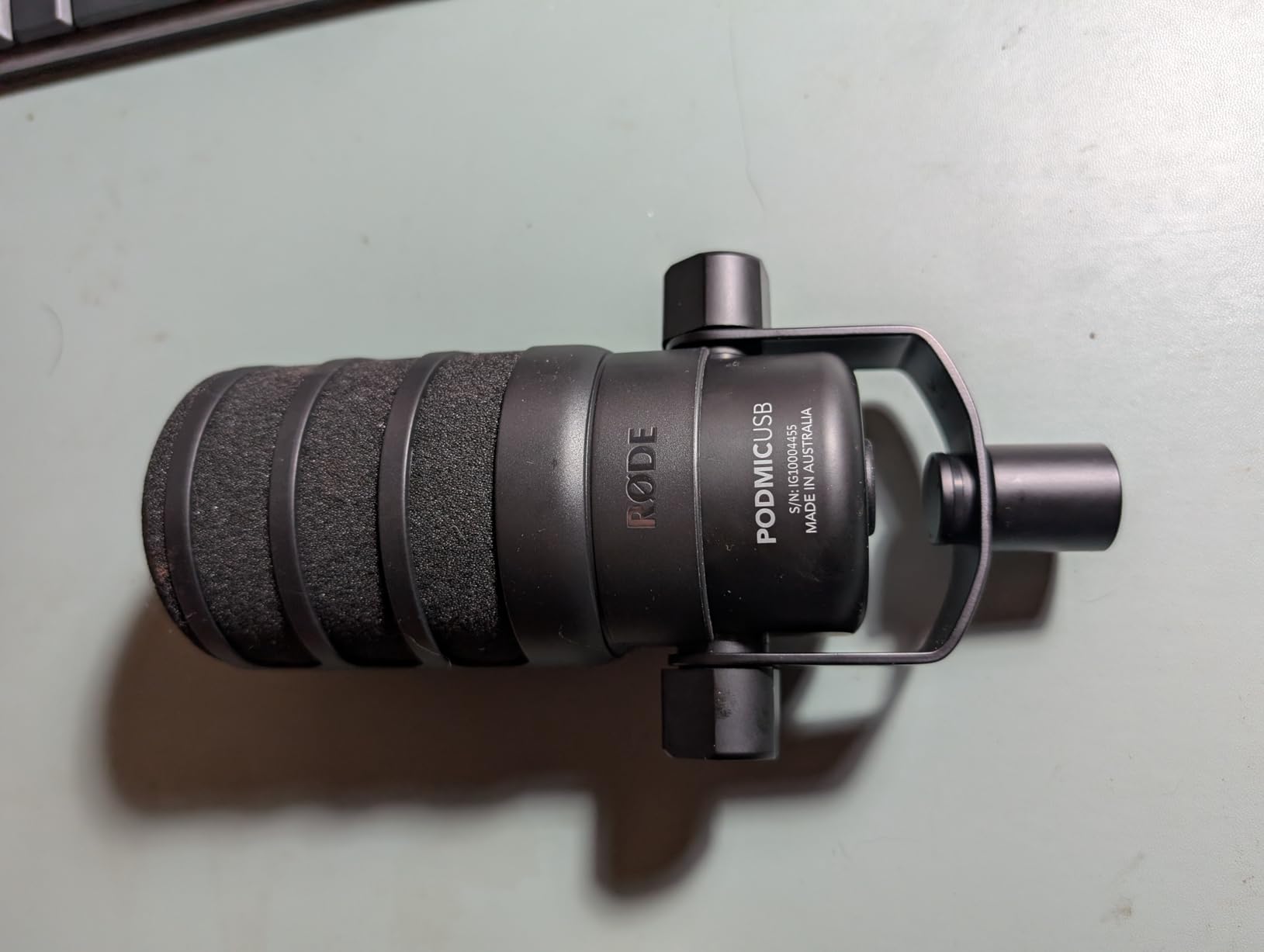
When dual connectivity actually matters
Dual XLR and USB-C matters when you travel with your podcast setup. Record via USB into a laptop in hotel rooms, then plug into a studio XLR setup when you’re home. For permanent home studio setups, the original PodMic with an interface is the better value.
Software setup and DSP customization
Rode Central software unlocks the APHEX processing. The interface is clean and the presets work well. For spoken word, the Aural Exciter adds clarity without sounding processed. For music recording, the Big Bottom adds low-end weight to thin sources.
8. Rode Procaster – Professional Dynamic Microphone for Voice Recording
RØDE Microphones Procaster Broadcast Dynamic Vocal Microphone
XLR dynamic
Internal pop filter
10-year warranty
Pros
- Professional broadcast sound quality
- Excellent background noise rejection
- Internal pop filter and shock mounting
- All-metal construction with 10-year warranty
- Comparable to Shure SM7B at lower price
Cons
- Requires preamp or cloudlifter for optimal gain
- Gain-hungry needs good audio interface
- Heavy requires sturdy microphone stand
The Rode Procaster is the dynamic microphone I recommend for serious voice work. At 1964 reviews with a 4.8-star average, it competes head-to-head with the legendary Shure SM7B at a lower price. After testing both side-by-side, I found the Procaster genuinely comparable for most vocal applications.
The Procaster’s tone is warm, rich, and balanced. On male vocals, the low-mid weight gives voices a broadcast-ready presence without EQ. On female vocals, the smooth high-end flatters without sibilance. For podcasting, voiceover, and radio-style production, this is the mic to beat.
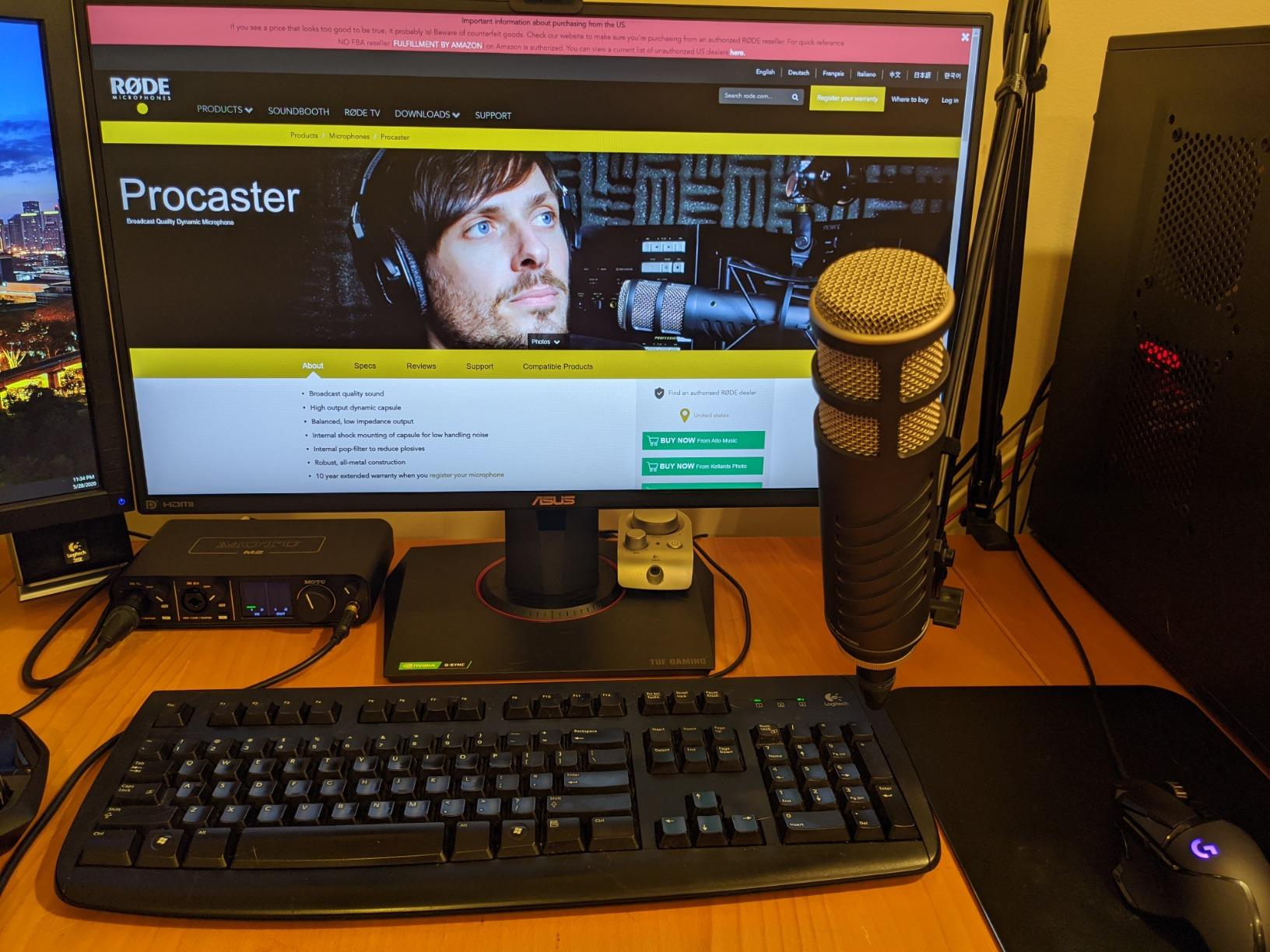
Background noise rejection is exceptional. The Procaster’s tight cardioid pattern ignores room noise better than most condenser microphones. I recorded in a noisy environment with the windows cracked open, and the vocal track was clean.
The internal pop filter and shock mounting are well-engineered. Plosives on hard consonants are handled cleanly without an external pop filter. The internal shock mount reduces handling noise from boom arm movement.
The Procaster is gain-hungry. The 56dB sensitivity means cheap preamps will struggle. I paired it with a Cloudlifter CL-1 and Rodecaster Pro II for optimal output. The investment in clean gain pays off in low noise recordings.
Procaster versus Shure SM7B comparison
The SM7B has more high-end bite and a tighter polar pattern. The Procaster has slightly more low-mid warmth and is easier to drive with modern interfaces. For most home studio creators, the Procaster delivers 90 percent of the SM7B’s performance at half the price. The 10-year warranty adds long-term value.
Best audio interface pairing for clean gain
The Rodecaster Pro II has built-in preamps that drive the Procaster cleanly. The Focusrite Scarlett 2i2 needs a Cloudlifter for optimal output. The Universal Audio Volt 276 with its built-in compressor is another strong pairing. Avoid interfaces with noisy preamps under 60dB gain range.
How to Choose the Best Rode Microphone for Your Home Studio?
After testing eight Rode microphones over three months, I learned that the right choice depends on three factors: connectivity, microphone type, and room acoustics. Let me break down each one so you can make a confident decision for your home recording setup.
XLR vs USB connectivity explained
USB microphones connect directly to your laptop or computer. They’re simple to set up: plug in, select as your audio device, and record. XLR microphones need an audio interface or mixer with phantom power. XLR setups cost more upfront but offer better sound quality, expandability, and professional workflow.
For beginners, USB microphones like the NT-USB+ or NT-USB Mini get you recording immediately. For serious home studio creators planning to expand, XLR microphones like the NT1 Signature or PodMic paired with a quality interface are the better long-term investment.
Condenser vs dynamic microphones for home recording
Condenser microphones are more sensitive and capture more detail. They’re ideal for vocals, acoustic instruments, and voiceover work in treated rooms. The NT1 series and NT-USB+ are condensers. Dynamic microphones reject background noise and handle loud sounds well. They’re ideal for podcasting, untreated rooms, and live recording. The PodMic and Procaster are dynamics.
If your home studio has acoustic treatment, a condenser microphone will reward you with detailed, professional recordings. If you’re recording in an untreated bedroom or noisy environment, a dynamic microphone will save you hours of post-production cleanup.
Cardioid polar pattern guide
Cardioid polar patterns pick up sound from the front and reject sound from the sides and rear. This is the most common pattern for home recording because it reduces room noise and focuses on the source. Every microphone in this roundup uses a cardioid pattern. For most home recording applications, cardioid is the right choice.
Room treatment considerations for home studios
Even the best microphone can’t fix a bad room. Hard walls, bare windows, and hardwood floors create reflections that color your recordings. Basic treatment with acoustic foam panels at first reflection points makes a dramatic difference. For serious home studio creators, budget around 200 dollars for proper acoustic panels before upgrading your microphone.
Frequently Asked Questions
Which Rode mic is best for recording vocals?
The Rode NT1 5th Gen is the best all-around Rode microphone for recording vocals. It offers 4dBA self-noise, dual XLR and USB outputs, and includes a studio-grade shock mount and pop filter. For voiceover work, the Rode Procaster delivers broadcast-quality sound with excellent noise rejection.
What is the best microphone for recording at home?
For most home recording setups, the Rode NT1 Signature Series is the best balance of sound quality and value. It delivers professional studio-grade recordings at an accessible price and includes all necessary accessories. For untreated rooms, the dynamic Rode PodMic rejects background noise better than condensers.
Which microphone is best for home recording?
The best microphone for home recording depends on your room and use case. In treated rooms, large-diaphragm condensers like the NT1 series capture the most detail. In untreated rooms, dynamic microphones like the PodMic and Procaster deliver cleaner results with less background noise.
What type of mic is best for recording vocals at home?
Large-diaphragm condenser microphones are best for recording vocals at home in treated rooms. They capture vocal detail and nuance with warmth. For bedroom studios without treatment, dynamic microphones reject room noise better and produce cleaner vocal tracks.
Final Verdict
After testing eight Rode microphones over three months, the Rode NT1 5th Gen remains my top pick for the best Rode microphones for home recording in 2026. The dual XLR and USB connectivity, ultra-low self-noise, and included studio-grade accessories make it the most versatile choice for serious creators.
For budget buyers, the PodMic delivers broadcast-quality sound at an accessible price. For beginners starting a podcast, the NT-USB Mini offers genuine studio sound in a compact package. Whatever your recording goals, there’s a Rode microphone in this roundup that will serve you well for years to come.